
Reviewed · TOKYO TEA CEREMONIES
Tokyo: Tea Ceremony Experience in Asakusa
The heart of this Asakusa experience is simple: you learn the gestures behind a Japanese tea ceremony, then make a bowl of matcha yourself. I like that the host explains the meaning of each step instead of asking you to copy a ritual without context. I also like the chance to whisk the tea and taste it with a traditional sweet, a small but satisfying introduction to matcha.
The tone is meant to be relaxed and beginner-friendly, with time for questions and photos. One consideration: this is a one-hour introduction, not a formal, extended ceremony, and kimono rental is not included. If you want a low-pressure first look at tea culture, that may be just right. If you want a highly formal experience, check your expectations before booking.
- You make your own matcha: Learn to whisk powdered green tea, then prepare a bowl for yourself.
- The host explains the gestures: Hear why actions such as pouring water and presenting tea matter.
- Sweets are part of the tasting: Traditional Japanese sweets accompany the matcha.
- The group is capped at eight: A small class leaves room to ask questions and follow along.
- The session is beginner-friendly: Photos and questions are welcome in this relaxed format.
- Meet on the fifth floor: The venue is Tokyo Tourist Lounge Asakusa, found by searching that name in Google Maps.
Matcha, gestures, and a gentler pace in Asakusa
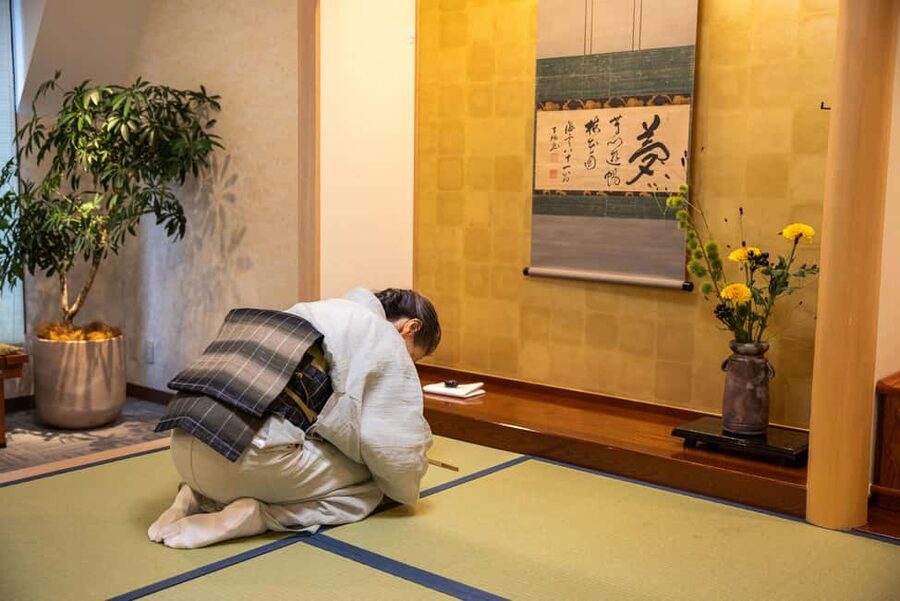
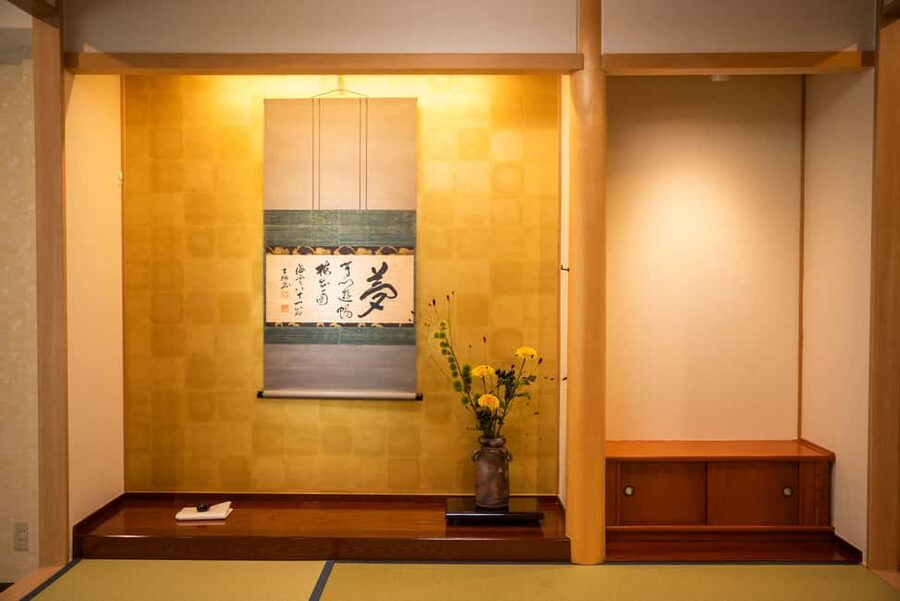
Tokyo can ask a lot of your attention. A tea ceremony offers a useful change of speed: you sit, watch carefully, and learn how a set of small actions can express hospitality. This class introduces that idea without expecting you to arrive with prior knowledge or experience.
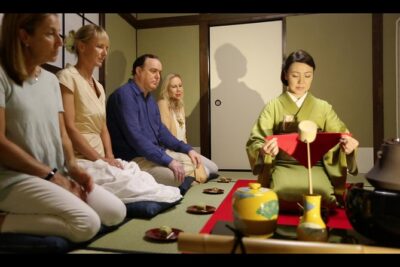
The session is guided in English and lasts about an hour. The host talks you through the ceremony, from pouring water to presenting the tea, and explains the meanings attached to those actions. You then get to whisk matcha and prepare a bowl yourself. It is a practical format: first understand what you are seeing, then try it with your own hands.
I especially like that the activity links the ritual to the tea rather than treating matcha as a photo prop. The cup is something to taste and prepare, but the pace and the manner of serving are part of the lesson too. The result is an approachable introduction to Japanese culture, not a lecture and not a full-day commitment.
What happens during the one-hour session
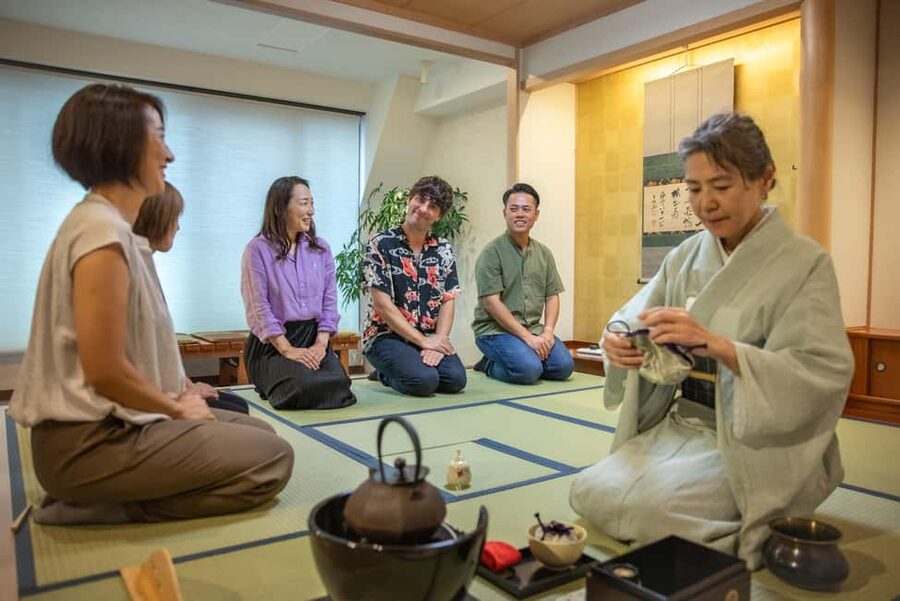
The experience begins with an introduction to the tea ceremony and matcha. The host provides context about the tea and its place in Japanese society, then explains the sequence of actions. One instructor, Midori, has been praised for explaining each gesture in detail; Kaz has also led sessions. Your instructor may differ, but the format is designed to be guided and accessible in English.
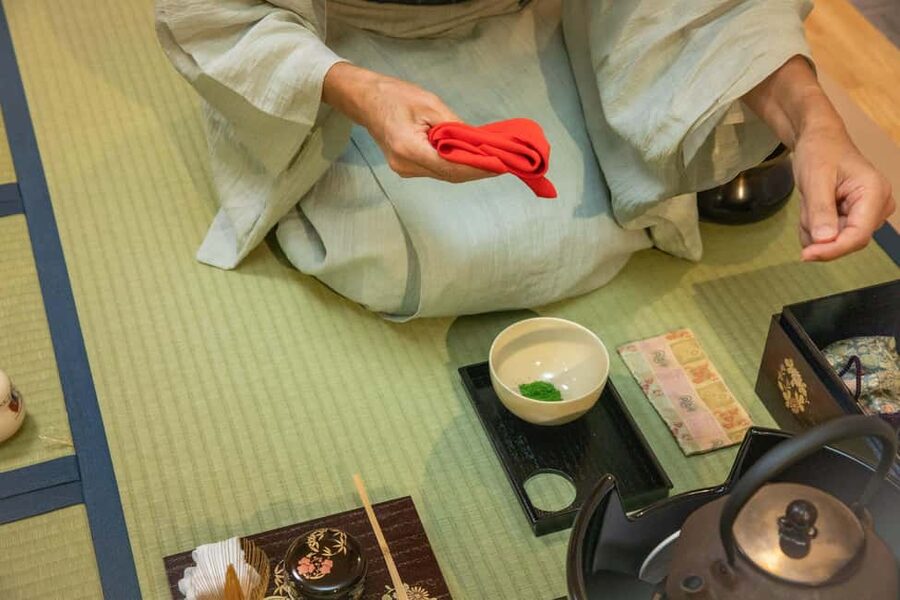
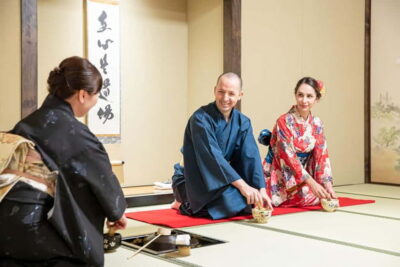
You will see how water is poured and tea presented, with the host describing why these steps are done. That explanation makes the ceremony easier to follow. Instead of focusing only on whether you are holding a bowl correctly, you can connect the physical gestures to the larger ideas of harmony and hospitality.
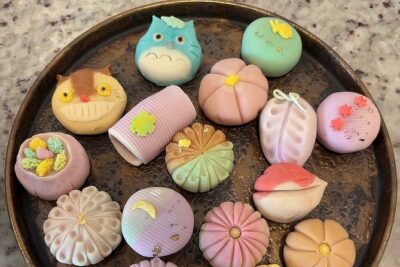
Next comes the tasting. Freshly prepared matcha is served with traditional Japanese sweets. The sweet is not an extra flourish: it gives you a contrasting taste alongside the tea and makes the tasting feel like a small, complete ritual. The supplied details do not specify which sweets are served, so do not count on a particular type.
Then you try preparing your own matcha. You learn how to whisk the powdered tea and make a bowl for yourself, with the host guiding the process. You can take your time and enjoy what you have made rather than rushing through a demonstration. This hands-on part is a strong reason to choose the class over simply ordering matcha at a cafe.
The session is explicitly relaxed. You can ask questions and take photos, which helps if you are curious about the tools, the tea, or the meaning of a gesture. You are not expected to know the etiquette in advance. That makes the hour a good fit for first-time visitors, as well as people who have been to Japan before but want a more thoughtful encounter with tea.
More Asakusa tours in Tokyo:
- Tokyo: Japanese Dance Cabaret Theater Asakusa-Kaguwa Ticket
★ 4.8 · 2,270 reviews - Tokyo: Meiji Shrine, Asakusa, Skytree Bus Tour and Cruise
★ 4.7 · 1,986 reviews - Tokyo: Roll and Authentic Sushi Making Class in Asakusa
★ 4.9 · 1,957 reviews
Why the informal format matters
A traditional tea ceremony can be formal, and unfamiliar customs can make a visitor worry about getting something wrong. This version is designed for beginners and curious travelers, so the emphasis is on understanding and taking part, not performing perfectly. You can concentrate on the explanation and the taste rather than feeling that every movement is a test.
That informality has a trade-off. If you are hoping for an elaborate ceremony with a strict format, this class may feel brief and simplified. The available details do not promise a particular tea school, a specific set of utensils, or a long ceremonial performance. What it does offer is a clear, friendly introduction with the chance to make tea yourself.
I see that as useful value for many visitors. One hour gives you enough time to hear the basic context, watch the host, taste matcha, and try the preparation, while leaving the rest of your day open. You come away with more than a cup of tea, but the experience stays compact and easy to fit into a Tokyo itinerary.
The host makes the difference
The most praised feature of this activity is the instruction. Past sessions have been led by Midori, also written as Madori in one account, and Kaz. Their teaching is described as warm, patient, and clear, with particular appreciation for explanations of the history and cultural meaning behind the actions.
That matters because the ceremony can be hard to read if you only watch. A host who explains the purpose of each movement gives you a way to understand what is happening, even if you have never encountered matcha preparation before. You can ask follow-up questions, and the small group size means the session is limited to eight participants rather than a large crowd.
The experience is in English. That makes the cultural context much more accessible than a demonstration where you only see the movements. Still, an hour has limits: expect an introduction, not an exhaustive study of tea history or Japanese customs. If a specific topic matters to you, ask during the session.
How the $25 price compares
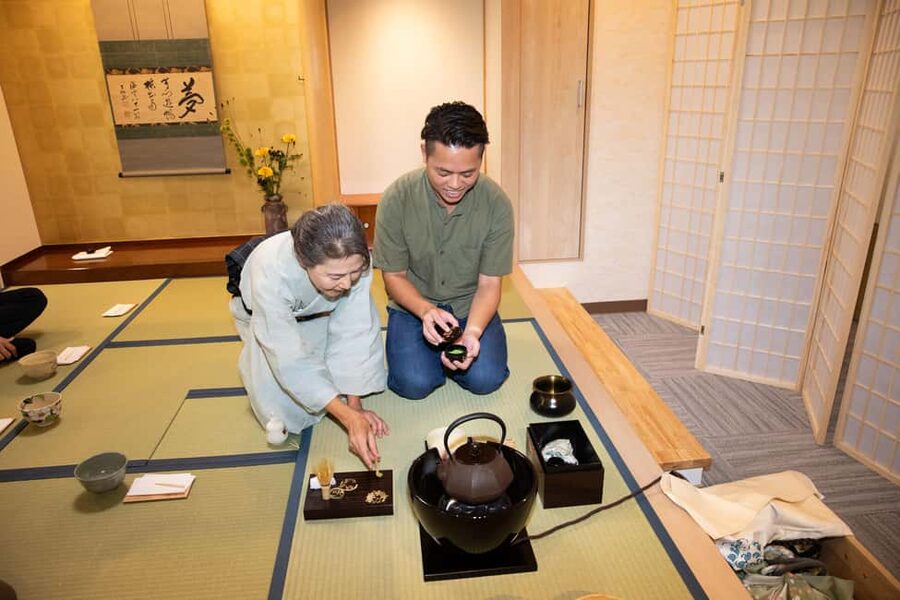
At $25 per person, this is a modestly priced cultural activity by Tokyo standards, particularly because the fee includes a guided ceremony, a matcha preparation lesson, and traditional sweets. The main value is the instruction and the chance to practice. You are not just paying for tea; you are paying for an hour that connects the drink to the way it is prepared and served.
It is also a compact option. If you have a packed schedule, you can set aside one hour without building a day around the activity. The group limit of eight helps preserve a more personal feel, though the exact number of people in your session will depend on bookings.
The price does not include kimono rental. If wearing a kimono is important to your plans, treat that as a separate decision rather than assuming it comes with the class. The activity details do not state that you need traditional clothing to take part, and the format is described as relaxed and approachable.
More tea ceremonies in Tokyo:
- Matcha Making Class in Tokyo with Authentic Japanese Sweets Set
★ 5.0 · 744 reviews - Tokyo: Traditional Tea Ceremony with a Tea Master
★ 5.0 · 528 reviews - Tokyo: Matcha Making Experience with Mochi Sweets in Asakusa
★ 4.9 · 388 reviews - Tokyo: Matcha and Kimono Experience
★ 4.7 · 219 reviews
Finding the fifth-floor meeting point
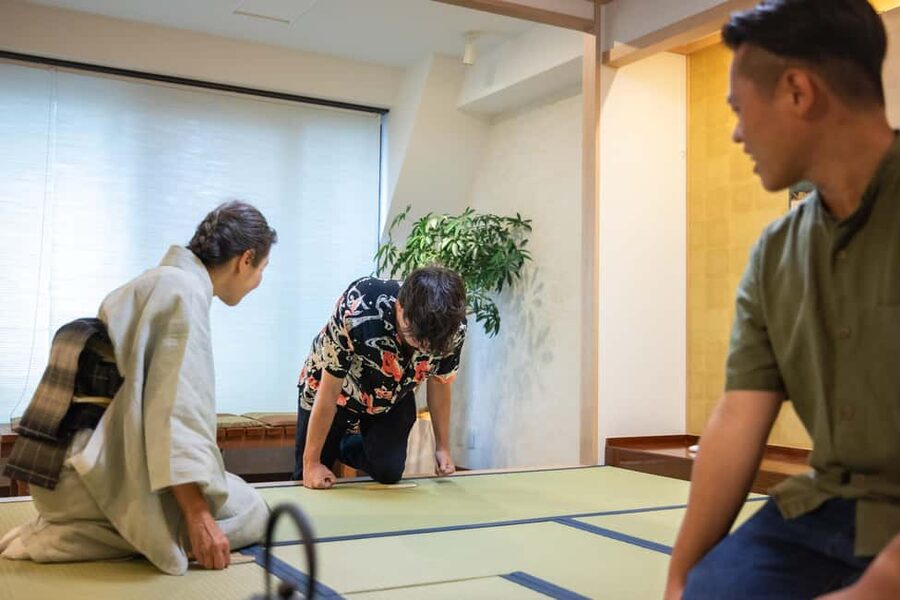
The meeting point is Tokyo Tourist Lounge Asakusa, on the fifth floor of the building. Search for Tokyo Tourist Lounge Asakusa in Google Maps. The coordinates are 35.7103757, 139.796744.
Give yourself enough time to find the building and reach the fifth floor before the start. The directions identify the venue, but do not describe a street-level sign or additional landmarks. If your map app seems uncertain, use the coordinates rather than relying on a broad search for tea ceremony in Asakusa.
The experience is wheelchair accessible, according to the activity information. If you need details about the route inside the building or a particular access requirement, check directly before booking, since those specifics are not provided.
Who will enjoy this class most
This is a natural choice if you are curious about matcha but have never prepared it yourself. You get a guided demonstration, background on the ceremony, a sweet to taste, and a chance to whisk your own bowl. The mix of explanation and participation is more memorable than watching a short demonstration from the sidelines.
It also suits visitors who want a quiet activity between busier parts of a Tokyo visit. The class is designed around slowing down and paying attention, and its one-hour length makes it easy to pair with other plans in Asakusa. You do not need to be a tea expert or know Japanese customs beforehand.
Families or groups with different levels of interest may appreciate the friendly format, though the information does not set a minimum age or describe child-specific arrangements. If you are traveling with someone who prefers a strict, highly formal ceremony, compare expectations first. The appeal here is accessibility, conversation, and hands-on preparation, rather than formality.
Should you book it?
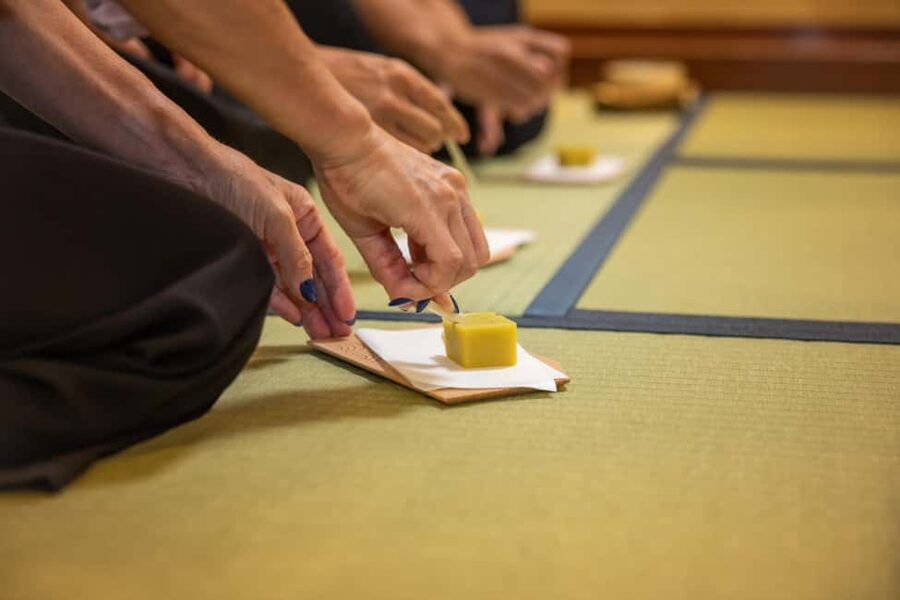
Book this class if you want a friendly, practical introduction to Japanese tea ceremony, especially if making matcha yourself sounds more appealing than simply watching. The host’s explanations, the small group limit, and the inclusion of traditional sweets give the hour a clear purpose. At $25, it offers a useful cultural pause without taking over your day.
Skip it if you are looking for a long, formal ceremony or expect kimono rental to be included. For most curious visitors, though, this is a good way to understand the care behind a bowl of matcha, then taste the result at your own pace.
FAQ
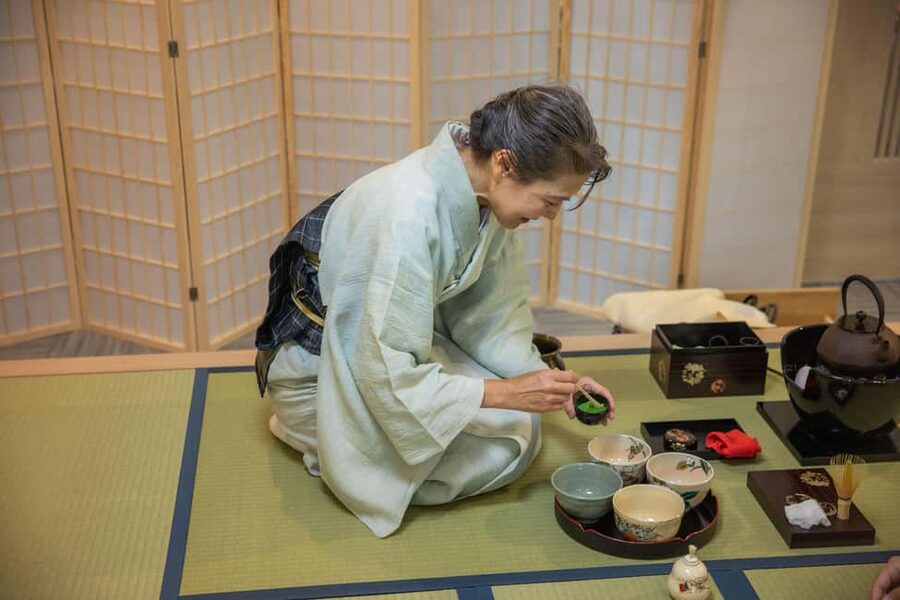
How long is the tea ceremony experience?
The session lasts one hour.
How much does it cost?
The listed price is $25 per person.
What is included?
The experience includes a Japanese tea ceremony, a matcha preparation lesson, traditional Japanese sweets, and a guide.
Is kimono rental included?
No. Kimono rental is not included.
Is the session taught in English?
Yes. The instructor language is English.
How many people can join the group?
The group is limited to eight participants.
Where is the meeting point?
Meet at Tokyo Tourist Lounge Asakusa, on the fifth floor of the building. Search that name in Google Maps or use coordinates 35.7103757, 139.796744.
Can I cancel and get a refund?
You can cancel up to 24 hours in advance for a full refund.
Freshly reviewed in Tokyo
- Tokyo: Toshimaya Sake Brewery Tour with Sake Tasting★ 5.0 · 6 reviews
- :Tokyo,Shibuya /Meiji Shrine tour in KIMONO/English-friendly★ 5.0 · 4 reviews
- Tokyo: Tour Privado por Tokio en español★ 4.3 · 4 reviews
- Tokyo:Tea ceremony experience at Komaba Warakuan★ 4.8 · 9 reviews
- :Tokyo,Shibuya/ Pro Photography in Kimono / English-Friendly★ 5.0 · 26 reviews
- Tokyo:Samurai Training : Swords, Bushido & Mental Discipline★ 5.0 · 6 reviews
- Tokyo:Mt Fuji & Hakone Day Tour with English Speaking Driver★ 5.0 · 26 reviews
- Tokyo:Nikko UNESCO World Heritage Sites Private 1-Day Tour★ 3.8 · 6 reviews
Tokyo Tea Ceremonies, compared.
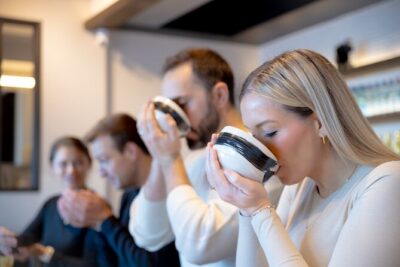
Matcha Making Class in Tokyo with Authentic Japanese Sweets Set
Read our review →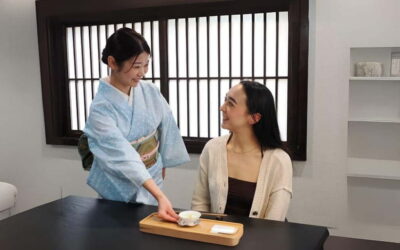
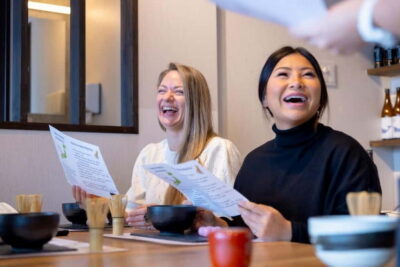
Matcha Making Experience with Mochi Sweets in Asakusa
Read our review →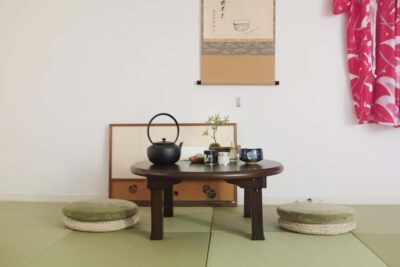
Tea Ceremony Workshop in Tokyo by the Experienced Instrucor
Read our review →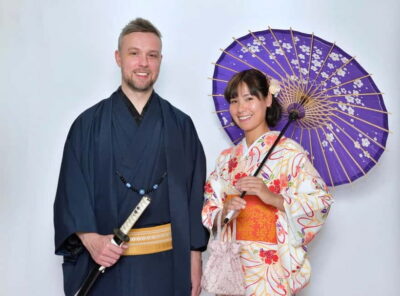
Make Traditional Nerikiri Sweets & Matcha experience in Shibuya
Read our review →Browse the lists this tour appears in