
Reviewed · TOKYO RAMEN TOURS
Tokyo: Real Ramen & Dumpling Cooking with Master Chef
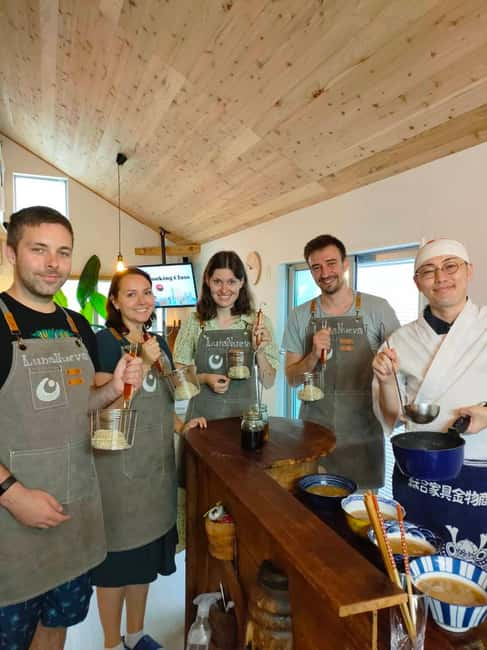
Ramen is the main event, but this two-hour class gives you the satisfying job of building a bowl from its parts: seasoning an egg, preparing toppings, folding gyoza and learning the quick noodle-draining move. Chefs Yoshi and Amo teach in English, and the chef brings experience from running a restaurant in Sydney and training in Japanese ramen shops.
I like two things in particular: the hands-on pace, with clear help at each stage, and the small-group feel, with no more than four participants possible. You also get to eat the ramen and dumplings you make, and the recipes are sent after class.
The main consideration is that this is not a from-scratch lesson for every component. The soup, ramen sauce, fragrant oil and chashu are prepared ahead, and you must request vegetarian ramen in advance. Arriving late can also mean less class time, so plan carefully for the meeting point.
- Ekoda is the meeting point: Meet at the out-of-ticket-gate area at Ekoda Station on the Seibu Ikebukuro Line, not at a JR station.
- The class covers two Japanese staples: Make ramen and five gyoza, then sit down to eat them.
- Small groups are possible: The class may have up to four participants, allowing time to ask questions and get help.
- Some key components are ready beforehand: You’ll prepare and assemble the bowl, but the soup, sauce, fragrant oil and chashu are already made.
- Vegetarian ramen needs advance notice: The kitchen cannot accommodate a same-day request for the vegetarian option.
- Recipes follow the lesson: You’ll receive the recipes afterward, so you can try making the dishes again at home.
A ramen lesson built around the finished bowl
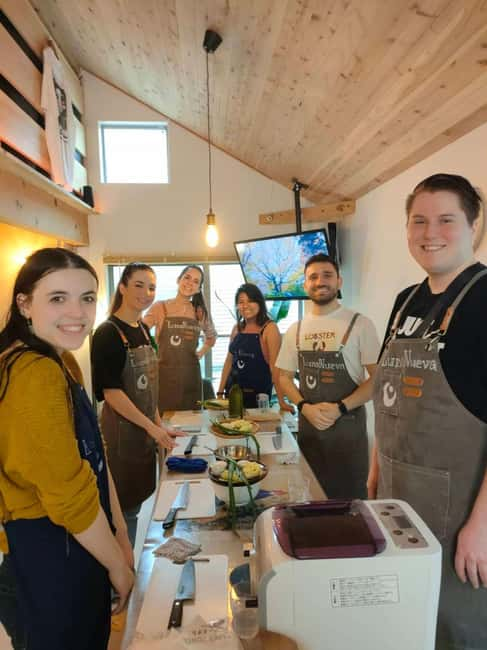
Ramen can look simple when it arrives at the table: noodles, soup, toppings and a glossy egg. This class helps you see how those parts are prepared and brought together, without asking you to spend hours making broth from scratch. That distinction matters. You get practical work and a clearer sense of how the bowl is assembled, while some time-intensive elements are ready before you begin.
Yoshi and Amo lead the class in English. The chef has run a restaurant in Sydney and trained in well-known ramen shops in Japan, a useful mix for a class aimed at visitors who want both technique and context. The instruction is not limited to copying motions: you can ask questions as you work, and the hosts share stories and anecdotes from the ramen world.
The class lasts two hours. That is enough time for several distinct cooking tasks, followed by the best part: eating. It is a focused lesson rather than a full culinary course, so expect an accessible introduction to ramen and gyoza, not an exhaustive study of every broth style or regional variation.
Meeting at Ekoda, not a JR station
The meeting point is outside the ticket gates at Ekoda Station, on the Seibu Ikebukuro Line. Ekoda is not a JR station, so check your route before setting out. The instructions specifically warn against taking a Rapid train, which does not stop there. Use a local train that calls at Ekoda.
Arrive at least 15 minutes before the class starts. This is not a tour where you can stroll in late and expect the same amount of instruction: the host asks you to be on time, and a late arrival may shorten the lesson. The host waits at the station before walking with you to the cooking location. One account describes the walk as about five minutes, but follow the meeting instructions you receive for your booked time.
If you need to contact the host, the provided phone number is +81 80 7262 1175. The organizer recommends adding it to WhatsApp in case you have Wi-Fi but no local phone service. That is a sensible precaution in Tokyo, where a missed meeting can cost you more than a few minutes of sightseeing.
More cooking classes in Tokyo:
- Sushi Making Tokyo Roll and Authentic Japanese Sushi Class
★ 5.0 · 3,971 reviews - Tokyo: Roll and Authentic Sushi Making Class in Asakusa
★ 4.9 · 1,957 reviews - Tokyo Shinjuku Chopsticks Making Class
★ 5.0 · 1,763 reviews
From seasoned egg to folded gyoza
The cooking begins with a semi-soft-boiled egg, called nitamago when seasoned and served with ramen. The listing describes it as a seasoned running-yolk egg, a small detail that points to one of ramen’s most appealing contrasts: a soft center against the warm noodles and savory soup. You then prepare the toppings, including sliced spring onion, seaweed and wood ear fungus.
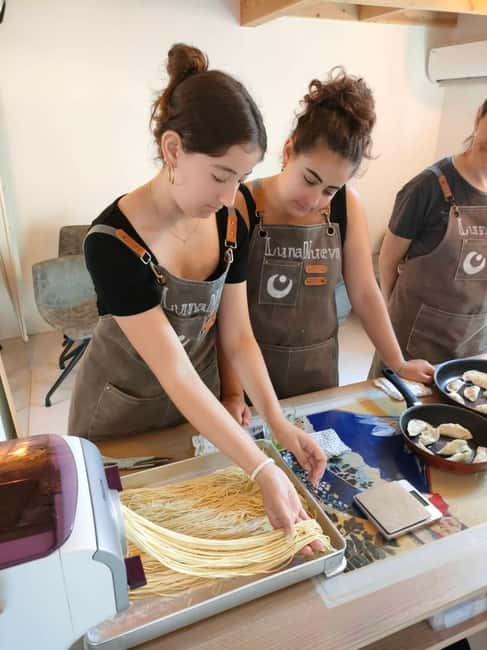
Next comes gyoza. You slice and combine the filling ingredients, then fold the dumplings by hand. Folding looks easy until you try to make each one hold its shape, which is part of the fun. The class includes five gyoza per person, and you later cook them until browned.
The chashu is also flavored during the class, but it is prepared ahead. The provided menu identifies it as slow-cooked chicken. That is worth noting if you have a particular expectation about ramen toppings, since chashu is often associated with pork. If the meat matters to you, ask the organizer before booking rather than assuming the ingredient.
Noodles, soup and the final assembly
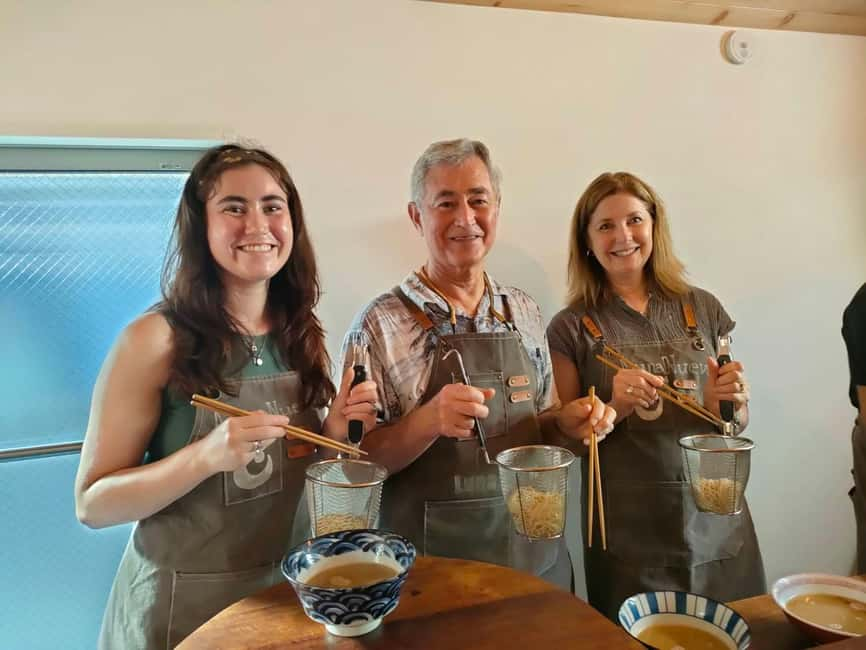
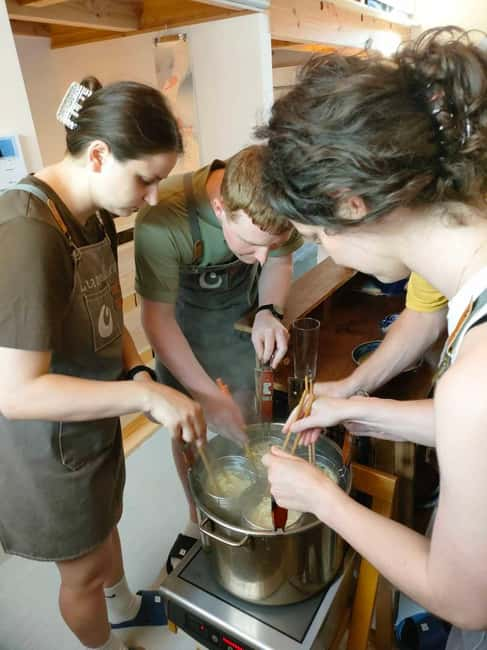
The last stretch brings the components together. You make the soup, boil the noodles and learn the brisk draining technique that gives the process its bit of kitchen theater. Then you assemble the bowl with your prepared toppings and the chashu.
The class description says that the soup, ramen sauce and fragrant oil are set up in advance. That means you are not starting with raw bones or making a long-simmered stock during your two hours. Instead, the lesson focuses on the stages you can complete in class and on understanding how the bowl comes together. If your goal is to learn a multi-day broth process, this is not that course. If you want an approachable, practical first lesson, the format makes sense.
The noodle-draining motion is a small but memorable skill. You get to practice a technique that is hard to appreciate from a restaurant seat, then use it immediately in your own bowl. The final assembly also helps explain why toppings are prepared separately: each ingredient adds a different texture, flavor or visual note.
Eating what you made
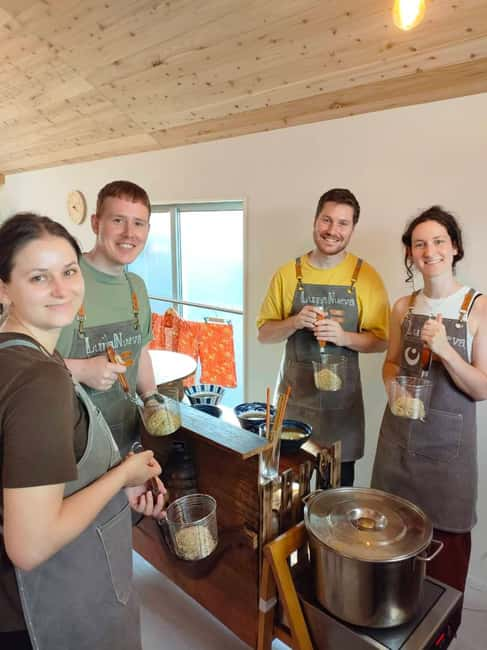
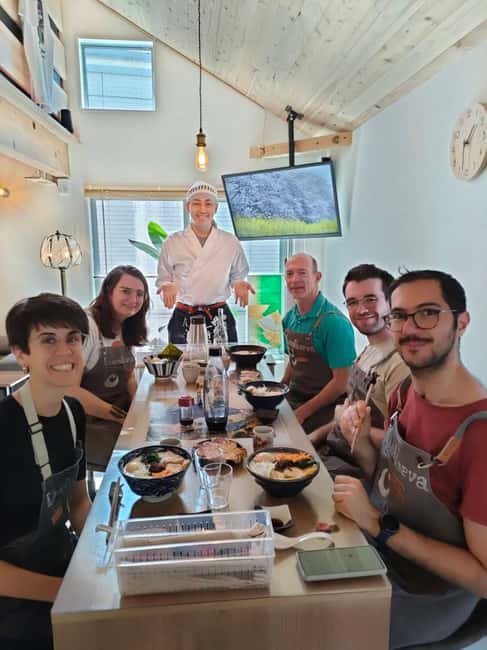
The meal includes ramen, five gyoza, toppings and nitamago. You eat the food you have just prepared, which makes the class feel complete rather than like a demonstration followed by a token taste. The food is a central part of the value: you learn, cook and have a substantial meal in one two-hour session.
Portions may be generous. If you are traveling with children or have a small appetite, keep that in mind, especially since ramen and dumplings together can be filling. The class is family-friendly in the sense that participants can cook with family, but the information does not specify a minimum age or child-specific arrangements. Ask before booking if you need those details.
Vegetarian ramen is available, but you must request it in advance. The organizer cannot accommodate a same-day vegetarian request. If you have other dietary needs, the supplied information does not confirm that they can be met, so contact the host rather than relying on the vegetarian option to cover them.
More ramen tours in Tokyo:
- Eat and Drink Like a Local: Tokyo Ueno Food Tour-Taverns&Ramen
★ 5.0 · 957 reviews - Ramen & Gyoza Cooking Class in Tokyo with Local Supermarket Visit
★ 5.0 · 823 reviews - Tokyo: Ramen Tasting Tour with 6 Mini Bowls of Ramen
★ 4.9 · 432 reviews - Tokyo: Easy Ramen Cooking Experience in Kabukicho, Shinjuku
★ 4.6 · 321 reviews
A small class with room for questions
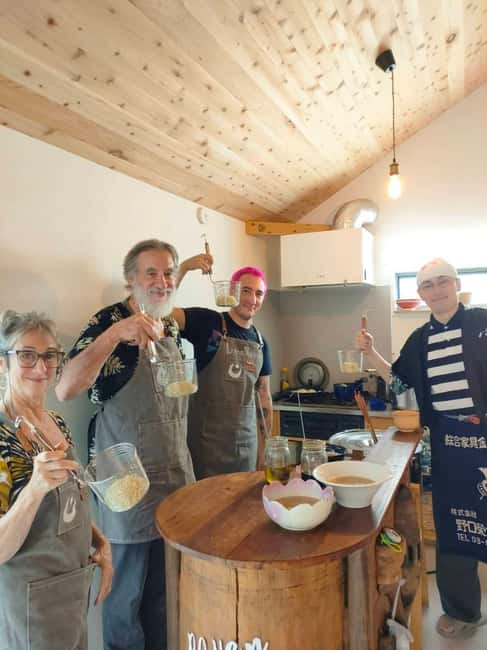
The class may have up to four participants, a size that can make a real difference in a kitchen lesson. With fewer people, it is easier to see each step, ask a question and get help with a dumpling fold or noodle technique. The exact group size may vary, so do not assume every session will be private.
The hosts’ manner is another part of the experience. Yoshi and Amo are described as friendly and patient, and their English makes it easier to follow instructions and ask about Japanese food. That matters in a cooking class: a recipe alone can tell you what to do, but a teacher can explain what to watch for as you do it.
The atmosphere is informal and welcoming, with time for questions and stories. One attendee described taking the class in the hosts’ home, but the location details are not guaranteed for every booking. Treat the station meeting point as the fixed information and confirm the exact cooking venue with the organizer if it affects your plans.
What $99 buys you
At $99 per person, this is more than a meal, but it is also not a full-day food course. You are paying for two hours of guided cooking, an English-speaking instructor, a small-group setting, ramen and five gyoza, and recipes sent after the session. The chef’s restaurant experience and the chance to ask questions add value beyond simply following a printed recipe.
The value depends on what you want from the activity. If you mainly want a cheap bowl of ramen, a restaurant will cost less and take less time. If you enjoy cooking, want an activity you can share with family or friends, or hope to recreate the dishes at home, the lesson offers a more lasting return. The recipes make that home-cooking angle especially useful.
Some extras are not assured. A participant received complimentary merchandise, and custom aprons and self-designed shirts were available for purchase, but those should be treated as possible additions rather than part of the standard package. The included items are the food and lesson, not guaranteed souvenirs.
The booking terms allow you to reserve now and pay later, and you can cancel up to 24 hours in advance for a full refund. Check available start times when choosing a date, and leave enough time to reach Ekoda without needing a Rapid train.
Who will enjoy this class most
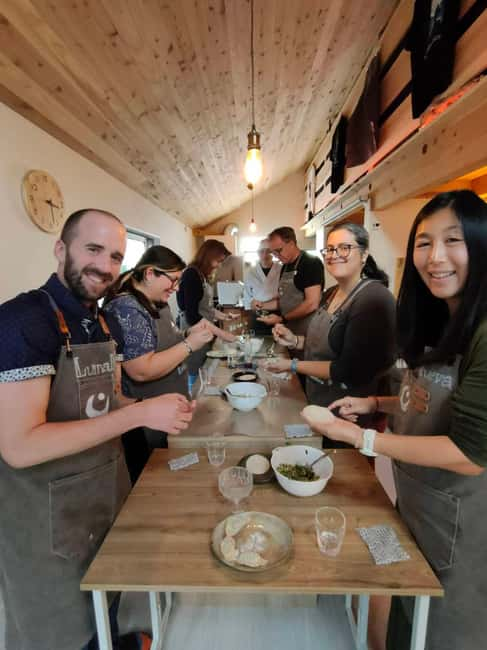
I’d recommend this for ramen fans who want to understand the steps behind a bowl, home cooks looking for recipes to take away, and families or friends who enjoy making a meal together. It is also a good fit if you want an activity that is social and practical without taking up half a day.
It may be less suitable if you want to make every component from its raw ingredients, especially a long-cooked broth, or if you need a vegetarian option but cannot give advance notice. The class also depends on getting to a specific station on time, so it is not the easiest choice to squeeze between distant sightseeing stops.
Should you book the Ekoda ramen class?
Book it if you want to cook as well as eat, value direct instruction in English and like the idea of taking the recipes home. The small possible group size, patient guidance and combination of ramen with gyoza make the $99 price easier to justify than a cooking demonstration alone.
Skip it if your priority is a completely from-scratch ramen course or a flexible drop-in activity. For everyone else, plan your train carefully, arrive early and request vegetarian ramen well ahead. The best reason to go is simple: you leave knowing more about how a ramen bowl comes together, and you get to enjoy the results.
FAQ
How long is the cooking class?
The class lasts two hours. Check available starting times when booking.
Where is the meeting point?
Meet outside the ticket gates at Ekoda Station, 1 Chome-78 Asahigaoka, Nerima City, Tokyo. The station is on the Seibu Ikebukuro Line, not the JR Line.
How early should I arrive?
Arrive at least 15 minutes before the class starts. Late arrival may reduce the time available for the lesson.
Which train should I take to Ekoda?
Take a local train that stops at Ekoda. The organizer warns that Rapid trains do not stop at the station.
Is vegetarian ramen available?
Yes, but you must inform the organizer in advance. A same-day request cannot be accommodated.
What food is included?
You make ramen with toppings and nitamago, plus five gyoza. The listed toppings include chashu, seaweed, sliced spring onion and wood ear fungus.
Are the recipes provided after class?
Yes. The recipes are sent after the lesson.
Freshly reviewed in Tokyo
- Tokyo: Toshimaya Sake Brewery Tour with Sake Tasting★ 5.0 · 6 reviews
- :Tokyo,Shibuya /Meiji Shrine tour in KIMONO/English-friendly★ 5.0 · 4 reviews
- Tokyo: Tour Privado por Tokio en español★ 4.3 · 4 reviews
- Tokyo:Tea ceremony experience at Komaba Warakuan★ 4.8 · 9 reviews
- :Tokyo,Shibuya/ Pro Photography in Kimono / English-Friendly★ 5.0 · 26 reviews
- Tokyo:Samurai Training : Swords, Bushido & Mental Discipline★ 5.0 · 6 reviews
- Tokyo:Mt Fuji & Hakone Day Tour with English Speaking Driver★ 5.0 · 26 reviews
- Tokyo:Nikko UNESCO World Heritage Sites Private 1-Day Tour★ 3.8 · 6 reviews
Tokyo Ramen Tours, compared.

Eat and Drink Like a Local: Tokyo Ueno Food Tour-Taverns&Ramen
Read our review →
Ramen & Gyoza Cooking Class in Tokyo with Local Supermarket Visit
Read our review →
Easy Ramen Cooking Experience in Kabukicho, Shinjuku
Read our review →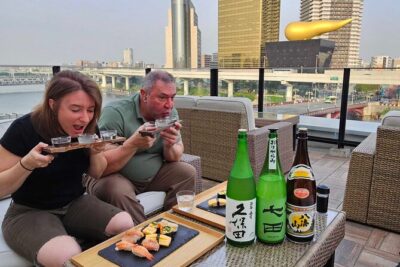
Ramen and Sushi Cooking Class with Sake Pairing Set in Tokyo
Read our review →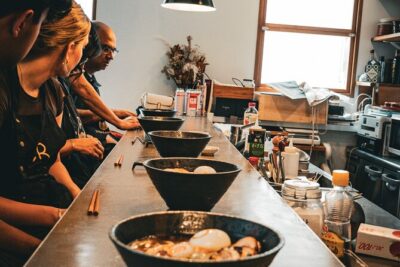
Professional Ramen & Gyoza with Ramen Chef in a restaurant!
Read our review →
Ramen Dojo Tokyo | Make All 3 (Tonkotsu/Shoyu/Miso)
Read our review →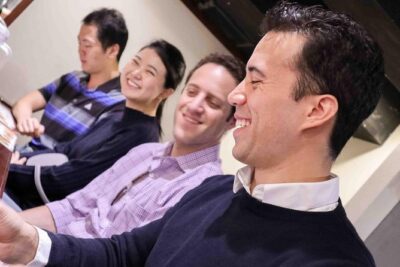
Browse the lists this tour appears in