
Reviewed · TOKYO RAMEN TOURS
Professional Ramen & Gyoza with Ramen Chef in a restaurant!
Ramen is a bowl with a lot of work hiding in it. At Baba Ramen, you make noodles from scratch, prepare gyoza, and learn how the separate parts come together in a working restaurant kitchen. It’s a cooking class where you do more than stir a pot and wait for lunch.
I like the small group, capped at six, which gives the chefs room to guide your technique, and the chance to take home recipes so you can try the process again. The main consideration is the price: at $159.18 per person, this makes sense if you want a hands-on lesson, not just a good bowl of ramen.
What makes this class worth considering
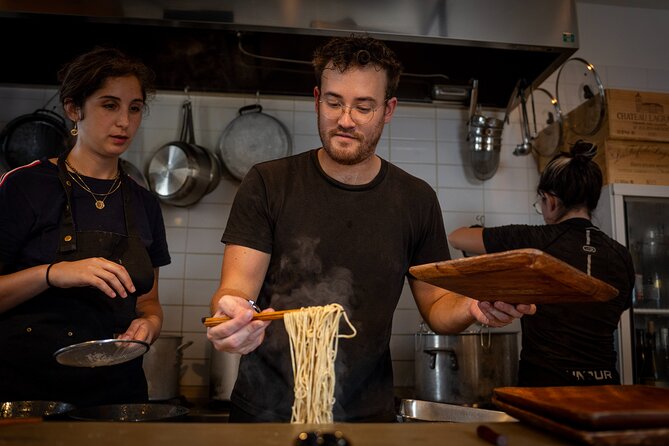
- You make the noodles by hand: Roll and shape ramen noodles from scratch, rather than simply adding them to a pot.
- The setting is a restaurant kitchen: You work with professional equipment and get a closer look at the effort behind restaurant-quality ramen.
- Gyoza are part of the lesson: The class covers more than one dish, and you eat the food you prepare.
- The group is limited to six: That small cap allows for more individual instruction and feedback.
- You can request dietary options: Vegetarian, vegan, gluten-free, and pork-free versions may be available if you ask in advance.
- Recipes go home with you: A cooking e-book helps you revisit the methods after your trip.
Start your morning in Meguro’s restaurant kitchen
The class meets at Baba Ramen Cooking Meguro, at 3-chōme-7-32 Shimomeguro, Meguro City. It starts at 9:00 am and finishes back at the meeting point. The activity lasts about four hours, so plan for a substantial morning rather than a quick demonstration.
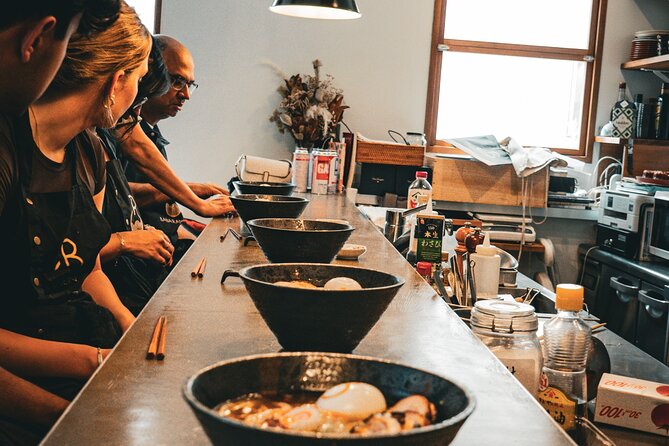
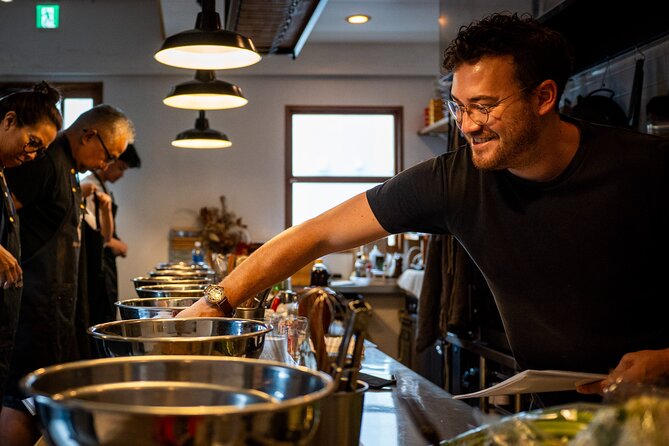
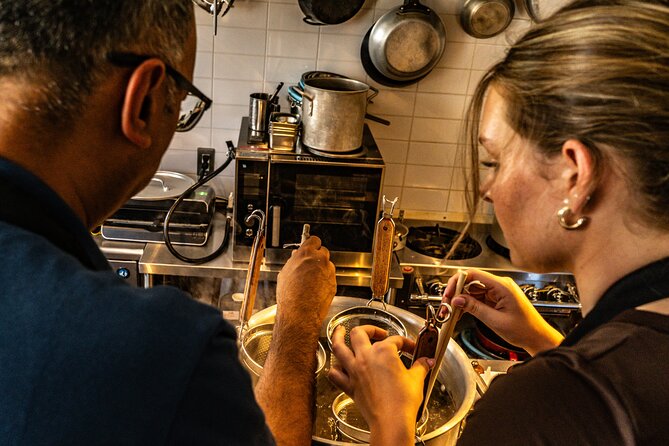
The restaurant setting is a real part of the appeal. You are not just watching a chef assemble a bowl at a counter. The kitchen has professional-grade equipment, and the class is designed to keep you involved in the cooking. That can mean handling dough, rolling noodles, and taking part in more demanding steps. One family described working with hot pans and oils and breaking down chicken bones. This is hands-on work, not a low-effort tasting.
Bilingual local chefs teach in English and Japanese. Names that have been mentioned by people who took the class include Andrew, Eric, Jae, and Leo, though you should not assume a particular instructor will lead your session. The teaching style is described as organized and friendly, with time for explanations as well as cooking. That combination matters: ramen involves many steps, and clear guidance keeps the process from becoming a jumble of bowls, dough, and broth.
The group limit of six is a useful detail. In a larger class, it can be hard to get help with a technique or ask a question while everyone is working. Here, you have a better chance of receiving personal feedback. It also means the experience may feel more like a shared kitchen session than a large tour group.
More ramen tours in Tokyo:
- Eat and Drink Like a Local: Tokyo Ueno Food Tour-Taverns&Ramen
★ 5.0 · 957 reviews - Ramen & Gyoza Cooking Class in Tokyo with Local Supermarket Visit
★ 5.0 · 823 reviews - Tokyo: Ramen Tasting Tour with 6 Mini Bowls of Ramen
★ 4.9 · 432 reviews
Turn flour and water into ramen noodles
Making the noodles from scratch is one of the class’s most distinctive parts. You get a feel for the work behind their texture and shape, rather than treating noodles as a ready-made ingredient. Rolling and handling the dough gives you something concrete to practice, and it helps explain why fresh noodles can change the character of a bowl.
Expect to be active. This is not a lecture with a short cooking demo at the end. People describe having a task through much of the session, with chefs offering instructions and help as the class moves through the process. If you enjoy learning by doing, that pace is a strength. If you prefer a relaxed meal with only a little cooking, it may feel like more effort than you had in mind.
The class also covers the work that goes into the components around the noodles. One participant described learning how to make the five layers of a bowl from fresh ingredients, along with ways to shorten the process at home without giving up too much. That practical balance is valuable. Traditional ramen can take a great deal of time, but useful shortcuts make it more realistic to cook again after your holiday.
You should leave with a stronger sense of how technique and time shape the finished dish. The class does not ask you to take ramen on faith. You work through the steps and then taste the result, which gives the explanations a satisfying payoff.
Prepare gyoza alongside the ramen
Gyoza add another set of skills to the morning. You are not only learning how to build a bowl of ramen, but also preparing a familiar companion dish. That makes the class feel like a fuller meal and gives you another recipe to try at home.
The exact order of the cooking steps may vary, but the focus is on taking part rather than watching the chefs do everything. The instructors guide the process, and you help prepare the food that will be served at the end. If you like classes where everyone has a role, this is a good fit.
There is a practical benefit to making more than one dish in a single session. You get a broader sense of how a Japanese meal comes together, and a little more value from the four-hour commitment. The trade-off is that a class covering several preparations has a brisk rhythm. You will want to stay engaged and listen closely when the chefs explain each step.
Choose a broth, then taste what you made
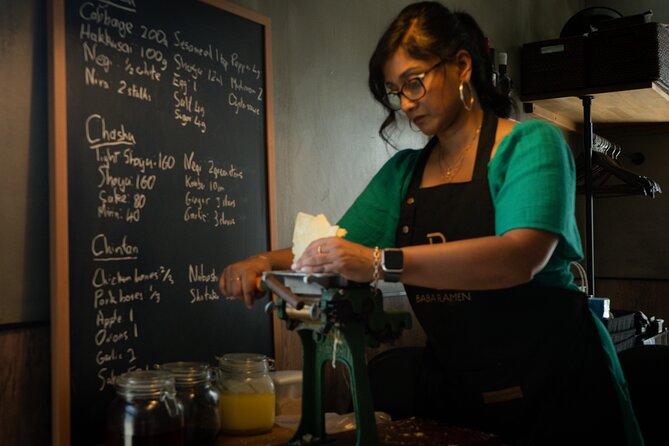
The class offers two broth options, so you can choose according to your taste. The available information does not name the broths, so ask the provider if you need to know which one is right for you before booking. Either way, the broth choice gives the meal a personal touch rather than making every bowl identical.
A bowl of ramen is built from several parts, and the cooking session helps you see how those parts work together. The noodles, broth, seasonings, and toppings each contribute to the result. You may have eaten plenty of ramen before, but making the components yourself can change how you think about a dish that often arrives at the table looking simple.
The meal at the end is more than a snack after class. It is the moment when your work comes together, and the outcome is something you can judge for yourself. People who have taken the class often describe the food as a highlight, with some saying it was among the best ramen they ate in Japan. That is a high bar, but the useful point is that the class ends with a proper meal, not just a recipe handout.
Plan for generous portions. Several people describe eating a lot, so arrive hungry. If your morning is tightly scheduled, remember that the activity is listed at about four hours and ends where it began.
More dining experiences in Tokyo:
- Tokyo Bar Hopping Tour in Shinjuku (All-You-Can-Drink + Dinner)
★ 5.0 · 3,587 reviews - Tokyo: Sumo Show and Dining Experience
★ 4.8 · 2,742 reviews - Tokyo: Samurai Restaurant Show Ticket with 2 Drinks
★ 4.5 · 1,307 reviews - Sumida River: Japanese Traditional Yakatabune Dinner Cruise
★ 4.6 · 779 reviews
A practical lesson to take back home
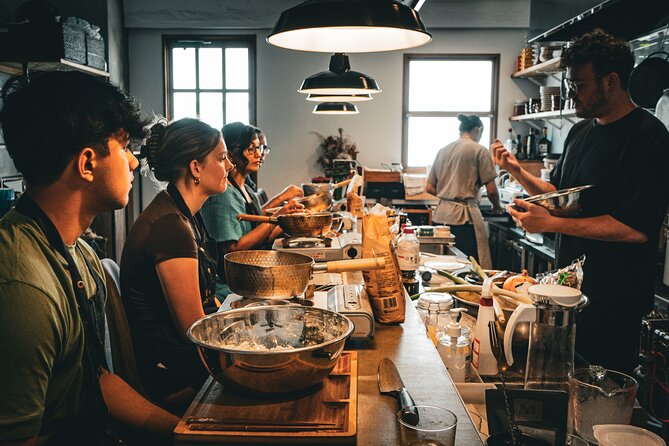
You receive a cooking e-book with recipes, which makes the experience more useful than a one-time kitchen visit. A ramen bowl can involve long cooking times and several separate preparations, so having the method in writing is a real help when you want to recreate it later.
The class also presents ways to make the process more manageable at home. That does not mean a bowl can be made instantly. The lesson’s central point is that good ramen takes work, fresh ingredients, and time. But knowing which steps matter most can help you decide where to put your effort and where a shortcut is reasonable.
This is especially appealing if you already cook. You can use the class to add new techniques to your routine, then build on the recipes once you get home. If you are new to cooking, the instructors’ guidance and the small group format should make the process easier to follow, though you should expect to handle real kitchen tasks.
A few people have also appreciated the cultural context, including ramen’s background, different styles, and dining etiquette. That broadens the class beyond a recipe lesson. You learn not only how to prepare a meal, but also some of the ideas and customs around it.
Check dietary needs before you book
Vegetarian, vegan, gluten-free, and pork-free options may be available, but they are subject to availability. You need to mention your needs in the booking request in advance. Do not assume that an option can be arranged on the day, especially if you have a food allergy or several restrictions.
If you have allergies, give the provider clear details before booking and ask whether the class can accommodate them. One solo participant with several food allergies described receiving communication and alternate options, but individual needs vary. Advance notice gives the team a chance to confirm what is possible.
The class is also described as family-friendly in at least one account, including a positive experience with a toddler. Still, the cooking involves hot pans and oils, so use your own judgment about whether the format suits your child. The stated maximum is six travelers, not a specific minimum age.
Is $159.18 a fair price?
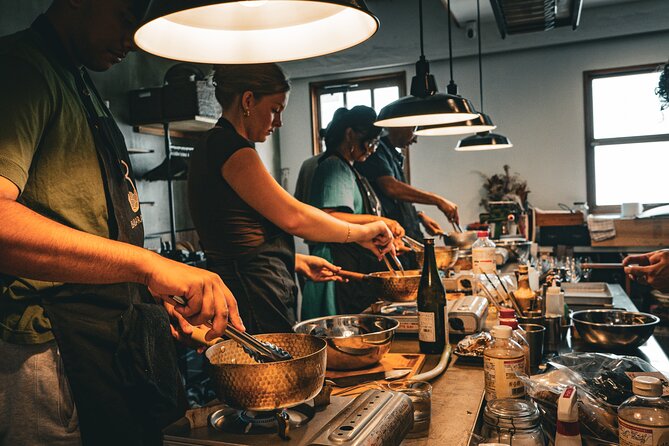
At $159.18 per person, this is not a cheap lunch. The value comes from the four-hour cooking session, small group, professional kitchen setting, work on both ramen and gyoza, meal at the end, and recipes to take home. You are paying for instruction and participation, not simply for the cost of the ingredients.
I would consider it good value if you are keen on Japanese food, enjoy practical classes, or want an activity that teaches you something you can use after the trip. The small group and hands-on approach are particularly important at this price. A class where you only watch would be harder to justify.
It is less compelling if your main goal is to eat ramen as cheaply as possible, or if you want a brief activity with little effort. Tokyo has plenty of places to eat ramen without spending four hours in a kitchen. This experience earns its price through the lesson and the work you do, not through convenience.
Getting there and planning the morning
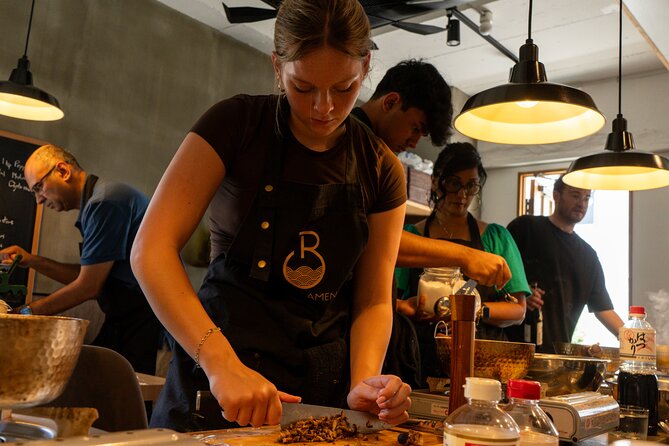
The meeting point is in Meguro City, and it is described as being near public transportation. The class begins at 9:00 am, so leave enough time to reach the address before the start. The activity ends at the same location, which makes it easy to plan the next part of your day from there.
A mobile ticket is provided. Confirmation arrives at the time of booking. Free cancellation is available up to 24 hours before the experience begins; changes made inside that 24-hour window are not accepted, and cancellations made then are not refunded. The activity also requires a minimum number of participants, and poor weather can lead to a rescheduled date or a refund.
The session is listed at about four hours, though one account describes a three-hour class. Allow the full four hours when planning, rather than squeezing in a timed reservation immediately afterward. The kitchen work and meal are part of the experience, and rushing away would undercut the point.
Should you book Baba Ramen?
Book this class if you want to understand ramen by making it, not just eating it. The strongest reasons are the scratch-made noodles, the restaurant kitchen, the small group, and the chance to prepare gyoza as well. You finish with a meal and recipes you can use again.
Think twice if you are looking for a cheap meal, dislike hands-on cooking, or have dietary needs that have not been confirmed in advance. For food-minded visitors who enjoy learning through practice, though, this is a worthwhile way to spend a Tokyo morning. Bring an appetite, expect to work, and leave room in your schedule.
FAQ
How long is the ramen and gyoza class?
The activity lasts about four hours. It starts at 9:00 am and ends back at the meeting point.
Where does the class meet?
It meets at Baba Ramen Cooking Meguro, 3-chōme-7-32 Shimomeguro, Meguro City, Tokyo 153-0064, Japan.
How many people can join?
The maximum group size is six travelers.
Are vegetarian or other dietary options available?
Vegetarian, vegan, gluten-free, and pork-free options may be available, subject to availability. Add your request when booking.
Do I make the ramen noodles from scratch?
Yes. The class includes making ramen noodles from scratch, as well as preparing gyoza.
Do I get recipes to use at home?
Yes. A cooking e-book is provided so you can recreate the recipes after the class.
Can I cancel for a refund?
You can cancel for a full refund at least 24 hours before the start time. Cancellations made less than 24 hours before the experience are not refunded.
Freshly reviewed in Tokyo
- Tokyo: Toshimaya Sake Brewery Tour with Sake Tasting★ 5.0 · 6 reviews
- Tokyo: Tour Privado por Tokio en español★ 4.3 · 4 reviews
- :Tokyo,Shibuya /Meiji Shrine tour in KIMONO/English-friendly★ 5.0 · 4 reviews
- Tokyo:Tea ceremony experience at Komaba Warakuan★ 4.8 · 9 reviews
- :Tokyo,Shibuya/ Pro Photography in Kimono / English-Friendly★ 5.0 · 26 reviews
- Tokyo:Samurai Training : Swords, Bushido & Mental Discipline★ 5.0 · 6 reviews
- Tokyo:Mt Fuji & Hakone Day Tour with English Speaking Driver★ 5.0 · 26 reviews
- Tokyo:Nikko UNESCO World Heritage Sites Private 1-Day Tour★ 3.8 · 6 reviews
Tokyo Ramen Tours, compared.

Eat and Drink Like a Local: Tokyo Ueno Food Tour-Taverns&Ramen
Read our review →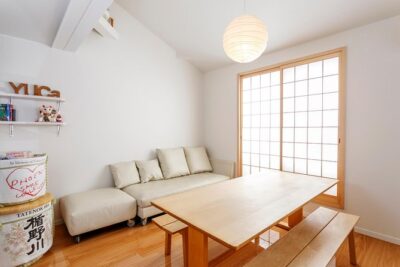
Ramen & Gyoza Cooking Class in Tokyo with Local Supermarket Visit
Read our review →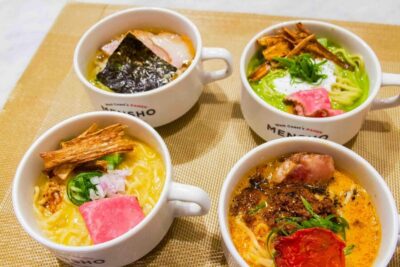
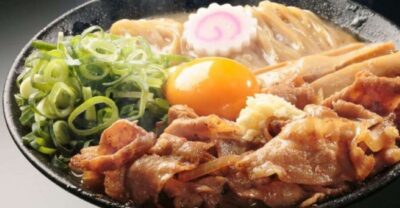
Easy Ramen Cooking Experience in Kabukicho, Shinjuku
Read our review →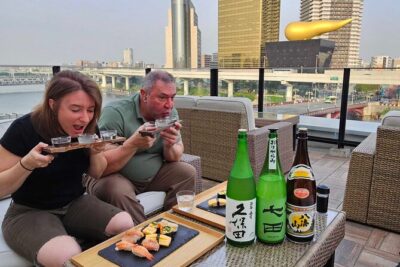
Ramen and Sushi Cooking Class with Sake Pairing Set in Tokyo
Read our review →
Ramen Dojo Tokyo | Make All 3 (Tonkotsu/Shoyu/Miso)
Read our review →
Mt. Fuji & Hakone: Fuji Sengen Shrine, Cruise, and Ramen-Making
Read our review →Browse the lists this tour appears in