
Reviewed · TOKYO COOKING CLASSES
Tokyo: Learnt to cook Bento, Oyakodon and More!
Tokyo home cooking gets its flavor from simple things done well. In this small class, you can learn to make dishes such as oyakodon, a comforting bowl of chicken and egg over rice, and miso soup built on dashi broth. I like that you cook with an instructor rather than just watch, and that recipes go home with you. I also like the group limit of six, which leaves room to ask questions.
The main consideration is the menu’s fit for your diet: the class is not suitable for vegetarians, vegans, or people with food allergies, gluten intolerance, or nut allergies. At $83 per person for two hours, it makes most sense if you want practical cooking skills and cultural context, not simply a meal.
Key points before you book
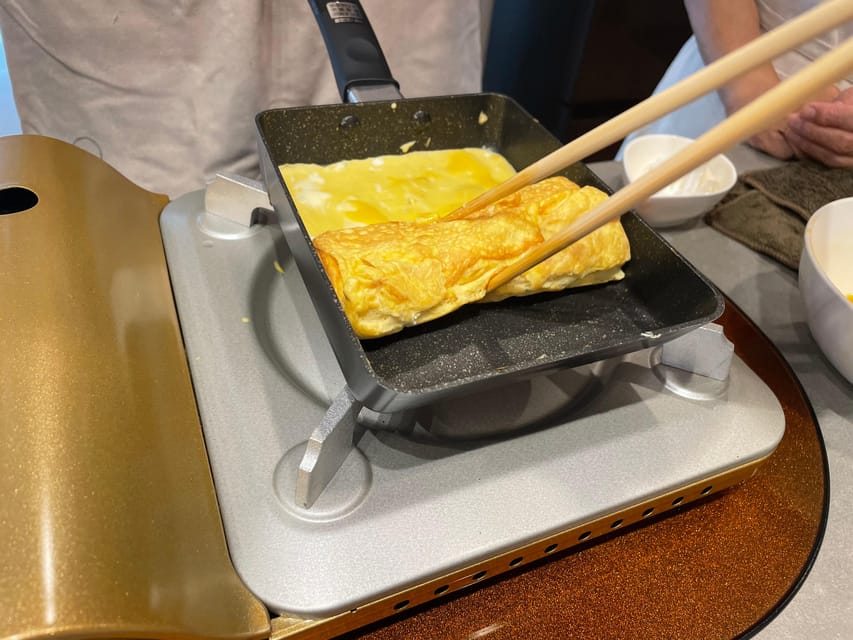
- Dashi is part of the lesson: You can learn how this basic broth supports dishes such as miso soup and oyakodon.
- The group is capped at six: That small size gives the instructor room to guide you through the hands-on work.
- Yuki has led classes in English: One class participant praised her clear explanations and practical cooking tips.
- Recipes are included: Take home instructions for making the dishes again with simple, accessible ingredients.
- Find the right entrance: At the gray, four-story building, use the door on the right marked Alleyway Gourmet Lab, then go to the second floor.
- Dietary and access limits matter: The class is not suitable for several dietary needs or for wheelchair users.
Cooking dashi, miso soup and oyakodon
The best reason to book is the chance to learn how a few basic preparations shape familiar Japanese home cooking. Dashi, the broth mentioned by someone who took the class, is a useful example. It may sound like a small component, but learning to make it gives you a starting point for dishes such as miso soup and oyakodon.
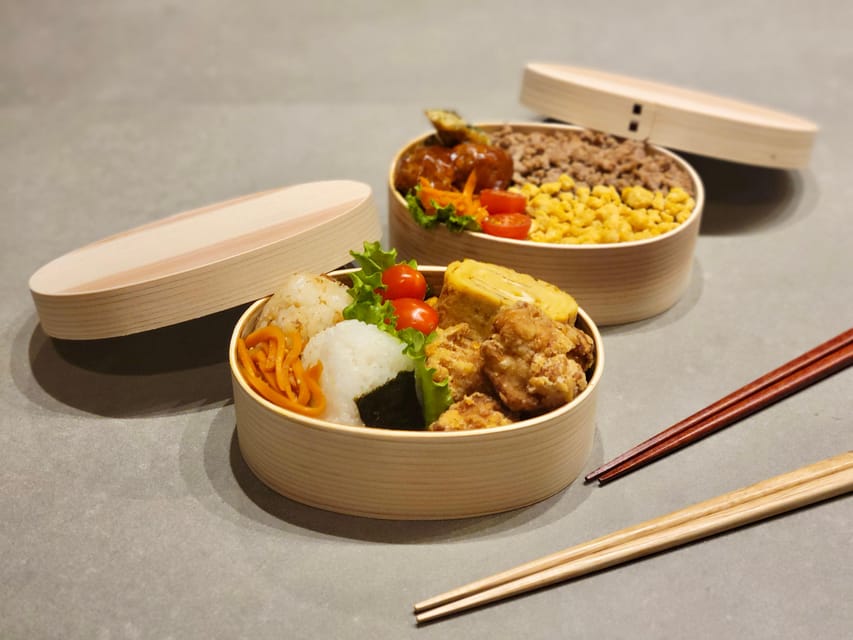
Oyakodon means chicken and egg over rice. The class is presented as a way to make traditional Japanese dishes with straightforward ingredients, so the lesson has value beyond one meal: you leave with recipes and techniques you can try at home. The class title also includes bento, though the specific dishes made in a session are not detailed beyond the oyakodon and miso soup described here.
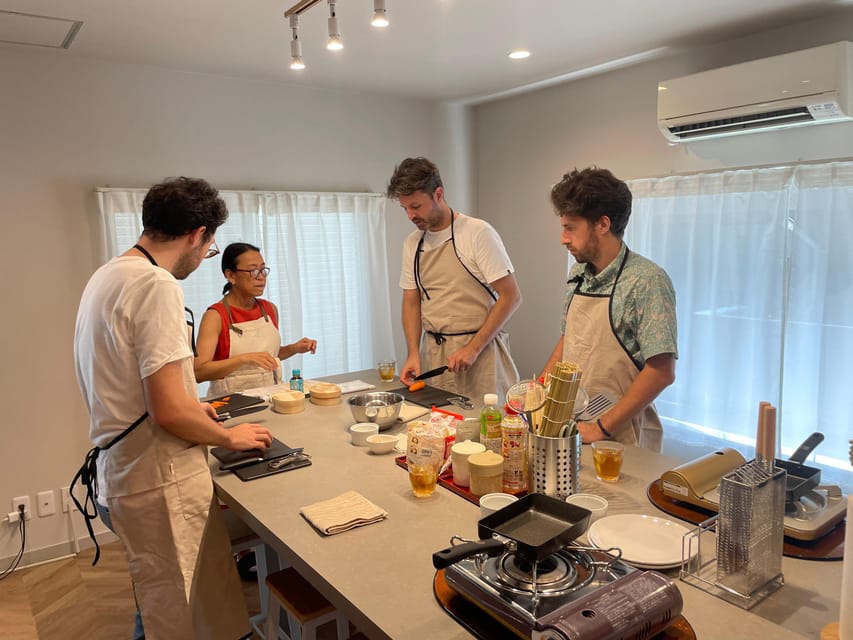
Expect active participation, not a demonstration from the sidelines. You are invited to take part in each step, with an instructor available to help and answer questions. That can be especially useful if you are new to Japanese cooking, since you can ask why a dish is prepared a certain way instead of simply copying movements.
The class also puts the food in cultural context. You will hear about customs and the significance of each dish, adding meaning to what might otherwise be a lesson in following recipes. The available details do not spell out a fixed sequence or every dish, so go in ready to learn the core methods rather than expecting a precise menu.
More cooking classes in Tokyo:
- Sushi Making Tokyo Roll and Authentic Japanese Sushi Class
★ 5.0 · 3,971 reviews - Tokyo: Roll and Authentic Sushi Making Class in Asakusa
★ 4.9 · 1,957 reviews - Tokyo Shinjuku Chopsticks Making Class
★ 5.0 · 1,763 reviews
A two-hour lesson with room to ask questions
Two hours is enough time for a focused introduction without taking over a full day in Tokyo. The class is hands-on, and the small group limit of six should make it easier to get individual guidance than in a large demonstration class.
That matters most when you are doing something unfamiliar. If you are unsure about a step, or curious about how to adapt a recipe at home, a compact group gives you a better chance to ask while the instructor is nearby. It also creates a friendlier setting for couples or friends who want to cook together.
Instructor Yuki is named in connection with the class, and has been praised for clear English, a kind manner and confident answers. One useful detail from a class participant is that she shared plenty of tips, not just instructions. That is the sort of teaching that can turn a recipe into a skill you remember.
Classes are conducted in English, with Japanese lessons available on request. Translation services in languages other than English or Japanese are not included, so this is not the right fit if you need another language to follow the lesson.
The kitchen and what is provided
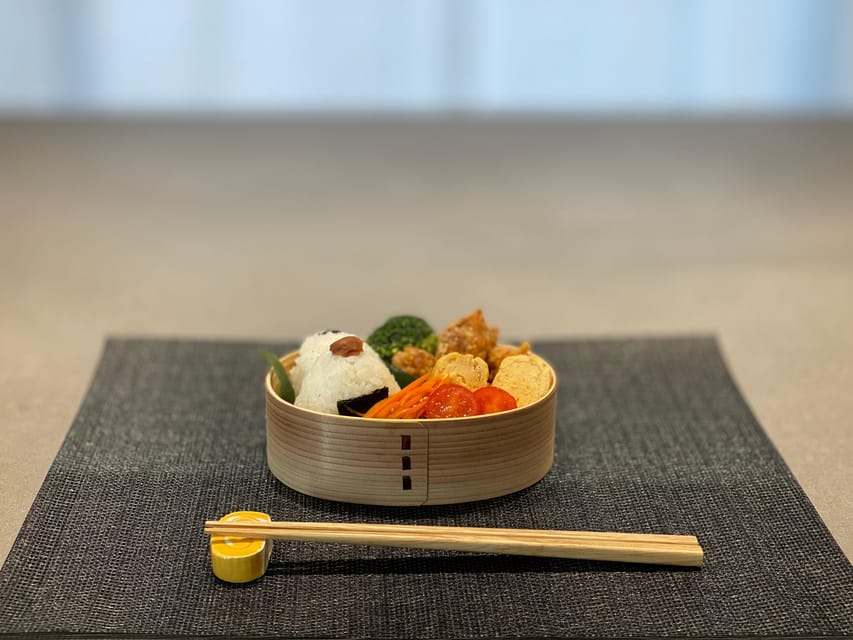
You do not need to bring cooking gear. Ingredients and equipment for the class are provided, as are a rental apron, towel and slippers. Comfortable clothes are a sensible choice, since you will be standing and working with food.
The kitchen has been described as clean, modern and elegant. That is a welcome setting for a practical class: you can focus on the cooking rather than worry about whether you have packed a towel or apron. Shoes are not allowed indoors, and slippers are provided.
A Japanese souvenir is included, with its contents kept as a surprise. There are also other souvenirs for sale on-site, averaging about ¥1,000, if you want an extra keepsake. Cooking tools and ingredients for use at home are not included, so the recipes are yours to keep, but any equipment you need to recreate them is your responsibility.
The food prepared during the class is the focus of the activity, but extra meals or snacks outside what is prepared are not included. If you are counting on this as a full meal, it is wise to check what the class will make before booking, since the exact menu is not specified.
Finding Alleyway Gourmet Lab
The meeting point is described by a simple landmark rather than a street address. Turn into the alley and look for a four-story gray building on the right. At the front, there are doors on both sides. Enter through the right-hand door marked Alleyway Gourmet Lab and continue to the second floor.
The class is said to be in a central area that is easy to reach for tourists and local residents, but transportation is not included. Allow time to find the building, especially if you are unfamiliar with the neighborhood. The directions are specific once you are at the alley, but they do not name a station or provide a full address.
Booking can be flexible: you can reserve without paying immediately, and cancellations made at least 24 hours in advance qualify for a full refund. Check the available start times when choosing a date, as the duration is fixed at two hours.
More tours and experiences in Tokyo:
- Mt Fuji and Hakone 1-Day Bus Tour Return by Bullet Train
★ 5.0 · 26,383 reviews - 1-Day Tokyo Bus Tour
★ 5.0 · 14,250 reviews - Tokyo: teamLab Planets TOKYO Digital Art Museum Entry Ticket
★ 4.6 · 9,779 reviews - Mt Fuji & Hakone Cruise, Drum Show Bullet Train 1 Day from Tokyo
★ 4.0 · 7,413 reviews
Is $83 good value?
At $83 per person, this is not a cheap lunch. You are paying for a two-hour small-group lesson, hands-on instruction, ingredients, equipment, recipes, an apron and towel, cultural explanation and a souvenir. The value is strongest if you want to learn dishes you can make again, rather than simply eat Japanese food once.
The group size helps justify the price. With no more than six participants, you have a better chance of receiving personal attention, and the instruction can respond to questions. The recipes also extend the experience past the class, especially if you already have basic kitchen equipment at home.
There is a limit to that value. Cooking equipment and extra ingredients for home use are not provided, and neither are transportation or food beyond what is prepared in class. If you mainly want a quick meal or need a specialized diet, the price is harder to defend. If you enjoy cooking and want a practical introduction to dashi and home-style dishes, it is a more persuasive spend.
Who will enjoy this class most
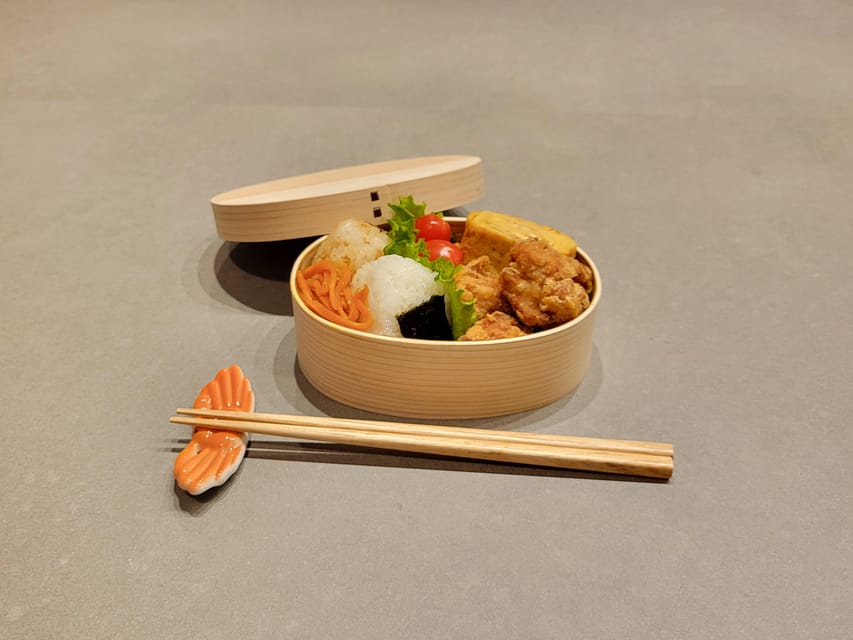
I would put this class high on the list for solo visitors, couples and small groups of friends who like learning by doing. Beginners are welcome, and experienced cooks can still ask about ingredients, technique and the role of each dish in Japanese home cooking.
It is a good fit if you want a break from sightseeing that gives you a skill to take home. It can also suit people who have eaten Japanese food often but want to understand how dishes such as oyakodon and miso soup are put together.
The restrictions are unusually important here. The class is not suitable for children under six, people under 120 cm, people over 80, or anyone with a cold. It is also not suitable for wheelchair users, vegans, vegetarians, or people with food allergies, gluten intolerance or nut allergies. Electric wheelchairs are not allowed. If any of those limits may apply to you, confirm suitability before reserving rather than hoping the class can adapt.
Pets are not permitted, though assistance dogs are allowed. Smoking, vaping, alcohol, drugs, weapons, sharp objects and fireworks are also prohibited. Strong fragrances are not allowed, a considerate rule in a small indoor cooking space.
Should you book it?
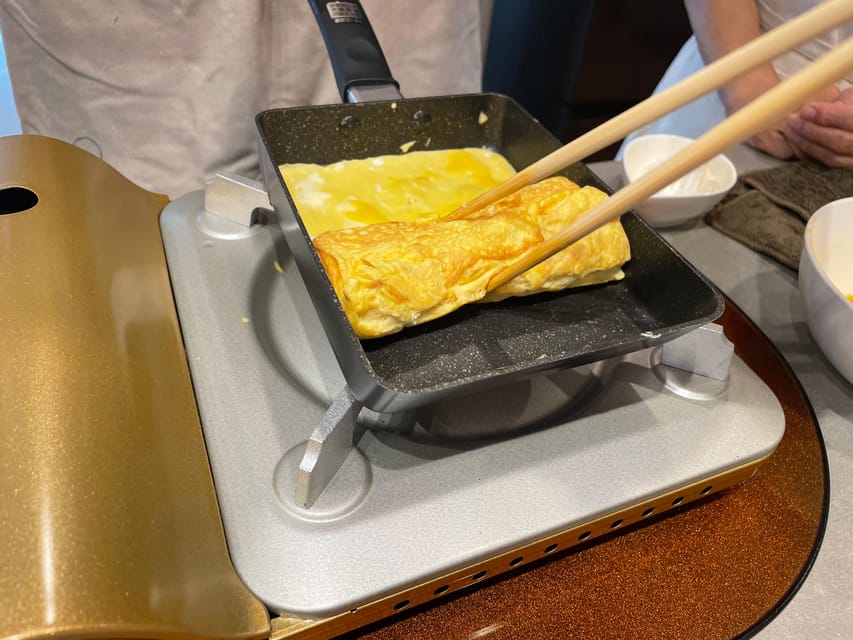
Book this class if you want more than a tasting: you want to handle ingredients, learn the logic behind a few Japanese home dishes and leave with recipes. The compact group and clear English instruction make it especially appealing for beginners who would rather ask questions than watch a cooking show in person.
Skip it if you need a vegetarian or vegan menu, have one of the listed allergies or dietary restrictions, or mainly want a ready-made meal. For everyone else, the combination of dashi, oyakodon, cultural context and practical instruction gives the two hours a useful purpose. At $83, it is a worthwhile cooking lesson for the right person, not a bargain meal.
FAQ
How long is the cooking class?
The class lasts two hours.
How much does it cost?
The stated price is $83 per person.
What dishes will I learn to make?
The class is presented as covering bento, oyakodon and other Japanese home-cooked dishes. Miso soup and oyakodon are specifically described as dishes made in a class, including learning to prepare dashi broth.
Is the class suitable for beginners?
Yes. The experience is described as suitable for beginners as well as experienced cooks, with hands-on guidance from the instructor.
What language is the class taught in?
Classes are conducted in English. Japanese lessons can be arranged upon request. Other translation services are not included.
What should I bring?
Wear comfortable clothes. An apron, towel, slippers, ingredients and cooking equipment for the class are provided.
Where is the meeting point?
Enter the alley and look for the four-story gray building on the right. Use the right-hand door marked Alleyway Gourmet Lab and go to the second floor.
Are dietary needs accommodated?
The class is not suitable for vegans, vegetarians, or people with food allergies, gluten intolerance or nut allergies.
Can I cancel for a refund?
Yes. You can cancel up to 24 hours in advance for a full refund.
Freshly reviewed in Tokyo
- Tokyo: Toshimaya Sake Brewery Tour with Sake Tasting★ 5.0 · 6 reviews
- :Tokyo,Shibuya /Meiji Shrine tour in KIMONO/English-friendly★ 5.0 · 4 reviews
- Tokyo: Tour Privado por Tokio en español★ 4.3 · 4 reviews
- Tokyo:Tea ceremony experience at Komaba Warakuan★ 4.8 · 9 reviews
- :Tokyo,Shibuya/ Pro Photography in Kimono / English-Friendly★ 5.0 · 26 reviews
- Tokyo:Samurai Training : Swords, Bushido & Mental Discipline★ 5.0 · 6 reviews
- Tokyo:Mt Fuji & Hakone Day Tour with English Speaking Driver★ 5.0 · 26 reviews
- Tokyo:Nikko UNESCO World Heritage Sites Private 1-Day Tour★ 3.8 · 6 reviews
Tokyo Cooking Classes, compared.
Sushi Making Tokyo Roll and Authentic Japanese Sushi Class
Read our review →
Roll and Authentic Sushi Making Class in Asakusa
Read our review →
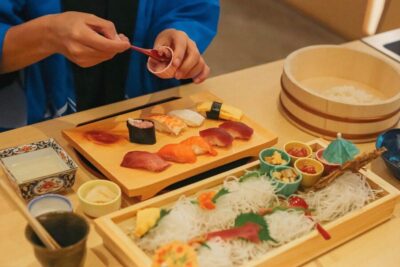
Sushi Making Class in a Happi Coat near a Famous Spot
Read our review →
Tokyo Sushi Making Class in Tsukiji with Professional Chef
Read our review →
Ramen & Gyoza Cooking Class in Tokyo with Local Supermarket Visit
Read our review →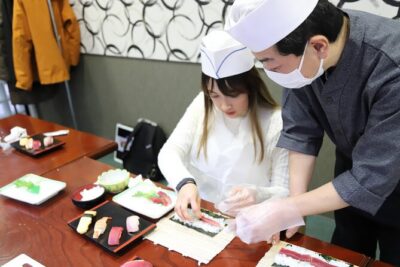
Tsukiji Fish Market Guided Tour and Sushi Making with Pro Chef
Read our review →
Matcha Making Class in Tokyo with Authentic Japanese Sweets Set
Read our review →Browse the lists this tour appears in