
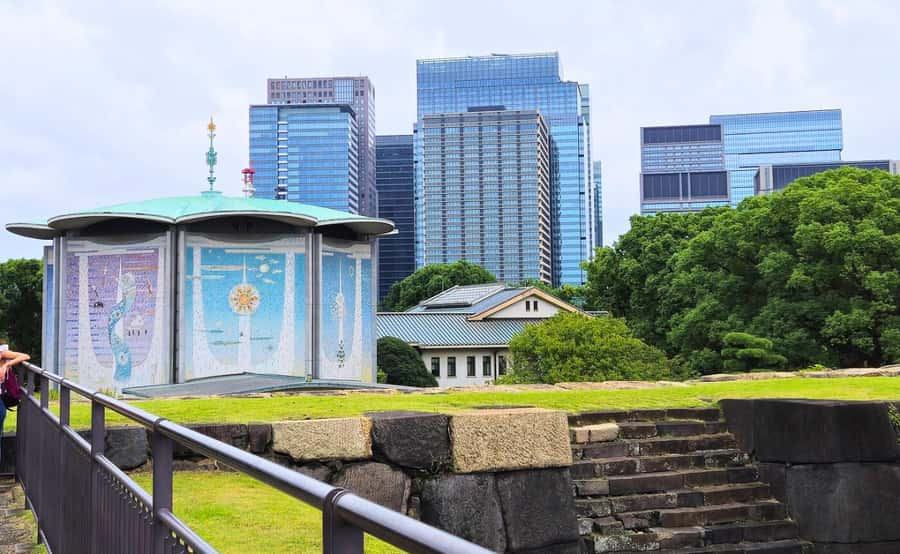
Reviewed · IMPERIAL PALACE TOURS
Tokyo: Imperial Palace Japanese History Walking Tour
Edo Castle once stood where Tokyo’s Imperial Palace grounds now spread across the city. On this walk, a guide helps you read the stone walls, gates and garden features as clues to the age of the shoguns, then links that past to the Japan you see today.
I like two things in particular: the scale model makes the vanished castle easier to picture, and guides such as Mika, Natsumi and Lakki are praised for clear stories, patient answers and practical Tokyo tips. The walk adds context to gardens you could otherwise admire without knowing what they mean.
One important limit: this tour does not enter the inner palace, which is not open to the public. You will also be outdoors in all weather, so summer heat, rain and mosquitoes are worth planning for.
- Otemon Gate marks the way in: Start at a major entrance to the former Edo Castle grounds.
- A model fills in what time erased: See how the castle once looked, since the original buildings are gone.
- Samurai-era history comes with a human scale: Your guide explains the old ranks, from farmer and samurai to daimyo and shogun.
- Gardens mix history and quiet: Expect castle remains, trees gifted to the emperor, bamboo and koi.
- A practical introduction to Tokyo: Guides often share food and sightseeing suggestions alongside the historical account.
From Wadakuramon fountain to Otemon Gate
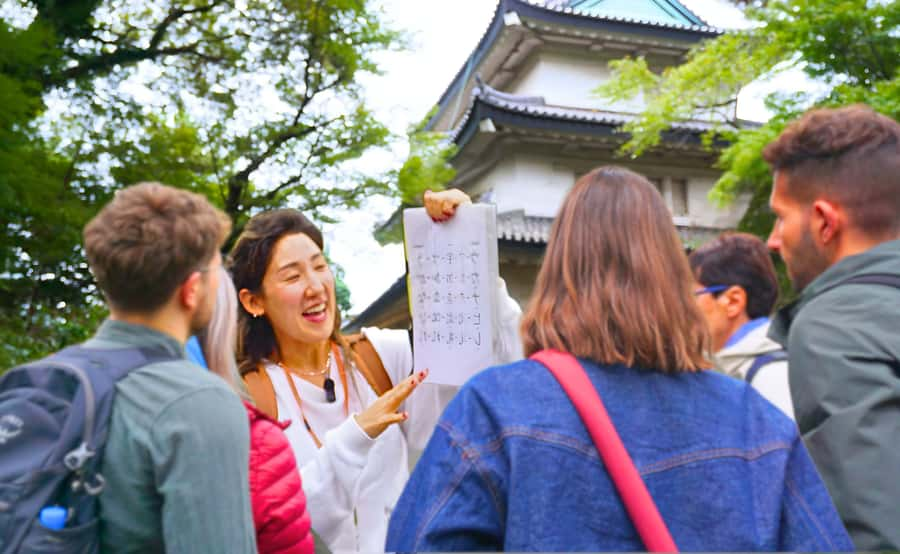
The meeting point is the Starbucks beside the fountain in Wadakuramon fountain park. Tokyo Station and Otemachi Station are both about a five to ten minute walk away, and the guide waits near the fountain with a Sunrise Adventure sign. Give yourself enough time to find the right Starbucks, since the meeting instructions point to the one by the park fountain.
From there, you walk toward Otemon Gate, one of the entrances to the former Edo Castle grounds. Passing through a great gate gives the tour a useful opening image: this was not simply a garden, but the heart of a powerful political center.
The guide sets the scene with an account of Japan’s shogunate, the social order and the shift from shogun rule to the imperial period. The old ranking system, from farmer to samurai to daimyo to shogun, is a helpful framework for understanding who held power and how society was organized.
This is where a guided walk earns its keep. You can see walls and open lawns on your own, but a guide can connect each feature to the people and events that shaped the site. Guides including Natsumi, Mika, Alexandre and Lakki are singled out for clear explanations, engaging stories and an easy willingness to take questions. Tours are offered in English and French.
The castle you cannot see, and the model that helps
Edo Castle stood here more than 350 years ago, but the original castle is no longer there. Rather than expecting an intact keep, look for the surviving traces of the complex and listen for the reasons the site changed. Your guide explains how the shogun’s castle became part of the imperial palace grounds.
A miniature model is especially useful. It gives you a visual sense of the castle’s former scale and layout, something that scattered remains alone cannot easily convey. If you enjoy architecture, military history or urban development, this stop helps you imagine the site before modern Tokyo grew around it.
The absence of the original castle is also a useful reminder to adjust expectations. This is a walk among gardens and remains, not a visit inside a reconstructed fortress. The inner palace is off limits to the public, and the tour does not include access to it.
The guides’ storytelling appears to be a major part of the experience. Natsumi is praised for explaining Edo-period history through lively stories, while Mika is noted for making the palace’s history and architecture easy to follow. Alexandre has led tours in French as well as English. The particular guide can vary, but the tour’s aim is consistent: give you enough context to see more than attractive grounds.
More Imperial Palace walks in Tokyo:
- Tokyo: Imperial Palace and Shogun Historical Walking Tour
★ 5.0 · 2,251 reviews - Tokyo: Imperial Palace and Shogun Walking Tour
★ 4.9 · 935 reviews - Imperial Palace East Garden and Edo Castle Walking Tour in Tokyo
★ 5.0 · 510 reviews
Samurai houses, stonework and the old ranks
Along the route, you explore features associated with samurai life, including an old samurai house, and hear about the roles of samurai, daimyo and shogun. This is more than a list of titles. The guide’s explanation helps you understand how authority worked, and why a castle complex was both a military stronghold and a seat of government.
The grounds also offer clues in their design. Reviews describe guides explaining the ingenuity of the palace complex and the meaning of architectural details and symbols. Listen for those connections rather than treating the walk as a string of photo stops. They help make the transition from Edo rule to the imperial era easier to grasp.
The tour is meant to be interactive. You can ask questions, and guides are often praised for answering them with care. Some make the history accessible to children, too, using questions and a conversational style rather than a long lecture. That makes this a good choice for families who want a calm outdoor activity with substance, though the walking and weather still matter.
Gardens, gifted trees, bamboo and koi
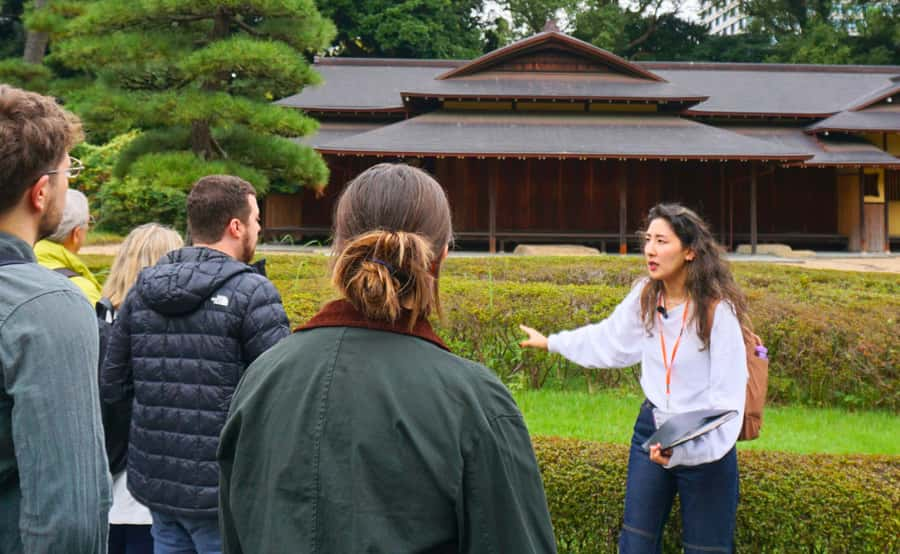
The historical walk moves through a peaceful garden setting, with trees from across Japan that were given to the emperor many years ago. These plantings offer a gentler counterpoint to the gates and castle remains. They also give you a chance to see how the palace grounds have been shaped as a place of ceremony and calm, not only as a seat of power.
A bamboo grove adds a different mood and makes a welcome change of texture along the walk. The gardens are among the tour’s pleasures, but the setting is natural rather than climate-controlled. In warm months, shade beneath the trees can make a real difference. One guide has been praised for pausing in shaded spots and offering small items to help with the heat; another provided mosquito spray. These gestures may depend on the guide, so bring your own water, sun protection and insect repellent rather than counting on supplies.
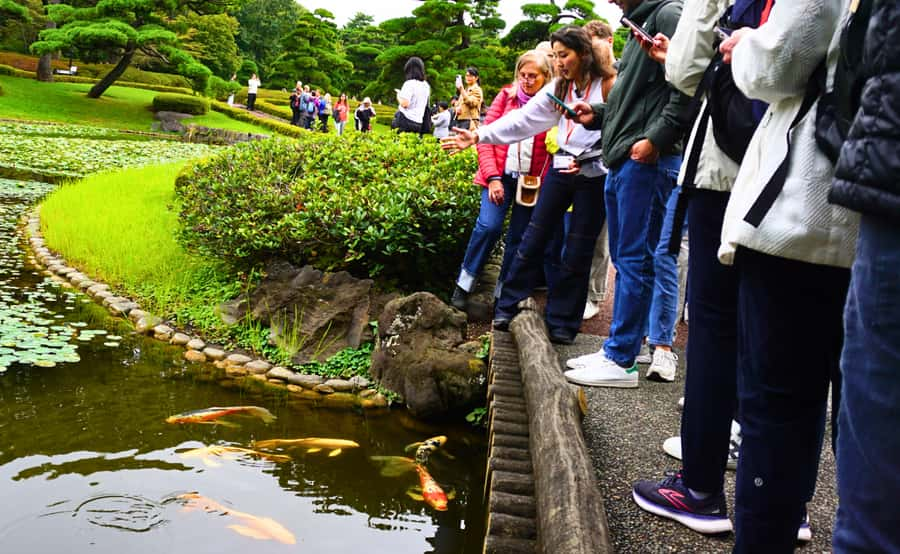
The koi are another treat. The tour includes a chance to spot royal koi fish, an unusual detail that gives the garden walk a little extra character. Keep your camera ready, but remember that the fish and garden views are part of a broader historical visit, not the whole point of it.
You will have good photo opportunities, though the grounds are best enjoyed at a measured pace. Guides have been praised for helping with pictures and for keeping the group moving without rushing. If you want a short, gentle introduction to Japanese history in an attractive setting, that balance is part of the appeal.
How the guide shapes the walk
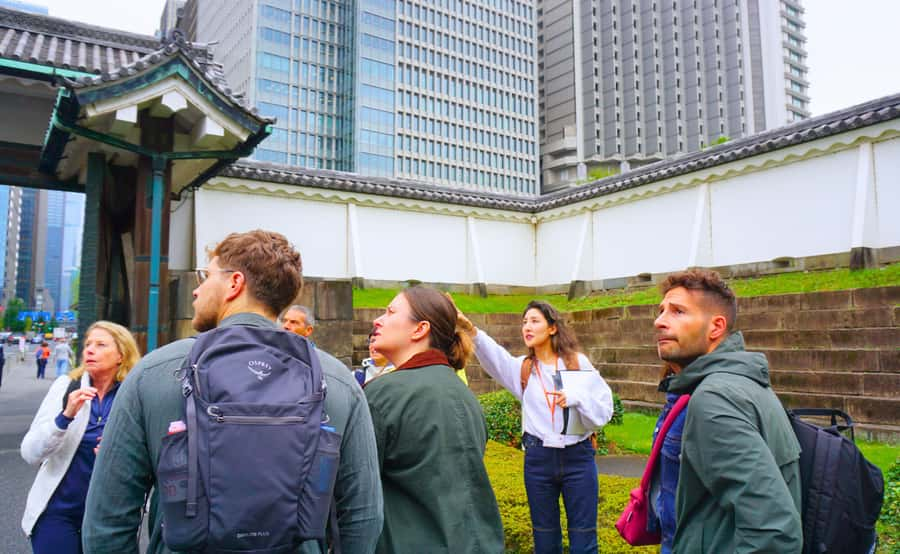
A good guide makes this tour much more than a pleasant stroll. Names that come up repeatedly include Mika and Natsumi, alongside Lakki or Laki, Alexandre, Nico, Arief and others. The strongest praise centers on guides who tell clear stories, speak loudly enough for the group, welcome questions and make the history feel relevant.
There is a practical side, too. Guides sometimes recommend restaurants, cultural etiquette and other places to visit in Tokyo. That can make this a useful first-day activity: you get a basic historical frame for the city, then leave with ideas for what to do next. One guide even offered a private tour with a tea ceremony, but that is not part of the standard experience and should not be assumed.
The tour has been described as interactive and friendly, with a pace that gives people time to listen and look around. It is still a walking tour, and the grounds can feel demanding in extreme heat or rain. The activity runs rain or shine, so dress for the forecast and take the weather seriously.
More walking tours in Tokyo:
- Tokyo Tsukiji Fish Market Food and Culture Walking Tour
★ 5.0 · 3,184 reviews - Tokyo: Shinjuku Local Bar and Izakaya Guided Walking Tour
★ 4.9 · 1,794 reviews - Tokyo: Tsukiji Fish Market Food and Walking tour
★ 5.0 · 1,724 reviews - Tokyo: Asakusa Walking Tour with Sensoji Temple Visit
★ 4.8 · 1,583 reviews
Is $32 good value?

At $32 per person, this is a modestly priced guided introduction to one of Tokyo’s most important historic sites. You are paying for the guide’s explanations and the structure of the walk, not entry to the inner palace or a visit to a preserved castle interior. The gardens and castle remains are the setting; the context is the main value.
If you are comfortable exploring gardens independently and do not need historical explanation, you may prefer to walk the grounds on your own. But if you want to understand how Edo Castle relates to the shogunate, the samurai order and the imperial palace, a guide can make the visit far more coherent.
Booking lets you reserve now and pay later, and you can cancel up to 24 hours in advance for a full refund. Those terms offer some flexibility, but check the booking details for the current conditions before you commit.
Who will enjoy this tour most?
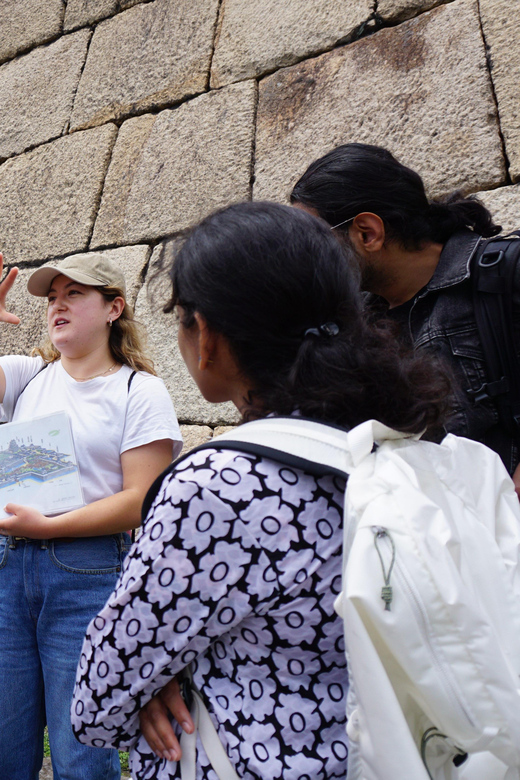
I would recommend this walk to first-time visitors who want a clear introduction to Japanese history without spending a full day in a museum. It also suits people who enjoy gardens and architecture, families with children interested in samurai stories, and anyone who likes to ask questions as they go.
It is less suitable if you need step-free access or cannot manage a walk outdoors. The activity is listed as unsuitable for wheelchair users and people with mobility impairments, back or heart problems, recent surgery, low fitness levels, and pregnant women. The grounds may be beautiful, but the tour is not designed as an accessible or low-effort outing.
Think about the season, too. In Tokyo’s summer heat, shade helps but does not remove the strain of walking outside. Rain does not automatically cancel the tour, so take suitable clothing and shoes. The natural setting also means mosquitoes may be present.
Should you book?
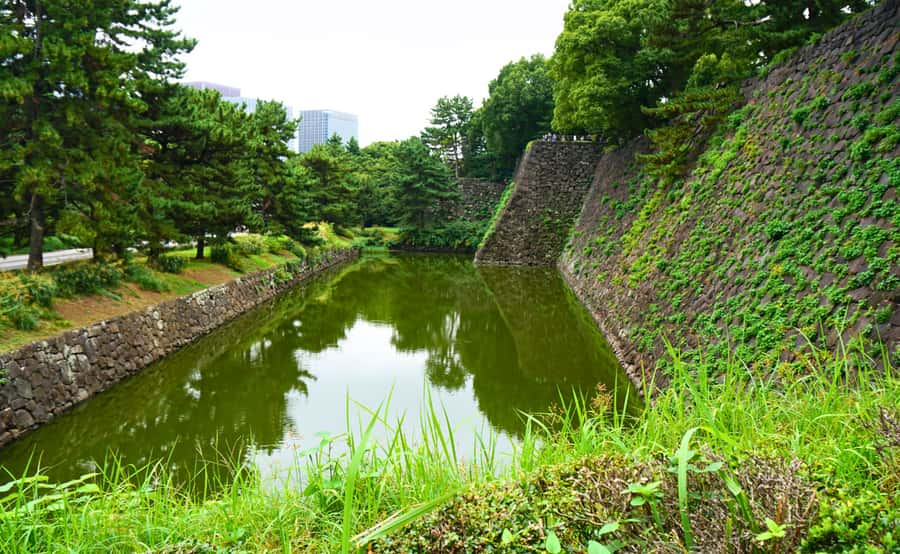
Book this tour if you want the Imperial Palace East Gardens to make historical sense, not just look attractive in photographs. The vanished castle, model, samurai-era features and koi make a varied walk, while the guides’ storytelling and Tokyo tips add value for the price.
Skip it if you are mainly hoping to enter the inner palace, see a complete castle or avoid outdoor walking. For a curious visitor with a couple of hours to spare, this is a practical way to connect Edo-era power with modern Tokyo.
FAQ
Where does the tour start?
Meet your guide at the Starbucks near the fountain in Wadakuramon fountain park. The guide waits near the fountain with a Sunrise Adventure sign.
How do I get to the meeting point?
Tokyo Station and Otemachi Station are each about a five to ten minute walk from Wadakuramon fountain park.
What languages are available?
The tour is offered in English and French.
Does the tour enter the inner palace?
No. The inner palace is not open to the public, and access to it is not included.
What will I see on the walk?
The route includes Otemon Gate, the Imperial Palace East Gardens, remains of the former Edo Castle grounds, a miniature castle model, an old samurai house, trees gifted to the emperor, bamboo and koi fish.
Does the tour run in bad weather?
Yes. It takes place rain or shine. Wear clothes suited to the weather.
Is the tour suitable for wheelchair users?
No. It is listed as unsuitable for wheelchair users and people with mobility impairments. It is also not recommended for people with back or heart problems, recent surgery, low fitness levels, or pregnant women.
Can I cancel after booking?
You can cancel up to 24 hours in advance for a full refund. The booking option also allows you to reserve now and pay later.
More history tours in Tokyo
- Yanaka Walking Tour: Historic and Traditional District of Tokyo
★ 5.0 · 530 reviews - Tokyo: Shinjuku Historical Walking Tour & Secret Backstreets
★ 5.0 · 530 reviews - Mt. Fuji Heritage Tour: Traditional Villages, Lakes & Shrine
★ 4.5 · 509 reviews - From Tokyo: Nikko World Heritage Site Private Full-Day Trip
★ 4.9 · 243 reviews
Freshly reviewed in Tokyo
- Tokyo: Toshimaya Sake Brewery Tour with Sake Tasting★ 5.0 · 6 reviews
- :Tokyo,Shibuya /Meiji Shrine tour in KIMONO/English-friendly★ 5.0 · 4 reviews
- Tokyo: Tour Privado por Tokio en español★ 4.3 · 4 reviews
- Tokyo:Tea ceremony experience at Komaba Warakuan★ 4.8 · 9 reviews
- :Tokyo,Shibuya/ Pro Photography in Kimono / English-Friendly★ 5.0 · 26 reviews
- Tokyo:Samurai Training : Swords, Bushido & Mental Discipline★ 5.0 · 6 reviews
- Tokyo:Nikko UNESCO World Heritage Sites Private 1-Day Tour★ 3.8 · 6 reviews
- Tokyo:Mt Fuji & Hakone Day Tour with English Speaking Driver★ 5.0 · 26 reviews
Imperial Palace Tours, compared.

Imperial Palace and Shogun Historical Walking Tour
Read our review →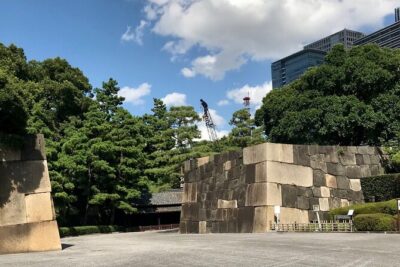
Imperial Palace East Garden and Edo Castle Walking Tour in Tokyo
Read our review →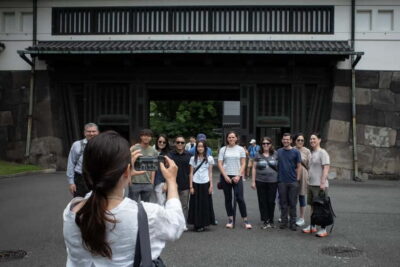
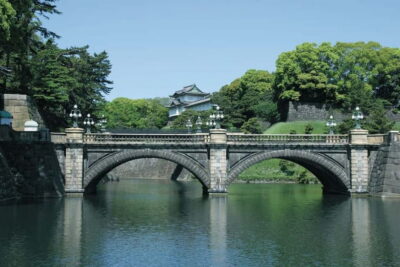
Imperial Palace, Sensō-ji Temple, & Tokyo Tower Tour
Read our review →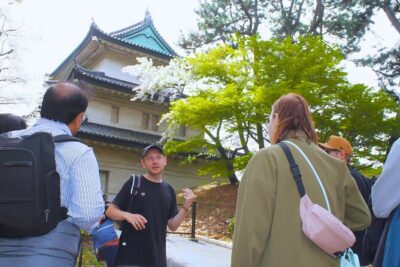
Tokyo Castle, Imperial Palace, Shogun & Garden Walking Tour
Read our review →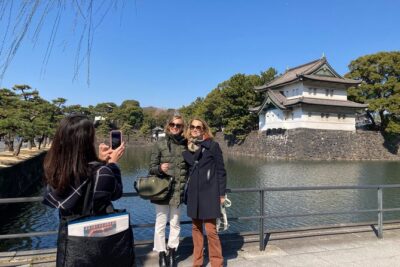
Tokyo Private Tour! Edo Castle & Imperial Palace East Gardens
Read our review →
Full Tokyo: Meiji Shrine, Imperial Palace, Asakusa & Skytree
Read our review →
Imperial Palace, the history of Japan (ENGLISH GUIDE)
Read our review →Browse the lists this tour appears in