
Reviewed · IMPERIAL PALACE TOURS
Tokyo: Imperial Palace East Gardens Walking Tour
Tokyo’s Imperial Palace East Gardens bring two sides of the city together: carefully arranged gardens and the defensive remains of Edo Castle, once home to the Tokugawa shoguns. For $19, you get a 150-minute walk with an English-speaking guide who can make the old stonework and open spaces easier to read.
I like two things in particular: the contrast between castle defenses and quiet garden design, and the way a good guide can put the sparse ruins into context. Guides such as Mei and Kei are often praised for clear explanations, humor, and thoughtful answers. Some have used printed maps and old images to help you picture what no longer stands.
The main consideration is simple: this tour does not enter the Imperial Palace, and palace entry is not included. You are exploring the East Gardens and former castle grounds, not the royal residence. If you want palace interiors, this is not the right outing.
The best reasons to take this walk

- Edo Castle’s old defenses: See stone walls, gates, guard houses, watch towers, and the remains of the Honmaru area.
- A guide makes the ruins legible: The old castle is no longer intact, so stories, maps, and images can help you imagine its former scale.
- Ninomaru Garden offers a change of pace: Its arranged trees, shrubs, stone lanterns, and traditional design bring a quieter note to the walk.
- The seasons change the mood: Cherry blossoms are a spring highlight, while fall brings colorful foliage.
- A modest price for a guided visit: At $19 per person, the tour adds history and interpretation to a garden you could otherwise explore on your own.
From fountain park to former castle grounds
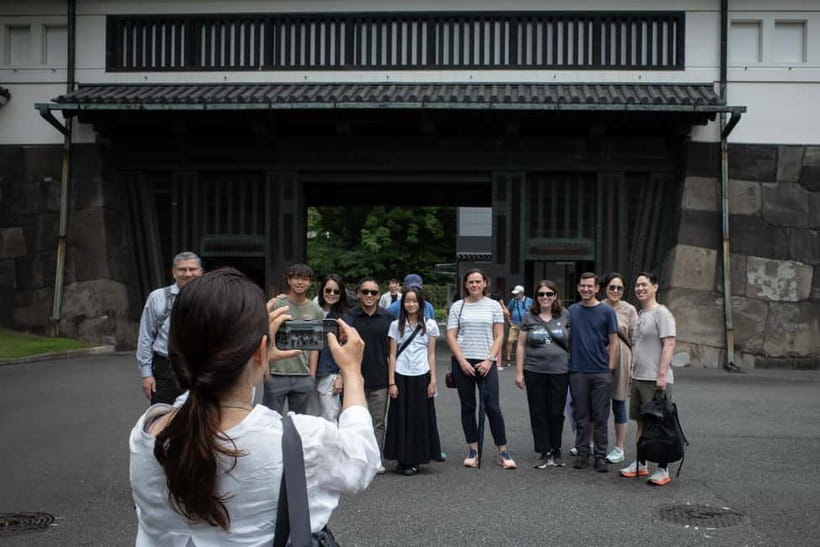
The walk begins near Starbucks Coffee at Kokyo Gaien Wadakura Fountain Park. Your guide waits nearby, at the listed meeting point around 35.6829933, 139.7611971. The group returns to the same place after the tour, so you do not need to plan a separate finish point.
The meeting spot is a useful detail to get right. The guide waits nearby rather than inside the cafe, so check the location before you set out and keep an eye out for the group. The tour’s start time depends on availability, and the full outing lasts 150 minutes.
For a short orientation to the East Gardens, the guided format earns its keep. A castle site can be hard to interpret when foundations and defensive structures are all that remain. The guide’s job is to connect what you see to how the former compound worked, and to explain the shift from shogunal rule to modern Tokyo.
More Imperial Palace walks in Tokyo:
- Tokyo: Imperial Palace and Shogun Historical Walking Tour
★ 5.0 · 2,251 reviews - Tokyo: Imperial Palace Japanese History Walking Tour
★ 4.9 · 987 reviews - Tokyo: Imperial Palace and Shogun Walking Tour
★ 4.9 · 935 reviews
Honmaru: imagining the castle at its center
The Honmaru area was once the main compound of Edo Castle. Today, you can see remnants of its foundations, gates, and defensive structures rather than a complete castle building. That difference matters: the tour is about reading the site, not walking through a preserved fortress.
The remains can still tell you about the castle’s layout and defenses. Stone walls and gates are not simply old masonry; they show how the compound was organized and protected. A guide can help you connect those features to the Tokugawa shoguns and the political role of Edo.
I would especially value the explanation here if you have not studied Japanese history. Without context, a foundation or gate may look like a fragment with no clear story. With a guide, you can begin to picture the former scale of the castle and understand why its center mattered.
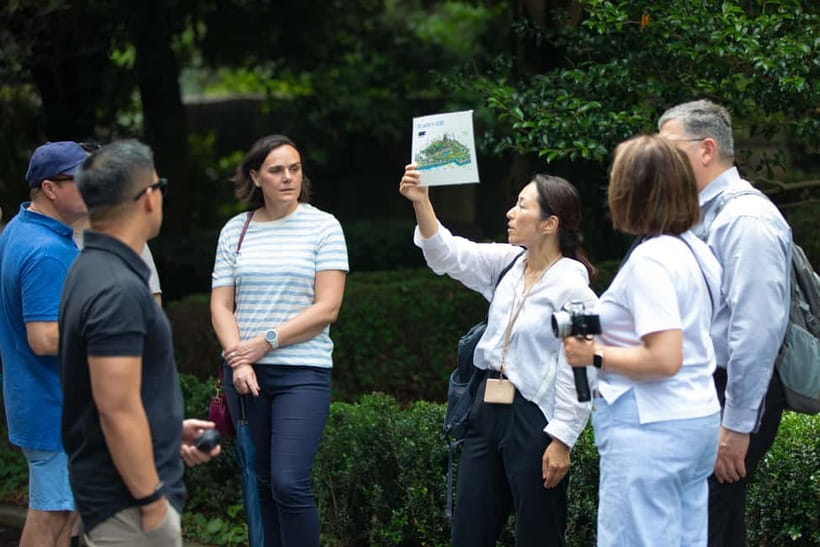
Some guides bring visual aids. Mei, for example, has used printed and laminated maps and pictures to explain how the old castle once looked. That kind of material is useful because it gives you a reference point while you stand among the remains. It is not promised for every departure, but the repeated emphasis on storytelling and clear explanations suggests that interpretation is a central part of the experience.
Stone walls, guard houses, and watch towers
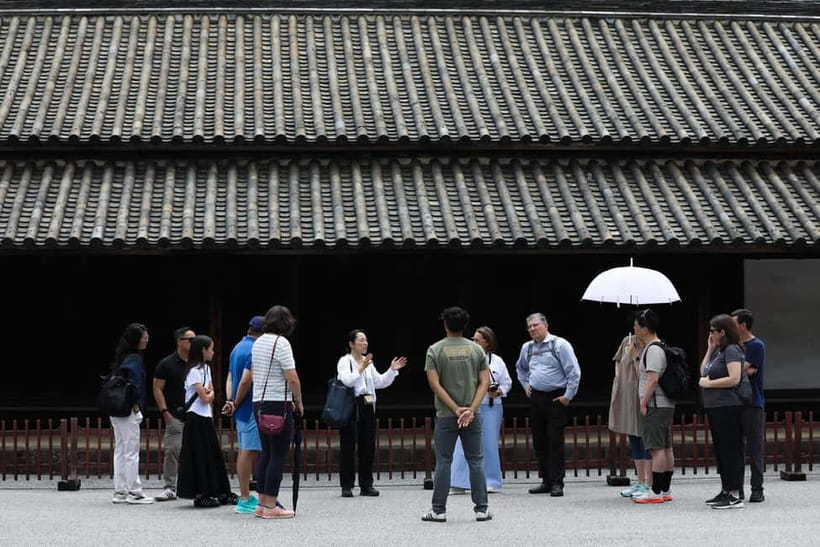
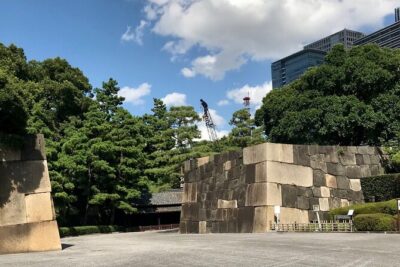
As you move through the grounds, look for the features that made the castle more than a grand residence. Stone walls, guard houses, and watch towers speak to security and control. They also give the walk a practical dimension: you are not only seeing attractive garden scenery but learning how the site functioned.
The old structures are carefully preserved, but do not expect every part of the castle to remain. The tour highlights surviving artifacts and traces, then uses them to explain the larger plan. If you like architecture or military history, this is likely to be one of the most rewarding parts of the route.
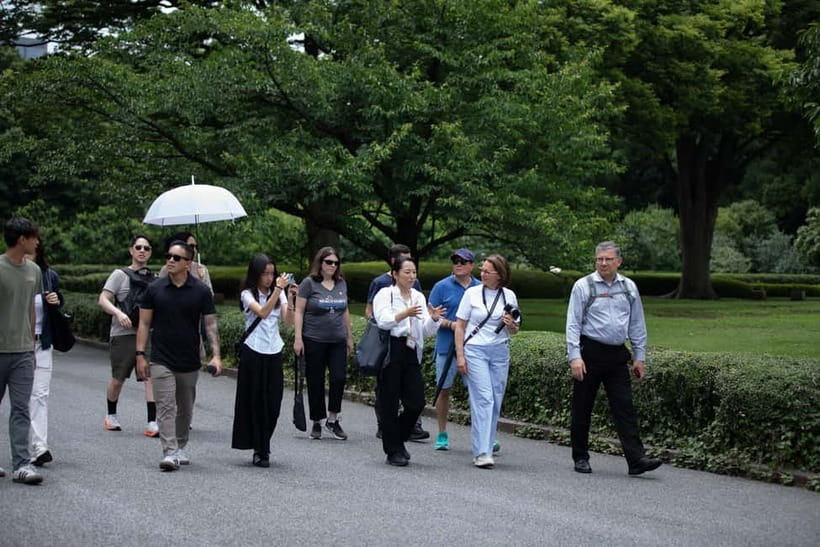
The guide’s pace matters here. A brisk walk could turn the walls into a backdrop; a well-paced stop gives you time to look closely and ask questions. Several guides, including Midori and Wakana, have been praised for keeping a comfortable pace and making room for questions. The exact guide varies, but the format seems suited to conversation rather than a hurried march.
Ninomaru Garden: a quieter kind of history
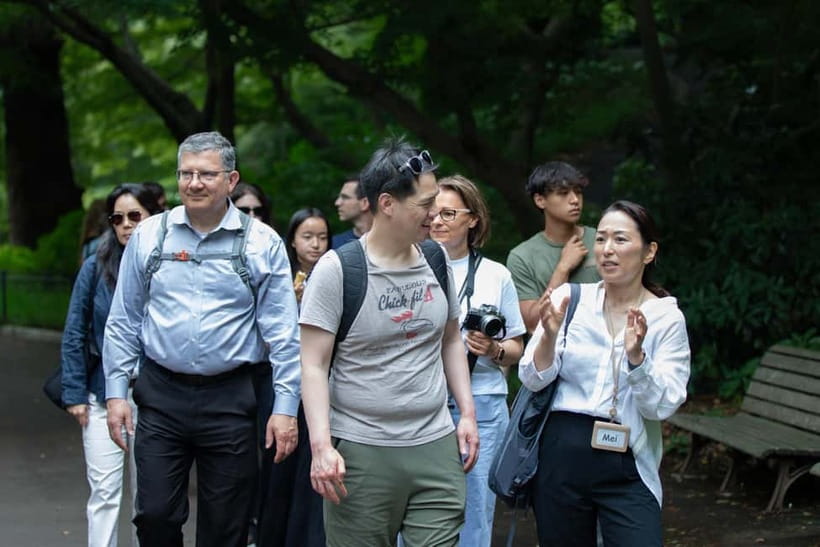
The Ninomaru Garden shifts the focus from defense to design. Here, arranged trees and shrubs, stone lanterns, ponds, and bridges create a more contemplative atmosphere. The traditional Japanese design is not a side attraction: it offers a different way to understand the grounds, where careful placement and changing views matter as much as imposing walls.
I like that contrast. After hearing about castle strategy and shogunal power, you get a place to slow down and notice the details. The garden is meticulously maintained, and the route gives you a chance to appreciate its composition rather than simply pass through on the way to the next historic feature.
Some departures leave time for a little personal viewing in the garden at the end. Do not assume every guide will use the time in exactly the same way, but you may have a chance to take photos or look around at your own pace. A guide may also point out good photo spots or offer to take a picture for you.
More walking tours in Tokyo:
- Tokyo Tsukiji Fish Market Food and Culture Walking Tour
★ 5.0 · 3,184 reviews - Tokyo: Shinjuku Local Bar and Izakaya Guided Walking Tour
★ 4.9 · 1,794 reviews - Tokyo: Tsukiji Fish Market Food and Walking tour
★ 5.0 · 1,724 reviews - Tokyo: Asakusa Walking Tour with Sensoji Temple Visit
★ 4.8 · 1,583 reviews
Cherry blossoms in spring, foliage in fall
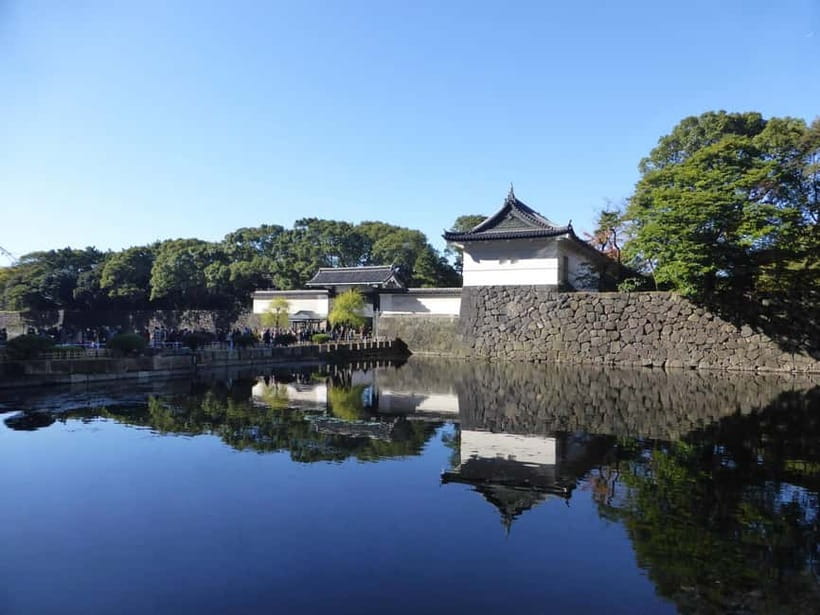
The gardens change with the seasons. Spring brings cherry blossoms, while fall brings colorful foliage. These seasonal displays can add a lot to the visit, but the tour’s appeal does not rest on flowers alone. The castle remains and garden design give you something to look for in any season.
A spring or fall visit may feel especially scenic, but weather can shape the experience. One guide, Miko, kept the group engaged during rain, and other visitors have enjoyed tours despite poor weather. Still, this is a 150-minute outdoor walk. I would bring weather-appropriate clothing and comfortable shoes, especially if rain is in the forecast.
In other seasons, you can focus more closely on the layout, structures, and greenery. The grounds include tranquil ponds, graceful bridges, and meticulously pruned bonsai trees. The overall effect is not just a pretty park; it is a preserved setting where garden design and political history sit side by side.
What a $19 guide adds
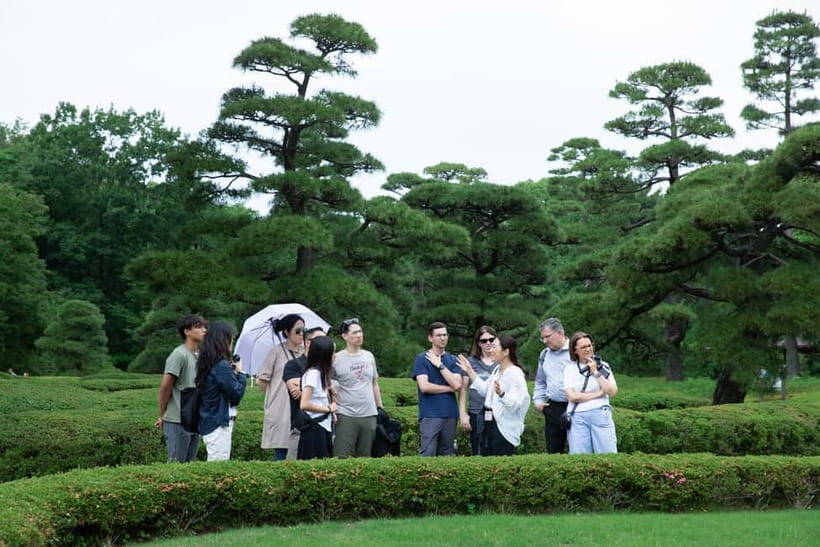
At $19 per person, this is an affordable way to put structure around a visit to the East Gardens. You are paying for a guide and a walking tour, not transportation, a palace interior visit, or entry to the Imperial Palace. The distinction is worth checking before booking so the price matches your expectations.
You can walk through a garden on your own, of course. What the guided option buys is context: how the Honmaru area fit into Edo Castle, why defensive structures were placed where they were, and how the grounds relate to the Tokugawa era. The guide can also answer questions and connect the site’s history to Japanese culture and the modern imperial family.
The strongest praise for the experience centers on the guides’ manner and explanations. Mei is a recurring name, with comments about her humor, warmth, and ability to answer questions. Kei, Wakana, and Loc are also singled out for friendly, engaging tours. That does not guarantee a specific guide on your date, but it does point to a tour where the human element can make the difference between a pleasant walk and a memorable history lesson.
Some guides also offer suggestions for the rest of your Tokyo trip. Treat that as a welcome extra, not a promised service. The main value is the guided exploration of the garden and castle remains.
Who will get the most from it
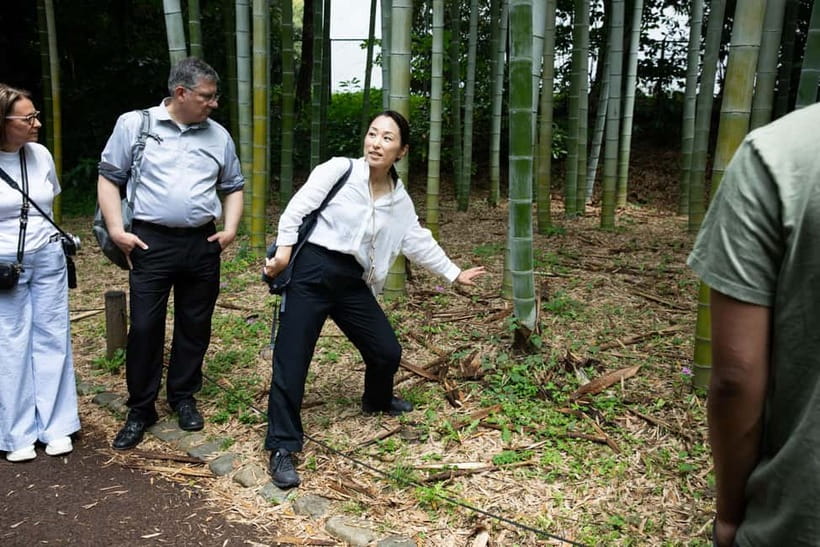
This tour suits you if you like history but do not want a lecture delivered in a room. You move through the actual grounds, see the surviving structures, and hear how the site worked. It also suits first-time visitors who want an informed introduction to the shoguns, Edo Castle, and the imperial grounds in one compact outing.
Garden lovers will find the Ninomaru Garden and seasonal plantings rewarding, especially in spring or fall. People interested in architecture can focus on walls, gates, guard houses, and watch towers. Families may appreciate the guides’ use of stories, humor, and visual aids, though the tour is a long walk at two and a half hours.
It is less suitable if your main goal is to enter the palace or see a complete castle. The route stays outside the Imperial Palace, and the surviving remains are fragments. If you are happy to use your imagination and let a guide supply the missing pieces, that limitation is less of a problem.
The tour is listed as wheelchair accessible, which is helpful if access is a concern. Because the activity is a walking tour through garden grounds, you may still want to confirm the route details with the operator before booking if you have specific mobility needs.
Should you book the Imperial Palace East Gardens tour?
I would book this tour if you want more than a scenic garden stroll and are curious about the story beneath the stone walls. The price is modest, the route combines garden design with castle history, and a good guide can make the remains far easier to understand.
Skip it if you expect to go inside the palace, see an intact castle, or spend the whole visit focused on flowers. The experience is strongest when you enjoy both the quiet garden and the history that shaped it. With free cancellation up to 24 hours ahead and a reserve-now, pay-later option, it is also relatively easy to fit into a flexible Tokyo plan.
FAQ
How long is the Imperial Palace East Gardens tour?
The tour lasts 150 minutes, or two and a half hours.
How much does the tour cost?
The listed price is $19 per person.
Does the tour go inside the Imperial Palace?
No. The tour explores the East Gardens and former Edo Castle grounds, but does not go inside the Imperial Palace.
Is entry to the Imperial Palace included?
No. Entry to the Imperial Palace is not included.
What language is the tour conducted in?
The live guide speaks English.
Where does the tour start and finish?
It starts near Starbucks Coffee at Kokyo Gaien Wadakura Fountain Park and returns to the same location.
Is the tour wheelchair accessible?
Yes, the activity is listed as wheelchair accessible.
Can I cancel the tour for a refund?
Yes. You can cancel up to 24 hours in advance for a full refund.
Freshly reviewed in Tokyo
- Tokyo: Toshimaya Sake Brewery Tour with Sake Tasting★ 5.0 · 6 reviews
- :Tokyo,Shibuya /Meiji Shrine tour in KIMONO/English-friendly★ 5.0 · 4 reviews
- Tokyo: Tour Privado por Tokio en español★ 4.3 · 4 reviews
- Tokyo:Tea ceremony experience at Komaba Warakuan★ 4.8 · 9 reviews
- :Tokyo,Shibuya/ Pro Photography in Kimono / English-Friendly★ 5.0 · 26 reviews
- Tokyo:Samurai Training : Swords, Bushido & Mental Discipline★ 5.0 · 6 reviews
- Tokyo:Nikko UNESCO World Heritage Sites Private 1-Day Tour★ 3.8 · 6 reviews
- Tokyo:Mt Fuji & Hakone Day Tour with English Speaking Driver★ 5.0 · 26 reviews
Imperial Palace Tours, compared.

Imperial Palace and Shogun Historical Walking Tour
Read our review →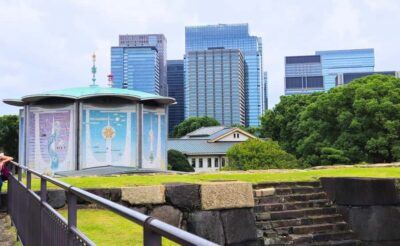
Imperial Palace East Garden and Edo Castle Walking Tour in Tokyo
Read our review →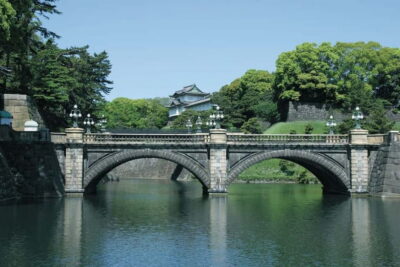
Imperial Palace, Sensō-ji Temple, & Tokyo Tower Tour
Read our review →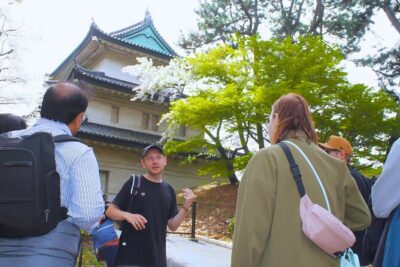
Tokyo Castle, Imperial Palace, Shogun & Garden Walking Tour
Read our review →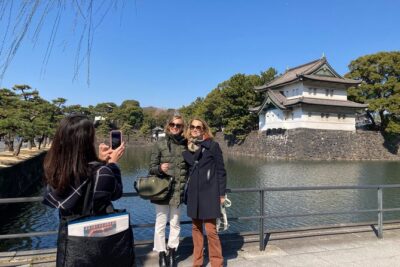
Tokyo Private Tour! Edo Castle & Imperial Palace East Gardens
Read our review →
Full Tokyo: Meiji Shrine, Imperial Palace, Asakusa & Skytree
Read our review →
Imperial Palace, the history of Japan (ENGLISH GUIDE)
Read our review →Browse the lists this tour appears in