
Reviewed · ASAKUSA TOURS
Tokyo Asakusa sightseeing and history walking tour
Asakusa’s best stories link its grand temple to fishermen, a festival, and the small streets that still make the district feel like a neighborhood. This private walking tour connects those dots in 90 minutes, with stops at Senso-ji and Asakusa Shrine as well as less familiar corners.
I like two things about this walk: it explains the difference between Buddhist Senso-ji and Shinto Asakusa Shrine, and it makes room for local food and shopping advice, not just landmark photos. The guide may also point out small shops and back lanes that are easy to miss on your own.
One consideration: 90 minutes goes quickly, and the tour is built around walking and explanation, not a long sit-down meal. If you book in German, confirm the guide can comfortably lead the full tour in that language, since language ability may vary.
At a glance: temples, lanes, and local tips
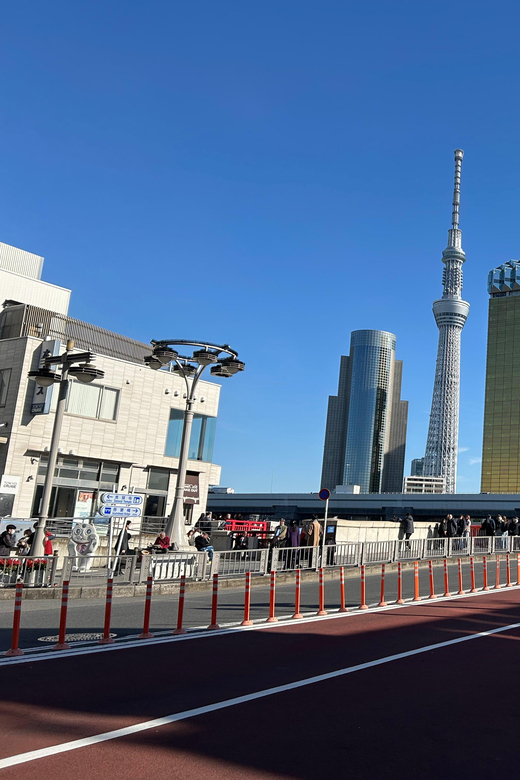
- A private 90-minute walk keeps the route personal and makes it easier to ask questions or set a comfortable pace.
- Kaminarimon, Nakamise, Senso-ji, and Asakusa Shrine bring together the district’s best-known sights and religious traditions.
- The Sanja Festival’s origin story connects the area’s fishermen with the Kannon statue at Senso-ji.
- Asakusa Kingyo and the whaling ship add unusual stops beyond the standard temple circuit.
- Food and shopping guidance can help you choose where to eat and what to look for after the walk.
- English, German, and Japanese are offered, but check your preferred language in advance if clear explanations are essential.
Start at Kaminarimon and read the gateway
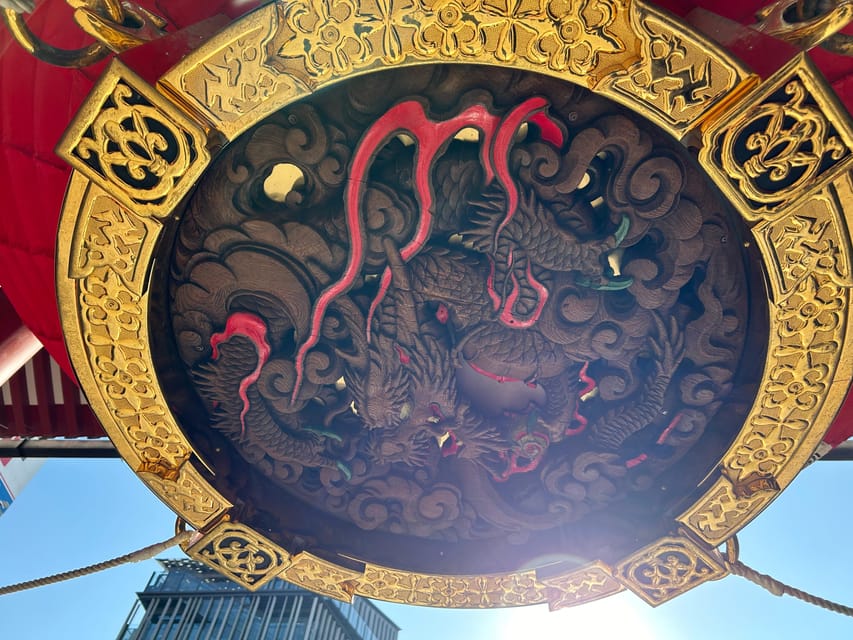
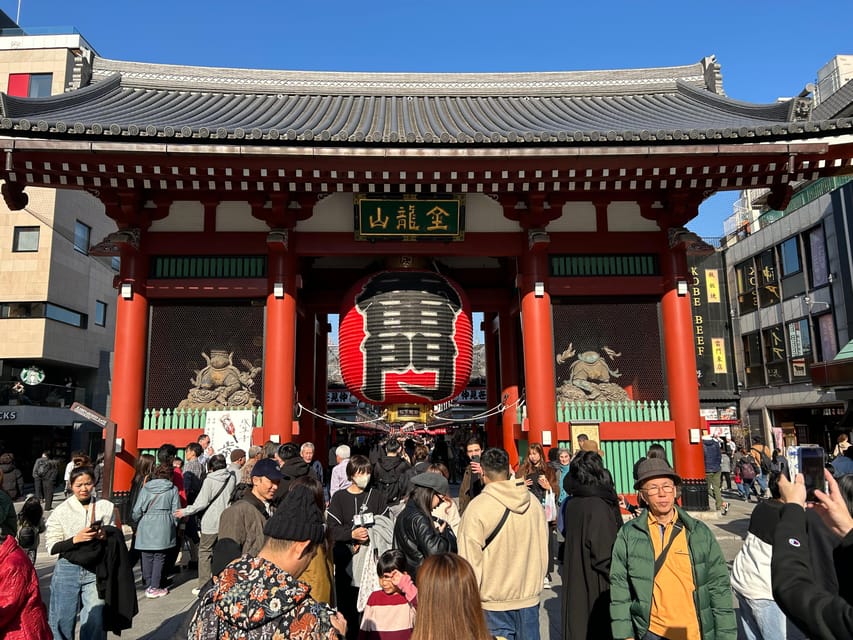
The meeting point is on the left side of Kaminarimon Gate, where the guide waits with a GetYourGuide sign. The coordinates are 35.7111163, 139.7963656. Kaminarimon is a good place to begin because it announces the old temple district in grand style, with a huge red lantern and a steady flow of people heading toward Senso-ji.
The first stop allows about ten minutes for photos and an introduction. That may sound brief, but a guide can use the moment to orient you: Asakusa is more than a temple approach, and the stories here are easier to follow once you know how its religious sites and streets fit together.
Expect people in the frame. Kaminarimon is one of Asakusa’s most recognizable spots, so it is rarely a quiet portrait setting. A guide can help you get a photo and move on without letting the crowd become the whole experience.
More Asakusa tours in Tokyo:
- Tokyo: Japanese Dance Cabaret Theater Asakusa-Kaguwa Ticket
★ 4.8 · 2,270 reviews - Tokyo: Meiji Shrine, Asakusa, Skytree Bus Tour and Cruise
★ 4.7 · 1,986 reviews - Tokyo: Roll and Authentic Sushi Making Class in Asakusa
★ 4.9 · 1,957 reviews
Nakamise Street: a lively approach with a shopping pause
From the gate, the route follows Nakamise Shopping Street toward Senso-ji. The 15-minute stop includes guided explanation, photos, and time to browse. This is the classic Asakusa approach, lined with souvenir shops and snack stalls, and it gives you a quick look at the district’s commercial side.
The practical advantage of walking it with a guide is context. You can ask what is worth sampling, where to look for a useful souvenir, and how the street connects to the temple visit ahead. The guide also offers advice about Asakusa’s traditional foods, including soba, sukiyaki, yakiniku, sushi, tempura, and eel.
There is a trade-off: Nakamise can be crowded, and 15 minutes is not much time for shopping. Treat the stop as a first look rather than a full browse. If a snack or shop catches your eye, note it for later, since purchases are not included in the tour price.
Senso-ji: more than a photo stop
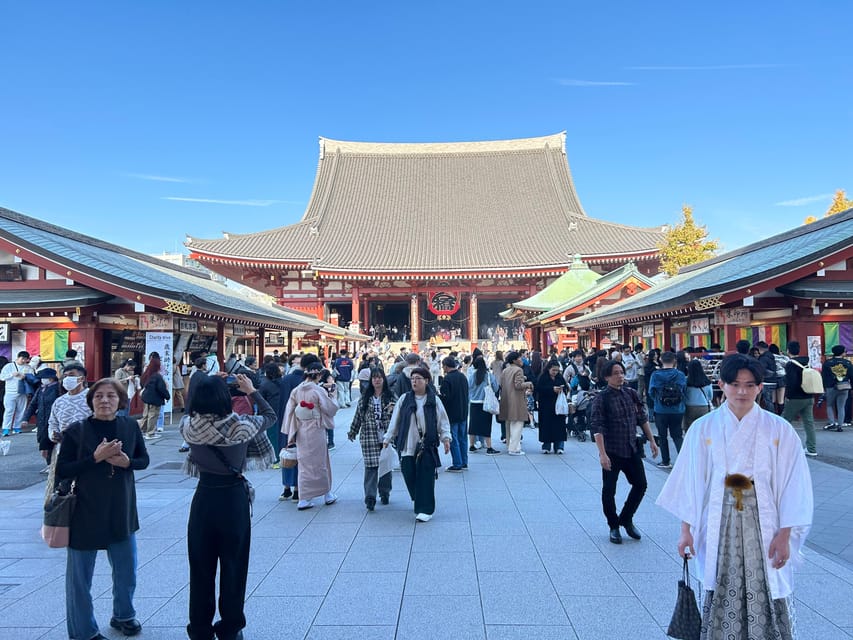
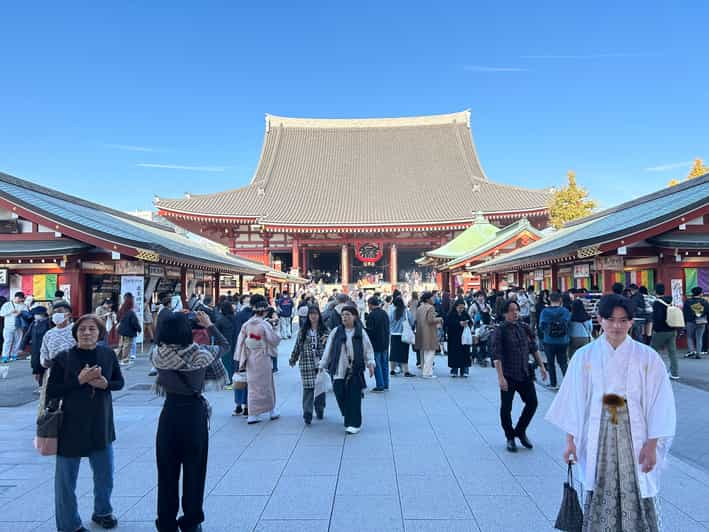
The tour spends about 20 minutes at Senso-ji, with time for a guided visit, photos, a short break, and some independent looking around. Asakusa’s best-known temple is also the natural place to begin understanding the area’s religious life and the stories tied to its origins.
One central distinction is between Senso-ji, a Buddhist temple, and Asakusa Shrine, a Shinto shrine. Visitors often see both on the same outing without knowing why they are separate or how the traditions differ. A guide can explain what you are looking at and show you how to take part respectfully. One family with an 11-year-old particularly valued being shown how to bow and clap at the temple.
The Kannon statue at the heart of Senso-ji also leads into the Sanja Festival story. The tour explains the connection to two brother fishermen who pulled up the statue in their nets, and to the shrine dedicated to the men associated with that discovery. The legend gives the later festival and the neighboring shrine a more human connection than a signboard alone can provide.
Twenty minutes is enough for an introduction, not a slow, complete temple visit. If you want time to explore every corner or linger over the grounds, plan to return after the tour. That is one reason this walk works well early in a stay: you get a framework, then can revisit the places that interest you most.
Asakusa Shrine: the Shinto side of the story
The next stop is Asakusa Shrine, with about 20 minutes for explanation, photos, and a break. Its closeness to Senso-ji makes the contrast especially clear. You can move from a Buddhist temple to a Shinto shrine in a short walk, while learning why each site has a different role.
This is where the Sanja Festival history becomes more than a curious tale. The guide can connect the fishermen, the Kannon image, the shrine’s dedication, and the festival that honors the area’s origins. The festival is described as one of Japan’s three major festivals, and a guide who knows Asakusa well may help you understand its place in local life.
Festival timing can make the district feel different. A visitor who joined during Sanja Matsuri found that guidance helped make sense of what was happening. The tour does not promise a festival-day visit, though, so think of the festival explanation as useful background even if your dates do not overlap.
More city highlights tours in Tokyo:
- From Tokyo: Mount Fuji Full-Day Sightseeing Trip
★ 4.5 · 4,970 reviews - Tokyo: Hop-On Hop-Off Sightseeing Bus Ticket
★ 3.9 · 4,207 reviews - Tokyo: Private City Highlights Tour with Local Guide
★ 4.8 · 1,433 reviews - Tokyo Private Sightseeing Tour by Car- English speaking chauffeur
★ 5.0 · 1,004 reviews
Back lanes, crafts, and the less obvious Asakusa
The tour also makes room for the downtown area and quieter side streets. This is where the experience may feel most distinct from a quick self-guided circuit of Kaminarimon, Nakamise, and Senso-ji. The guide’s local knowledge can point you toward small shops, alleyways, snacks, and details of Asakusa’s changing architecture that a visitor might otherwise walk past.
A particularly specific stop is Asakusa Kingyo, scheduled for about 15 minutes. The itinerary allows time for a photo and a guided explanation, though it does not promise a purchase or hands-on activity. Its place in the route gives the walk a change of pace from temple grounds and busy shopping streets.
The tour’s appeal depends in part on the guide’s ability to bring these stops to life. One visitor described finding a century-old cosmetics shop selling sake-based beauty products, while another praised local snack and souvenir suggestions. Those are the sorts of details that can make a short walk useful long after it ends: you leave with ideas for where to browse and what to try.
Still, do not expect every departure to follow exactly the same rhythm or include the same discoveries. The stated route lists the principal stops, while back-lane detours and personal recommendations naturally depend on the guide and the day. If you are especially interested in crafts, food, or local streets, tell the guide at the start.
The whaling ship and a final photo stop
The last listed stop is Hogei-sen, identified as a whaling ship, with about ten minutes for photos and some free time. It is an unusual note to end on after temple and shrine visits, and it adds another point of interest to the walk beyond Asakusa’s most familiar religious sites.
The short allocation means you should see it as a brief stop rather than a full visit. Together with Asakusa Kingyo, it makes the route less predictable than a temple-only walk. If you are choosing this tour because you want only a deep historical lecture, these additional sights may feel like a detour; if you like a mix of culture, local oddities, and photos, they help keep the pace varied.
What the guide adds, and what to check
The experience is provided by Kazuo Hirose, and personal accounts use the names Hirose-san and Hiroshi. A guide who grew up near Senso-ji was described as especially good at connecting local history with the streets, temple customs, food, and shopping. That kind of local perspective is the tour’s strongest potential advantage: you can ask follow-up questions and get practical suggestions rather than simply reading information panels.
The private-group format is important. You are not sharing the 90 minutes with a large mixed group, and the guide can be patient if someone needs a pause. A family with a tired child appreciated that flexibility. Children under three can join free, while children aged three to twelve receive a 50 percent discount.
Language deserves a little extra care. English, German, and Japanese are offered, but one German-speaking family found the German communication limited and the explanations hard for their children to follow. If you are choosing the tour specifically for German, contact the provider before booking and confirm that the guide can deliver the full explanation in German. That is a sensible check for any language you need to follow closely.
Is $19 good value for 90 minutes?
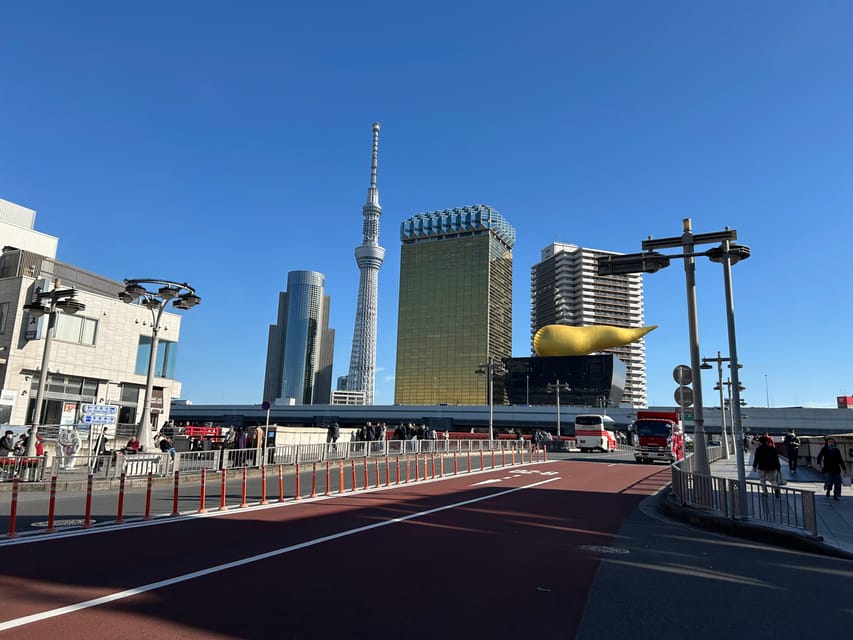
At $19 per person, the price is modest for a private guided walk in central Tokyo. The fee covers the guide, the walking tour, and free photos, along with recommendations for souvenir shops and places to eat. You are paying for orientation, explanations, and local pointers, not for meals, transport, or shopping.
That distinction matters. If you only want a few photos of Senso-ji, you can visit independently and save the fee. But if you want to understand why a Buddhist temple and Shinto shrine sit side by side, hear the Sanja Festival origin story, and get ideas for snacks and restaurants, the guide can make the area easier to read.
The tour’s value also depends on the quality of the language delivery and how much detail you want. Some visitors found the guide personal, patient, and full of useful local information. One German-language experience fell short on both communication and historical explanation, so the best approach is to confirm expectations in advance, especially if you are booking for children or need a particular language.
The walk is 90 minutes, with scheduled stops of roughly 10 to 20 minutes. Wear comfortable shoes, bring water, and dress for the weather. Transport and purchases are not included, so budget separately if you plan to shop or eat after the tour.
Who should book this Asakusa walk?
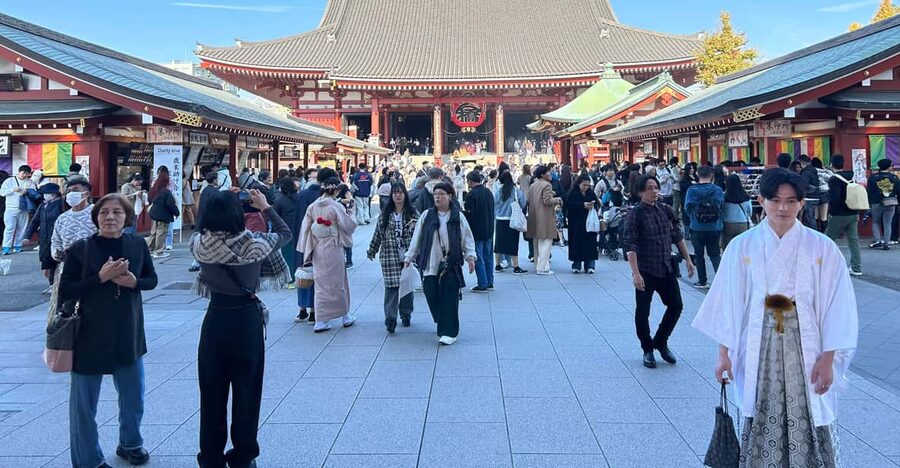
I would choose this tour if you are new to Asakusa and want a quick, personal introduction before exploring on your own. It suits visitors curious about Japanese religious customs, the Sanja Festival, local food, and the streets just beyond the main photo stops.
It is also a good fit for families who prefer a private pace, provided the children can enjoy a walking tour and the guide’s language is clear to them. The route includes free time and breaks, but it still covers several stops in a short window.
I would skip it if you want an extended temple visit, a food tour with included tastings, or a guaranteed German-language experience without first confirming the guide’s fluency. Book it for the explanations and local pointers, then leave yourself time afterward to return to the places that deserve a longer look.
FAQ
How long does the Asakusa tour last?
The walking tour lasts 90 minutes.
Where is the meeting point?
Meet on the left side of Kaminarimon Gate. The guide waits with a GetYourGuide sign.
What languages are available?
The tour is offered in English, German, and Japanese. Confirm your preferred language with the provider if it is essential to your booking.
Is the tour private?
Yes. It is offered as a private group.
What is included in the price?
The price includes a tour guide, the walking tour, free photos, and information about souvenir shops and restaurants. Shopping and transport costs are not included.
Can children join the tour?
Children under three can join free of charge. Children aged three to twelve receive a 50 percent discount.
More history tours in Tokyo
- Tokyo: Imperial Palace Japanese History Walking Tour
★ 4.9 · 987 reviews - Yanaka Walking Tour: Historic and Traditional District of Tokyo
★ 5.0 · 530 reviews - Tokyo: Shinjuku Historical Walking Tour & Secret Backstreets
★ 5.0 · 530 reviews - Mt. Fuji Heritage Tour: Traditional Villages, Lakes & Shrine
★ 4.5 · 509 reviews
More walking tours in Tokyo
- Tokyo Tsukiji Fish Market Food and Culture Walking Tour
★ 5.0 · 3,184 reviews - Tokyo: Imperial Palace and Shogun Historical Walking Tour
★ 5.0 · 2,251 reviews - Tokyo: Shinjuku Local Bar and Izakaya Guided Walking Tour
★ 4.9 · 1,794 reviews - Tokyo: Tsukiji Fish Market Food and Walking tour
★ 5.0 · 1,724 reviews
Freshly reviewed in Tokyo
- Tokyo: Toshimaya Sake Brewery Tour with Sake Tasting★ 5.0 · 6 reviews
- :Tokyo,Shibuya /Meiji Shrine tour in KIMONO/English-friendly★ 5.0 · 4 reviews
- Tokyo: Tour Privado por Tokio en español★ 4.3 · 4 reviews
- Tokyo:Tea ceremony experience at Komaba Warakuan★ 4.8 · 9 reviews
- :Tokyo,Shibuya/ Pro Photography in Kimono / English-Friendly★ 5.0 · 26 reviews
- Tokyo:Samurai Training : Swords, Bushido & Mental Discipline★ 5.0 · 6 reviews
- Tokyo:Mt Fuji & Hakone Day Tour with English Speaking Driver★ 5.0 · 26 reviews
- Tokyo:Nikko UNESCO World Heritage Sites Private 1-Day Tour★ 3.8 · 6 reviews
Asakusa Tours, compared.
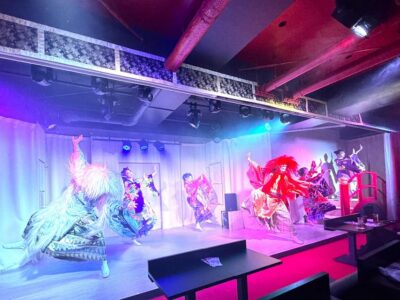
Japanese Dance Cabaret Theater Asakusa-Kaguwa Ticket
Read our review →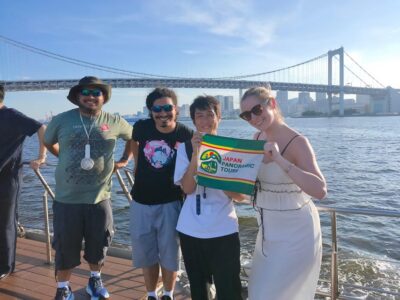
Meiji Shrine, Asakusa, Skytree Bus Tour and Cruise
Read our review →
Roll and Authentic Sushi Making Class in Asakusa
Read our review →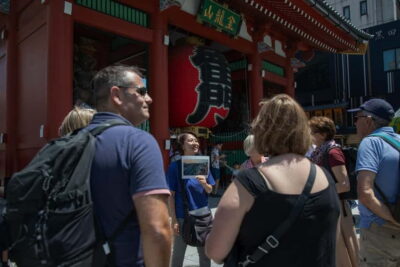
Asakusa Walking Tour with Sensoji Temple Visit
Read our review →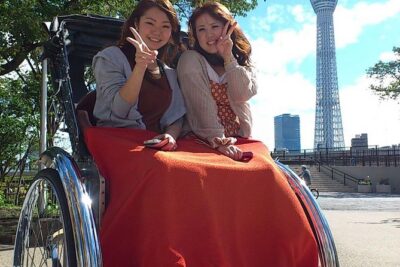
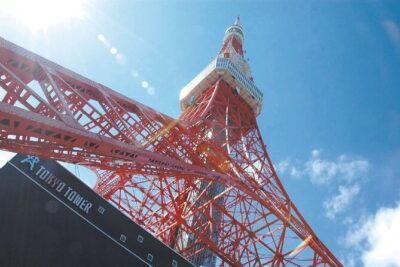
Tokyo Panoramic 1 Day: Meiji Shrine, Asakusa, Odaiba and SKYTREE®
Read our review →
Tokyo Go Kart: Asakusa, Skytree, and Akihabara **IDP MUST**
Read our review →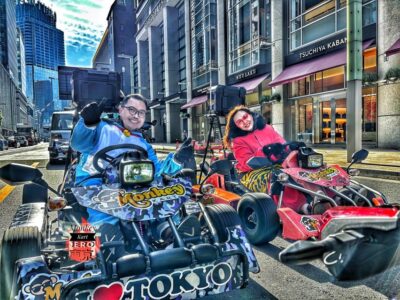
Asakusa, Skytree & Akhihabara Go-Kart City Experience
Read our review →Browse the lists this tour appears in