
Reviewed · TOKYO TEA CEREMONIES
At an Antique Shop, Tea Ceremony and Japanese Sweets Forming
A century-old roadside antique shop is an unusual place to learn the basics of a Japanese tea ceremony and shape nerikiri, the soft, colorful sweet served with tea. Here, you begin among old tableware, choose a cup for your matcha, and make a seasonal design by hand.
I like two details in particular: you can select your own teacup, with some cups several centuries old, and the sweets-making gives you something to do with your hands before the quieter tea-room portion. The chair-based seating is another welcome touch if sitting on the floor is not for you.
One consideration: the host is a Japanese artisan who may not speak English well, despite English being the activity language. You should be ready for some language gaps, and the program keeps to its scheduled end time even if you arrive late.
At a glance
- A working antique tableware shop: The setting is a century-old roadside shop, not a standard class room.
- Choose a teacup: Some of the cups are several hundred years old, so the choice is part of the visit.
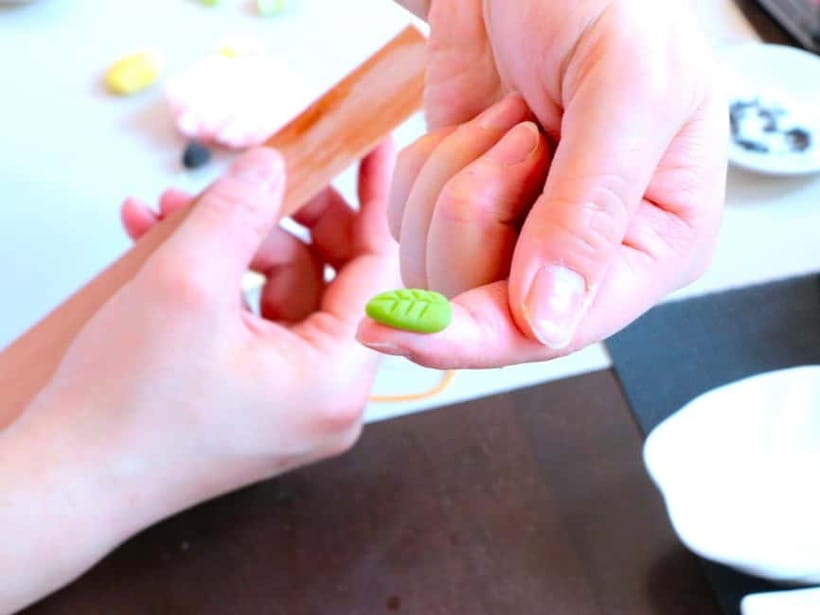
- Make nerikiri by hand: Shape colored dough into the day’s seasonal design, with tools for adding delicate lines.
- Try matcha in a dedicated tea room: The room uses chairs, and the host serves matcha with the sweet you have made.
- Near Nippori Station: The site is about a 10-minute walk from the station; exact location details arrive after booking.
A tea lesson in an old shop
At $57 per person, this is a small cultural activity with three linked parts: exploring antique tableware, shaping a Japanese sweet, and taking part in a tea ceremony. The antique shop gives the program its particular character. Instead of entering an ordinary apartment room set up for a class, you begin in a century-old roadside shop known locally for its tableware. CNN has interviewed the shop, a sign of its unusual setting, though the real appeal is the chance to spend time in a place with a clear connection to Japanese craft and daily life.
The setting also changes how you approach the objects. You are not simply looking at display pieces from a distance. You can take your time choosing a teacup to use, and some of the cups are several hundred years old. That makes a small practical choice feel like part of the lesson: the vessel is not a disposable prop, but an object with its own history and character.
The activity is offered in English, but the host is described as an artisan whose English may be limited. That can mean a less polished, more personal exchange than a scripted demonstration, though it may also make detailed explanations harder to follow. If you are comfortable asking questions patiently and learning through demonstration, this should be manageable. The host welcomes questions, and conversation is treated as part of the tea experience.
More tea ceremonies in Tokyo:
- Matcha Making Class in Tokyo with Authentic Japanese Sweets Set
★ 5.0 · 744 reviews - Tokyo: Traditional Tea Ceremony with a Tea Master
★ 5.0 · 528 reviews - Tokyo: Matcha Making Experience with Mochi Sweets in Asakusa
★ 4.9 · 388 reviews
First, take a look at the tableware
When you arrive, you have time to look around the shop before the hands-on part begins. The venue is not just a backdrop for photographs. Its antique tableware is central to the visit, and you can consider which cup you would like to use later for matcha.
I would take this part slowly. Notice the differences in shape, color, and finish, then ask about an object if you are curious. The supplied information does not promise a guided antiques talk, so think of this as time to explore rather than a formal museum tour. The appeal is the chance to be in an old specialist shop and use one of its cups as part of the activity.
If you collect antiques, the shop may have pieces available to buy. Purchases are optional and are not included in the $57 price. There is no stated obligation to shop, so you can enjoy the setting without treating the visit as a sales stop. If you are tempted by a piece, check its price and details directly with the shop before deciding.
The location is about 10 minutes from Nippori Station. You receive the precise venue details after making a reservation, so leave room in your plans to find the address rather than relying on a vague map pin. Arriving on time matters: the activity ends at its planned time even if you are late.
Shaping nerikiri, one small detail at a time
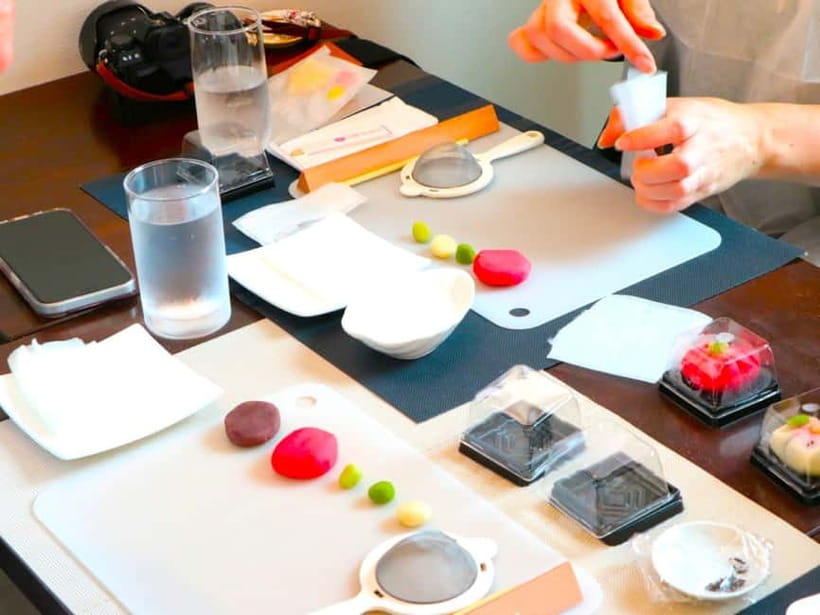
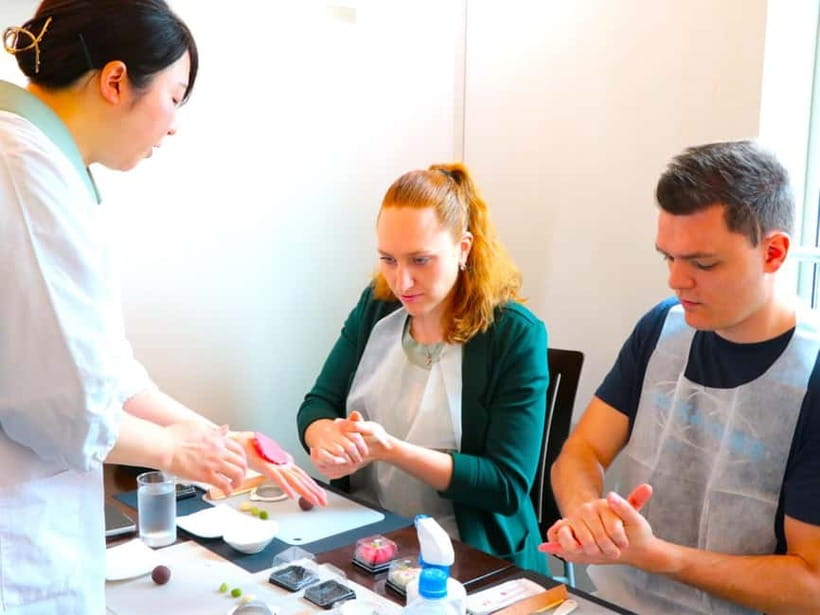
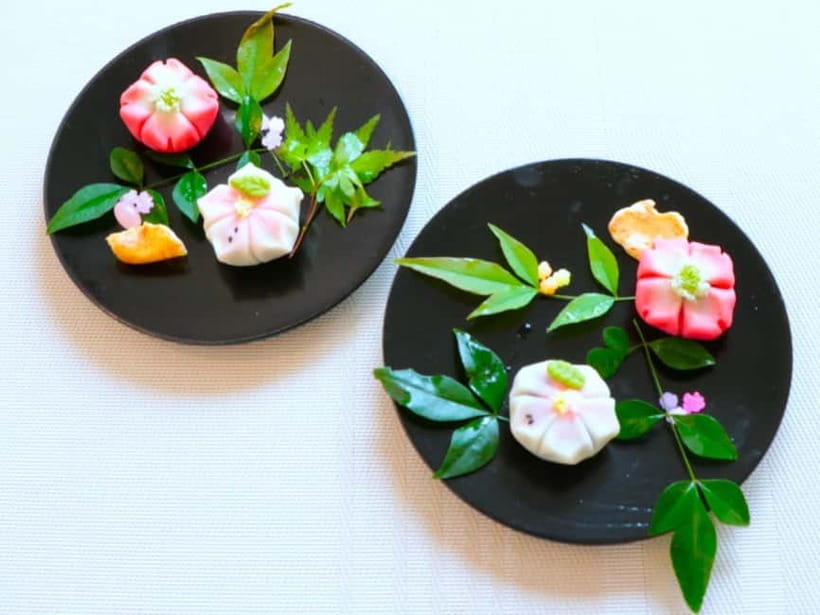
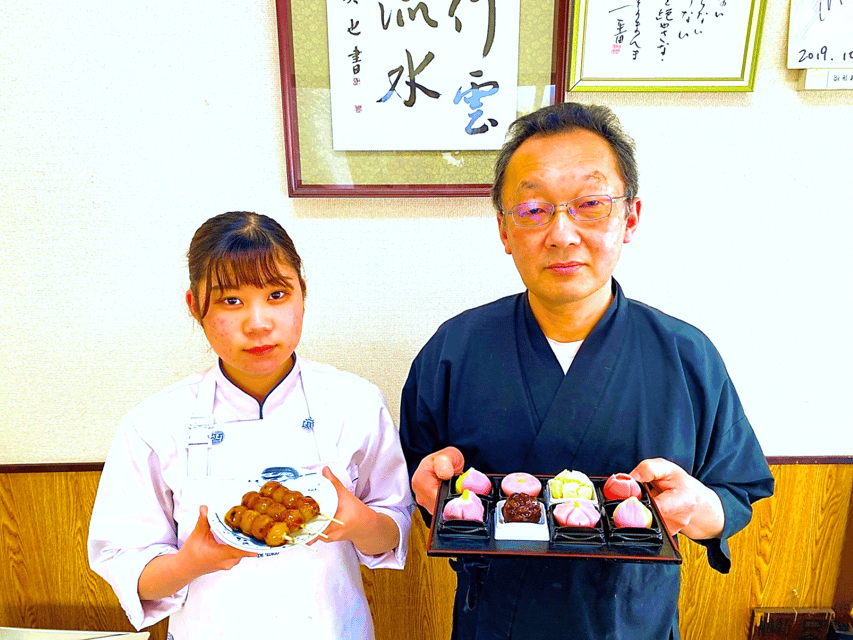
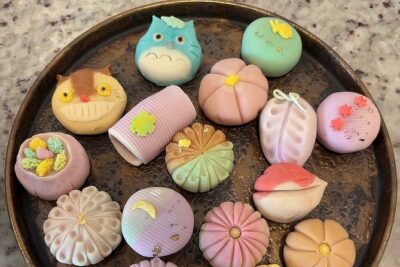
Next comes the sweets-making portion. You make nerikiri, a type of wagashi, or Japanese sweet, using colored material whose main ingredient is described as mochi flour. The process is compared to working with colorful clay: you combine and shape the material by hand to form the design chosen for that day.
This is a good activity for people who do not consider themselves artistic. You do not need prior cooking or craft experience, and the instructor guides you through the steps. The work is tactile and approachable, but it also asks for a little care. You shape the dough, adjust its form, then use tools to add lines and other small details that express the seasonal design.
That seasonal focus gives the sweet more meaning than a generic decorating exercise. Japanese sweets often draw on natural forms and the time of year, and here the goal is to represent that seasonal beauty in a small edible object. The exact design can change, so you should not expect to make one specific flower or figure. What you can expect is a guided project built around the day’s theme.
The pace should suit a range of abilities. The instructor is described as careful and friendly, and the sweet-making is repeatedly singled out as an enjoyable part of the program. Still, it is a hands-on activity, not a quick demonstration where you simply watch. If you prefer a class with extensive English explanation at every step, the host’s limited English may require patience. Watching the instructor and following each stage should help bridge the gap.
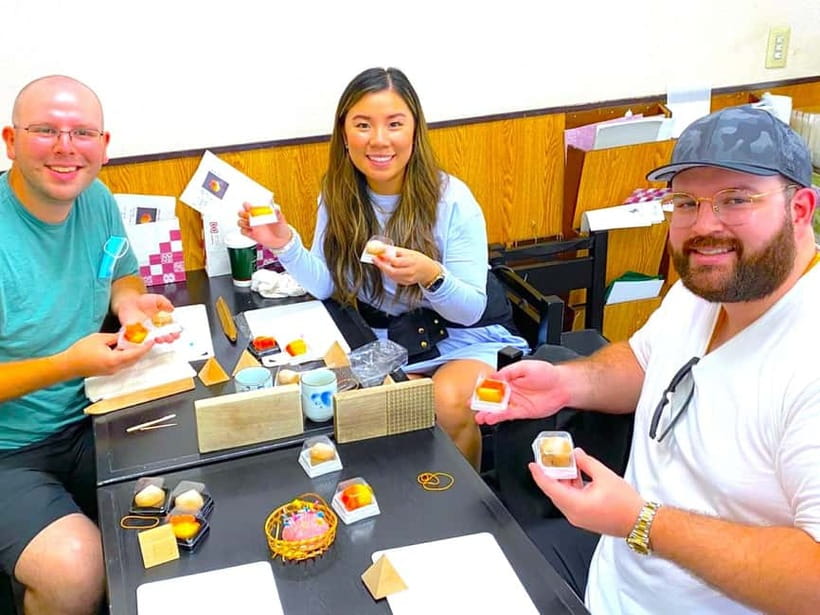
A useful thing to know is that you will eat the sweet you make during the tea portion. That creates a satisfying link between the two halves of the program: first you work on the shape and details, then you taste your result alongside matcha. It is a small pleasure, but it makes the lesson feel complete.
Matcha in a room arranged for chairs
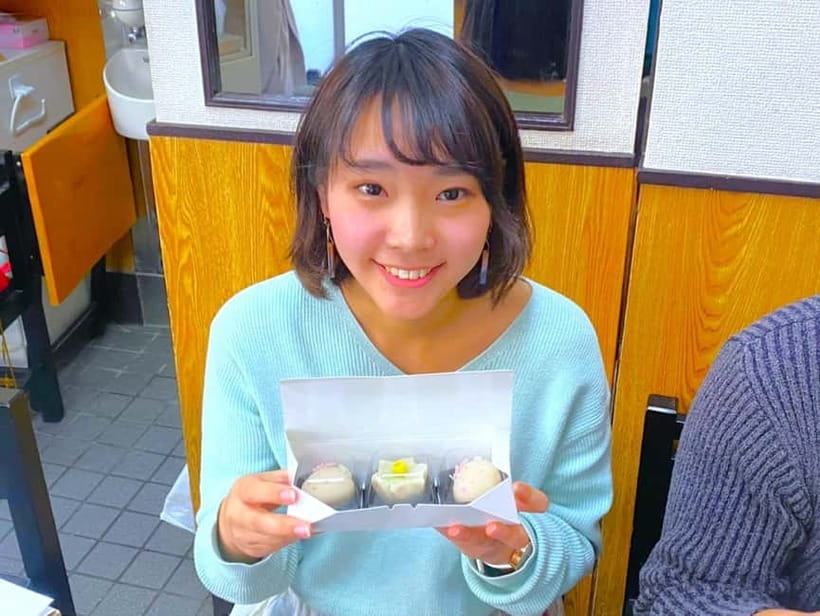
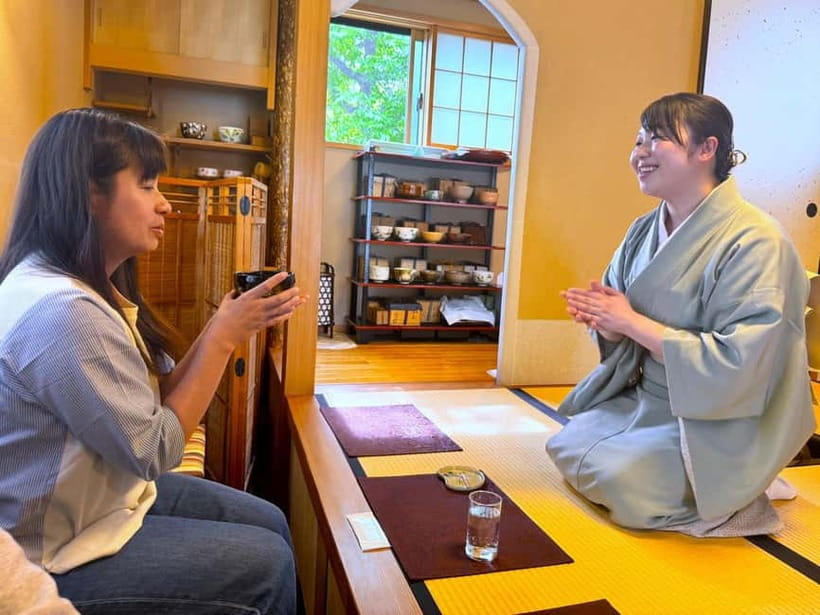
After making the wagashi, you move to a dedicated tea room. The room is arranged for chair seating, rather than requiring you to sit on the floor. That practical detail makes the ceremony more accessible to people who find floor seating uncomfortable, while retaining a traditional tea-room setting.
The host serves the sweet followed by matcha, a powdered green tea. The tea is described as real matcha and is not sweetened. If your usual tea is milky or sugary, expect a more direct, grassy flavor. The nerikiri provides the sweet contrast, which is part of the pairing rather than an extra treat on the side.
This is an experience of watching and taking part in a tea ceremony, not a promise of an advanced lesson in every gesture or historical rule. You can see how the tea is presented and enjoy the calm shift from shaping sweets to sitting and tasting. The strongest value is in the combination: you have made one part of the serving yourself, chosen the cup, and then watched the host prepare the tea.
Questions are welcome, and the host considers conversation an important part of the ceremony. That is worth remembering if you have a question about the tea, the cup, or the sweet. Keep your questions simple and give the instructor time to respond. The host’s English may be limited, but a slower exchange can still be warm and useful.
The calm atmosphere is one of the main reasons this program suits a break from sightseeing. It is not a high-energy attraction or a fast sequence of photo stops. You spend time making something, observing a ritual, and tasting the result. If you are looking for a quiet, focused activity with a personal setting, that rhythm is a strength. If you want a highly polished English-language performance, it may be less predictable.
More dessert tours in Tokyo:
- Make Traditional Nerikiri Sweets & Matcha experience in Shibuya
★ 5.0 · 130 reviews - Private Mochi Sweets Making class near Shibuya area
★ 5.0 · 93 reviews - Japanese Traditional Sweets making and Tea Ceremony
★ 4.7 · 50 reviews - Tokyo: Two Types of Japanese Sweets Making and Tea Ceremony
★ 4.6 · 26 reviews
What $57 gets you
The $57 fee includes the experience, use of the venue and tools, matcha, nerikiri ingredients, and consumption tax. You are paying for more than a cup of tea: the price covers access to the antique shop, instruction in making a sweet, and the tea-room portion that brings the activity together.
I think the strongest value lies in the setting and the joined-up format. A basic tea demonstration might show you how matcha is served, while a sweets class might end with the piece you make. Here, both are linked in a single visit, and the antique cups add a tangible detail you can choose for yourself. The chance to use a cup that may be centuries old is especially appealing to anyone interested in ceramics, craft, or Japanese material culture.
There are limits to that value. The activity does not include an antiques purchase, and buying tableware is an optional extra. The precise duration is not provided, so do not build a tight schedule around an assumed finish time. You do know that the activity ends at its scheduled time, so arriving late cuts into the experience rather than extending it.
For a first visit to Tokyo, this is a compact way to try two Japanese traditions in a setting that feels more specific than a generic class room. It is not a substitute for a full cultural lecture or an expert-level tea ceremony course. Consider it a guided introduction: personal, hands-on, and shaped by a shop that has its own identity.
Who will enjoy this, and who should skip it
I would recommend this to adults and teens who are curious about Japanese sweets, tea, or antiques, and who enjoy learning by doing. It also suits couples or small family groups looking for an activity that is calm rather than physically demanding. Participants must be at least 13, and anyone under 18 must come with an adult.
It is a particularly good fit if you like crafts but do not need a highly technical class. Nerikiri shaping is presented as an easy, guided activity, and the finished sweet becomes part of the tea service. You do not need to arrive with cooking skills. An interest in design or tableware will add another layer, but it is not required.
The activity is not suitable for wheelchair users, people with vertigo or epilepsy, or anyone with a cold. Baby strollers and baby carriages are not allowed. You must wear footwear, and smoking, alcohol, drugs, intoxication, and chewing gum are not permitted. Anyone who is unwell or under the influence will be refused entry without a refund.
Also note that a person who enters the venue without taking part must still pay, and that person needs to be declared when requesting the booking. This is not a place to bring along an extra observer and assume they can wait inside for free. If someone in your party will not participate, sort that out in advance.
Should you book it?
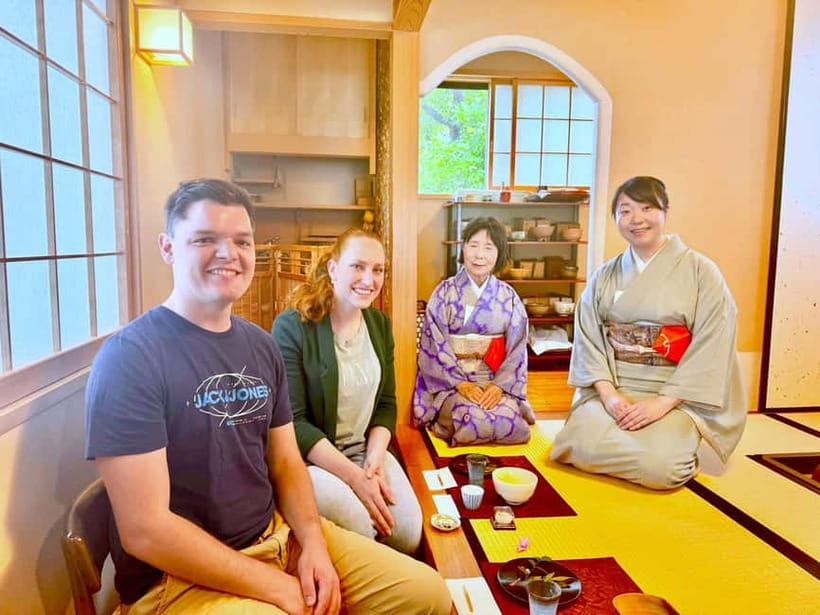
Book this if you want a hands-on introduction to wagashi and matcha in a setting with real character. The old shop, the choice of teacup, the seasonal sweet-making, and chair-based tea room give the activity a clear identity. The most praised elements are the friendly, careful instruction, the enjoyable sweets-making, and the chance to watch and taste a traditional tea service.
Think twice if you need fluent English throughout, require wheelchair access, or want a detailed lecture on tea history and technique. The host is an artisan whose English may be limited, and the program’s strength is its personal, practical format rather than a formal classroom structure. If that trade-off suits you, $57 buys a memorable pause in Tokyo, with a sweet you made yourself and a cup chosen from the shop’s old collection.
FAQ
How much does the experience cost?
The price is $57 per person. It includes the experience fee, facility and tool use, matcha, wagashi ingredients, and consumption tax.
Where does the activity take place?
It takes place in a century-old roadside antique tableware shop in the Tokyo area. The venue is about 10 minutes from Nippori Station, and exact location details are provided after booking.
What will I make?
You will make nerikiri, a type of Japanese wagashi sweet. The activity uses colored material, with mochi flour as its main ingredient, to form the day’s design.
Do I take part in a tea ceremony?
Yes. After shaping the sweet, you move to a dedicated tea room, where the host serves matcha with the wagashi.
Can I sit in a chair during the tea ceremony?
Yes. The tea room is arranged for chair seating.
Is the activity suitable for children?
Participants must be at least 13 years old. Anyone under 18 must be accompanied by an adult.
Is the experience suitable for wheelchair users?
No. The activity is listed as unsuitable for wheelchair users.
Can I buy antique tableware at the shop?
You may be able to purchase antique tableware from the shop. Any purchase is optional and is not included in the activity price.
Freshly reviewed in Tokyo
- Tokyo: Toshimaya Sake Brewery Tour with Sake Tasting★ 5.0 · 6 reviews
- :Tokyo,Shibuya /Meiji Shrine tour in KIMONO/English-friendly★ 5.0 · 4 reviews
- Tokyo: Tour Privado por Tokio en español★ 4.3 · 4 reviews
- Tokyo:Tea ceremony experience at Komaba Warakuan★ 4.8 · 9 reviews
- :Tokyo,Shibuya/ Pro Photography in Kimono / English-Friendly★ 5.0 · 26 reviews
- Tokyo:Samurai Training : Swords, Bushido & Mental Discipline★ 5.0 · 6 reviews
- Tokyo:Mt Fuji & Hakone Day Tour with English Speaking Driver★ 5.0 · 26 reviews
- Tokyo:Nikko UNESCO World Heritage Sites Private 1-Day Tour★ 3.8 · 6 reviews
Tokyo Tea Ceremonies, compared.
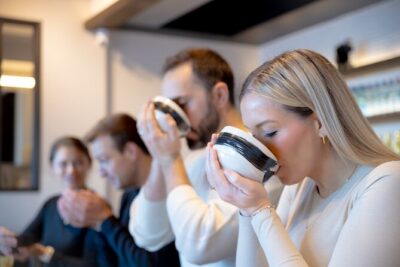
Matcha Making Class in Tokyo with Authentic Japanese Sweets Set
Read our review →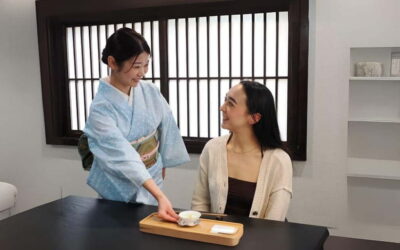
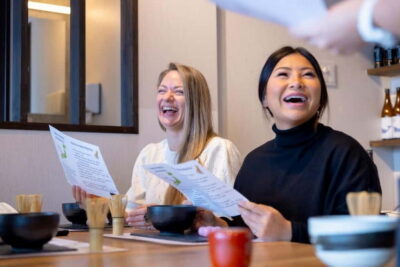
Matcha Making Experience with Mochi Sweets in Asakusa
Read our review →
Tea Ceremony Workshop in Tokyo by the Experienced Instrucor
Read our review →
Make Traditional Nerikiri Sweets & Matcha experience in Shibuya
Read our review →Browse the lists this tour appears in