
Reviewed · SHINJUKU TOURS
Shinjuku Tokyo: Authentic Japanese Home-Style Culinary Class
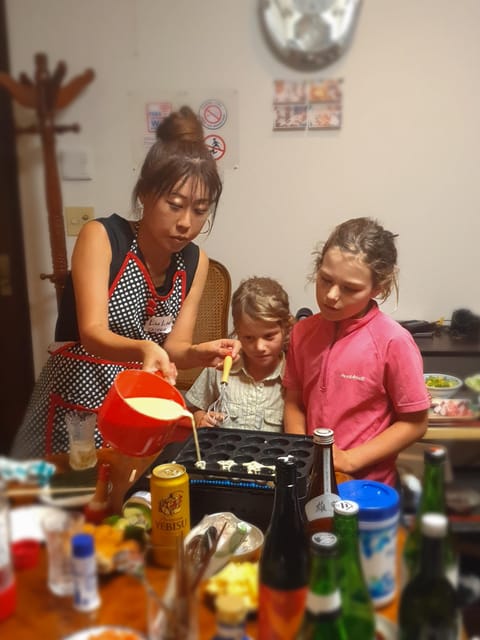
Shinjuku’s restaurants serve Japanese food at every price and formality, but this class lets you get closer to the home kitchen. In about two and a half hours, you prepare several familiar dishes, then sit down to eat what you have made. I like the choice of menus, from festival-favorite takoyaki to a well-rounded gozen meal.
I also like that the instructors explain ingredients and cooking methods in English, and that you can raise dietary needs before the class. One consideration: menu choice may be limited if another group attends at the same time, and the exact studio address arrives after booking.
At a glance
- Choose among four set menus or ask about a custom one: Your preferred menu is not guaranteed if another group joins the class.
- Cook a full meal, not just a single dish: Menus combine several Japanese favorites, and the food is eaten together at the end.
- Learn from English-speaking instructors: Kana, Lulu, Kayo, Chieko, and other instructors are named by past participants.
- Dietary needs can be discussed ahead of time: Vegetarian requests and food allergies have been accommodated, but share your requirements before the class.
- Plan for 150 minutes near Shinjuku: Ingredients, cooking tools, water, and taxes are included in the $88 per-person price.
A Shinjuku cooking class with a home-kitchen feel
This is a practical way to spend part of a Tokyo day if you want more than a restaurant meal. You work with ingredients, learn basic techniques, and get context about the food as you go. The class is designed around approachable home-style dishes rather than formal restaurant cooking, so you do not need to arrive with kitchen skills.
The studio is in or around Shinjuku, a central Tokyo location, but the exact address is sent after booking. That means you should not set off based only on the neighborhood name. Wait for the organizer’s message, then check the directions carefully. One participant had trouble finding the entrance from the address alone, while others found the kitchen with the instructions and photos they received. If anything is unclear, contact the organizer before class.
The listed price is $88 per person. For that, you get ingredients, cooking tools, drinking water, instruction in English, and a meal made from several dishes. The value is strongest if you enjoy cooking or want practical ideas to take home. If you mainly want a quick lunch, the 150-minute commitment may feel like a lot of time for a meal you could order nearby.
More Shinjuku tours in Tokyo:
- Tokyo: Shinjuku Food Tour (13 Dishes at 4 Local Eateries)
★ 5.0 · 6,603 reviews - Tokyo Bar Hopping Tour in Shinjuku (All-You-Can-Drink + Dinner)
★ 5.0 · 3,587 reviews - Tokyo: Shinjuku Food Tour (15 Dishes and 4 Eateries)
★ 4.9 · 2,033 reviews
Choosing between okonomiyaki, sushi, and gozen
When you book, you can select from four set menus, with a fifth option for a requested menu that the organizer can discuss with you. The menu choice depends on attendance: if yours is the only group booked that day, you can choose; if another group joins, you may not be able to. If a particular dish is the main reason you are booking, ask about menu availability in advance rather than assuming your first choice is confirmed.
The okonomiyaki and yakisoba set brings together two popular, filling dishes. Okonomiyaki is a savory batter and chopped-cabbage mixture cooked on a hot grill, then finished with sauces and toppings. Yakisoba is stir-fried noodles with vegetables and typically pork or seafood, coated in a sweet-savory sauce. Side dishes round out the set. Choose this menu if you want to work with a hot grill and learn dishes that are easy to picture on a casual Japanese dining table.
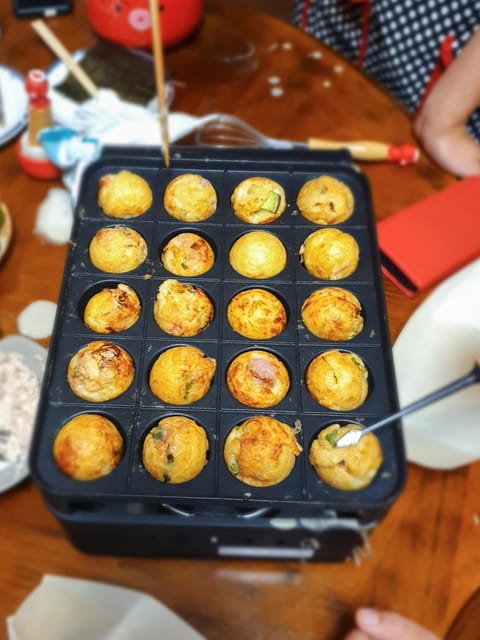
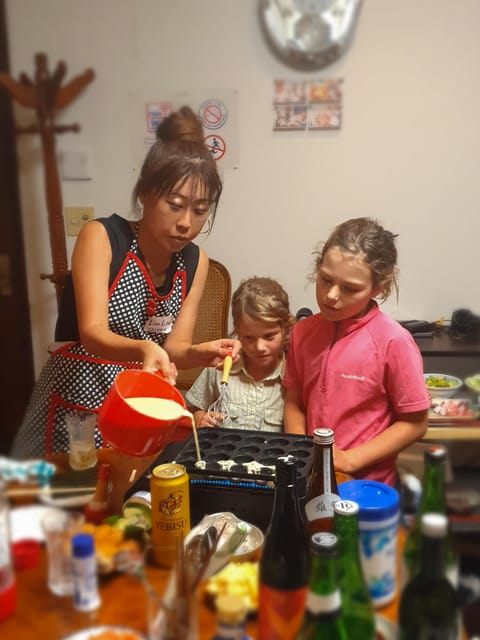
The gyoza and takoyaki set pairs pan-fried dumplings with takoyaki, the round Osaka specialty often associated with summer festivals. The class gives you a chance to make both in one sitting, rather than simply ordering them as snacks. This is a good pick if you are drawn to hands-on cooking and want to try takoyaki, which one participant particularly enjoyed making because it was not something they could readily make at home.
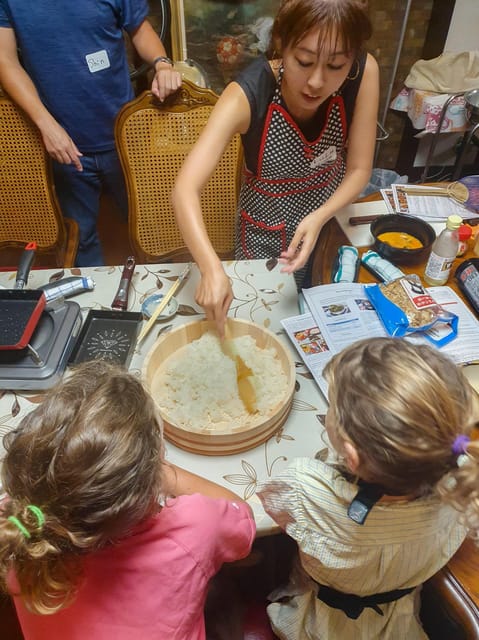
The rolled sushi and teriyaki set includes sushi you roll and cut yourself, a teriyaki main of yellowtail or chicken, side dishes, and miso soup. It suits anyone who wants to practise sushi preparation without booking a specialist sushi-making session. The menu description gives you a choice of fish or chicken for the teriyaki, but confirm any dietary preference with the instructor ahead of time.
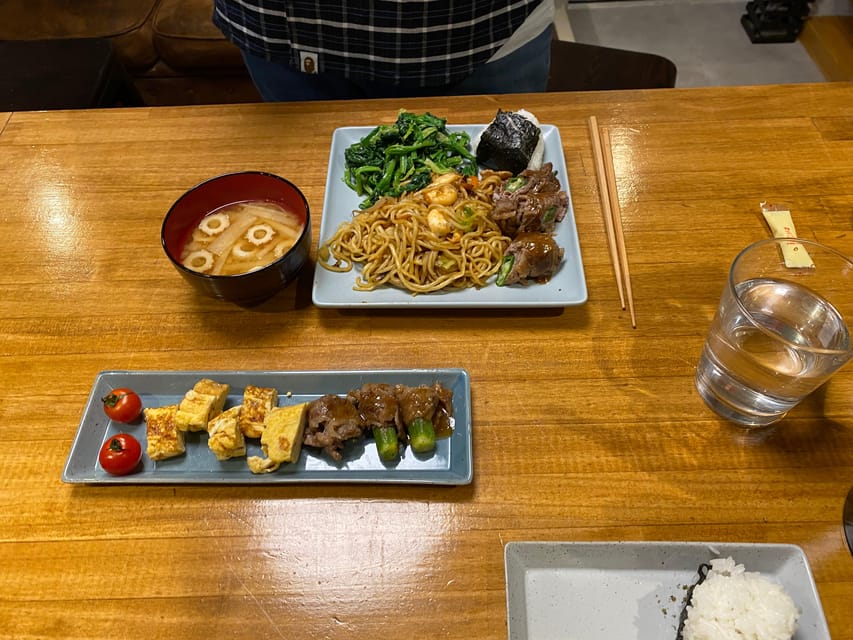
The traditional gozen set is the broadest introduction to a Japanese home-style meal. It includes a meat plate, a fish plate, a side dish, miso soup, and an onigiri rice ball. If you would rather learn how separate elements come together as a meal than focus on one signature dish, this is the menu I would consider first. A participant who chose gozen was able to request chicken teriyaki, showing that adjustments may be possible when discussed with the instructor.
A custom menu is also possible by request, but it is a conversation, not a guaranteed fifth set option. Tell the organizer what you have in mind and agree on the plan before class.
What happens during the 150 minutes
Allow about two and a half hours for the whole experience, including cooking and eating. The activity description says ingredients are prepared beforehand, which helps make the time manageable. You should still expect to take part in preparing and cooking several dishes, rather than arriving to watch a demonstration and leave.
Instructors guide you through the recipes and explain techniques as you work. The exact balance between hands-on cooking and demonstration may depend on the class. One participant who enjoys cooking would have preferred to do more of the cooking instead of watching some steps, so if active participation is important to you, tell the instructor at the start. Other participants describe being involved throughout, with patient guidance that made the recipes easy to follow.
The pace and mood appear suited to mixed-experience groups. People who cook regularly have found the class useful for seeing techniques done in person, while families have taken part with children as young as seven. The instructor can explain the steps clearly, but this is still a shared activity, so how much time you spend on each task may vary with the group.
Once the dishes are ready, you sit down and eat the meal together. The menus include several components, and portions can be generous. One participant said the meal kept them full for much of the day, so you may want to arrive hungry and avoid scheduling a large meal immediately afterward.
The instructors make the lesson useful
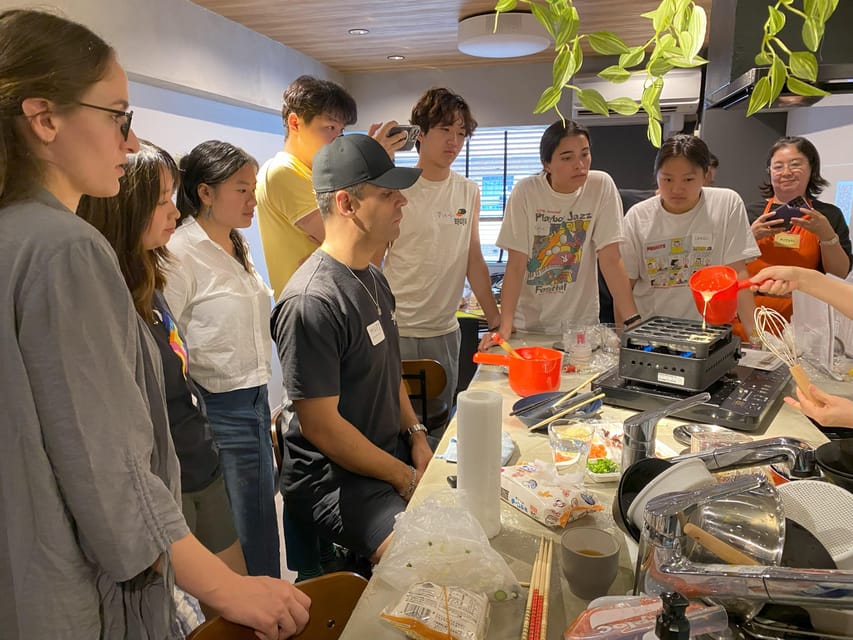
The instructor is a big part of the experience. The class is taught in English, and named instructors include Kana, Lulu, Kayo, Chieko, Mika, Miyuki, and others. Participants have valued the way instructors explain Japanese ingredients, cooking methods, and the background of the dishes, rather than only calling out the next step.
That context is what turns a recipe session into a useful introduction to home cooking. You can ask what an ingredient does, how it is used, or how a dish fits into everyday Japanese food. Some participants have also received recipes afterward, and one described getting photographs from the class. Those extras are not listed as guaranteed inclusions, so treat them as possible rather than promised.
The atmosphere can be quite personal, but do not assume you will have a private lesson. Some groups have been the only participants in the class and received close attention. Other bookings may include another group, which can affect both the group dynamic and whether you get your menu choice. If a private class matters to you, ask the organizer before booking.
More hands-on workshops in Tokyo:
- Sushi Making Tokyo Roll and Authentic Japanese Sushi Class
★ 5.0 · 3,971 reviews - Tokyo: Roll and Authentic Sushi Making Class in Asakusa
★ 4.9 · 1,957 reviews - Tokyo Shinjuku Chopsticks Making Class
★ 5.0 · 1,763 reviews - Tokyo: Sushi Making Class in a Happi Coat near a Famous Spot
★ 4.9 · 1,377 reviews
Dietary needs and practical limits
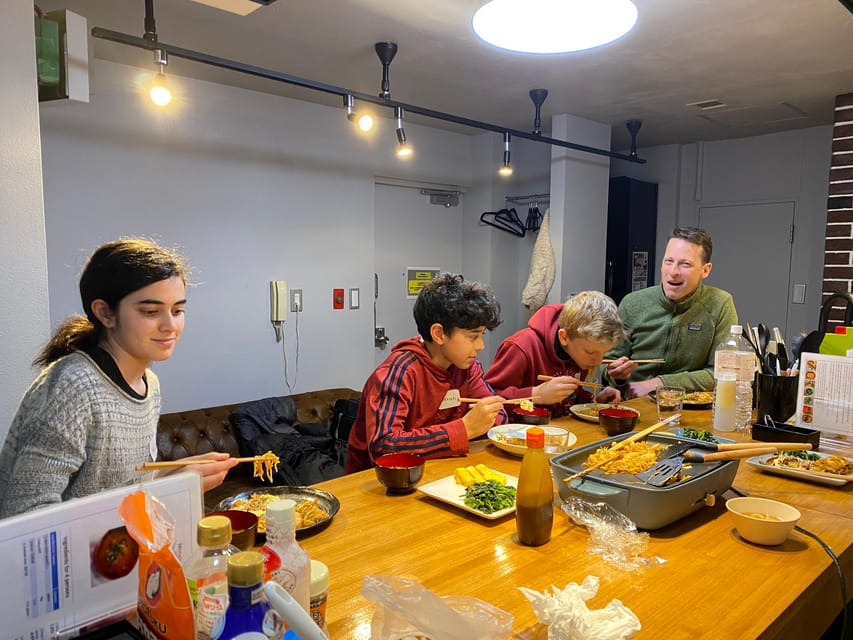
The class is designed to accommodate dietary preferences, including vegetarian and vegan requests, and the organizer asks you to report food allergies in advance. Participants with vegetarian requirements and food allergies have been accommodated. Still, the set menus include fish, meat, and ingredients that may not suit every diet, so do not rely on a last-minute change. Send a clear note before the class and discuss which menu or substitutions are workable.
The instructor can discuss options, but the available adjustments will depend on the menu and the request. If you have a serious allergy, spell out the ingredient and ask directly what can be avoided. The activity information promises a discussion of possible options, not a guarantee that every restriction can be met.
There is no private transportation included. You make your own way to the kitchen studio, and because the exact location is provided after booking, leave enough time to read the instructions and find the entrance. The location is described as in or around Shinjuku, not necessarily inside Shinjuku Station itself.
Is $88 a fair price?
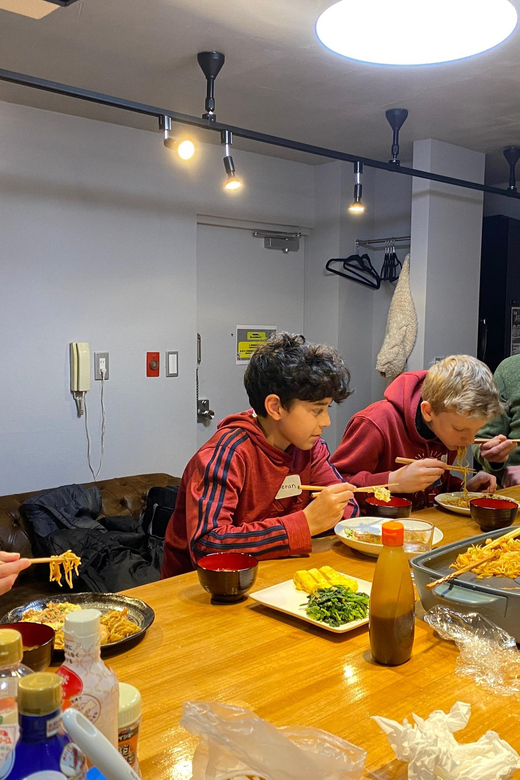
At $88 per person, this is more than the cost of an ordinary lunch, but it buys a longer activity with ingredients, tools, instruction, and a multi-dish meal included. The strongest value is the learning: you get to handle the food, ask questions, and practise recipes you may want to repeat at home. Several participants have taken away recipes or techniques they planned to use again.
It is less compelling if you are not interested in cooking or want a tightly scheduled sightseeing stop. Two and a half hours is a substantial block of time, and the class does not include transportation. But for a food-minded visitor, a family with curious children, or a couple looking for an activity that involves doing rather than just eating, the price can make sense.
Who will enjoy this class most?
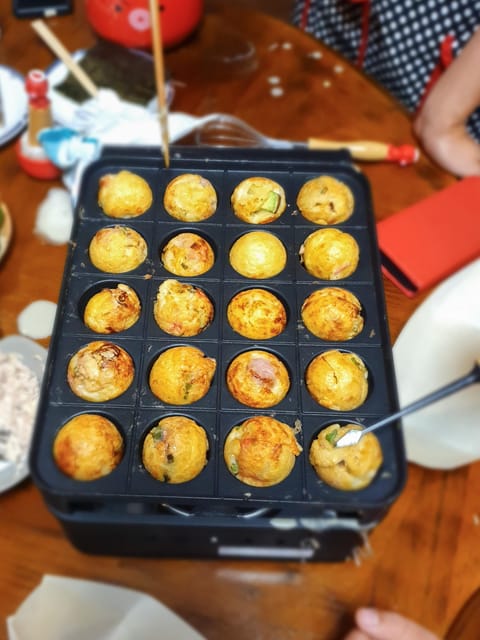
I would book this for someone who likes Japanese food and wants to understand how a few familiar dishes are made. It is especially appealing if you want to try a dish such as takoyaki, learn to roll sushi, or build a complete meal from a gozen menu. The class is also a good fit for families: children have joined, and instructors have helped make the steps accessible across a range of ages.
You do not need to be an experienced cook. The recipes are described as clear and approachable, and instruction is in English. If you are a keen cook, you may want to ask for plenty of hands-on time rather than assuming every step will be yours to do. If food restrictions shape your menu, contact the organizer early and get a clear answer before you reserve.
Should you book it?
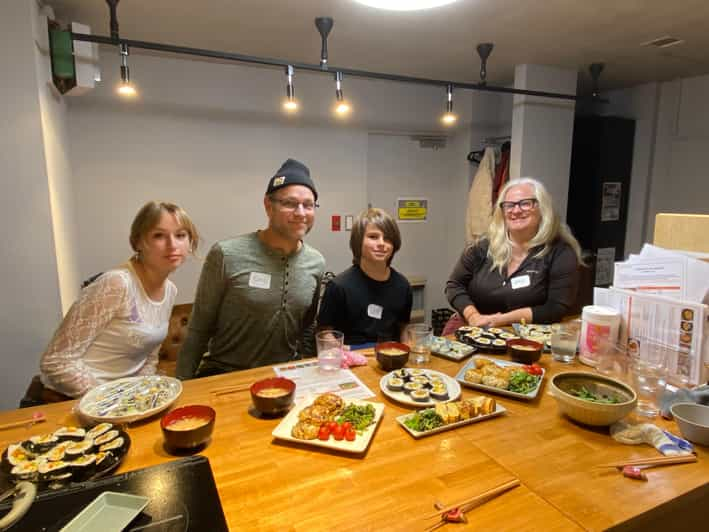
Book this class if you want a relaxed, hands-on introduction to Japanese home cooking and like the idea of sharing the meal you prepare. The menus offer a good spread of familiar dishes, the instructors explain both technique and ingredients, and the included meal makes the activity feel complete.
Think twice if you have little interest in cooking, need a guaranteed private session, or are set on one specific menu without confirming it. Before booking, tell the organizer about allergies or dietary needs, ask whether your preferred menu is available, and wait for the exact address and directions. With those details settled, this is a rewarding way to spend a Tokyo afternoon and bring a few useful cooking skills home.
FAQ
How long is the cooking class?
The class lasts about 150 minutes, or two and a half hours, including cooking and eating the meal you prepare.
How much does the class cost?
The listed price is $88 per person. Ingredients, cooking tools, drinking water, and all fees and taxes are included.
What dishes can I make?
The set menus include okonomiyaki and yakisoba, gyoza and takoyaki, rolled sushi with teriyaki, or a traditional gozen meal. You can also ask about a custom menu.
Can I choose my menu?
You can select a menu when booking if you or your group are the only attendees that day. If another group attends the same class, you may not be able to choose your preferred menu.
Is the class taught in English?
Yes. English is the listed language of instruction.
Can the class accommodate food allergies or vegetarian preferences?
The organizer asks you to share allergies in advance and can discuss available options. Vegetarian requests have been accommodated. Contact the organizer before the class to confirm what can be arranged for your needs.
Where is the meeting point?
The kitchen studio is in or around Shinjuku, Tokyo. The exact address is sent after booking, so wait for the organizer’s message and check the directions before setting out.
Freshly reviewed in Tokyo
- Tokyo: Toshimaya Sake Brewery Tour with Sake Tasting★ 5.0 · 6 reviews
- :Tokyo,Shibuya /Meiji Shrine tour in KIMONO/English-friendly★ 5.0 · 4 reviews
- Tokyo: Tour Privado por Tokio en español★ 4.3 · 4 reviews
- Tokyo:Tea ceremony experience at Komaba Warakuan★ 4.8 · 9 reviews
- :Tokyo,Shibuya/ Pro Photography in Kimono / English-Friendly★ 5.0 · 26 reviews
- Tokyo:Samurai Training : Swords, Bushido & Mental Discipline★ 5.0 · 6 reviews
- Tokyo:Mt Fuji & Hakone Day Tour with English Speaking Driver★ 5.0 · 26 reviews
- Tokyo:Nikko UNESCO World Heritage Sites Private 1-Day Tour★ 3.8 · 6 reviews
Shinjuku Tours, compared.
Shinjuku Food Tour (13 Dishes at 4 Local Eateries)
Read our review →
Tokyo Bar Hopping Tour in Shinjuku (All-You-Can-Drink + Dinner)
Read our review →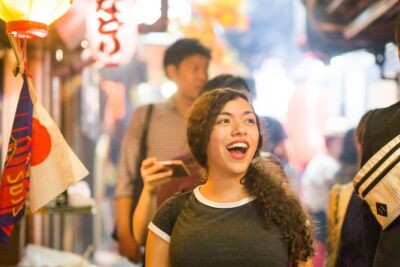
Best of Shinjuku: Izakaya Food Tour (4 Stops, 14+ Tastings)
Read our review →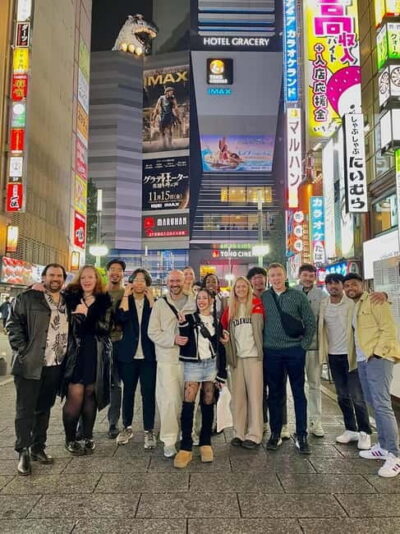
Shinjuku Local Bar and Izakaya Guided Walking Tour
Read our review →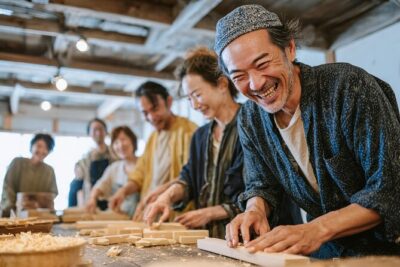
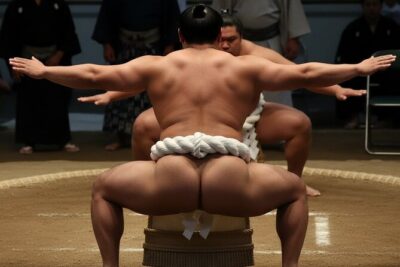
Tokyo Shinjuku Sumo Show & Experience with Photo
Read our review →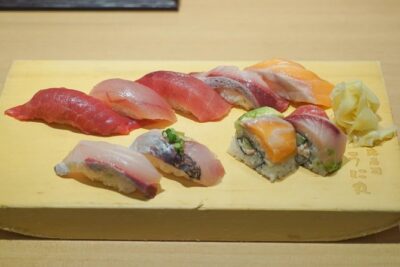
Tokyo Night Foodie Tour in Shinjuku – Seasonal Sushi, Wagyu Beef
Read our review →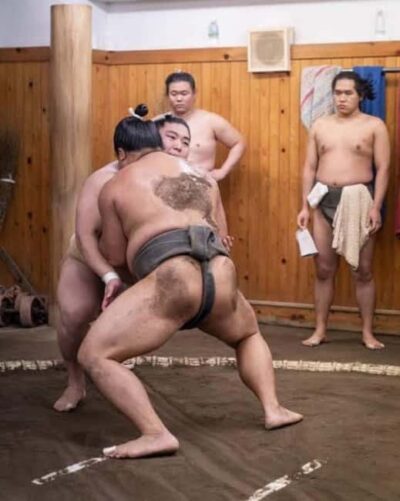
Browse the lists this tour appears in