
Reviewed · TOKYO SAMURAI EXPERIENCES
Tokyo: Samurai History Walking Tour
Tokyo’s samurai story runs from the 900s to the end of the samurai era in 1868, and this walk links that long arc to real places in the city. I like that guide John tackles the harder question of whether samurai were honorable warriors or simply men with power, rather than serving up a string of familiar legends.
I also like the mix of sites: the former Edo Castle grounds, Taira no Masakado’s grave and the 47 Ronin gravesite at Sengaku-ji. The trade-off is a four-hour walk with limited time for food, plus public transport and site fees at your own expense.
At a glance
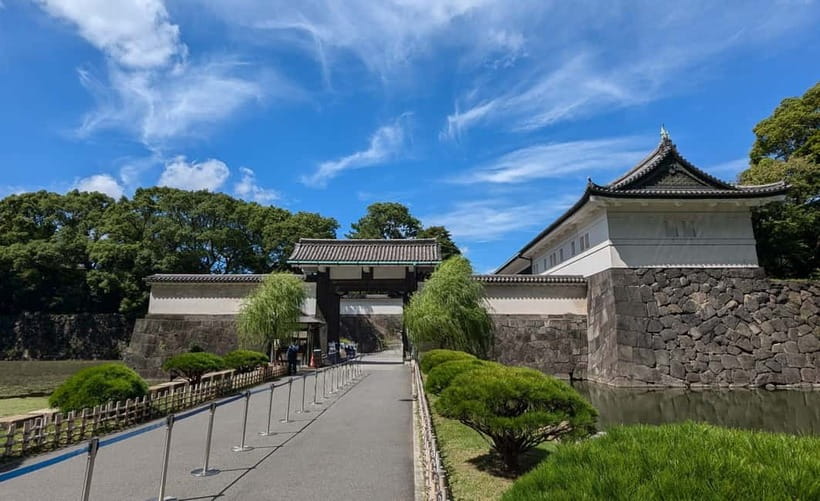
- A long view of samurai history: The tour covers key sites connected to the samurai era, from its beginnings in the 900s through its end in 1868.
- Edo Castle gets the most time: Allow about 105 minutes for the guided visit to the castle ruins in the Tokyo Imperial Palace East Gardens.
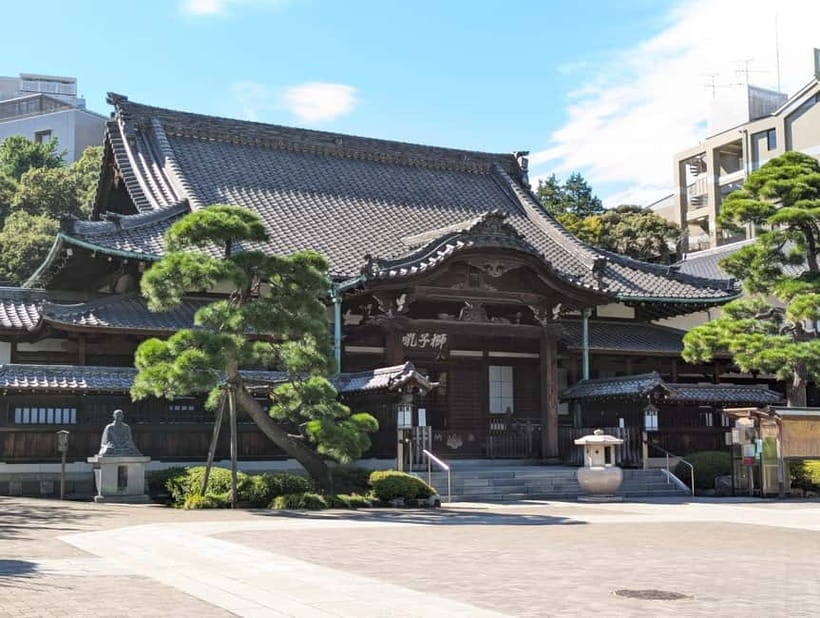
- A gravesite with a famous story: Sengaku-ji, the resting place of the 47 Ronin, gets about an hour.
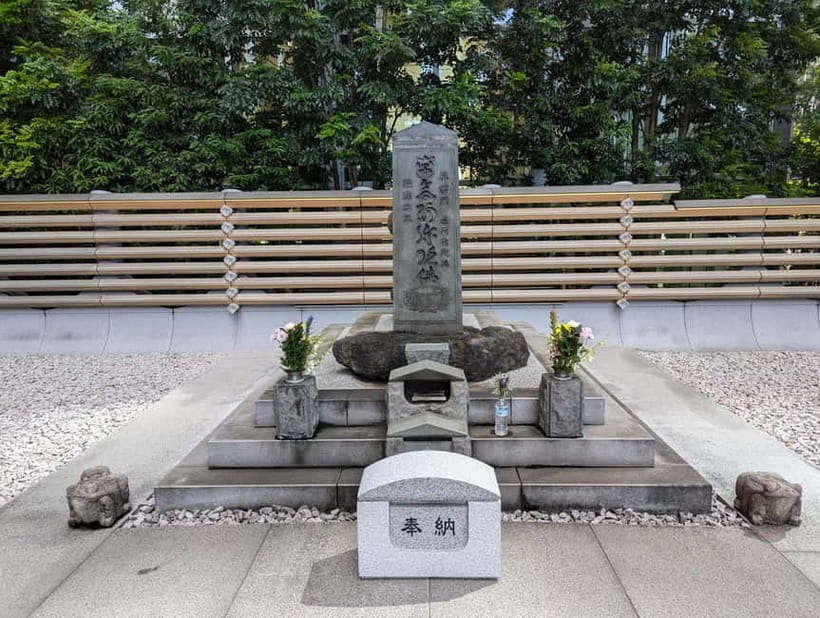
- Taira no Masakado’s grave is included among the highlights: The schedule does not give it a separate time allotment.
- Bring extra yen: Transport costs about 400 yen per person. Sengaku-ji’s cemetery and museum cost 300 and 500 yen, respectively.
- Come prepared to walk: The guide can add rest breaks, but the tour is not recommended if you tire very easily.
A four-hour walk through a long samurai story
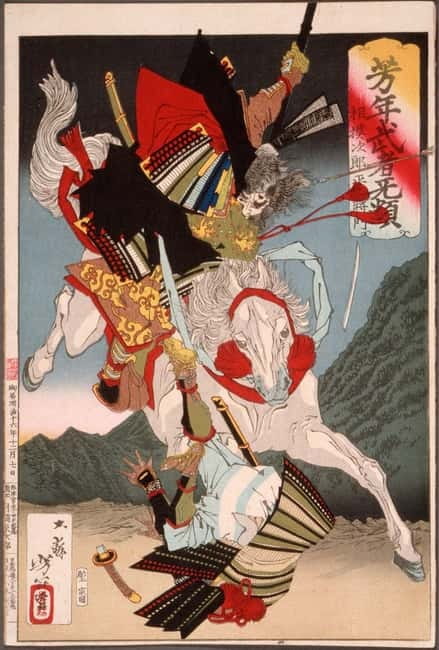
This tour is less about costumes and sword-fighting lore than about sorting fact from popular ideas. It sets out to explain who the samurai were, how they rose to power and why their era ended in 1868. That historical sweep is a good reason to choose a guided walk over a quick visit to one monument: the sites make more sense when you can connect them to one another.
Guide John leads the tour in English. His command of Japanese history and culture, along with his willingness to take questions and add relevant details, is a major part of the experience. That approach suits curious adults and families with teenagers. One family with teenage children found the subject held everyone’s interest, which is encouraging if you are trying to plan a history outing that will not lose the younger members of your group.
The experience is listed as a four-hour walk, though it is not four hours on foot without a break. The group uses public transport at points to rest its legs and cover the distance between areas. The scheduled guided portions add up to about three hours and 15 minutes, leaving time for travel and moving between stops. It is still a substantial outing, so comfortable walking shoes and a little stamina will help.
More samurai experiences in Tokyo:
- Tokyo: Samurai Restaurant Show Ticket with 2 Drinks
★ 4.5 · 1,307 reviews - Tokyo: Samurai Ninja Museum Guided tour and Experience
★ 4.6 · 1,010 reviews - Tokyo: Samurai Sword & Archery Class from Samurai Descendant
★ 5.0 · 603 reviews
Starting outside Tokyo Station
The usual meeting point is Marunouchi Square, outside the Marunouchi Central Exit of JR Tokyo Station. It is a practical place to begin if you are arriving by train, and the station’s grand surroundings set a fitting tone for a tour focused on Tokyo’s past and present.
John sends a Google Maps link to his location on the day of the tour, so check your email or the GetYourGuide app for his message. The meeting instructions identify him as a bald white man. If you are staying within a reasonable distance of Tokyo Station, he may be able to meet you at your hotel and take you to the starting point. That option is available to only one group on the tour, so it is not something to count on.
The first guided section lasts about 30 minutes. Use it to settle in, get oriented and begin the discussion of samurai origins. The tour’s subject is broad, and this introductory stretch helps establish the questions that the later sites will bring into sharper focus.
Edo Castle and the Tokyo Imperial Palace East Gardens
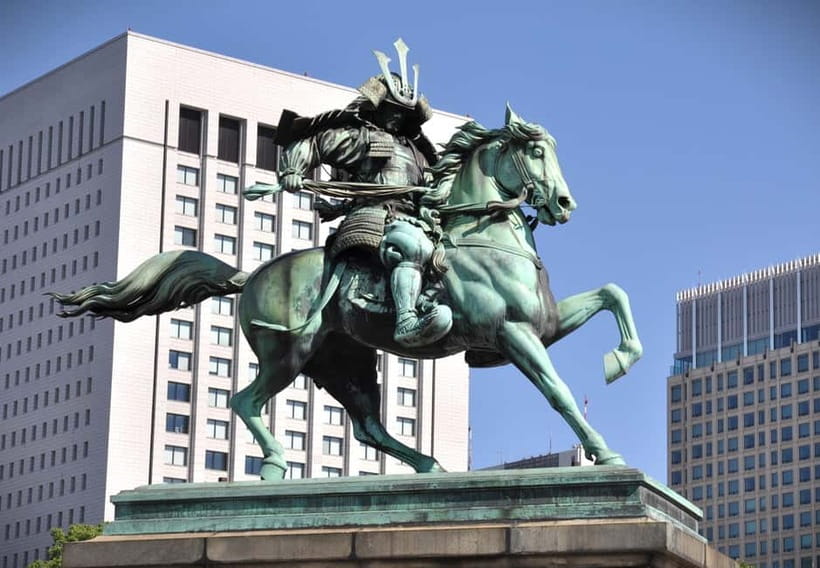
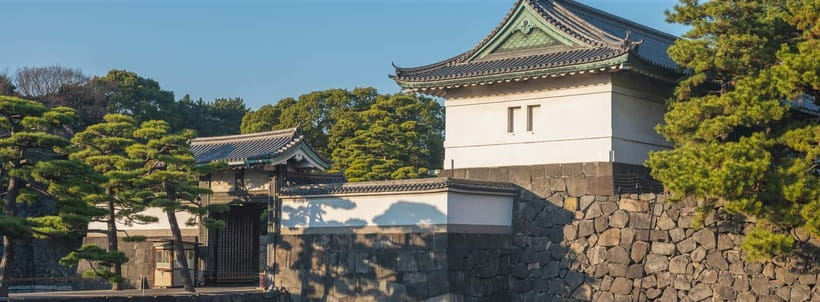
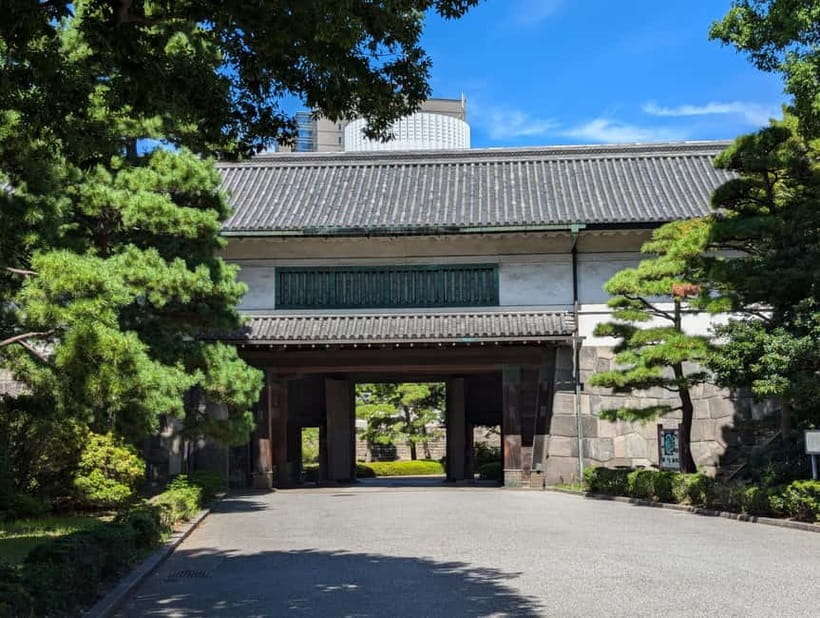
The longest stop is Edo Castle’s ruins, in the Tokyo Imperial Palace East Gardens. Set aside about 105 minutes for the guided visit. That is the best chance on the route to slow down and connect the city’s physical remains with the history John is explaining.
The value here is not just seeing old stonework or walking across a historic site. The castle grounds anchor the story of samurai power in a place you can stand in, and the guide can explain what happened here and why it mattered. If you are used to history presented as a tidy succession of noble warriors and famous battles, this stop gives the tour room to complicate that picture.
The East Gardens are also a useful contrast with the busy modern city around them. You are not leaving Tokyo for a distant historic town. You are looking at a major site of the past within the capital, then using the guide’s explanation to make sense of how that past fits into the city you see today.
A long guided stop is a plus for anyone who enjoys questions and context. If your ideal visit is a quick photo and onward, the 105-minute allocation may feel slow. The tour’s strength is its explanation, not a rapid checklist of sights, so choose it for the history rather than the number of places you can tick off.
Taira no Masakado’s grave and the early samurai story
Taira no Masakado’s grave is one of the tour’s named highlights. It points the story back toward the samurai’s beginnings in the 900s, rather than concentrating only on the later, more familiar images of warrior culture.
A grave can be an understated stop, especially compared with the scale of castle grounds or the famous 47 Ronin story. Its value lies in the link it makes between a specific person and the wider questions the tour asks: how samurai emerged, what their power meant, and how later generations remembered them. John’s explanations are especially useful at places where the site alone may not tell you much.
The published schedule does not list a separate duration for this stop, so I would not plan around a long visit there. Think of it as one piece of a larger historical route. If this site is your main reason for booking, check with the guide beforehand about where it fits into the day and how much time you can expect.
More walking tours in Tokyo:
- Tokyo Tsukiji Fish Market Food and Culture Walking Tour
★ 5.0 · 3,184 reviews - Tokyo: Imperial Palace and Shogun Historical Walking Tour
★ 5.0 · 2,251 reviews - Tokyo: Shinjuku Local Bar and Izakaya Guided Walking Tour
★ 4.9 · 1,794 reviews - Tokyo: Tsukiji Fish Market Food and Walking tour
★ 5.0 · 1,724 reviews
Sengaku-ji and the 47 Ronin
The tour finishes its main historical thread at Sengaku-ji, where the 47 Ronin are buried. The guided visit lasts about an hour, giving you time to hear the story and see the gravesite rather than simply passing through.
The site is a natural place to consider the tour’s opening question about samurai virtue and conduct. A famous story can encourage a simple verdict: heroic loyalty or violent revenge. John’s aim is to give you a more honest explanation of the events and their place in samurai history, so you can weigh the story with more context than a short sign or a film might offer.
There are extra charges if you want to enter the cemetery and museum. The cemetery costs 300 yen and the museum 500 yen. These are optional expenses on top of the tour price, so bring cash or another suitable payment method if you want to see both. The information provided does not specify what payment methods the sites accept.
The finish is at Takanawa Gateway Station, not back at Tokyo Station. That matters when planning the rest of your day. Check your onward route before you set off, especially if you have a timed reservation or need to return to your hotel.
What the $33 price covers
At $33 per person, the tour fee covers the guide, not every cost along the way. You will need to budget about 400 yen per person for public transport, plus 800 yen if you choose to enter both the Sengaku-ji cemetery and museum. The guide fee and those extras together make the real cost higher than the advertised price, though the additional amounts remain modest.
The value depends on how much you want the explanation. If you are comfortable reading signs and prefer to explore at your own pace, you may choose to visit some of these places independently. But this tour links sites from different periods and gives you a guide to the questions behind them. For a visitor with limited time and a real interest in Japanese history, that context is the main thing you are paying for.
The guide fee includes one friendly guide. The tour is available as a private or small-group experience, but the exact group size is not specified. If the size of your group is a deciding factor, confirm it before booking.
Walking, snacks and other practical details
This is a walking tour, with public transport used occasionally to give your legs a rest. The operator says it is not recommended for people who tire very easily, though extra rest stops can be arranged for those who need them. It is not suitable for wheelchair users or people over 95.
Food is not part of the plan. The tour generally does not stop for a meal, so pick up a snack at a convenience store before meeting John and eat along the way if you get hungry. That is a small but useful bit of preparation for a four-hour outing, particularly if you are travelling with children or tend to need regular snacks.
The tour runs in English, and starting times depend on availability. You can reserve now and pay later, and cancellation is free up to 24 hours in advance. John contacts you by WhatsApp or email after your booking is confirmed, so keep an eye on both your inbox and the app.
Who will get the most from this tour
I would choose this walk if you want history explained in the places where it happened, and you are more interested in understanding the samurai era than collecting a stack of quick photo stops. The route’s combination of Edo Castle, Masakado’s grave and Sengaku-ji gives you several different ways into the subject, while John’s question-friendly approach helps make the connections clear.
It can also work well for families with teenagers who enjoy history. The topic ranges across a long period, and the guide’s extra facts and answers give young people room to follow their own questions. If your group is more interested in shopping, food or a relaxed stroll, this is probably not the best use of half a day.
The main drawbacks are easy to plan around: the walking takes stamina, there is no planned meal stop, and transport and entry fees are extra. Bring a snack, budget a little more than the headline price and wear shoes suited to several hours out. If you are happy with those terms, the tour offers a thoughtful way to connect some of Tokyo’s key samurai sites.
Should you book it?
Book this tour if you want a serious but approachable introduction to samurai history and value an English-speaking guide who can answer questions. The strongest reasons to go are the broad historical arc, the time at Edo Castle and the chance to hear the 47 Ronin story at Sengaku-ji itself.
Skip it if a long walk is a poor fit, you need a wheelchair-accessible route, or you would rather explore without a guide. For everyone else, a snack in your bag and a little extra yen in your pocket should set you up for a useful, well-paced history lesson.
FAQ
How long is the tour?
The tour lasts four hours.
Where does the tour start?
It generally starts outside the Marunouchi Central Exit of JR Tokyo Station, at Marunouchi Square. John sends a Google Maps link to his location on the day.
Where does the tour finish?
The tour finishes at Takanawa Gateway Station.
What language is the tour in?
The live tour guide speaks English.
Who is the guide?
The guide is John.
What does the tour fee include?
The fee includes one guide.
What extra costs should I expect?
Public transport costs about 400 yen per person. Entry to Sengaku-ji’s cemetery costs 300 yen, and the museum costs 500 yen.
Should I bring food?
Yes. The tour generally does not stop for food, so the guide recommends picking up a snack at a convenience store beforehand.
Is the tour wheelchair accessible?
No. The tour is not suitable for wheelchair users.
More history tours in Tokyo
- Tokyo: Imperial Palace Japanese History Walking Tour
★ 4.9 · 987 reviews - Yanaka Walking Tour: Historic and Traditional District of Tokyo
★ 5.0 · 530 reviews - Tokyo: Shinjuku Historical Walking Tour & Secret Backstreets
★ 5.0 · 530 reviews - Mt. Fuji Heritage Tour: Traditional Villages, Lakes & Shrine
★ 4.5 · 509 reviews
Freshly reviewed in Tokyo
- Tokyo: Toshimaya Sake Brewery Tour with Sake Tasting★ 5.0 · 6 reviews
- :Tokyo,Shibuya /Meiji Shrine tour in KIMONO/English-friendly★ 5.0 · 4 reviews
- Tokyo: Tour Privado por Tokio en español★ 4.3 · 4 reviews
- Tokyo:Tea ceremony experience at Komaba Warakuan★ 4.8 · 9 reviews
- :Tokyo,Shibuya/ Pro Photography in Kimono / English-Friendly★ 5.0 · 26 reviews
- Tokyo:Samurai Training : Swords, Bushido & Mental Discipline★ 5.0 · 6 reviews
- Tokyo:Mt Fuji & Hakone Day Tour with English Speaking Driver★ 5.0 · 26 reviews
- Tokyo:Nikko UNESCO World Heritage Sites Private 1-Day Tour★ 3.8 · 6 reviews
Tokyo Samurai Experiences, compared.

Samurai Ninja Museum Guided tour and Experience
Read our review →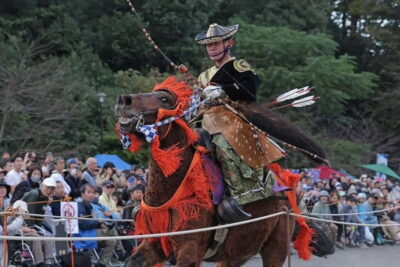
Samurai Sword & Archery Class from Samurai Descendant
Read our review →

Ninja Experience (Family Friendly) at Samurai Ninja Museum TOKYO
Read our review →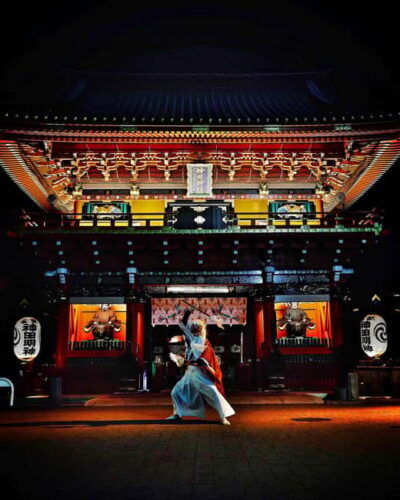
Samurai Entertainment Night Show in Kanda Shrine
Read our review →
Tokyo Sword Experience – includes Museum Ticket/Ninja Experience
Read our review →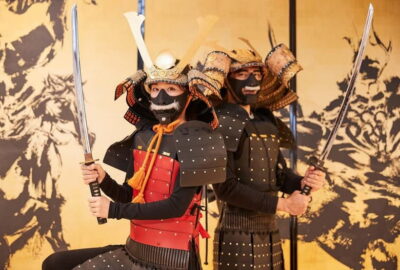
Samurai Ninja Museum Asakusa: Samurai Sword Lesson & Tour
Read our review →Browse the lists this tour appears in