
Reviewed · TOKYO WALKING TOURS
Tokyo: Private Walking Tour with a Local Guide
Tokyo’s scale is the first thing to reckon with: Asakusa, Shibuya, Shinjuku, and the other districts on the sample route are not a short stroll apart. A private guide helps you make sensible choices, navigate the trains, and understand what you’re seeing rather than spending your day puzzling over stations and maps.
I like two things especially: you can build the route around your interests, and guides such as Miwa, Momo, and Rika are repeatedly praised for explaining local customs in clear English. The main trade-off is that Tokyo is so spread out that an overambitious plan can mean more transit and less time exploring each place.
- Your route is yours to shape: Choose temples, markets, neighborhoods, modern sights, or a mix.
- The guide handles the city’s connections: Expect to travel on foot and by public transport, with help using Tokyo’s rail and subway systems.
- You can choose a short or full-day outing: The experience runs from two to eight hours, with four-, six-, and eight-hour options noted for planning.
- The sample route spans very different districts: Sensō-ji, Tsukiji, Shibuya, and Shinjuku are possibilities, not a promise to visit them all.
- It works particularly well as an orientation: Guides can share local customs, practical transit advice, and suggestions for the rest of your stay.
- Plan for extra costs: Meals, drinks, transit, and admission to additional attractions are not included.
A private guide makes Tokyo’s size manageable
A local guide can turn a first day in Tokyo into a useful orientation, not just a procession of photo stops. You can ask how to get around, what customs to observe at a shrine, or which neighborhood fits your interests, then use that knowledge for the rest of your trip.
The private format is the key. You are not tied to a fixed group’s pace or a preset list of stops. Before the tour, you share what you want to see, and your guide contacts you on WhatsApp to discuss preferences and help settle the plan. The final route is determined with your guide about 24 hours before the tour.
Several guides are named in the experiences described here, including Miwa, Momo, Rika, Hina, and Kanako. Their approach sounds personal as well as practical: guests have valued help with train navigation, thoughtful explanations of history and daily life, and a willingness to adjust the pace. Some guides have also helped with photos, restaurant choices, and onward trip planning.
That personal attention is useful, but it does not make the city smaller. A route that tries to cover Asakusa, Ueno, Shibuya, and Shinjuku in a few hours can spend a large share of the day in transit. Decide what matters most, and let your guide help you group nearby stops.
Choose a route, not a checklist
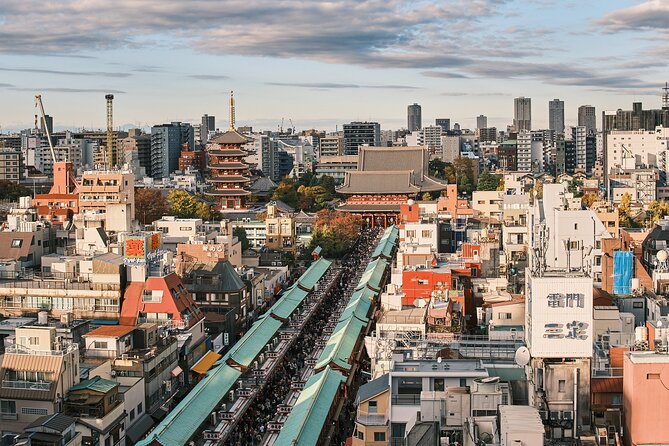
The sample route lists many well-known sights, but it is not a fixed itinerary. Sensō-ji, Asakusa, Ueno, Ameya-Yokocho, Akihabara, Shibuya Crossing, Harajuku, Meiji Shrine, Tsukiji Outer Market, Ginza, the Imperial Palace, and Shinjuku offer enough material for several outings. Your actual route depends on your chosen duration and the places you want to visit.
This matters when you book. Ask yourself whether you want an introduction to traditional Tokyo, a look at modern neighborhoods, food and shopping, or a broad sampler. A focused route lets you spend more time in each area; a sampler gives you a wider first impression, but means more walking and train rides.
If you are unsure, tell the guide what you already know and what you hope to learn. Some people want major landmarks and cultural context. Others prefer local streets, markets, or advice on navigating the city independently. The guide can help translate those preferences into a workable day.
More walking tours in Tokyo:
- Tokyo Tsukiji Fish Market Food and Culture Walking Tour
★ 5.0 · 3,184 reviews - Tokyo: Imperial Palace and Shogun Historical Walking Tour
★ 5.0 · 2,251 reviews - Tokyo: Shinjuku Local Bar and Izakaya Guided Walking Tour
★ 4.9 · 1,794 reviews
Sensō-ji and Asakusa
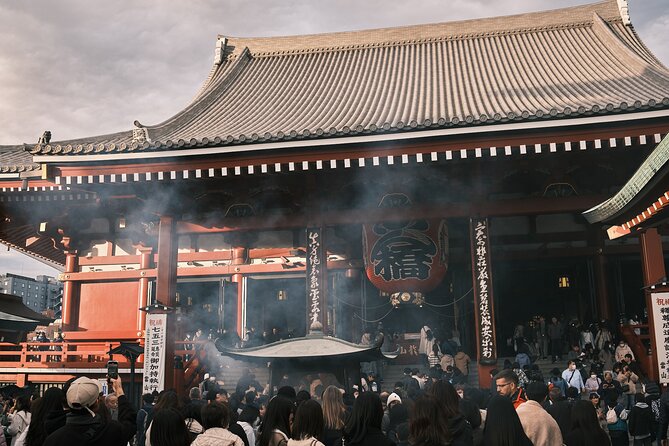
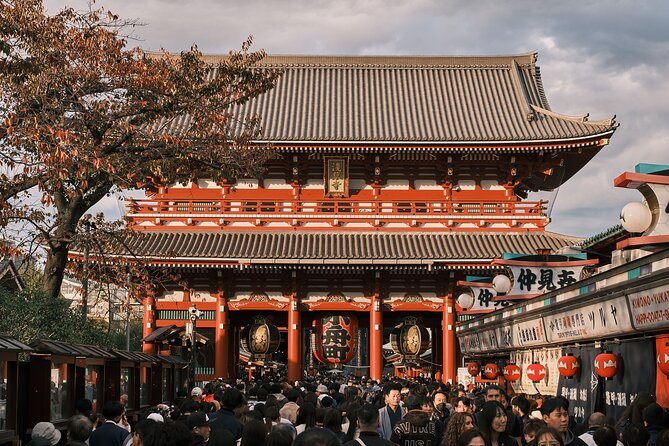
Sensō-ji is one of the tour’s clearest windows onto Tokyo’s religious and historic side. You can visit the Buddhist temple with a guide who can explain the place and the customs around it, then explore the surrounding Asakusa district. The area makes a natural pairing: the temple visit gives you context, while the neighborhood lets you see the streets around it.
Asakusa is a sensible choice if this is your first encounter with a Tokyo temple. It also connects well with nearby Ueno and Ameya-Yokocho, which can make for a coherent east-side route. If your plan includes distant districts too, be prepared to trade lingering time here for travel.
Ueno and Ameya-Yokocho
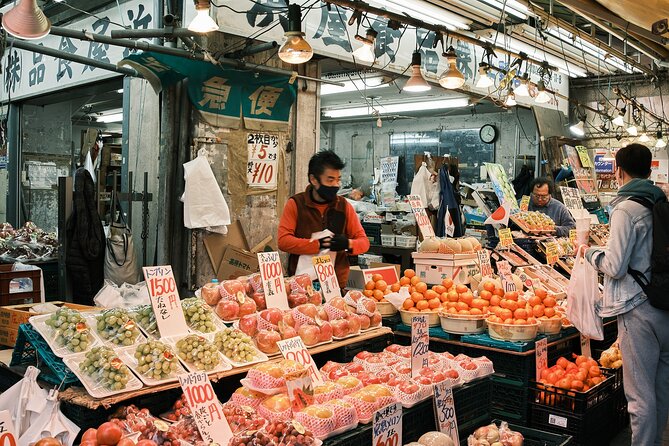
Ueno offers another stop on the eastern side of the city, while Ameya-Yokocho brings a market atmosphere into the day. The itinerary gives both as guided sightseeing visits, and a guide can help you read the area rather than simply pass through it.
If markets are a priority, tell your guide before the route is finalized. A guest who visited Tsukiji described free tastes and grilled seafood, while other accounts point to market stops as a chance to explore food and local streets. Those details are not guaranteed at every market or on every tour, so treat them as possibilities, not a set menu.
Akihabara and Shibuya Crossing
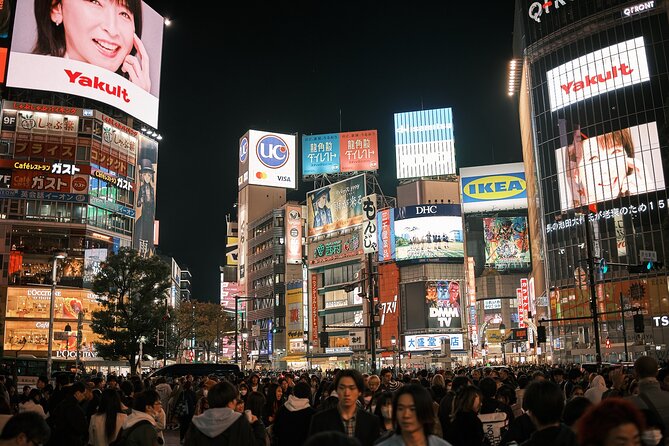
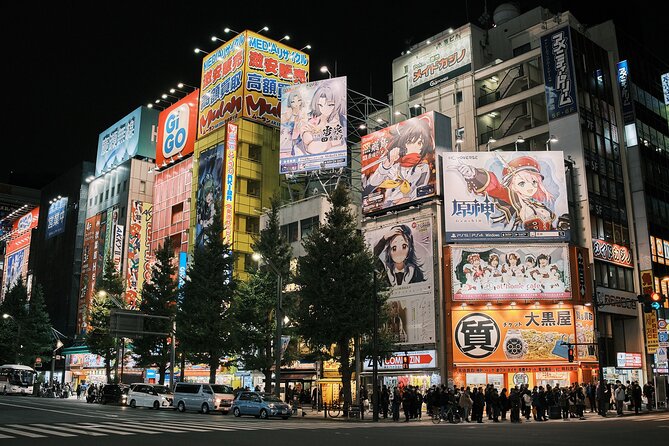
Akihabara and Shibuya offer a sharp change of mood from temples and older neighborhoods. They are among the possible stops for a look at modern Tokyo, but the tour does not promise a particular set of attractions or shopping time. Be specific about what interests you so the guide can decide whether either district deserves a place in your available hours.
Shibuya Crossing is famous, but fame alone may not make it the best use of your time. One couple later felt they would have chosen a different stop. If the crossing is a must-see for you, include it; if you are more curious about quieter local areas, say so and consider giving the time to another neighborhood.
More private tours in Tokyo:
- Tokyo 6hr Private Tour with Government-Licensed Guide
★ 5.0 · 3,902 reviews - Private Tour to Mt. Fuji and Hakone (Fully Licenced Operator)
★ 5.0 · 1,910 reviews - Tokyo Customized Private Tour (Must See Places in 1 Day)
★ 5.0 · 1,499 reviews - Mount Fuji Full-Day Private Tour from Tokyo (Customizable)
★ 4.9 · 1,470 reviews
Harajuku and Meiji Shrine
Harajuku and Meiji Shrine can be paired for a contrast between city streets and a sacred setting. The shrine is one of the tour’s named cultural stops, and guides can explain the distinctions between Shinto shrines and Buddhist temples. That context helps make a visit more meaningful than treating both simply as picturesque buildings.
The pace is flexible, so you can ask for a slower visit or more explanation. Keep in mind that the city’s distances still apply: adding Harajuku to an itinerary that already includes eastern Tokyo and Tsukiji may make the outing feel rushed.
Tsukiji Outer Market and Ginza
Tsukiji Outer Market is a strong option if food is high on your list. The market appears in the sample route, and guides have taken guests there for tastings and seafood. Bring cash as well as a credit card, and budget separately for anything you eat or drink.
Ginza is a different kind of stop, useful if you want to explore a major shopping district. It can fit alongside Tsukiji better than a route that jumps from one side of Tokyo to another, though your guide will need to account for your timing and interests. You will get more from either area if you decide beforehand whether food, shopping, or local context matters most.
The Imperial Palace and central Tokyo
The Tokyo Imperial Palace is another possible visit, offering a central landmark and a change of pace from markets and shopping streets. The tour description does not specify access to palace buildings or any special ticketed areas, so ask your guide what can be included during your time.
The route also names Chiyoda and Chuo among potential pickup areas, but pickup location and sightseeing itinerary are separate choices. Confirm your meeting point and the places you hope to visit rather than assuming that a central pickup means a central-only tour.
Shinjuku and the western districts
Shinjuku is one of Tokyo’s major districts and a possible end point or focus for a tour. Pairing it with other western stops may make better use of your time than crossing back and forth to the city’s eastern neighborhoods. Harajuku and Shibuya are also possible western-side choices.
A guide can help you decide whether to spend your time on major sights, local streets, or a mix. Guests have described guides suggesting less touristy places they would not have found alone. The value is not simply being shown a place, but getting local context and a better sense of where to go later on your own.
Walking and transit are part of the day
Despite the name, this is not a walking-only tour. You will get around on foot and by public transport, and your guide can help you use the rail and subway network. That assistance is especially useful on a first day, when a station transfer or unfamiliar route can take more effort than expected.
Transit fares are not included, and the information provided excludes other transport such as trains and private cars. In practice, plan to pay your own fares as you travel. A preloaded Suica card or metro pass can help speed things up, though you should check which option suits your planned route.
One useful caution: packed trains and long stretches of walking can wear you down. A guest later wished they had discussed mixing in taxis, but taxis would add cost. If you have limited stamina or want a gentler pace, say so before the final itinerary is set. The experience is not suitable for wheelchair users or people with mobility impairments.
What the $53 starting price does and does not cover
At a starting price of $53 per person, the value depends on how much you need a guide. For a private outing, you are paying for a route shaped around your priorities, an English-speaking local guide, and help moving through a complicated city. That can be a worthwhile use of money on your first day, especially if you want to see several districts without planning every connection yourself.
The price is not the day’s total cost. Meals and drinks are separate, as are transit fares and tickets for additional attractions or special requests. Temple and shrine entrance fees are included, but if you add a ticketed attraction, you may need to pay admission for both yourself and the guide. Clarify that point with your guide before adding paid stops.
If you choose to eat with your guide during the tour, the stated arrangement is that you cover the guide’s meal too. If you would rather eat separately, discuss it in advance to avoid confusion. This is a small planning detail, but it is better handled before you are hungry and choosing a restaurant.
Getting the most from your guide
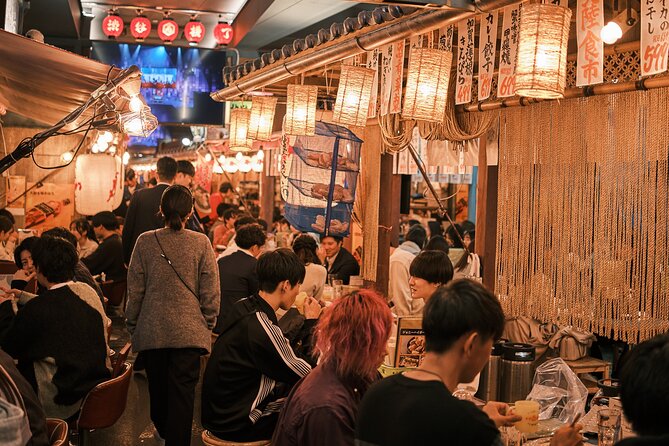
Send a short list of priorities after booking. Include the places you most want to see, your interests, any food preferences or dietary restrictions, and how active a day you want. The best route is not necessarily the one with the most stops. It is the one that leaves you time to notice where you are.
Use the guide for more than directions. Ask about shrine and temple customs, daily life, or how to navigate the city after the tour. Guides such as Miwa and Momo have helped guests feel more confident using public transport and planning the next part of a Japan trip. That kind of practical advice can keep paying off after the outing ends.
Wear comfortable shoes and carry your passport or ID, cash, and a credit card. The activity does not allow baby strollers or carriages, smoking, drones, or littering. If you are arranging pickup, the guide can meet you at a central Tokyo hotel or another preferred meeting place in Tokyo; airport pickup is not included.
The tour is offered in English for private groups, with durations ranging from two to eight hours. The available starting times depend on the date you select. You can cancel up to 24 hours beforehand for a full refund, and the reserve-now, pay-later option lets you hold a spot without paying immediately.
Should you book this Tokyo walking tour?
Book it if you want a personal introduction to Tokyo, help with public transport, or a guide who can adjust the day to your interests. It is especially useful for first-time visitors, families who want a manageable route, and anyone who would rather talk through the city than navigate it alone. The strongest value comes from choosing a realistic itinerary and using the guide’s local knowledge to make the city feel less intimidating.
Think twice if you want a fixed sightseeing schedule, need step-free access, or hope to cover every district in one outing. Before the tour, agree on the pace, transport expectations, and any ticketed attractions. A carefully chosen half-day can be more rewarding than a full-day dash across Tokyo.
FAQ
How long is the private Tokyo tour?
The duration is listed as two to eight hours. Four-, six-, and eight-hour options are noted for itinerary planning, and the final duration and route are settled with your guide.
Which places can I visit?
Possible stops include Sensō-ji, Asakusa, Ueno, Ameya-Yokocho, Akihabara, Shibuya Crossing, Harajuku, Meiji Shrine, Tsukiji Outer Market, Ginza, the Imperial Palace, and Shinjuku. The sample route is not fixed, so share your priorities with the guide.
Is hotel pickup included?
Pickup and drop-off are included at a central Tokyo hotel or a preferred meeting place in Tokyo. Airport pickup and drop-off are not included.
Are public transport fares included?
No. The tour includes travel on foot and by public transport, but transit fares are not included. Meals, drinks, and tickets for additional attractions are also extra.
Are temple and shrine entrance fees included?
Temple and shrine entrance fees are covered. Admission to additional attractions or special requests is not included, and you may need to pay the guide’s ticket as well as your own.
Is the tour suitable for wheelchair users?
No. The tour is listed as unsuitable for wheelchair users and people with mobility impairments. It also does not allow baby strollers or baby carriages.
Freshly reviewed in Tokyo
- Tokyo: Toshimaya Sake Brewery Tour with Sake Tasting★ 5.0 · 6 reviews
- :Tokyo,Shibuya /Meiji Shrine tour in KIMONO/English-friendly★ 5.0 · 4 reviews
- Tokyo: Tour Privado por Tokio en español★ 4.3 · 4 reviews
- Tokyo:Tea ceremony experience at Komaba Warakuan★ 4.8 · 9 reviews
- :Tokyo,Shibuya/ Pro Photography in Kimono / English-Friendly★ 5.0 · 26 reviews
- Tokyo:Samurai Training : Swords, Bushido & Mental Discipline★ 5.0 · 6 reviews
- Tokyo:Mt Fuji & Hakone Day Tour with English Speaking Driver★ 5.0 · 26 reviews
- Tokyo:Nikko UNESCO World Heritage Sites Private 1-Day Tour★ 3.8 · 6 reviews
Tokyo Walking Tours, compared.
Tokyo Tsukiji Fish Market Food and Culture Walking Tour
Read our review →
Imperial Palace and Shogun Historical Walking Tour
Read our review →
Shinjuku Local Bar and Izakaya Guided Walking Tour
Read our review →
Asakusa Walking Tour with Sensoji Temple Visit
Read our review →
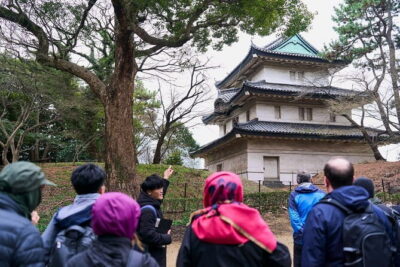
Tokyo Castle & Imperial PalaceーShogun Walking Tour
Read our review →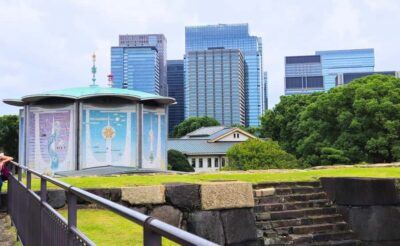
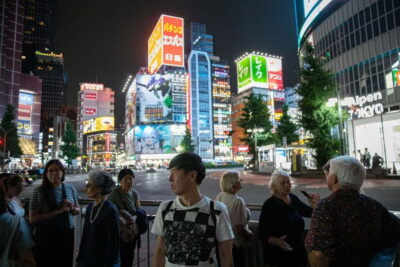
Dark Side of Tokyo Shinjuku Red Light Walking Tour
Read our review →Browse the lists this tour appears in