
Reviewed · TOKYO PRIVATE TOURS
Tokyo 6hr Private Tour with Government-Licensed Guide
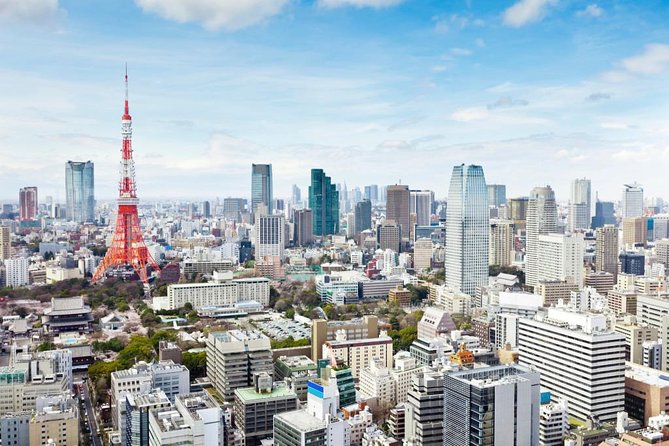
Tokyo can feel like several cities stitched together, and this private tour gives you a guide to help make sense of the connections. In about six hours, you choose 3 or 4 sights from a wide menu, then explore on foot and by public transit with a licensed English-speaking guide.
I like two things in particular: you can shape the day around your interests, and the guide can teach you how to use Tokyo’s trains while explaining what you’re seeing. Guides such as An, Taichi, Sho, Sam, and May have led tours, with the personal approach and practical local advice that make a first day in Tokyo easier.
The trade-off is that Tokyo’s distances are real. You will spend some of the day getting between neighborhoods, and the tour does not include a private vehicle, meals, transit fares, or admission fees. Pick a compact set of sights if you want more time at each stop.
At a glance
- Choose 3 or 4 sights: The long list is a menu, not a promise to see everything.
- Plan on walking and transit: A Suica card and some yen are useful for getting around.
- Get more than directions: Guides can explain shrine and temple customs, local history, and how to navigate the rail system.
- Keep costs in mind: The listed price is $155.86 per person; meals, transportation, and most admissions cost extra.
- Good for a first day: A guide can help you understand the city and leave you better prepared to explore independently.
Six hours, not a citywide checklist
The tour is private to your group, and the itinerary is meant to reflect what you want to see. You might focus on old Tokyo and its temples, pair a garden with a modern shopping district, or build a day around food and fashion. The guide handles the route planning, which matters in a city where the quickest way between two points may be a train rather than a straight walk.
Do not treat the full list of possible stops as a six-hour schedule. It includes more than 20 places, but the tour covers 3 or 4 sites of your choice. Some of the published sample stop times are only five minutes, and some locations are far apart. Those brief times are a clue that the list describes options, not a realistic promise to tour every site.
Before the day, think about what you want from Tokyo. If you care most about temples and older neighborhoods, say so. If you want contemporary city life, name Shibuya, Harajuku, or Akihabara. The better your priorities are, the less likely you are to spend precious hours crossing town for a quick look.
More private tours in Tokyo:
- Private Tour to Mt. Fuji and Hakone (Fully Licenced Operator)
★ 5.0 · 1,910 reviews - Tokyo Customized Private Tour (Must See Places in 1 Day)
★ 5.0 · 1,499 reviews - Mount Fuji Full-Day Private Tour from Tokyo (Customizable)
★ 4.9 · 1,470 reviews
Asakusa and Sensoji: a useful start in old Tokyo
Asakusa is one of the best choices if you want to see a side of Tokyo that feels distinct from its glass towers and major rail stations. It is known for its shitamachi, or old downtown, character, and Sensoji is its best-known temple. The temple’s legend dates to 628, when two brothers are said to have found a statue of Kannon in the Sumida River.
At Sensoji, a guide can show you how to approach a Buddhist temple and pay your respects. That practical explanation makes the visit more meaningful, and it can help you feel comfortable at other religious sites later in your trip. Give yourself time to notice the details, not just pass through the grounds on the way to the next train.
Asakusa pairs naturally with Ueno Park or the Tokyo National Museum, though you should check the route and the time you want inside each place. Ueno has museums, a zoo, Toshogu Shrine, and Shinobazu Pond. The museum and garden options have admission charges, so budget for those separately.
Imperial Palace grounds: Edo-era walls, modern Tokyo
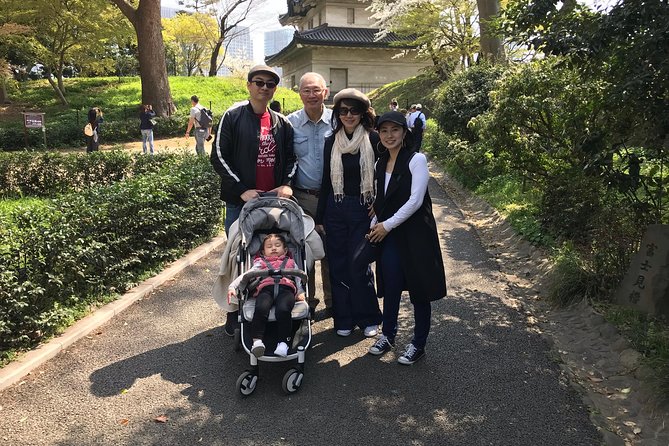
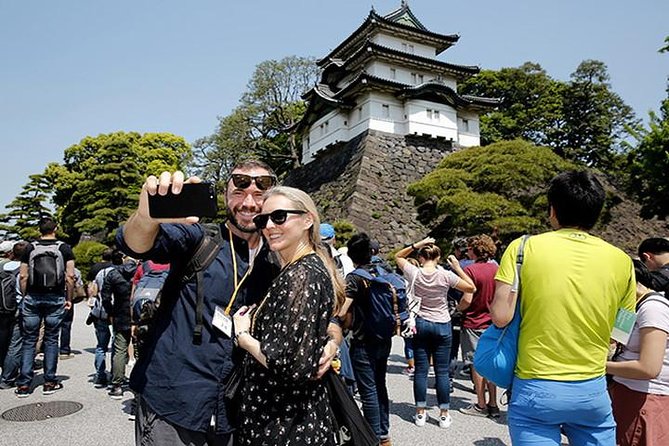
The Imperial Palace sits on the site of Edo Castle, once surrounded by moats and massive stone walls. Even from the outside, the grounds offer a sense of the scale and political history behind today’s central Tokyo. This is a good stop if you want a historical counterpoint to the city’s newer districts.
A key limitation: the tour does not include access inside the Imperial Palace. You may see the grounds and exterior areas, but do not book expecting a palace interior visit. The stop is listed as about 30 minutes, so it is best treated as a focused introduction rather than a full visit to the wider area.
Shinjuku Gyoen and Tokyo’s quieter side
Shinjuku Gyoen is a large garden with open lawns, walking paths, and a welcome break from the intensity of the station district nearby. It suits you if you want a slower stretch in the day or have an interest in gardens. Admission is not included, so account for the ticket price before choosing it.
The possible drawback is time. A five-minute listing for the garden is not enough for a proper stroll, so ask your guide to make the visit a real stop if it is important to you. The same advice applies to Koishikawa Korakuen, Hama Rikyu, and Rikugien. Each is an admission-charging garden, and each deserves more than a quick photo if you want to appreciate it.
Yoyogi Park offers a free alternative, with lawns, ponds, and wooded areas. It is a more casual park visit than a formal garden, and it can work well alongside Meiji Shrine or Harajuku.
More guided tours in Tokyo:
- Tokyo: Shinjuku Local Bar and Izakaya Guided Walking Tour
★ 4.9 · 1,794 reviews - Tokyo: Private City Highlights Tour with Local Guide
★ 4.8 · 1,433 reviews - Tokyo: Tsukiji Fish Market Guided Walking Tour
★ 4.9 · 1,397 reviews - Tokyo 4hr Private Tour with Government-Licensed Guide
★ 5.0 · 1,394 reviews
Meiji Shrine, Harajuku, and Shibuya
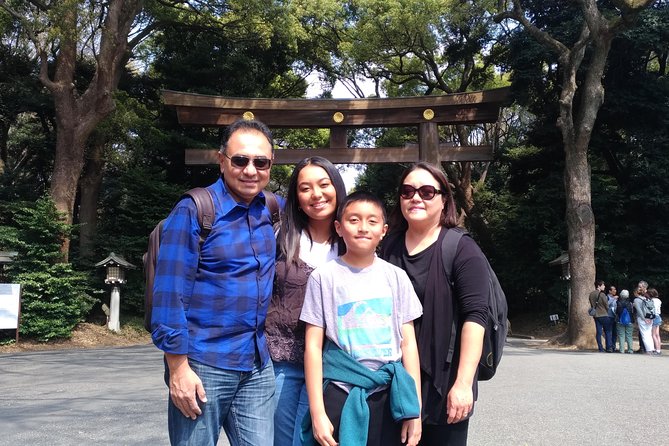
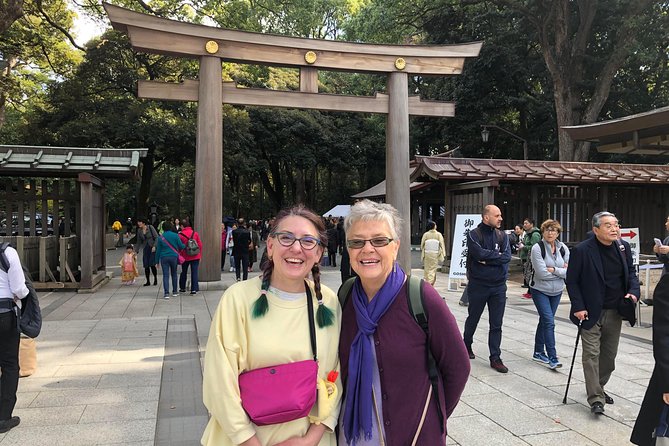
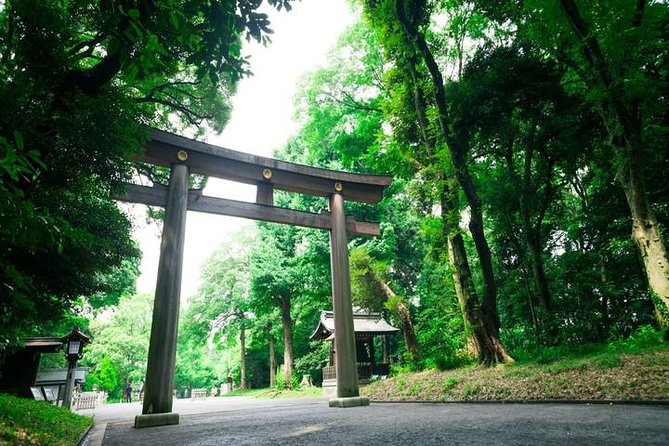
Meiji Shrine is dedicated to Emperor Meiji and Empress Shoken. Its setting beside busy Harajuku makes the contrast especially clear: one moment you are near a major station and youth-fashion district, and the next you are in a shrine precinct. Your guide can explain the customs for entering a shrine and showing respect, which is useful context rather than a mere photo stop.
Takeshita Street offers a very different scene. It is associated with youth fashion and Japanese pop culture, and can be crowded. If shopping or people-watching is your goal, allow time to browse instead of treating the street as a quick pass-through.
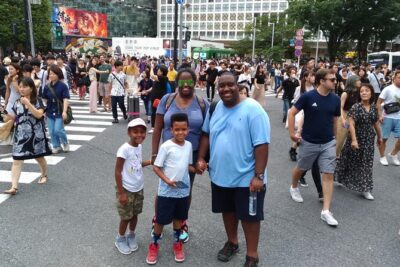
Shibuya Crossing is the classic modern Tokyo stop: a busy scramble crossing framed by a major commercial district. Nearby, you can see the Hachiko statue, linked to the story of the loyal dog. The crossing itself takes little time, but the surrounding area is worth lingering in if you want to take in the pace of the city.
These three areas can make a strong modern-Tokyo route, but the guide should help you decide how much ground is sensible. Connecting them by public transit is efficient, yet stations and transfers still take time. A day that tries to add several distant neighborhoods can turn into a parade of entrances and exits.
Tsukiji Market: come hungry, and leave room to browse
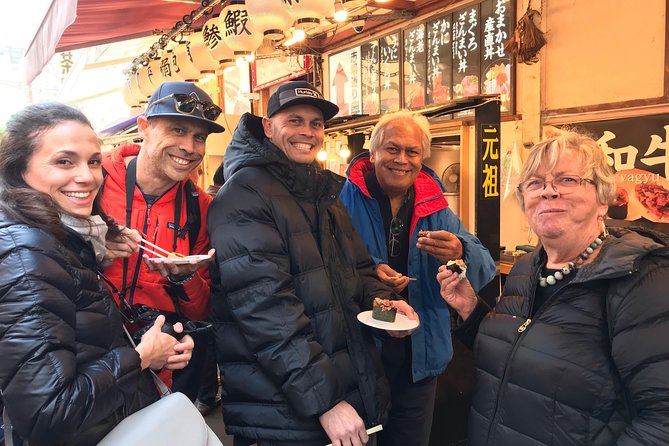
Tsukiji is the former fish market area, now known for food stalls and small eateries. It is a natural choice if food is a priority. You can sample or buy local food, but purchases are your own expense. A guide may help you choose what to try or point you toward a place to eat.
Do not assume a market stop means a leisurely meal. The suggested stop is only 30 minutes, and moving quickly through the stalls can make it hard to enjoy the food. If Tsukiji matters to you, tell your guide in advance that you would rather spend more time here and cut a different stop. Reviews of this experience have noted that a packed route can feel rushed, especially at the market.
Lunch is not included. Some guides have recommended local restaurants, and one tour account describes a sushi meal during the day, but your meal plan and bill are separate. Tell your guide about dietary needs when discussing the route, rather than waiting until you are hungry.
Akihabara, Golden Gai, and other specialized stops
Akihabara is known for electronics shops and Japanese anime culture. It is a good pick if those interests are yours, but less useful if your main aim is historic Tokyo. As with any neighborhood stop, be specific about whether you want to browse shops, learn about the area, or simply see it.
Shinjuku Golden Gai is a small district of eating and drinking establishments whose roots go back to the postwar period. It is most relevant if you want to understand a different side of Shinjuku, though a short daytime stop may not convey its character as an evening drinking area.
Other options stretch across the city. Gotokuji is associated with the maneki-neko, the beckoning cat figurine. Shibamata retains an old-fashioned neighborhood feel, while Nezu and Yanaka preserve parts of old downtown Tokyo. Odaiba is a shopping and entertainment district on a man-made island in Tokyo Bay. These can be appealing, but the distance between them makes a focused plan essential.
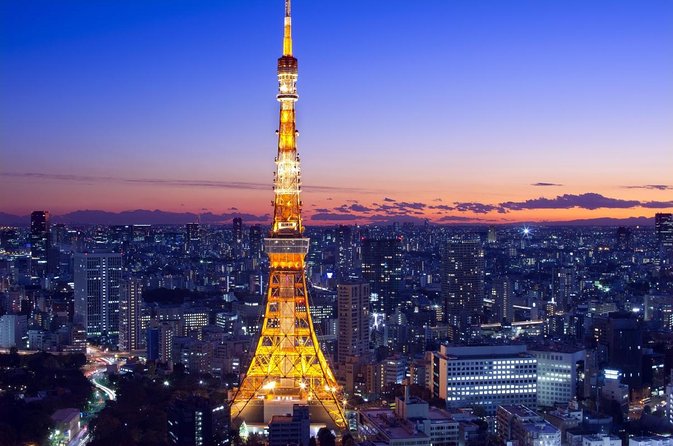
Tokyo Tower is another option, but only access up to the main deck is included in the tour description, and admission is not included. The Tokyo National Museum and several gardens also require separate admission. Confirm which places you plan to enter and what you will pay before setting off.
The guide is the main value
At $155.86 per person, this is not simply a ticket to a collection of sights. You are paying for a private guide who can adapt the day, explain context, and help you move through Tokyo’s transit system. That value rises if you have limited time, are nervous about getting around, or want to connect places with the customs and history behind them.
The strongest guide experiences combine clear communication with practical help. Guides have helped visitors learn how to use trains, understand shrine etiquette, plan routes around family interests, and find restaurants. One group even received help arranging train tickets to Narita. That kind of assistance can make the tour useful well beyond its six hours.
Still, value depends on your expectations. One visitor found that too much time went to subway travel and felt the guide added little beyond directions. This is a fair warning: public transit is part of the tour, and six hours cannot cover every corner of Tokyo. Ask for an efficient route and set expectations about how much time you want at each stop.
What to budget and how to prepare
The stated price is per person, and group discounts are offered. The experience has a strong overall rating of 4.9 from 3,904 reviews, with 98 percent recommending it, but your own value will depend on the guide, the itinerary, and how well the day matches your interests.
The tour includes a licensed local English-speaking guide and a customizable walking route. It does not include a private vehicle, public transport fares, lunch, personal expenses, or most entrance fees. The guide’s entry fees are covered only for sights listed under the tour’s What to Expect details, so do not assume your own admission is included.
Bring some yen for transit and purchases. A Suica card is a practical way to pay for trains and buses, and one guide specifically advised having one ready. Wear comfortable walking shoes: even with trains, this is a walking tour, and you will be on your feet between stations and sites.
Pickup is on foot within a designated area of Tokyo. In other words, pickup does not mean a car will collect you. The tour is private, and you cannot combine multiple tour groups. Most travelers can participate, and service animals are allowed.
Should you book this Tokyo tour?
Book it if you want a personal introduction to Tokyo, have a short stay, or would like help understanding the transit system and local customs. It is especially useful on your first day, when a guide can turn a daunting map into a set of neighborhoods you can explore again on your own.
Skip it if you prefer to linger independently at one or two sites, dislike public transit, or expect a vehicle to carry you between attractions. For the best day, choose a compact route of 3 or 4 places and be clear about where you want time to slow down. If you do that, the private format can be a sensible way to see more and understand more than you might manage alone.
FAQ
How long is the tour?
It lasts about six hours.
Is the tour private?
Yes. Only your group participates, and you cannot combine multiple tour groups.
How many sights can I visit?
The tour includes a customizable walking route to 3 or 4 sites selected from the available options.
Is transportation between sights included?
No. The tour uses walking and may use public transportation, but transit fees are not included. There is no private vehicle.
Are meals and entrance fees included?
No. Lunch, personal expenses, and entrance fees are extra. The tour description says guide entry fees are covered only for sights listed under What to Expect.
Can I enter the Imperial Palace?
No. The tour does not include access inside the Imperial Palace.
What is the cancellation policy?
You can cancel at least 24 hours before the experience for a full refund. Cancellations or changes made less than 24 hours before the start time are not accepted for a refund or change.
Freshly reviewed in Tokyo
- Tokyo: Toshimaya Sake Brewery Tour with Sake Tasting★ 5.0 · 6 reviews
- :Tokyo,Shibuya /Meiji Shrine tour in KIMONO/English-friendly★ 5.0 · 4 reviews
- Tokyo: Tour Privado por Tokio en español★ 4.3 · 4 reviews
- Tokyo:Tea ceremony experience at Komaba Warakuan★ 4.8 · 9 reviews
- :Tokyo,Shibuya/ Pro Photography in Kimono / English-Friendly★ 5.0 · 26 reviews
- Tokyo:Samurai Training : Swords, Bushido & Mental Discipline★ 5.0 · 6 reviews
- Tokyo:Mt Fuji & Hakone Day Tour with English Speaking Driver★ 5.0 · 26 reviews
- Tokyo:Nikko UNESCO World Heritage Sites Private 1-Day Tour★ 3.8 · 6 reviews
Tokyo Private Tours, compared.
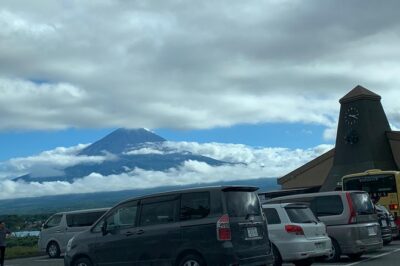
Private Tour to Mt. Fuji and Hakone (Fully Licenced Operator)
Read our review →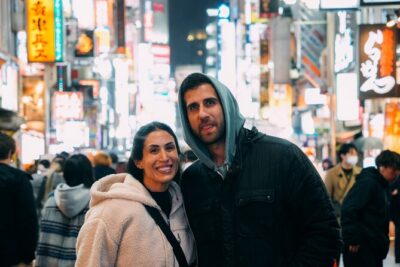
Tokyo Customized Private Tour (Must See Places in 1 Day)
Read our review →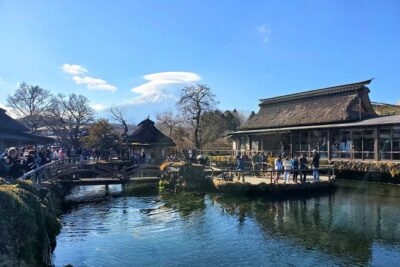
Mount Fuji Full-Day Private Tour from Tokyo (Customizable)
Read our review →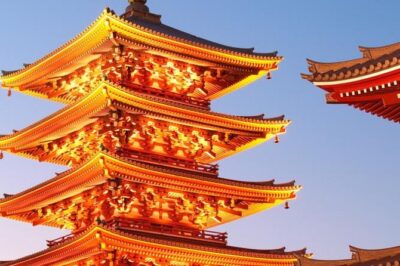
Tokyo 4hr Private Tour with Government-Licensed Guide
Read our review →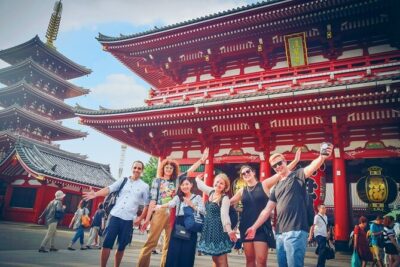
Tokyo Customized Private Tour: See Top Attractions in 1 Day
Read our review →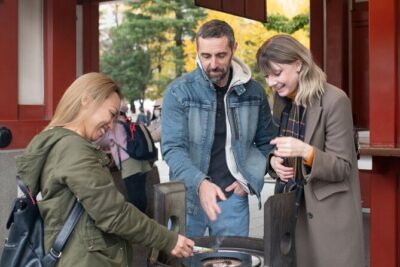
Tokyo, Shaped Around You: A Private Experience with a Local
Read our review →
Browse the lists this tour appears in