
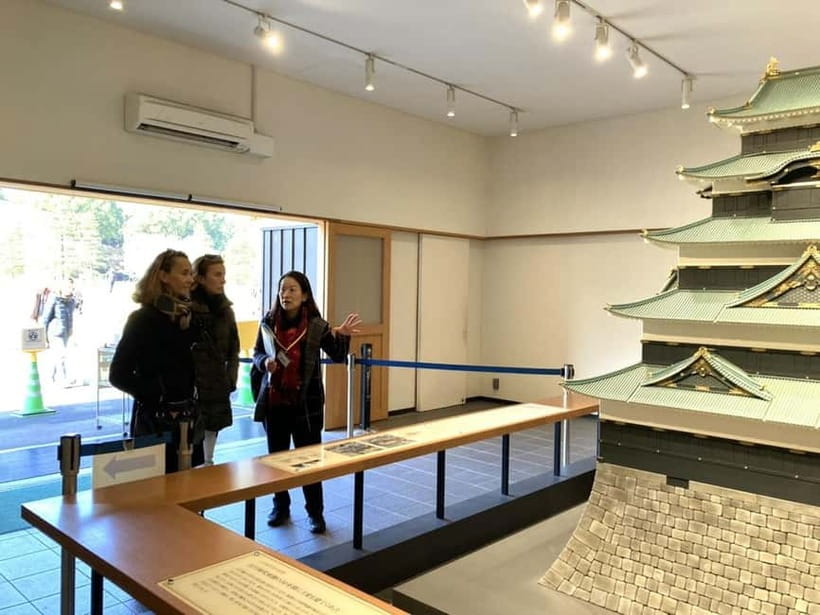
Reviewed · IMPERIAL PALACE TOURS
Tokyo: Pvt. Tour – Edo Castle & Imperial Palace East Gardens
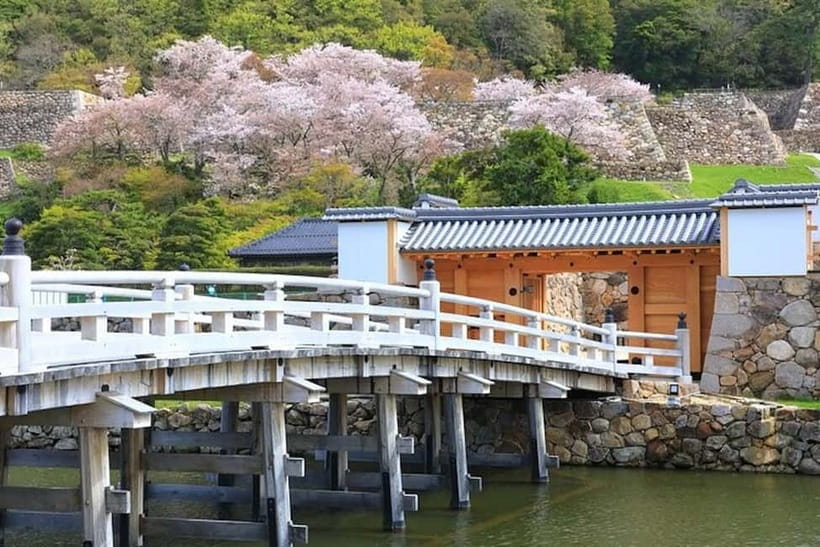
Edo Castle’s stones tell a big story in a quiet corner of central Tokyo. On this two-hour private walk, you’ll pass old moats, castle ruins and garden paths where a guide can help connect the remains to the age of the shoguns.
I like two things here: the contrast between imposing castle defenses and the calm Ninomaru Garden, and the private format, which lets you ask questions and walk at your own pace. One important limit: this tour visits the East Gardens, not the Imperial Palace interior, where the Emperor resides.
At a glance
- A private, two-hour walk: It’s just your group and an English-speaking guide, so you can ask questions as they come up.
- Castle history in the open air: Explore the Main Gate, stone walls, moats and remains of Edo Castle’s keep.
- A traditional garden: Ninomaru Garden changes with the seasons, from spring cherry blossoms to summer irises and autumn leaves.
- A useful meeting point: Find your guide with a Gotcha sign in front of Starbucks in Wadakura Fountain Park.
- A few practical limits: Expect a baggage inspection at the grounds, and leave knives or similar items in a coin locker before meeting your guide.
Starting at Wadakura Fountain Park
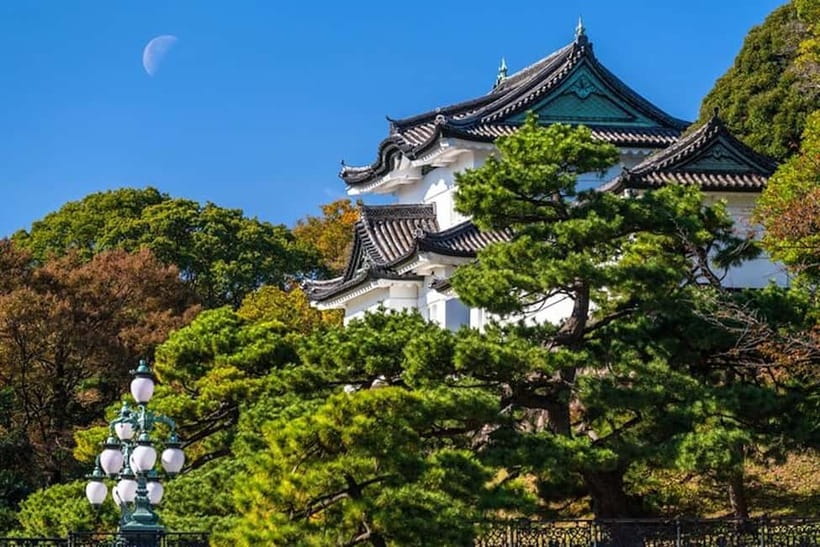
Your meeting point is in front of Starbucks in Wadakura Fountain Park. Look for the guide holding a sign that says Gotcha. The location is about a three-minute walk from Otemachi Station’s D2 exit and a ten-minute walk from Tokyo Station’s Marunouchi Central Exit.
That central position makes the tour easy to fit into a Tokyo day, especially if you’re already near either station. Still, give yourself enough time to find the fountain park and locate your guide. A few minutes of breathing room beats starting a history walk while checking your phone at every corner.
The tour is private, with an English-speaking guide, and runs for about two hours. That format is well suited to a site where the story can be easy to miss if you only follow paths and admire the greenery. You can stop to ask what a wall was built to protect, or ask your guide to explain how the castle grounds relate to the Imperial Palace today.
Guides have included Yoshi-san, Masahito, Mari, Yuji, Ishida and Naoko. Your assigned guide may be someone else, but the tour is designed to explain the site in English and adapt to your group’s pace.
More Imperial Palace walks in Tokyo:
- Tokyo: Imperial Palace and Shogun Historical Walking Tour
★ 5.0 · 2,251 reviews - Tokyo: Imperial Palace Japanese History Walking Tour
★ 4.9 · 987 reviews - Tokyo: Imperial Palace and Shogun Walking Tour
★ 4.9 · 935 reviews
The Main Gate, where old defenses meet modern security
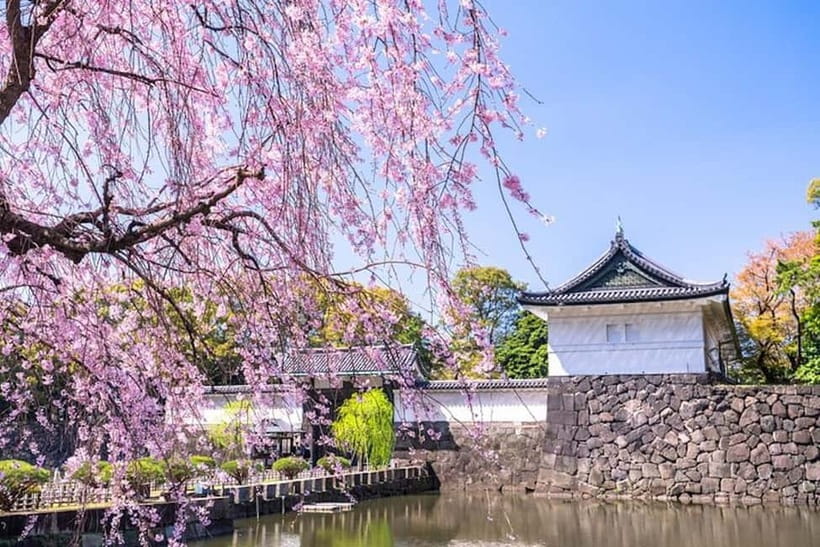
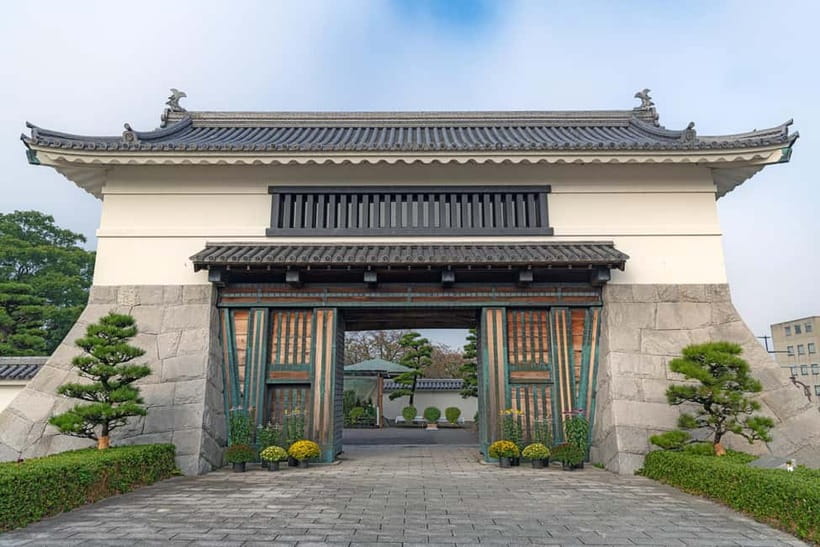
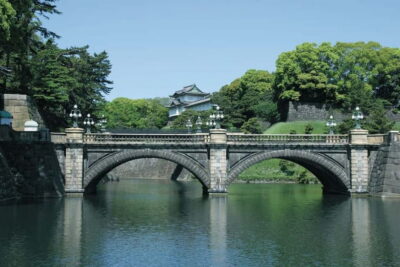
The visit takes in the historic Main Gate, with its traditional guardhouse and a visible mix of old architecture and present-day security. It’s a helpful first stop because it sets up the central theme of the walk: these grounds have served different roles over time, and the old defenses remain part of a place tied to Japan’s imperial present.
At the gate, look beyond the striking stonework. The guardhouse and entry point hint at how access to a major seat of power was controlled. Your guide can supply the historical context that turns a handsome entrance into a clue about the way the castle functioned.
There is also a practical detail to know before you arrive. Visitors entering the Imperial Palace grounds are subject to a baggage inspection. Avoid bringing anything that could be treated as a weapon. If you’ve bought Japanese knives or similar items in Tsukiji, Asakusa or elsewhere, leave them in a coin locker before the meeting.
Edo Castle’s walls, moats and remains
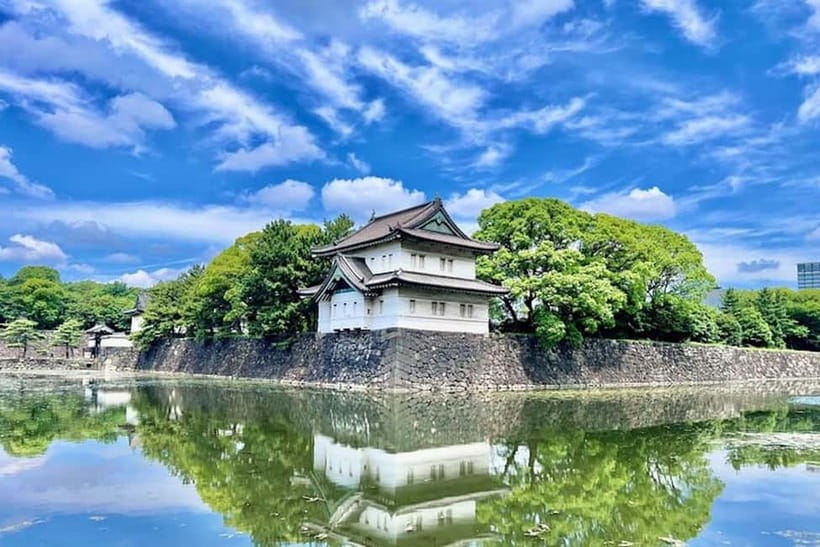
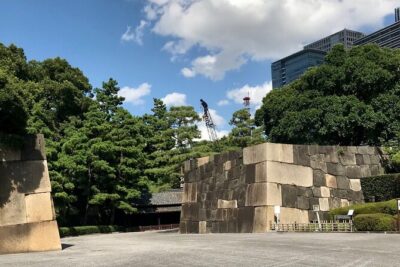
The most tangible reminders of Edo Castle are its ancient stone walls, moats and the remains of its massive keep. These ruins give you a sense of the scale of the feudal complex, even though this is a garden walk, not a tour through a restored castle interior.
I like that the site asks you to imagine the structure from what remains. A moat is more than a scenic stretch of water, and a wall is more than a good photo backdrop. Together, they suggest the careful planning and defensive strength that made the castle a center of power. A guide can help you read these features in place rather than leaving you to guess their purpose.
This is where the private format pays off. If you want to linger over a particular ruin or ask more about the shoguns, you can. If you’re with children or simply prefer a gentler pace, your guide can keep the walk comfortable rather than pushing through a fixed group schedule.
Just keep expectations grounded: the attraction is the setting, the surviving structures and the history they evoke. If you’re hoping to walk through a complete medieval castle, this is not that experience. The value is in seeing the remains on their original grounds and understanding the site’s place in Japan’s past.
Ninomaru Garden, a softer side of the castle grounds
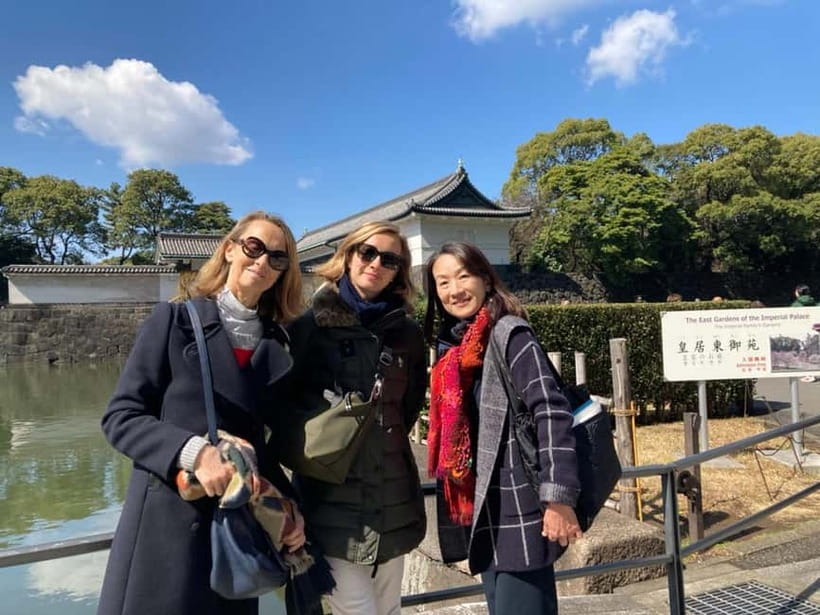
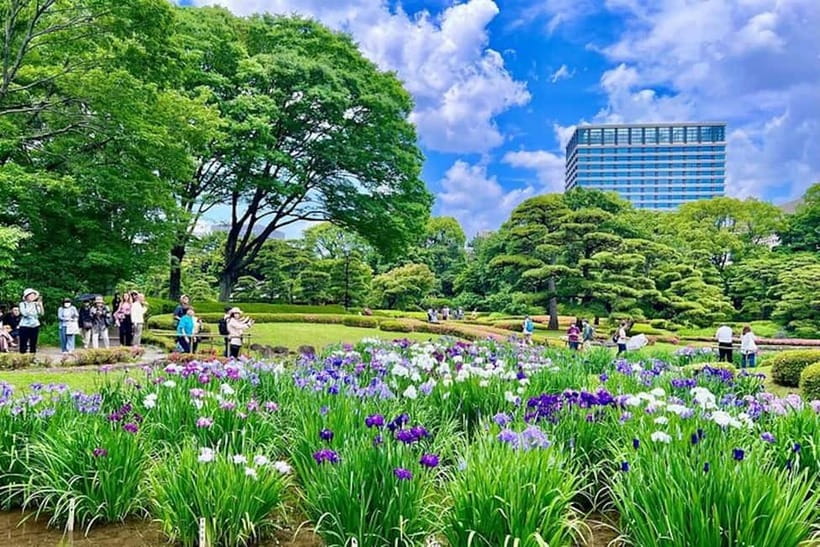
Ninomaru Garden offers a marked change of mood from the defensive walls and moats. It is a traditional Japanese garden, with seasonal flowers and foliage that shift the character of a visit through the year. Cherry blossoms may appear in spring, irises in summer and autumn leaves later in the year.
The timing matters. Seasonal displays are not guaranteed to be at their peak on the day you visit. In early spring, for example, blossoms may not yet be out. I’d treat the garden as a peaceful place to walk and observe, with flowers as a bonus rather than the sole reason to book.
The garden is also a good setting for the cultural stories that make this tour more than a stroll. Guides have explained details ranging from the garden’s history to its plants and koi. Don’t expect every guide to cover the same subjects, but the private setting gives you a natural chance to ask about what catches your eye.
You’ll still get time to enjoy the surroundings without constant commentary. The best version of a garden visit leaves room for both: a guide’s explanation when a detail needs context, and a little quiet to take in the paths and seasonal color.
More tours and experiences in Tokyo:
- Mt Fuji and Hakone 1-Day Bus Tour Return by Bullet Train
★ 5.0 · 26,383 reviews - 1-Day Tokyo Bus Tour
★ 5.0 · 14,250 reviews - Tokyo: teamLab Planets TOKYO Digital Art Museum Entry Ticket
★ 4.6 · 9,779 reviews - Mt Fuji & Hakone Cruise, Drum Show Bullet Train 1 Day from Tokyo
★ 4.0 · 7,413 reviews
What a two-hour private tour adds
You can walk through the East Gardens on your own, but the old stones don’t explain themselves. A guide provides a thread connecting the castle’s defenses, the shogunate’s past and the modern imperial grounds. That context can make a short visit feel more substantial without turning it into a lecture.
The private format is especially useful if your group has different interests. One person may want to hear more about castle architecture, while another may be drawn to the garden. You can ask questions as you go and take the walk at a pace that suits your party.
The time also gives you a compact introduction rather than an exhaustive account of Japanese history. Two hours is enough for a guided look at the listed highlights, but not a reason to expect every corner of the grounds or every chapter of the site’s past. If you want a longer, more specialized history tour, this may feel brief.
Families may find the format comfortable because the guide can adjust the pace. Couples and solo visitors who value conversation may also appreciate having a guide focused on their group. If you prefer to wander without a schedule or commentary, you may be happier exploring independently.
What the $63 price gets you

At $63 per person, the fee covers a guide and a walking tour of the East Gardens. It does not include entry to the Inner Palace, and the tour does not go inside the Emperor’s residence. The price is easiest to justify if you value having an English-speaking guide explain what you’re seeing and answer questions along the way.
This is not a ticket to a private palace visit. You’re paying for interpretation and a two-hour walk through the East Gardens, with the freedom that comes from a private group. If you would otherwise stroll through the grounds without context, a guide can help you notice the relationship between the walls, moats, gate and garden.
For a group that likes history, the cost may feel worthwhile. If you mainly want a quiet garden visit and are happy to read signs or explore on your own, the guided element may matter less. The choice comes down to whether the stories and personal pace are worth paying for.
Booking terms add some flexibility: you can reserve now and pay later, and cancel up to 24 hours in advance for a full refund. Check available start times when choosing a date.
Who will enjoy this walk most
I’d choose this tour if you’re curious about the shogunate, want a calm break from central Tokyo’s busy streets, or prefer a local guide to explain what you’re seeing. It also suits visitors with limited time who want a focused introduction to the castle grounds rather than a full-day excursion.
Families can benefit from the private format and adjustable pace. History-minded visitors will get the most from the castle remains and the guide’s explanations, while garden lovers may enjoy the seasonal changes and quieter paths. You don’t need to be an expert in Japanese history to appreciate the contrast between the old defenses and the present-day setting.
You might skip it if your main goal is to enter the Imperial Palace, since that is not part of the tour. It may also be less appealing if you prefer exploring alone or expect a guaranteed blossom display. The garden’s appearance depends on the season, and the historical draw is the grounds and ruins, not an intact castle interior.
A few useful details before you go
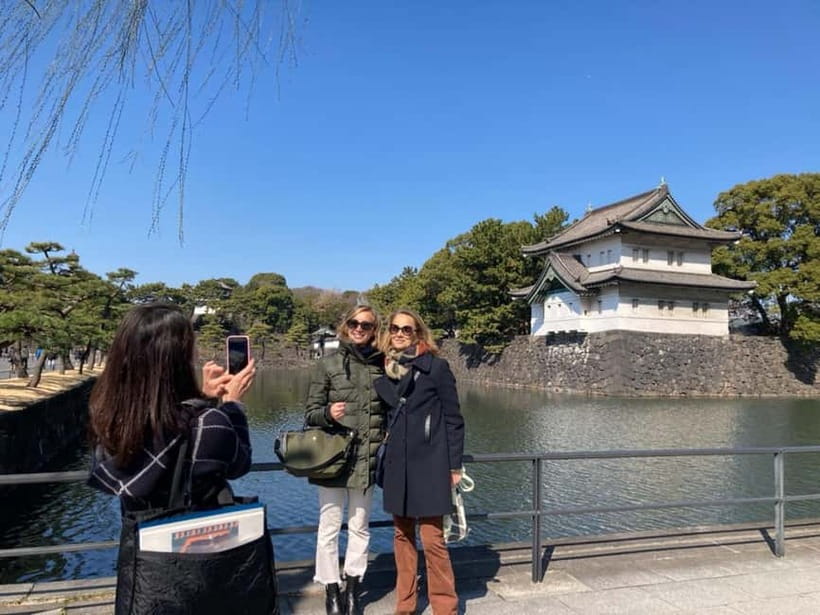
Wear shoes you’re comfortable walking in, and arrive at the fountain park with enough time to find the meeting point. The tour is outdoors and lasts about two hours, so consider the weather and your group’s comfort before booking.
Keep your bag free of knives and other items that could be used as weapons. The grounds have a baggage inspection, and buying such an item earlier in the day can complicate entry. A coin locker is the sensible place for those purchases before the tour.
Should you book the Edo Castle East Gardens tour?
Book it if you want a personal, English-language introduction to Edo Castle’s surviving walls, moats and garden grounds. The best reason to go is the combination of history and scenery, with a guide who can make the site easier to understand and shape the pace around your group.
Pass if you specifically want to enter the Inner Palace or see a complete castle building. For everyone else, this is a measured, practical way to spend two hours in a historic pocket of central Tokyo, especially if you value explanation as much as the walk itself.
FAQ
How long is the tour?
The guided walk lasts two hours.
How much does the tour cost?
The listed price is $63 per person.
Is the tour private?
Yes. It is offered for a private group.
What language does the guide speak?
The live guide speaks English.
Where is the meeting point?
Meet in front of Starbucks in Wadakura Fountain Park and look for a guide holding a Gotcha sign.
How far is the meeting point from nearby stations?
It is about a three-minute walk from Otemachi Station’s D2 exit and a ten-minute walk from Tokyo Station’s Marunouchi Central Exit.
Does the tour enter the Imperial Palace?
No. It visits the East Gardens and does not enter the Inner Palace where the Emperor resides.
What is included in the price?
The price includes a guide and a walking tour of the East Gardens.
Should I bring knives or similar purchases?
No. Visitors are subject to a baggage inspection when entering the grounds. Leave Japanese knives and other items that could be used as weapons in a coin locker before the meeting.
Freshly reviewed in Tokyo
- Tokyo: Toshimaya Sake Brewery Tour with Sake Tasting★ 5.0 · 6 reviews
- :Tokyo,Shibuya /Meiji Shrine tour in KIMONO/English-friendly★ 5.0 · 4 reviews
- Tokyo: Tour Privado por Tokio en español★ 4.3 · 4 reviews
- Tokyo:Tea ceremony experience at Komaba Warakuan★ 4.8 · 9 reviews
- :Tokyo,Shibuya/ Pro Photography in Kimono / English-Friendly★ 5.0 · 26 reviews
- Tokyo:Samurai Training : Swords, Bushido & Mental Discipline★ 5.0 · 6 reviews
- Tokyo:Mt Fuji & Hakone Day Tour with English Speaking Driver★ 5.0 · 26 reviews
- Tokyo:Nikko UNESCO World Heritage Sites Private 1-Day Tour★ 3.8 · 6 reviews
Imperial Palace Tours, compared.

Imperial Palace and Shogun Historical Walking Tour
Read our review →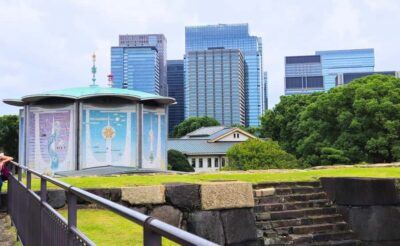
Imperial Palace East Garden and Edo Castle Walking Tour in Tokyo
Read our review →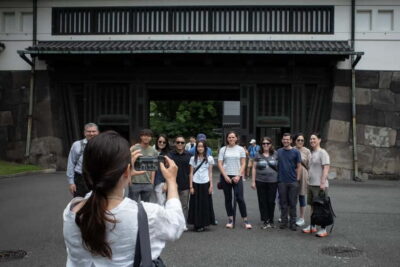
Imperial Palace, Sensō-ji Temple, & Tokyo Tower Tour
Read our review →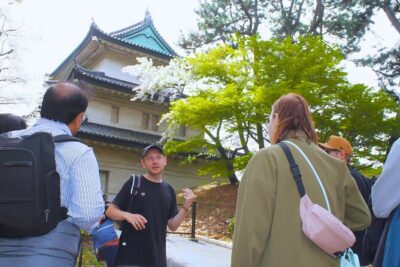
Tokyo Castle, Imperial Palace, Shogun & Garden Walking Tour
Read our review →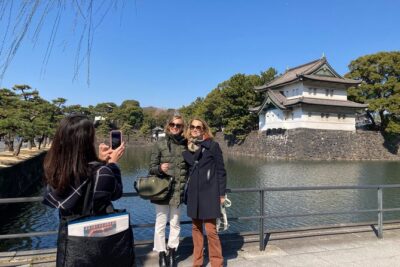
Tokyo Private Tour! Edo Castle & Imperial Palace East Gardens
Read our review →
Full Tokyo: Meiji Shrine, Imperial Palace, Asakusa & Skytree
Read our review →Browse the lists this tour appears in