
Reviewed · SHIBUYA TOURS
Shibuya Tokyo: Modern Kintsugi Workshop in Shibuya
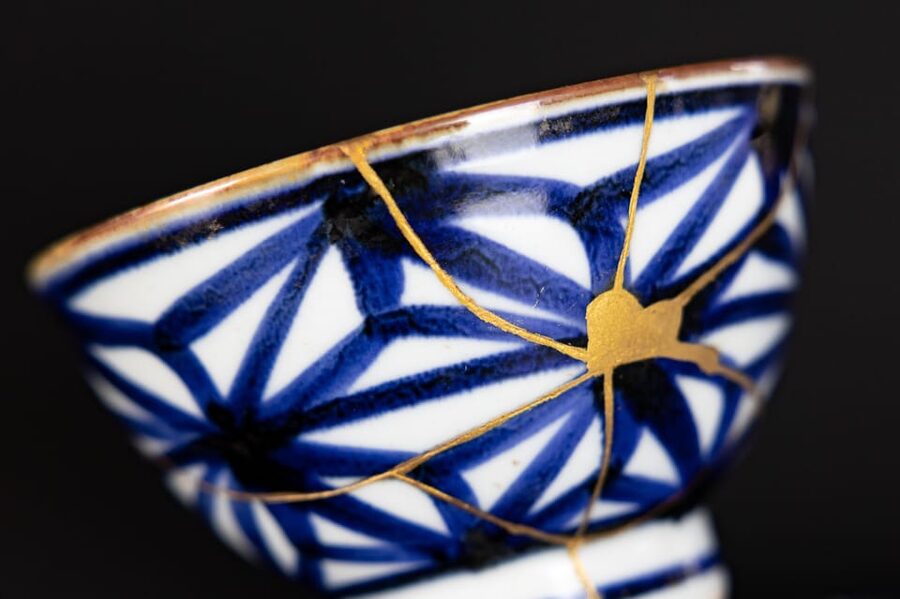
Kintsugi turns a broken piece of crockery into something worth keeping, with its repairs made part of the design. At mon cadeau’s studio above Shibuya Crossing, you’ll try a modern version of this Japanese craft, with English instruction and a piece to take home. I like the small class size, which gives the teacher time to guide each person, and the calm opening ritual of matcha and seasonal sweets.
The main caveat is the price: at $141 per person, this is a considered purchase for a two-hour activity. You’re paying for close instruction, materials, tea and sweets, and a finished souvenir, but it’s a better fit if you value making something yourself than if you’re simply looking for a quick introduction to the neighborhood.
- Start with matcha and seasonal sweets: The workshop begins with a quiet cultural welcome before the hands-on work.
- Work in a group of six or fewer: The small class allows for individual help at each stage.
- Make a modern kintsugi piece: You’ll practice reassembly, repair, and restoration with contemporary materials.
- Take home your crockery: Your finished piece goes into a special gift box.
- Find the studio above Shibuya Crossing: It’s on Shoto 2-Chome Crossing, up Bunkamura-dori.
- Arrive on time: You can’t join if you arrive more than 15 minutes after the reserved start.
From Shibuya Crossing to a quieter studio
Shibuya Crossing is only part of the story here. The studio sits up the hill from the crossing, in a private space that offers a quieter setting for a hands-on activity. It’s a useful contrast to the energy below, and makes this workshop easy to pair with time in Shibuya without spending the whole day on a craft outing.
The meeting point is next door to the Central Hospital Annex building, at the top of Bunkamura-dori on Shoto 2-Chome Crossing. You’ll meet outside the building five minutes before your lesson. Directions arrive by email after booking, so check them before setting out rather than relying only on a map app. One useful detail: Google Maps may direct you into a side alley. Look for the tiled façade and large brown double door with a narrow glass panel on the main street.
This is a two-hour class, and punctuality matters. The studio says you cannot join if you arrive more than 15 minutes after your start time. Give yourself a little extra time to find the entrance, especially if you’re navigating the area for the first time.
Tea, sweets, and a gentle start
The class begins with matcha tea and seasonal Japanese sweets. This is more than a snack break: it gives you a few minutes to settle in and sets a thoughtful pace before you work with the crockery. If matcha is new to you, the welcome offers a low-pressure way to try it.
The sweets are included, as are all the tools and materials for the repair. You don’t need to bring a broken plate or any special equipment. The studio provides the piece you’ll work on, so you can concentrate on learning rather than worrying about whether you have the right item.
That planned beginning also helps make the workshop feel like a cultural activity, not just a craft class. The focus is on kintsugi and the idea of wabi sabi, finding meaning in imperfection and repair. You’ll get an introduction sheet and an explanation of the process, then move into the practical work.
More Shibuya tours in Tokyo:
- Official Street Go-Kart in Shibuya
★ 5.0 · 3,435 reviews - Tokyo: Street Kart Experience in Shibuya
★ 4.9 · 1,484 reviews - Shibuya Meltdown Nightlife Tour: All-You-Can-Drink Bar Hopping
★ 5.0 · 1,058 reviews
Choosing a piece and learning the steps
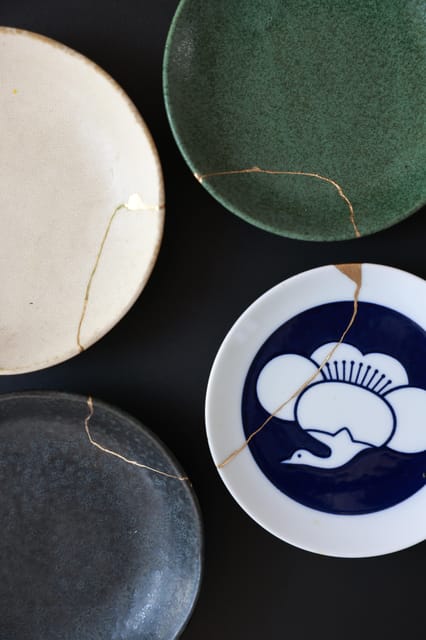
After the introduction, you choose a piece of crockery from the studio’s collection. The selection is designed for the workshop, and the prepared pieces are described as manageable while still offering a challenge. That balance matters: a project that’s too simple can feel like a demonstration, while one that’s too difficult can be frustrating in a short class.
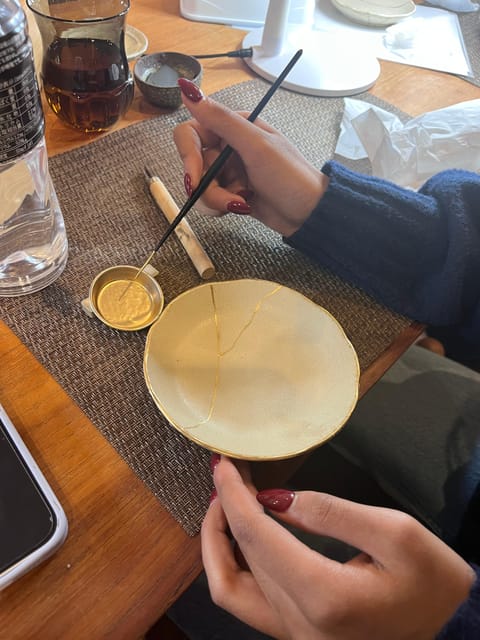
Your instructor demonstrates the steps before you try them yourself. The process includes reassembly, repair, and restoration, with guidance as you move from one stage to the next. Rather than watching a teacher complete a finished object, you get hands-on practice and support while making your own decisions and corrections.
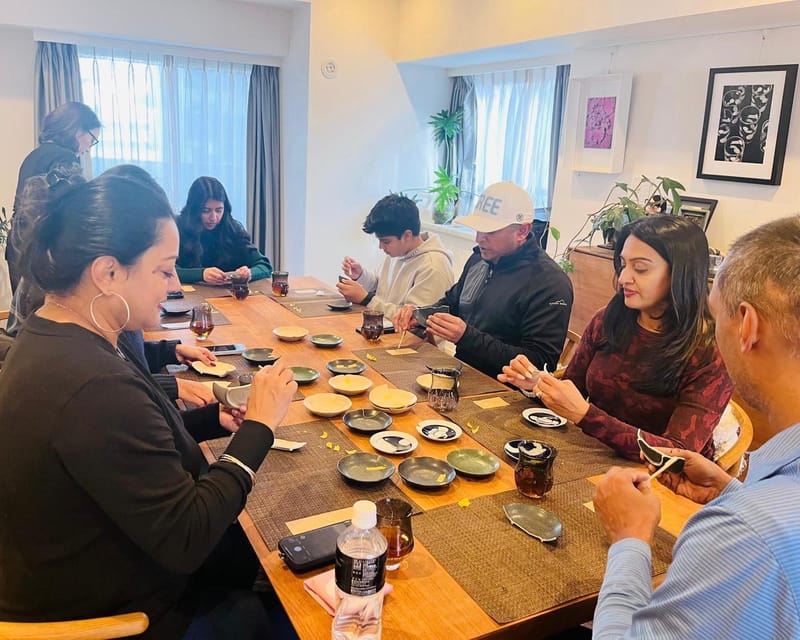
The small group is a real advantage here. With no more than six participants, the instructor can keep an eye on each person’s progress and offer help when needed. Michiko is one of the teachers and hosts associated with the studio; Koto, Yuki, and Rita are also named as hosts. The instruction is in English, which makes the method easier to follow if you don’t speak Japanese.
What modern kintsugi means in this class
Traditional kintsugi is associated with repairing broken pottery and making the join visible rather than hiding it. This workshop teaches a modern form of the craft, using contemporary materials instead of traditional ones. That distinction is worth knowing before you book: the experience introduces the look and ideas of kintsugi through an accessible process, rather than teaching a full traditional technique.
The contemporary approach makes the activity faster and more manageable in a two-hour session. It also means you can take part without prior experience. The steps are demonstrated, the materials are supplied, and the instructor supervises the work. You don’t need to arrive with craft skills or a plan for what to repair.
The workshop’s larger appeal is the shift in perspective. A damaged object doesn’t have to be treated as useless; the repair can become part of its story. You’ll leave with a small example of that idea in your hands, rather than only a description of it.
A keepsake that carries your own work
You take your restored crockery home in a special gift box. That makes the finished object a more personal souvenir than something picked up from a shop, and gives the workshop a tangible result beyond the two hours spent in the studio.
The project is sized for a short class, and some pieces are plates. Don’t expect to restore a treasured family heirloom you bring from home: the studio provides the crockery, and the activity is structured around its prepared selection. This is sensible for a brief lesson, where the teacher can choose pieces suited to the available time and materials.
If you find yourself wanting to continue the craft, the studio also offers a kit for purchase, as noted by one participant. It’s optional, not part of the listed inclusions. The workshop itself provides what you need to complete the class, so you don’t have to buy extra supplies to take part.
More hands-on workshops in Tokyo:
- Sushi Making Tokyo Roll and Authentic Japanese Sushi Class
★ 5.0 · 3,971 reviews - Tokyo: Roll and Authentic Sushi Making Class in Asakusa
★ 4.9 · 1,957 reviews - Tokyo Shinjuku Chopsticks Making Class
★ 5.0 · 1,763 reviews - Tokyo: Sushi Making Class in a Happi Coat near a Famous Spot
★ 4.9 · 1,377 reviews
Is $141 a fair price for two hours?
At $141 per person, this is not a budget activity. The price makes more sense when you count what’s included: English instruction in a small group, all repair materials, a piece of crockery, matcha, seasonal sweets, and a boxed object to take home. You’re also paying for the chance to try a specialized craft with individual guidance, rather than buying a short demonstration.
I’d consider the cost worthwhile if you enjoy making things, want a meaningful souvenir, or are curious about Japanese craft traditions. It may feel steep if you mainly want a low-cost activity or prefer to watch rather than participate. Two hours is long enough to learn a process and complete a small project, but not a full course in traditional kintsugi.
The workshop is also a good option when you want a quieter change of pace from sightseeing. It sits close enough to Shibuya’s main sights to fit into a day there, yet the activity itself is focused and calm. You’ll need to be comfortable sitting down to work carefully for the session.
Who will get the most from the class
This suits craft lovers, curious beginners, and anyone who likes the idea of bringing home something made by hand. You don’t need previous experience, and everything required is provided. The personal instruction also helps if you’re unsure whether you’ll be able to follow the repair process.
Families may find it works for older children. A 10-year-old and a 13-year-old have taken part, and the stated restriction is that children under five are not suitable. The workshop is not described as a children’s class, so consider whether your child will enjoy careful, step-by-step work for two hours.
The class is limited to six people, which is helpful for couples or small groups who want a shared activity without being lost in a crowd. It can also suit solo participants, since the instructor’s attention is built into the small-group format. Video recording is not allowed, so plan to keep your phone away while you work.
A few practical details before booking
Wear comfortable clothes. You don’t need to bring crockery, tools, or materials. The activity lasts two hours, and starting times depend on availability.
You can reserve now and pay later, and cancellations made at least 24 hours in advance qualify for a full refund. Check the exact meeting directions in your confirmation email, and leave time to locate the entrance. The studio’s directions are sent after booking.
Should you book this Shibuya kintsugi workshop?
Book it if you want a calm, hands-on break from sightseeing and would value a small, personal souvenir more than a bargain activity. The English instruction, limited group size, prepared materials, and patient step-by-step teaching make it approachable even if you’ve never worked with pottery.
Skip it if you’re mainly interested in traditional kintsugi methods, want to repair your own heirloom, or need a very low-cost way to fill two hours. This is a modern, short-format introduction, not an advanced course. For the right person, though, the appeal is clear: you leave Shibuya with a piece you repaired yourself and a better feel for the craft’s appreciation of visible imperfection.
FAQ
How long does the workshop last?
The class lasts two hours.
Is the instruction in English?
Yes. English instruction is provided.
Are materials and crockery included?
Yes. The studio provides the repair materials, tools, a piece of crockery, an introduction sheet, matcha tea, and seasonal sweets.
Where is the meeting point?
The studio is next door to the Central Hospital Annex building at the top of Bunkamura-dori on Shoto 2-Chome Crossing. You’ll meet outside five minutes before the class. Directions are emailed after booking.
Can children join the workshop?
Children under five are not suitable for the activity.
What is the cancellation policy?
You can cancel up to 24 hours in advance for a full refund.
Freshly reviewed in Tokyo
- Tokyo: Toshimaya Sake Brewery Tour with Sake Tasting★ 5.0 · 6 reviews
- :Tokyo,Shibuya /Meiji Shrine tour in KIMONO/English-friendly★ 5.0 · 4 reviews
- Tokyo: Tour Privado por Tokio en español★ 4.3 · 4 reviews
- Tokyo:Tea ceremony experience at Komaba Warakuan★ 4.8 · 9 reviews
- :Tokyo,Shibuya/ Pro Photography in Kimono / English-Friendly★ 5.0 · 26 reviews
- Tokyo:Samurai Training : Swords, Bushido & Mental Discipline★ 5.0 · 6 reviews
- Tokyo:Mt Fuji & Hakone Day Tour with English Speaking Driver★ 5.0 · 26 reviews
- Tokyo:Nikko UNESCO World Heritage Sites Private 1-Day Tour★ 3.8 · 6 reviews
Shibuya Tours, compared.


Shibuya Meltdown Nightlife Tour: All-You-Can-Drink Bar Hopping
Read our review →


Premium Go-Kart Tour with Tower & Shibuya Crossing
Read our review →
Japanese Speaking Experience Meet the locals Friend Cafe Shibuya
Read our review →Browse the lists this tour appears in