
Reviewed · IMPERIAL PALACE TOURS
Tokyo: Imperial Palace with Nostalgic Alley Kagurazaka tour
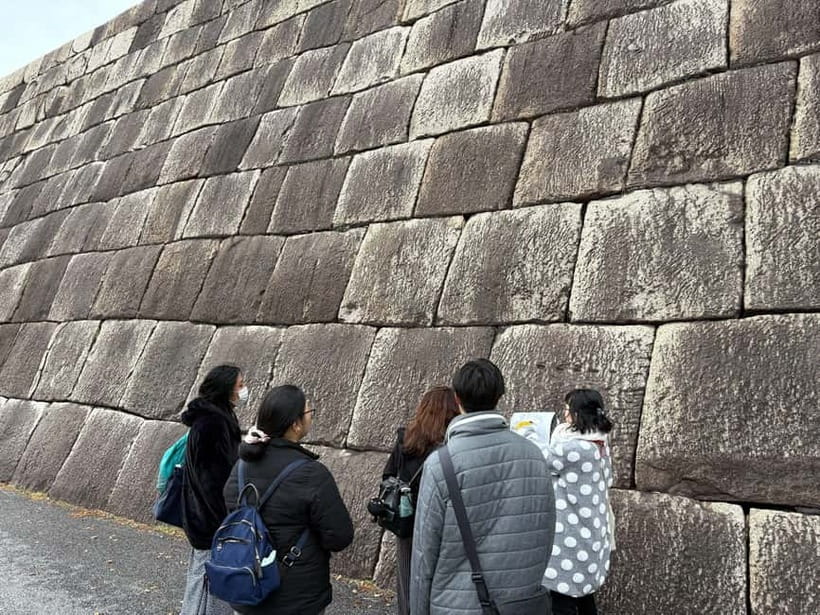
Tokyo’s Imperial Palace area makes more sense when you know that today’s gardens, gates, and broad grounds once belonged to Edo Castle, the seat of shogun power. This walk links those remains to Kagurazaka, a neighborhood of narrow lanes and traditional-style businesses that feels far removed from the city’s best-known visitor stops.
I like two things in particular: the guide connects the palace’s stonework and gardens to the story of the Tokugawa shogunate, and the route continues into Kagurazaka’s less-touristed back streets instead of ending at the palace gates. The coffee break and local snack also give the walk an easy, human pace.
One consideration: this is a tour of the palace’s public grounds, not the inner palace, which is not open to the public. You’ll also spend about three and a half hours on foot, so comfortable shoes matter.
Key points to know before you go
- A walk through Edo Castle’s former grounds: The route gives you a sense of the scale of the shogun’s political center.
- A small group of no more than eight: That makes it easier to ask questions and keep the walk personal.
- Kagurazaka is the distinctive finish: Its alleys and local businesses offer a different mood from the palace district.
- The guide adds context: Hiro and Shuntaro have led the tour, with guests especially valuing their explanations, answers, and Tokyo tips.
- Coffee and a snack are included: The 25-minute cafe stop breaks up the walk; the snack shop may change depending on what is open.
- Plan for the public palace grounds only: The inner palace is not part of the visit.
From Tokyo Station to the edge of Edo Castle
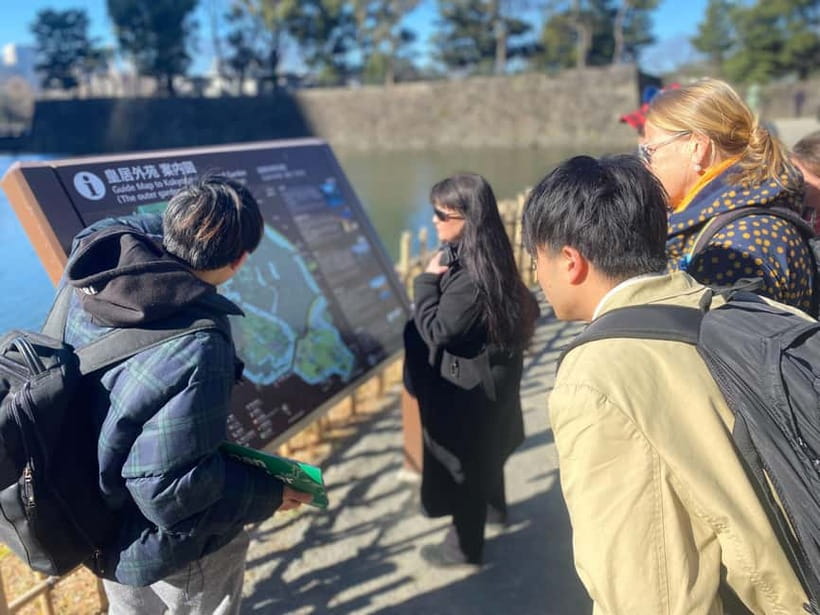
The meeting point is outside the Shin-Marunouchi Building, in front of STAND T cafe. From Tokyo Station’s Marunouchi Central Exit, it is about a two-minute walk. That’s a useful start for a tour centered on the city’s history: you meet close to one of Tokyo’s main transport hubs, then head straight into a district where modern business and old political power share the same ground.
The first stop is Tokyo Station, where the guide gives a brief introduction and time for photos. The station is a landmark in its own right, but the focus here is the transition from the contemporary city to the former castle grounds. If you’re new to Tokyo, the guide’s framing helps you understand that the palace area is not an isolated attraction. It sits within the broader story of Edo, the city that later became Tokyo.
From there, the walk leads toward the Imperial Palace. One of the tour’s strengths is that you don’t just arrive, take a picture, and move on. The guide explains the connection between the area and the shogunate, giving the walls, gardens, and gates a purpose beyond their appearance.
More Imperial Palace walks in Tokyo:
- Tokyo: Imperial Palace and Shogun Historical Walking Tour
★ 5.0 · 2,251 reviews - Tokyo: Imperial Palace Japanese History Walking Tour
★ 4.9 · 987 reviews - Tokyo: Imperial Palace and Shogun Walking Tour
★ 4.9 · 935 reviews
Reading the palace walls and gardens
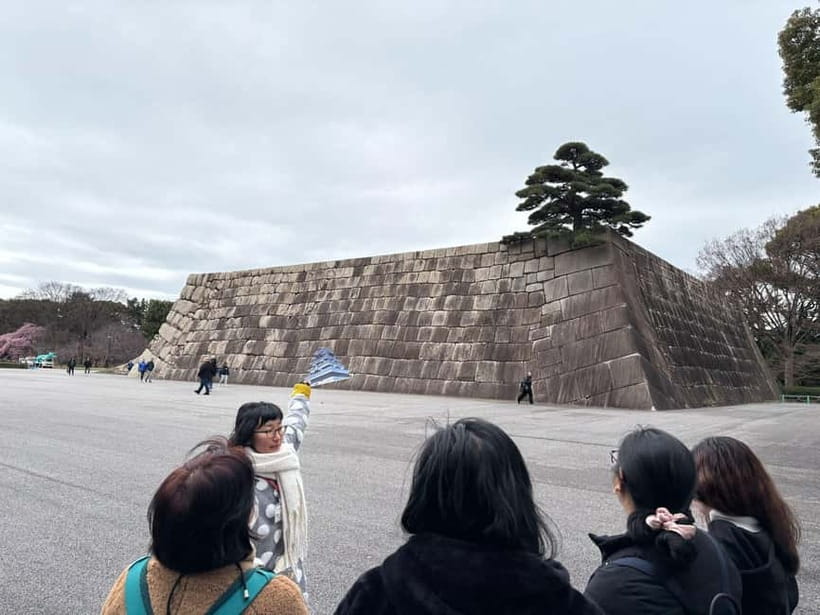
The Imperial Palace stop takes about an hour. That is a substantial share of a 210-minute tour, and rightly so: the palace grounds are the historical center of the route. You’ll see public areas rather than enter the inner palace, which is not open to the public. Keep that distinction clear when deciding if this outing matches what you want.
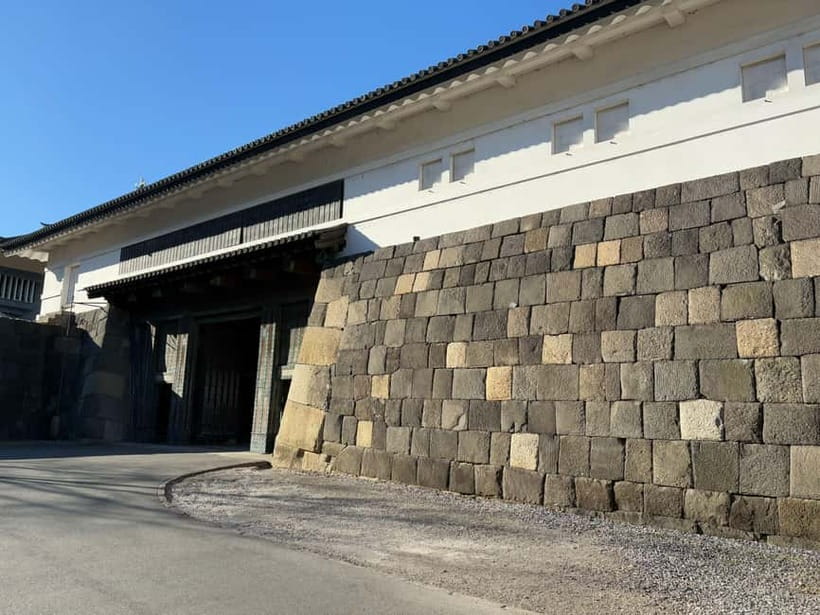
Ote-Mon Gate is one of the route’s key stops. The guide discusses the castle setting as you look at the surviving structures and the scale of the old defenses. The experience is more rewarding if you’re interested in how Japan’s political center worked than if you’re hoping to tour lavish palace interiors.
Ninomaru Garden offers a change of pace. Here, the tour turns from stonework and military history to Japanese garden design. The garden is a good place to pause, look closely, and let the guide connect the landscape to the wider castle grounds. The route also includes the Edo Castle ruins, where you can better picture how extensive the shogun’s domain was.
The point is not that every structure remains intact. Rather, you’re walking through a place whose importance is still legible in its layout and surviving features. The guide’s historical context is what turns a pleasant walk into a more coherent visit. If you have already seen the palace grounds on your own, the added value will depend on how much you enjoy the Edo and shogun story.
A brief stop by Nippon Budokan
The route passes Nippon Budokan for a short photo stop of about five minutes. It is a quick look, not a full visit, so don’t expect time to explore the building or its surroundings. Its place on the route helps connect the palace district’s layers of history with modern Tokyo.
This stop is a small part of the walk, but it also gives the group a moment to reset before the cafe break. The schedule is active, with several short stops and a longer palace visit, rather than long stretches spent in one place.
Coffee, questions, and a slower pause
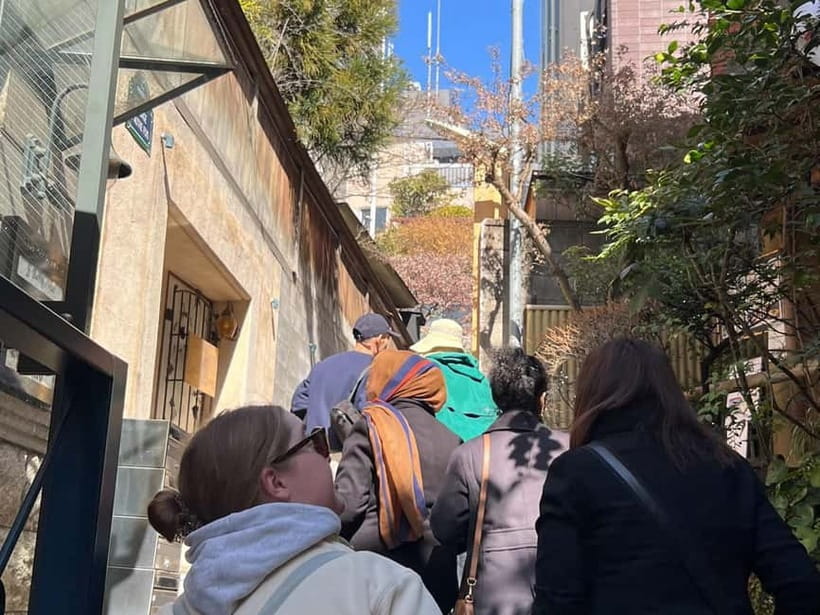
At Aomi Coffee Kudanshita, the group has a 25-minute break. Coffee or tea is included, and this is a useful point to sit down, ask the guide follow-up questions, and rest your feet. A cafe stop may sound modest, but it makes a half-day walking tour more comfortable and gives the historical material time to settle.
Guide quality matters on a route like this. Hiro and Shuntaro have led tours here, and their approach has been praised for clear explanations, answering questions, and adapting to the group’s interests. One guide also offered tips for exploring more of Tokyo. Your guide may be different, but the small group limit of eight gives you a better chance to have an actual conversation than a large, tightly managed tour would.
The break is still brief. If you need a long rest or a full meal, plan that for before or after the tour. The itinerary includes a snack later, but it is not described as lunch.
More tours and experiences in Tokyo:
- Mt Fuji and Hakone 1-Day Bus Tour Return by Bullet Train
★ 5.0 · 26,383 reviews - 1-Day Tokyo Bus Tour
★ 5.0 · 14,250 reviews - Tokyo: teamLab Planets TOKYO Digital Art Museum Entry Ticket
★ 4.6 · 9,779 reviews - Mt Fuji & Hakone Cruise, Drum Show Bullet Train 1 Day from Tokyo
★ 4.0 · 7,413 reviews
Tokyo Daijingu and the story of love
After the cafe, the walk goes to Tokyo Daijingu, where the guide spends about 20 minutes. The shrine is associated with love and good relationships, making it a distinct change from the political history of the palace. It adds a glimpse of everyday religious life and local custom to a route that might otherwise focus entirely on rulers and fortifications.
The stop is a good fit if you like seeing how historical sites and contemporary hopes coexist. The shrine is not presented as a major architectural tour; the appeal is its purpose and the guide’s explanation. If you’re mainly seeking a long, detailed shrine visit, this is a short stop within a broader walking tour.
Next comes the remains of Ushigome Gate. Like the palace structures, the remains help make the old castle’s boundaries more tangible. The tour links these separate locations into a sense of one vast former domain, rather than treating each as an unrelated photo opportunity.
Kagurazaka’s lanes and geisha-era past
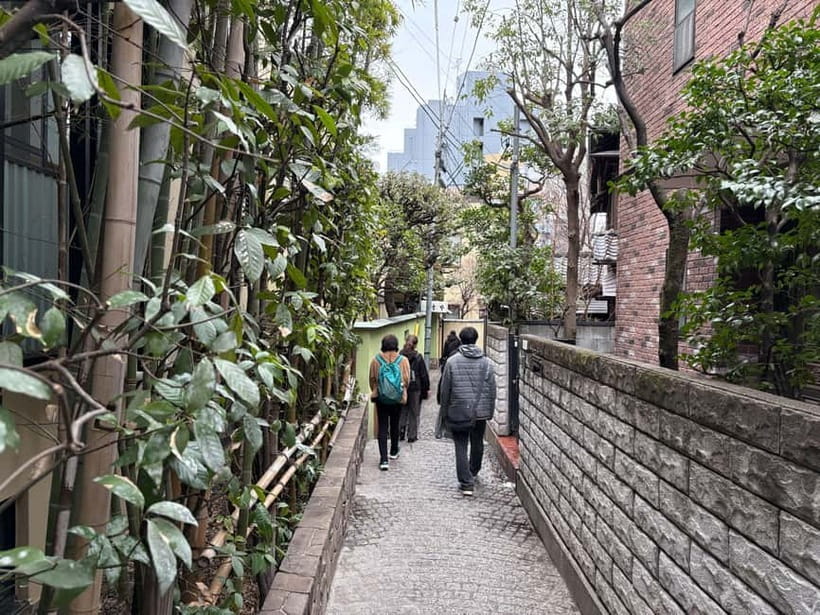
The final section takes you into Kagurazaka, a neighborhood whose back streets are the tour’s strongest contrast with the palace grounds. About 200 years ago, Kagurazaka was a red-light district with teahouses where maiko and geisha performed. Today, the area has local businesses and restaurants in traditional Japanese styles, and its narrow lanes preserve an atmosphere unlike the large, heavily visited districts of Asakusa or Shibuya.
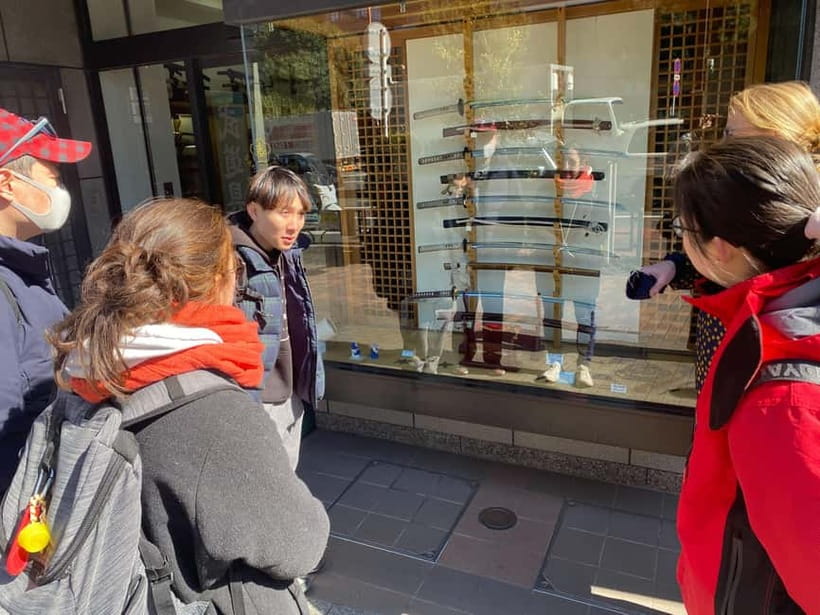
Geisya Komichi Alley, Hyogo Yokocho Alley, and Kakurenbo Yokocho are among the stops. The guide points out the lanes and shares their history, while you have time for photos. These are not grand monuments. Their value is in scale and mood: small streets, old neighborhood patterns, and a sense of local life that can be easy to miss if you stick to Tokyo’s headline sights.
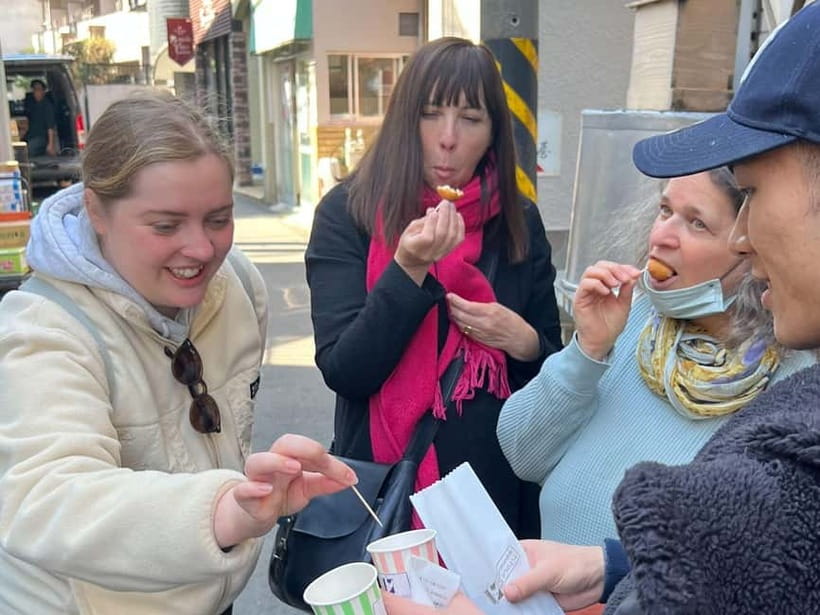
The tour also stops at a local shop for a snack. The exact shop may vary with opening days, so treat the snack as part of the neighborhood visit rather than a fixed tasting menu. It’s a modest inclusion, but it gives you a reason to stop inside a local business and try something in the area.
The finish is near FamilyMart Kagurazaka Sanchome. That leaves you in the neighborhood rather than returning to the starting point. You can continue exploring Kagurazaka on your own, or make your way elsewhere from there. The end location is worth noting when you plan the rest of your day.
What the $51 price gets you
At $51 per person, the value comes from the combination of a guide-led palace walk, historical interpretation, a small group, and a route into Kagurazaka. Coffee or tea and a snack are included, along with the guide and stops at several photo points. You’re paying for a structured route and local context, not admission to the inner palace or a full food tour.
If you would otherwise visit the palace grounds on your own, the main benefit is the guide’s explanation of Edo Castle and the links between the stops. If you prefer independent wandering and already know the shogun era well, you may find the guided format less necessary. But for a first visit, the route’s mix of major sights and quieter lanes makes the price easier to justify.
The tour has a 4.3 rating based on eight ratings. That is a small sample, so I would not treat the number as a guarantee. The more useful signs are the detailed praise for guides Hiro and Shuntaro, especially their ability to explain the sights, respond to questions, and offer ideas for the rest of a Tokyo visit.
Who should book this walk
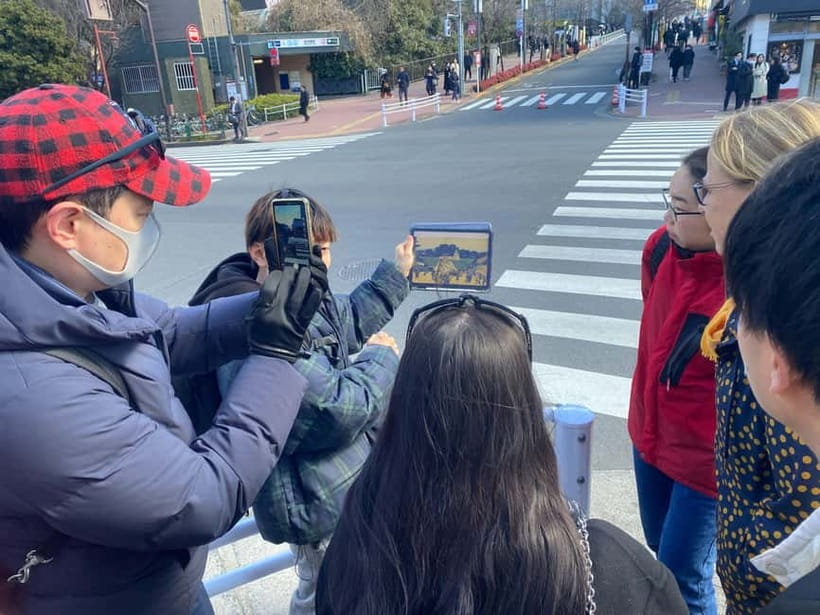
I’d recommend this tour if you want to understand the Imperial Palace area rather than simply take a few photos, and if you’re curious about the shogunate’s imprint on modern Tokyo. It also suits you if you enjoy walking through ordinary streets and want a quieter counterpoint to Tokyo’s better-known visitor districts.
It may be less appealing if you expect access to the inner palace, a long shrine visit, or extensive time at each Kagurazaka lane. The itinerary covers several places in 210 minutes, so the pace is purposeful. The tour is listed as unsuitable for pregnant women, and comfortable shoes and clothes are advised. Smoking, drones, weapons or sharp objects, and alcohol or drugs are not allowed.
Weather, shop opening days, or route conditions can affect the details. The snack stop may move to another local shop, and the finish may be delayed by about 15 minutes due to traffic conditions or another route adjustment. Allow some breathing room after the tour if you have a timed plan.
Should you book it?

Book this walk if you want a well-connected introduction to Edo Castle’s former grounds, with a guide to explain what you’re seeing and a memorable finish in Kagurazaka. The small group, cafe rest, and local snack help make the 3.5-hour route feel more personal than a quick palace-area loop.
Skip it if your priority is entering the inner palace or spending a long time at one site. For most visitors who want history with a dose of neighborhood life, this is a useful way to connect Tokyo’s shogun past to streets still shaped by local tradition.
FAQ
How long is the tour?
The tour lasts 210 minutes, or about three and a half hours. The end time may run about 15 minutes late due to traffic conditions or route changes.
Where does the tour start?
Meet outside the Shin-Marunouchi Building, in front of STAND T cafe. The Marunouchi Central Exit at Tokyo Station is the closest exit, about a two-minute walk away.
Where does the tour finish?
It finishes at FamilyMart Kagurazaka Sanchome, in Kagurazaka.
Does the tour go inside the Imperial Palace?
No. The inner palace is not open to the public, and the tour visits public grounds and sites in the surrounding area.
What is included in the price?
The tour includes an English-speaking local guide, a snack, coffee or tea during a short break, and photo stops.
How large is the group?
The group is limited to eight participants.
What should I bring?
Wear comfortable clothes and shoes. The tour involves walking through the palace area and Kagurazaka’s streets.
Freshly reviewed in Tokyo
- Tokyo: Toshimaya Sake Brewery Tour with Sake Tasting★ 5.0 · 6 reviews
- :Tokyo,Shibuya /Meiji Shrine tour in KIMONO/English-friendly★ 5.0 · 4 reviews
- Tokyo: Tour Privado por Tokio en español★ 4.3 · 4 reviews
- Tokyo:Tea ceremony experience at Komaba Warakuan★ 4.8 · 9 reviews
- :Tokyo,Shibuya/ Pro Photography in Kimono / English-Friendly★ 5.0 · 26 reviews
- Tokyo:Samurai Training : Swords, Bushido & Mental Discipline★ 5.0 · 6 reviews
- Tokyo:Mt Fuji & Hakone Day Tour with English Speaking Driver★ 5.0 · 26 reviews
- Tokyo:Nikko UNESCO World Heritage Sites Private 1-Day Tour★ 3.8 · 6 reviews
Imperial Palace Tours, compared.

Imperial Palace and Shogun Historical Walking Tour
Read our review →
Imperial Palace East Garden and Edo Castle Walking Tour in Tokyo
Read our review →
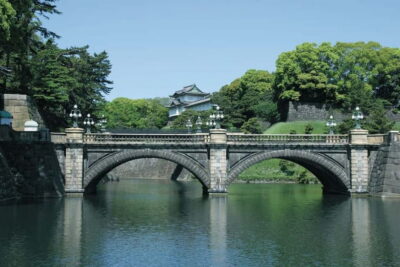
Imperial Palace, Sensō-ji Temple, & Tokyo Tower Tour
Read our review →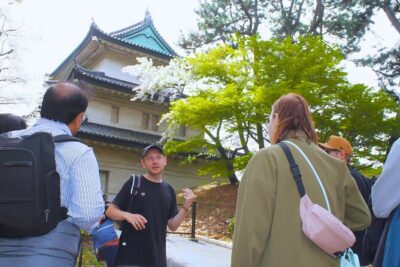
Tokyo Castle, Imperial Palace, Shogun & Garden Walking Tour
Read our review →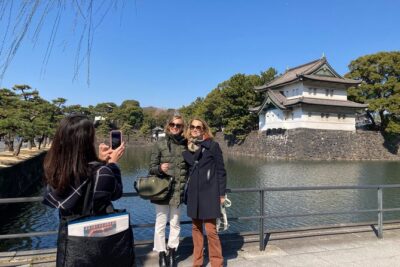
Tokyo Private Tour! Edo Castle & Imperial Palace East Gardens
Read our review →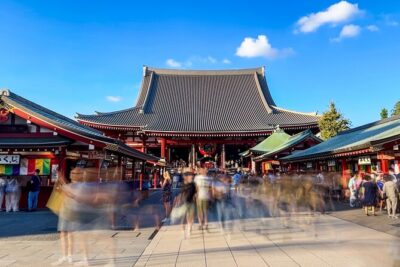
Full Tokyo: Meiji Shrine, Imperial Palace, Asakusa & Skytree
Read our review →Browse the lists this tour appears in