
Reviewed · IMPERIAL PALACE TOURS
Tokyo: Edo Castle Ruins & Imperial Palace East Garden Tour
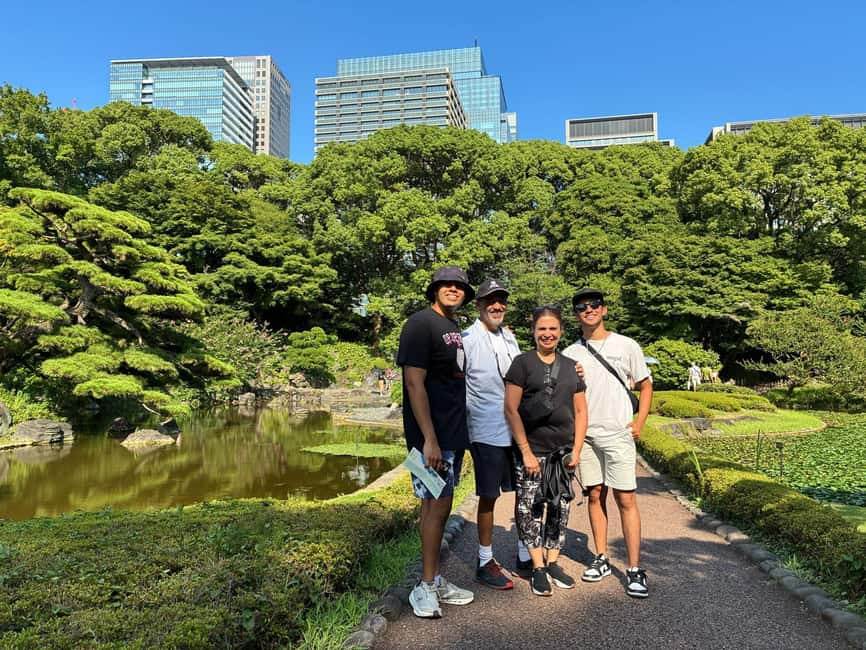
Edo Castle’s power is easiest to grasp at its gates and guardhouses, where the remains of a great fortress meet the gardens of today’s Imperial Palace East Gardens. This two-hour walk connects shogun-era defenses to the imperial setting that followed, with a guide to explain what you’re seeing.
I like the contrast between the imposing Otemon Gate and the quieter Ninomaru Garden, and the chance to hear the stories behind details such as the Wadakura Fountain, built to mark a royal wedding. At the Tenshu-dai, you can also look across the surrounding area from the former keep’s base.
One point to consider: you do not enter the Imperial Palace buildings or inner grounds. This is an outdoor history walk through the gardens and former castle site, and the quality of the storytelling matters. Some guides have been praised for patient, lively explanations, while one visitor felt the tour offered too little history.
At a glance
- Wadakura Fountain: Hear why this landmark was built to commemorate a royal wedding.
- Otemon Gate and guardhouses: See the castle’s defensive remains, including the Hyakunin Bansho.
- Tenshu-dai: Visit the site of the castle keep and take in views of the surrounding area.
- Ninomaru Garden: Slow down among carefully tended greenery and look for koi in the pond.
- Two hours with an English-speaking guide: A compact introduction, with private or small-group options available.
From Wadakura Fountain to Edo Castle
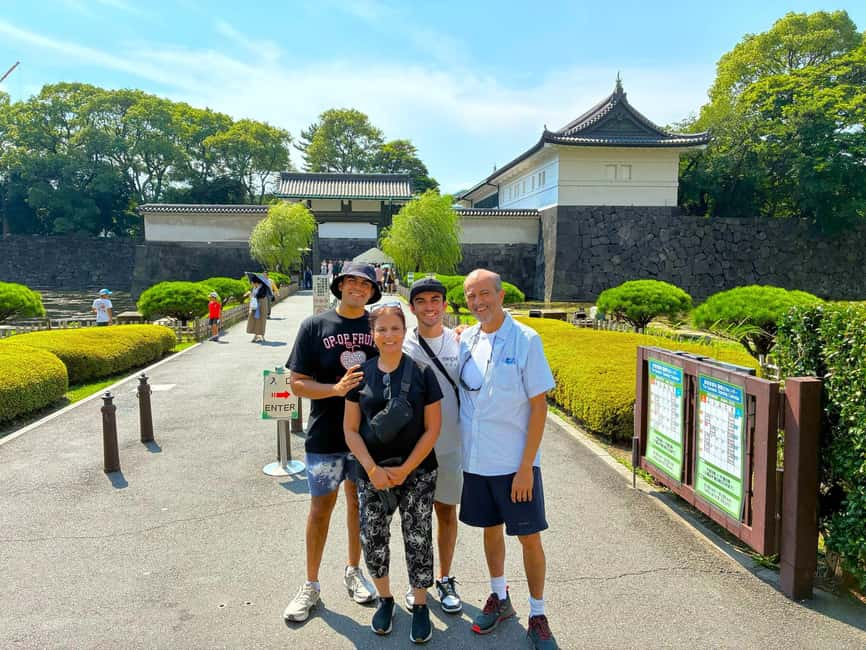
The meeting point is outside the entrance to the Wadakura Free Rest Area. Look for your guide holding a yellow sign. The tour begins at the Wadakura Fountain National Park, where the guide explains the fountain’s connection to a royal wedding. It is a useful opening: a modern memorial detail gives you a way into the broader story of Japan’s rulers and the palace grounds.
The fountain stop is scheduled for about 10 minutes, followed by a brief look at the Wadakura Moat. These first stops help set the scene before the route reaches the castle’s main entrance. They are short, so ask questions as they come to mind rather than saving them all for the end.
The tour then approaches Otemon Gate, one of the most substantial historic features on the route. A gate was not just an entrance. At a castle, it was part of a system for controlling access and protecting the compound. Your guide can help you read the structure as a piece of defense, not simply a photogenic backdrop.
From there, the walk continues to the Ote San-no-mon Gate Ruins. The remains are less complete than a standing gate, so the guide’s explanation makes a real difference. Without that context, you may see stones and outlines; with it, you can begin to picture how people and guards moved through the castle’s layers of security.
More Imperial Palace walks in Tokyo:
- Tokyo: Imperial Palace and Shogun Historical Walking Tour
★ 5.0 · 2,251 reviews - Tokyo: Imperial Palace Japanese History Walking Tour
★ 4.9 · 987 reviews - Tokyo: Imperial Palace and Shogun Walking Tour
★ 4.9 · 935 reviews
Guardhouses and samurai-era defenses
At the Doshin Bansho and Hyakunin Bansho, the focus shifts from gates to the people who guarded them. The Hyakunin Bansho is especially useful for understanding that castle defense depended on organized groups of guards, not just strong walls. The tour frames these buildings and ruins through stories of samurai heritage and the workings of the castle.
The itinerary allows around 10 minutes at the Hyakunin Bansho. That is enough for a focused explanation and a closer look, but not a long museum-style visit. If you are especially interested in samurai history, make this a point to ask your guide about the roles of the guards and how the different defensive areas fit together.
Guides have included Mari-san and Isao. Their names are useful clues to the kind of personal touch this tour can offer, but you should not expect a particular guide to be assigned. Past descriptions of the guiding range from warm and patient, with plenty of answers to questions, to a less talkative experience with little historical explanation. That difference matters here because many of the castle’s stories are not obvious from the ruins alone.
The former keep and Honmaru grounds
The route next enters the broader Edo Castle ruins and the Honmaru, or main hall, area. This is where the scale of the former castle becomes more apparent. The walk is not a visit to an intact palace interior; it is a guided look at the site and surviving traces, with the guide connecting the ground you walk on to the castle’s past role.
A stop at the site of Edo Castle’s Honmaru Main Hall provides a chance to hear about the central area of the castle. The itinerary gives this section about 10 minutes, after a 15-minute stop among the wider ruins. Those timings make the tour a brisk overview rather than an exhaustive study, but they help you connect the separate gates, guards’ quarters, and central grounds into one place.
The keep receives two kinds of attention. First, you see a restoration model of the Edo Castle keep, which helps make the lost structure easier to imagine. Then you visit the Tenshu-dai, the base associated with the keep, for panoramic views of the surrounding area. The model and the actual site work well together: one gives you a sense of the building, the other lets you stand where its mass once mattered.
This is a good part of the tour for photographs, though flash photography is not allowed. Bring a camera if you want to record the view, and comfortable shoes for the walk across the grounds. There is no need to treat the visit as a climb to a tower: the stated highlight is the view from the Tenshu-dai, not access to a reconstructed keep.
Trees, tea house, and the East Gardens
After the castle’s central grounds, the itinerary includes a stop identified as 都道府県の木, or the prefectural trees. It also visits Suwa no Chaya, a tea house. These stops offer a change of pace from walls and defensive structures, and they broaden the walk beyond the castle’s military story.
The route then moves through the Imperial Palace East Gardens. The gardens are open to this tour, but the palace’s inner grounds and buildings are not. That distinction is important when you book: you are visiting the public garden areas and historic remains, not touring the residence of the Imperial Family.
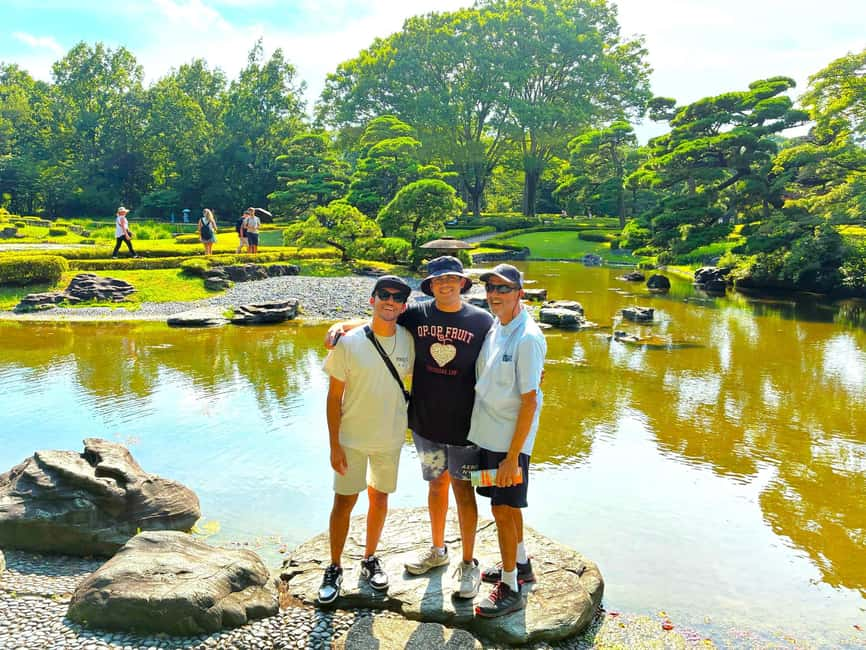
The final garden stop is Ninomaru Garden, with about 15 minutes to take in its quieter setting and pond, where koi fish can be seen. This is one of the tour’s gentler stretches. After the gates, guardhouses, and keep site, the garden gives you a chance to slow down and notice the living landscape of the grounds.
The tour returns to the Wadakura Free Rest Area, so you finish where you began. The whole experience is listed as two hours. Since it covers several sites and includes explanations at each, expect a steady walk with stops rather than a long spell sitting in one place.
More tours and experiences in Tokyo:
- Mt Fuji and Hakone 1-Day Bus Tour Return by Bullet Train
★ 5.0 · 26,383 reviews - 1-Day Tokyo Bus Tour
★ 5.0 · 14,250 reviews - Tokyo: teamLab Planets TOKYO Digital Art Museum Entry Ticket
★ 4.6 · 9,779 reviews - Mt Fuji & Hakone Cruise, Drum Show Bullet Train 1 Day from Tokyo
★ 4.0 · 7,413 reviews
How much history do you get for $37?
At $37 per person, this is a modestly priced guided introduction to a large historic site. Admission to Edo Castle and the Imperial Palace East Gardens is included, as is a live English-speaking guide and a commemorative photo opportunity. Food, drinks, personal expenses, and hotel transport are not included.
The price makes the most sense if you want the sites interpreted as you go. The moat, gate ruins, guardhouses, and keep base are much easier to understand when someone explains their purpose and links them together. If you are comfortable researching in advance and walking on your own, you may prefer to explore independently. One visitor felt the self-guided option would have been enough, a fair warning for anyone expecting a highly detailed lecture.
The strongest experiences have depended on guides who bring energy and patience to the history. Some have been described as answering questions carefully and taking extra time to explain the palace and Japan’s past. That is a worthwhile advantage in a place where the surviving structures do not tell the whole story by themselves. Still, you cannot assume every guide will offer the same depth, so arrive ready to ask questions.
Private or small groups are available, which may suit you if you want more room to ask questions or prefer a less crowded tour. The exact group arrangement depends on the option you book. The tour is in English, and its subject makes it a good fit for anyone curious about how shogun and imperial history meet in central Tokyo.
Who should book this walk?
Book it if you want a compact, guided introduction to the former Edo Castle site, especially if you enjoy hearing how gates and guardhouses worked rather than simply photographing them. The combination of military remains, the Tenshu-dai, and Ninomaru Garden gives the two hours a satisfying change of mood.
It is less suitable if you expect to enter the Imperial Palace, see its private buildings, or spend a long time at each landmark. The tour does not enter the inner palace grounds. It is also not suitable for children under six, people with mobility impairments, or wheelchair users.
Wear comfortable shoes, bring water, and take a camera if you like. Smoking and flash photography are not allowed. You can cancel up to 24 hours in advance for a full refund, and the reserve-now, pay-later option can help keep plans flexible.
Should you book?
For $37, I’d book this tour if I wanted a clear, guided overview of Edo Castle’s defenses and the East Gardens in one manageable outing. The best reasons are the stories behind the gates and guardhouses, the view from the Tenshu-dai, and the calmer finish in Ninomaru Garden.
I’d skip it if I mainly wanted access to the Imperial Palace itself, or if I prefer to set my own pace and read about the site before arriving. The buildings are off limits, and the value depends in part on how much your guide explains. If you go, ask questions early and treat the walk as a history lesson across an open-air site, not an interior palace tour.
FAQ
How long is the tour?
The tour lasts two hours and returns to the Wadakura Free Rest Area, where it begins.
What is the meeting point?
Meet outside the entrance to the Wadakura Free Rest Area. The guide will be waiting with a yellow sign.
Is the tour in English?
Yes. The live guide conducts the tour in English.
Can I enter the Imperial Palace buildings?
No. The palace buildings and inner grounds are not open to this tour. The visit focuses on the East Gardens and historic Edo Castle remains.
What is included in the price?
The price includes a live tour guide, admission to Edo Castle and the Imperial Palace East Gardens, and a commemorative photo opportunity.
Is hotel pickup included?
No. Hotel pickup and drop-off are not included.
Are private or small-group options available?
Yes. Private or small-group tours are available.
What should I bring?
Bring comfortable shoes, a camera, and water.
Is the tour suitable for wheelchair users?
No. The tour is not suitable for wheelchair users or people with mobility impairments.
Can I cancel for a refund?
Yes. You can cancel up to 24 hours in advance for a full refund.
Freshly reviewed in Tokyo
- Tokyo: Toshimaya Sake Brewery Tour with Sake Tasting★ 5.0 · 6 reviews
- :Tokyo,Shibuya /Meiji Shrine tour in KIMONO/English-friendly★ 5.0 · 4 reviews
- Tokyo: Tour Privado por Tokio en español★ 4.3 · 4 reviews
- Tokyo:Tea ceremony experience at Komaba Warakuan★ 4.8 · 9 reviews
- :Tokyo,Shibuya/ Pro Photography in Kimono / English-Friendly★ 5.0 · 26 reviews
- Tokyo:Samurai Training : Swords, Bushido & Mental Discipline★ 5.0 · 6 reviews
- Tokyo:Mt Fuji & Hakone Day Tour with English Speaking Driver★ 5.0 · 26 reviews
- Tokyo:Nikko UNESCO World Heritage Sites Private 1-Day Tour★ 3.8 · 6 reviews
Imperial Palace Tours, compared.

Imperial Palace and Shogun Historical Walking Tour
Read our review →
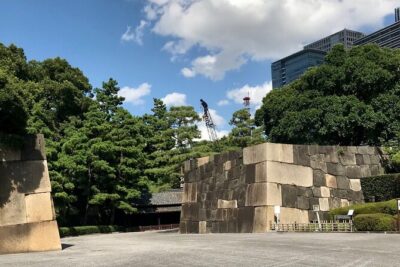
Imperial Palace East Garden and Edo Castle Walking Tour in Tokyo
Read our review →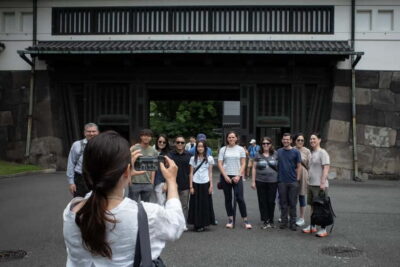
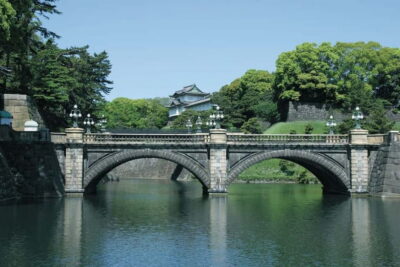
Imperial Palace, Sensō-ji Temple, & Tokyo Tower Tour
Read our review →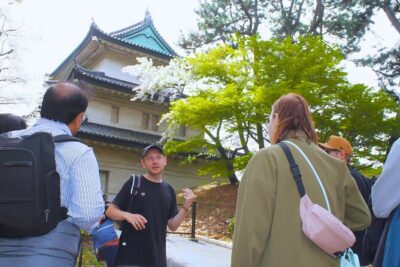
Tokyo Castle, Imperial Palace, Shogun & Garden Walking Tour
Read our review →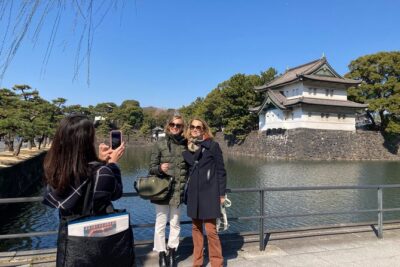
Tokyo Private Tour! Edo Castle & Imperial Palace East Gardens
Read our review →
Full Tokyo: Meiji Shrine, Imperial Palace, Asakusa & Skytree
Read our review →Browse the lists this tour appears in