
Reviewed · IMPERIAL PALACE TOURS
Tokyo: Edo Castle and Imperial Palace Guided Walking Tour
Edo Castle’s stones tell a story of power, fire, and hard choices. This walk takes you past its gates, moats, and guardhouses, then to the former Honmaru, the castle’s main compound. The shogun once governed Japan from here; today, the site is part of the Imperial Palace, where the Emperor resides.
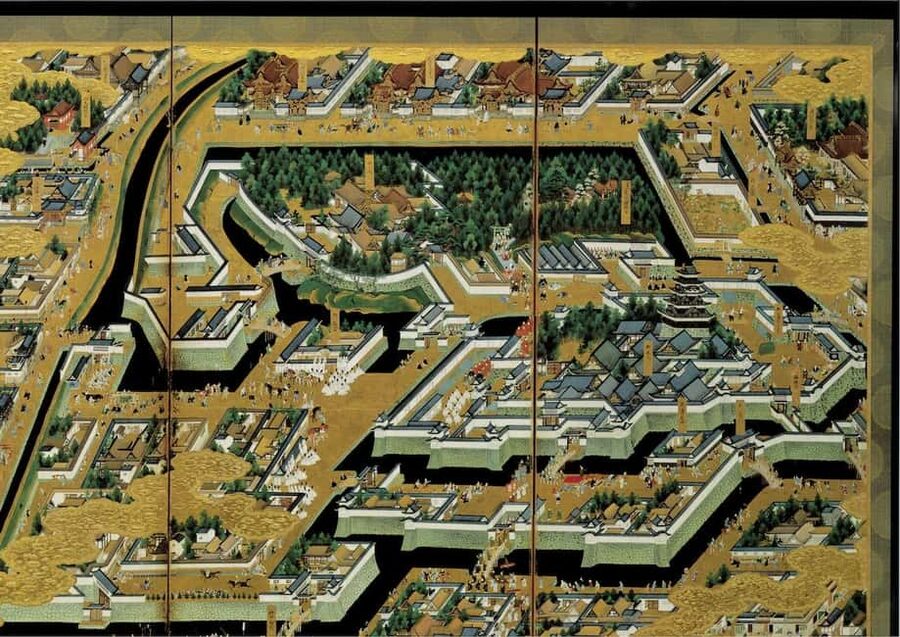
I like two things in particular: the guide uses a map of Edo in the 1650s to connect today’s route with the old city, and the tour gives you time to look closely at the stonework instead of treating the castle as a name on a history timeline. The small group, capped at eight, should also make it easier to ask questions.
The main consideration is that this is a 150-minute walking tour, not a visit inside the Imperial Palace. You’ll need comfortable shoes, and the route includes many short stops, so expect a steady walk rather than long periods sitting or sheltering indoors.
What makes this walk worth your time
- The old city comes into focus: A map of Edo in the 1650s helps you picture the shogun’s capital as you walk its former center.
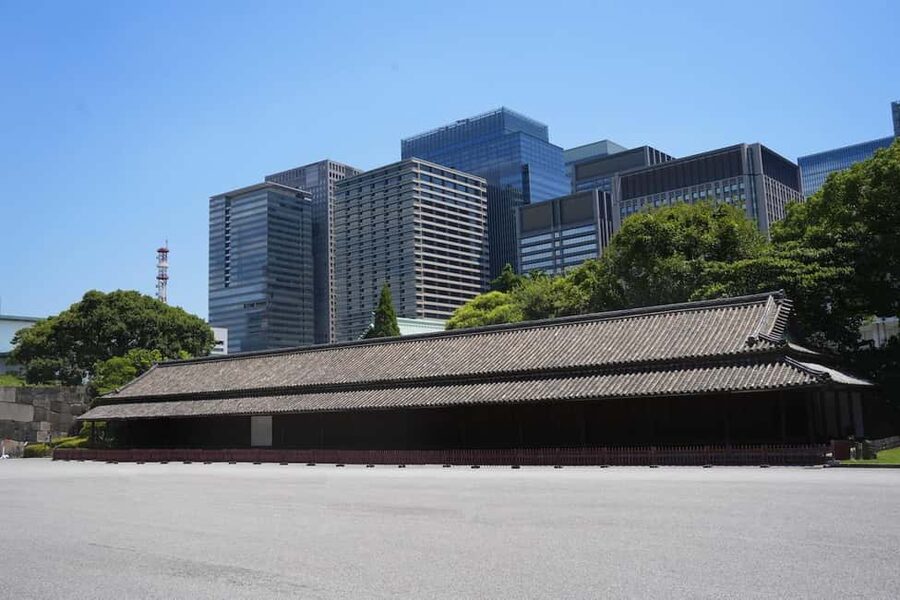
- Stonework has a story: See castle walls built using different methods, including carefully cut and more roughly fitted stones associated with the work of different daimyo.
- The 1657 fire adds a human decision: The guide explains why the castle’s main tower was not rebuilt after the Meireki fire, even though its stone base was constructed.
- The route includes working history, not just grand gates: Guardhouses and gate ruins help explain how people moved through and protected the castle.
- A small group keeps the pace personal: With no more than eight participants, you have room to hear the guide and ask questions.
- The price is strikingly low: At $3.22 per person, the guided walk offers unusually strong value if that price is available for your chosen date and time.
From Tokyo Station to the edge of Edo
The meeting point is the ground floor at Tokyo Station’s Marunouchi South Exit, beneath the historic yellow dome. It is a useful landmark in a busy station, but give yourself enough time to find the correct exit and reach the ground floor before the tour begins. The coordinates are 35.68048457383692, 139.76571024138642.
The first short walk leads to the Mitsubishi Ichigokan Museum, where the guide spends about 10 minutes. It is an early chance to set the scene before you reach the castle’s gates. The route does not present this as a museum visit, so think of it as a brief outdoor stop rather than time to explore exhibits.
From there, the walk shifts toward the castle boundary. That change matters: Tokyo’s modern streets and buildings sit beside an older system of moats, gates, and stone defenses. The guide’s Edo map gives you a way to compare the present-day city with the shogun’s capital, instead of asking you to imagine the past from a list of dates alone.
More Imperial Palace walks in Tokyo:
- Tokyo: Imperial Palace and Shogun Historical Walking Tour
★ 5.0 · 2,251 reviews - Tokyo: Imperial Palace Japanese History Walking Tour
★ 4.9 · 987 reviews - Tokyo: Imperial Palace and Shogun Walking Tour
★ 4.9 · 935 reviews
Sakurada-mon and the castle’s outer defenses
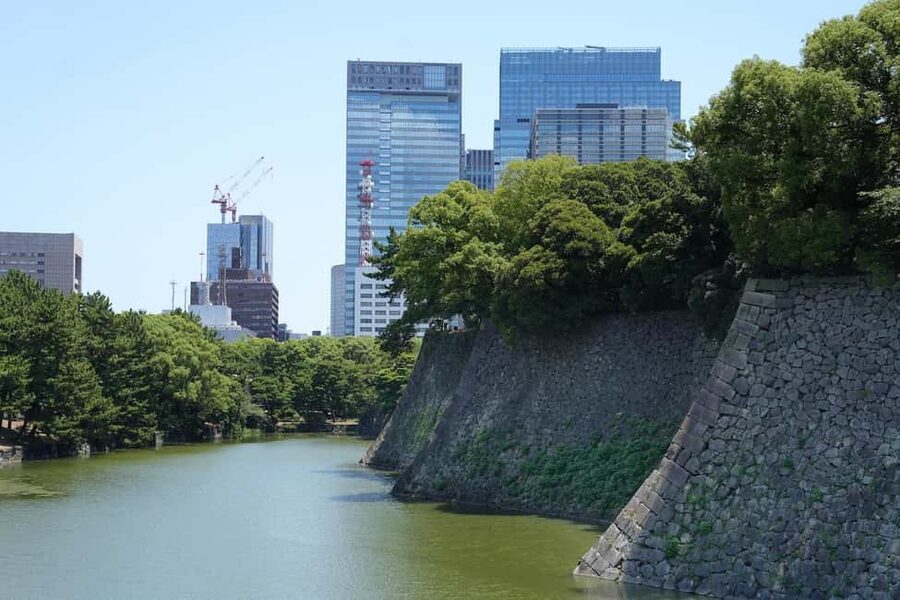
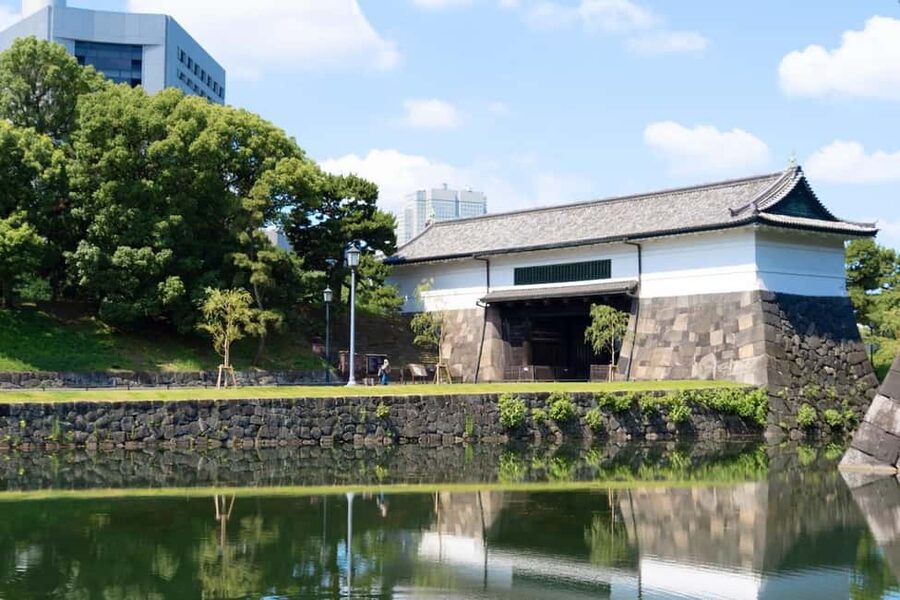
At Sakurada-mon Gate, the guide talks for about 10 minutes. This is one of the route’s longer gate stops, and a good place to begin noticing how the castle’s stonework and water defenses shaped access. You are not just walking past impressive masonry; the walls and moats helped define who could enter and how the castle was approached.
A short walk brings you to a brief stop in Chiyoda, followed by another at the Sakanoshita Gate security post. Each is scheduled for about five minutes. These quick pauses keep the walk moving while giving the guide room to explain how different points around the castle fit into its larger layout.
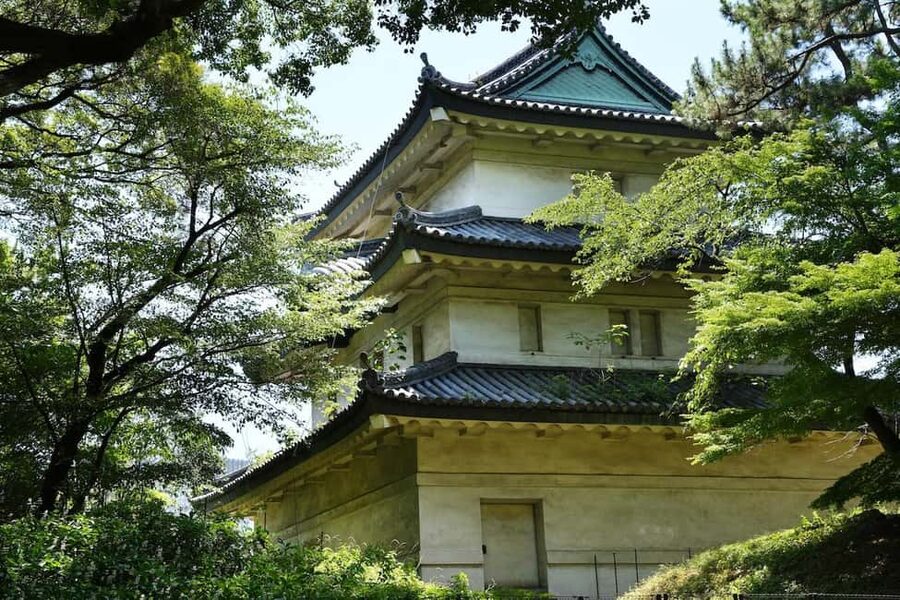
Kikyo-mon Gate gets another five-minute stop, followed by Sakurada Tatsumi Yagura, a corner turret, for about six minutes. Together, these stops give you more than one view of the castle’s defensive design. I’d pay attention to the changes in the stonework and the way the gates and moat relate to one another. The walk’s value lies partly in making those details legible, rather than treating every gate as the same photo opportunity.
Ote-mon, guard posts, and the route inward
The tour continues to Ote-mon Gate, a major entrance, with about five minutes of guided explanation. Nearby, the Ote-San’no Gate ruins and the Hyakunin Bansho Guardhouse add two more short stops. The guardhouse is scheduled for seven minutes, a little longer than many of the route’s individual points.
These stops help bring the castle’s daily operation into view. Gates controlled movement; guard posts were part of the system that watched over it. You’ll hear about the people who lived and worked within the castle grounds, not only the leaders whose names dominate the history books.
The route’s quick rhythm is worth keeping in mind. Most stops last five to seven minutes, so this is not a slow, unstructured wander. If you enjoy a guide who can link one place to the next and keep a narrative moving, that pace should suit you. If you prefer to linger over every wall or take frequent breaks, the schedule may feel brisk.
Honmaru: the main compound and the shogun’s seat
The longest stop is at the Site of Edo Castle Honmaru, the main compound, where the guide spends about 30 minutes. This is the heart of the historical story and the best chance to put the earlier gates and defenses into context. Edo Castle was the shogun’s residence and the center of the Tokugawa government for 260 years.
The guide uses the 1650s map to help you picture the city around the castle, then draws out the people and decisions tied to this ground. One especially revealing episode concerns the Meireki fire of 1657. The castle’s main tower was not rebuilt, even though a stone base for it was made. The explanation focuses on the choice to put the city’s recovery ahead of restoring the tower. That detail turns an architectural absence into a story about priorities and public life.
You’ll also hear about the political side of the Ōoku, the women’s quarters, as well as less familiar features connected with the castle’s inner workings. The important point is not simply that these subjects existed, but that the guide uses them to broaden the picture beyond shoguns and battles. The castle was a place where people lived, worked, and exercised influence.
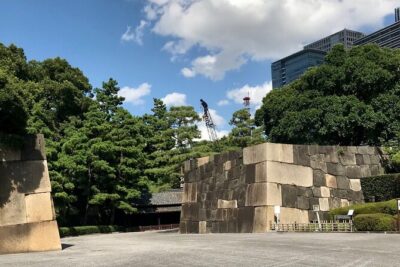
The stonework deserves a close look here, too. The castle was built through tenka-bushin, a system of large construction projects assigned to feudal lords. The masonry includes both carefully cut stones and more roughly fitted work, with subtle differences in style from one daimyo’s contribution to another. If you like noticing how buildings were made, this is a welcome detail: the walls become evidence of labor, politics, and regional identity.
More walking tours in Tokyo:
- Tokyo Tsukiji Fish Market Food and Culture Walking Tour
★ 5.0 · 3,184 reviews - Tokyo: Shinjuku Local Bar and Izakaya Guided Walking Tour
★ 4.9 · 1,794 reviews - Tokyo: Tsukiji Fish Market Food and Walking tour
★ 5.0 · 1,724 reviews - Tokyo: Asakusa Walking Tour with Sensoji Temple Visit
★ 4.8 · 1,583 reviews
Kita-Hanebashi and the walk toward Hirakawa-mon
After the Honmaru stop, the route passes Kita-Hanebashi Gate for about five minutes, then continues on foot to Takebashi for a short guided stop. These later sections bring the walk away from the main compound and toward its finish at Hirakawa-mon.
Hirakawa Bridge gets about seven minutes of explanation, and the tour ends at Hirakawa-mon. The finish gives the route a clear endpoint rather than sending you back to Tokyo Station. Check your next plans with that in mind, especially if you have a timed reservation elsewhere or need to return to your hotel.
By this point, the sequence of gates and guard posts should make more sense as a connected system. The tour covers many locations, but it is the guide’s explanations that tie them together: castle access, defensive design, the shogunate’s political center, and the transition to the Imperial Palace after the Meiji Restoration.
What you get for $3.22
The stated price is $3.22 per person, with an English-speaking guide and a small gift included. Transportation to the meeting point, meals, and drinks are not included. At that price, a 2.5-hour guided walk is a strong value, especially if you want historical context rather than a self-guided circuit of walls and gates.
The value depends on availability at that price, so check the amount and start time for your date before you book. Even at a higher price, a small-group guide can be useful here because the castle’s visible remains do not explain themselves. The map, the stories about the Tokugawa government, and the attention to construction details are what turn a walk around the grounds into a history lesson with a sense of place.
The group limit of eight is a practical plus. You are less likely to be far from the guide at a gate or wall, and questions should be easier to ask than in a large group. The tour is listed as wheelchair accessible, though the information provided does not spell out the precise route surfaces or access arrangements. If those details matter for your visit, confirm them with the provider before booking.
Who should take this tour?
I’d choose this walk if you’re curious about how Tokyo became the city it is today, or if you want a clearer picture of the Tokugawa shogunate than a quick look at a palace map can provide. It suits visitors who enjoy stories about governance and daily life as much as architecture, and anyone who likes studying old walls, gates, and the marks left by different building methods.
It can also work well as a first introduction to the Imperial Palace area. You’ll get a sense of the former castle’s scale and layout, along with the shift from shogun’s seat to imperial residence. Just be clear about what the tour offers: a guided walk around historic sites and grounds, not entry to the Emperor’s residence.
The strongest part is the way the guide links large historical events to specific places. The fire, the decision not to rebuild the tower, the political role of the Ōoku, and the castle’s varied stonework give you several ways to remember what you saw. The drawback is simply the pace: 150 minutes on foot, with many brief stops. Wear comfortable shoes, and come ready to keep moving.
Should you book it?
Book this tour if you want a compact, guided introduction to Edo Castle’s gates, moats, guard posts, and political history. The small group and unusually low listed price make it an appealing option, while the 30-minute Honmaru stop gives the central site room to breathe.
Skip it if you are looking for an indoor palace visit, a leisurely stroll with long breaks, or a route that returns you to Tokyo Station. For everyone else, this is a practical way to see how the Tokugawa capital’s old center still shapes the Imperial Palace area today.
FAQ
Where does the tour start?
It starts on the ground floor at the Marunouchi South Exit of Tokyo Station, under the historic yellow dome.
How long is the tour?
The tour lasts 150 minutes, or two and a half hours.
What language does the guide speak?
The live guide speaks English.
How many people can join the group?
The group is limited to eight participants.
What is included in the price?
An English-speaking guide and a small gift are included. Transportation to the starting point, meals, and drinks are not included.
What should I wear?
Wear comfortable shoes for walking.
Freshly reviewed in Tokyo
- Tokyo: Toshimaya Sake Brewery Tour with Sake Tasting★ 5.0 · 6 reviews
- :Tokyo,Shibuya /Meiji Shrine tour in KIMONO/English-friendly★ 5.0 · 4 reviews
- Tokyo: Tour Privado por Tokio en español★ 4.3 · 4 reviews
- Tokyo:Tea ceremony experience at Komaba Warakuan★ 4.8 · 9 reviews
- :Tokyo,Shibuya/ Pro Photography in Kimono / English-Friendly★ 5.0 · 26 reviews
- Tokyo:Samurai Training : Swords, Bushido & Mental Discipline★ 5.0 · 6 reviews
- Tokyo:Mt Fuji & Hakone Day Tour with English Speaking Driver★ 5.0 · 26 reviews
- Tokyo:Nikko UNESCO World Heritage Sites Private 1-Day Tour★ 3.8 · 6 reviews
Imperial Palace Tours, compared.

Imperial Palace and Shogun Historical Walking Tour
Read our review →
Imperial Palace East Garden and Edo Castle Walking Tour in Tokyo
Read our review →
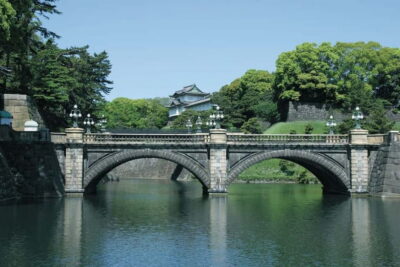
Imperial Palace, Sensō-ji Temple, & Tokyo Tower Tour
Read our review →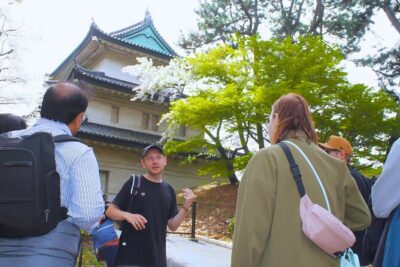
Tokyo Castle, Imperial Palace, Shogun & Garden Walking Tour
Read our review →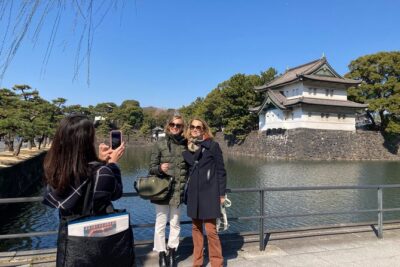
Tokyo Private Tour! Edo Castle & Imperial Palace East Gardens
Read our review →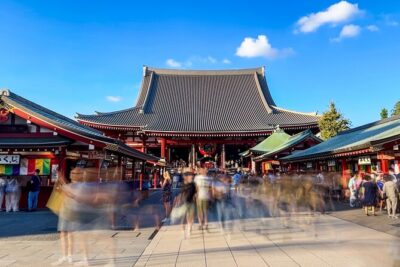
Full Tokyo: Meiji Shrine, Imperial Palace, Asakusa & Skytree
Read our review →Browse the lists this tour appears in