
Reviewed · TOKYO COOKING CLASSES
///Soba Making Experience///Use The BIG Soba-Knife!!
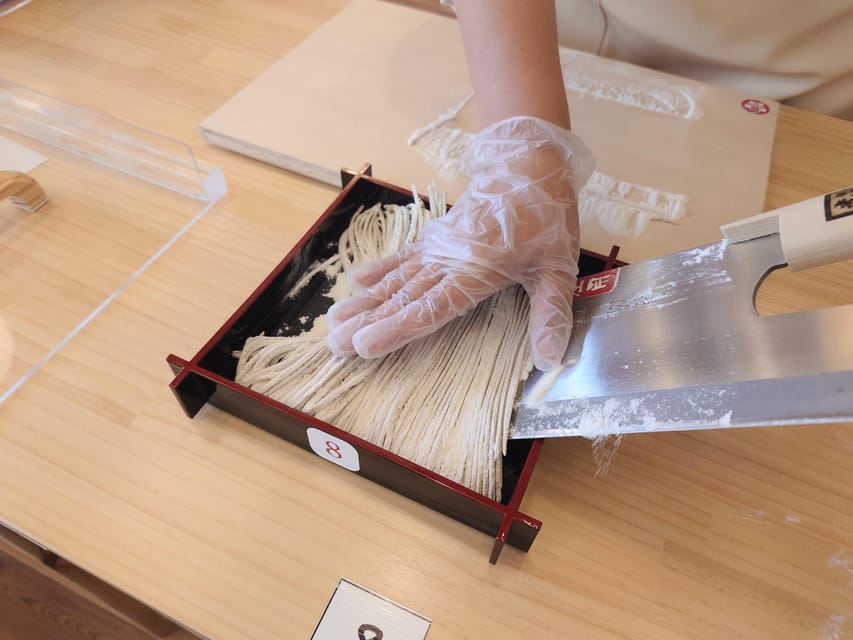
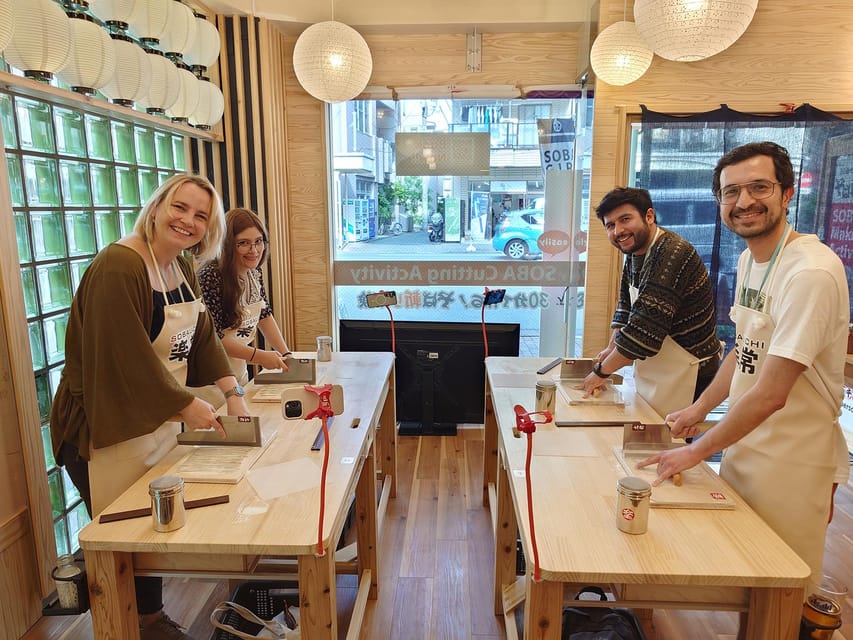
The big knife is the star here, but the real pleasure is eating noodles you have just made. At this Asakusa-area studio, you roll and cut soba from Shinshu buckwheat flour, then staff cook it for you while you settle in for a quick meal.
I like the hands-on lesson with a proper meal at the end, and the choice of flavors makes the eating part more interesting than a simple bowl of soy-sauce soba. The friendly, step-by-step instruction and photo time also make this a relaxed activity for couples, families, or a small group.
One point to plan around: the experience is described as 50 minutes, but the schedule includes about 30 minutes of making soba and 30 minutes to eat. Allow extra time if you have another booking to reach.
At a glance
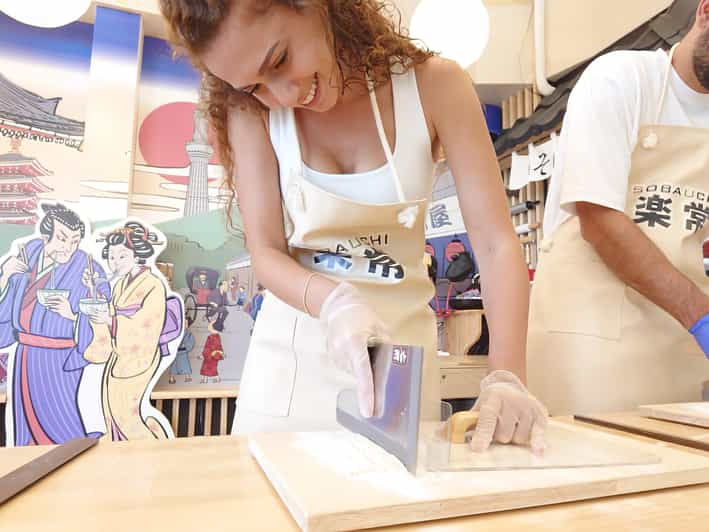
- Cut soba with a large knife: Roll and slice your own noodles in an open-kitchen studio.
- Use Shinshu buckwheat flour: The experience emphasizes high-quality flour from Nagano Prefecture.
- Choose your bowl: Options include wagyu sukiyaki, vegan tofu, walnut dressing, and shrimp salt soba.
- Get more than a lesson: Your meal, one drink, and all-you-can-eat Japanese snacks are included.
- Find it on Kappabashi Kitchenware Street: The meeting point is across from a food-sample shop with a large beetle sculpture.
- Allow for timing flexibility: The stated duration is 50 minutes, while the activity and meal schedule totals about an hour.
A quick noodle lesson on Kappabashi
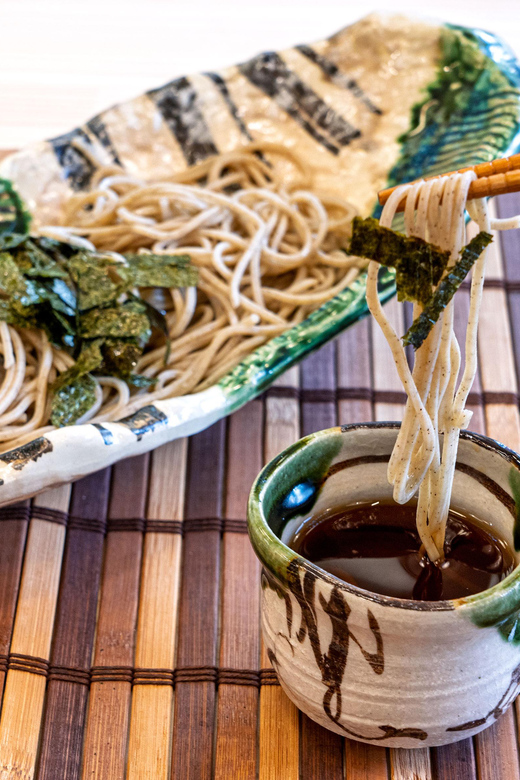
This experience takes place in Kappabashi, Tokyo’s kitchenware district, near Asakusa. The studio’s ground floor is spacious and open-air, with room for up to 25 participants at once. That capacity makes it possible to book as a couple, bring the family, or come with a larger group without squeezing around a tiny counter.
The location suits a short stop between other plans. The studio is about a 15-minute rickshaw ride from Sensoji Temple, and Kappabashi’s kitchen shops give you a reason to linger nearby before or after the lesson. The meeting point is diagonally across from a food-sample specialty store marked by a large beetle objet d’art, a useful visual clue in a district full of shops.
Arrive about 10 minutes before your start time for reception and handwashing. The staff speak Japanese and English, and an English audio guide is included. A past class also relied on a translator app when spoken English was not enough, so you can expect practical help rather than a long technical lecture.
More cooking classes in Tokyo:
- Sushi Making Tokyo Roll and Authentic Japanese Sushi Class
★ 5.0 · 3,971 reviews - Tokyo: Roll and Authentic Sushi Making Class in Asakusa
★ 4.9 · 1,957 reviews - Tokyo Shinjuku Chopsticks Making Class
★ 5.0 · 1,763 reviews
Rolling, cutting, and the big knife
The lesson begins with a short soba introduction, then moves into rolling the dough. You will work with buckwheat flour from Shinshu, in Nagano Prefecture, a region known for its soba. The activity is designed to keep the process manageable for beginners, using the studio’s own method to produce fine noodles in a short class.
Next comes the part that gives the experience its name: cutting with a large soba knife. Making thin, even strands takes a steady hand, but the class is built around guided participation, not a test of professional skill. Staff lead you through the steps and help you along, so you are not left alone with a heavy knife and a lump of dough.
The published schedule gives roughly five minutes to the introduction, 10 minutes to rolling, and 10 minutes to cutting. There is also time for photos before the staff boil your noodles. That quick turnaround is part of the appeal: you get to see the process from dough to meal without spending half a day in a cooking class.
The short format does mean this is more of a taste of soba-making than an in-depth course. If you want to master dough texture or learn several traditional techniques, you may find the lesson too brief. If you want a fun, tactile introduction and a meal you helped create, the pace makes sense.
Eating your noodles your way
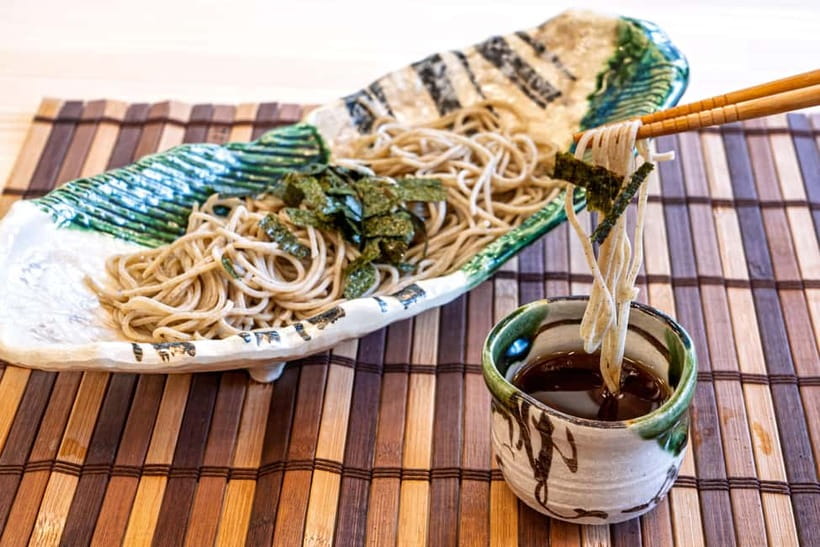
Once the noodles are ready, the class shifts from making to eating. The menu gives you several ways to try your soba, rather than locking everyone into a single preparation. Options include wagyu beef sukiyaki soba, chicken oyako yonaki soba, tofu vegan soba, cold zaru soba, walnut dressing, tomato salad, grated pork shabu, and shrimp salt soba served hot or cold.
Wagyu beef sukiyaki soba is the most popular choice, followed by vegan tofu soba and walnut soba. That range is useful if your group has different tastes or dietary preferences. The vegan option is explicitly included, and the menu also offers cold and hot preparations. If you have a specific dietary concern beyond choosing a vegan dish, ask the staff directly before booking; the available information does not spell out every ingredient or allergy procedure.
You get one complimentary drink, with choices that include beer, sake, highball, lemon sour, juice, and non-alcoholic beer. Japanese snacks are also available without limit in the eating area. The drink is one per person, not an open bar, but having it included makes the meal feel like more than a quick taste of the noodles.
You can expect the staff to boil the noodles after you cut them, so there is no need to manage cooking equipment yourself. That keeps the class simple and lets you focus on the hands-on parts, then enjoy the food without another chore.
What the price covers
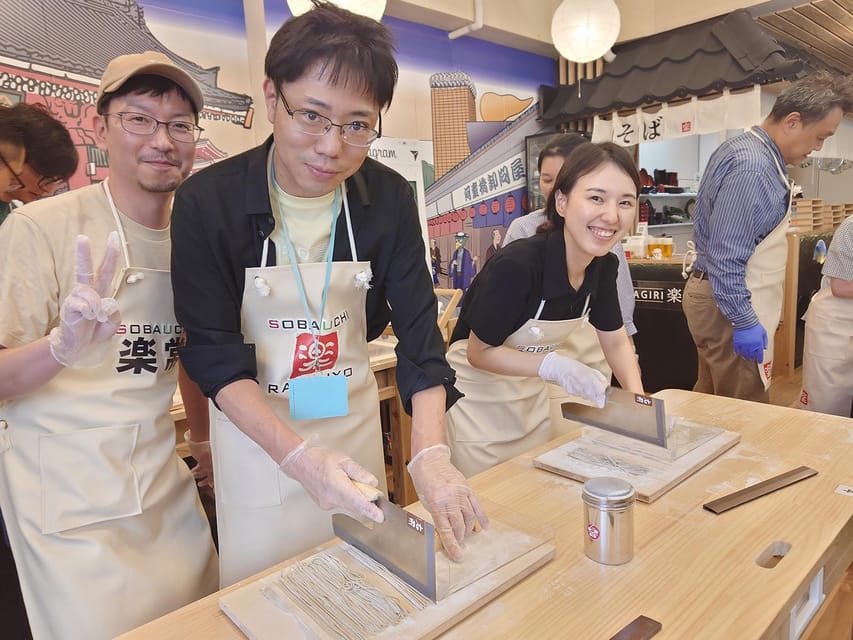
At $57 per person, this is not just a short cooking demonstration. The price covers the soba-making activity, the noodles you cut, a meal with a range of flavor options, one drink, and unlimited Japanese snacks. For someone who wants both an activity and lunch or a snack break, that bundle can offer decent value, especially compared with paying separately for a class and a meal nearby.
The value depends on how you use the visit. If you are only interested in learning the mechanics of noodle-making, 50 minutes may feel brief for the price. If you enjoy food experiences, want an easy group activity, and will make use of the included meal and drink, the package is more compelling.
It also has a practical advantage: you do not need to commit to a long class or a full-day excursion. The studio is set up for a quick stop, and the meal follows the lesson. Just leave a cushion in your schedule, since the advertised duration and the 30-minute activity plus 30-minute dining description do not line up exactly.
More tours and experiences in Tokyo:
- Mt Fuji and Hakone 1-Day Bus Tour Return by Bullet Train
★ 5.0 · 26,383 reviews - 1-Day Tokyo Bus Tour
★ 5.0 · 14,250 reviews - Tokyo: teamLab Planets TOKYO Digital Art Museum Entry Ticket
★ 4.6 · 9,779 reviews - Mt Fuji & Hakone Cruise, Drum Show Bullet Train 1 Day from Tokyo
★ 4.0 · 7,413 reviews
Who will enjoy the experience
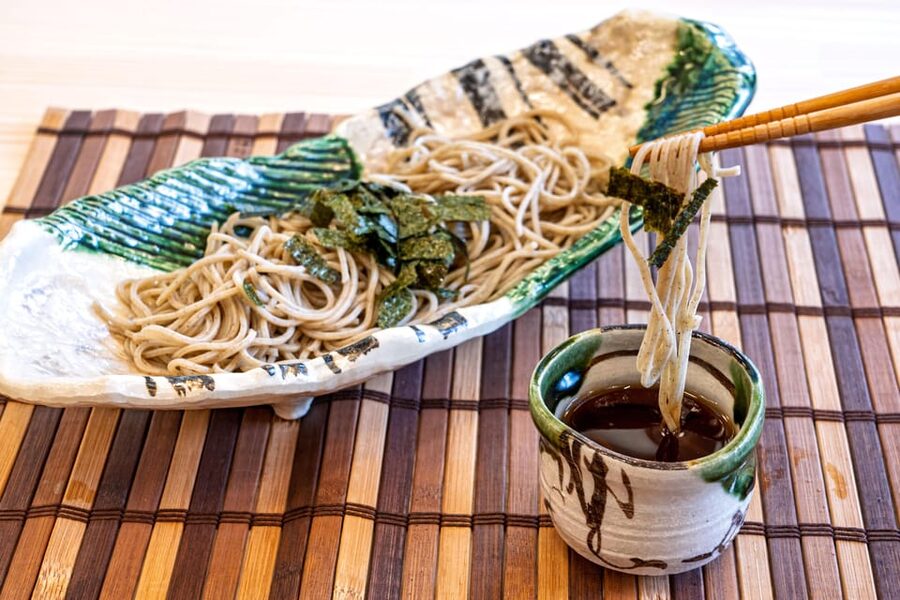
Couples are the most common type of group, but the format also suits families with children and groups of four or more friends. It is a social activity with a clear payoff: everyone gets to make something, take photos, and sit down to eat. The studio can accommodate up to 25 people, which helps when you are arranging an outing for a larger party.
The experience is listed as wheelchair accessible, and children under 2 are not considered suitable. For older children, the large knife is a notable part of the activity, so use your judgment and follow staff directions. The information provided does not specify an age minimum beyond the restriction for children under 2.
If your group includes a vegan diner, the tofu soba option makes this easier to plan. If someone needs to avoid wheat, note that the experience is described as using soba without wheat flour. That does not by itself confirm protection from cross-contact, so anyone with celiac disease or a serious allergy should check directly with the studio before booking.
A few practical details before you go
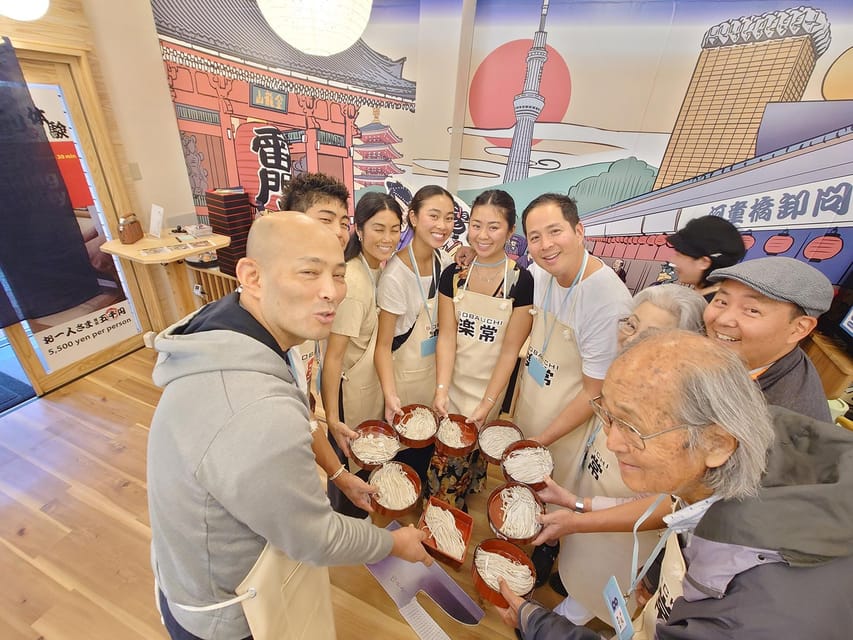
The studio is in the Kappabashi Kitchen Tool Specialty Store area, across from the food-sample shop with the large beetle sculpture. It is an easy landmark to recognize, and the area is well placed for browsing kitchenware shops or continuing toward Asakusa. The studio’s spacious ground floor and open layout are part of what makes the activity comfortable for a group.
The class is offered in Japanese and English, with an English audio guide included. You do not need to arrive with cooking experience. The staff give step-by-step guidance, and photos are part of the visit, so you can keep your hands on the task rather than trying to document every moment yourself.
The stated duration is 50 minutes, but the experience outline calls for about 30 minutes of making and 30 minutes of dining. Reception begins 10 minutes before the activity, and the flow also includes a short introduction and photo time. For planning, I would avoid placing a tight appointment immediately afterward.
Booking terms are flexible: you can reserve now and pay later, and cancellation up to 24 hours in advance qualifies for a full refund. Check the available start times when choosing a date, especially if you are fitting the activity around a visit to Sensoji or the Kappabashi shops.
Should you book this soba experience?
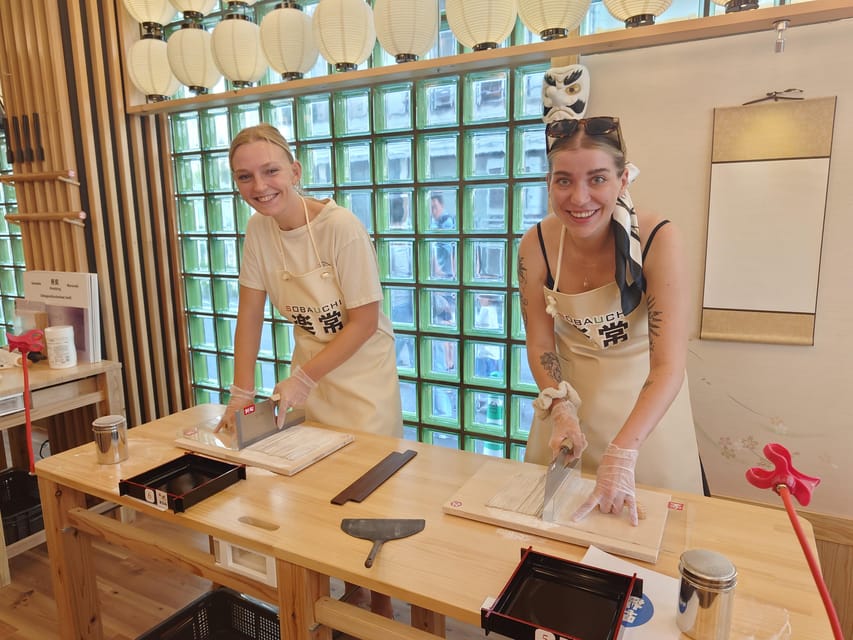
Book it if you want a compact, sociable food activity that ends with a meal, especially if you are already exploring Asakusa or Kappabashi. The big knife, guided noodle-making, varied flavors, included drink, and snack table give the session several small pleasures without demanding a full day.
Think twice if your main goal is a thorough cooking course, or if you need a strict finish time. The class is intentionally quick, and the stated 50-minute duration does not neatly match the meal schedule. For a first taste of making soba, though, the mix of hands-on work and eating your own noodles makes this a distinctive stop.
FAQ
How long does the soba-making experience take?
The activity is listed as 50 minutes. Its schedule describes about 30 minutes for making soba and 30 minutes for dining, so allow extra time.
What is included in the price?
The price includes the soba-making experience, dining on the soba you cut, one drink, and all-you-can-eat Japanese snacks.
What will I do during the class?
You will learn about soba, roll the dough, cut it with a large soba knife, take photos, and have the staff boil your noodles.
What kinds of soba can I eat?
Choices include wagyu sukiyaki, chicken oyako, tofu vegan soba, cold zaru soba, walnut dressing, tomato salad, grated pork shabu, and shrimp salt soba, hot or cold.
Are drinks included?
Yes. One drink is included per person. Choices listed include beer, sake, highball, lemon sour, juice, and non-alcoholic beer.
Is there a vegan option?
Yes. Tofu vegan soba is one of the menu choices.
Where is the meeting point?
It is on Kappabashi Kitchenware Street, diagonally across from a food-sample specialty store with a large beetle objet d’art.
Is the activity suitable for young children?
Children under 2 are listed as not suitable. The activity is described as popular with families with children, but no further age guidance is provided.
Freshly reviewed in Tokyo
- Tokyo: Toshimaya Sake Brewery Tour with Sake Tasting★ 5.0 · 6 reviews
- :Tokyo,Shibuya /Meiji Shrine tour in KIMONO/English-friendly★ 5.0 · 4 reviews
- Tokyo: Tour Privado por Tokio en español★ 4.3 · 4 reviews
- Tokyo:Tea ceremony experience at Komaba Warakuan★ 4.8 · 9 reviews
- :Tokyo,Shibuya/ Pro Photography in Kimono / English-Friendly★ 5.0 · 26 reviews
- Tokyo:Samurai Training : Swords, Bushido & Mental Discipline★ 5.0 · 6 reviews
- Tokyo:Nikko UNESCO World Heritage Sites Private 1-Day Tour★ 3.8 · 6 reviews
- Tokyo:Mt Fuji & Hakone Day Tour with English Speaking Driver★ 5.0 · 26 reviews
Tokyo Cooking Classes, compared.
Sushi Making Tokyo Roll and Authentic Japanese Sushi Class
Read our review →
Roll and Authentic Sushi Making Class in Asakusa
Read our review →
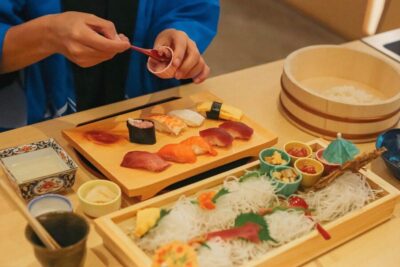
Sushi Making Class in a Happi Coat near a Famous Spot
Read our review →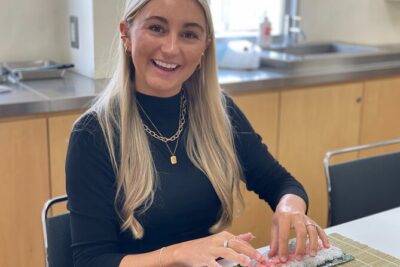
Tokyo Sushi Making Class in Tsukiji with Professional Chef
Read our review →
Ramen & Gyoza Cooking Class in Tokyo with Local Supermarket Visit
Read our review →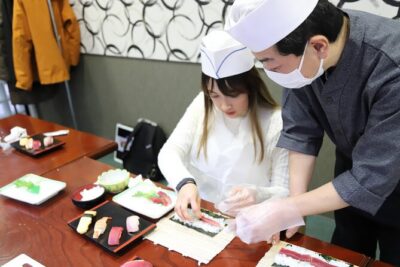
Tsukiji Fish Market Guided Tour and Sushi Making with Pro Chef
Read our review →
Matcha Making Class in Tokyo with Authentic Japanese Sweets Set
Read our review →Browse the lists this tour appears in