
Reviewed · TOKYO WALKING TOURS
Yanaka District: Historical Walking Tour in Tokyo’s Old Town
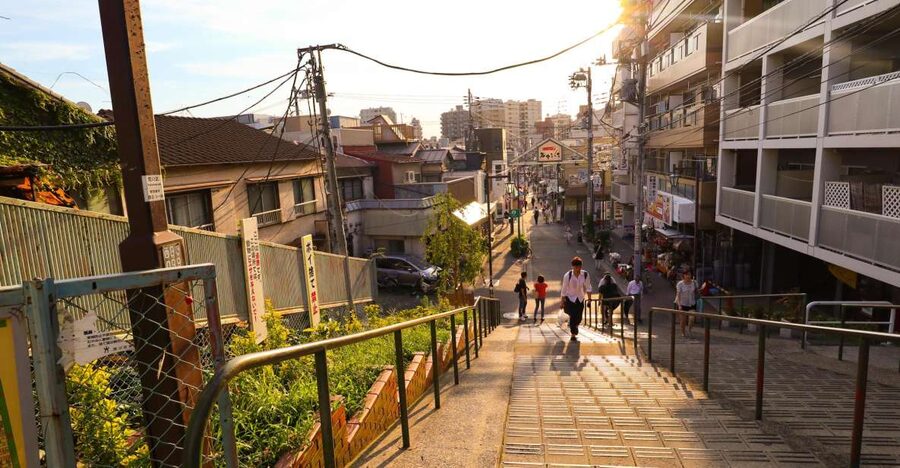
Yanaka offers a different Tokyo: small lanes, neighborhood shops, a long-running market, and the everyday pace of an older district. This 3.5-hour walk pairs that local feel with a visit to Nezu Shrine and a hands-on lucky-cat painting session.
I like two things especially: the small group, capped at seven, makes it easier to ask questions, and the café craft break gives your feet a rest without breaking the neighborhood rhythm. The route also includes food samples in Yanaka Ginza, so you get a taste of the local shopping street rather than just a look.
The main consideration is the walking. You cover several areas on foot, and some locations are not accessible by wheelchair or stroller. There is also a timing mismatch in the published details: the stated visit lengths add up to more than the advertised 210 minutes, so ask about the day’s pacing when you book.
What makes this Yanaka walk worthwhile
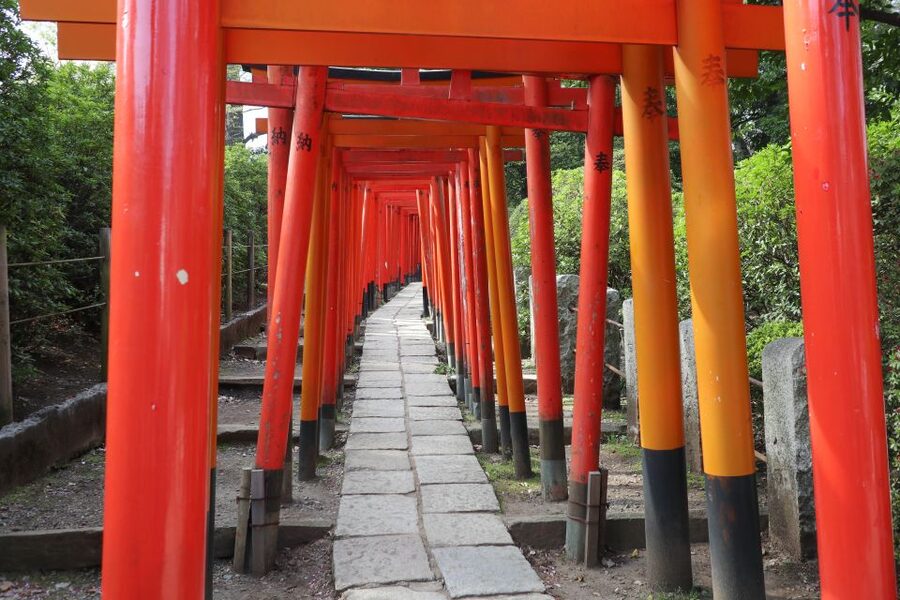
- Nezu Shrine’s red torii gates: Visit a historic shrine and hear about Shinto beliefs and practice.
- A market with roots in the 1940s: See a neighborhood shopping area where local routines continue alongside snack stops.
- Residential Yanaka lanes: Walk streets and backstreets that show a quieter side of central Tokyo.
- A lucky-cat painting break: Make a Maneki neko at a café, with a drink and sweet treat included.
- A small group and local guide: The tour is limited to seven participants and is led in English.
A quieter Tokyo begins at Nezu Station
The meeting point is outside Exit 1 of Tokyo Metro Nezu Station. Your guide waits at the top of the stairs with a red or orange MagicalTrip sign. This is a useful detail: Nezu is the starting point, so you do not need to make your way to a major downtown landmark first.
Yanaka’s appeal is its contrast with districts such as Shinjuku and Shibuya. Instead of giant commercial streets, expect a slower walk through an old neighborhood, with shrines, homes, small shops, and the sounds of daily errands. Yanaka is noted for surviving wartime attacks and major earthquakes, and its older character is part of what makes the area feel distinct from much of modern Tokyo.
The tour is designed to help you notice more than the buildings. A local guide can explain what you are seeing, answer questions about Japanese customs, and point out details you might pass without context. That human element is a key part of the value, especially if this is your first visit to Tokyo or you want a break from the city’s best-known districts.
More walking tours in Tokyo:
- Tokyo Tsukiji Fish Market Food and Culture Walking Tour
★ 5.0 · 3,184 reviews - Tokyo: Imperial Palace and Shogun Historical Walking Tour
★ 5.0 · 2,251 reviews - Tokyo: Shinjuku Local Bar and Izakaya Guided Walking Tour
★ 4.9 · 1,794 reviews
Nezu Shrine and the meaning of the torii
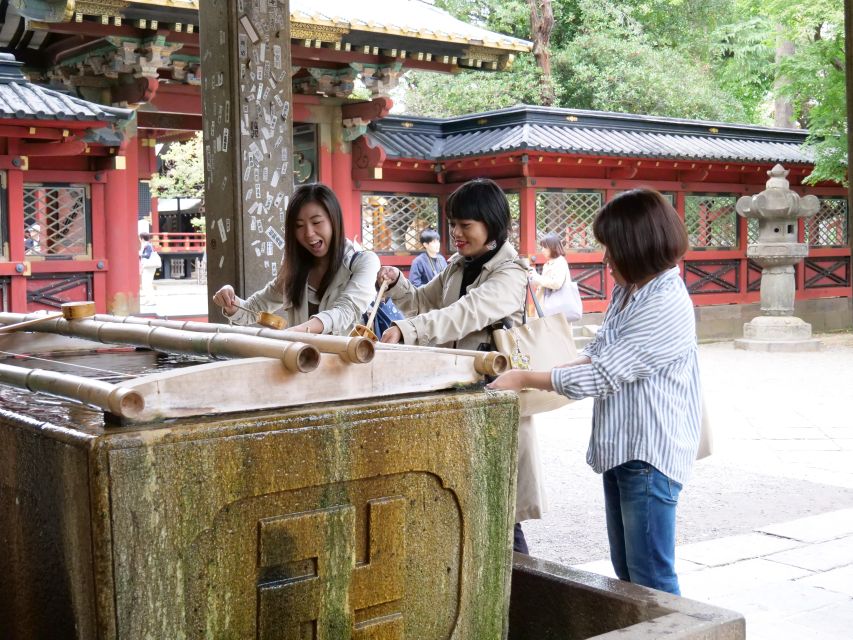
The first stop is Nezu Shrine, with about 20 minutes set aside for a visit. Its red torii gates make a striking photo stop, but the guide’s explanation of Shintoism is what gives the visit more substance. You can ask how traditional religious practices fit into Japanese life and get a clearer sense of what a shrine represents.
The tour describes Nezu as Tokyo’s oldest shrine. Treat this visit as a brief introduction rather than an extended temple or shrine study: the allotted time is short, and the route has several more stops to come. If you have questions about shrine etiquette or the history of the site, this is a good moment to ask them.
The shrine visit also offers a helpful frame for the rest of the walk. You will move from a place of worship into residential streets and everyday shopping areas, seeing how local life and cultural traditions sit side by side. Guides such as Hina and Masae have been praised for explaining the shrine and answering questions, but your guide will vary by departure.
Hebimichi and the small streets of Yanaka
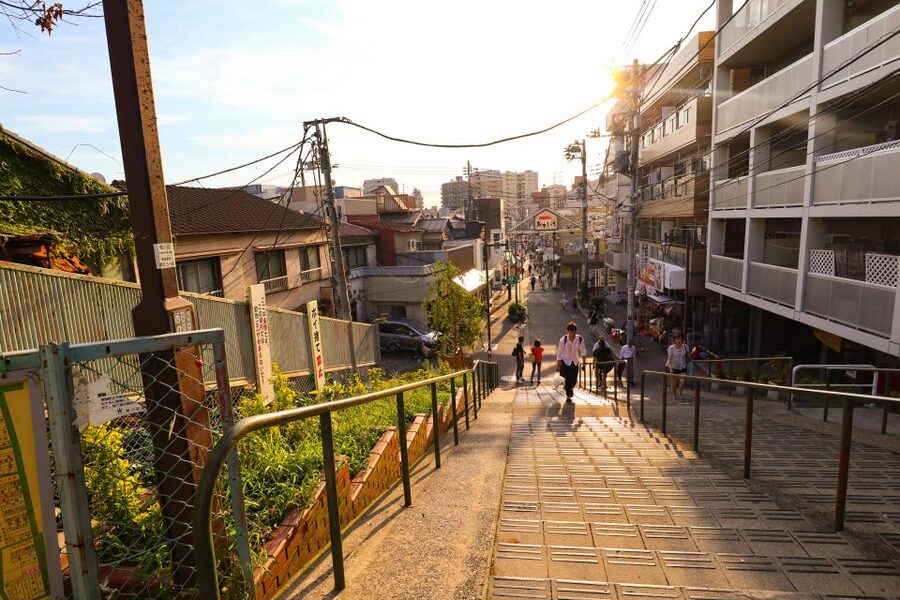
From Nezu Shrine, the route continues through Hebimichi and residential areas. The itinerary assigns this part 45 minutes. Expect a walk through narrow neighborhood streets, past local shops and stalls, rather than a procession of major landmarks. The appeal is the change of scale: Tokyo feels less like a vast city and more like a collection of lived-in neighborhoods.
This stretch is where a guide can make a real difference. The streets may look simple at first glance, but a local guide can add context about the area and its residents. Past guides have included Ramesh, Kenji, Yoko, and Inok, and visitors have valued their willingness to answer questions and adjust explanations to the group’s interests. You can make the most of that by asking about the local details that catch your eye.
The route is a walking tour, not a vehicle-based sightseeing circuit. Wear comfortable shoes and clothes, and prepare for the season. Tokyo summers can reach 40°C (110°F), while winter lows can fall to -5°C (20°F). Shade and rest matter in hot weather, and warm layers make sense in winter.
A café pause with a Maneki neko
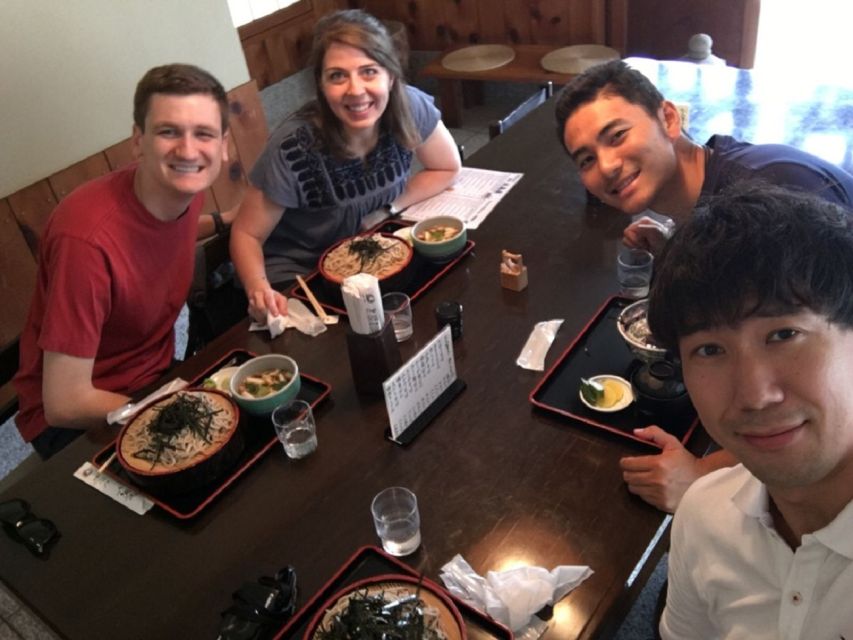
The café stop is the tour’s main change of pace. You get 75 minutes for a drink, a sweet treat, and a lucky-cat painting activity. The Maneki neko, or beckoning cat, is a familiar Japanese good-luck figure. Here, instead of simply buying one as a souvenir, you paint your own.
I like this break because it gives you something to do besides walk and listen. It is also a relaxed setting for questions and conversation with your guide and the rest of the small group. Several guides have been praised for making the activity fun and easygoing, and solo participants have found the small-group format especially comfortable.
The craft is not a formal art lesson, so go in expecting a hands-on cultural activity rather than a technical workshop. Your finished cat can be a personal keepsake, and the included drink and sweet treat add practical value to the $79 price. If you have food allergies or dietary restrictions, be cautious: the tour cannot guarantee allergy-free food or promise substitutions at every stop.
More history tours in Tokyo:
- Tokyo: Imperial Palace Japanese History Walking Tour
★ 4.9 · 987 reviews - Yanaka Walking Tour: Historic and Traditional District of Tokyo
★ 5.0 · 530 reviews - Tokyo: Shinjuku Historical Walking Tour & Secret Backstreets
★ 5.0 · 530 reviews - Mt. Fuji Heritage Tour: Traditional Villages, Lakes & Shrine
★ 4.5 · 509 reviews
Yanaka Ginza, market snacks, and local shopping
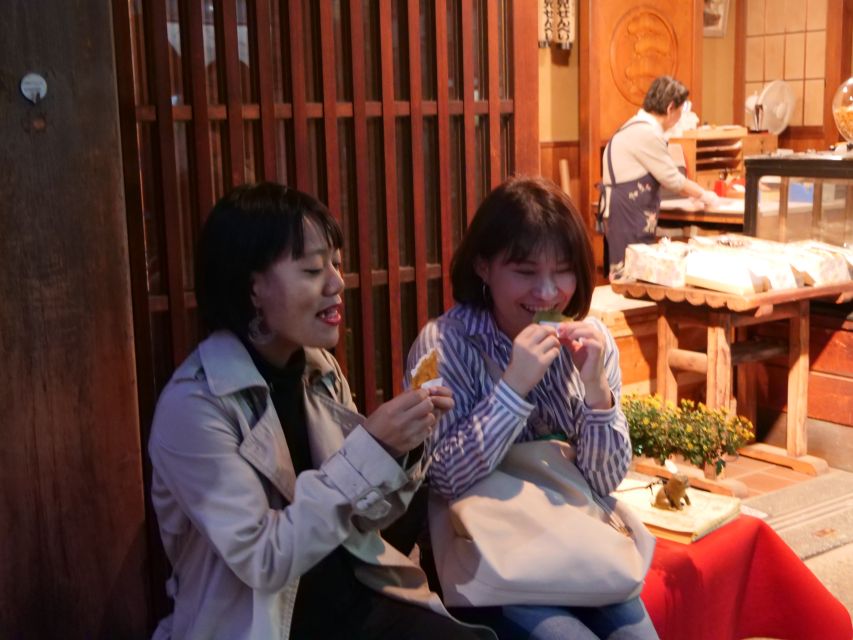
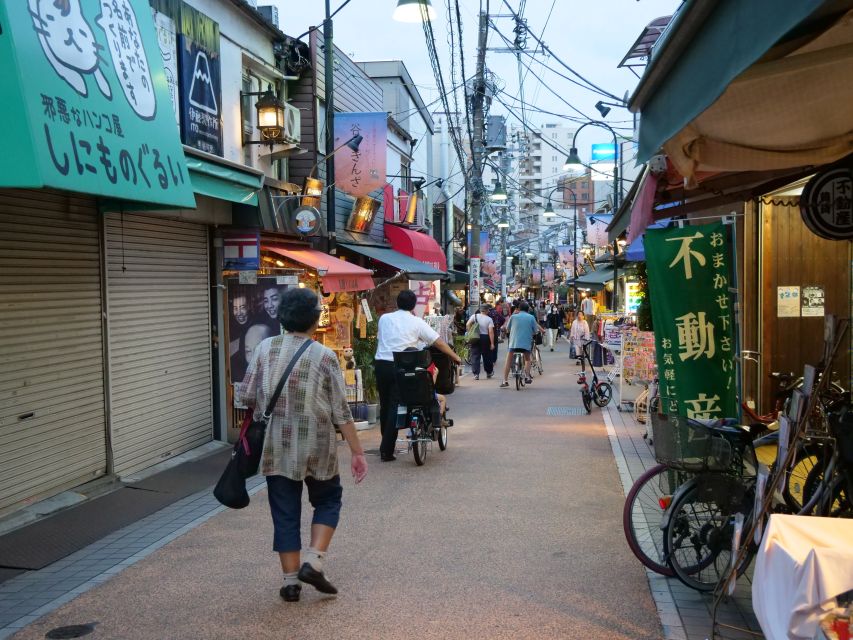
The final part of the walk centers on Yanaka District, including Yanaka Ginza, a shopping street known for its old-Tokyo character and local food. The tour sets aside 100 minutes for this section. You can browse the shops, try samples of local snacks and sweets, and see the market in action rather than arriving after the day’s activity has ended.
The market is described as dating to the 1940s and serving local residents. That makes it more than a backdrop for photos: it is a place to notice ordinary shopping and neighborhood routines. Food sampling gives you an easy introduction to flavors you might not choose on your own, while the guide can explain what is being sold and where local treats come from.
You may want to bring extra cash if you plan to buy more. The included samples are part of the tour, but additional food and drinks are not, and many older shops do not accept credit cards. Some people also use the stop to shop for souvenirs. If that is on your list, the guide can help you understand what you are looking at, but remember that browsing and purchases are optional.
What the $79 price includes
At $79 per person, this is more than a guided walk. The price covers an English-speaking local guide, the walking tour, one café drink and sweet treat, the lucky-cat painting activity, local snack and sweet samples, and tour photos. If you would otherwise pay separately for a craft activity and several tastings, those inclusions make the cost easier to justify.
The strongest value is in the combination: a guide helps you read the neighborhood, the café gives your legs a break, and the food stops add a practical taste of local life. A small group capped at seven also gives you more room to ask questions than a large bus or walking group would. The tour is particularly appealing if you want company and context while exploring a district you might not know how to approach on your own.
It is not the cheapest way to walk around Yanaka, and the included food is sampling rather than a full meal. You should also budget for any extra snacks or purchases. Think of the price as paying for interpretation, a planned route, a craft, and a few tastes, not simply for admission to a set of sights.
One practical wrinkle deserves attention: the tour is advertised as 210 minutes, but the stated visit times for Nezu Shrine, Hebimichi, the café, and Yanaka District total 240 minutes. Walking between stops may affect the schedule, but the figures do not match. Confirm the actual duration and pacing before booking if you have another commitment afterward.
Who will enjoy this walk, and who may not
This tour suits you if you want to see a less commercial side of Tokyo, enjoy learning through conversation, and are comfortable walking for several hours. It is a good fit for curious first-time visitors, solo travelers, and families whose members enjoy neighborhood history, food stops, and a simple craft activity. The small group can make the afternoon feel personal without requiring you to plan every turn yourself.
It also works well if you have already seen the city’s famous districts and want a change of pace. Yanaka’s residential lanes, shrine visit, market, and café stop give you a varied afternoon without turning the route into a checklist of grand attractions. If you are keen on architecture or local history, ask your guide about the district’s past; the tour includes historical context, though it is not described as a specialist architecture tour.
This is not a good choice if mobility is a concern. The route includes locations that are not accessible by wheelchair or stroller, and the walking is a central part of the experience. Arrive on time at Nezu Station Exit 1, since late arrivals may miss the group and cannot join later or receive a refund. Bring cash, comfortable shoes, and weather-appropriate clothing.
Should you book the Yanaka tour?
Book it if you want a guided introduction to a quieter Tokyo neighborhood, value small-group conversation, and like the idea of combining shrine history with snacks and a creative café stop. The strongest reasons are the local perspective, the practical food tastings, and the chance to make a lucky cat rather than just shop for one.
Skip it if you need a fully accessible route, want a deep specialist history lecture, or prefer to explore entirely at your own pace. Before you commit, confirm how the advertised 210 minutes relates to the longer listed stop times, and bring extra cash for anything beyond the included samples. For a half-day that trades famous city sights for everyday Yanaka, the mix is appealing and thoughtfully varied.
FAQ
How long is the tour?
The stated duration is 210 minutes, or three and a half hours. The listed stop times add up to 240 minutes, so confirm the actual schedule when booking.
Where does the tour meet?
Meet outside Tokyo Metro Nezu Station Exit 1, at the top of the stairs. The guide will hold a red or orange MagicalTrip sign.
What language is the tour in?
The live tour guide speaks English.
How many people can join?
The small group is limited to seven participants.
What is included in the price?
The $79 price includes the walking tour, local guide, one café drink and sweet treat, lucky-cat painting, local snack and sweet samples, and tour photos.
Do I need to bring cash?
Yes. Bring cash for additional food and drinks or purchases, as many older shops do not accept credit cards.
Is the lucky-cat painting included?
Yes. The painting activity is included, along with a drink and sweet treat at the café.
Can the tour accommodate food allergies or dietary restrictions?
Allergy-free food and dietary substitutions cannot be guaranteed. The food is prepared in kitchens outside the tour provider’s control, though efforts may be made to compensate at other stops.
Is the tour suitable for wheelchair users or strollers?
No. Some locations on the route are not accessible by wheelchair or stroller, and the tour is not suitable for people with mobility impairments.
What is the cancellation policy?
You can cancel without charge up to 24 hours before the tour starts for a full refund.
Freshly reviewed in Tokyo
- Tokyo: Toshimaya Sake Brewery Tour with Sake Tasting★ 5.0 · 6 reviews
- :Tokyo,Shibuya /Meiji Shrine tour in KIMONO/English-friendly★ 5.0 · 4 reviews
- Tokyo: Tour Privado por Tokio en español★ 4.3 · 4 reviews
- Tokyo:Tea ceremony experience at Komaba Warakuan★ 4.8 · 9 reviews
- :Tokyo,Shibuya/ Pro Photography in Kimono / English-Friendly★ 5.0 · 26 reviews
- Tokyo:Samurai Training : Swords, Bushido & Mental Discipline★ 5.0 · 6 reviews
- Tokyo:Mt Fuji & Hakone Day Tour with English Speaking Driver★ 5.0 · 26 reviews
- Tokyo:Nikko UNESCO World Heritage Sites Private 1-Day Tour★ 3.8 · 6 reviews
Tokyo Walking Tours, compared.
Tokyo Tsukiji Fish Market Food and Culture Walking Tour
Read our review →
Imperial Palace and Shogun Historical Walking Tour
Read our review →
Shinjuku Local Bar and Izakaya Guided Walking Tour
Read our review →
Asakusa Walking Tour with Sensoji Temple Visit
Read our review →
Tokyo Castle & Imperial PalaceーShogun Walking Tour
Read our review →
Dark Side of Tokyo Shinjuku Red Light Walking Tour
Read our review →Browse the lists this tour appears in