
Reviewed · TOKYO SAMURAI EXPERIENCES
Tokyo: Samurai Kendo Practice Experience
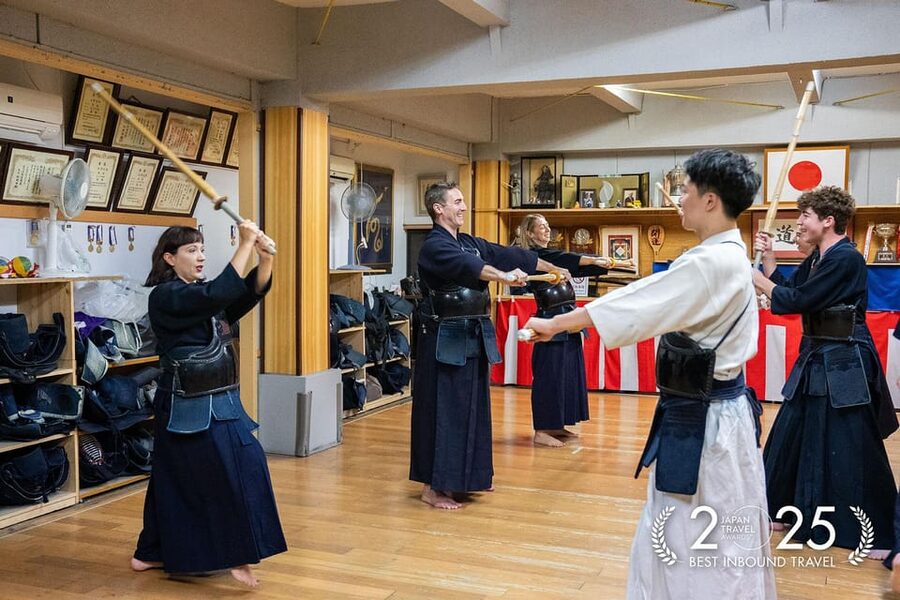
In a Tokyo dojo, you trade movie swordplay for kendo basics, protective armor and controlled sparring. This two-hour class gives beginners a chance to learn how a real practice session works, not just pose with a bamboo sword. Past sessions have been led by Nagamatsu-sensei and other instructors.
I like two things here: you get both instruction and a chance to test the techniques in playful matches, and a group capped at six allows more room for guidance. One consideration: English explanations may come quickly, and the dojo can be a little tricky to locate.
The essential points
- You practice, not just watch: Learn basic strikes and footwork before trying a light bout.
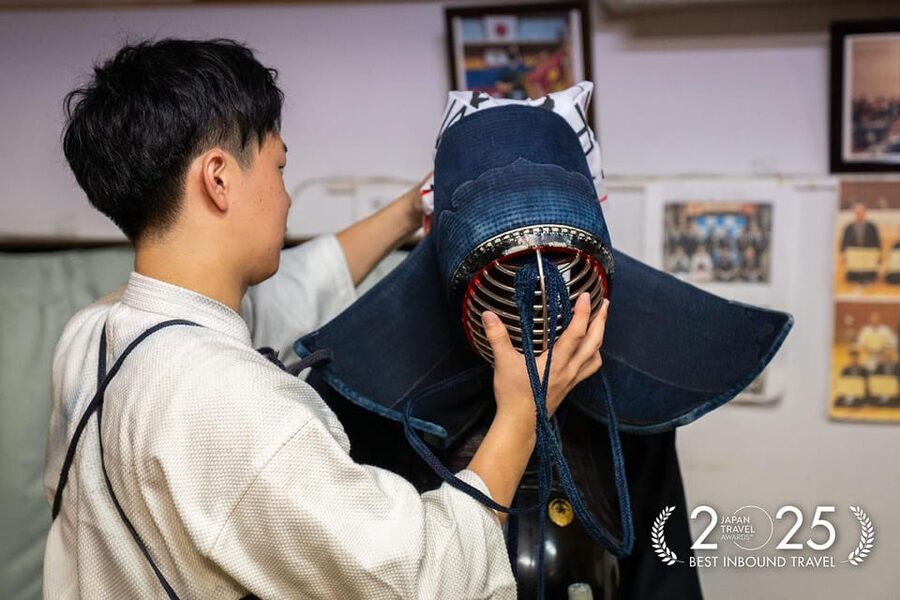
- Armor and equipment are included: Wear kendo protective gear and use training equipment supplied at the dojo.
- Expect a small class: The group is limited to six participants.
- The instruction is in English and Japanese: The instructor’s English may vary, so listen closely and ask for a demonstration if a movement is unclear.
- Allow time to find the dojo: Seidokan is about 10 to 12 minutes on foot from the north exit of JR Uguisudani Station.
- Bring loose exercise clothes: Uniform sizes may be limited, and the session can be a workout.
A dojo session, not a samurai stage show
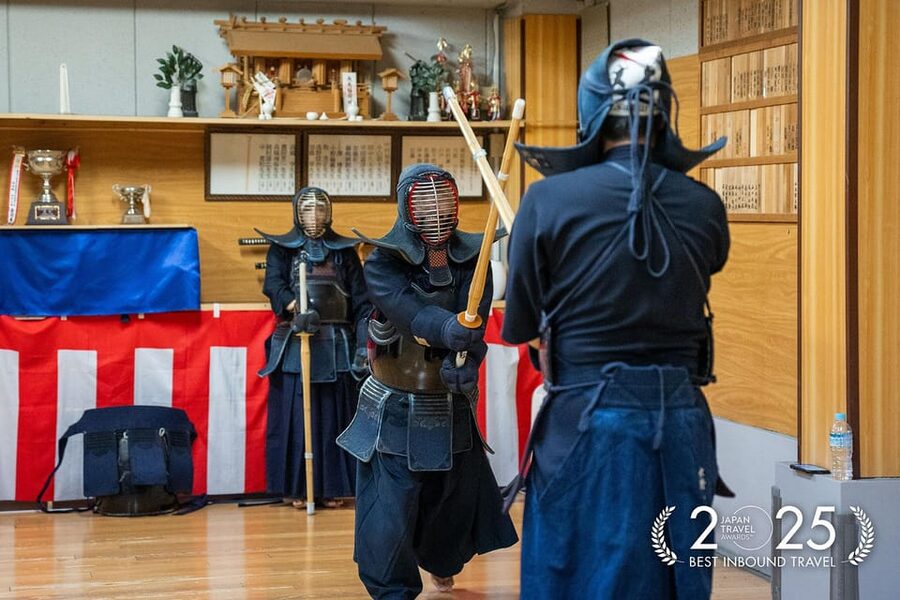
Kendo takes some of its imagery from Japanese swordsmanship, but this class is an introduction to a modern martial art with rules, technique and etiquette. You will learn how to move and strike with a bamboo practice sword, then try applying those movements in supervised exercises. The point is not to pretend you are a movie samurai. It is to understand how much control and timing the practice demands.
That distinction makes the activity more interesting than a costume photo stop. You are asked to pay attention, follow instructions and make the movements correctly. The armor and practice sword give you a feel for the form, while the instructor helps keep the session suitable for beginners.
You do not need prior kendo experience. The session is designed to teach newcomers, though some basic martial arts experience may help with footwork and picking up movements quickly. If you have never held a practice sword, expect to spend time learning the basics before things begin to feel natural.
More samurai experiences in Tokyo:
- Tokyo: Samurai Restaurant Show Ticket with 2 Drinks
★ 4.5 · 1,307 reviews - Tokyo: Samurai Ninja Museum Guided tour and Experience
★ 4.6 · 1,010 reviews - Tokyo: Samurai Sword & Archery Class from Samurai Descendant
★ 5.0 · 603 reviews
Finding Seidokan near Uguisudani Station
The meeting point is at 4-7-2 Higashinippori, Arakawa-ku, at 誠道館, about 10 to 12 minutes from the north exit of JR Uguisudani Station. This is not a large tourist attraction with a prominent entrance, so allow extra time rather than arriving at the last minute. The dojo has been described as hard to locate at first, but the address and station directions give you a useful starting point.
I would save the address before setting off and check the route while you still have time to correct a wrong turn. The walk is short enough to fit into a Tokyo day, but the activity provider does not include hotel pickup. You make your own way there.
The class lasts about two hours, though the actual program can run shorter or longer depending on the session. One past participant described roughly 90 minutes of active practice, so think of two hours as an approximate time commitment, not a promise that every minute will be spent sparring. Keep a little flexibility in your plans afterward.
Learning the etiquette and basic strikes
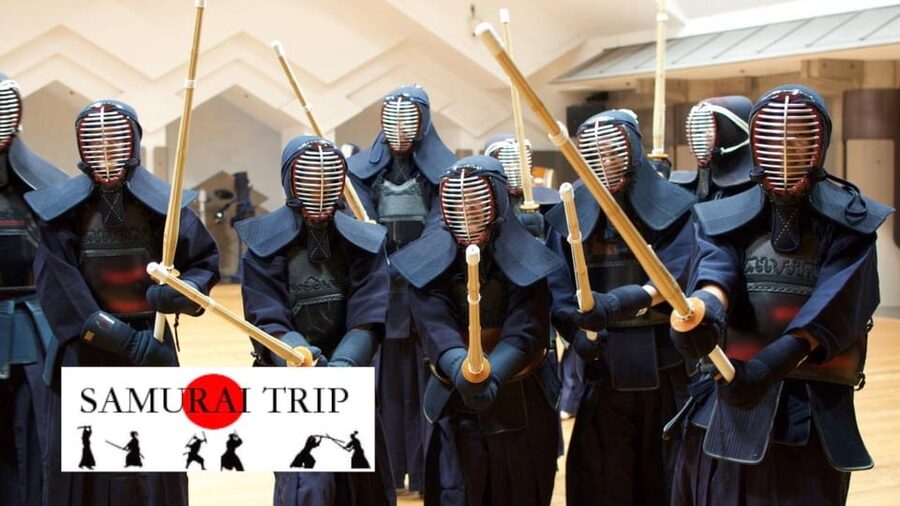
The session begins with an introduction to kendo and its customs, then moves into basic technique. You are not simply handed armor and told to swing. The instructor teaches foundational movements and explains how to practice safely, with attention to form and discipline as well as the strike itself.
A past class covered three familiar targets: men, kote and do. These refer to strikes directed at the head, wrist and body areas of the armor. Students also practiced counter techniques, then used what they had learned in light games. The precise sequence can vary, but this gives you a good picture of the progression: explanation, demonstration, practice, then a chance to respond to an opponent.
This is where the experience can surprise you. Kendo may look like a matter of speed and force from the sidelines, but the class reveals how much accuracy, distance and timing matter. Watching an experienced instructor move quickly can be humbling. Trying to copy even a simple strike makes the skill behind it clearer.
The teaching style may be direct. That suits a martial arts setting, where clear correction is part of learning, but it may feel blunt if you are unsure what the instructor wants. English and Japanese are the listed languages, and some participants have found explanations fast or difficult to follow at times. If you miss a point, ask for it to be shown again. A physical demonstration can be easier to follow than a long explanation.
Putting on the armor and trying a match
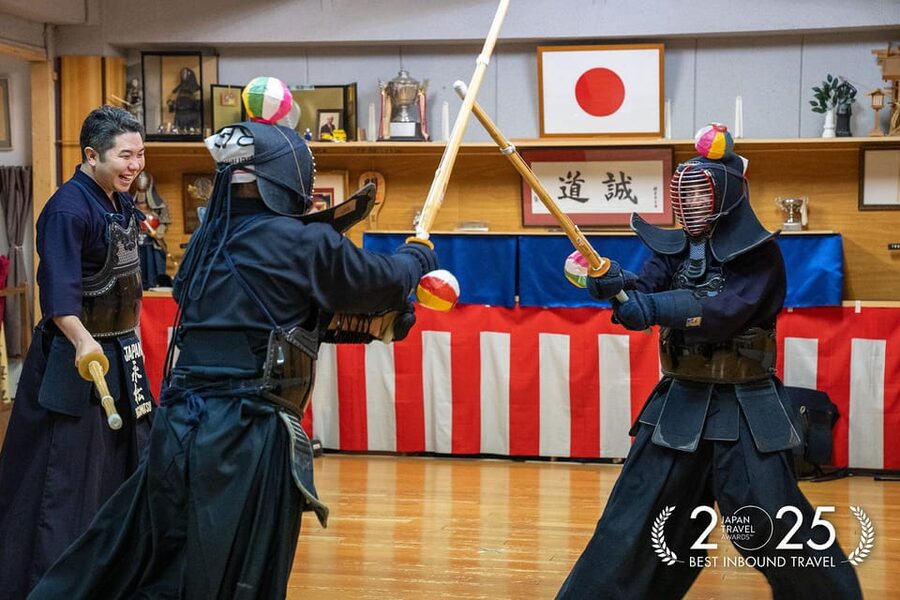
The most memorable part for many people is getting dressed in kendo protective equipment and taking part in a controlled practice bout. Armor changes the mood. You are no longer only repeating a movement in open space; you have to think about the target, your partner and the rules while wearing gear that feels unfamiliar.
The practice is described as beginner-friendly, but it is still physical. One participant found the session more action-packed than expected, and another noted that kendo was harder than it looked. Expect to concentrate and move, rather than stand still for a long talk. You may also sweat, so pack a change of clothes if you want to freshen up afterward.
The matches are playful and supervised, not a free-for-all. Participants have practiced against one another and against the instructor, with some sessions using balloons as targets for a lighthearted exercise. The mix of structure and fun is a useful feature: you learn the seriousness of the forms without being expected to fight like an expert.
The activity information describes bamboo sword practice. One past participant also mentioned being able to wield a real katana, but that detail should not be treated as a guaranteed part of every session. If handling a real sword is important to you, ask the provider before booking. The dependable expectation is kendo instruction with training equipment and armor.
More tours and experiences in Tokyo:
- Mt Fuji and Hakone 1-Day Bus Tour Return by Bullet Train
★ 5.0 · 26,383 reviews - 1-Day Tokyo Bus Tour
★ 5.0 · 14,250 reviews - Tokyo: teamLab Planets TOKYO Digital Art Museum Entry Ticket
★ 4.6 · 9,779 reviews - Mt Fuji & Hakone Cruise, Drum Show Bullet Train 1 Day from Tokyo
★ 4.0 · 7,413 reviews
What the two hours are worth
At $116 per person, this is not a bargain-basement activity. You are paying for a professional instructor, equipment rental, a small class and a hands-on introduction that would be hard to reproduce by simply visiting a museum. The value rests on participation: you learn, dress for practice and try the techniques yourself.
A group limit of six is a particular plus. With only a few people, instruction can be more personal than in a large demonstration, and the class has room for questions and individual correction. The size also makes the practical portion less like a show staged for an audience and more like a lesson.
Included are the instructor, kendo armor and equipment, mineral water and a Japanese hand towel. Food and hotel pickup are not included. The towel is a useful small souvenir, though the main takeaway is a better sense of what the practice involves. Budget for your own meal before or after, and bring extra water if you tend to drink a lot during exercise.
The price makes the most sense if you value an activity you can take part in rather than another sightseeing stop. If you are mainly after a quick photo in costume, this may feel expensive. If you are curious about martial arts and willing to follow instruction, the session gives you both context and movement in a compact visit.
Who will get the most from it
This class suits curious beginners, martial arts fans and families with older children who can follow instructions and take part in physical activity. A parent and two pre-teens have completed the session together, and the activity has been described as family-friendly. Still, the practice involves armor, movement and strikes, so consider your own group’s comfort with those things.
It can also appeal to people who want a more active cultural experience. You learn about kendo by doing it, and the contrast between disciplined training and playful bouts keeps the session from becoming a lecture. If you enjoy exercise and are open to being corrected, you are likely to appreciate the format.
There are a few practical limits. Loose-fitting exercise clothes are recommended in case the dojo does not have a suitable uniform size. The activity notes that glasses are not advisable under the head protector because they may be difficult to wear and could be damaged. Bring contact lenses if you use them. If you cannot wear contacts, contact the provider before booking to discuss your situation.
Make room for the dojo, and for the workout
The strongest reason to book is the balance of explanation and action. You get an introduction to the discipline, instruction in basic strikes and a chance to try them under supervision. People have particularly valued the patience and humor of instructors, including Nagamatsu-sensei, while also describing the teaching as strict. That combination is part of the appeal: the session is playful, but it asks you to pay attention.
The main caution is communication. English instruction is offered, but fluency may vary by instructor and some explanations can feel rushed. The group is small, which helps, but it does not guarantee that every detail will be explained slowly. Be ready to watch, copy and ask for clarification.
The experience currently carries a 4.7 rating from 102 ratings, and the favorable response is consistent with what the class promises: a lively, physical introduction rather than a passive cultural display. It is not a full course in kendo, and two hours will not make you skilled. It can, however, show you why the sport demands discipline and why an expert’s apparently simple movements take practice.
Should you book this kendo class?
Book it if you want to learn by doing, enjoy a bit of exercise and are comfortable wearing protective gear and practicing with a partner. The small group, supplied equipment and chance to try controlled sparring make it a distinctive use of two hours in Tokyo.
Skip it if you want a quiet demonstration, need fully fluent English instruction or are uncomfortable with physical practice. Before you go, plan your route to Seidokan, wear loose exercise clothes, and bring contact lenses instead of glasses if you use them. If those details suit you, this is a hands-on way to meet kendo beyond the screen and find out how much skill sits behind each strike.
FAQ
How long does the kendo experience last?
The scheduled duration is two hours. The program may take more or less time depending on circumstances, so leave some flexibility in your plans.
Where is the meeting point?
The meeting point is 誠道館, at 4-7-2 Higashinippori, Arakawa-ku, Tokyo. It is about 10 to 12 minutes on foot from the north exit of JR Uguisudani Station.
What languages are spoken during the session?
Instruction is offered in English and Japanese. No other languages are listed.
Is the session suitable for beginners?
Yes. Beginners are guided through basic practice and can take part in supervised exercises and light bouts.
Is kendo armor provided?
Yes. Rental of kendo armor and equipment is included.
What should I wear?
Loose-fitting exercise clothes are recommended. If the dojo does not have a suitable uniform size, you may be asked to practice in your own clothes.
Can I wear glasses under the head protector?
The activity advises against wearing glasses because they may be difficult to fit under the head protector and could be damaged. It recommends bringing contact lenses.
Is water included?
Yes. Mineral water is included. A Japanese hand towel is also provided.
Are food or hotel pickup included?
No. Food and hotel pickup are not included.
How many people are in each group?
The group is limited to six participants.
Freshly reviewed in Tokyo
- Tokyo: Toshimaya Sake Brewery Tour with Sake Tasting★ 5.0 · 6 reviews
- :Tokyo,Shibuya /Meiji Shrine tour in KIMONO/English-friendly★ 5.0 · 4 reviews
- Tokyo: Tour Privado por Tokio en español★ 4.3 · 4 reviews
- Tokyo:Tea ceremony experience at Komaba Warakuan★ 4.8 · 9 reviews
- :Tokyo,Shibuya/ Pro Photography in Kimono / English-Friendly★ 5.0 · 26 reviews
- Tokyo:Samurai Training : Swords, Bushido & Mental Discipline★ 5.0 · 6 reviews
- Tokyo:Mt Fuji & Hakone Day Tour with English Speaking Driver★ 5.0 · 26 reviews
- Tokyo:Nikko UNESCO World Heritage Sites Private 1-Day Tour★ 3.8 · 6 reviews
Tokyo Samurai Experiences, compared.
Samurai Ninja Museum Guided tour and Experience
Read our review →
Samurai Sword & Archery Class from Samurai Descendant
Read our review →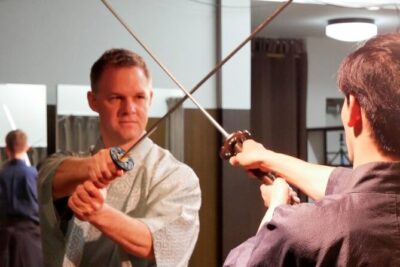
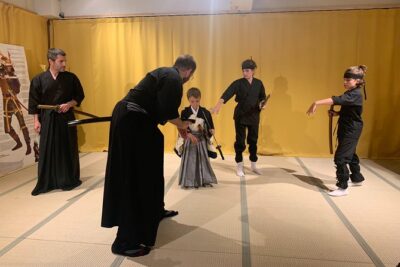
Ninja Experience (Family Friendly) at Samurai Ninja Museum TOKYO
Read our review →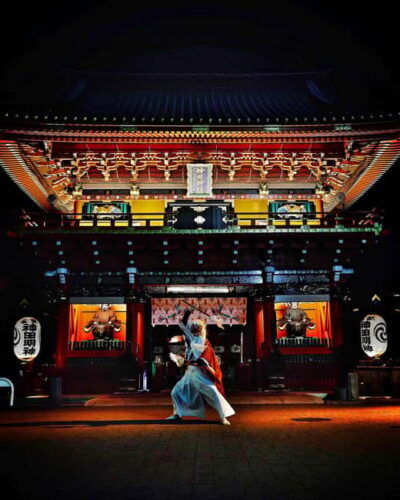
Samurai Entertainment Night Show in Kanda Shrine
Read our review →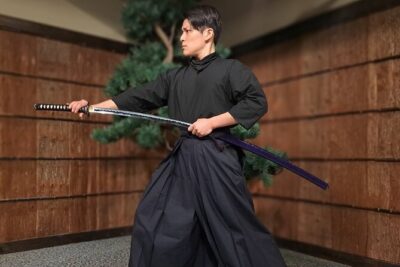
Tokyo Sword Experience – includes Museum Ticket/Ninja Experience
Read our review →
Samurai Ninja Museum Asakusa: Samurai Sword Lesson & Tour
Read our review →Browse the lists this tour appears in