
Reviewed · TOKYO SAMURAI EXPERIENCES
Tokyo: Samurai Experience with Lunch and Guided Tour
Kagurazaka gives this samurai tour its appeal: you explore an old Tokyo neighborhood before stepping into a kimono for a demonstration and beginner practice session. The four-hour outing pairs a walk through streets once associated with Edo-era samurai homes with lunch in a former teahouse.
I like the balance between local history and hands-on activity, and the small group limit of nine should make it easier to follow the guide and ask questions. I also like that lunch happens in a traditional house more than 70 years old, not in a generic venue.
One consideration: the meal cannot accommodate vegan or gluten-free diets, and shellfish allergies cannot be catered for. If you need a vegetarian meal, you must request it by the day before.
- Kagurazaka on foot: Explore an old Tokyo district linked to samurai residences, with a guide to help explain its streets and history.
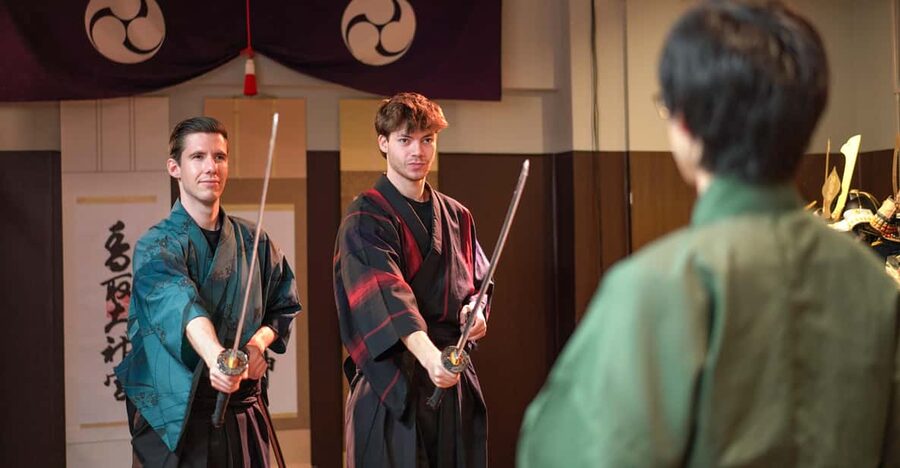
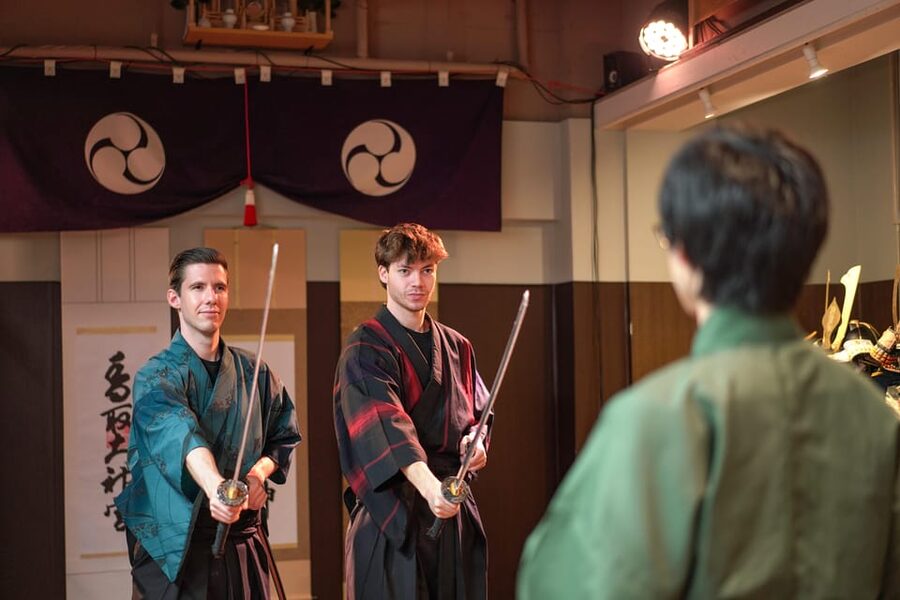
- Samurai practice in kimono: The included one-hour session combines a professional performance with beginner-friendly movements.
- Lunch in a former teahouse: Sit down for a Japanese meal in a traditional house more than 70 years old.
- A local bite: Choose one traditional food or sweet during the walk, such as chimaki, a steamed bun, or a modern sweet.
- A small English-speaking group: The tour lasts four hours and is limited to nine participants.
Kagurazaka Sets the Scene
Kagurazaka is more than a backdrop for a sword lesson. This historic Tokyo district is known for its deep, winding streets and ties to Edo-era samurai homes. Walking here gives the tour a sense of place before the performance begins, and it helps connect samurai culture to the neighborhood where the day unfolds.
Your guide introduces the area’s history and explains links between samurai life, Shinto shrines, Buddhism, and Zen. That context matters. A samurai session can easily become a costume photo stop; here, the walk is meant to give you some cultural bearings first.
The tour starts in front of Aoyama Flower Market at the Ecute Edition Iidabashi store, near the west exit of JR Iidabashi Station. The meeting point is described as being on your right after leaving the station. Arrive early: the group starts on time, and if you are more than 15 minutes late, you cannot join or receive a refund or reschedule.
The group is capped at nine people. That is a useful size for a walking tour with explanations and a practical class, where it helps to hear instructions and have space to follow along. The tour is in English and includes about three and a half hours with a local guide, within its four-hour total.
From Zenkokuji Into the Back Streets
One of the named stops is Zenkokuji, where you spend about 15 minutes on a guided visit and walk. The temple stop gives the guide a chance to talk about the religious traditions that shaped Japanese culture, including the relationship between Buddhism and Zen. The tour also covers Shinto shrines, so you get a broader frame than samurai weapons and fighting alone.
After Zenkokuji, the route continues through Kagurazaka. The neighborhood walk is the backbone of the outing: you see its narrow lanes and less obvious corners while hearing how the district’s past connects to its present. One short stop is identified as Geisha alley, a detail that helps explain the area’s historic entertainment culture. The route also includes a former teahouse with a history as a place for geishas.
The exact names of every brief stop are not specified, so it is best to think of this as a guided neighborhood walk rather than a fixed list of monuments. The value lies in having someone point out the character and history of the streets as you go. You are not simply crossing town to reach the samurai class.
There is some walking across the four hours, including several shorter guided stops and a half-hour section for shopping and local snacks. Wear comfortable shoes. The information provided does not give a full route map or detail on the walking distance, so anyone who needs to plan around a particular mobility limit should note that the tour is not suitable for wheelchair users.
More samurai experiences in Tokyo:
- Tokyo: Samurai Restaurant Show Ticket with 2 Drinks
★ 4.5 · 1,307 reviews - Tokyo: Samurai Ninja Museum Guided tour and Experience
★ 4.6 · 1,010 reviews - Tokyo: Samurai Sword & Archery Class from Samurai Descendant
★ 5.0 · 603 reviews
The Samurai Performance and Your First Moves
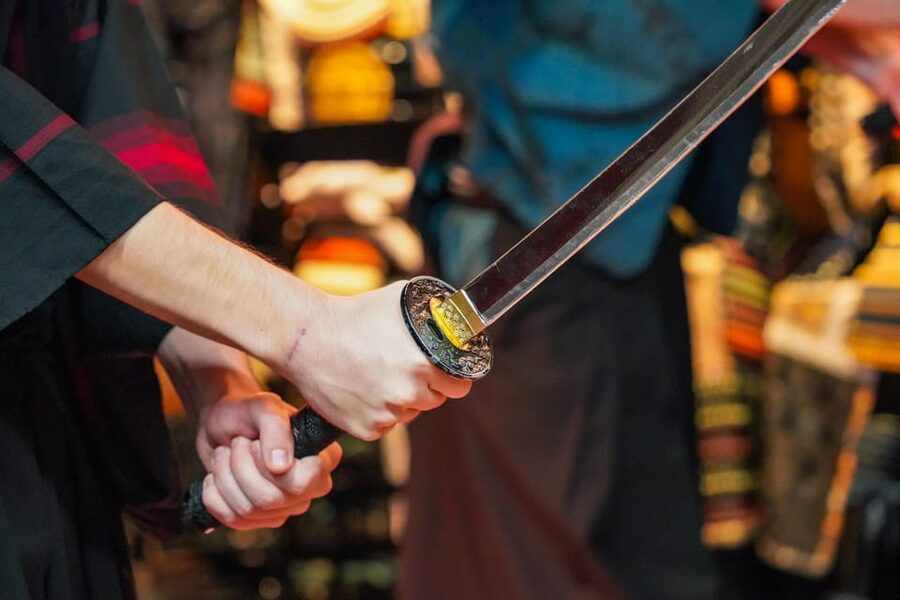
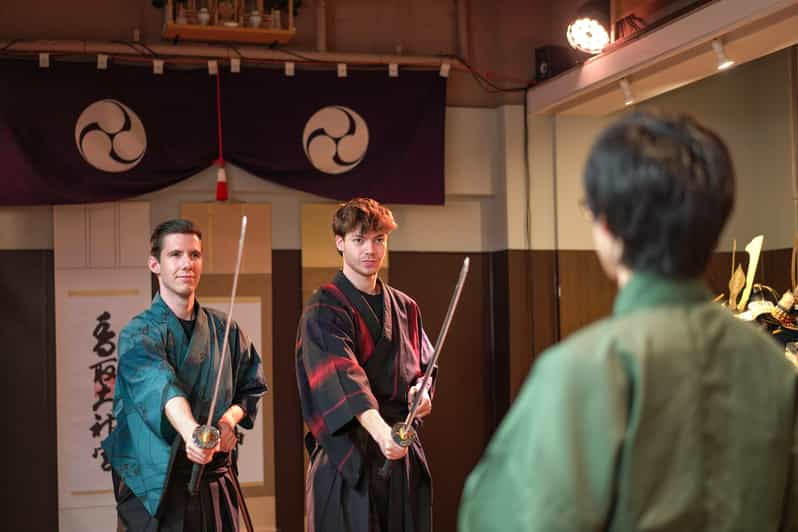
The central activity is a one-hour samurai experience with kimono rental. Professional samurai actors give a live performance, then instructors guide you through basic movements and fighting techniques. The format is designed for beginners, so you do not need martial arts experience or prior familiarity with sword work.
The performance adds more than spectacle. Watching trained performers first gives you a visual sense of posture and movement before you try the basics yourself. Then the guided practice lets you test what you have just seen, with support as you learn each step. The experience is intended to be approachable and fun, not a test of fitness or skill.
The description refers to authentic fighting techniques and the review mentions learning the basics of the katana. That makes this a good fit if you are curious about martial arts, stage performance, or Japanese history, but do not expect a full martial arts course. An hour is enough for an introduction and a memorable activity, not serious training.
Kimono rental is included, which makes the session feel more connected to the subject and gives you a chance to take photos. Families are welcome from age four, and the tour description specifically presents the training as suitable for children. Still, children under four cannot join, and parents should consider whether their child will be comfortable following a guided class.
The activity team is described as dynamic and supportive, and guides have included Mark, Taka, and Naoki. Those names are useful to know, but your specific guide may differ. The walking guide and the samurai instructors serve different roles: one helps you make sense of the neighborhood, while the instructors lead the practical portion.
Lunch in a Former Teahouse
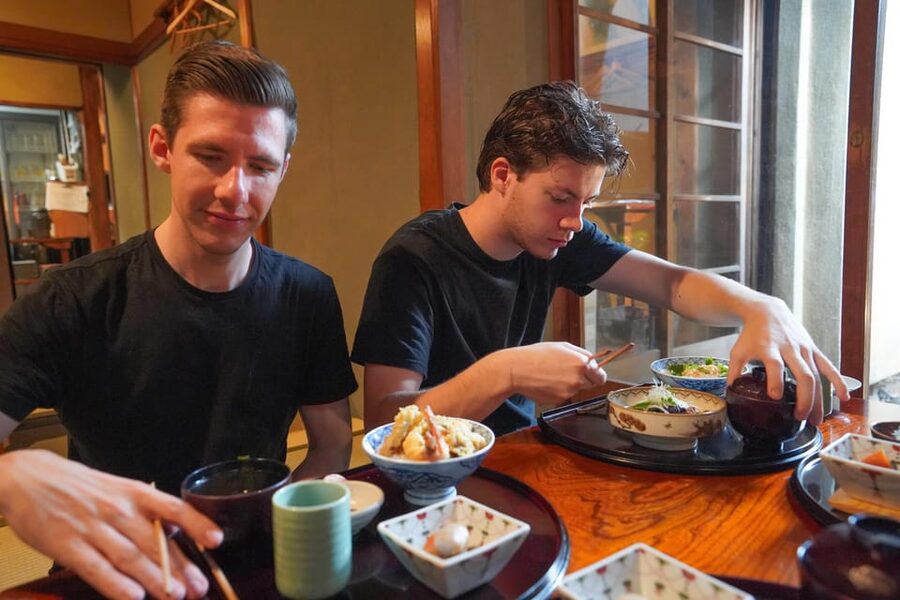
After the samurai session, the route returns to Kagurazaka for lunch in a traditional Japanese house more than 70 years old. The building was once a teahouse associated with geishas, so the meal is part of the neighborhood story rather than just a convenient break.
A sit-down meal also gives you time to slow down after the class and talk over what you have seen. Japanese lunch is included in the $162 price, with a vegetarian option available if you request it by the day before. Do not wait until the tour begins to ask: same-day vegetarian changes cannot be accommodated.
There are firm limits on dietary requests. Vegan and gluten-free meals are unavailable, and shellfish allergies cannot be catered for. The operator also cannot guarantee meals free from allergens because food is prepared in kitchens outside its control. If you have an allergy or strict dietary needs, this may not be the right meal setting for you.
The meal’s value is not only the food. It brings together local architecture, the district’s teahouse history, and the cultural walk. A meal in an old house can make the neighborhood feel less like a tour route and more like a place with layers of use and memory.
A Snack Stop and Time to Browse
The final section includes about 30 minutes for shopping, walking, and a local snack. You can choose one traditional food or sweet during the tour. Options named include chimaki, steamed buns, and modern sweets, though the exact selection may vary.
This small tasting is a welcome counterpoint to the formal lunch. It gives you a chance to try a local treat without having to decide where to go or how to order. Keep in mind that it is one included item, not an open-ended tasting session.
The shopping time is brief, so treat it as a chance to look around rather than a dedicated shopping trip. If you want to spend longer in Kagurazaka afterward, you can plan to stay in the area once the group returns to the starting point. Hotel pickup and drop-off are not included.
More tours with lunch in Tokyo:
- Tokyo: Mt.Fuji & Lake Kawaguchiko 1-Day Bus Tour w/Optional Lunch
★ 4.5 · 839 reviews - Tokyo: Sumo Experience and Chanko Nabe Lunch
★ 4.8 · 257 reviews - Tokyo: Tsukiji Fish Market Tour with 6 Stops & Seafood Lunch
★ 4.5 · 165 reviews - Tokyo: 1 Day Bus Tour with Meiji-Jingu,Odaiba,lunch&Skytree
★ 4.6 · 156 reviews
Is $162 a Fair Price?
At $162 per person, this is not a low-cost neighborhood walk. But the price covers a four-hour guided outing, a one-hour samurai activity with kimono rental, lunch, and one traditional snack. It also includes a professional performance and small-group instruction, which make the package more substantial than a walk with a quick photo opportunity.
I see the best value for someone who wants several types of experience in one half-day: local history, a meal in a historic setting, and a hands-on introduction to samurai movements. If you only want to see Kagurazaka, you could explore the streets independently for less. If you want a structured class, performance, and meal as well, the price is easier to justify.
The group limit of nine is another practical part of the value. A smaller group can make a walking explanation and a beginner class more personal than a large tour, although other participants may join your departure. It is a shared experience, not a private guide booking.
There is a free-cancellation window up to 24 hours before the tour, and you can reserve now and pay later. Those terms help with planning, but the strict late-arrival rule is worth taking seriously. The tour does not wait more than 15 minutes for late arrivals, and there is no refund or rescheduling if you miss the start.
Who Should Book This Tour?
This is a good choice if samurai culture interests you but you want more than a museum visit. You get historical context, a live performance, and a chance to try basic movements yourself, all in one compact outing. It also suits families with children aged four and older, provided they are comfortable with the walking and group activity.
It may be less suitable if you need a wheelchair-accessible route, require a vegan or gluten-free meal, or have a shellfish allergy. It is also not the best pick if your main goal is a long martial arts class or an extensive shopping visit. The practical session is an introduction, and the snack and shopping period is limited.
The three available ratings are all five stars, but the useful details are more telling than the score: the meeting point was easy to find, the four-hour length felt right, and the meal and samurai lesson were central to the day. Mark was praised for making the tour fun and informative, while Taka and Naoki were named as guides who brought energy to the neighborhood and food stops. These are examples of the guide team, not a promise about who will lead your departure.
Should You Book It?
Book this tour if you want a well-paced introduction to Kagurazaka and samurai culture, and you like the idea of learning by watching and trying. The strongest combination is the neighborhood walk, beginner-friendly sword movements, and lunch in the old teahouse. If your diet or mobility needs fit the tour’s limits, it offers a distinctive four-hour way to see a side of Tokyo beyond the major sights.
FAQ
How long is the tour?
The tour lasts four hours. The samurai experience with kimono rental takes one hour, and the local guide accompanies the group for about three and a half hours.
Where is the meeting point?
Meet in front of Aoyama Flower Market at the Ecute Edition Iidabashi store, near the west exit of JR Iidabashi Station. After leaving the station’s west exit, the shop is on your right.
Is samurai training included?
Yes. The tour includes a one-hour samurai experience with kimono rental, a performance by professional samurai actors, and guided practice with basic movements and fighting techniques.
Can I request a vegetarian lunch?
Yes. Request the vegetarian option by the day before the tour. Vegetarian requests cannot be accommodated on the day itself.
Can the tour accommodate vegan, gluten-free, or shellfish-free meals?
No. Vegan and gluten-free options are unavailable, and shellfish allergy requests cannot be accommodated. The operator also cannot guarantee that meals are free of allergens.
What is the minimum age, and is the tour wheelchair accessible?
The tour is open to participants aged four and older. It is not suitable for children under four or wheelchair users.
Freshly reviewed in Tokyo
- Tokyo: Toshimaya Sake Brewery Tour with Sake Tasting★ 5.0 · 6 reviews
- :Tokyo,Shibuya /Meiji Shrine tour in KIMONO/English-friendly★ 5.0 · 4 reviews
- Tokyo: Tour Privado por Tokio en español★ 4.3 · 4 reviews
- Tokyo:Tea ceremony experience at Komaba Warakuan★ 4.8 · 9 reviews
- :Tokyo,Shibuya/ Pro Photography in Kimono / English-Friendly★ 5.0 · 26 reviews
- Tokyo:Samurai Training : Swords, Bushido & Mental Discipline★ 5.0 · 6 reviews
- Tokyo:Nikko UNESCO World Heritage Sites Private 1-Day Tour★ 3.8 · 6 reviews
- Tokyo:Mt Fuji & Hakone Day Tour with English Speaking Driver★ 5.0 · 26 reviews
Tokyo Samurai Experiences, compared.

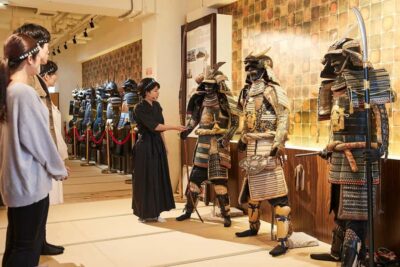
Samurai Ninja Museum Guided tour and Experience
Read our review →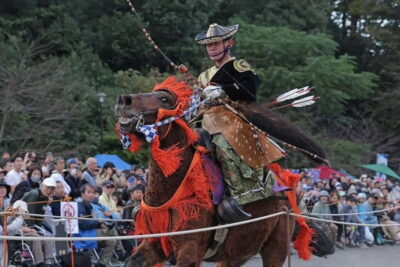
Samurai Sword & Archery Class from Samurai Descendant
Read our review →
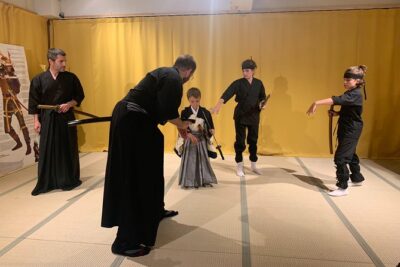
Ninja Experience (Family Friendly) at Samurai Ninja Museum TOKYO
Read our review →
Samurai Entertainment Night Show in Kanda Shrine
Read our review →
Tokyo Sword Experience – includes Museum Ticket/Ninja Experience
Read our review →
Samurai Ninja Museum Asakusa: Samurai Sword Lesson & Tour
Read our review →Browse the lists this tour appears in