
Reviewed · TOKYO SAMURAI EXPERIENCES
Tokyo: Samurai Experience with a real sword
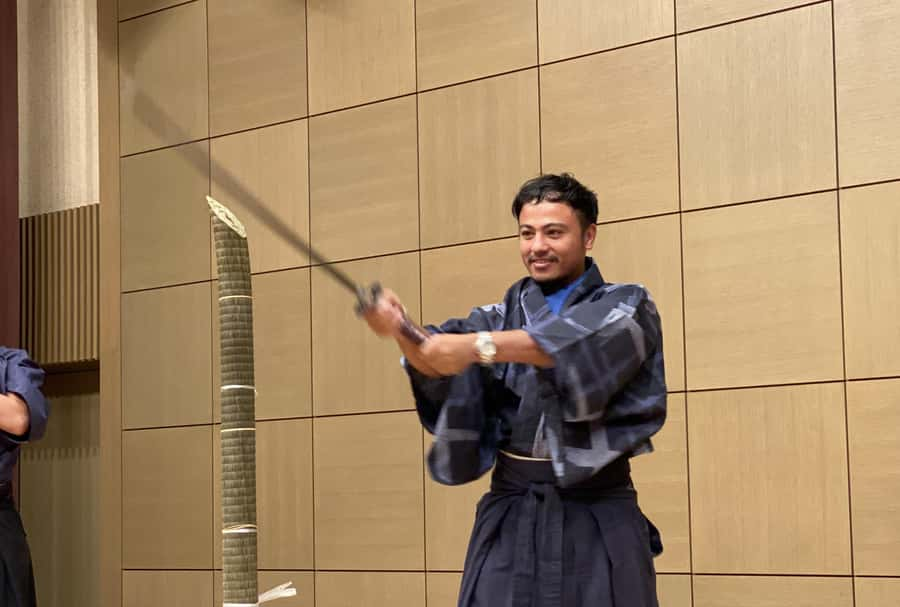
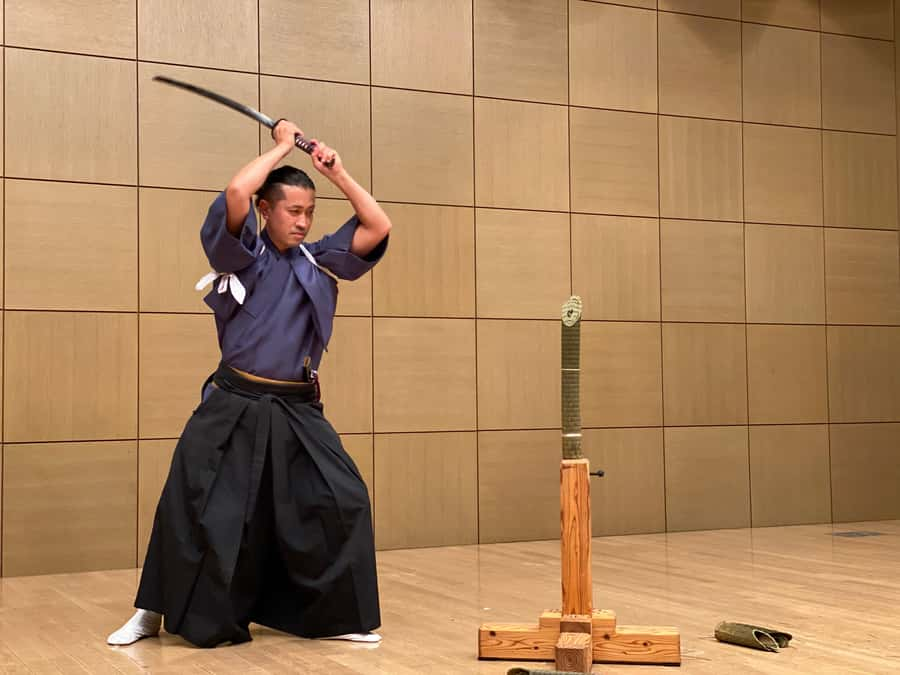
The sharpest moment here is not just seeing a katana drawn. You get instruction in handling a real sword, practise samurai forms, and, if you are at least 12, try cutting objects under a professional coach’s guidance. The two-hour session also gives you a kimono and hakama to wear, plus photos and video to keep.
I like two things in particular: the demonstration gives you a close look at iai technique, and the lesson moves beyond costume into etiquette and basic sword movements. One consideration: a real sword demands care, and cutting is not available to children under 12. English-speaking staff are provided, though communication may take patience.
Key points to know before you go
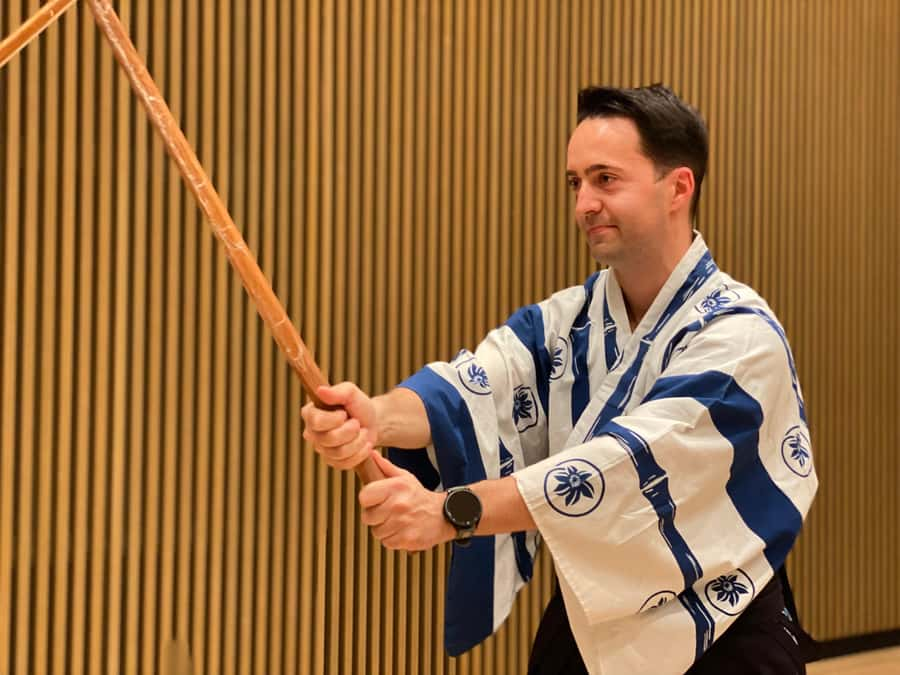
- Dress the part: Kimono and hakama are provided for the session, with time to change before and after.
- See Shiden-ryu technique: A demonstration introduces swordsmanship and the drawing and handling of a katana.
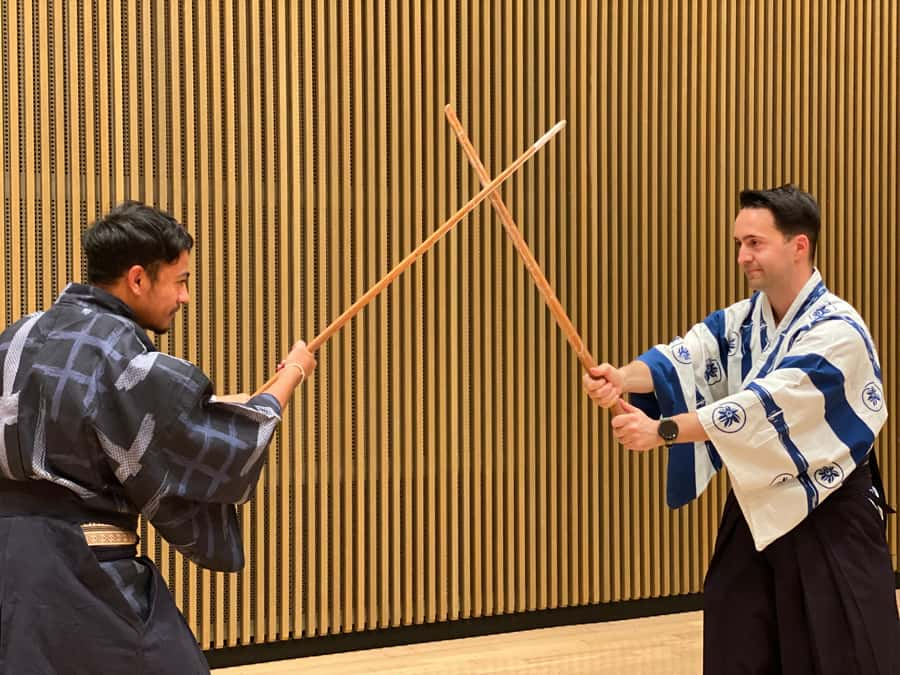
- Practise before the cutting: You learn forms and movements, then take part in a sword-to-sword exercise.
- Cutting has an age limit: The real-sword cutting activity is for participants aged 12 and older.
- Take home the record: Photography and a video recording are included, so you leave with more than a quick costume photo.
A two-hour introduction to samurai practice
At $102 per person, this is a compact cultural activity with a clear focus: you get instruction, a demonstration, supervised practice, and a recorded keepsake in one two-hour session. It is not a history lecture or a full martial arts course. Think of it as an active introduction to sword etiquette and technique, with the unusual chance to handle a genuine samurai sword.
That distinction matters when you decide if the price works for you. If you want a hands-on activity and a memorable souvenir, the fee covers the coach, venue, experience, and photography. If you mainly want a long, scholarly account of samurai history, this is likely too brief and physical for your purpose.
The experience is run by H.I.S. Co Ltd (TIC), with an English instructor listed. One participant described meeting Hiryu, who spoke about samurai history and philosophy; another said the hosts used Google Translate to help communicate. English support is part of the activity, but I would arrive ready to listen closely, ask short questions, and be patient if a phrase needs clarifying.
More samurai experiences in Tokyo:
- Tokyo: Samurai Restaurant Show Ticket with 2 Drinks
★ 4.5 · 1,307 reviews - Tokyo: Samurai Ninja Museum Guided tour and Experience
★ 4.6 · 1,010 reviews - Tokyo: Samurai Sword & Archery Class from Samurai Descendant
★ 5.0 · 603 reviews
Getting dressed and learning the etiquette
The session begins with a meeting at a designated point, followed by a transfer to the training centre. The meeting spot is described as near McDonald’s after leaving the ticket gates, using the west exit and going down to ground level. The exact meeting location can change within Tokyo, so check your final instructions rather than relying on an old map pin. Arrive 20 minutes before the scheduled meeting time.
At the centre, you change into a traditional kimono and hakama. You are asked to provide your height and weight in the reservation form, which helps the team prepare clothing. Bring a change of clothes for afterward, along with comfortable clothes and water in a bottle with a secure lid. There is no need to treat the costume as a photo prop alone: wearing it gives the session a more grounded feel and sets the tone for the formal movements to come.
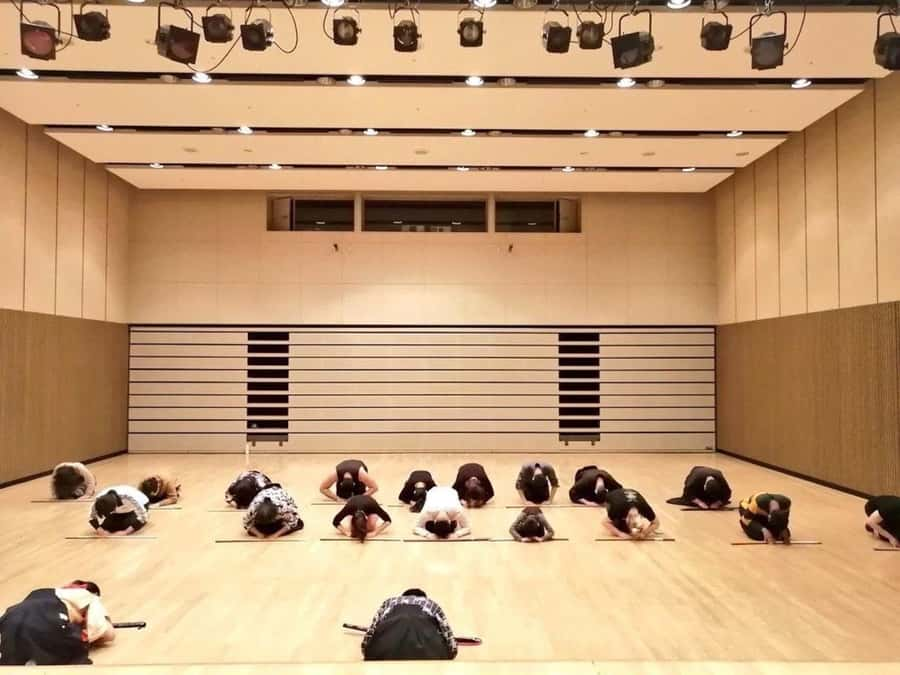
You are also introduced to zarei, the seated etiquette used in the session. That detail may sound small next to the sword work, but it helps explain that samurai practice is not simply a sequence of flashy moves. The forms have rules, and the way you begin and end matters. I like that the session makes room for this courtesy before asking you to handle a blade.
Watching Shiden-ryu swordsmanship up close
Before you practise, you watch a demonstration of iai and swordsmanship by Shiden-ryu. Iai centres on drawing the sword and responding with controlled movement. Seeing a skilled practitioner first gives you a useful reference: you can observe the posture, timing, and care involved before trying even basic techniques yourself.
The demonstration is an important part of the value here. A short lesson with a sword could otherwise feel like a novelty activity, but watching an instructor perform the forms shows that each movement has structure. You are not expected to master the art in two hours. The point is to get a first look at its discipline and to understand why a real sword must be treated with respect.
Afterward, the coach teaches sword-handling techniques and basic samurai forms and movements. Expect guidance on how to hold and move the sword, rather than an advanced training course. The information provided does not spell out every technique or how much time is spent on each one, so the exact pace may vary. If you are new to martial arts, that beginner level is a plus: you can focus on following instructions instead of worrying about prior experience.
Practising forms and sword-to-sword movement
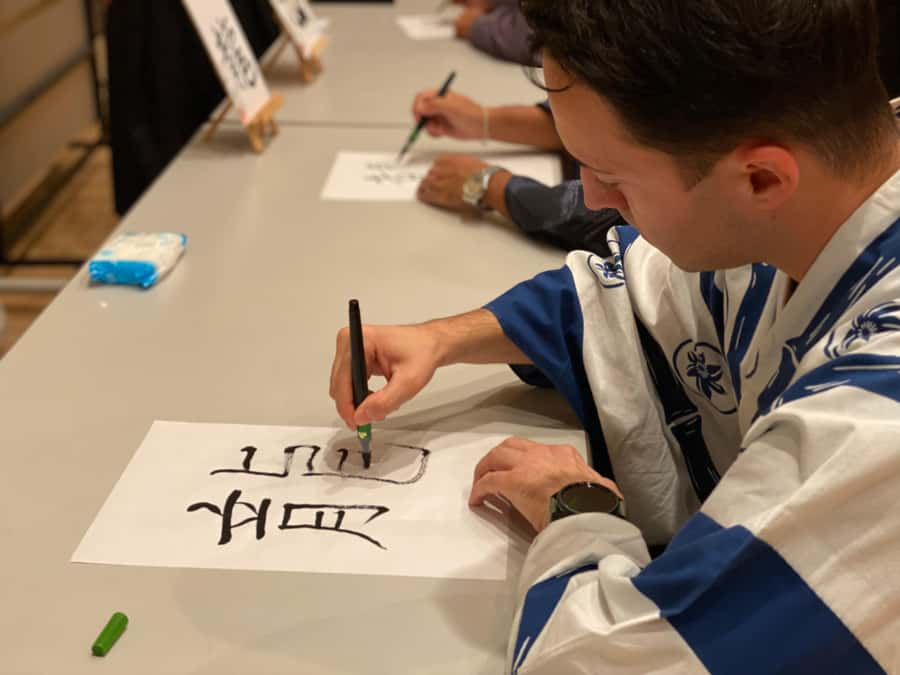
Once you have learned the basics, the session moves into uchikomi, a sword-to-sword combat exercise. This is an interactive part of the class, but the stated activity is an introduction, not a competitive match. You practise a choreographed or instructed exchange under the coach’s direction; the focus is on movement and handling, not on testing your strength.
That distinction is useful for families and anyone unsure about taking part. You do not need to arrive with sword skills, and the point is not to act out a movie fight. Keep your attention on the instructor’s directions and on the etiquette you have just learned. Since you are working with a real weapon, restraint is part of the lesson.
If you are nervous about the sword-to-sword portion, you can still get something out of watching the demonstration and learning the forms. The information does not specify whether you can opt out of an individual activity, so ask the staff in advance if you have concerns. Pregnant women and wheelchair users are listed as not suitable for this activity.
More tours and experiences in Tokyo:
- Mt Fuji and Hakone 1-Day Bus Tour Return by Bullet Train
★ 5.0 · 26,383 reviews - 1-Day Tokyo Bus Tour
★ 5.0 · 14,250 reviews - Tokyo: teamLab Planets TOKYO Digital Art Museum Entry Ticket
★ 4.6 · 9,779 reviews - Mt Fuji & Hakone Cruise, Drum Show Bullet Train 1 Day from Tokyo
★ 4.0 · 7,413 reviews
Cutting objects with a genuine sword
For participants aged 12 and up, the session includes cutting objects with a real sword. This is the activity’s most distinctive feature, and it is also the one that calls for the most care. You receive instruction first, then make the cut with the coach supervising. The cutting is recorded, giving you a video of the moment to take home.
The minimum age is important if you are booking for a family. Children younger than 12 can’t take part in the cutting activity, so confirm how the rest of the session will work for them before booking. The information provided does not give further age rules for the other parts of the class.
The video adds practical value to the fee. A photograph in costume is an easy souvenir, but footage of the actual cut lets you remember the movement and the unusual feeling of using a real sword. Photography is included in the experience fee. The activity does not specify the recording format or how the finished files are delivered, so ask the provider if you need those details before you go.
Photos, calligraphy, and a small meal
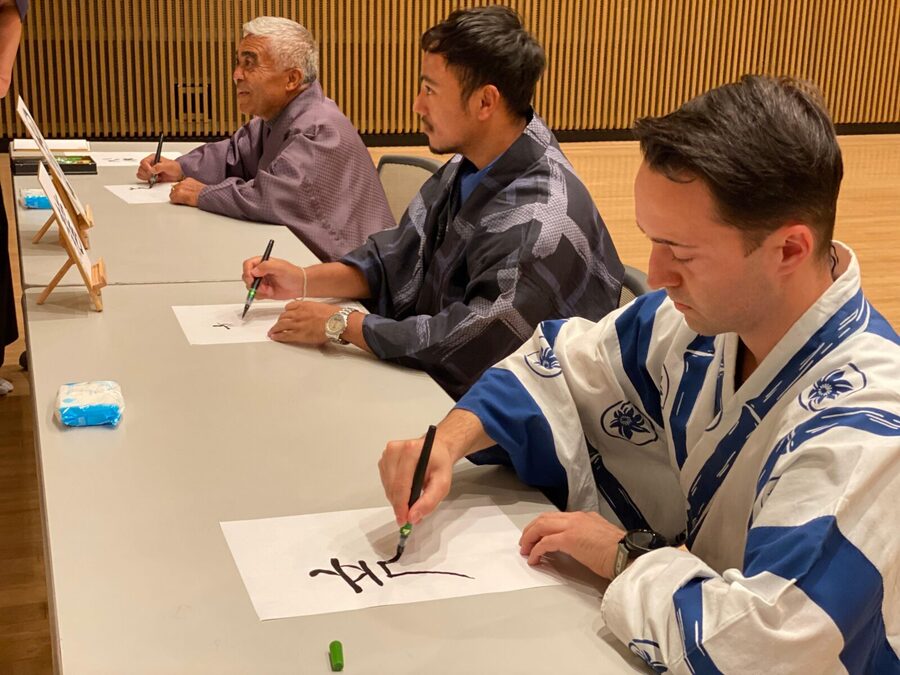
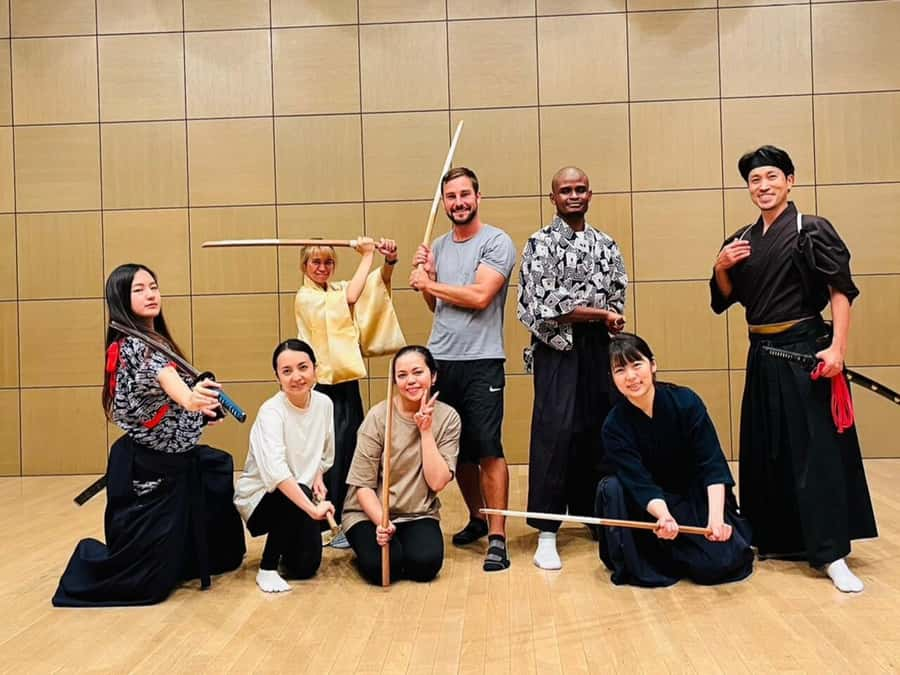
A commemorative photo session is part of the stated program, alongside the video recording. You should come away with images of yourself in kimono and hakama, as well as footage of the sword activity. That makes this a particularly good fit if you want a tangible memory of a cultural activity, rather than a lesson you simply leave behind.
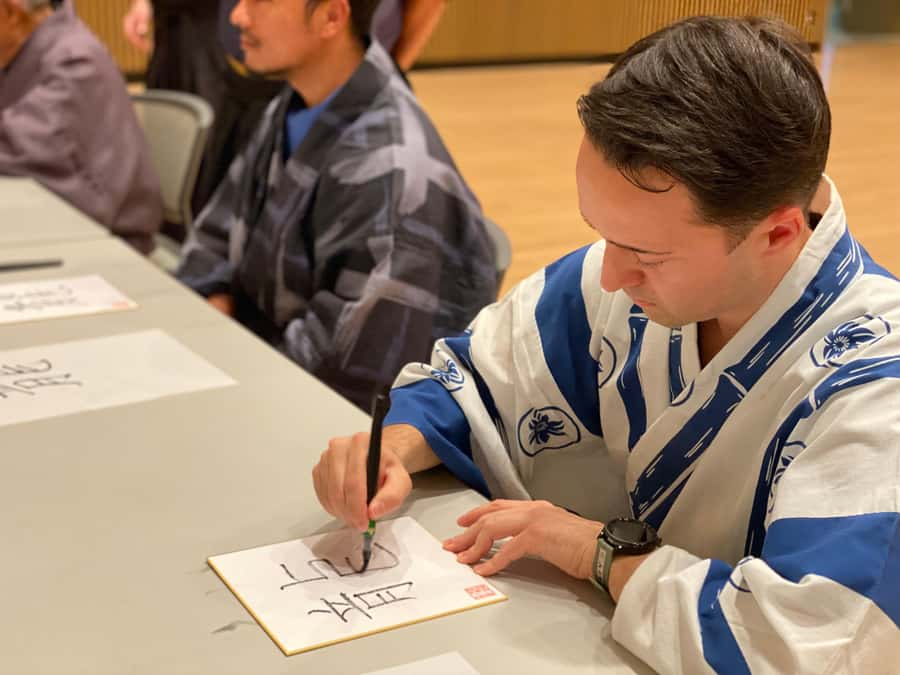
Some sessions have also included calligraphy and a small meal. These are not among the core inclusions described for the activity, so treat them as possible additions rather than something guaranteed. If calligraphy or food is a major reason you are considering the experience, confirm directly with the provider before booking.
The end of the session includes another zarei, a chance to change clothes, and a conclusion at the training centre. You return to the original meeting point afterward. With dressing, instruction, practice, cutting, and photos all packed into two hours, the schedule is purposeful. It is also not a long day of training, which can be an advantage if you want to fit the activity into a wider Tokyo itinerary.
Is $102 good value?
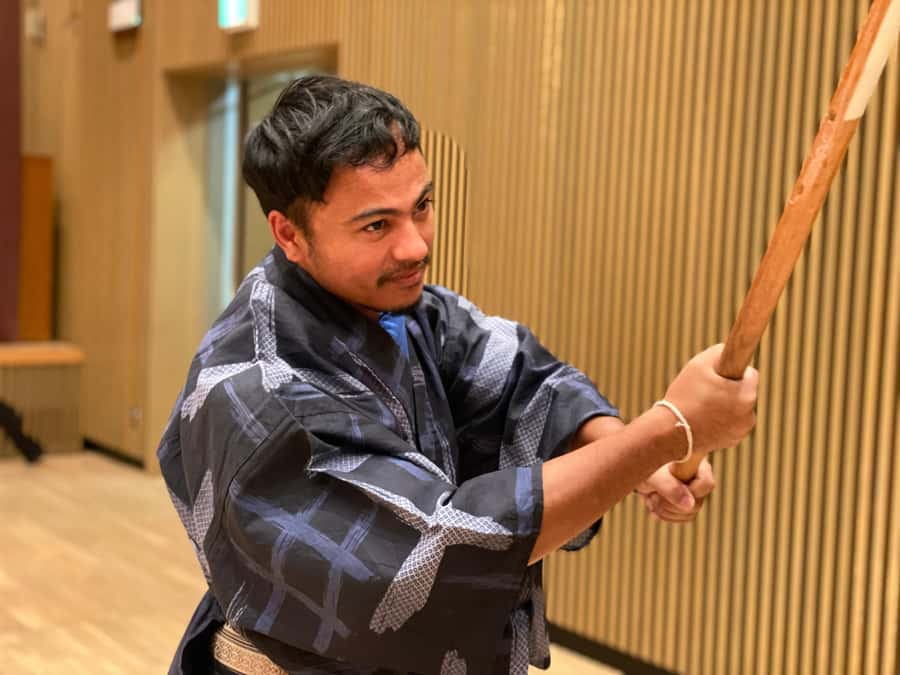
I would judge the $102 price by what you want from the session. It includes a professional coach, English-speaking staff, venue fees, the experience itself, and photography. You also get costume use and a video recording, plus the chance to practise with a real sword. Put together, that is more than a brief dress-up photo stop.
The price makes most sense if you value participation and a keepsake. You spend time learning, watching, practising, and recording the experience, not just posing in a costume. On the other hand, if your priority is deep historical context or extended martial arts instruction, two hours may feel short for the cost. The session’s appeal is its mix of access, instruction, and spectacle, not comprehensive training.
A full refund is available if you cancel at least 14 days ahead. The meeting point can vary within Tokyo, and the provider says it will notify you if it changes. Those details are worth checking as soon as you book, especially if your schedule is tight.
Who should book this samurai experience?
This suits curious first-timers who want a cultural activity with a physical element and a clear souvenir at the end. It could work well for couples, friends, and families with participants aged 12 or older who are keen to try sword handling. You do not need prior training, but you should be comfortable listening carefully and following instructions.
It is less suitable if you need wheelchair access, are pregnant, or want a purely passive demonstration. The activity is not suitable for wheelchair users or pregnant women, and the real-sword portion is hands-on. If you are travelling with children, remember that cutting is restricted to those 12 and up.
I’d book if the chance to learn basic technique and make a supervised cut is the main draw, and you are happy with a short, structured introduction. I’d look elsewhere if you want a long history lesson, guaranteed calligraphy or a meal, or advanced sword training. For the right visitor, the mix of etiquette, demonstration, practice, and video makes this a distinctive way to spend two hours in Tokyo.
FAQ
How long does the samurai experience last?
The activity lasts two hours. Check availability for the starting times offered on your date.
What is included in the $102 price?
The price includes the professional coach, English-speaking staff, experience fees, venue fee, and photography charge.
Do I get to wear samurai clothing?
Yes. The session includes dressing in a traditional kimono and hakama.
Can I cut an object with a real sword?
Yes, if you are at least 12 years old. The cutting activity is recorded on video.
Is an English-speaking instructor available?
English instruction is listed, and English-speaking staff are included. Communication may still require patience at times.
Where do I meet the staff?
The usual meeting point is near McDonald’s after you exit the ticket gates, using the west exit and going down to ground level. The location can change within Tokyo, and you will be notified if it does.
What should I bring?
Bring a change of clothes, comfortable clothes, and water in a bottle with a secure lid. Provide your height and weight on the reservation form.
Can I cancel for a refund?
You can cancel up to 14 days in advance for a full refund.
Freshly reviewed in Tokyo
- Tokyo: Toshimaya Sake Brewery Tour with Sake Tasting★ 5.0 · 6 reviews
- :Tokyo,Shibuya /Meiji Shrine tour in KIMONO/English-friendly★ 5.0 · 4 reviews
- Tokyo: Tour Privado por Tokio en español★ 4.3 · 4 reviews
- Tokyo:Tea ceremony experience at Komaba Warakuan★ 4.8 · 9 reviews
- :Tokyo,Shibuya/ Pro Photography in Kimono / English-Friendly★ 5.0 · 26 reviews
- Tokyo:Samurai Training : Swords, Bushido & Mental Discipline★ 5.0 · 6 reviews
- Tokyo:Mt Fuji & Hakone Day Tour with English Speaking Driver★ 5.0 · 26 reviews
- Tokyo:Nikko UNESCO World Heritage Sites Private 1-Day Tour★ 3.8 · 6 reviews
Tokyo Samurai Experiences, compared.
Samurai Ninja Museum Guided tour and Experience
Read our review →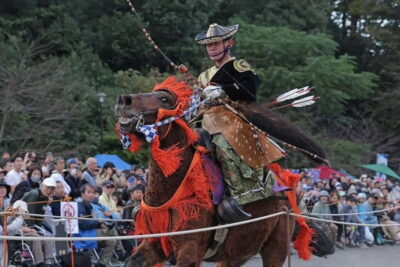
Samurai Sword & Archery Class from Samurai Descendant
Read our review →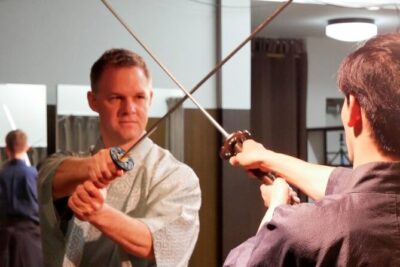
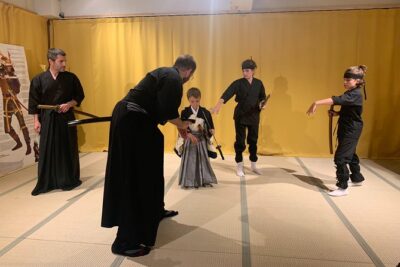
Ninja Experience (Family Friendly) at Samurai Ninja Museum TOKYO
Read our review →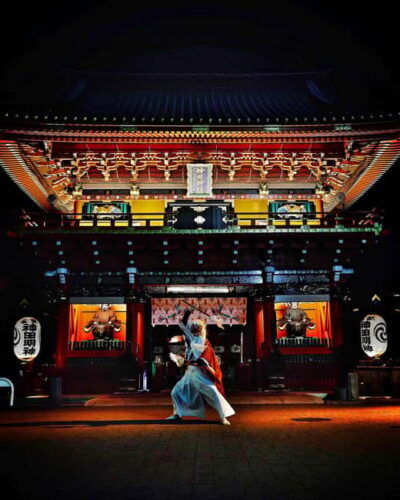
Samurai Entertainment Night Show in Kanda Shrine
Read our review →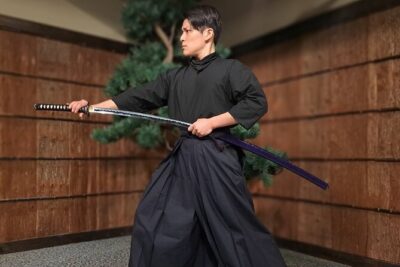
Tokyo Sword Experience – includes Museum Ticket/Ninja Experience
Read our review →
Samurai Ninja Museum Asakusa: Samurai Sword Lesson & Tour
Read our review →Browse the lists this tour appears in