
Reviewed · TOKYO SAMURAI EXPERIENCES
Tokyo: Samurai Adventure! Authentic Sword Experience
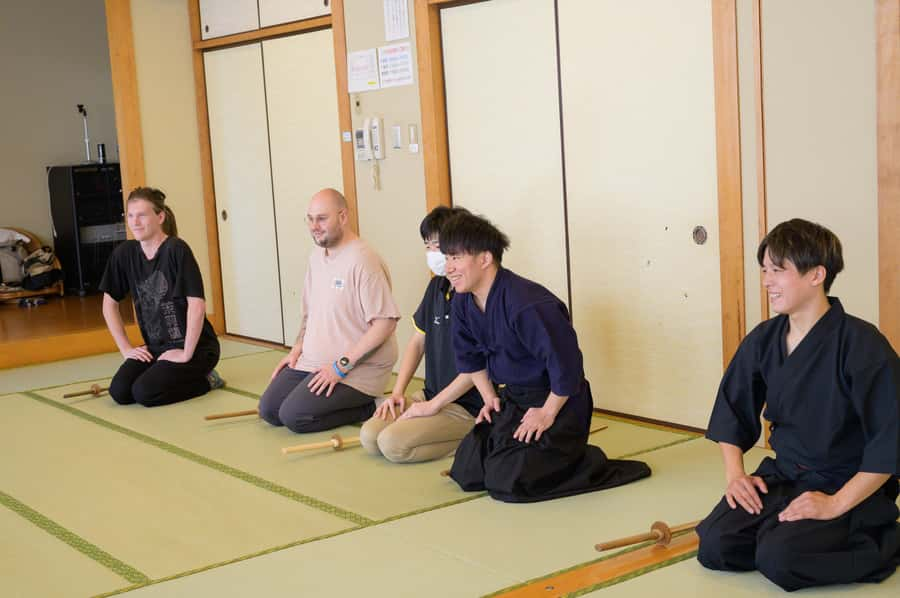
Tokyo’s samurai workshop is less about wielding a sword like a movie hero and more about learning how a fight scene is built. Action actors Dai and Kume guide you through safe movements with wooden practice swords, then show you what those moves look like at full strength.
I like two things here: you get to practice, not just watch, and the public class can put you alongside Japanese students learning samurai action. The instructors are also praised for clear, patient guidance, which matters when you’re learning unfamiliar moves.
One consideration: this is a short introductory workshop, not a course in traditional swordsmanship. You won’t engage in real combat, and a costume is an optional extra rather than part of the stated price.
The essential details
- Price: $24 per person, with private and public course options available.
- The instructors: Dai and Kume are professional action actors who teach safe samurai movements.
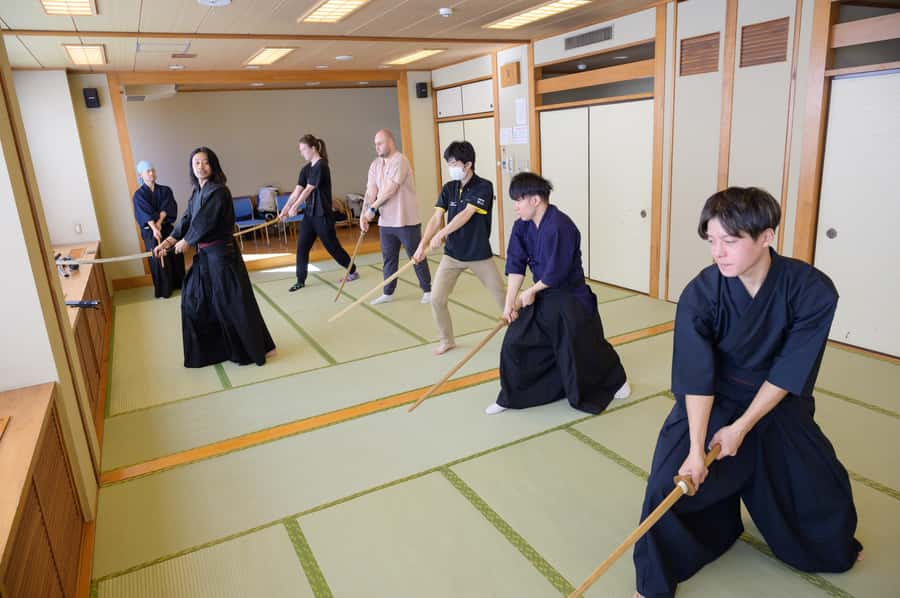
- The practice: Learn stance, grip, and basic strikes and defensive moves with wooden swords.
- The public class: You may train alongside Japanese students learning samurai action.
- The setting: Meet at Samurai Experience Photo Studio ICHI, then walk to a nearby dojo.
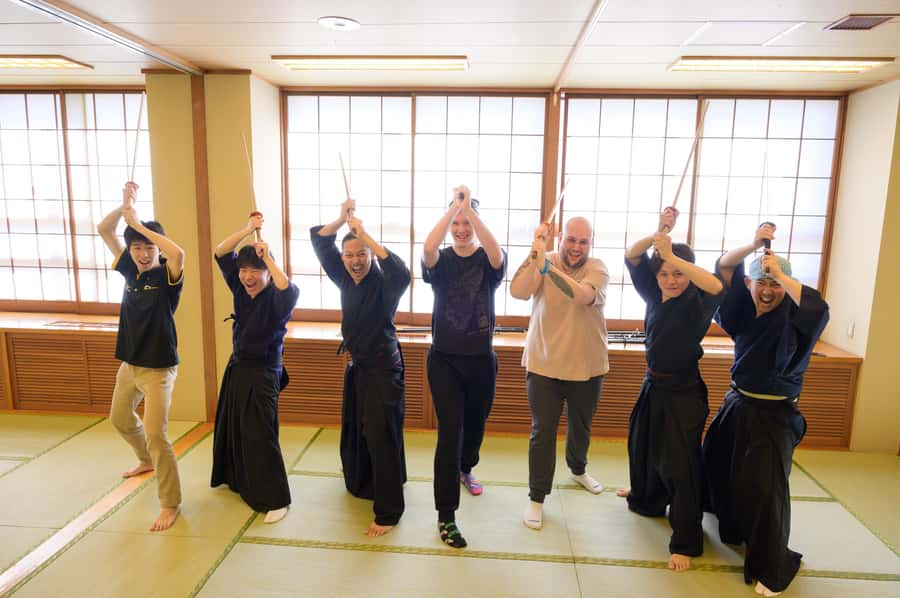
- The finish: Watch a demonstration and take photos with the instructors. Costume rental is optional.
From photo studio to dojo
The meeting point is listed on Google Maps as Samurai Experience Photo Studio ICHI. One useful detail: the studio is where you meet and, when you’ve chosen a costume option, get changed. The dojo is in a nearby building, so expect a short walk between the two. The activity ends back at the meeting point.
Arrive 15 minutes early. That gives you time to find the studio and get ready without making the class wait. Wear comfortable clothes and closed-toe shoes suitable for moving around. High heels are not allowed, and you won’t want restrictive clothing for warm-ups and sword practice.
Tokyo’s central location makes this a practical activity to fit around a day in the city. It is described as accessible from Tokyo Station, Ginza, and Tsukiji, though transportation to and from the workshop is not included. Check your route before setting out rather than assuming the activity provides a transfer.
More samurai experiences in Tokyo:
- Tokyo: Samurai Restaurant Show Ticket with 2 Drinks
★ 4.5 · 1,307 reviews - Tokyo: Samurai Ninja Museum Guided tour and Experience
★ 4.6 · 1,010 reviews - Tokyo: Samurai Sword & Archery Class from Samurai Descendant
★ 5.0 · 603 reviews
Warm-ups and the first sword movements
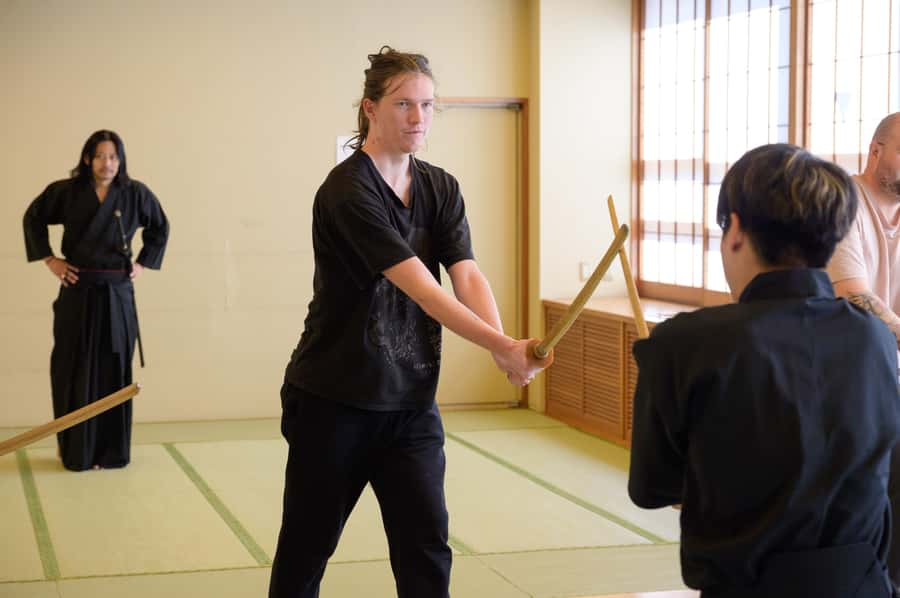
The session starts with warm-up exercises, then moves to the fundamentals: how to hold, grip, and swing the sword, along with basic stance and movement. Beginners are welcome, and the instructors guide you through the sequence rather than expecting you to arrive with martial arts experience.
That beginner-friendly approach is important. A sword can look simple in a film, but controlled movement takes coordination and attention. The workshop gives you a chance to learn where to place your hands and how to move your body before trying a short action sequence.
The practice swords are wooden, and the lesson is designed for safe instruction, not actual sword fighting. You can expect to rehearse basic strikes and defensive movements, but not to spar with sharpened weapons. This is a hands-on introduction to staged samurai action, with safety taking priority over theatrical bravado.
The physical side is part of the appeal. You are not only hearing about samurai culture; you are trying a few of the movements yourself. Still, it is an active session. The experience is not suitable for pregnant women, wheelchair users, people with back problems or vertigo, or people with pre-existing medical conditions. If any of those concerns apply, this is one to skip.
Public class or a private lesson?
In the public course, you join a class that may include aspiring Japanese actors practicing samurai action. You watch their training, then have the chance to practice alongside them. That shared setting can make the workshop feel less like a demonstration staged just for visitors and more like a glimpse into how performers rehearse.
The trade-off is that the class follows a group format. You’ll be learning with others rather than having every minute tailored to your interests. Group size is not specified, so don’t count on a small class or a private-feeling experience.
The private course begins with a brief introduction to samurai history and culture. An instructor then adjusts the lesson to your level and goals. This format is especially suited to martial arts practitioners or people who already know something about Japanese culture and want to explore the movements in more depth.
A private lesson may also suit you if you prefer a quieter, more focused session. The supplied information does not give a separate private-course price, so check the booking details for the option and rate that apply to your date. Some people may find themselves in a very small public class by chance, but that is not something you can rely on when choosing a course.
Paired practice, action demonstration, and photos
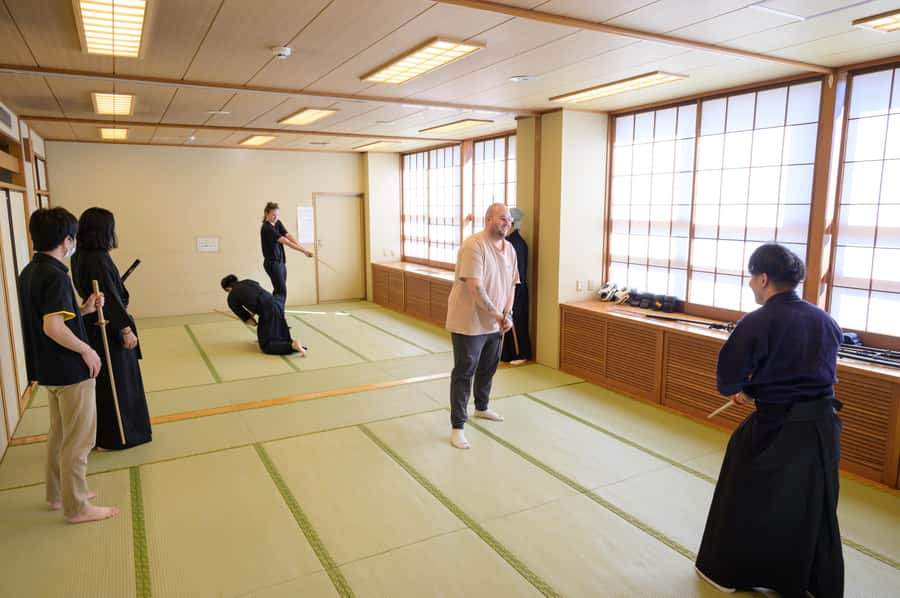
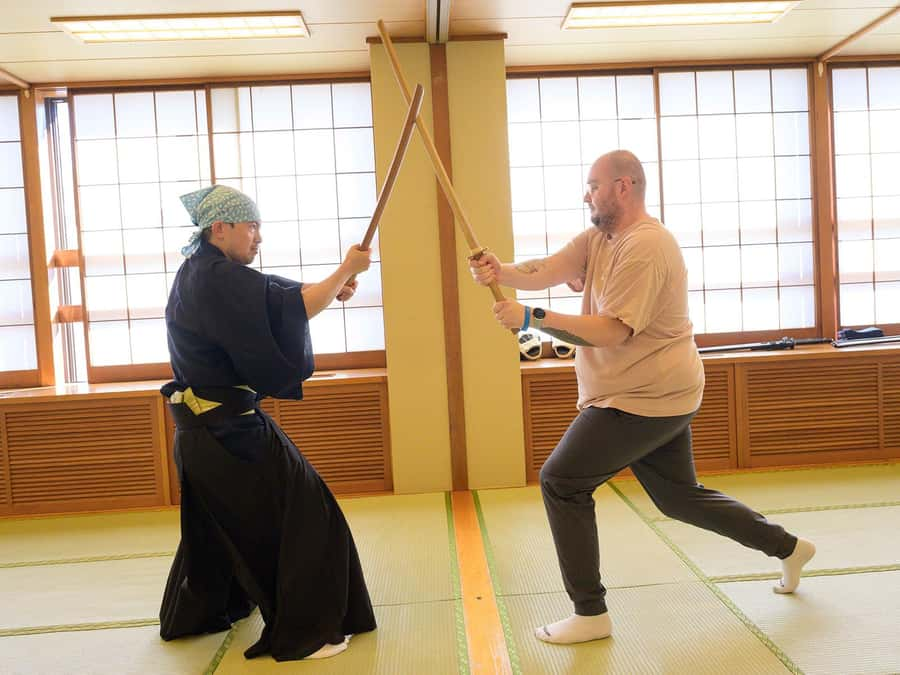
After the basic movements, the workshop moves to paired practice with a professional samurai instructor. The aim is to give you a taste of performing a scene, not to test your fighting ability. You can work through the moves with guidance, which helps turn the earlier practice into something more expressive.
Then comes a demonstration by the samurai. Watching the instructor perform the movements at speed gives you a better sense of how much control goes into action work. It also puts your own slower practice in perspective: the polished result depends on rehearsed timing and clear movements, not simply swinging hard.
The closing photo session gives you a keepsake from an activity that is otherwise physical and brief. If you add a costume, you can include it in the pictures. Costume is not listed among the included items, though, so treat it as an optional extra and confirm the details when booking.
You can also choose simply to observe. That makes the workshop more flexible if you are unsure about participating, though the main value for many people is the chance to try the movements themselves.
More tours and experiences in Tokyo:
- Mt Fuji and Hakone 1-Day Bus Tour Return by Bullet Train
★ 5.0 · 26,383 reviews - 1-Day Tokyo Bus Tour
★ 5.0 · 14,250 reviews - Tokyo: teamLab Planets TOKYO Digital Art Museum Entry Ticket
★ 4.6 · 9,779 reviews - Mt Fuji & Hakone Cruise, Drum Show Bullet Train 1 Day from Tokyo
★ 4.0 · 7,413 reviews
What the $24 price gets you
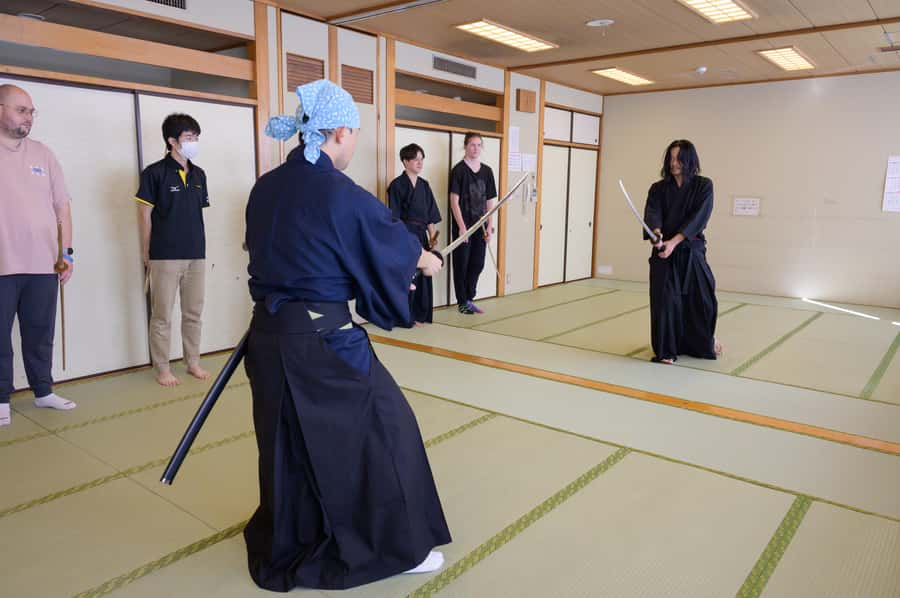
At $24 per person, the core package includes an introduction to samurai history, a live training demonstration, hands-on practice, wooden swords, and a photo session. That is a good range of activities for a modest price, especially if you want something more participatory than a museum visit or a costumed photo stop.
The value comes from having instructors demonstrate and correct the movements, not from mastering swordsmanship in one sitting. This is an introductory encounter, and one lesson will only take you so far. Think of it as a lively cultural activity that lets you try the basics and see skilled performers at close range, rather than formal training.
Meals, drinks, transportation, and costume are not included. Bring water if you want it, and plan for any costume charge separately. A participant described being offered water during a session, but it is not listed as an included service, so don’t make your plans depend on it.
The course has earned a 5-star rating across 46 reviews, and the strongest praise centers on the instructors. Dai and Kume are repeatedly described as warm, helpful, and careful in their explanations. One family spanning three generations treasured the activity together, while another couple found the lesson interesting and fun despite knowing it was a tourist-oriented introduction. That points to a useful strength: the workshop can work for mixed experience levels, provided everyone is comfortable with physical activity.
Is it a good fit for your Tokyo plans?
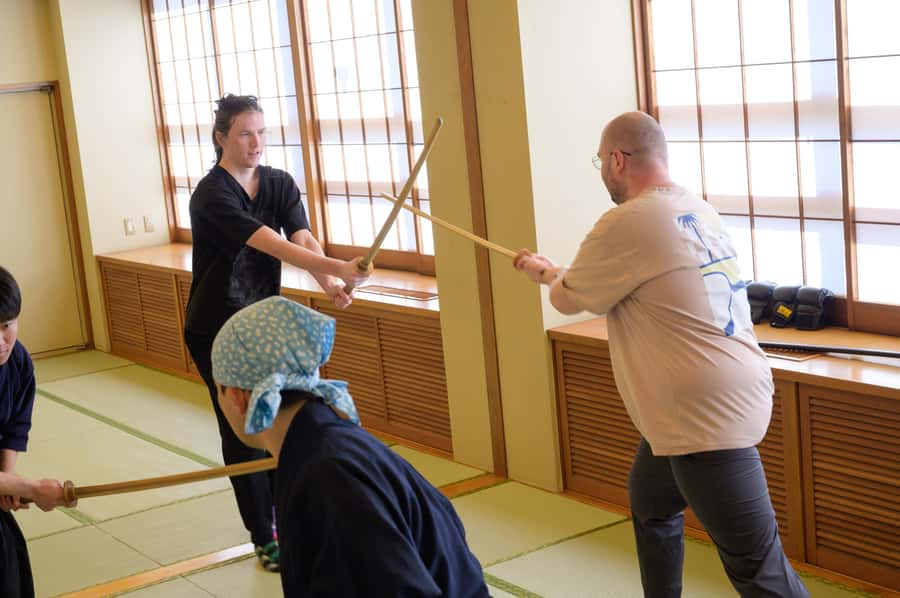
I’d consider this workshop if you want a hands-on activity with a clear Japanese cultural theme, but don’t need a full-day commitment or advanced instruction. It suits curious beginners, families with participants who can safely take part, and visitors interested in stage combat, samurai films, or Japanese performance.
The public class has an extra point of interest if you like seeing how local performers practice. The private option makes more sense if you want the instructor to focus on your goals or have prior martial arts experience. Either way, the instructors’ willingness to demonstrate and offer practical tips is a central part of the experience.
It is less suitable if you want historically rigorous sword training, real combat, or a long lesson that builds advanced skills. The workshop uses safe, staged movements and is designed to give you an introduction. That limit is not a flaw, as long as you book with the right expectation.
If you’re choosing between this and another activity in central Tokyo, ask yourself whether you want to move, practice, and take part. If yes, the price is appealing and the format offers more than a photo opportunity. If you’d rather avoid physical activity or have one of the listed medical or mobility restrictions, choose something else.
Practical details before you book
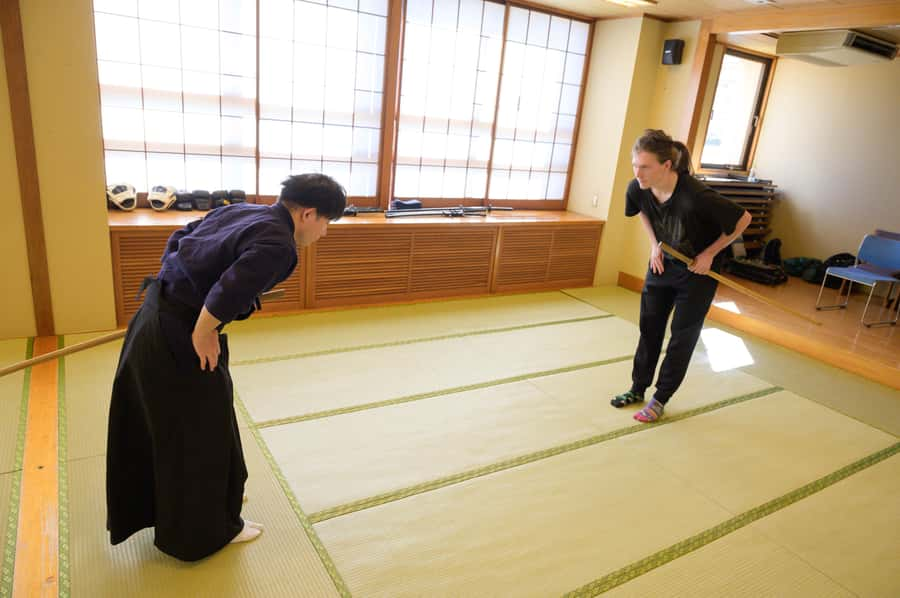
The workshop is offered in Japanese and English. Comfortable clothing and closed-toe shoes are the best choice; high heels are prohibited. Smoking, drones, alcohol and drugs, electric wheelchairs, and explosive substances are not allowed.
The activity is not suitable for pregnant women, people with back problems, wheelchair users, people with vertigo, or people with pre-existing medical conditions. If you’re uncertain whether the physical movements are appropriate for you, contact the provider before booking.
You can reserve and pay later, and cancellations made at least 24 hours in advance qualify for a full refund. The stated provider is ICHIMILE Co., Ltd. Make sure your booking confirms the course type and whether you want to add a costume.
Should you book the samurai workshop?
Book it if you want to try basic sword movements, meet friendly instructors, and see samurai action performed up close. The combination of guided practice, a demonstration, and the possibility of joining Japanese students gives this low-cost Tokyo activity a good deal of character.
Choose the private course if focused instruction matters more than the group atmosphere. Choose the public course if you like learning alongside others and want the chance to see aspiring actors at work. Just keep expectations grounded: this is a safe, entertaining introduction, not a crash course in becoming a samurai.
FAQ
How much does the workshop cost?
The listed price is $24 per person. Check the booking details for the price of a private course or optional costume.
Where does the activity meet?
Meet at Samurai Experience Photo Studio ICHI, which you can search for by name on Google Maps.
Does the workshop end at the meeting point?
Yes. The activity ends back at the meeting point. The dojo is in a nearby building, reached on foot from the studio.
What will I learn?
You’ll learn basic sword handling, including grip, stance, and swings, then practice simple strikes and defensive movements with a wooden sword.
Will I use a real sword or take part in actual fighting?
No. You practice safely with wooden swords and do not engage in actual sword fighting.
Are beginners welcome?
Yes. Beginners are welcome, and the instructors guide participants through the basic movements.
What is the difference between the public and private courses?
The public course joins a class that may include Japanese students learning samurai action. The private course begins with a short introduction to samurai history and culture, followed by a lesson tailored to your level and goals.
Is a samurai costume included?
No. A costume is available as an option, but it is not included in the stated package.
What should I wear?
Wear comfortable clothes and closed-toe shoes suitable for physical activity. High-heeled shoes are not allowed.
Who should not take part?
The workshop is not suitable for pregnant women, wheelchair users, or people with back problems, vertigo, or pre-existing medical conditions.
Freshly reviewed in Tokyo
- Tokyo: Toshimaya Sake Brewery Tour with Sake Tasting★ 5.0 · 6 reviews
- :Tokyo,Shibuya /Meiji Shrine tour in KIMONO/English-friendly★ 5.0 · 4 reviews
- Tokyo: Tour Privado por Tokio en español★ 4.3 · 4 reviews
- Tokyo:Tea ceremony experience at Komaba Warakuan★ 4.8 · 9 reviews
- :Tokyo,Shibuya/ Pro Photography in Kimono / English-Friendly★ 5.0 · 26 reviews
- Tokyo:Samurai Training : Swords, Bushido & Mental Discipline★ 5.0 · 6 reviews
- Tokyo:Mt Fuji & Hakone Day Tour with English Speaking Driver★ 5.0 · 26 reviews
- Tokyo:Nikko UNESCO World Heritage Sites Private 1-Day Tour★ 3.8 · 6 reviews
Tokyo Samurai Experiences, compared.
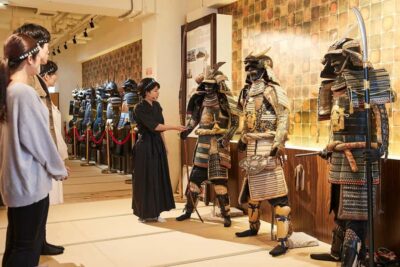
Samurai Ninja Museum Guided tour and Experience
Read our review →
Samurai Sword & Archery Class from Samurai Descendant
Read our review →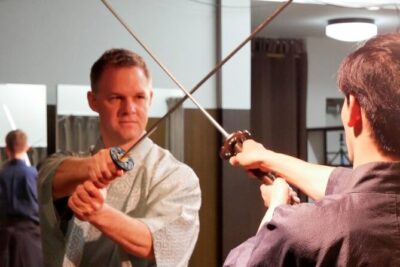
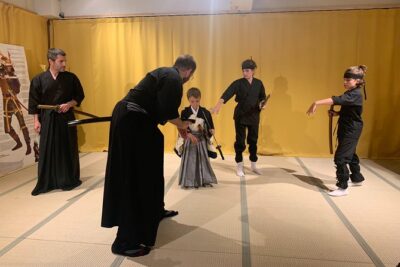
Ninja Experience (Family Friendly) at Samurai Ninja Museum TOKYO
Read our review →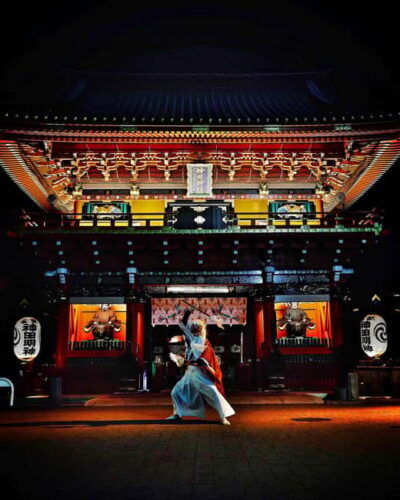
Samurai Entertainment Night Show in Kanda Shrine
Read our review →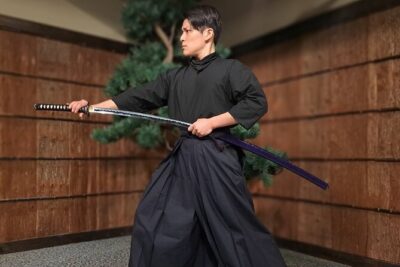
Tokyo Sword Experience – includes Museum Ticket/Ninja Experience
Read our review →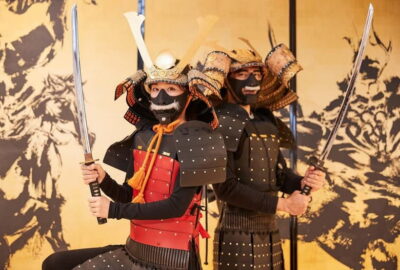
Samurai Ninja Museum Asakusa: Samurai Sword Lesson & Tour
Read our review →Browse the lists this tour appears in