
Reviewed · TOKYO TEA CEREMONIES
Tokyo: Practicing Zen with a Japanese Tea Ceremony
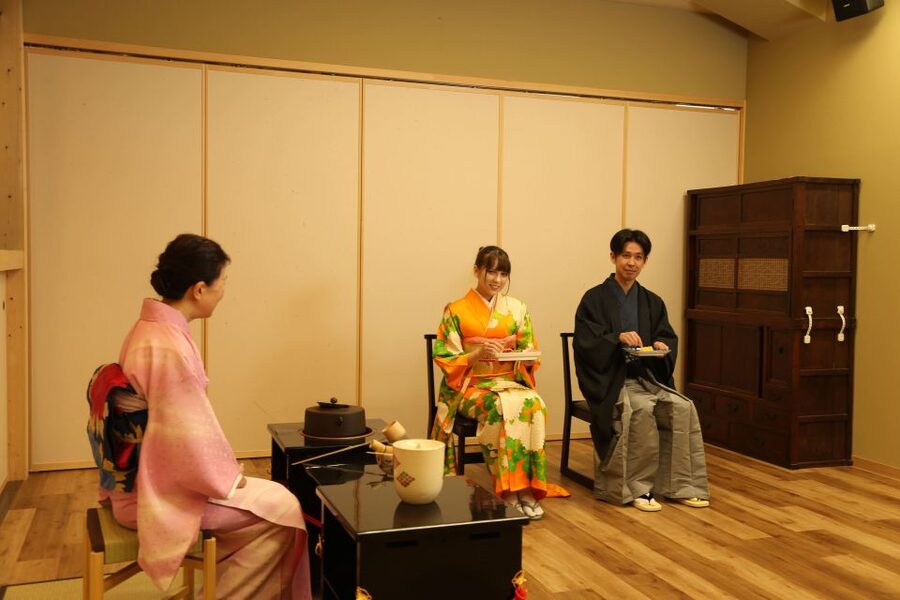
A bowl of matcha is only part of this 75-minute experience. The point is to notice how the tea ceremony’s movements, utensils and setting express ideas connected with Zen Buddhism, then try those movements yourself with an instructor beside you.
I like two things in particular: you don’t just watch a tea master prepare the tea, you get a guided turn yourself; and the class pairs matcha with a traditional Japanese sweet while explaining why the ceremony is done as it is. The group is limited to 10, so you should be able to see and hear the demonstration.
One consideration: this is a quiet, focused class, not a long meditation session. The Zen exercise has felt brief to some participants, and sound from an activity next door can sometimes intrude on the calm.
What to Know Before You Book
- You get to prepare tea yourself: After watching the instructor, you conduct a second ceremony with guidance.
- The lesson connects ritual with Zen: You’ll hear about the role of Zen Buddhism and the meaning behind the ceremony’s details.
- Matcha comes with a traditional sweet: The tasting is included, along with the tea ceremony.
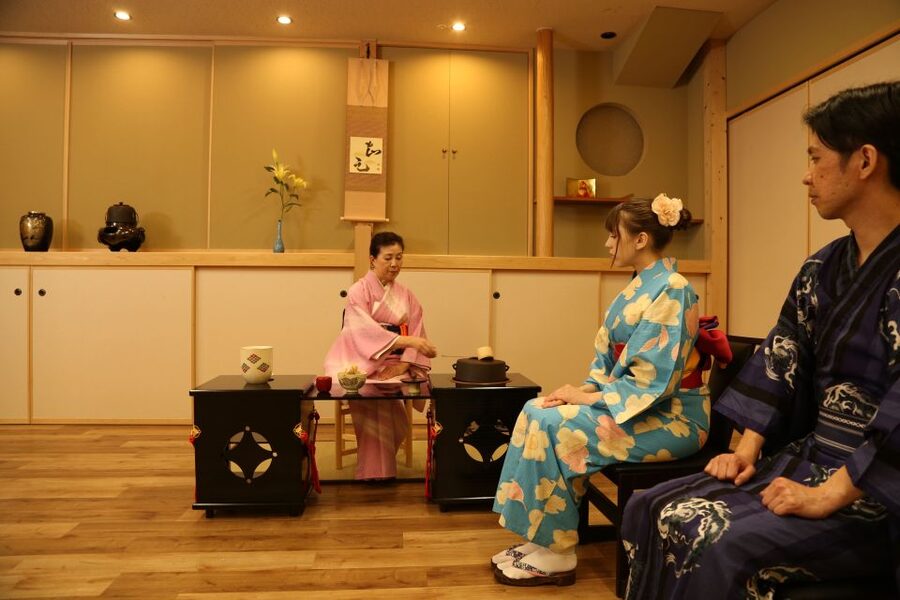
- You don’t have to sit on the floor: Chairs are available for anyone who prefers them.
- The class is small and in English: It lasts 75 minutes and takes up to 10 participants.
- The meeting point is opposite Tokyo Tower: Find your instructor at the main entrance of Kikai Shinko Kaikan, on the first floor.
A Tea Ceremony That Makes Room for Questions
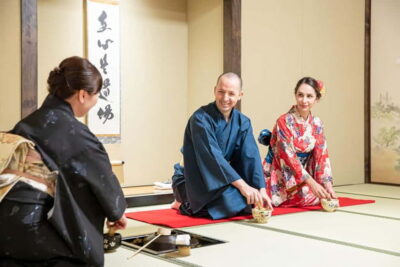
It’s easy to see a Japanese tea ceremony as a beautiful sequence of gestures and miss the thought behind them. This class slows things down enough for you to follow the process, hear about its connection with Zen Buddhism and try some of the practice yourself.
The format is helpful if you’re new to tea ceremony. First you watch the instructor prepare matcha and explain the movements. You taste the tea with a traditional sweet, then have a turn at conducting a ceremony with expert guidance. The goal is not to master a formal art in 75 minutes. It’s to leave understanding more than you did when you arrived.
Past sessions have been led by instructors including Junko, Ken and Midori. Your instructor may be someone else, but the class is conducted in English. Participants have praised the teaching for being clear, warm and informative. One described a teacher who mixed humor into the lesson, which can make the formal details easier to take in.
More tea ceremonies in Tokyo:
- Matcha Making Class in Tokyo with Authentic Japanese Sweets Set
★ 5.0 · 744 reviews - Tokyo: Traditional Tea Ceremony with a Tea Master
★ 5.0 · 528 reviews - Tokyo: Matcha Making Experience with Mochi Sweets in Asakusa
★ 4.9 · 388 reviews
Finding the Room Near Tokyo Tower
The meeting point is the main entrance on the first floor of Kikai Shinko Kaikan, directly opposite Tokyo Tower. If you can’t find your instructor, go to True Japan Tour in Room B109 on the building’s basement level.
Transportation is not included, so plan your own route to the building. The instructions identify the meeting point, but don’t give details about the nearest station or travel time. Check your route before setting out, especially if you have a timed reservation.
The setting is intended to feel like a tea room, and the small group helps keep the lesson personal. A group of no more than 10 means you’re less likely to lose sight of the demonstration than you might in a large class. It also gives the instructor a better chance to guide you when it’s your turn.
There is one practical wrinkle: quiet is part of the experience, but the room may not be fully insulated from nearby activities. If you’re hoping for complete silence, keep your expectations measured. The ceremony and teaching remain the focus, but an occasional sound from next door can interrupt the mood.
Watching the Instructor Prepare Matcha
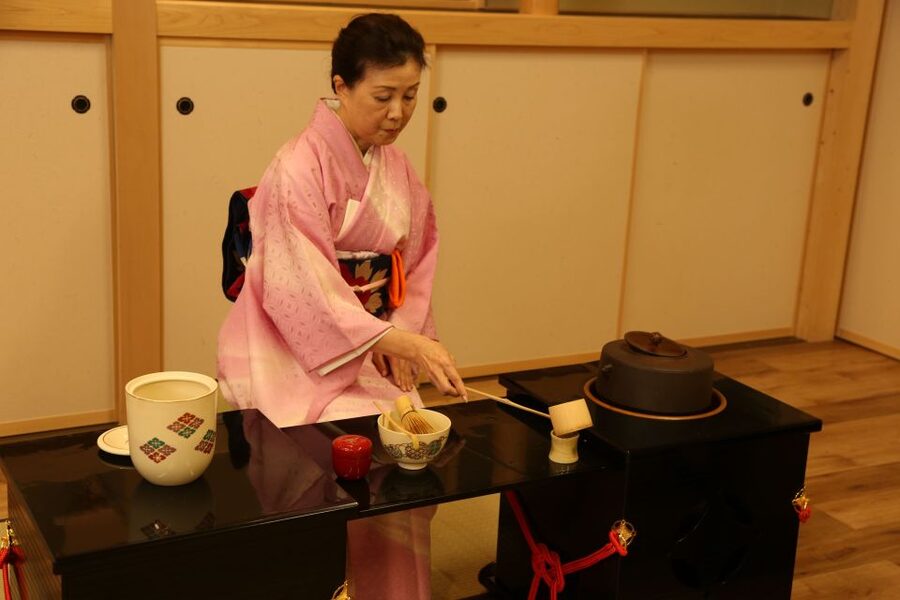
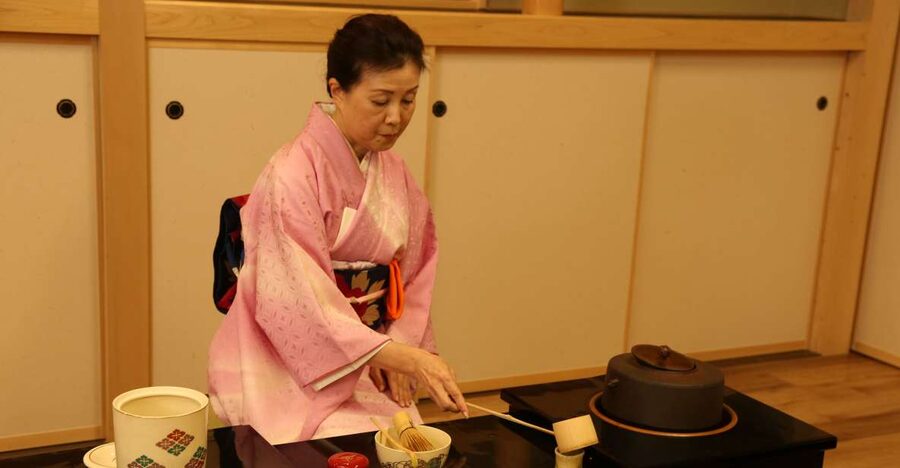
The first part of the class is demonstration. Watch the instructor prepare matcha and pay attention to the movements, as well as the utensils used. The teacher explains the different parts of the ceremony and why particular actions matter, so you’re not left trying to guess what each gesture means.
That explanation is what makes the experience more than a tasting. Tea ceremonies involve specific practices, and hearing how those practices connect with Zen Buddhism gives the sequence a wider context. You’ll also learn about the place the ceremony holds in parts of Japanese society.
The class does not promise a full history course or a detailed survey of every tea tradition. Instead, it offers an introduction through a single guided encounter. That’s a useful scale for a short Tokyo activity: enough time to understand the basic ideas, without asking you to spend half a day in a classroom.
Listen for the reasons behind the movements rather than treating them as steps to memorize. The instructor explains how the ceremony expresses ideas through art and architecture, as well as through the preparation itself. The supplied information does not name each utensil or spell out every gesture, so expect to learn those specifics in the room rather than from a fixed list beforehand.
Matcha, Sweets and the Pause Between Lessons
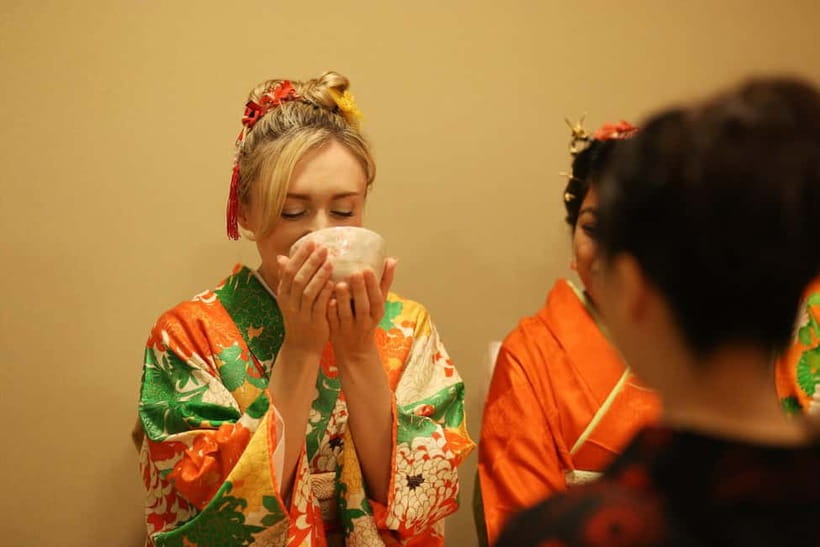
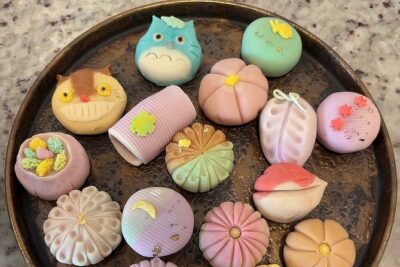
After the demonstration, you’ll taste matcha with a traditional Japanese sweet. The sweet is specifically paired with the green tea, making this part of the class a small lesson in how the two are enjoyed together, not simply a snack break.
Matcha has a distinctive flavor, and the ceremony gives you a reason to slow down and pay attention to it. You’ll have a moment to take in what you’ve just seen before the practical part begins. The tea and sweet are included in the $63 price, so you don’t need to arrange a separate tasting.
The experience is not described as a full meal, and there is no mention of other food or drink. If you’re hungry, don’t count on the sweets to replace lunch. Think of them as part of the ceremony rather than a food stop.
More tours and experiences in Tokyo:
- Mt Fuji and Hakone 1-Day Bus Tour Return by Bullet Train
★ 5.0 · 26,383 reviews - 1-Day Tokyo Bus Tour
★ 5.0 · 14,250 reviews - Tokyo: teamLab Planets TOKYO Digital Art Museum Entry Ticket
★ 4.6 · 9,779 reviews - Mt Fuji & Hakone Cruise, Drum Show Bullet Train 1 Day from Tokyo
★ 4.0 · 7,413 reviews
Your Turn to Conduct the Ceremony
The most useful part for many people is the chance to try the practice after watching it. Your instructor guides you through preparing tea yourself, helping you put the demonstration into action. You’re not expected to arrive with prior experience.
There’s value in doing the movements rather than only seeing them. The instruction gives you a chance to notice how much attention the ceremony asks of its participant, and to connect the physical steps with the ideas discussed earlier. It also turns the class into a cultural exchange rather than a performance you simply observe.
Keep your expectations realistic. You’ll have one guided opportunity to conduct the ceremony, not a long course in tea practice. One past participant felt the Zen exercise was too short. If you want extended meditation or advanced training, this is not the format. If you want an approachable introduction and a chance to try the basics, the hands-on turn is a real strength.
Comfort, Access and Good Class Manners
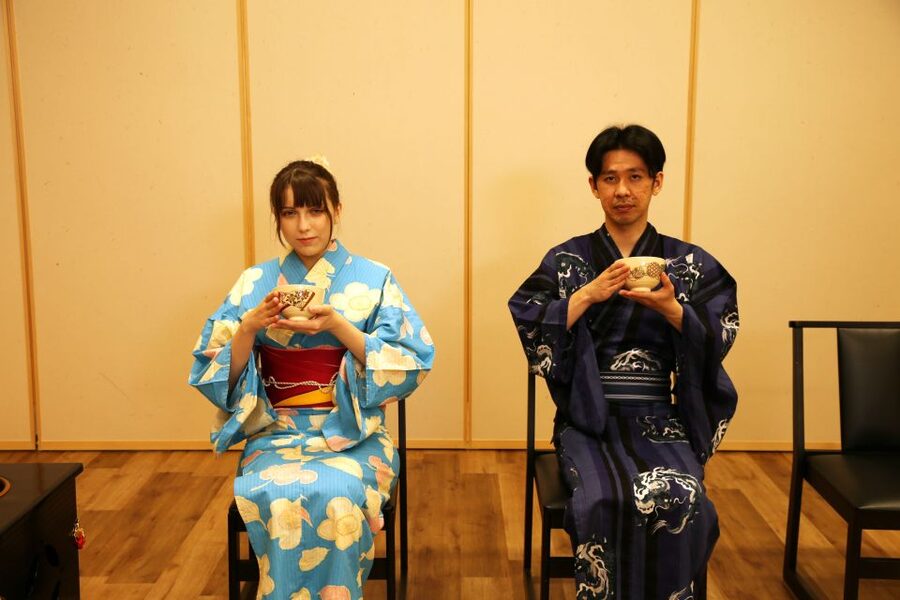
You do not have to sit on the floor. Seats are available for participants who prefer them, and the activity is described as wheelchair accessible. If you have a specific access need, it’s sensible to confirm the arrangements before booking, since the information does not explain the room layout or other accessibility details.
Children under 4 are not suited to this activity. Noise is not allowed, which fits the quiet nature of the ceremony. That rule matters: this is a listening and observing class, so it may not suit a child who needs room to move or talk.
The small class size should make it easier to follow the demonstration and hear the explanations. It also means the room’s atmosphere depends on everyone keeping the focus on the lesson. Come ready to listen, watch and take your own turn.
Is $63 a Fair Price for 75 Minutes?
At $63 per person, this is not the cheapest way to drink matcha in Tokyo. The price makes more sense when you count what is included: an English-language lesson, a tea ceremony demonstration, traditional sweets, matcha, an explanation of the ceremony’s Zen connection and your own guided attempt.
You’re paying for instruction and cultural context, not just a cup of tea. The group limit of 10 also supports a more personal class than a large presentation. If you’re curious about Japanese traditions and want an activity where you can participate, the price is reasonable for the amount of teaching packed into 75 minutes.
The value is less compelling if your main aim is a long stretch of quiet reflection or a meal. The class is brief by design, and there is no transportation included. Consider it a focused cultural lesson that fits into a Tokyo day, rather than a full-day retreat.
Booking terms offer some flexibility: you can reserve now and pay later, and cancel up to 24 hours in advance for a full refund. Starting times vary, so check availability for your date.
Who Will Get the Most from This Class?
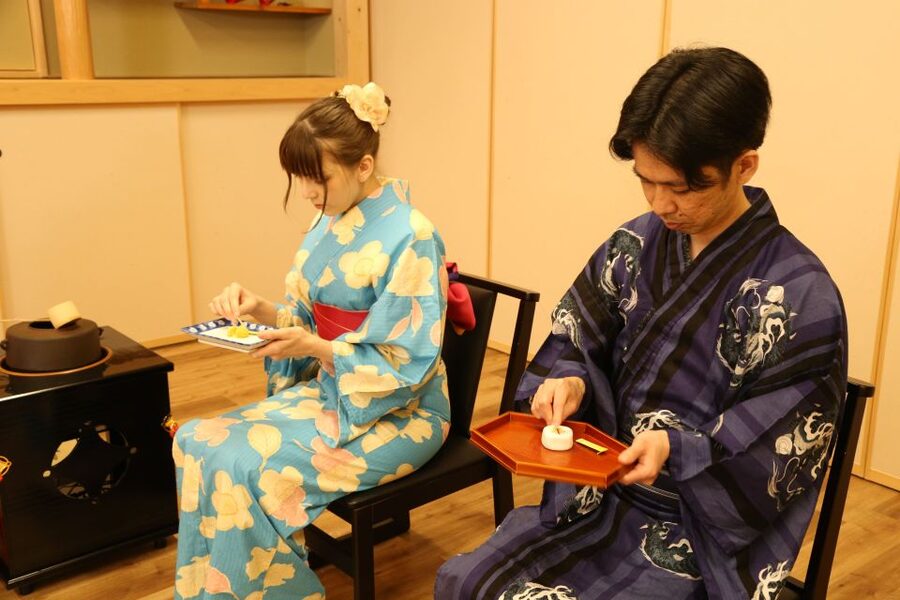
I’d choose this class if you’re interested in Japanese culture but want more than a demonstration. The combination of explanation, tasting and practice gives you several ways to engage with the ceremony, and the English instruction makes the ideas accessible even if you know little about tea or Zen Buddhism.
It also suits anyone who wants a compact activity near Tokyo Tower. The location makes it easy to pair the class with time in the area, though you’ll need to arrange your own transportation. The 75-minute length is manageable in a busy itinerary, while still allowing time for both the demonstration and your own attempt.
It may be less suitable if you want extended meditation, complete quiet or a detailed course in tea ceremony. The class gives you an introduction, not mastery, and sound from a neighboring activity may occasionally carry into the room. If you’re comfortable with those limits, it offers a thoughtful, hands-on way to spend part of your day.
Should You Book It?
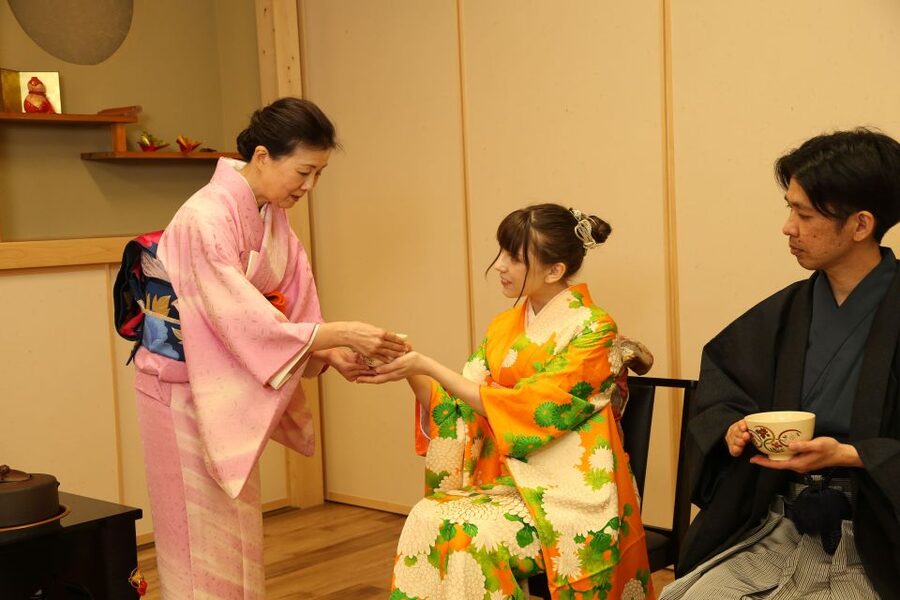
Book this if you want to understand the thinking behind a Japanese tea ceremony and try preparing matcha under an instructor’s guidance. The strongest reasons to go are the clear explanations, the chance to participate and the connection between the practice and Zen Buddhism.
Skip it if your priority is a long meditation session or a silent retreat. At 75 minutes, the experience is an introduction, and the calm may not be perfect. For a small, accessible cultural class near Tokyo Tower, though, it offers more than a cup of tea and a quick photo.
FAQ
How long does the tea ceremony experience last?
It lasts 75 minutes.
What is the price?
The price is $63 per person.
Is the class taught in English?
Yes. The instructor teaches in English.
How many people are in the group?
The small group is limited to 10 participants.
Is matcha included?
Yes. Matcha green tea is included.
Are traditional sweets included?
Yes. A traditional Japanese sweet paired with the tea is included.
Do I get to try preparing tea myself?
Yes. After the instructor’s demonstration, you conduct a second tea ceremony with guidance.
Do I have to sit on the floor?
No. Seats are available if you prefer not to sit on the floor.
Where is the meeting point?
Meet your instructor at the main entrance on the first floor of Kikai Shinko Kaikan, opposite Tokyo Tower. If you cannot find the instructor, visit True Japan Tour in Room B109 on the basement level.
Can I cancel for a refund?
You can cancel up to 24 hours in advance for a full refund.
Freshly reviewed in Tokyo
- Tokyo: Toshimaya Sake Brewery Tour with Sake Tasting★ 5.0 · 6 reviews
- :Tokyo,Shibuya /Meiji Shrine tour in KIMONO/English-friendly★ 5.0 · 4 reviews
- Tokyo: Tour Privado por Tokio en español★ 4.3 · 4 reviews
- Tokyo:Tea ceremony experience at Komaba Warakuan★ 4.8 · 9 reviews
- :Tokyo,Shibuya/ Pro Photography in Kimono / English-Friendly★ 5.0 · 26 reviews
- Tokyo:Samurai Training : Swords, Bushido & Mental Discipline★ 5.0 · 6 reviews
- Tokyo:Mt Fuji & Hakone Day Tour with English Speaking Driver★ 5.0 · 26 reviews
- Tokyo:Nikko UNESCO World Heritage Sites Private 1-Day Tour★ 3.8 · 6 reviews
Tokyo Tea Ceremonies, compared.

Matcha Making Class in Tokyo with Authentic Japanese Sweets Set
Read our review →
Matcha Making Experience with Mochi Sweets in Asakusa
Read our review →
Tea Ceremony Workshop in Tokyo by the Experienced Instrucor
Read our review →
Make Traditional Nerikiri Sweets & Matcha experience in Shibuya
Read our review →Browse the lists this tour appears in