
Reviewed · TOKYO TEA CEREMONIES
Tokyo: Matcha Tasting and Making Experience
Tokyo’s matcha lesson begins with a useful question: does every green powder sold as matcha actually qualify as matcha? With a former tea farmer guiding the tasting, you compare teas from five Japanese production areas, learn how matcha is grown and made, and then whisk a bowl yourself.
I like two things in particular: the tasting gives you a chance to notice differences in color, fragrance, and flavor, and the instructor brings practical experience from six years growing tea in Kyoto. You also finish with a matcha latte, a hojicha latte, and sweets, so the session moves from careful tasting to a more relaxed treat.
One point to check before booking: the experience is described as offering ten types of matcha in one place and eight in another. The session details specify eight, including six ceremonial-grade teas and two products sold as matcha that are not technically defined as matcha. If an exact count matters to you, confirm it before you reserve.
Key points
- Compare teas from five production areas: The tasting is designed to help you notice differences between Japanese matcha, not just sample one bowl.
- Learn from a former tea farmer: Chisei is described as having grown tea in Kyoto for six years and leads the session in English.
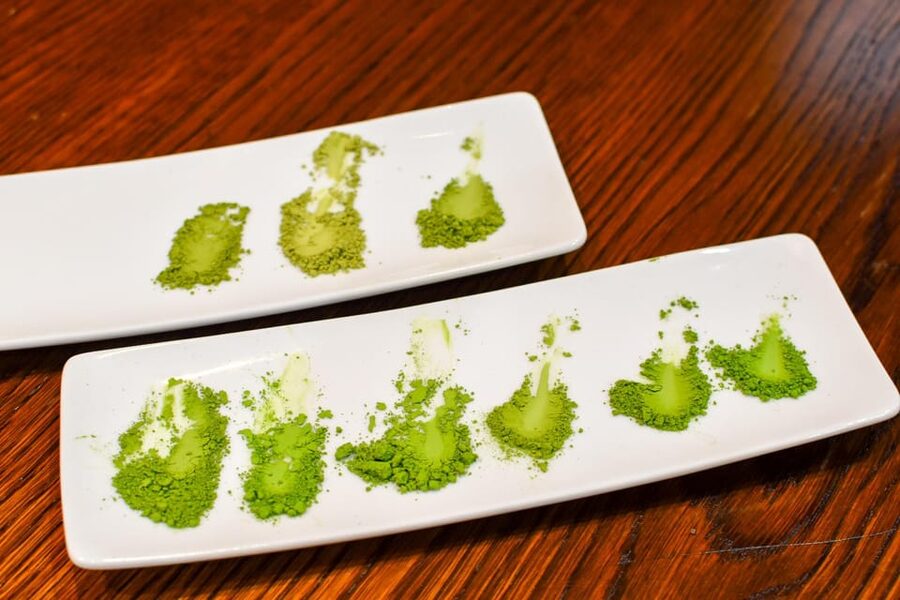
- See what the powder can tell you: You look at the matcha’s color before tasting it, then consider its fragrance and flavor.
- Whisk your own bowl: Choose a favorite and make usucha, a thin style of matcha, with a bamboo whisk.
- Try matcha in other forms: The session also includes matcha and hojicha lattes, plus matcha sweets.
- Expect a small class: The group is limited to five participants, which leaves room for questions and close attention to the demonstration.
A matcha class in an Asakusa hotel cafe
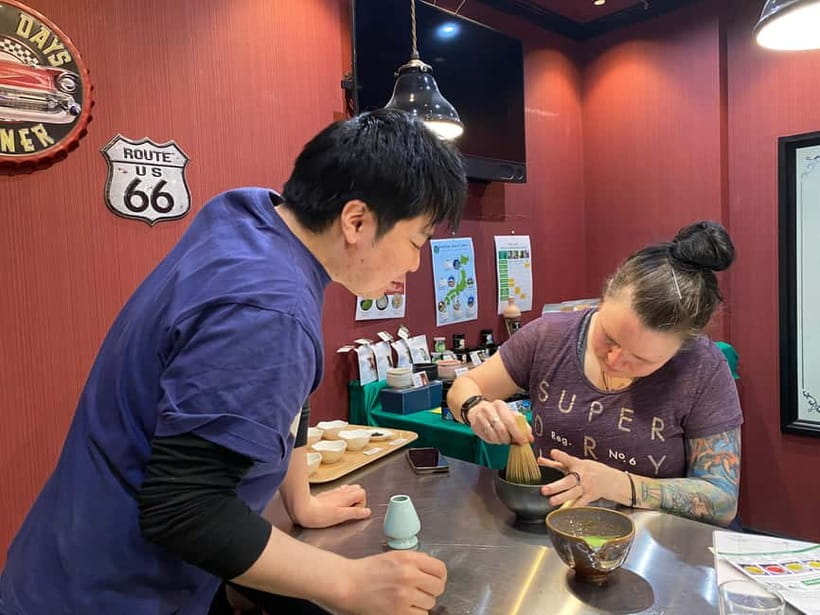
This is a seated, indoor tea experience in a cafe on the second floor of Henn na Hotel Asakusa Tawaramachi. The meeting point is easy to identify once you are at the hotel: a FamilyMart is on the first floor, and you enter the hotel and go up to the second floor for the cafe.
The setting matters because this is not a farm visit or a traditional tea-house ceremony. You are there to learn, taste, and practice in a compact class. The 90-minute format suits a busy Tokyo schedule, though it is short enough that the focus stays on a few key ideas rather than a full course in Japanese tea.
The group limit of five is a real plus for this sort of lesson. You can see the tea and whisking demonstration at close range, and it should be easier to ask questions than in a large group. The class is in English, so you do not need to follow a Japanese-language explanation to get the main points.
More tea ceremonies in Tokyo:
- Matcha Making Class in Tokyo with Authentic Japanese Sweets Set
★ 5.0 · 744 reviews - Tokyo: Traditional Tea Ceremony with a Tea Master
★ 5.0 · 528 reviews - Tokyo: Matcha Making Experience with Mochi Sweets in Asakusa
★ 4.9 · 388 reviews
Start with a welcome drink and the story of matcha
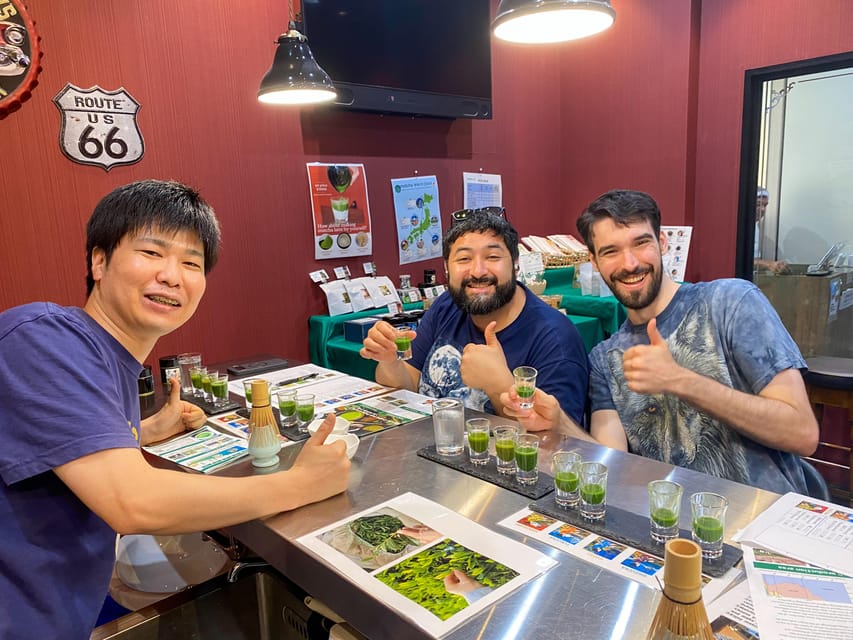
The session opens with a welcome drink while the instructor introduces matcha’s history, definition, and production. That background helps make the tasting more meaningful. Instead of treating matcha as one standard flavor, you begin to understand that cultivation and production choices affect what ends up in your bowl.
The instructor is described as a former tea farmer who grew tea in Kyoto for six years. That practical background is one of the strongest reasons to choose this class. A lesson about farming can connect the finished drink to how tea is cultivated, rather than stopping at the whisk and bowl. Chisei is named as the guide in a participant’s account, and the class information presents the instructor as someone with direct experience in the field.
You can expect an explanation aimed at general visitors, not a specialist seminar. The class specifically asks participants to keep commercial inquiries out of the session, so it is meant for people who want to learn about Japanese tea for personal interest.
Taste across five Japanese tea regions
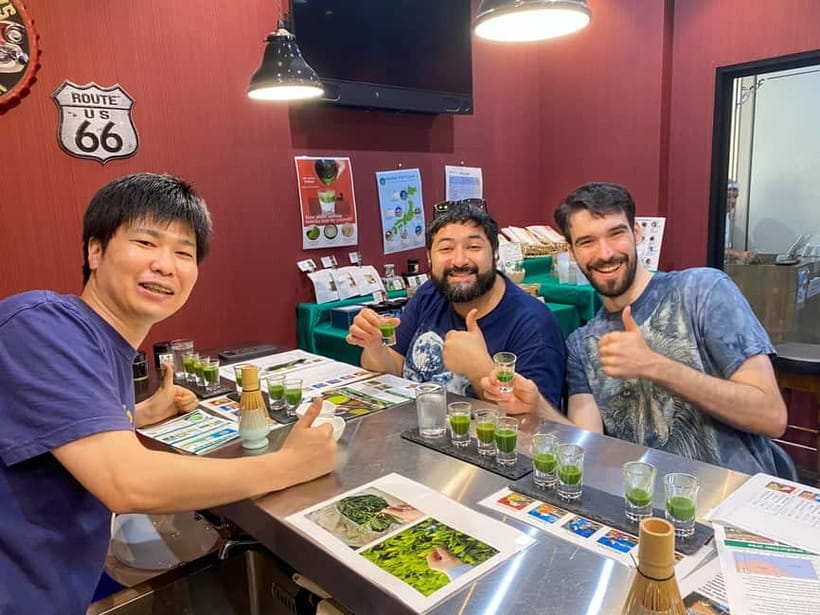
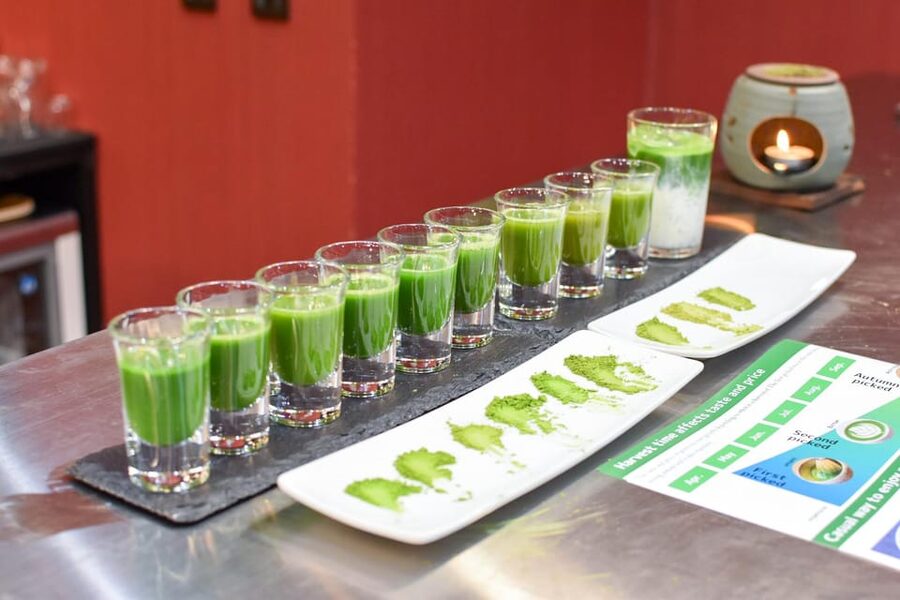
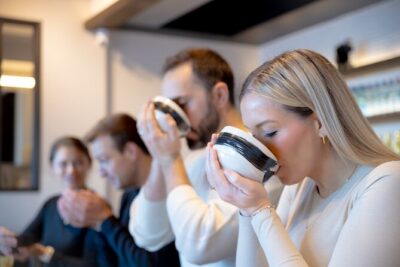
The tasting is the heart of the experience. You compare matcha from five production areas, served in small portions, with attention to the color, aroma, and taste of each tea. Seeing several examples side by side is more instructive than ordering one cup and trying to guess what makes it distinctive.
The session outline describes eight teas: six ceremonial-grade matcha and two products that are sold as matcha around the world but are not technically defined as matcha. That distinction gives the tasting a practical edge. You are not only sampling different flavors; you are also learning that the word matcha can be used loosely in the wider market.
There is, however, a mismatch in the experience details. The headline says you will taste ten types, while the step-by-step description says eight. Since the specific tasting plan spells out eight, that is the clearer expectation to use when deciding whether the activity suits you. If you are booking chiefly for the promised number of samples, ask the provider to confirm what will be served on your date.
The five production areas are not named in the information available here, so do not expect a region-by-region itinerary in advance. The value is in comparing the teas themselves and hearing how production and cultivation relate to what you notice in the cup. You may find that color or aroma is easier to compare than flavor at first. That is part of the point: the instructor gives you a framework for paying attention.
The tasting includes both ceremonial-grade tea and products marketed as matcha but not technically classed that way. This is useful context for anyone who buys matcha outside Japan, where packaging and labeling can leave you unsure what you are getting. The class does not promise a detailed guide to shopping or labels, but the comparison should give you a clearer sense of what the term can mean.
Whisk your favorite with a bamboo tea whisk
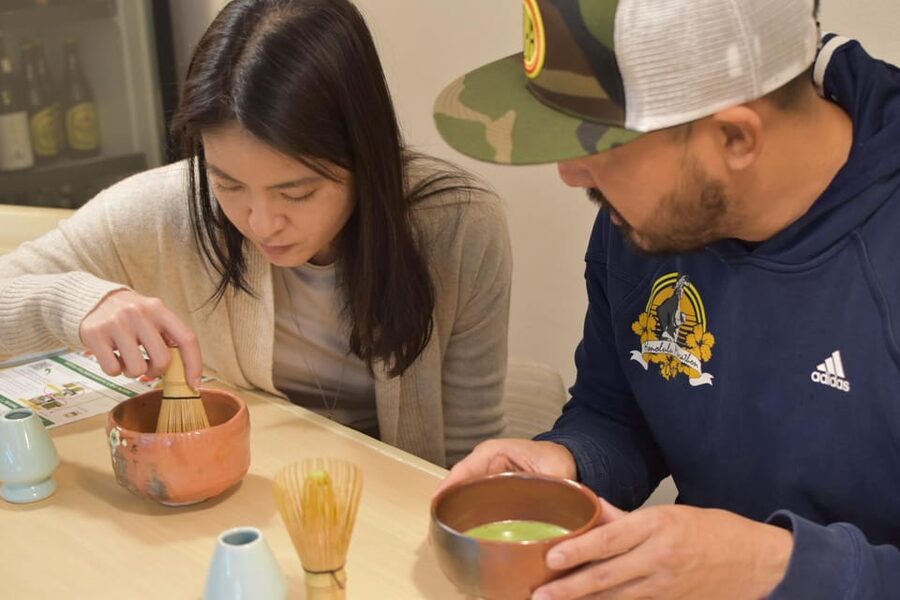
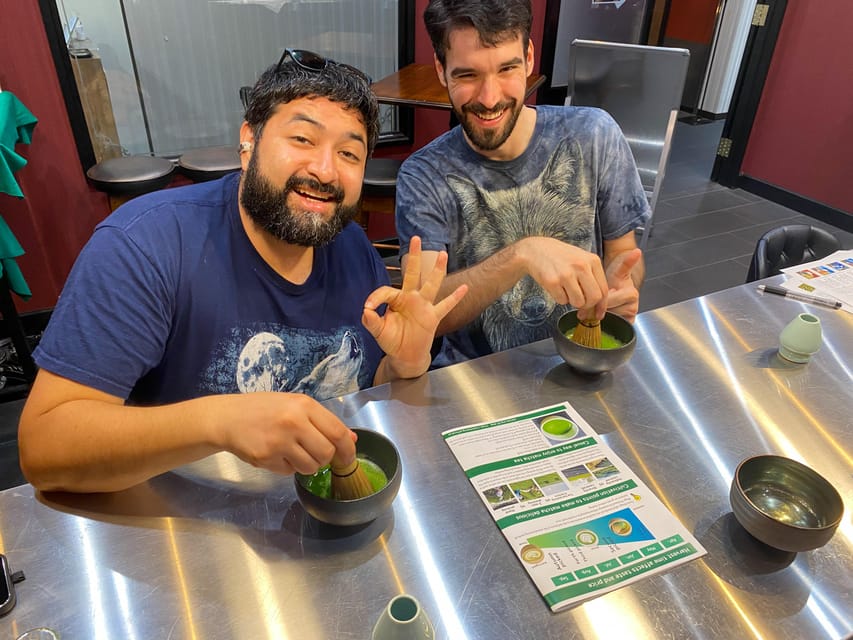
After tasting, you choose the matcha you liked best and prepare it yourself. The instructor demonstrates how to make usucha, or thin matcha, using a bamboo whisk. You get to handle the tools, follow the basic method, and drink what you make.
This is the most hands-on part of the class, and it turns the tasting into a skill you can take home. You are not just watching someone else prepare tea. By doing it yourself, you get a feel for the whisk and the motions involved, then leave with enough experience to try making matcha again at home.
The practical promise is modest and appealing: you will learn the basic preparation demonstrated in class, not become a tea expert in an hour and a half. If you are hoping for an extended ceremony, specialized equipment instruction, or a full lesson in tea etiquette, those details are not part of the stated program. The focus is on understanding the tea and preparing a bowl with a bamboo whisk.
More food and drink experiences in Tokyo:
- Tokyo: Shinjuku Food Tour (13 Dishes at 4 Local Eateries)
★ 5.0 · 6,603 reviews - Tokyo Tsukiji Fish Market Food and Culture Walking Tour
★ 5.0 · 3,184 reviews - Tokyo: Shinjuku Food Tour (15 Dishes and 4 Eateries)
★ 4.9 · 2,033 reviews - Best of Shinjuku: Izakaya Food Tour (4 Stops, 14+ Tastings)
★ 5.0 · 1,863 reviews
End with matcha latte, hojicha latte, and sweets
The final tasting shifts from straight tea to drinks made with milk. You have a matcha latte and a hojicha latte, along with matcha sweets. The matcha latte uses an original blend designed to pair with milk, which makes this part a good contrast with the earlier tasting of matcha on its own.
That contrast is useful if you already enjoy matcha drinks but have not tried to compare the tea itself. Milk and sweetness can soften or change the impression of matcha; tasting the tea first gives you a reference point. Hojicha offers another style of Japanese tea in latte form, though the session details do not specify its preparation or flavor profile.
The sweets round out the class without turning it into a full meal. Plan to treat them as part of the tasting, not as lunch. The welcome drink, tea samples, two lattes, and sweets make the 90 minutes feel like a complete activity rather than a single demonstration.
Is $63 fair for 90 minutes?
At $63 per person, this is not a bargain cup of tea. You are paying for an instructor with tea-farming experience, a guided comparison across five production areas, a chance to make your own matcha, and several drinks and sweets. The small group size also means you are buying a class, not simply a seat at a tasting counter.
I think the price makes the most sense if you want context and participation. If all you want is a matcha latte, you can find one elsewhere for much less. Here, the point is to learn how to distinguish teas, understand what matcha means, and practice preparing it. The value depends on whether you will use that knowledge after the class, perhaps when ordering tea or making it at home.
The exact tasting count is the main uncertainty to settle. The written details include both eight and ten, and that difference could affect your sense of value. Ask the provider which count applies to your session, especially if ten samples are a key reason you are considering the class.
Who will get the most from this class?
This experience suits curious first-timers who want more than a quick photo with a bowl and whisk. You do not need prior tea knowledge. The class is designed for general visitors, and the English-language instruction makes the production and tasting details accessible.
It is also a good fit if you already drink matcha and want a clearer basis for comparing it. The contrast between ceremonial-grade teas and products marketed as matcha can help you think more carefully about what you buy and order. Someone who enjoys learning through tasting will get more from the session than someone who only wants a relaxed cafe stop.
The five-person maximum is especially appealing for solo participants, couples, or small groups who prefer a quieter lesson. But if your main interest is a farm visit, a long formal tea ceremony, or a broad tour of Japanese tea regions, this is not that. You stay at the Asakusa cafe and focus on a compact tasting and preparation class.
Transportation to the cafe is not included, so you need to make your own way to Henn na Hotel Asakusa Tawaramachi. The activity allows free cancellation up to 24 hours beforehand, and you can reserve without paying immediately. Starting times depend on availability.
Should you book it?
Book this class if you want a short, hands-on introduction to matcha led by someone with experience growing tea. The best reasons to go are the side-by-side tasting, the instructor’s practical background, and the chance to whisk your own bowl before sampling lattes and sweets.
Pause if you are mainly buying the experience for a guaranteed ten-tea tasting, since the session details also specify eight. Confirm that count first. If the exact number is not decisive, and you want an informative break in Asakusa that gives you something useful to try at home, this is a good use of 90 minutes.
FAQ
How long is the matcha experience?
The experience lasts 90 minutes.
How many types of matcha will I taste?
The information gives two different counts. The session outline specifies eight types, while the experience highlights say ten. Confirm the number with the provider if it matters to you.
Is the class taught in English?
Yes. English is listed as the language of instruction.
How many people are in the group?
The group is limited to five participants.
Where is the meeting point?
The cafe is on the second floor of Henn na Hotel Asakusa Tawaramachi. A FamilyMart is on the first floor; enter the hotel and go to the second floor.
What is included in the price?
The experience includes a welcome drink, matcha tasting from five production areas, a matcha-making activity, matcha latte, and matcha sweets. Transportation to the cafe is not included.
Freshly reviewed in Tokyo
- Tokyo: Toshimaya Sake Brewery Tour with Sake Tasting★ 5.0 · 6 reviews
- :Tokyo,Shibuya /Meiji Shrine tour in KIMONO/English-friendly★ 5.0 · 4 reviews
- Tokyo: Tour Privado por Tokio en español★ 4.3 · 4 reviews
- Tokyo:Tea ceremony experience at Komaba Warakuan★ 4.8 · 9 reviews
- :Tokyo,Shibuya/ Pro Photography in Kimono / English-Friendly★ 5.0 · 26 reviews
- Tokyo:Samurai Training : Swords, Bushido & Mental Discipline★ 5.0 · 6 reviews
- Tokyo:Mt Fuji & Hakone Day Tour with English Speaking Driver★ 5.0 · 26 reviews
- Tokyo:Nikko UNESCO World Heritage Sites Private 1-Day Tour★ 3.8 · 6 reviews
Tokyo Tea Ceremonies, compared.
Matcha Making Class in Tokyo with Authentic Japanese Sweets Set
Read our review →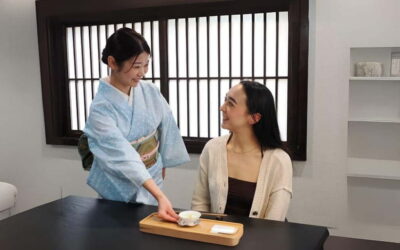
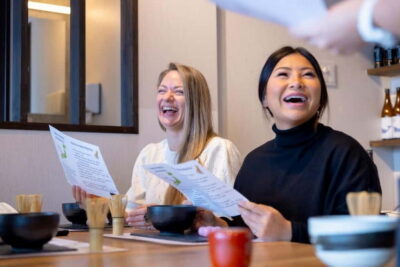
Matcha Making Experience with Mochi Sweets in Asakusa
Read our review →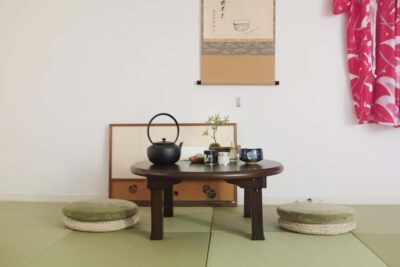
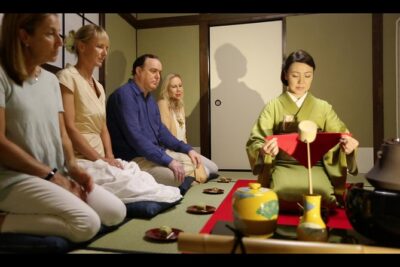
Tea Ceremony Workshop in Tokyo by the Experienced Instrucor
Read our review →
Make Traditional Nerikiri Sweets & Matcha experience in Shibuya
Read our review →Browse the lists this tour appears in