
Reviewed · TOKYO SAMURAI EXPERIENCES
Tokyo 2-Hour Genuine Samurai Experience: Kendo in Japan
Kendo turns samurai swordsmanship into an active lesson: you suit up, learn the basic strikes and etiquette, then test your form in a tournament-style match. I like that an English-speaking instructor teaches practical moves, not just samurai lore, and that armor and equipment are included. One thing to weigh: this is a real physical class, and the warm, heavy gear can make two hours feel long.
I also like the personal scale. The dojo takes no more than 15 people, and the minimum age is nine, so families can learn together without being lost in a large group. The trade-off is that you need to get to the dojo in Arakawa yourself, and you should be comfortable with strenuous activity.
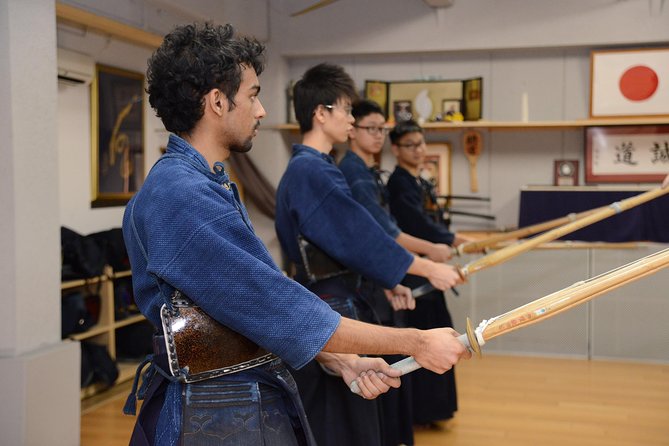
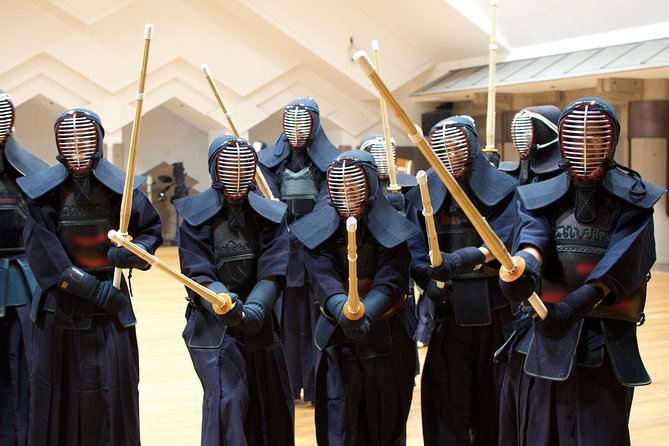
- Put on full kendo gear: Practise in a keikogi, hakama, and protective bogu, rather than trying a sword technique in street clothes.
- Learn before you spar: Your instructor demonstrates and teaches basic form before a tournament-style combat game.
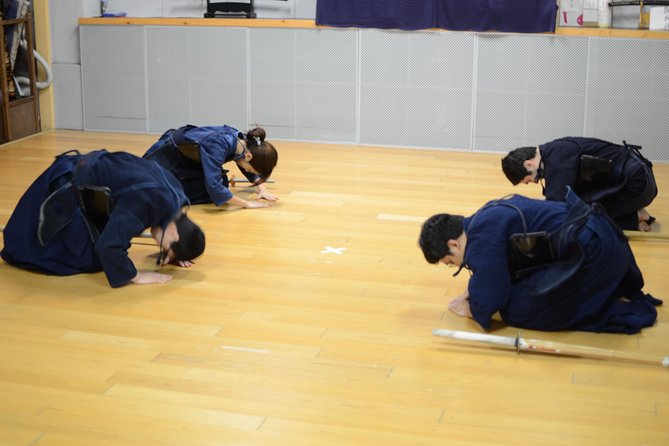
- Hear the culture behind the sport: The session includes instruction in kendo etiquette and samurai tradition.
- Plan for a workout: The armor is warm, the activity is active, and the tour advises a strong fitness level.
- Bring the family, if everyone is ready to move: Children from age nine can join, and bookings must include at least two people.
- Budget for the location: The $118.92 price includes instruction and equipment, but not transport, meals, or hotel transfers.
Two hours of kendo, not a samurai photo stop
This experience is for anyone who wants to try a Japanese martial art with a teacher, rather than simply pose in costume. Kendo, often described as the way of the sword, uses bamboo swords and protective armor. You learn practical technique alongside the discipline and etiquette that shape the sport.
The difference matters. A costume rental might give you a striking picture, but it cannot show you how a proper stance feels, why a strike needs control, or how the instructor expects you to behave on the dojo floor. Here, you work with an English-speaking kendo instructor, see a demonstration, practise basic movements, and finish by putting them to use in a mock tournament.
The session is described as suitable for all experience levels. Beginners are the natural audience, but you need not have previous martial arts experience to take part. The instructor explains the basics in accessible English, and the class is built around learning by doing.
A participant named Keshi as the instructor at their session, and other feedback describes patient teaching and clear explanations. Instructors can vary, so don’t assume you’ll have a particular teacher. The important point is that this is taught by a trained kendo instructor, not a performer giving a quick demonstration.
Arriving at the Arakawa dojo
The meeting point is Seidokan Building, 4 Chome-7 Higashinippori, Arakawa City, Tokyo. The tour ends back at the same place, making it easy to plan a meal or another activity afterward. The dojo is in northern Tokyo, so allow enough time to reach the address and find the entrance before the session begins.
A 10:00 am start is listed, while the experience is also offered in morning or afternoon sessions. Check the time attached to your chosen booking, rather than assuming every session begins at 10. The duration is about two hours, a compact block that can fit into a Tokyo itinerary without taking over the day.
Make your own way to the dojo. Hotel pickup and drop-off are not included, and transport costs are separate. Although a participant described an easy pickup at a train station, that does not establish a standard transfer service, so confirm any pickup arrangement directly before relying on it.
The group is capped at 15, which keeps the class smaller than a large tour group but does not guarantee a private lesson. A booking requires at least two people. If you’re travelling alone, check whether you can join another booking before making plans.
More samurai experiences in Tokyo:
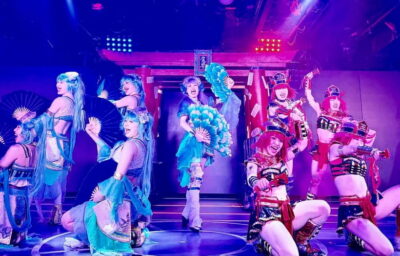
- Tokyo: Samurai Restaurant Show Ticket with 2 Drinks
★ 4.5 · 1,307 reviews - Tokyo: Samurai Ninja Museum Guided tour and Experience
★ 4.6 · 1,010 reviews - Tokyo: Samurai Sword & Archery Class from Samurai Descendant
★ 5.0 · 603 reviews
Dressing for the lesson
Kendo clothing is part of the learning. You’ll put on a keikogi, a jacket-like top, and a hakama, the wide, skirt-like trousers. The instructor also provides bogu, the protective armor worn for practice. Rental equipment is included, so you don’t need to bring your own sword or protective kit.
Allow a little patience for getting dressed. The layers and armor are less convenient than ordinary sportswear, but they help make the practice feel like a proper class rather than a casual costume activity. You’ll also see why kendo training calls for focus: the gear restricts movement more than everyday clothes and traps heat.
Wear athletic clothing underneath, as one participant recommends, and arrive hydrated. Bottled mineral water is included, with a water break during the session. The gear can get warm, especially when you’re moving, so drink before class as well as during it.
Tell the instructor if you have a physical concern, particularly a knee problem. Kneeling may be part of the practice, and a participant with sore knees found it helpful to speak up and skip painful movements. The tour advises a strong fitness level, so this is not the best pick if you need a low-exertion activity.
Learning the forms before the match
The class begins with cultural and practical instruction, followed by a demonstration from the guide. You’re not simply handed a bamboo sword and sent into a bout. The instructor introduces the basic moves and shows you what proper form looks like before asking you to try them.
That teaching is a real strength of the format. Kendo strikes depend on more than swinging hard. You have to pay attention to stance, timing, target, and the instructor’s directions. The challenge gives beginners something concrete to work on, while the cultural background helps explain why etiquette is part of the activity rather than an extra flourish.
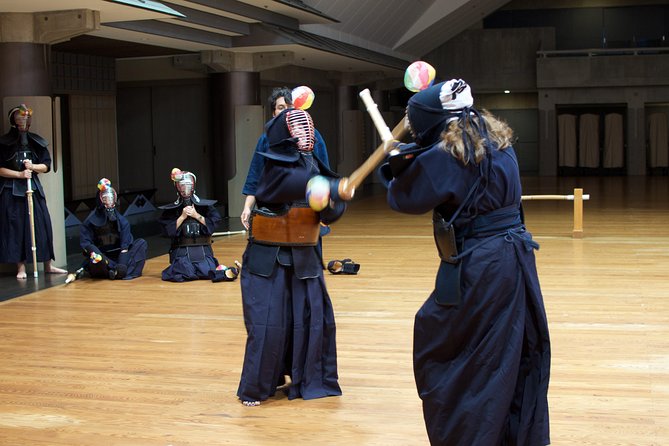
Expect to make noise. Kendo practice can involve shouting as you strike, and the bamboo sword makes contact with protective armor. That may feel theatrical at first, but it is part of the training. The goal is not to hurt your partner; it is to learn the technique and deliver a controlled strike in the right place.
The instructor gives feedback as you practise, including corrections when a strike or form needs work. This can make the class feel more like a lesson than a tourist demonstration. If you prefer activities where you watch more than you move, this one may ask more of you than expected.
A tournament-style finish
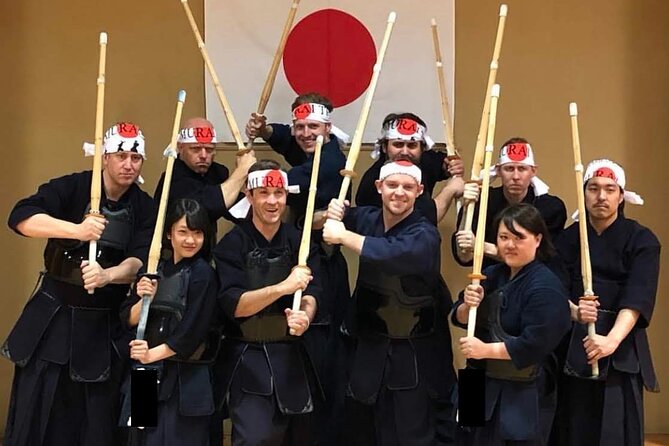
After the introductory practice, you get to test your new moves in a tournament-style combat game. It is the payoff for the lesson: you’ve learned enough to understand what you’re attempting, but the match still brings a lively dose of uncertainty. You can expect a playful, active challenge, not a formal competition for experienced kendoka.
Some sessions may share space with local dojo trainees. That can offer a useful glimpse of how people practise beyond a short visitor class, though it is not guaranteed for every session. If local students are present, watch how they move and listen to the instructor’s cues. The point is to learn, not to compare your first attempts with years of training.
For families, the match can make the lesson especially memorable. Children aged nine and up are eligible, and the activity can work well for parents and older children who are happy to move and take instruction. It is still a physical class, so consider your child’s energy, comfort with protective gear, and willingness to follow directions.
More two-hour experiences in Tokyo:
- Ninja Samurai 2-hour hands-on lesson by Japanese master in Tokyo
★ 5.0 · 194 reviews - Tokyo: Flagship 2-Hour Street Go-Kart Tour by Street Kart
★ 4.9 · 94 reviews - Tokyo: Shinjuku Izakaya and Golden Gai Bar Hopping Tour (2h)
★ 4.9 · 67 reviews - Tokyo: 2-Hour Vegan and Vegetarian Ramen Guided Walking Tour
★ 4.8 · 33 reviews
What $118.92 buys you
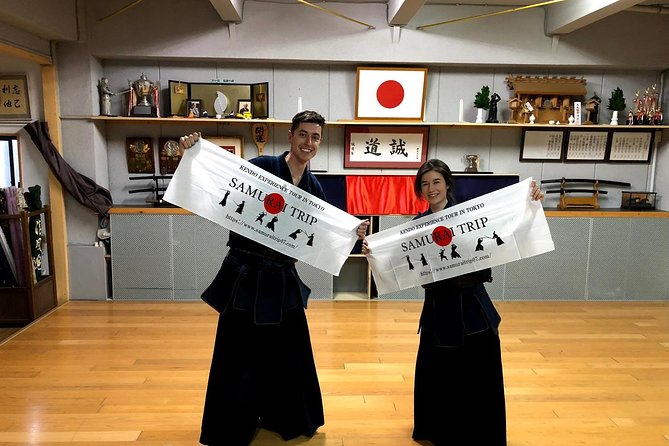
At $118.92 per person, this is not a bargain-priced museum visit. You are paying for a two-hour, instructor-led lesson, use of kendo clothing and armor, bottled water, and a Japanese hand towel to take home. The price makes more sense if you want active instruction and a chance to practise, rather than a short photo opportunity.
The group limit of 15 helps justify the cost. You’re not paying only to watch a large demonstration; the session is designed to get participants moving and learning. Still, it is not a private class, and the exact amount of one-on-one attention will depend on the group and how the lesson runs.
Think of the towel as a small souvenir, not the main value. The lasting part is the chance to handle the equipment, learn basic technique, and understand the etiquette behind kendo. If you’re curious about martial arts, that combination gives you more context than a quick samurai-themed activity.
Remember to add transport to your budget. Food and drinks beyond the included water are also not covered. The dojo’s northern Tokyo location may suit a day exploring the area, but the activity itself does not include a broader neighborhood tour.
Who will enjoy this kendo class
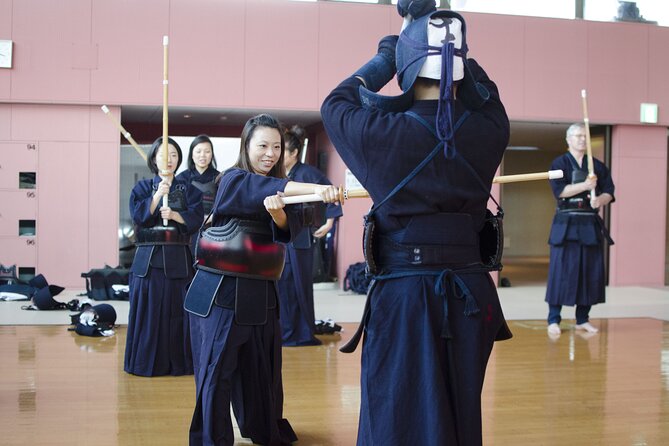
I’d choose this experience if you want a hands-on cultural activity and are willing to sweat a little. It suits first-timers, families with children aged nine or older, and anyone curious about martial arts who would rather learn a skill than spend two hours sitting through a talk.
It is also a good fit for a group of friends or relatives who enjoy trying something unfamiliar together. The tournament-style finish adds a shared challenge, and the lesson gives you enough basics to appreciate what you’re doing. You do not need to be athletic in a competitive sense, but you should be ready for active movement and warm clothing.
I would think twice if you have limited mobility, painful knees, or a strong preference for gentle activities. The tour specifically calls for a strong fitness level, and the armor can feel hot. You can tell the instructor about an issue and avoid movements that hurt, but the session is not presented as an adapted or low-impact class.
The experience has a 4.8 rating from 112 reviews, with 97 percent recommending it. Those figures align with the qualities that matter most here: clear instruction, a patient approach, genuine practice, and a fun match at the end. They do not erase the practical considerations. This is a real lesson, so come prepared to listen, move, and make a few imperfect strikes before you get the feel of it.
Should you book this samurai experience?
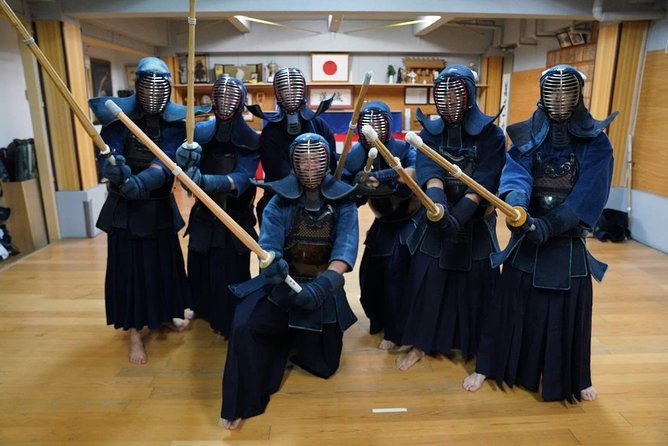
Book it if you want to learn kendo basics from an English-speaking instructor, wear proper armor, and take part in a tournament-style bout. The class offers a more active and educational way to explore samurai culture than a simple dress-up stop, and the included gear removes a major barrier for beginners.
Skip it if you need a restful outing, cannot manage strenuous movement, or do not want to travel to the dojo independently. For everyone else, bring athletic clothes, hydrate, speak up about any knee or mobility concern, and leave time to reach the meeting point. That preparation helps you spend your two hours learning instead of worrying about logistics.
FAQ
How long is the kendo experience?
The session lasts approximately two hours.
Where does the tour meet?
It meets at Seidokan Building, 4 Chome-7 Higashinippori, Arakawa City, Tokyo. The activity ends back at the meeting point.
Is kendo experience required?
No. All experience levels are welcome, and the instructor teaches practical basics.
What is included in the price?
The price includes a professional guide or instructor, rental kendo armor and equipment, bottled mineral water, and a Japanese hand towel.
What is the minimum age?
The minimum age is nine years.
Is hotel pickup included?
No. Hotel pickup and drop-off are not included, and transportation expenses are separate.
Freshly reviewed in Tokyo
- Tokyo: Toshimaya Sake Brewery Tour with Sake Tasting★ 5.0 · 6 reviews
- :Tokyo,Shibuya /Meiji Shrine tour in KIMONO/English-friendly★ 5.0 · 4 reviews
- Tokyo: Tour Privado por Tokio en español★ 4.3 · 4 reviews
- Tokyo:Tea ceremony experience at Komaba Warakuan★ 4.8 · 9 reviews
- :Tokyo,Shibuya/ Pro Photography in Kimono / English-Friendly★ 5.0 · 26 reviews
- Tokyo:Samurai Training : Swords, Bushido & Mental Discipline★ 5.0 · 6 reviews
- Tokyo:Mt Fuji & Hakone Day Tour with English Speaking Driver★ 5.0 · 26 reviews
- Tokyo:Nikko UNESCO World Heritage Sites Private 1-Day Tour★ 3.8 · 6 reviews
Tokyo Samurai Experiences, compared.
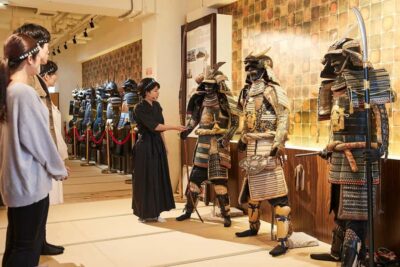
Samurai Ninja Museum Guided tour and Experience
Read our review →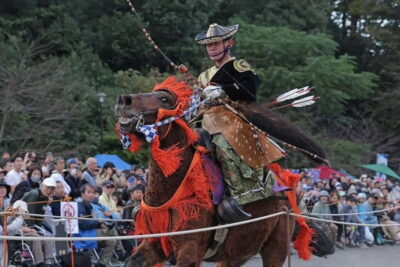
Samurai Sword & Archery Class from Samurai Descendant
Read our review →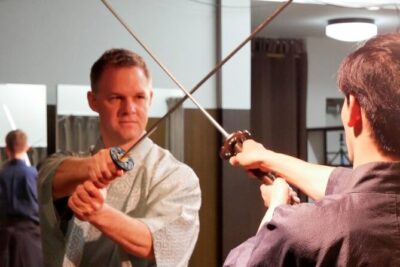
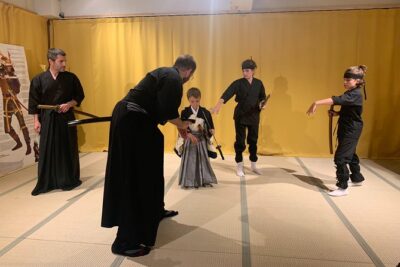
Ninja Experience (Family Friendly) at Samurai Ninja Museum TOKYO
Read our review →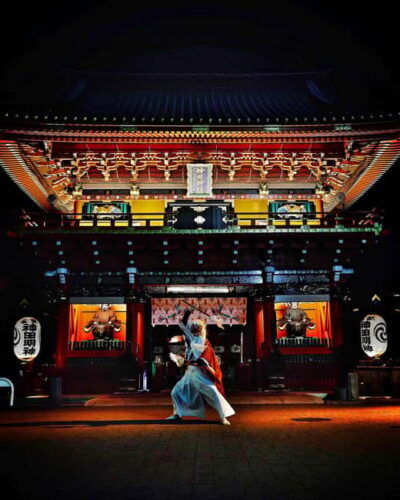
Samurai Entertainment Night Show in Kanda Shrine
Read our review →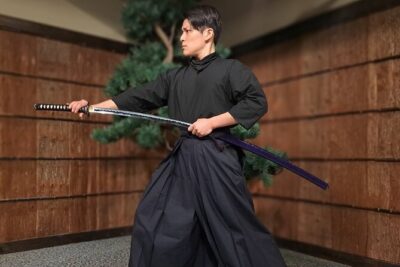
Tokyo Sword Experience – includes Museum Ticket/Ninja Experience
Read our review →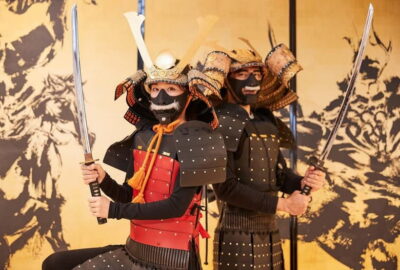
Samurai Ninja Museum Asakusa: Samurai Sword Lesson & Tour
Read our review →Browse the lists this tour appears in