
Reviewed · TOKYO TEA CEREMONIES
Tea ceremony experience in Japanese-style room 60min
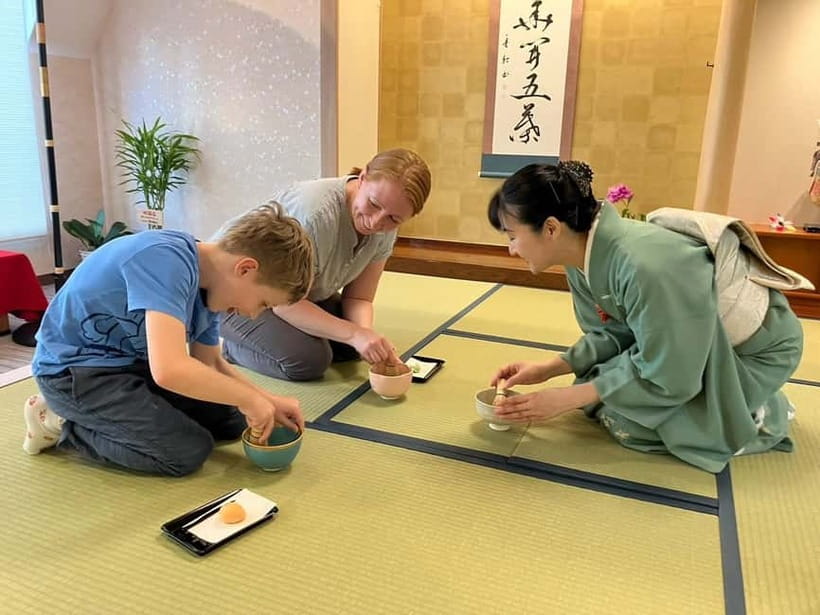
A matcha bowl is more than a cup here. Before the ceremony, you choose one with its own design and hear about it, then watch host Ryouko prepare tea in a Japanese-style room inside Ichimatsu, a registered cultural property. You get to make matcha yourself, too, so this is a cultural lesson with a whisk in your hand, not just a performance to watch.
I like two things in particular: the chance to choose your bowl and sweets makes the experience personal, and the explanations of the scrolls, furnishings, tools, and tea customs give the ritual context. The calm, intimate setting and attentive hosting are also a big part of the appeal.
One consideration: the listed price is $45 per person, and the session may be shorter than you expect. The title says 60 minutes, while the stated duration range is 45 minutes to 4 hours; one participant described a session of about 40 minutes, including early arrival. Confirm the expected length when booking.
What makes this tea ceremony special
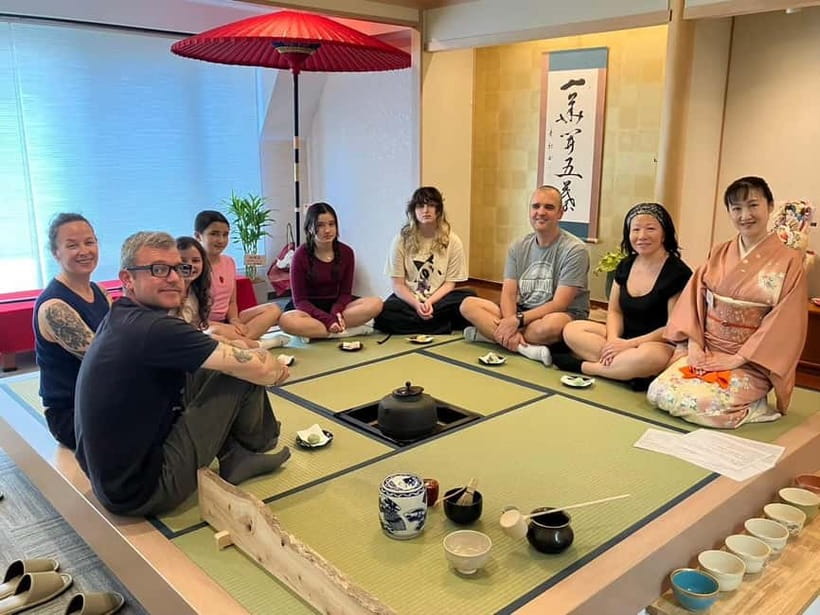
- Choose your own matcha bowl and sweets: Each bowl has a distinct design, which the host explains before the tea is served.
- Watch, taste, then try: You enjoy matcha and a sweet during the demonstration, then learn to prepare your own tea.
- Ask about the room and its details: Explanations can cover the hanging scrolls, furnishings, utensils, and tea ceremony customs.
- Meet in a historic setting: Ichimatsu is a registered tangible cultural property, with Japanese-style details and photo-worthy corners.
- Keep the group small: The experience is limited to seven participants and is offered in English or Japanese.
- Bring socks for the tatami: Shoes are not allowed indoors, and socks are required if you want to step onto the tatami.
Entering Ichimatsu’s Japanese-style room
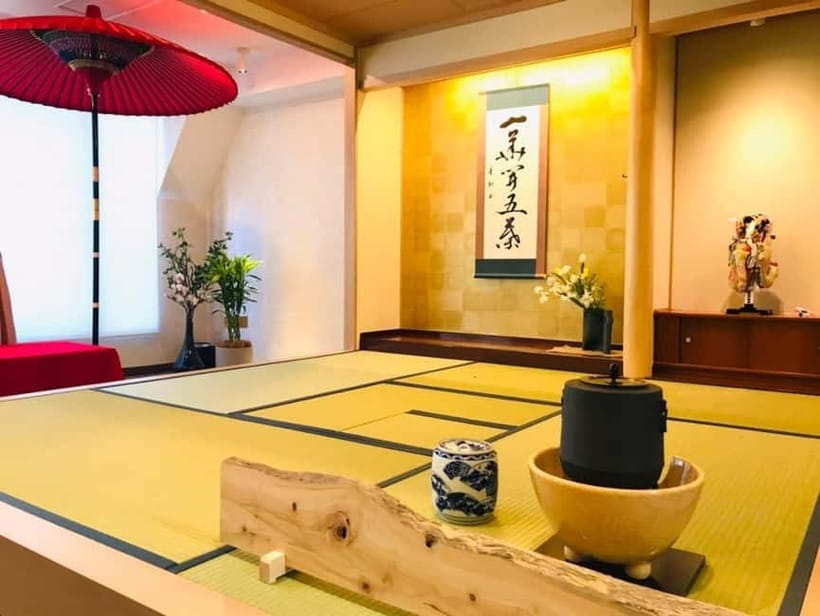
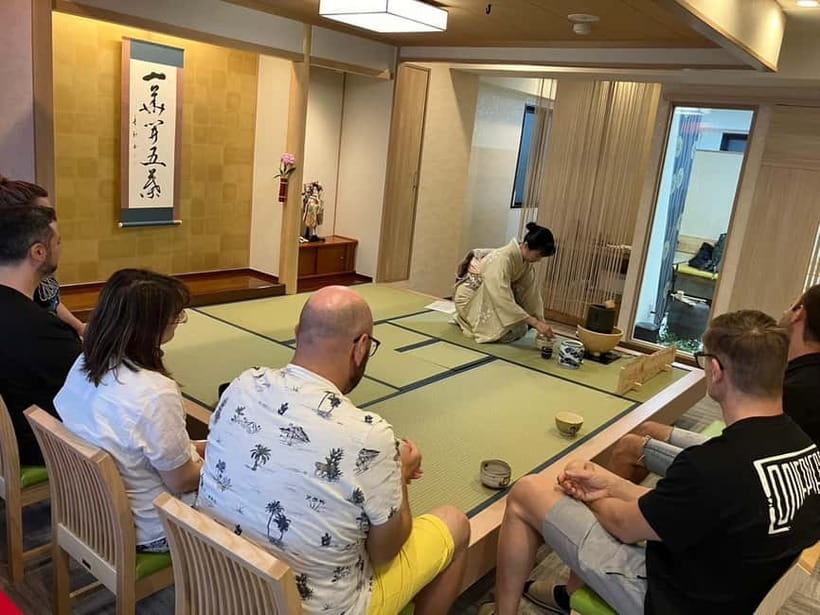
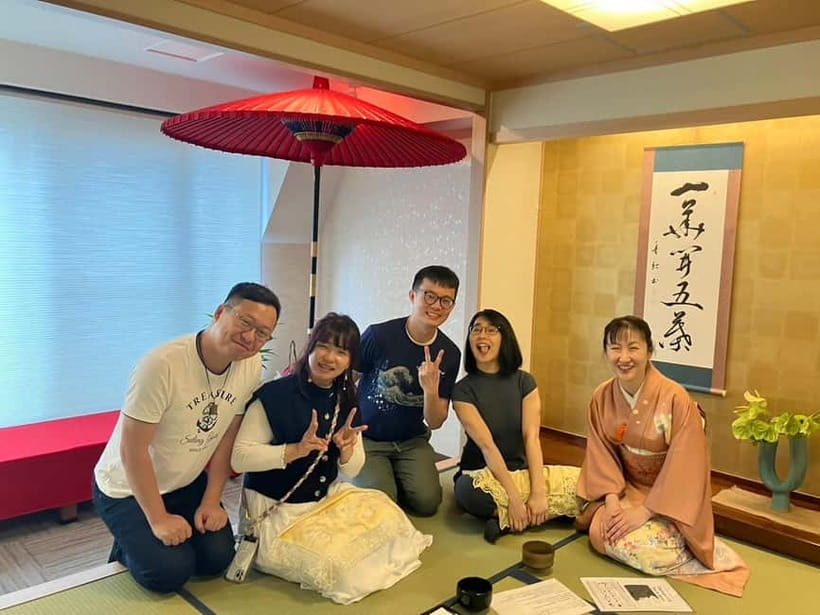
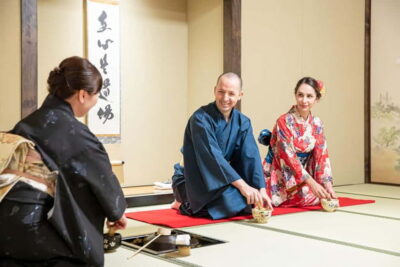
The experience takes place in Wasako’s Japanese-style room inside Charyo-Ichimatsu restaurant. Ichimatsu is a registered tangible cultural property, so the surroundings are part of the visit, not a neutral room where a tea demonstration happens to be staged. Furnishings, scrolls, and the tea setting give the host useful details to explain as you settle in.
This is a small-group activity, capped at seven people. That limit matters in a room where you want to see the tea tools and follow the host’s movements. Some sessions may be especially intimate: a few people have found themselves alone with the tea master, while others have come as a family or group. The group size on your date will shape how much of a private lesson it feels like.
The venue is in Asakusa, with access from two nearby stations: about five minutes on foot from Tawaramachi Station on the Tokyo Metro Ginza Line, Exit 3, or about ten minutes from Asakusa Station on the Toei Asakusa Line, Exit A4. One practical warning: finding the exact entrance may take a little attention. Look for green signs for the tea ceremony experience and check your directions before you set out, rather than assuming the restaurant name alone will make the room obvious.
More tea ceremonies in Tokyo:
- Matcha Making Class in Tokyo with Authentic Japanese Sweets Set
★ 5.0 · 744 reviews - Tokyo: Traditional Tea Ceremony with a Tea Master
★ 5.0 · 528 reviews - Tokyo: Matcha Making Experience with Mochi Sweets in Asakusa
★ 4.9 · 388 reviews
Choosing your bowl and sweets
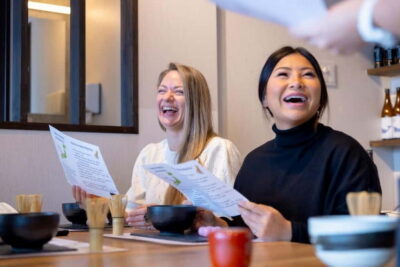
Before the ceremony begins, you select the sweets and matcha bowl you will use. The bowls have individual designs, and the host explains them one by one. That small choice helps you notice the objects rather than treating them as interchangeable props. It is also a useful introduction to the care given to tea utensils.
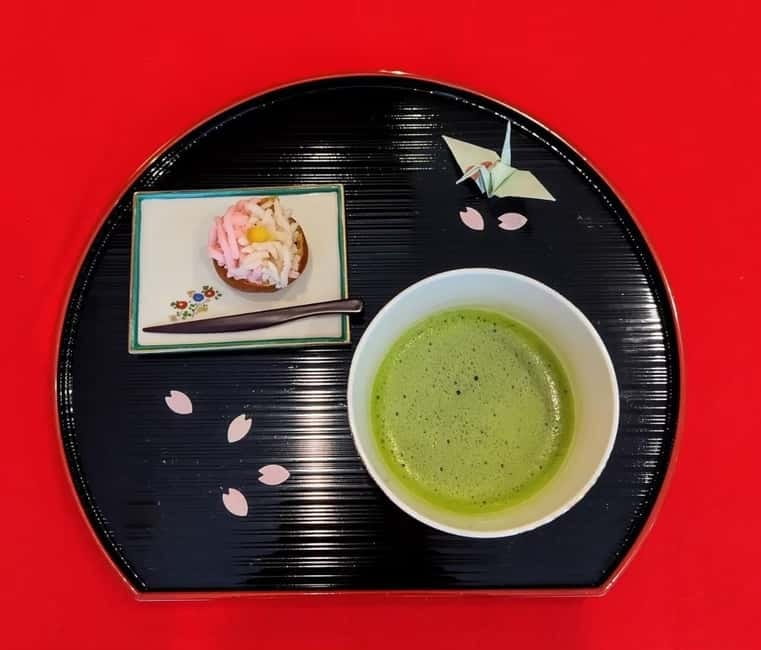
The sweet is served alongside matcha during the demonstration. The sequence gives you a chance to taste the combination while watching how the tea is prepared and presented. You are not expected to know the customs in advance. The host can explain what is happening and answer questions, so you can focus on the details without worrying about getting every gesture right.
If you are drawn to the visual side of the ceremony, the room and bowls offer plenty to look at. Ichimatsu has photo-friendly spots, and participants have been able to take pictures and videos. The host or assistant may also help take photos during the experience. Still, use good judgment: this is a quiet cultural activity, so keep photography from interrupting the ceremony or other people’s time.
Watching Ryouko prepare the tea
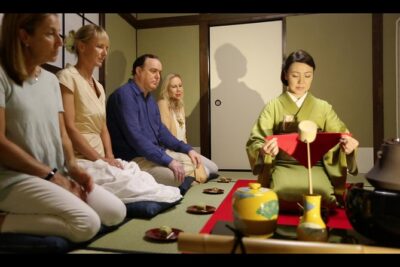
The demonstration is the heart of the session. You watch the tea master prepare matcha, with explanations about the steps, the tools, and the customs behind them. The pace is calm and deliberate. That makes the ceremony easy to follow, even if this is your first introduction to Japanese tea practice.
The conversation can extend beyond the utensils. Depending on your questions and the session, the host may explain the hanging scrolls, the furnishings, and the history of the tea ceremony. The value is not only in seeing a formal sequence, but in having someone connect its details to the room around you. If you want more context, ask questions as they come up. One participant wanted a fuller explanation, which is a useful reminder that the depth of the lesson may depend partly on how much you ask.
Ryouko is named repeatedly by people who have taken the experience, and her warm, patient style is a recurring strength. The host’s care matters here: a tea ceremony can feel formal from the outside, but clear explanations and a welcoming manner make it easier to take part without feeling self-conscious. English and Japanese are offered, so English-speaking visitors can follow the lesson in their own language.
Making your own matcha
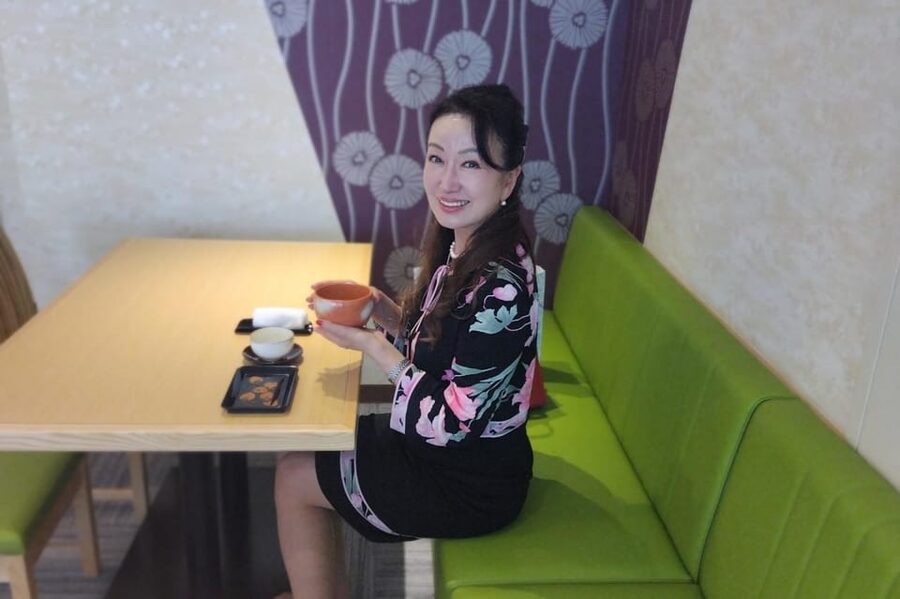
After watching, you get to prepare matcha yourself. The host teaches you how to make it, then gives you the chance to whisk your own tea. This is the most hands-on part of the experience and a good reason to choose this session over a demonstration alone. You leave with a better sense of the process, not just a set of photos.
The activity is suitable for curious beginners. You do not need to arrive knowing the correct technique or etiquette; instruction is part of the session. Take the chance to notice how the tools feel and how the steps fit together. If you have a question about a movement or utensil, this is the moment to ask.
The experience is also flexible in tone. Some people come for a quiet cultural lesson, while families have enjoyed sharing the ceremony together. Children under six are not suited to this activity, so it is a better choice for older children and adults who can sit through a calm, short session and take an interest in the ritual.
More tours and experiences in Tokyo:
- Mt Fuji and Hakone 1-Day Bus Tour Return by Bullet Train
★ 5.0 · 26,383 reviews - 1-Day Tokyo Bus Tour
★ 5.0 · 14,250 reviews - Tokyo: teamLab Planets TOKYO Digital Art Museum Entry Ticket
★ 4.6 · 9,779 reviews - Mt Fuji & Hakone Cruise, Drum Show Bullet Train 1 Day from Tokyo
★ 4.0 · 7,413 reviews
A photo-friendly setting, with optional kimono experiences
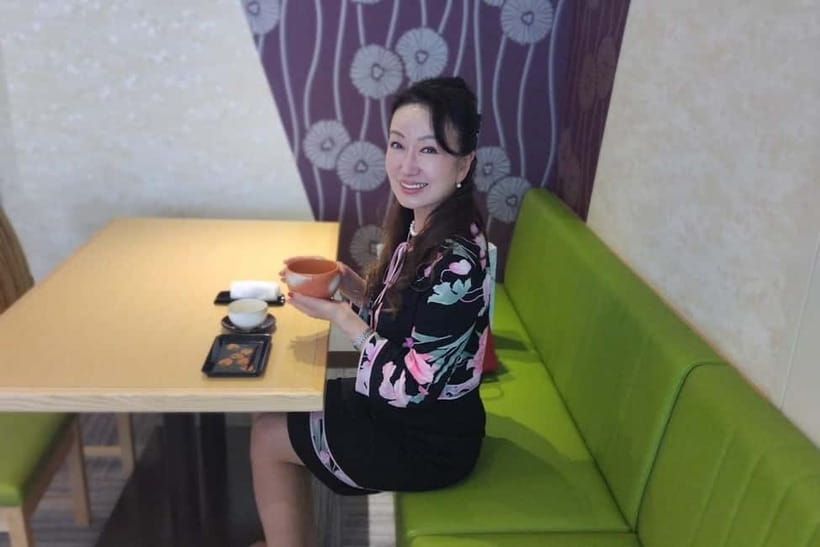
Ichimatsu’s traditional Japanese design makes it a memorable place to take pictures. Photos are included as part of the activity, and the host may help capture moments during the ceremony. That can be especially useful if you are visiting as a couple or family and want a picture with everyone in it.
Some participants have paired the tea ceremony with wearing a kimono, and described being helped into the outfit by the host and assistant. Kimono rental is not listed among the included items, and no price or booking details are provided here, so check directly before planning around it. Treat it as an extra to arrange, not something guaranteed with the $45 tea experience.
Socks are the practical detail worth remembering. Shoes are not allowed indoors, and you need socks if you want to get onto the tatami. If you arrive without them, socks are available for 500 yen. It is an easy thing to pack and avoids an unnecessary purchase.
Is $45 good value?
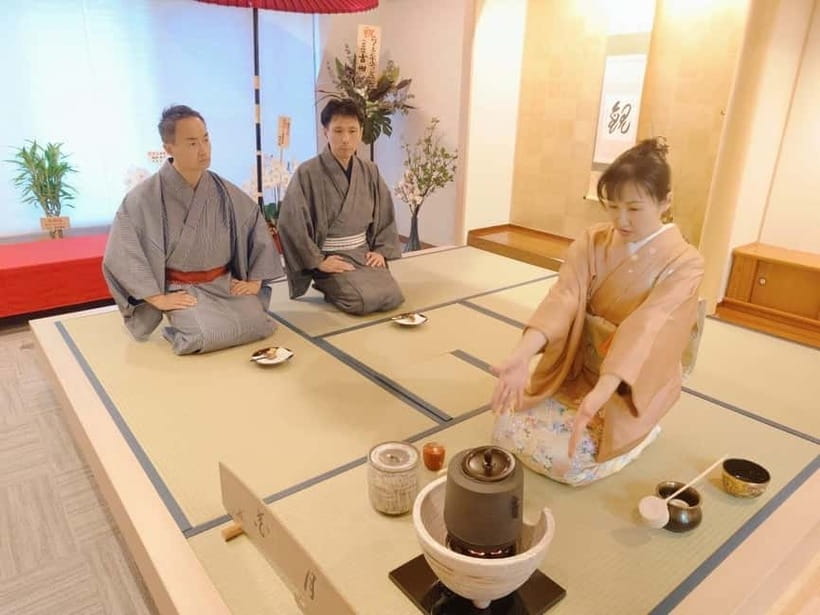
At $45 per person, you are paying for more than a cup of matcha. The price includes tea sweets, matcha, the demonstration, instruction in making your own tea, and the chance to take photos. You also get a small-group setting in a historic building, plus explanations from a host who can discuss the objects and customs.
The value depends most on what you want from the activity. If you are looking for an extended, intensive course in tea ceremony, clarify the duration and lesson format before booking. The title specifies 60 minutes, but the activity details give a broad range of 45 minutes to 4 hours, and one participant felt a session of roughly 40 minutes was short for the price. That is worth taking seriously, especially if you are comparing it with longer workshops.
For a compact cultural experience in Asakusa, the price is easier to justify. You taste the tea, learn what you are seeing, and make matcha yourself in a distinctive setting. The personal attention and included photos can add value, particularly if you are new to the subject and want a friendly introduction rather than a long formal class.
Four start times are offered: 10:00, 11:30, 13:30, and 15:00. Check availability for your date and ask about the expected length. Free cancellation is available up to 24 hours ahead; cancellations made the day before incur a 50 percent fee, and same-day cancellations incur a 100 percent fee. Booking can be reserved with payment later.
Who should book this experience?
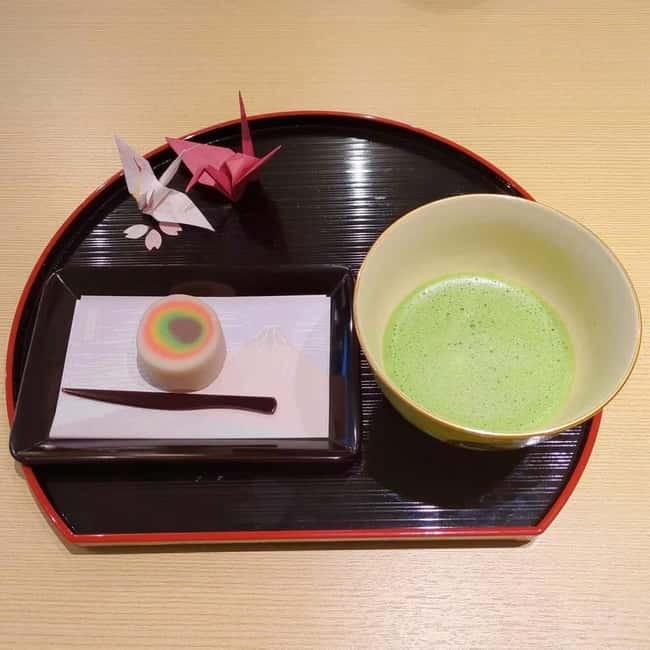
I would choose this ceremony if you want a gentle, hands-on introduction to matcha and Japanese tea customs, especially if you are already visiting Asakusa. It suits couples, families with older children, and solo visitors who enjoy asking questions and noticing small design details. The group limit of seven keeps the session personal, though the actual group may be smaller.
It is less suited to anyone who needs wheelchair access, as the activity is not suitable for wheelchair users. It is also not a great fit if you expect a long, highly technical class or need a precisely confirmed duration. Ask about the session length before paying, and arrive with socks if you plan to step onto the tatami.
Should you book?
Book if you want to watch a tea ceremony, hear the meaning behind its tools and setting, and try preparing matcha yourself in a historic Japanese-style room. Ryouko’s patient hosting, the bowl-and-sweets choices, and the small-group format make the experience appealing for first-timers.
Before committing, confirm how long your session will run and whether any kimono arrangement is available if that matters to you. At $45, it is best viewed as a compact cultural encounter, not a multi-hour course. Bring socks, allow time to find the entrance, and you will be well set for a calm pause in Asakusa.
FAQ
How much does the tea ceremony cost?
The listed price is $45 per person. Socks, if you do not bring your own, cost 500 yen.
How long does the experience last?
The stated duration is 45 minutes to 4 hours, while the experience title specifies 60 minutes. One participant described a session of about 40 minutes, including arriving early, so confirm the expected length for your booking.
What time can I book?
The four listed start times are 10:00, 11:30, 13:30, and 15:00. Availability depends on the date.
What is included?
Tea sweets, matcha, watching the tea ceremony demonstration, instruction and an opportunity to make your own matcha, and taking pictures are included.
Which languages are offered?
The instructor speaks English and Japanese.
How many people can join?
The group is limited to seven participants.
What should I bring?
Bring socks if you want to get onto the tatami. Shoes are not allowed indoors.
Where is the meeting point?
The room is inside Charyo-Ichimatsu restaurant. It is about a five-minute walk from Tawaramachi Station, Exit 3, or a ten-minute walk from Asakusa Station, Exit A4.
Can I cancel my booking?
You can cancel up to 24 hours in advance for a full refund. A cancellation the day before incurs a 50 percent fee, and a cancellation on the day incurs a 100 percent fee.
Freshly reviewed in Tokyo
- Tokyo: Toshimaya Sake Brewery Tour with Sake Tasting★ 5.0 · 6 reviews
- :Tokyo,Shibuya /Meiji Shrine tour in KIMONO/English-friendly★ 5.0 · 4 reviews
- Tokyo: Tour Privado por Tokio en español★ 4.3 · 4 reviews
- Tokyo:Tea ceremony experience at Komaba Warakuan★ 4.8 · 9 reviews
- :Tokyo,Shibuya/ Pro Photography in Kimono / English-Friendly★ 5.0 · 26 reviews
- Tokyo:Samurai Training : Swords, Bushido & Mental Discipline★ 5.0 · 6 reviews
- Tokyo:Mt Fuji & Hakone Day Tour with English Speaking Driver★ 5.0 · 26 reviews
- Tokyo:Nikko UNESCO World Heritage Sites Private 1-Day Tour★ 3.8 · 6 reviews
Tokyo Tea Ceremonies, compared.
Matcha Making Class in Tokyo with Authentic Japanese Sweets Set
Read our review →
Matcha Making Experience with Mochi Sweets in Asakusa
Read our review →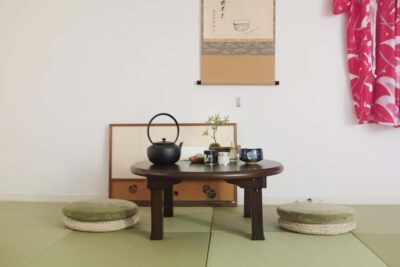
Tea Ceremony Workshop in Tokyo by the Experienced Instrucor
Read our review →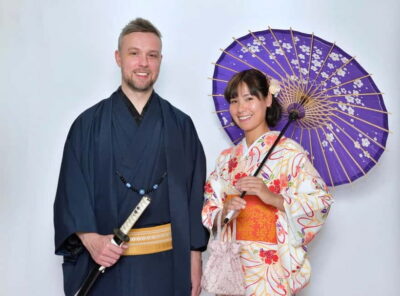
Make Traditional Nerikiri Sweets & Matcha experience in Shibuya
Read our review →Browse the lists this tour appears in