
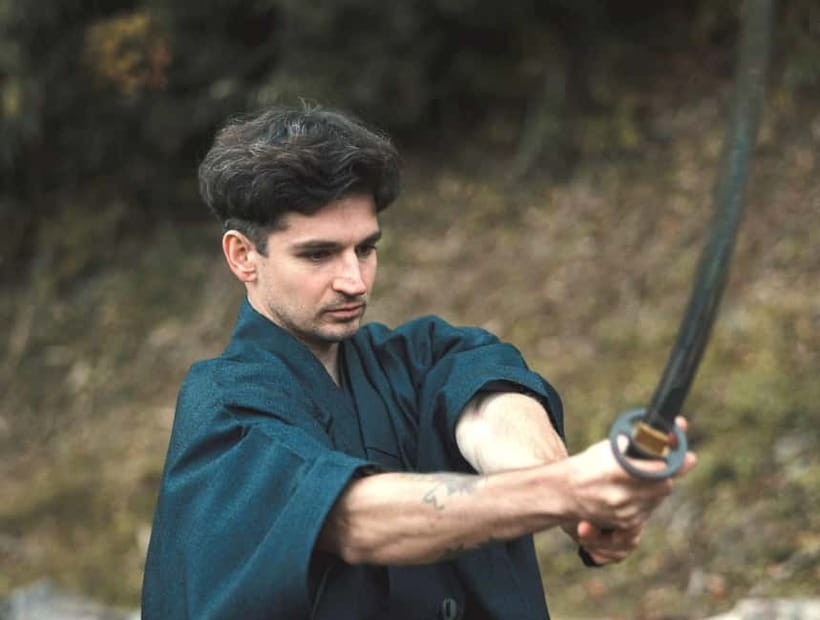
Reviewed · TOKYO SAMURAI EXPERIENCES
Samurai Swordsmanship and Sound Meditation in nature
The sharpest contrast here is between a samurai sword lesson and the quiet of a private river outside Uenohara. In about four hours, you change into kimono and hakama, learn basic sword movements, and make time for meditation accompanied by traditional instruments.
I like the mix of hands-on sword practice and live music, rather than a demonstration alone. I also like that the setting is part of the experience: the river, surrounding trees, and a small group give the session a more personal feel than a city attraction.
One practical caution: the river is reached by a steep incline, and the sword practice takes physical effort. The venue may move indoors if the weather turns, so nature is a feature, not a guarantee.
At a glance
- Yusuke teaches the sword work: He is an All Japan Swordsmanship Tournament winner and a performer who has appeared in film, television, and on the official Olympic channel.
- You wear kimono and hakama: Rental is included, and you should wear comfortable clothes underneath.
- The river is part of the ritual: The program includes purification with river water and a prayer, weather and conditions permitting.
- Music accompanies meditation: Traditional instruments, including flute and drums, are used during the sound session.
- You practice, then watch: The experience includes basic sword movements with an unsharpened sword, a real sword-cutting experience, and a samurai performance.
- The group is capped at 10: You meet at Uenohara Station and travel from there to the venue. Getting to the station is not included.
From Uenohara Station to a quiet river setting
Uenohara Station is about an hour by train from Shinjuku, making this a substantial half-day outing rather than a quick activity to slot between central Tokyo sights. The meeting point is the rotary at the first floor of the station’s south exit. Look for a white car; the south exit is the larger one, with a supermarket in front.
The experience is listed as 210 minutes, while the host describes the full outing as about four hours including transfers to and from the venue. Plan around the longer estimate so you are not rushing to catch a train or book a meal immediately afterward. The ride from Shinjuku also gives you a change of pace, though the trip there and back is your own responsibility.
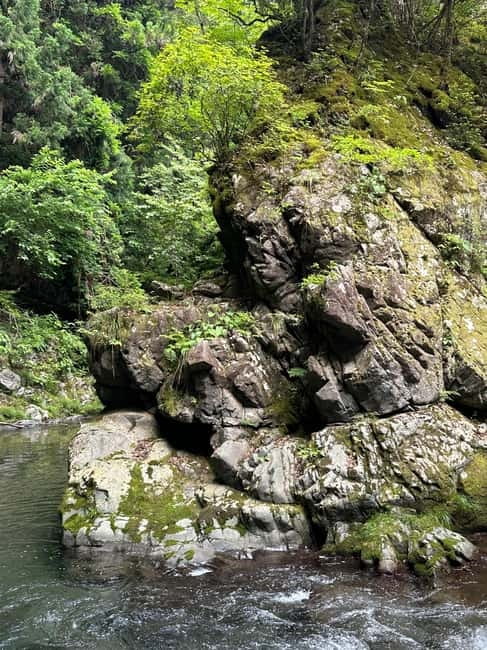
The setting is a private river near Yusuke’s home. One participant described a steep path down to the water, a useful detail if you have trouble with uneven ground or steep slopes. The river and trees are central to the mood of the session, but weather can change the plan. If conditions are poor, the activity may be held indoors.
More samurai experiences in Tokyo:
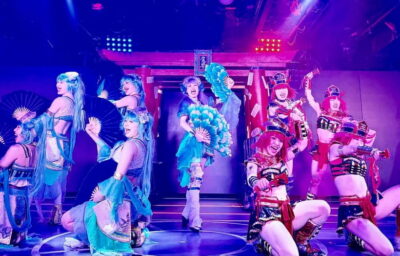
- Tokyo: Samurai Restaurant Show Ticket with 2 Drinks
★ 4.5 · 1,307 reviews - Tokyo: Samurai Ninja Museum Guided tour and Experience
★ 4.6 · 1,010 reviews - Tokyo: Samurai Sword & Archery Class from Samurai Descendant
★ 5.0 · 603 reviews
Kimono, hakama, and a change of pace
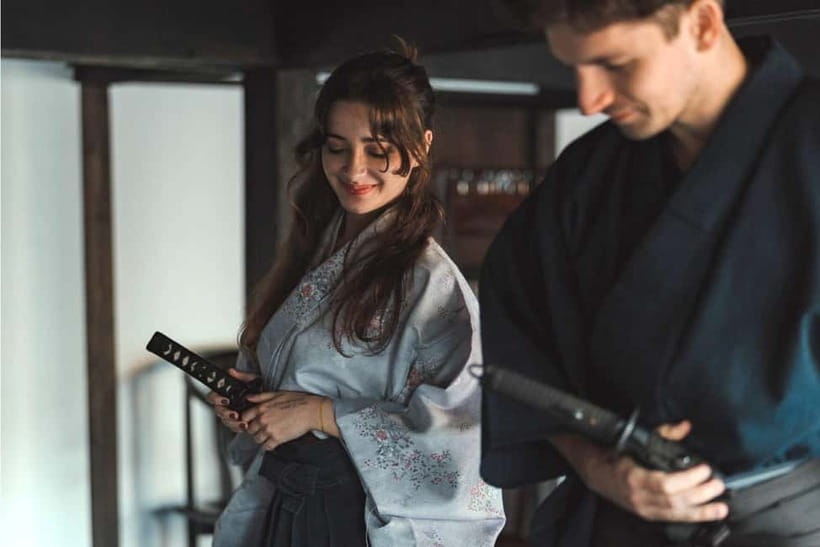
The session begins with changing into kimono and hakama, the traditional clothing associated here with samurai practice. Both are included, so you do not need to arrange a costume rental yourself. Wear comfortable clothes underneath and bring water; you will be moving, meditating, and spending time outdoors.
The clothing helps shift the feel of the activity from a regular lesson to a staged encounter with samurai customs. It is not a history course, and you should not expect a long lecture on armor or the feudal period. Instead, the focus is on learning how to handle a sword with care, moving through a few basic actions, and taking part in a practice shaped by respect and ritual.
The first part also includes purifying the mind and body with water from the river, followed by a prayer to the eight million gods. That language reflects a spiritual approach tied to nature and Japanese tradition. You do not need to share those beliefs to take part, but you should be comfortable following a respectful ceremony.
Meditation by water, with flute and percussion
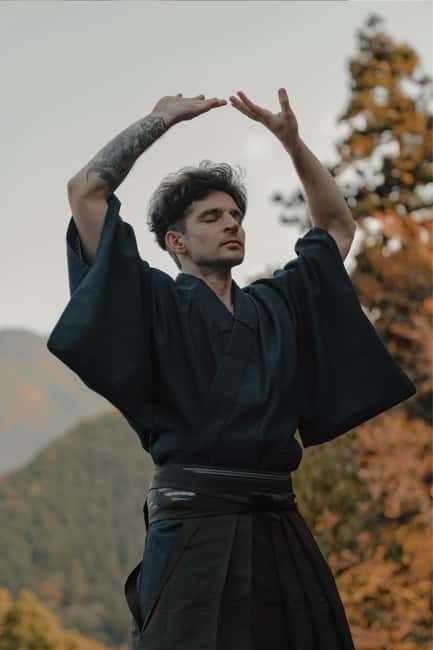
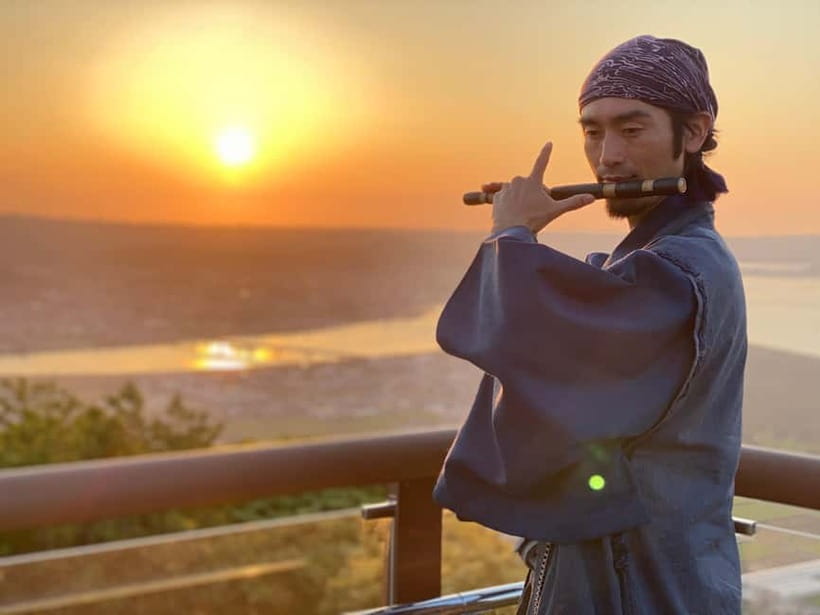
The sound sessions are more than background music. Yusuke and Yoshino use traditional Japanese instruments, including flutes, drums, singing bowls, and other resonant instruments, as well as voice. The music is played live, and some of it is improvised to suit the session. You listen and settle into the sounds rather than simply watching a performance from a seat.
There is also standing meditation, where you are asked to feel your surroundings and pay attention to your body. That may appeal if you want a quieter, reflective activity in the middle of a Japan trip. If you prefer a fast-paced class with constant instruction, the slower sections may feel long. The balance between movement and stillness is a defining part of this experience.
The river setting matters here. The sound of moving water adds a natural layer to the flute and percussion, and the space offers a clear break from city noise. But do not assume every meditation happens beside the river. Weather can send the session indoors, and the nature element depends on conditions.
Learning the sword from Yusuke
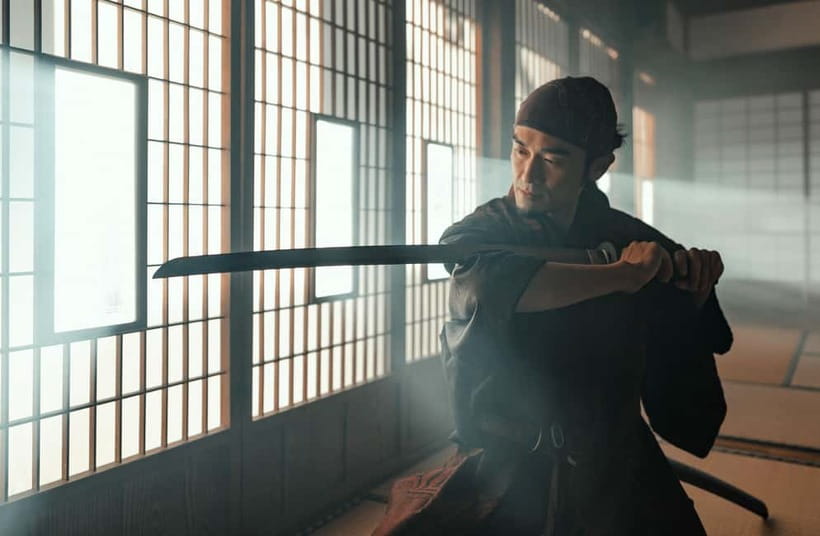
Yusuke leads the sword instruction. He has won the All Japan Swordsmanship Tournament, works as a sword master and performer, and has represented Japan in films, television, and on the official Olympic channel. He also comes from a family described as carrying samurai lineage. That background gives the lesson a direct connection to a practitioner, not just a costume and a prop.
You begin with how to show respect to the sword and learn six basic initial movements. The practice uses an unsharpened sword, which is more appropriate for learning simple handling and form than a live blade. The activity also includes a real sword-cutting experience, listed separately from the basic practice. Expect to follow Yusuke’s instructions closely; this is not a free-form chance to swing a sword around.
Physical fitness is required. The lesson is not described as an advanced martial arts course, but holding and moving a sword, standing for meditation, and getting to the river all ask something of your body. Children under 12, pregnant women, and people with back problems are not suited to the activity.
For a different side of the same trip:
- Mt Fuji and Hakone 1-Day Bus Tour Return by Bullet Train
★ 5.0 · 26,383 reviews - 1-Day Tokyo Bus Tour
★ 5.0 · 14,250 reviews - Tokyo: teamLab Planets TOKYO Digital Art Museum Entry Ticket
★ 4.6 · 9,779 reviews - Mt Fuji & Hakone Cruise, Drum Show Bullet Train 1 Day from Tokyo
★ 4.0 · 7,413 reviews
A sword performance with live music
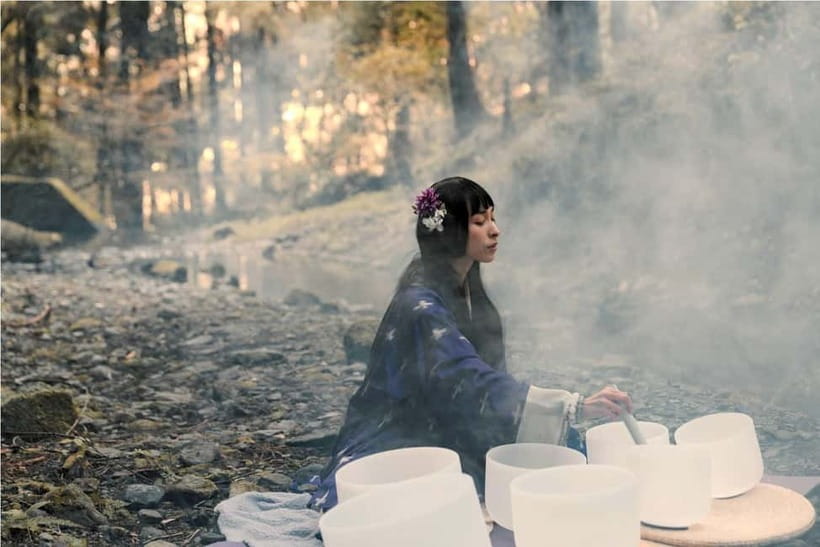
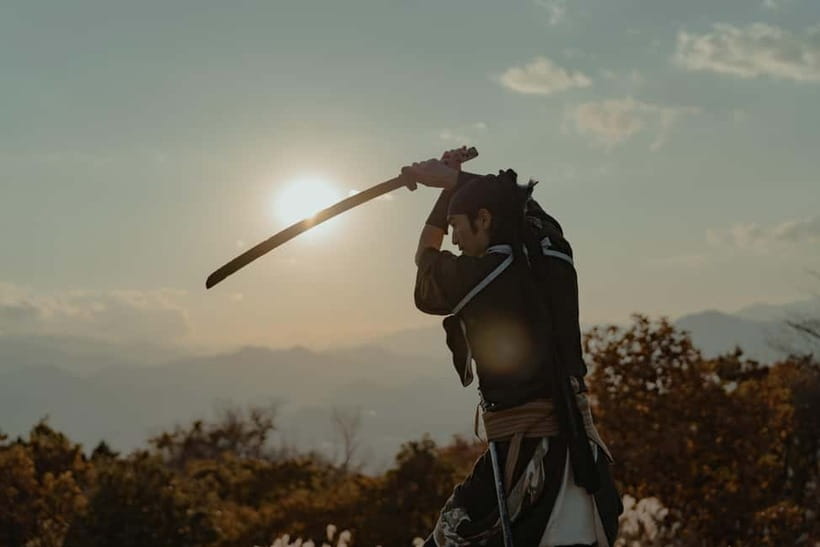
After the practice, Yusuke presents a samurai sword performance and sacred dance. The music is performed on site, with improvisation as part of the session, so the movement and sound can feel closely connected. You also have time to take photographs, giving you a chance to remember the traditional clothing and the setting.
This is a performance, not a chance to learn a full sword routine. The appeal is seeing the controlled movement of a skilled practitioner after you have tried a few basics yourself. The difference between your first movements and Yusuke’s polished form helps make the demonstration meaningful without pretending that a short session can turn you into a swordsman.
Yoshino adds to the musical and welcoming side of the experience. She plays instruments and sings, and tea may be served as the afternoon winds down. The tone is personal and home-based, rather than that of a large commercial show. That hospitality is one of the strongest reasons this outing may feel memorable.
What $64 buys, and what it does not
At $64 per person, the price covers several distinct activities: kimono and hakama rental, sword practice, a real sword-cutting experience, standing Zen meditation, sound meditation, a sword and sacred dance performance, and a photo opportunity. Tea has also been served at the end. For a small group, live music, specialist sword instruction, clothing, and time in a private natural setting, that is a fuller package than a brief costume photo or a single demonstration.
The price does not cover meals or transportation to and from the activity location. You need to make your own way to Uenohara Station, then meet the host there for the transfer to the venue. The station ride adds time and cost to your day, so include that when comparing the total expense with activities based in Tokyo.
The advertised duration is 210 minutes, but the host gives about four hours including pickup and drop-off. Allow the longer block in your schedule. The group is limited to 10 people, which makes this more intimate than a large tour, though the exact amount of individual instruction can depend on the group.
Booking is flexible: you can reserve now and pay later, and cancellation is free up to 24 hours in advance. The experience is offered in English and Japanese. Those details make planning easier, but they do not remove the main commitment: a trip out of the city and several hours of physical and reflective activity.
Who will get the most from this experience
I would choose this outing if you want more than a samurai photo opportunity. You get to wear traditional clothing, learn basic handling and movements, listen to live Japanese instruments, and see a sword performance in a nature setting. It is a good fit for someone curious about martial arts and cultural practices, but just as interested in meditation and atmosphere.
It also suits anyone who wants a break from Tokyo’s pace without needing to plan a complex independent outing. The host meets you at Uenohara Station and takes you to the venue, though the train journey itself is not included. The small-group limit and the personal involvement of Yusuke and Yoshino make the session feel close to a visit with a local couple, not a stage show with a crowd.
Think twice if you mainly want a rigorous sword class, detailed samurai history, or a guaranteed outdoor ceremony. The lesson covers basic movements, while the reflective and musical portions take up a meaningful part of the time. And if steep paths, prolonged standing, or physical practice are a concern, this may not be the right choice.
Should you book it?
Book this if you are drawn to the combination of swordsmanship, live traditional music, and quiet time in nature. Yusuke’s tournament experience gives the sword lesson substance, while Yoshino’s music and hospitality help make the outing feel personal. Just plan for the journey from Shinjuku, wear comfortable clothes under the kimono, and be ready for an active session. If you want a simple, indoor attraction close to central Tokyo, choose something else.
FAQ
How long does the experience take?
The listed duration is 210 minutes. The host describes the full outing, including transfers to and from the venue, as about four hours.
Where do I meet the host?
Meet at the rotary on the first floor of the south exit at Uenohara Station. The host waits in a white car. The south exit is the larger one, with a supermarket in front.
Is transportation to the activity included?
Transportation to and from the activity location is not included in the price. You meet the host at Uenohara Station and travel from there to the venue.
What should I wear and bring?
Wear comfortable clothes under the kimono and hakama. Bring water and a camera; traditional clothing rental is included.
What languages are spoken?
The experience is offered in English and Japanese.
Is the activity suitable for children or people with mobility concerns?
It is not suitable for children under 12, pregnant women, or people with back problems. Physical fitness is required, and the route to the river includes a steep incline.
What happens if the weather is poor?
Depending on the weather, the event may be held indoors.
Freshly reviewed in Tokyo
- Tokyo: Toshimaya Sake Brewery Tour with Sake Tasting★ 5.0 · 6 reviews
- :Tokyo,Shibuya /Meiji Shrine tour in KIMONO/English-friendly★ 5.0 · 4 reviews
- Tokyo: Tour Privado por Tokio en español★ 4.3 · 4 reviews
- Tokyo:Tea ceremony experience at Komaba Warakuan★ 4.8 · 9 reviews
- :Tokyo,Shibuya/ Pro Photography in Kimono / English-Friendly★ 5.0 · 26 reviews
- Tokyo:Samurai Training : Swords, Bushido & Mental Discipline★ 5.0 · 6 reviews
- Tokyo:Mt Fuji & Hakone Day Tour with English Speaking Driver★ 5.0 · 26 reviews
- Tokyo:Nikko UNESCO World Heritage Sites Private 1-Day Tour★ 3.8 · 6 reviews
Tokyo Samurai Experiences, compared.
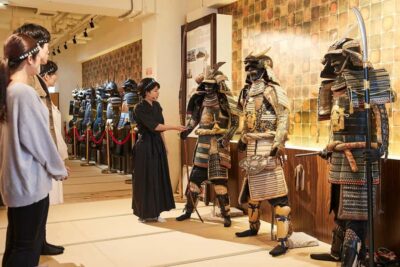
Samurai Ninja Museum Guided tour and Experience
Read our review →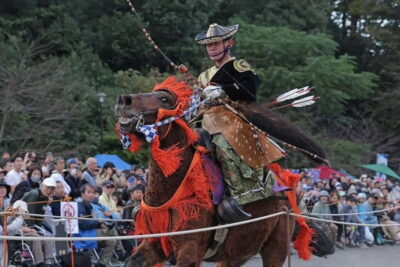
Samurai Sword & Archery Class from Samurai Descendant
Read our review →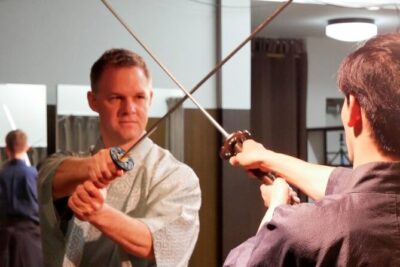
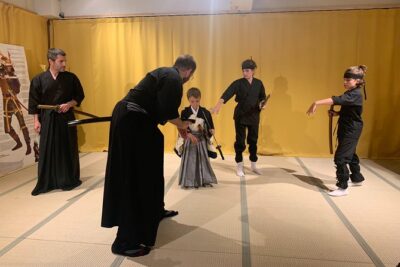
Ninja Experience (Family Friendly) at Samurai Ninja Museum TOKYO
Read our review →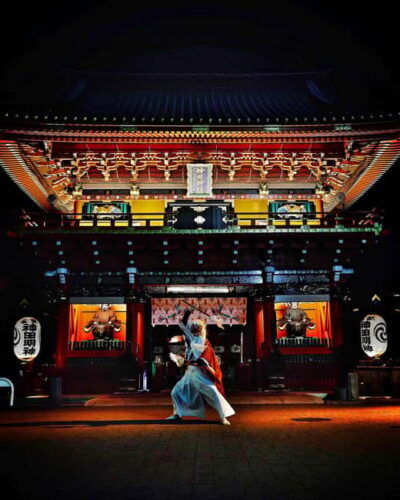
Samurai Entertainment Night Show in Kanda Shrine
Read our review →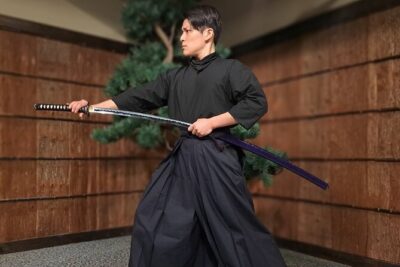
Tokyo Sword Experience – includes Museum Ticket/Ninja Experience
Read our review →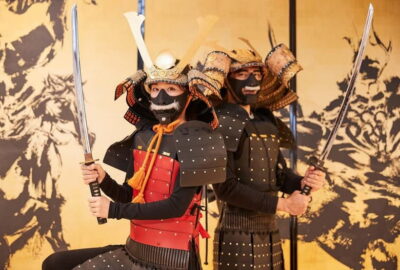
Samurai Ninja Museum Asakusa: Samurai Sword Lesson & Tour
Read our review →Browse the lists this tour appears in