
Reviewed · TOKYO WALKING TOURS
Old and Nostalgic Tokyo: Half-Day Yanaka Walking Tour
Yanaka offers a welcome change of pace from Tokyo’s modern towers: quiet temple grounds, narrow lanes, a cemetery with about 7,000 tombstones, and a shopping street with an old neighborhood feel. This half-day walk gives you a guided introduction to Yanesen, the historic area formed by Yanaka, Nezu, and Sendagi.
I like two things in particular: the route pairs major sights, including Nezu Shrine and Yanaka Cemetery, with smaller back streets, and the group is capped at eight, giving you room to ask questions. Past guides such as Michiko, Kaori, and Rie have been praised for making local history clear and welcoming, including for families.
The main consideration is the walking. You’ll be on your feet for about three and a half hours, and the tour is not suitable for wheelchair users or people with heart problems. Food and drinks are not included, so budget extra if you want to buy treats along the way.
At a glance
- Walk through Yanesen: See the historic neighborhoods of Yanaka, Nezu, and Sendagi, away from Tokyo’s high-rise core.
- Visit Yanaka Cemetery: Follow paths among roughly 7,000 tombstones in one of Tokyo’s largest cemeteries, known for spring cherry blossoms.
- See Nezu Shrine: Visit a shrine built in 1706 by the fifth Tokugawa shogun.
- Stop at Tennōji Temple: The listed itinerary includes a 20-minute visit to this temple.
- Browse Yanaka-Ginza: Explore a traditional shopping street, with opportunities to buy local food and sweets.
- Keep the group small: An English-speaking guide leads up to eight participants on the 210-minute walk.
A quieter side of Tokyo, in Yanesen
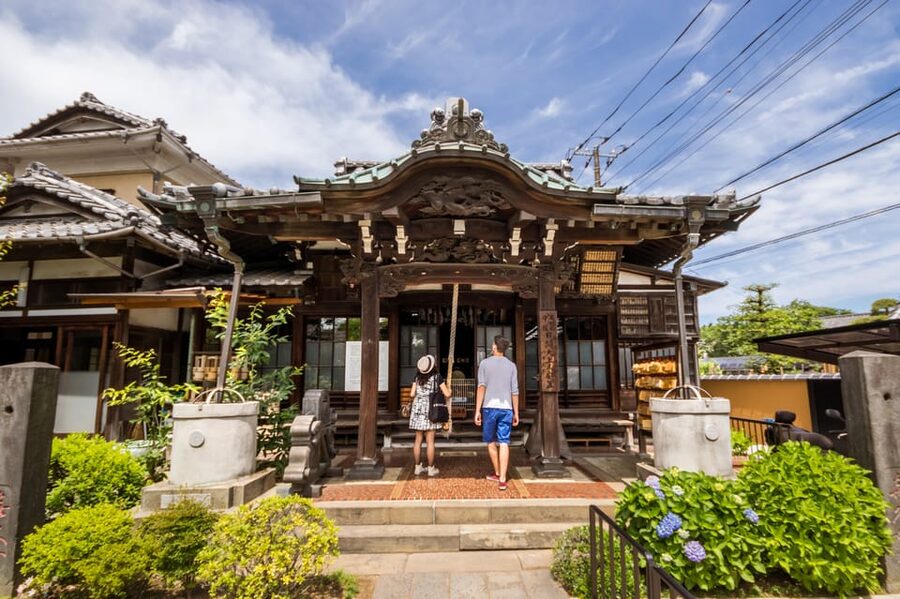
Yanaka, Nezu, and Sendagi sit in an older part of Tokyo where the experience comes less from a single grand sight than from the way the streets, temples, shops, and cemetery fit together. This district is often called Yanesen, a blend of the three neighborhood names. It offers a contrast to the bright, modern image many people have of the city.
A guide helps you notice the small details and understand why the area matters. The tour is designed to show you a Tokyo shaped by local daily life and older traditions, not only the big-name sights. That can be especially useful early in a visit, when it’s hard to know which lanes or local sites are worth your time.
The route also has a literary connection. Writers have come to this part of Tokyo for inspiration, and a slope offers views over a maze of pathways that can feel far removed from the city’s newer districts. The setting is a reminder that Tokyo is not one single scene. It changes from neighborhood to neighborhood.
More walking tours in Tokyo:
- Tokyo Tsukiji Fish Market Food and Culture Walking Tour
★ 5.0 · 3,184 reviews - Tokyo: Imperial Palace and Shogun Historical Walking Tour
★ 5.0 · 2,251 reviews - Tokyo: Shinjuku Local Bar and Izakaya Guided Walking Tour
★ 4.9 · 1,794 reviews
Starting at Nippori Station
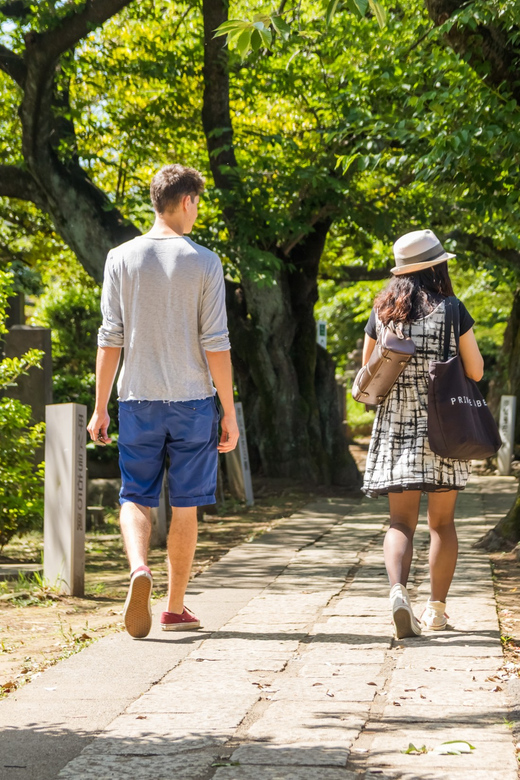
The meeting point is the north gate of JR Nippori Station. Give yourself enough time to find the correct exit, since stations can be busy and a wrong gate can add an unnecessary scramble to the start of a walking tour. The tour returns to Nippori Station, so you finish where you began.
The total duration is 210 minutes, or three and a half hours. That is long enough to get a sense of the district without using up a full day, but it is still a substantial walk. Wear comfortable shoes, as advised, and plan for a moderate amount of walking rather than a quick stroll between nearby attractions.
The group limit of eight is a practical advantage. In a small group, it is easier to hear the guide, ask follow-up questions, and pause to look at something without feeling like you are holding up a crowd. A minimum of two people per booking applies, so this is not a private tour for a solo participant.
Yanaka Cemetery and its quiet paths
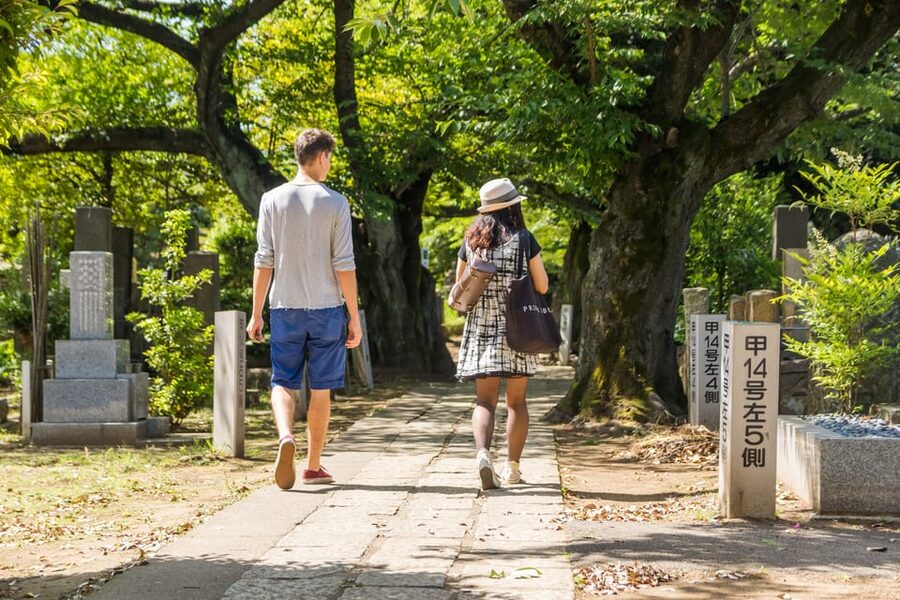
Yanaka Cemetery is one of the area’s most memorable stops. With about 7,000 tombstones, it is among Tokyo’s largest cemeteries, but the appeal is not simply its size. The paths and graves show a quieter, more reflective side of the city, and the cemetery is also known as a place to see cherry blossoms in spring.
A guide can provide context for what you are seeing and help you move through the site with care. One past visitor described seeing the grave of Japan’s last shogun during the walk. That detail gives the cemetery a link to the political history of the country, as well as to the lives and memorial customs of local people.
The season affects the visit. Spring brings the chance of cherry blossoms, while other times of year offer a calmer cemetery walk without that seasonal display. Don’t expect a conventional attraction with a single entrance hall or a checklist of exhibits. The experience is in moving through the grounds and taking in the setting.
As in any cemetery, keep your voice low and treat the space respectfully. The tour’s stated rules also prohibit making noise. This is a place for looking and listening, not for turning every stop into a photo session.
Tennōji Temple and the district’s temples
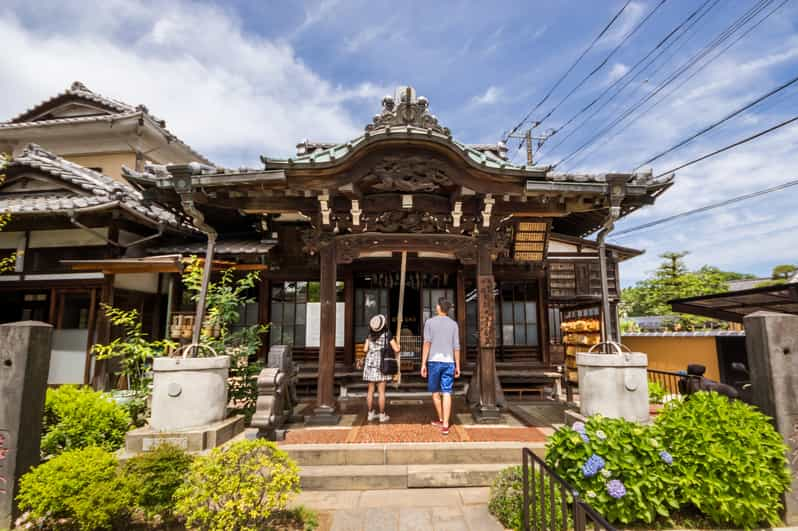
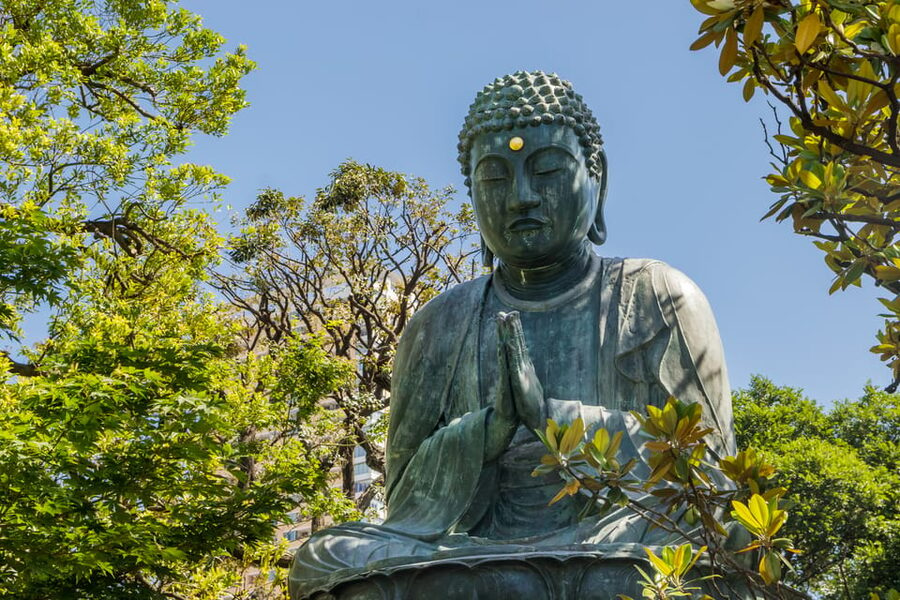
The itinerary includes a 20-minute stop at Tennōji Temple. That is a useful pause in a walking route, and it gives you time to see a temple setting without needing to plan a separate visit. The temple is part of the district’s broader pattern of quiet religious sites tucked into ordinary neighborhood streets.
The schedule does not give a detailed account of what the guide covers at Tennōji, so think of the stop as a short introduction rather than an extended temple visit. If you have particular questions about the temple or religious customs, a small group is a good setting to ask them.
Nezu Shrine is another important highlight. Built in 1706 by the fifth Tokugawa shogun, it offers a concrete link to the Edo period. The tour description identifies it as one of the key sights, though the exact time spent there is not specified. If you especially want to see the shrine, check the route details for your date and ask the guide how much time is planned.
The shrine can be particularly striking in spring, when azaleas bloom. A past tour attendee visited during that season and found the flowers a highlight. Bloom timing varies, of course, so don’t plan the walk around a guaranteed display. The shrine itself remains a worthwhile stop beyond the brief flowering season.
More half-day tours in Tokyo:
- Half-day Tokyo Afternoon Tour by Hato Bus
★ 4.0 · 269 reviews - Tokyo: A Half-Day Trip Bus Tour in the Morning
★ 4.6 · 236 reviews - Half-day Tokyo Morning Tour by Hato Bus
★ 4.0 · 220 reviews - Tokyo: Half-Day Morning Small Group Tour
★ 3.0 · 8 reviews
Yanaka-Ginza: shops, snacks, and sweets
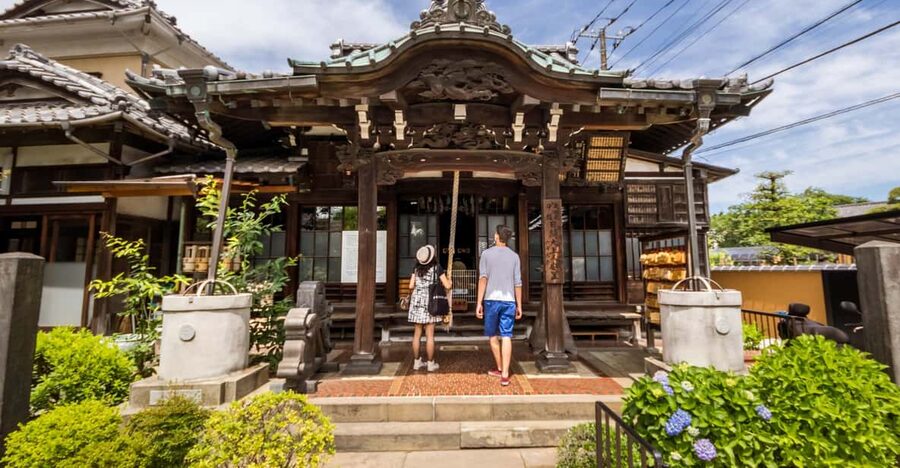
Yanaka-Ginza is the route’s most everyday stop: an old-fashioned shopping street where you can browse local shops and get a feel for neighborhood commerce. It is a welcome counterpoint to temples and cemetery paths. Here, the tour turns from history and quiet reflection toward the simple pleasure of looking around and choosing something to eat.
Sampling local foods and sweets is part of the appeal, but food and drinks are not included in the $83 price. Treat the tour as a guided introduction to the area, with purchases on your own tab. Bring a little extra spending money if you want to try several things, or simply browse if you prefer not to buy.
The walk may also pass smaller shops selling items such as bread, pastries, or pottery. Those are examples of the kinds of local finds you might encounter, rather than a promise that every shop will be visited or open. The guide’s role is valuable here: you can ask what an item is, how it fits local life, or which treats are worth trying.
One strength of Yanaka-Ginza is that it gives you a chance to slow down and make your own choices. If you enjoy food, take advantage of the stop. If you are more interested in the architecture and back streets, you can focus on those instead. Just remember that the tour is not a prepaid tasting menu.
The guide makes the difference
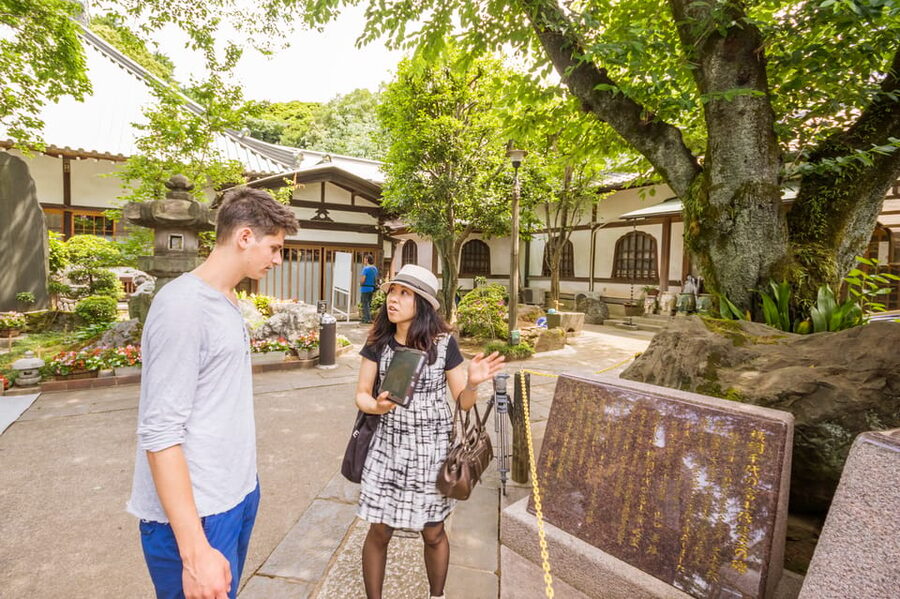
The guide is central to this experience. The walk covers sites with very different meanings, from a historic shrine to a working shopping street, and a good explanation helps connect them. The strongest aspect of the tour, based on the available feedback, is the guides’ ability to combine cultural context with a friendly, personal manner.
Past guides named include Michiko, Kaori, Arika, Yoshimi, Rie, Sumiko, and Mikko. They are not guaranteed to lead your departure, but the range of names and repeated praise for clear English, warmth, and local knowledge suggest that the guide is a major part of the tour’s appeal. One guide, Mikko, was described as living in the area, an advantage when a local can point out details that are easy to miss.
Families may find the format appealing as well. A parent described guide Michiko as kind, energetic, and good with children. That does not mean the walk is tailored specifically for kids, but a warm guide can make a long walk more engaging for younger participants.
The tour is conducted in English. If cultural questions matter to you, this is a better choice than simply following a map from one site to the next. You can ask about the area as you go and learn how the places relate to Japanese history and daily life.
Is $83 a fair price?
At $83 per person, this is not the cheapest way to walk around Yanaka. You can visit public streets, shrines, and cemetery paths independently. The value lies in having an English-speaking guide for 3.5 hours, a small group, and a route that brings several types of local sights together.
If you are comfortable researching the area and navigating Tokyo on your own, you may prefer to spend that money on food, shopping, or another paid attraction. But if you want context and an easier way into the district, the guide can make the price worthwhile. You are paying for interpretation and a planned route, not for meals or transport.
The group cap of eight improves the value for people who like asking questions or prefer not to follow a large tour flag through narrow streets. On the other hand, the minimum booking size is two, so solo visitors should confirm that a departure is available to join before building the walk into a fixed schedule.
Free cancellation up to 24 hours before the tour and a reserve-now, pay-later option add flexibility. Check the available start times when choosing a date, and remember that the tour’s food and drinks are extra.
Who should choose this walk?
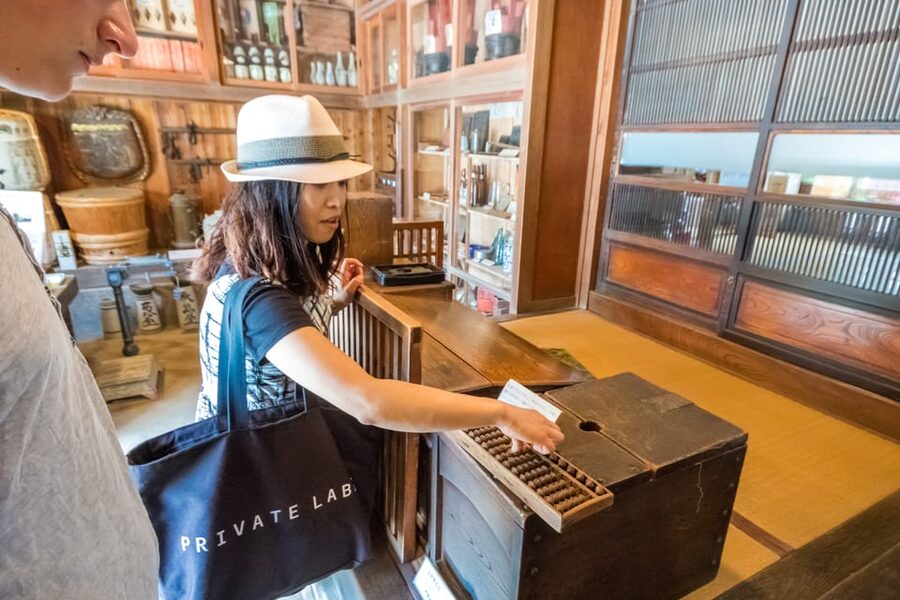
I’d recommend this tour if you have already seen some of Tokyo’s more modern districts, or if you want a first look at a quieter, older neighborhood with someone to explain what you’re seeing. It also suits visitors who enjoy walking, local shops, temple grounds, and cultural conversation more than high-speed sightseeing.
It can work well for families who are comfortable with a moderate walk. Past guide feedback includes a positive experience with children, but the tour is still 210 minutes long. Consider your child’s stamina and interest in walking before booking.
This is not a good fit if you need a wheelchair-accessible route. The tour is listed as unsuitable for wheelchair users, and non-folding and electric wheelchairs are not allowed. It is also not recommended for people with heart complaints or other serious medical conditions. Pets and oversize luggage are not allowed, so plan to arrive with only what you need for the walk.
The activity has an overall rating of 4.9 from 30 reviews, a strong signal of satisfaction, though a high score cannot guarantee that every guide or departure will suit you. The most consistent strengths are the personal guidance, the chance to see a different side of Tokyo, and the mix of history with time to browse and eat.
Should you book the Yanaka walk?
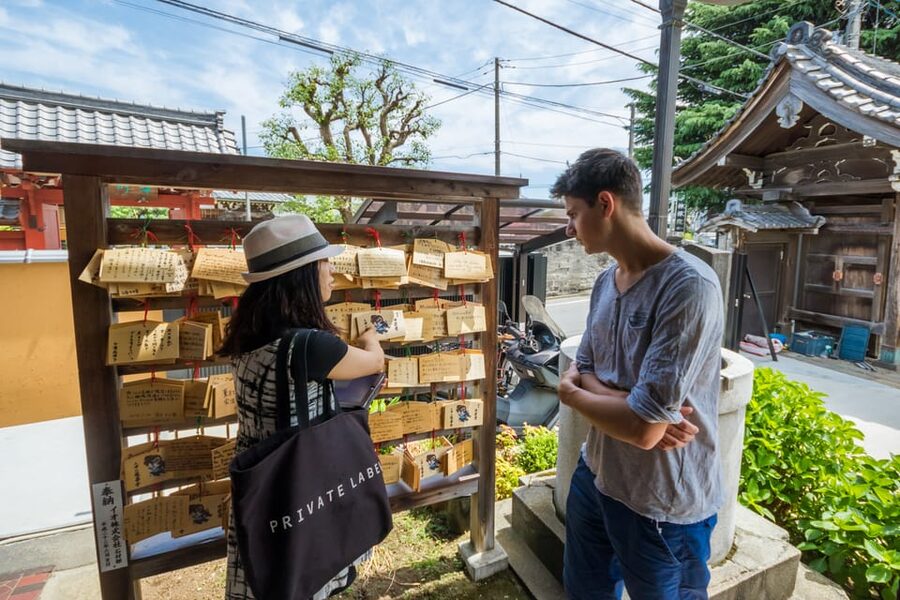
Book it if you want an easy, guided way to explore Yanaka, Nezu, and Sendagi, and if you value local context as much as the sights themselves. The cemetery, Nezu Shrine, Tennōji Temple, and Yanaka-Ginza make a balanced half-day, with enough variety to keep the walk from feeling like a string of similar stops.
Skip it if you dislike walking, need wheelchair access, or would rather spend the money on independent food stops. And if sampling snacks is your main reason for going, remember that purchases are not included. For a thoughtful introduction to an older side of Tokyo, with a small group and an English-speaking guide, this is a sensible use of half a day.
FAQ
How long is the Yanaka walking tour?
The tour lasts 210 minutes, or three and a half hours. A moderate amount of walking is involved.
Where does the tour start and finish?
It starts at the north gate of JR Nippori Station and returns to Nippori Station.
What language does the guide speak?
The live tour guide speaks English.
Is food included in the price?
No. Food and drinks are not included. You can buy local foods or sweets during the tour at your own expense.
How many people are in the group?
The small group is limited to eight participants. A minimum of two people per booking is required.
Is the tour suitable for wheelchair users?
No. The tour is listed as unsuitable for wheelchair users. Non-folding and electric wheelchairs are also not allowed.
Freshly reviewed in Tokyo
- Tokyo: Toshimaya Sake Brewery Tour with Sake Tasting★ 5.0 · 6 reviews
- :Tokyo,Shibuya /Meiji Shrine tour in KIMONO/English-friendly★ 5.0 · 4 reviews
- Tokyo: Tour Privado por Tokio en español★ 4.3 · 4 reviews
- Tokyo:Tea ceremony experience at Komaba Warakuan★ 4.8 · 9 reviews
- :Tokyo,Shibuya/ Pro Photography in Kimono / English-Friendly★ 5.0 · 26 reviews
- Tokyo:Samurai Training : Swords, Bushido & Mental Discipline★ 5.0 · 6 reviews
- Tokyo:Mt Fuji & Hakone Day Tour with English Speaking Driver★ 5.0 · 26 reviews
- Tokyo:Nikko UNESCO World Heritage Sites Private 1-Day Tour★ 3.8 · 6 reviews
Tokyo Walking Tours, compared.

Tokyo Tsukiji Fish Market Food and Culture Walking Tour
Read our review →
Imperial Palace and Shogun Historical Walking Tour
Read our review →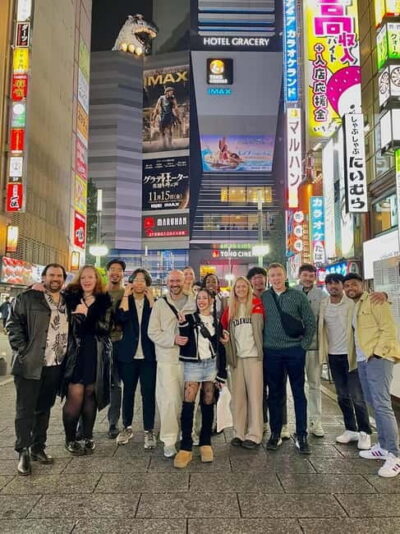
Shinjuku Local Bar and Izakaya Guided Walking Tour
Read our review →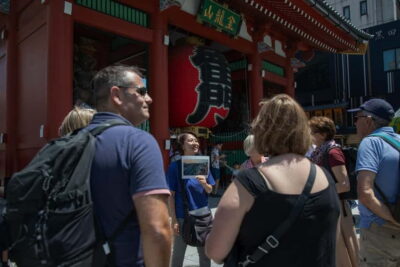
Asakusa Walking Tour with Sensoji Temple Visit
Read our review →
Tokyo Castle & Imperial PalaceーShogun Walking Tour
Read our review →
Dark Side of Tokyo Shinjuku Red Light Walking Tour
Read our review →Browse the lists this tour appears in