Reviewed · TOKYO TOURS
Mini Origami Lamp and Mizuhiki knot Belt Workshop in Ueno
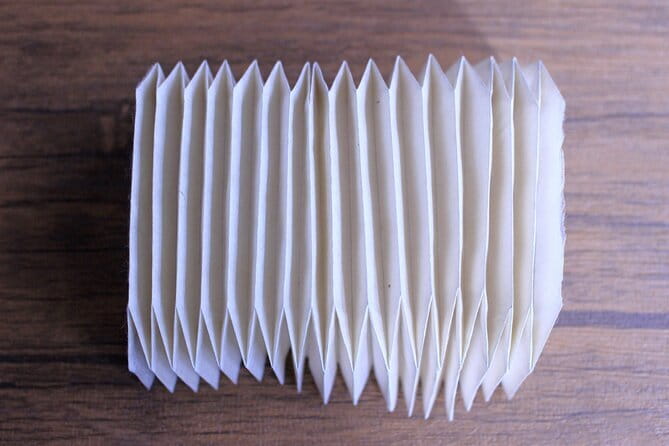
A handmade washi lamp begins as a few flat sheets and ends as a small sculptural object, folding shut like a book and glowing softly when you place a lamp inside. I like that this workshop teaches you to work with washi paper, not just admire it, and that the mizuhiki knot adds a second craft with its own meaning.
The private, 150-minute format leaves room to follow each step, and the instructor can teach in Japanese or English. One consideration: folding, gluing, and fitting the lamp together call for detailed handwork, so this is not recommended for children under 10.
Key points to know before you book
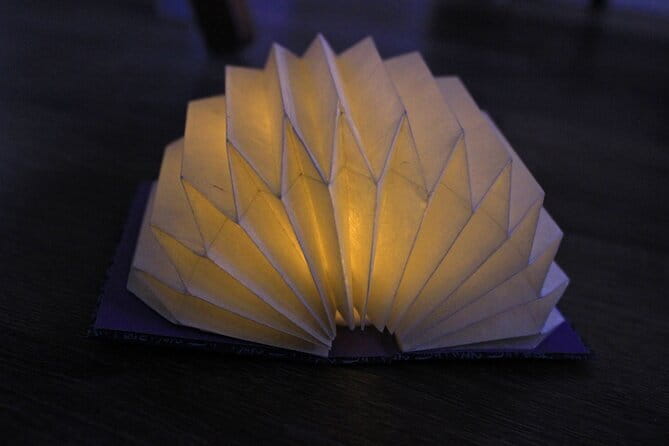
- Make a folding washi lamp: Layer and glue handmade paper into a bellows shape that opens and closes like a book.
- Add a mizuhiki ornament: Learn how decorative paper cords are knotted and why different knots can carry meanings.
- Take home two handmade pieces: The finished lamp and belt ornament give you a practical souvenir of the session.
- Get a short introduction to washi: A guide document explains the paper and its uses in art and interior decor.
- Finish with sweets and paper tea: Japanese sweets and a cup of Japanese paper tea are included.
- Plan for detailed work: The workshop lasts 150 minutes and is not suitable for children under 10.
A lamp that folds like a book
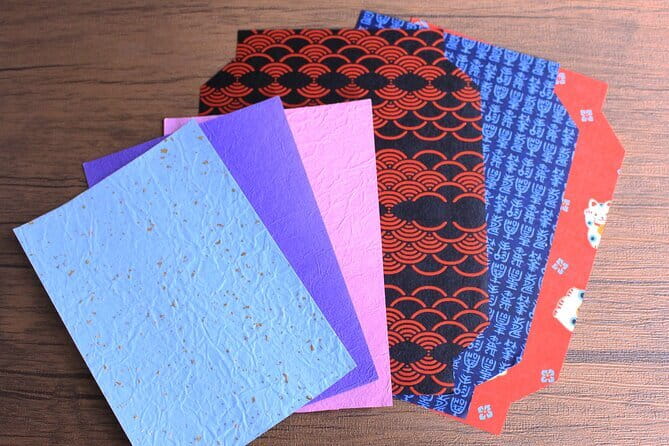
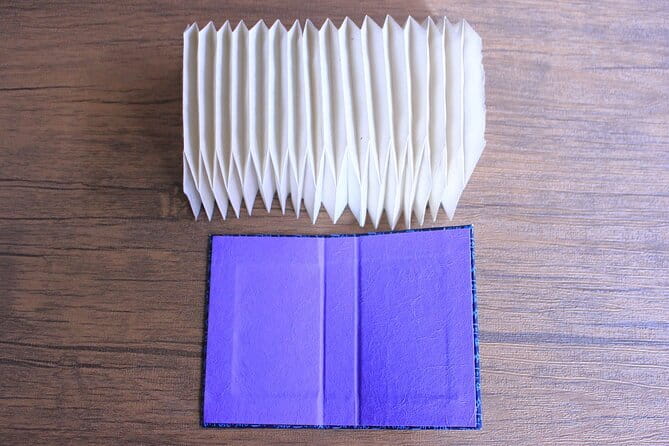
The central project is an origami lamp made from several sheets of handmade washi. Rather than folding one sheet into a complex figure, you fold and glue a number of pieces into a bellows-like form. Open, it becomes a small lamp shade; closed, it resembles a book. Add a small lamp inside, and the paper softens the light into a warm glow.
That change of shape is part of the appeal. You are not simply making a decoration that sits in one position. The folding structure lets the lamp expand and collapse, so the finished piece has a useful, almost surprising quality. It also gives you a clear reason to pay attention to how the paper behaves as you work.
The workshop is in Ueno, on Honshu, and lasts two and a half hours. That is a sensible amount of time for a project with several steps: you need to fold, glue, and bring the pieces together, rather than rush through a quick demonstration. The experience is offered to private groups, which means your session is not described as a public class shared with strangers. The group size itself is not specified, so check the available details when choosing a time.
More hands-on workshops in Tokyo:
- Sushi Making Tokyo Roll and Authentic Japanese Sushi Class
★ 5.0 · 3,971 reviews - Tokyo: Roll and Authentic Sushi Making Class in Asakusa
★ 4.9 · 1,957 reviews - Tokyo Shinjuku Chopsticks Making Class
★ 5.0 · 1,763 reviews
Getting to know washi before you make anything
The session begins with an introduction to the basics of washi, supported by a guide document. This matters because the paper is not just a pretty surface for the craft. The workshop presents washi as light and durable, qualities that make it useful for art objects and interior decor as well as traditional paper work.
You then put that material into practice. The lamp’s folds depend on how the sheets are handled and joined, so the introduction helps you see why the paper suits the project. I like this approach: a short explanation gives context, but the bulk of the learning comes from making something with your own hands.
The information provided does not specify the length of the introduction or cover particular washi-making methods. Expect a basic guide to the material and its uses, not a full course in papermaking. If your main interest is learning how paper itself is made, this workshop focuses instead on using washi to create a lamp and ornament.
Folding, gluing, and shaping the lamp
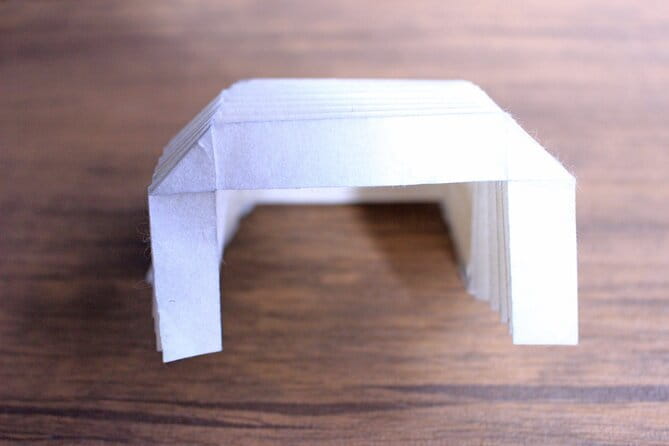
The lamp is assembled by folding and gluing several sheets of handmade washi into its bellows form. The instructor demonstrates how to fold, glue, and fix the pieces together, while materials are set out for the activity. That ready-to-use setup is helpful: you can focus on the craft rather than spend your session hunting for supplies.
There is a practical reason not to treat this as a casual drop-in craft. The project calls for detailed skills, and the finished shape depends on several sheets fitting together. Take your time with each fold and follow the instructor’s guidance. The activity is designed for people who can manage careful handwork, not for very young children who may prefer a looser, more playful project.
Once the lamp is assembled, you can place a small lamp inside to see the paper glow. The effect is described as gentle and warm, a quality that makes the finished piece more than a flat souvenir. The information does not specify the lamp’s power source or whether it is included among the materials, so check that point if you want to know exactly what you will take home beyond the washi lamp itself.
The ability to close the lamp into a book-like shape is a nice detail for anyone packing a handmade object. It also makes the construction easier to understand: the folds are functional, not merely decorative. You leave with a piece that shows the process in its form.
Learning the meaning behind mizuhiki knots
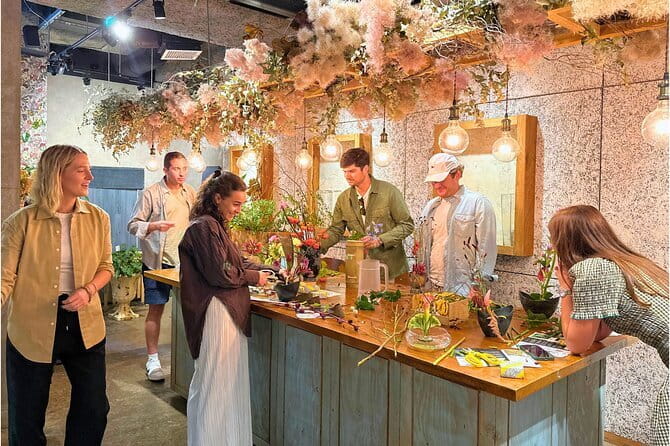
The second project is a mizuhiki knot ornament for a belt. Mizuhiki is a decorative cord made with a core of twisted washi paper wrapped in nylon or film. The workshop introduces the cord and explains that knots can carry meanings, which is why they are often suitable for gifts.
This adds a cultural layer to a session that could otherwise be all about technique. A knot is not only a pleasing shape; knowing its meaning can affect how you choose to use it or whom you might give it to. The activity is described as making an ornament for a belt, so expect a small wearable or decorative piece rather than a second large object.
The exact knot pattern is not specified, nor are the particular meanings taught. You can expect an introduction to the significance of mizuhiki knots, but it would be wise not to arrive expecting a specific design unless the provider confirms it. The broad idea is valuable on its own: traditional craft often carries messages that are easy to miss when you see only the finished object.
More tours and experiences in Tokyo:
- Mt Fuji and Hakone 1-Day Bus Tour Return by Bullet Train
★ 5.0 · 26,383 reviews - 1-Day Tokyo Bus Tour
★ 5.0 · 14,250 reviews - Tokyo: teamLab Planets TOKYO Digital Art Museum Entry Ticket
★ 4.6 · 9,779 reviews - Mt Fuji & Hakone Cruise, Drum Show Bullet Train 1 Day from Tokyo
★ 4.0 · 7,413 reviews
Sweets and a cup of Japanese paper tea
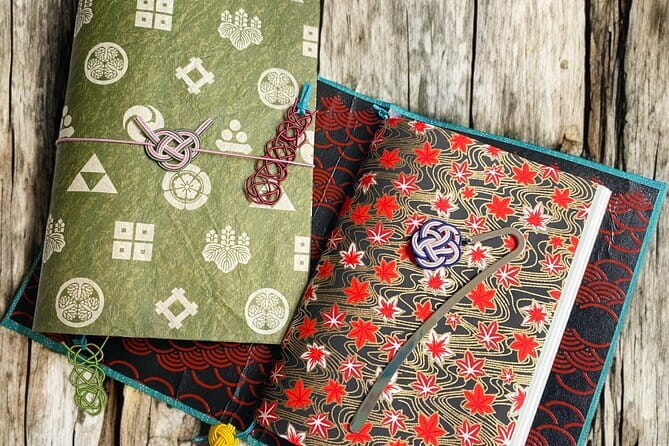
The workshop closes with Japanese sweets and a cup of Japanese paper tea. The tea is described as unusual and not offered elsewhere, making this a distinctive end to the session. The supplied information does not explain how the tea is made or what it tastes like, so treat it as a tasting included with the class rather than a detailed tea lesson.
A small refreshment break is a good fit after careful folding and knotting. It gives you a moment to look over what you made and enjoy something connected to the Japanese setting without adding another stop to your day. Japanese sweets and the tea are included, as are the materials and the washi guide document.
One participant also found a mascot cat present during the workshop. That is a charming possible bonus, but it is not part of the stated inclusions, so don’t book on the assumption that the cat will be there. The dependable features are the paper projects, instructor, document, sweets, and tea.
What $106 buys you
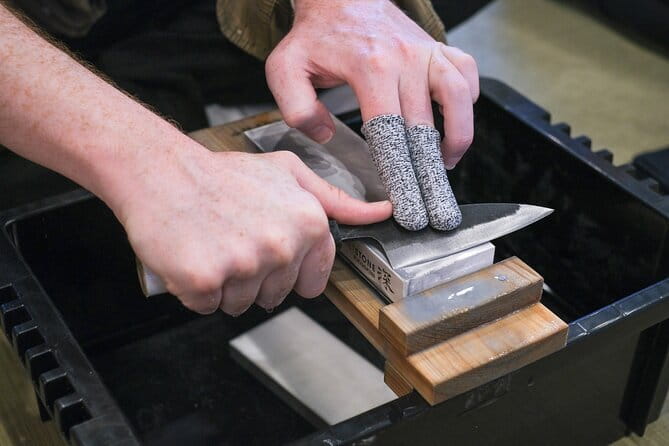
At $106 per person, this is not a low-cost craft activity. The value depends on whether you want hands-on instruction and a substantial handmade souvenir, rather than a quick demonstration or a simple paper-folding lesson. The fee includes all materials for both projects, the washi guide, sweets, and paper tea, while the private-group format gives your session a more personal frame.
You are making two different objects in one 150-minute class. The lamp is the larger, more involved project; the mizuhiki ornament brings in a second material and a lesson in the meanings attached to knots. That combination helps justify the time and cost for someone interested in Japanese craft. You are not just paying to leave with an object, but to learn how the materials are handled and what some of their uses signify.
On the other hand, price-conscious visitors who mainly want a souvenir may find it easier to buy one rather than spend a half day making it. The lamp’s value is personal: it is your own work, and you understand how its folds and joins create the final shape. If you do not enjoy careful manual tasks, the cost may feel harder to justify.
The class also suits a specific kind of afternoon. It is a good choice when you want an indoor activity with a clear result and a slower pace. It is less suitable if your priority is seeing several sights in a short time or if you need a family activity for younger children.
Who will enjoy this Ueno workshop
I would choose this workshop if you enjoy crafts, want a small window into traditional Japanese materials, or like bringing home something you made yourself. The lamp is especially appealing if you appreciate functional design: it folds away, opens up, and uses washi’s lightness to shape the glow. The mizuhiki project adds a compact lesson that connects craft with gift-giving and symbolism.
The instructor teaches in Japanese and English, so English-speaking participants can take part. A participant described the teacher as nice and helpful, and the workshop’s method is hands-on: the instructor shows how to fold, glue, and assemble the pieces. That practical guidance matters when small mistakes in alignment can affect the final form.
The activity is not suitable for children under 10, and the provider notes that detailed skills may not suit young children. Families with younger kids should look for a different activity. A separate paper-making workshop in Ueno is suggested for families, but the details of that option are not part of this experience.
This is also a good fit for solo visitors or couples looking for a shared activity, provided the private-group arrangement works for their booking. The group size is not given, so confirm how the private format applies to your party. If you are traveling with someone who would rather watch than make things, the session may not hold their attention for the full two and a half hours.
Practical details that shape the experience
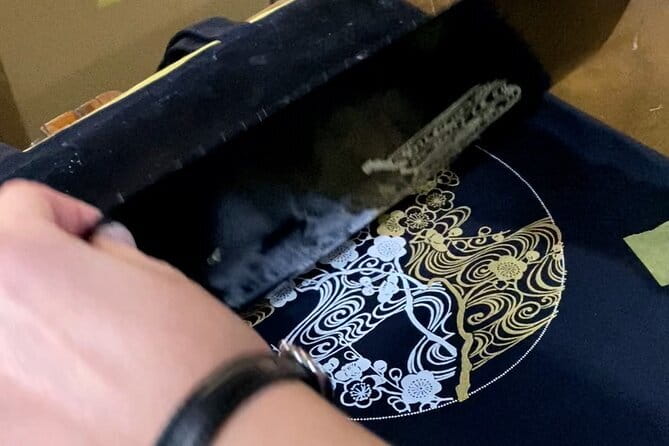
Set aside 150 minutes, not just an hour. The projects involve several stages, and the time allows you to make both the lamp and the mizuhiki ornament before the sweets and tea. Starting times vary, so check availability for the date you want.
The workshop is in Ueno, but the precise meeting point is not provided here. Confirm the exact location before setting out. All materials for the two projects are included, so you do not need to bring craft supplies. The guide document is also provided.
The session is a private group activity, with instruction in Japanese and English. It has a five-star rating based on four ratings, a small sample that suggests a strong response but cannot tell you everything about how every session runs. The recurring strengths are the helpful instruction, the enjoyable pace, the finished souvenir, and the included sweets and tea. One person particularly enjoyed having a mascot cat around, but that should be treated as a pleasant extra, not a promised feature.
Booking terms offer free cancellation up to 24 hours in advance for a full refund, and a reserve-now, pay-later option is available. Those terms can help if your plans are still shifting, though they do not change the main decision: this is worth the time if you want to make, not merely watch.
Should you book the washi lamp workshop?
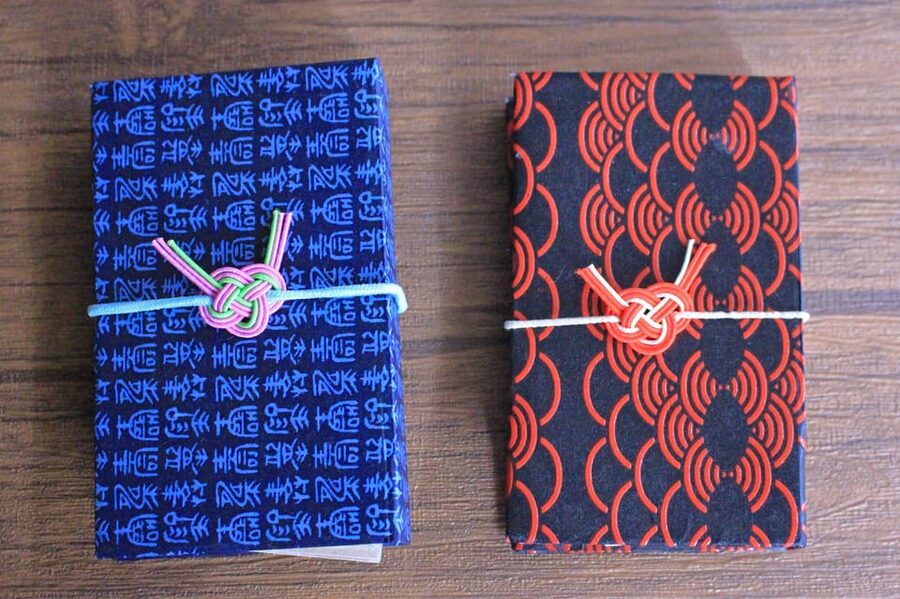
Book it if you want a focused craft session, appreciate handmade paper, and would value taking home a lamp and a mizuhiki ornament you made yourself. The strongest reasons to go are the folding lamp’s clever book-like shape, the instructor-led process, and the cultural context behind the knot. Sweets and paper tea make the finish feel considered without distracting from the craft.
Skip it if you need an activity for a child under 10, dislike detailed handwork, or want a broad introduction to Japanese culture rather than one focused lesson. At $106, it makes the most sense for someone who values instruction and making an original object. If that sounds like your kind of afternoon, this is a distinctive way to spend a couple of hours in Ueno.
FAQ
How long is the workshop?
The workshop lasts 150 minutes.
Where does the activity take place?
It takes place in Ueno, in Japan on Honshu. The precise meeting point is not specified here.
What will I make?
You will make a folding origami lamp from handmade washi paper and a mizuhiki knot ornament for a belt.
Are the materials included?
Yes. Materials for both the lamp and the mizuhiki ornament are included, along with a guide document about washi paper.
Is the workshop taught in English?
Yes. Instruction is available in Japanese and English.
Is this activity suitable for children?
It is not suitable for children under 10. The detailed handwork may not suit young children.
Are food and drinks included?
Yes. Japanese sweets and a cup of Japanese paper tea are included.
Can I cancel for a refund?
You can cancel up to 24 hours in advance for a full refund. A reserve-now, pay-later option is also available.
Freshly reviewed in Tokyo
- Tokyo: Toshimaya Sake Brewery Tour with Sake Tasting★ 5.0 · 6 reviews
- :Tokyo,Shibuya /Meiji Shrine tour in KIMONO/English-friendly★ 5.0 · 4 reviews
- Tokyo: Tour Privado por Tokio en español★ 4.3 · 4 reviews
- Tokyo:Tea ceremony experience at Komaba Warakuan★ 4.8 · 9 reviews
- :Tokyo,Shibuya/ Pro Photography in Kimono / English-Friendly★ 5.0 · 26 reviews
- Tokyo:Samurai Training : Swords, Bushido & Mental Discipline★ 5.0 · 6 reviews
- Tokyo:Mt Fuji & Hakone Day Tour with English Speaking Driver★ 5.0 · 26 reviews
- Tokyo:Nikko UNESCO World Heritage Sites Private 1-Day Tour★ 3.8 · 6 reviews
Tokyo Tours, compared.

Mt Fuji and Hakone 1-Day Bus Tour Return by Bullet Train
Read our review →

teamLab Planets TOKYO Digital Art Museum Entry Ticket
Read our review →
Mt Fuji & Hakone Cruise, Drum Show Bullet Train 1 Day from Tokyo
Read our review →
Shinjuku Food Tour (13 Dishes at 4 Local Eateries)
Read our review →
Tokyo Mt Fuji 5th St & Hakone Cruise Bus Tour w/Bullet Train
Read our review →
Flagship 2-Hours Official Street Go-Kart Tour – Tokyo Bay Shop
Read our review →