
Reviewed · TOKYO SAMURAI EXPERIENCES
Martial Arts: Samurai Experience (Iaido)
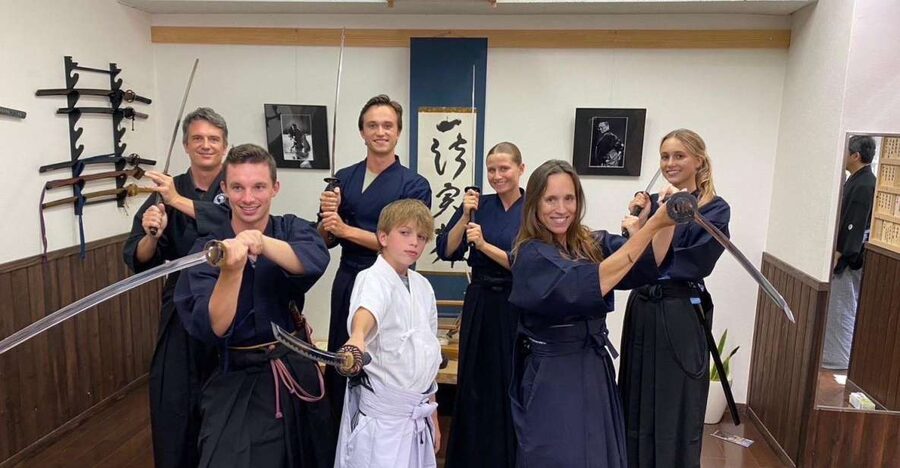
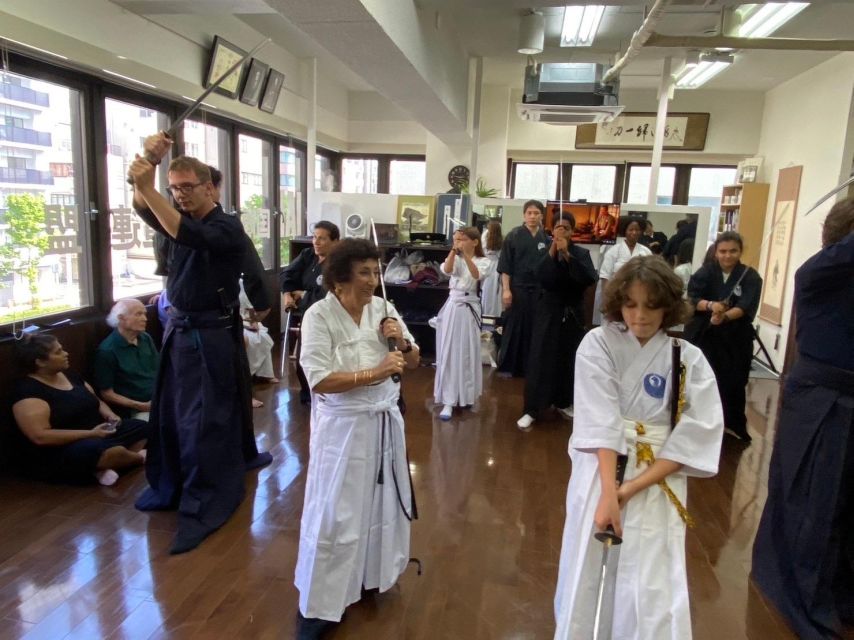
The heart of this experience is hands-on practice with a katana, not just a talk about samurai history. At the dojo, you change into a rented outfit, learn basic Iaido movements, and see a master handle a real sword.
I like two things in particular: you get to try the fundamentals yourself, and the session ends with a master’s performance that gives you a sharper sense of the control involved. The instructors are described as friendly and willing to answer questions, which matters when the movements are new.
The main consideration is the $161 per-person price. It includes the outfit, katana rental, and travel insurance, but the exact session length is not stated, and food and transport are extra.
At a glance
- Practice with a katana: Learn fundamental movements and how the sword is used.
- See a real-sword performance: The master demonstrates Iaido with a shinken, a real sword.
- Follow a clear sequence: Change into an outfit, practice, watch the demonstration, take photos, and ask questions.
- Learn in English or Japanese: Instruction is offered in both languages.
- Plan for a dojo visit: The activity is on the third floor of the meeting-point building and ends there.
- Check the practical limits: Children under 5 and wheelchair users are not suited to this activity.
From Samurai History to Iaido Practice
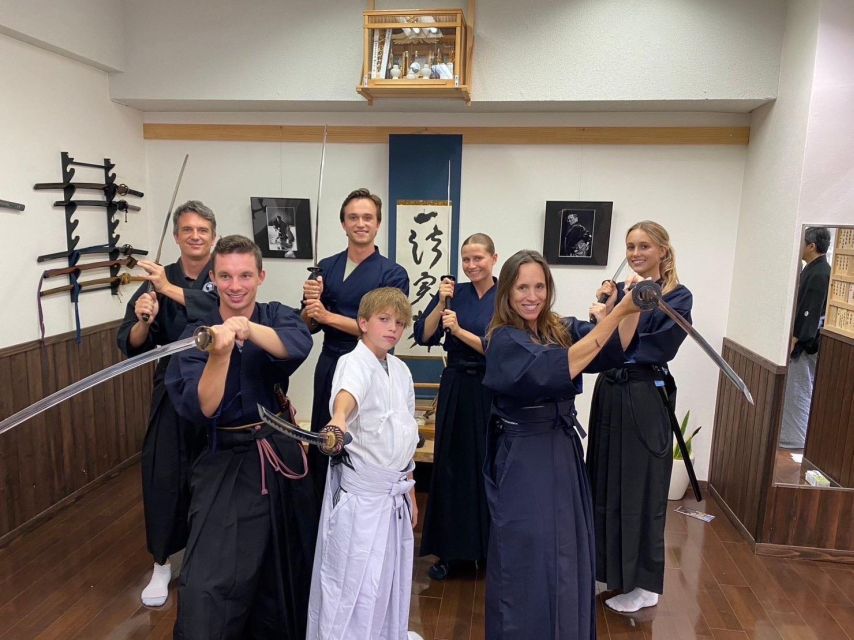
Iaido is a Japanese sword art centered on the technique of drawing and using a katana. This session introduces it through a mix of explanation, guided movement, and demonstration, so you are not expected to arrive with martial-arts experience. The aim is to give you a practical first look at a tradition associated with samurai culture.
The experience takes place at a dojo in Japan’s Kanto region. You meet at the building where the Iaido activity is held, on its third floor, and return to the same meeting point at the end. The exact city and session start time are not specified here, so check the details for your chosen date before you plan the rest of your day.
The instructors speak English and Japanese. That makes the session accessible to many international visitors, though the language mix and amount of explanation may vary. If you have a question about a movement, the leaders are described as helpful and ready to answer questions, so make use of the Q&A rather than quietly wondering what you missed.
The International Iaido Organization is presented as a way to pass the practice on beyond Japan. That context helps explain why the session is more than a costume photo opportunity: the focus is on learning and demonstrating a martial art, while connecting it to the samurai legacy.
Changing Into the Outfit
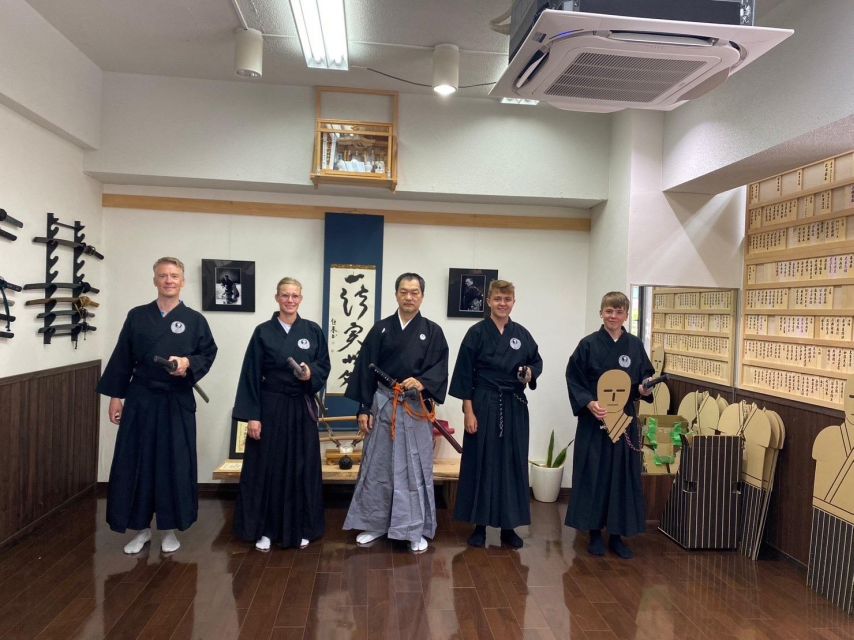
The activity begins with a change into a rented outfit. You do not need to arrive with special clothing or bring your own sword, which keeps the practical side simple. Do wear comfortable clothes underneath, as advised, and choose something you can move in.
A traditional outfit can help set the scene, but it is not the main event. The value comes when you begin practicing and notice how posture, control, and deliberate movement shape the use of the sword. Think of the clothing as part of the introduction, not a substitute for instruction.
The included rental katana means you can take part without buying or carrying equipment. The information does not specify the type of practice sword used during the lesson, so do not assume that the hands-on portion uses a real blade. The real sword is specifically mentioned for the master’s performance later in the session.
More samurai experiences in Tokyo:
- Tokyo: Samurai Restaurant Show Ticket with 2 Drinks
★ 4.5 · 1,307 reviews - Tokyo: Samurai Ninja Museum Guided tour and Experience
★ 4.6 · 1,010 reviews - Tokyo: Samurai Sword & Archery Class from Samurai Descendant
★ 5.0 · 603 reviews
Learning the Fundamental Movements
After changing, you practice basic movements under the master’s guidance. This is where the experience becomes active: you are not simply hearing about samurai traditions, you are learning how to handle a katana and trying the fundamentals yourself.
For a first-time participant, that practical element is likely the most useful part. A sword can look simple when someone skilled uses it, but the lesson gives you a chance to pay attention to the technique behind the appearance. Follow the instructor’s pace, and focus on control rather than trying to make every movement look dramatic.
The sequence also includes an explanation of the katana’s use. That gives the movements a wider context and helps connect the physical practice with the historical subject. The session is a short introduction, not a full course in Iaido, and no prior knowledge is listed as a requirement.
The exact duration is described as one day, but no number of hours is provided. That makes it hard to judge how much time is devoted to each step. If you are arranging a tight itinerary, confirm the available start time and session details before setting other plans around it.
Watching the Master Use a Real Sword
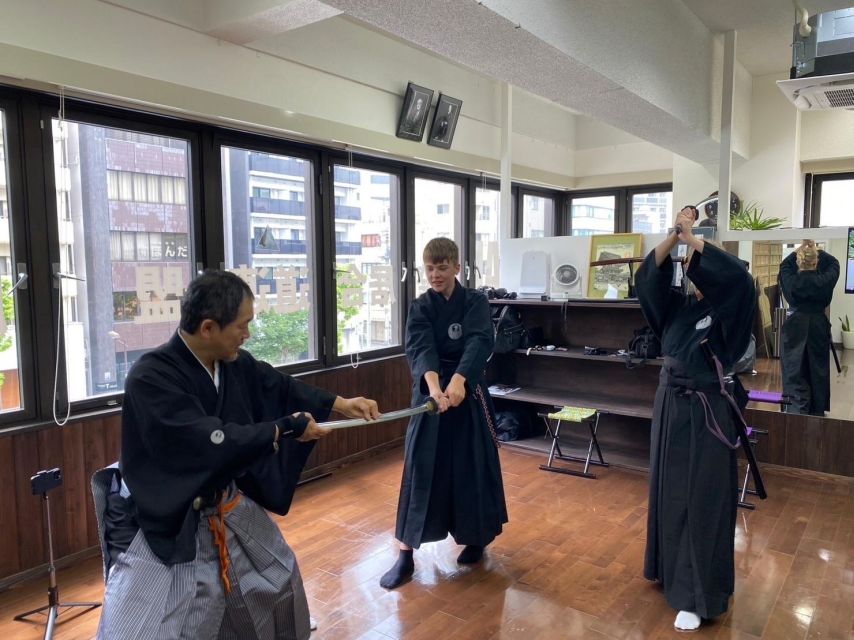
The demonstration with a shinken, or real sword, is the session’s most striking contrast with the beginner practice. You have just tried the basic movements yourself; now you can watch an expert perform them with a real blade. That change in perspective can make the instruction feel more concrete.
The master’s performance is a key reason to choose this activity over a simple history talk. It offers a close look at the discipline and precision involved, without asking you to mistake a one-time lesson for mastery. One account of the experience also describes a show fight by the master’s pupils, which may add another dimension to the demonstration.
The demonstration is not a substitute for the lesson. Its value is partly in seeing the difference between trying a new technique and watching someone who has trained for years. If you are especially interested in martial arts, pay attention to the controlled movements rather than expecting a theatrical action scene.
The session is described as a way to explore samurai culture and learn about the era, including its legacy and connection to the Last Samurai. The available details do not specify a particular historical lecture or a named figure from that period, so treat the history component as an introduction rather than a detailed museum-style presentation.
Photos and Questions Before You Leave
After the performance, you can take commemorative photos with the master. This gives you a keepsake from the visit and a chance to mark the occasion in the outfit. The activity does not specify how many photos are taken or whether photography equipment is provided, so bring your own phone or camera if you want pictures.
A Q&A follows. I would use this time to ask about the movements you practiced, the sword, or the history behind Iaido. The leaders are described as friendly and helpful, and questions are a good way to make the most of a session that introduces a subject in a limited amount of time.
The activity ends at the meeting point, so there is no separate return transfer to arrange. Hotel pickup and drop-off are not included. Food and drinks are also not included, so plan those separately if you need a meal before or after the class.
More tours and experiences in Tokyo:
- Mt Fuji and Hakone 1-Day Bus Tour Return by Bullet Train
★ 5.0 · 26,383 reviews - 1-Day Tokyo Bus Tour
★ 5.0 · 14,250 reviews - Tokyo: teamLab Planets TOKYO Digital Art Museum Entry Ticket
★ 4.6 · 9,779 reviews - Mt Fuji & Hakone Cruise, Drum Show Bullet Train 1 Day from Tokyo
★ 4.0 · 7,413 reviews
Is $161 Good Value?
At $161 per person, this is a specialized cultural activity rather than a low-cost demonstration. The fee covers the activity, rental outfit, katana, and travel insurance. You are paying for guided practice and a master’s real-sword performance, not simply entry to a venue.
The value depends on what you want from a day in the Kanto region. If you are curious about samurai culture and want to do something rather than only look, the combination of basic instruction and a live demonstration makes the price easier to justify. The chance to handle a katana under guidance is the part that separates it from a general history presentation.
If your priority is a long, detailed account of Japanese history, this may not be the best use of your budget. The length of the session is not given in hours, and the history description is broad. You should also account for transport and meals, which are not included.
There is no group size listed, so you cannot tell from the available details how much individual attention you will receive. Still, the activity is structured around practice and questions, and the instruction is offered in English and Japanese. If close interaction is important to you, you can ask about the format when checking availability.
Who Should Book This Iaido Session?
This experience suits adults and older children who are interested in samurai culture, Japanese martial arts, or the handling of traditional swords. It may be especially rewarding if you like learning by doing and are comfortable following physical instructions in a dojo.
It is less suitable if you are looking for a broad sightseeing tour, a long history lecture, or an activity that includes transport and meals. Children under 5 are not suited to the session, and wheelchair users cannot take part according to the activity information. No other age or mobility guidance is provided, so check directly if you have specific needs.
You do not need to bring specialist equipment. Comfortable clothes are the main recommendation, while the outfit and katana are supplied. The session is available with English- or Japanese-language instruction, and the cancellation policy allows a full refund if you cancel at least 24 hours in advance. You can also reserve now and pay later, which may help if your plans are still taking shape.
Should You Book?
Book this if you want a focused, hands-on introduction to Iaido and would value seeing a master use a real sword after trying the basic movements yourself. The friendly instruction, practical lesson, and Q&A give the experience a personal feel, while the outfit and equipment are included.
Think twice if the price feels high for a session whose exact length is not stated, or if you mainly want a detailed history lesson. Check the starting time, confirm the session details, and allow for your own transport and food. For the right person, this is a memorable way to meet samurai culture through practice rather than just a photograph.
FAQ
Where does the Iaido experience take place?
It takes place at a dojo in Japan’s Kanto region. The activity is held on the third floor of the meeting-point building.
How long does the activity last?
The duration is listed as one day, but an exact number of hours is not provided. Check availability for the starting times and session details.
What languages are available?
Instruction is offered in English and Japanese.
Is a katana included?
Yes. A katana is provided for the activity, along with a rental outfit.
Will I see a real sword?
Yes. The itinerary includes a performance by the master with a shinken, or real sword.
What should I wear or bring?
Bring comfortable clothes. A rental outfit and katana are included.
Are food and drinks included?
No. Food and drinks are not included.
Is hotel transportation provided?
No. Hotel pickup and drop-off are not included. The activity ends back at the meeting point.
Can I cancel for a refund?
Yes. You can cancel up to 24 hours in advance for a full refund.
Freshly reviewed in Tokyo
- Tokyo: Toshimaya Sake Brewery Tour with Sake Tasting★ 5.0 · 6 reviews
- :Tokyo,Shibuya /Meiji Shrine tour in KIMONO/English-friendly★ 5.0 · 4 reviews
- Tokyo: Tour Privado por Tokio en español★ 4.3 · 4 reviews
- Tokyo:Tea ceremony experience at Komaba Warakuan★ 4.8 · 9 reviews
- :Tokyo,Shibuya/ Pro Photography in Kimono / English-Friendly★ 5.0 · 26 reviews
- Tokyo:Samurai Training : Swords, Bushido & Mental Discipline★ 5.0 · 6 reviews
- Tokyo:Nikko UNESCO World Heritage Sites Private 1-Day Tour★ 3.8 · 6 reviews
- Tokyo:Mt Fuji & Hakone Day Tour with English Speaking Driver★ 5.0 · 26 reviews
Tokyo Samurai Experiences, compared.

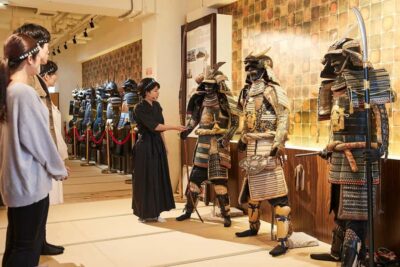
Samurai Ninja Museum Guided tour and Experience
Read our review →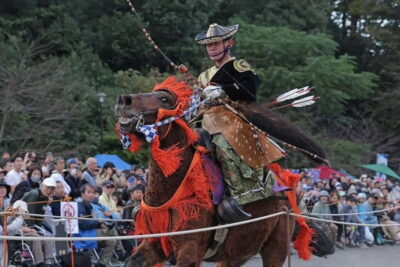
Samurai Sword & Archery Class from Samurai Descendant
Read our review →
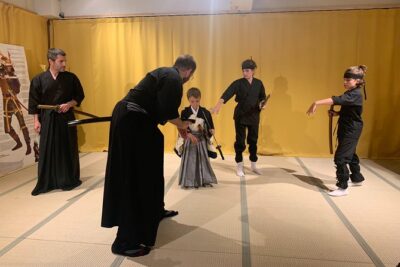
Ninja Experience (Family Friendly) at Samurai Ninja Museum TOKYO
Read our review →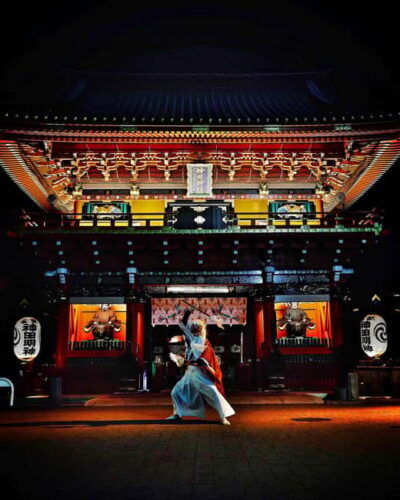
Samurai Entertainment Night Show in Kanda Shrine
Read our review →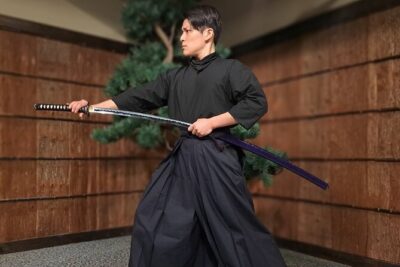
Tokyo Sword Experience – includes Museum Ticket/Ninja Experience
Read our review →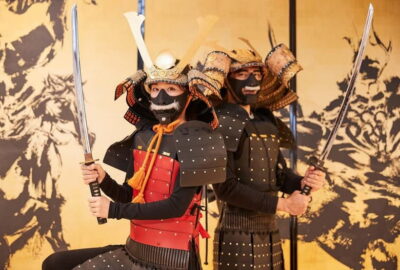
Samurai Ninja Museum Asakusa: Samurai Sword Lesson & Tour
Read our review →Browse the lists this tour appears in