
Reviewed · TOKYO SAMURAI EXPERIENCES
Kamakura Zen: Great Buddha, Nature, Bamboo & Samurai Culture
Kamakura’s Great Buddha is an impressive start, but this four-hour walk through temples, a bamboo grove, a samurai shrine, and old-town shopping shows how much the city offers beyond its best-known statue. I like the contrast between Hasedera’s peaceful gardens and Benzaiten’s cave and the hushed bamboo at Hokokuji. I also like that a local guide connects these places to Kamakura’s warrior past.
The trade-off is a fixed group route with several transfers and some stairs, all on foot or by public transport. Your transport fares are extra, and four hours means the visits are purposeful rather than leisurely.
The best of Kamakura in four hours
- Start with the Great Buddha: Spend 30 minutes at Kōtoku-in, home to Kamakura’s iconic bronze Buddha.
- Make time for Hasedera: The 45-minute stop includes its Kannon statue, gardens, Zen spaces, and Benzaiten’s cave.
- Find a quiet pocket at Hokokuji: A 30-minute visit brings you to the bamboo grove and its optional matcha experience.
- Connect the sights to samurai culture: Tsurugaoka Hachimangu is the historic shrine at the center of Kamakura’s warrior story.
- Finish with local color: Komachidori offers half an hour for snacks, souvenirs, and a look at the old-town shopping street.
From Kamakura Station to the Great Buddha
The tour begins at the Kamakura City Tourist Information Center, just outside the station’s East Exit. After the ticket gate, turn left and look for the center ahead. Arrive 10 minutes early so the group can set off on time.
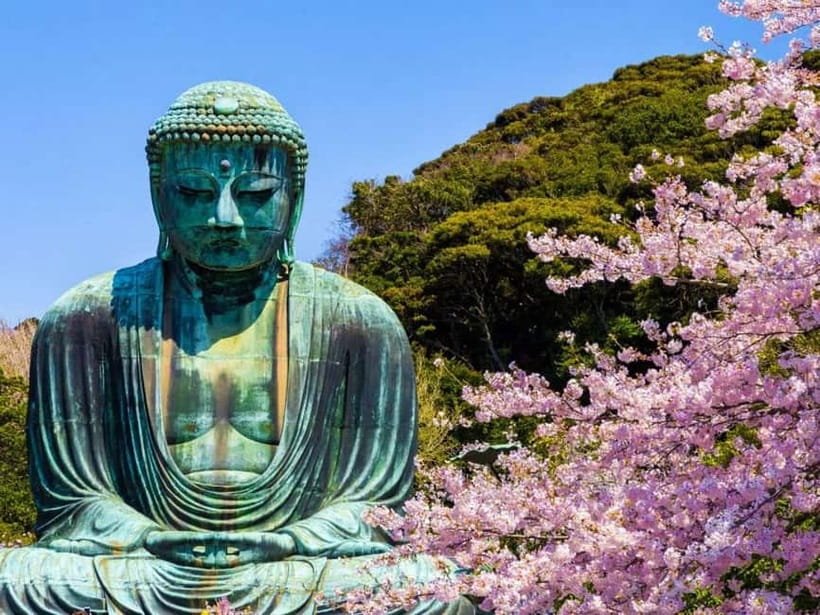
From there, a 10-minute bus ride takes you to Kōtoku-in. The 30-minute visit centers on the Great Buddha, the image that has made Kamakura famous. Even if you have seen photographs, seeing the statue in its temple setting gives the opening stop a different weight. It is a clear, memorable introduction to the city.
Half an hour is enough to see the main sight, but not to linger at length. That matters if you prefer to sit, explore every corner, or take your time with photographs. Here, the pace keeps the day moving toward several other important places.
More Kamakura trips in Kamakura:
- Tokyo: Kamakura & Enoshima Day Trip including Temple Tickets
★ 4.5 · 1,375 reviews - Tokyo: Mt. Fuji, Kamakura, Big Buddha, & Lake Ashi Day Trip
★ 4.5 · 867 reviews - From Tokyo: Kamakura & Enoshima 1-Day Bus Tour
★ 4.5 · 189 reviews
Hasedera’s Kannon, gardens, and cave
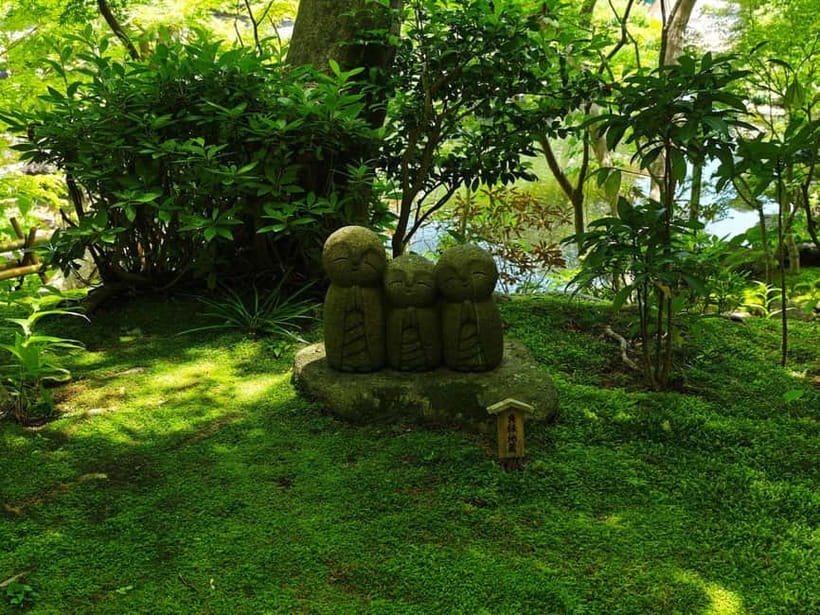
A five-minute walk leads to Hasedera, where you have 45 minutes. The temple is known for its elegant Kannon statue, calm gardens, and Zen spaces. It also offers a change of mood after the more direct visit to the Great Buddha: this is a place to notice the setting as well as the main religious image.
The gardens and quieter areas give you a chance to slow down, though the schedule still calls for a fairly brisk visit. There are stairs on the tour, so wear shoes you can manage comfortably and expect to spend part of the stop walking between areas.
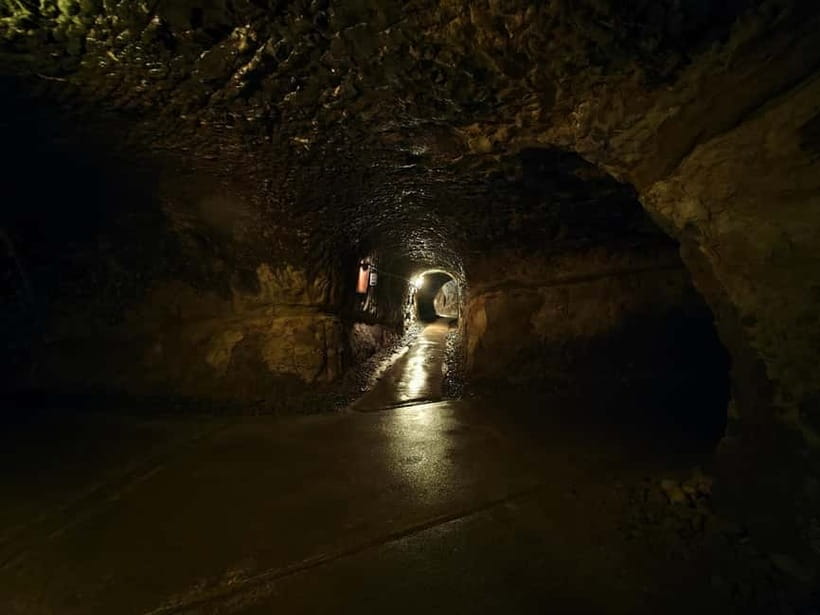
Benzaiten’s cave adds an unusual detail to the visit. It gives the temple stop another point of interest beyond its statue and gardens, and helps make Hasedera feel like more than a quick photo stop. If you want a calm moment in the middle of a busy sightseeing day, this is one of the places to use it.
Switching from temple paths to local transport
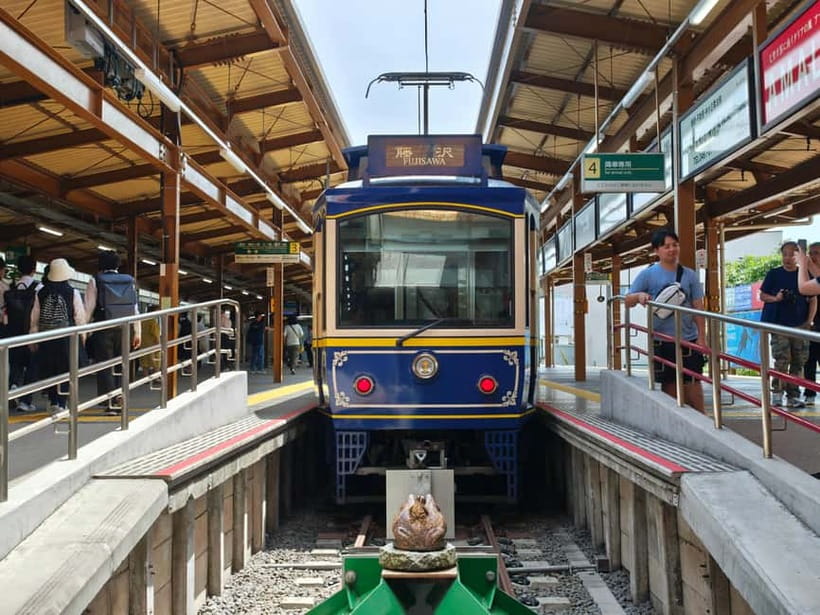
After Hasedera, the route uses a 10-minute tram ride and a 10-minute bus ride before reaching Hokokuji. The trip is part of the experience, but it also means you are not spending the whole tour on foot. Since train and bus fares are not included, bring cash for transport as well as any snacks or drinks you buy.
This is a public group tour with a fixed route, so you should expect to move when the group moves. The listed visits add up to about two hours and 45 minutes, with public transport, short walks, and transitions filling the rest of the four-hour outing. It is a useful way to see several parts of Kamakura in one outing, but it is not designed for long, independent visits at each stop.
Hokokuji’s bamboo grove and optional matcha
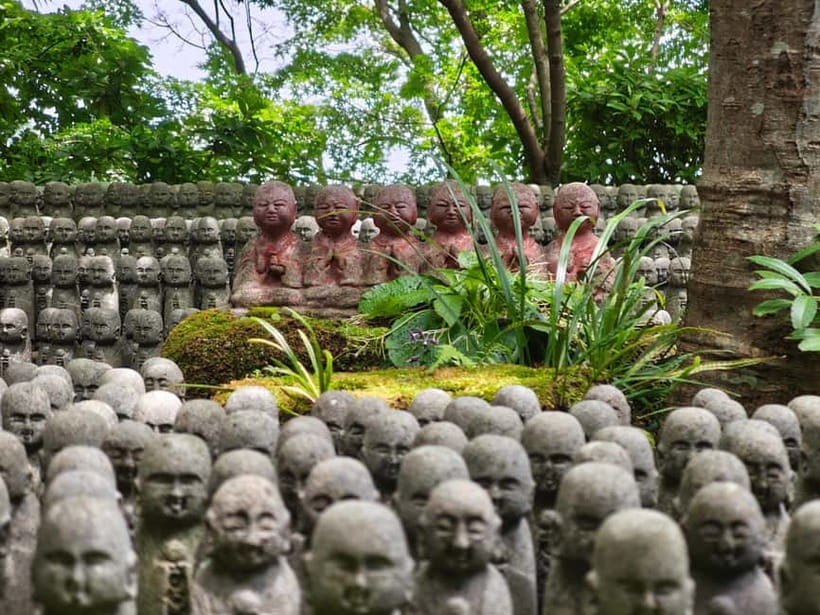
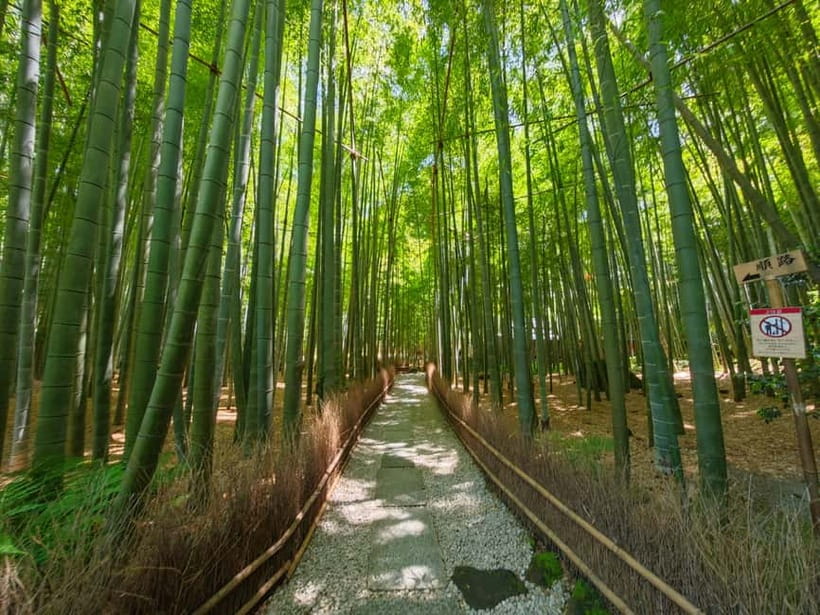
Hokokuji is the tour’s quietest stop. The 30-minute visit centers on its bamboo grove, a small, sheltered-feeling stretch of green that offers a sharp contrast to the streets and transport connections between sights. You can walk among the bamboo, take in the stillness, and enjoy a pause in the day’s steady rhythm.
An optional matcha tea experience is offered at the bamboo forest. I would consider it if you are curious about the setting as much as the tea itself. One visitor particularly recommended having tea even if matcha is not usually your preference, because the location is part of the appeal. The tour information does not specify whether the optional tea has an additional charge, so check before you commit.
Thirty minutes is not a long time for both the grove and tea. If the tea experience is important to you, keep an eye on the clock and ask your guide how best to fit it into the stop. It is a good example of the tour’s central compromise: a satisfying sampler, not an unhurried temple retreat.
More samurai experiences in Kamakura:
- Kamakura; First Samurai Capital walking tour
★ 5.0 · 8 reviews - Tokyo: Samurai Restaurant Show Ticket with 2 Drinks
★ 4.5 · 1,307 reviews - Tokyo: Samurai Ninja Museum Guided tour and Experience
★ 4.6 · 1,010 reviews - Tokyo: Samurai Sword & Archery Class from Samurai Descendant
★ 5.0 · 603 reviews
Tsurugaoka Hachimangu and Kamakura’s samurai past
A five-minute bus ride brings you to Tsurugaoka Hachimangu, where the group spends 30 minutes. The shrine is described as the heart of Kamakura’s warrior past, making this the clearest stop for connecting the city’s temples and monuments with its samurai identity.
The visit gives the day a useful change of emphasis. At the Great Buddha and Hasedera, the focus is on religious art and contemplative spaces. Here, the setting points toward the political and warrior culture that shaped Kamakura. A guide can help you see how those strands belong to the same city rather than treating each landmark as a separate stop.
Again, the schedule favors a focused visit over an extended one. If the shrine’s history particularly interests you, listen closely to the guide’s explanation and save questions for the walk between stops. The tour is in English, and the guide is an important part of making the quick visit meaningful.
Komachidori’s snacks and old-town atmosphere
The final stop is Komachidori Street, reached on foot in about five minutes. You have 30 minutes for shopping and a look around. This lively street gives the tour a lighter ending after the temples, cave, grove, and shrine. It is a chance to browse souvenirs or pick up a local snack before returning to the station.
Treat the half hour as a taste, not a full shopping session. If you want a proper meal, the tour does not include one, and the schedule may not leave time for a relaxed sit-down lunch. A guide named Deen has offered helpful lunch and afternoon suggestions, so ask for recommendations if you plan to stay in Kamakura after the tour.
The route then returns to the Kamakura City Tourist Information Center. That makes the station a convenient starting and ending point, especially if you are arriving by train or continuing elsewhere afterward.
What the guide adds
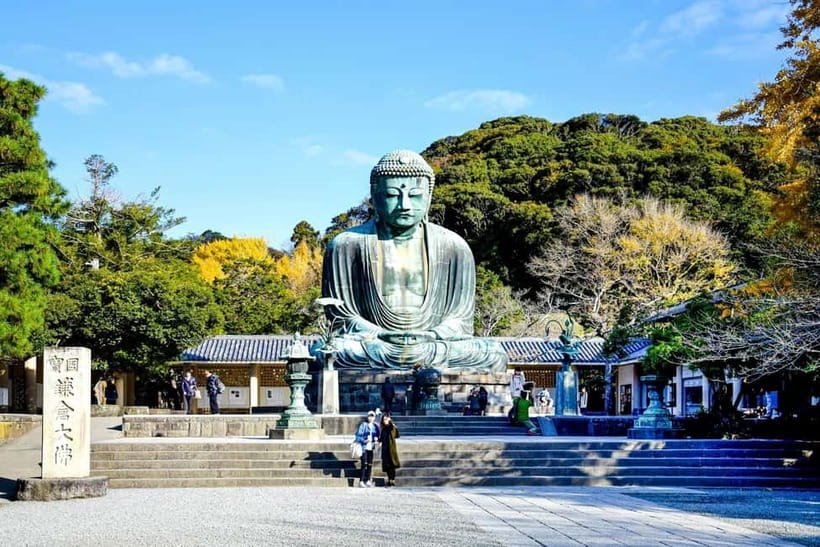
The stops are appealing on their own, but the route’s value depends in part on how well the guide joins them together. A guide named Deen has been described as friendly and attentive, with site-specific historical knowledge and a broad understanding of Japanese culture. That kind of context is especially useful on a short tour: it helps you understand why the Great Buddha, Zen temples, samurai shrine, and bamboo grove belong in one Kamakura day.
Photos taken for you are included, which can be handy if you would rather stay present than manage a camera at every stop. The guide can also help with practical decisions, such as where to eat afterward. You should not assume every departure has the same guide, but English-language guiding is part of the experience.
Is $64 a fair price?
At $64 per person, the price is best judged as payment for a guided half-day route, not as an all-inclusive day out. Entry tickets to the temples and shrine are included, as is an English-speaking local guide. Having the route organized saves you the work of stitching together several sights and transport changes on your own.
The costs that remain outside the price are important. You pay your own train or bus fares to, from, and during the tour, along with meals, snacks, drinks, souvenirs, and other personal expenses. There is no private car or bus, so you will use public transport and walk. Bring cash, since it is specifically recommended for the day.
For someone with limited time who wants historical context and a clear route, $64 can be a sensible spend. If you already know Kamakura well, prefer to move at your own pace, or want long visits at each temple, independent sightseeing may suit you better. The tour’s value comes from the guide and the convenient combination of sites, not from exclusive transport or a private experience.
Practical details before you go
Wear comfortable shoes and bring water. There is walking and some stair climbing, and the route runs rain or shine. Check the forecast and bring suitable gear, such as an umbrella, hat, or sunscreen. The tour is not suitable for wheelchair users.
The experience lasts four hours, with available start times shown when you check availability. It is a public group tour with a fixed itinerary, in English, beginning and ending at Kamakura Station’s East Exit. Entry tickets are included, while transport fares and personal purchases are not. You can reserve now and pay later, and cancellation up to 24 hours before the tour qualifies for a full refund.
Should you book this Kamakura tour?
Book it if you want a guided introduction to Kamakura that combines its best-known Buddha, temple gardens, a bamboo grove, samurai culture, and time for street shopping. It is especially useful if you value an English-speaking guide who can explain the sites and help you plan what to do after the tour.
Skip it if you need wheelchair access, want a private vehicle, or prefer to spend an unhurried hour or more at each stop. For most visitors with a free half-day and comfortable walking shoes, this is a practical way to see several sides of Kamakura without turning the day into a transport-planning exercise.
FAQ
How long is the tour?
The tour lasts four hours.
Where does the tour start and finish?
It starts and ends at the Kamakura City Tourist Information Center by the East Exit of Kamakura Station.
What language is the tour in?
The live guide speaks English.
Are temple and shrine entry tickets included?
Yes. Entry tickets to all temples and shrines on the tour are included.
Are transportation fares included?
No. Train or bus fares to and from the tour, and during the tour, are not included.
Is the matcha tea experience included?
The matcha experience at the bamboo forest is optional. The tour details do not specify whether it costs extra.
How much walking is involved?
There are walks between some stops and some stairs. Comfortable shoes are recommended.
Is the tour suitable for wheelchair users?
No. The tour is not suitable for wheelchair users.
Does the tour run in bad weather?
Yes. It runs rain or shine. Bring suitable weather gear.
Can I cancel for a full refund?
Yes. You can cancel up to 24 hours in advance for a full refund.
Freshly reviewed in Kamakura
- Tokyo Yokohama Night View Tour With Kamakura And Enoshima★ 3.5 · 14 reviews
- Tokyo: Kamakura & Enoshima Day Tour with Pickup & Train Ride★ 4.1 · 61 reviews
- Tokyo: Kamakura Private Tour With Guide★ 5.0 · 5 reviews
- Tokyo: Day Trip to Kamakura in Spanish – Spanish★ 4.9 · 22 reviews
- Kanagawa: Kimono Rental in Kamakura Provided by RikaWafuku★ 4.8 · 8 reviews
- Private 2-Day Tour: Mt Fuji Hakone & Kamakura + Onsen Ryokan★ 5.0 · 3 reviews
- Kamakura: Great Buddha, Hase Temple, & Komachi Street Tour★ 5.0 · 11 reviews
- Mt Fuji Hakone/Enoshima Tour:Optional Ropeway/Lake Ashi Boat★ 4.3 · 49 reviews
Tokyo Samurai Experiences, compared.
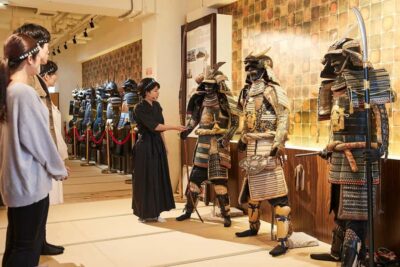
Samurai Ninja Museum Guided tour and Experience
Read our review →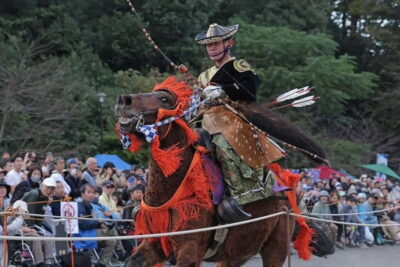
Samurai Sword & Archery Class from Samurai Descendant
Read our review →
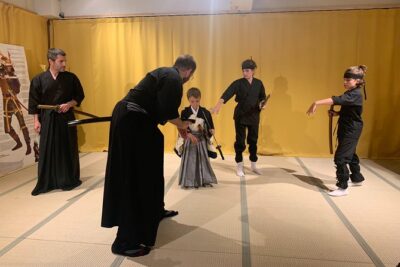
Ninja Experience (Family Friendly) at Samurai Ninja Museum TOKYO
Read our review →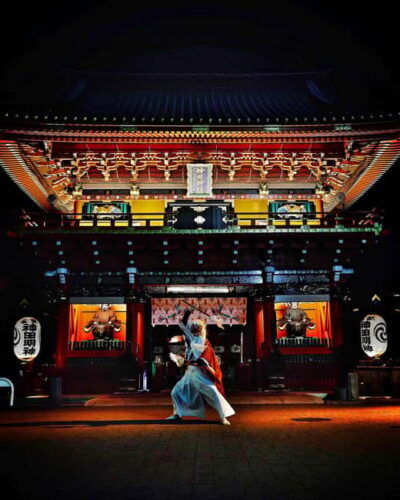
Samurai Entertainment Night Show in Kanda Shrine
Read our review →
Tokyo Sword Experience – includes Museum Ticket/Ninja Experience
Read our review →
Samurai Ninja Museum Asakusa: Samurai Sword Lesson & Tour
Read our review →Browse the lists this tour appears in