
Reviewed · TOKYO SAMURAI EXPERIENCES
Kamakura; First Samurai Capital walking tour
Kamakura’s samurai story comes into focus on foot, moving from quiet Zen temple grounds to the grand approach of Tsurugaoka Hachimangu. I like two things in particular: guide Yurie’s use of clear historical explanations and handmade map materials, and the chance to end with Kamakura lacquerware, an art rooted in Buddhist sculpture rather than just souvenir shopping.
The main consideration is the walking. This 3.5-hour route includes hills, ups and downs, and 135 steps to a temple bell, with admission at two temples extra. If that sounds manageable, the small group of up to four gives you room to ask questions and follow the history closely.
- Start in quiet Kita-Kamakura: Meet at Kita-Kamakura Station, then walk to Engaku-ji, one of Kamakura’s leading Zen temples.
- Climb 135 steps at Engaku-ji: The bell at the top is a National Treasure and a memorable reward for the effort.
- See Kencho-ji’s grand temple buildings: Its Buddha Hall is closed for maintenance until 2027.
- Walk the approach to Tsurugaoka Hachimangu: Dankazura links the shrine’s gates with a story tied to the first shogun.
- Finish with Kamakura lacquerware: The museum introduces an 800-year-old craft, with admission included.
- Budget for temple fees: The two temple admissions are about ¥500 each and are not included in the tour price.
A samurai capital told through temples and craft
Kamakura became Japan’s first samurai capital in 1192, and this walk offers a useful way to understand what that meant beyond dates and battles. The route links religious sites, political symbols and a traditional art form, giving you several angles on how the city’s past still shapes its present.
The tour is led in English by Yurie, who has been praised for explaining Japanese history in a way that connects different eras. She uses original visual panels to help make the story easier to follow, and has a hand-drawn map that can be handy for exploring after the walk. The group is limited to four, so this is a more personal format than a large coach excursion.
The price is $63 per person for 210 minutes. That includes the English-speaking guide and admission to the Kamakura Lacquerware Museum, but not the two temple entry fees, food or transport. Add roughly ¥1,000 for the temples, and consider whether an expert explanation is worth the extra cost to you. For anyone curious about Zen, samurai history or Japanese craft, the guide’s context is a large part of the value.
Finding the meeting point at Kita-Kamakura Station
The tour begins at Kita-Kamakura Station, a short walk from Engaku-ji. The station instructions are precise for a reason: the platform is very long, and where you board affects which exit is easiest.
If you are coming from Tokyo, take the Yokosuka Line and ride near the driver’s carriage. Leave through the ticket gate at the front of the platform, then wait just outside it. Do not cross the railroad crossing to the other side. If you are arriving from the opposite direction, toward Tokyo, ride in the rearmost carriage, cross the railroad crossing, then use the closest ticket gate.
Kamakura is about an hour from central Tokyo by train, making this a workable half-day outing. The tour ends at the Kamakurabori Museum, Local Giftshop & Cafe, rather than looping back to the station. That leaves you free to continue exploring, but you will need to plan your onward route yourself.
More Kamakura trips in Kamakura:
- Tokyo: Kamakura & Enoshima Day Trip including Temple Tickets
★ 4.5 · 1,375 reviews - Tokyo: Mt. Fuji, Kamakura, Big Buddha, & Lake Ashi Day Trip
★ 4.5 · 867 reviews - From Tokyo: Kamakura & Enoshima 1-Day Bus Tour
★ 4.5 · 189 reviews
Engaku-ji: a quiet start and a climb to a National Treasure
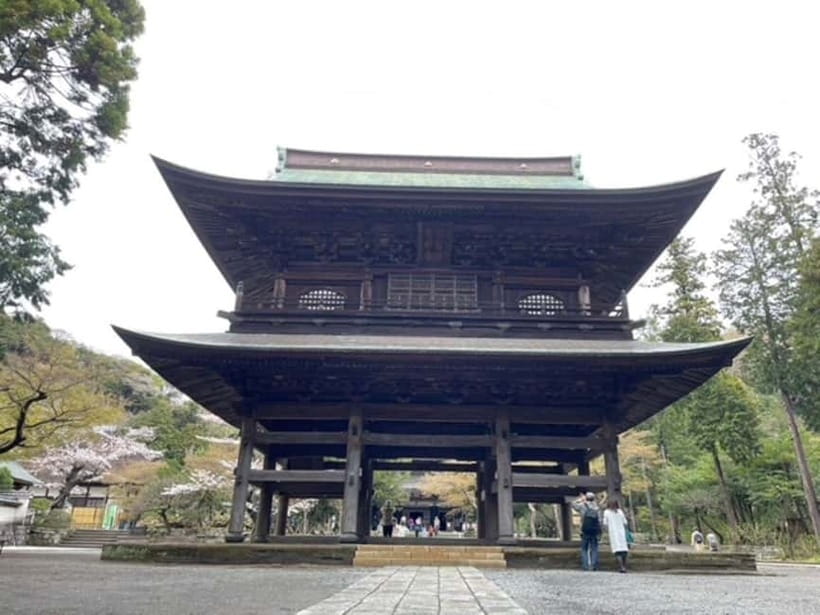
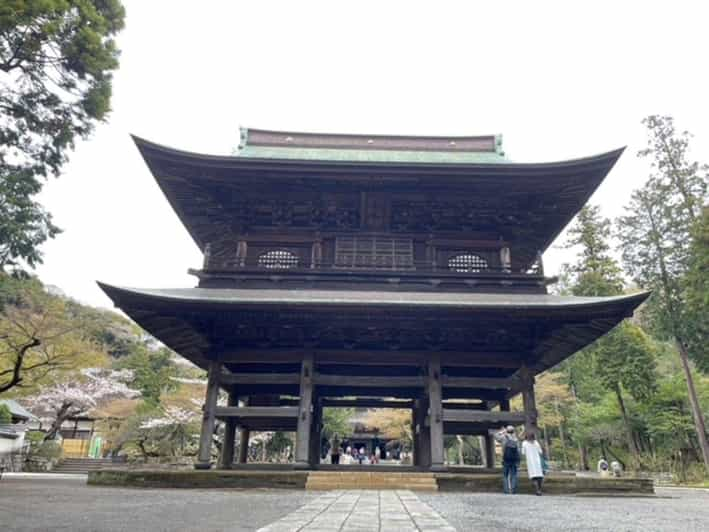
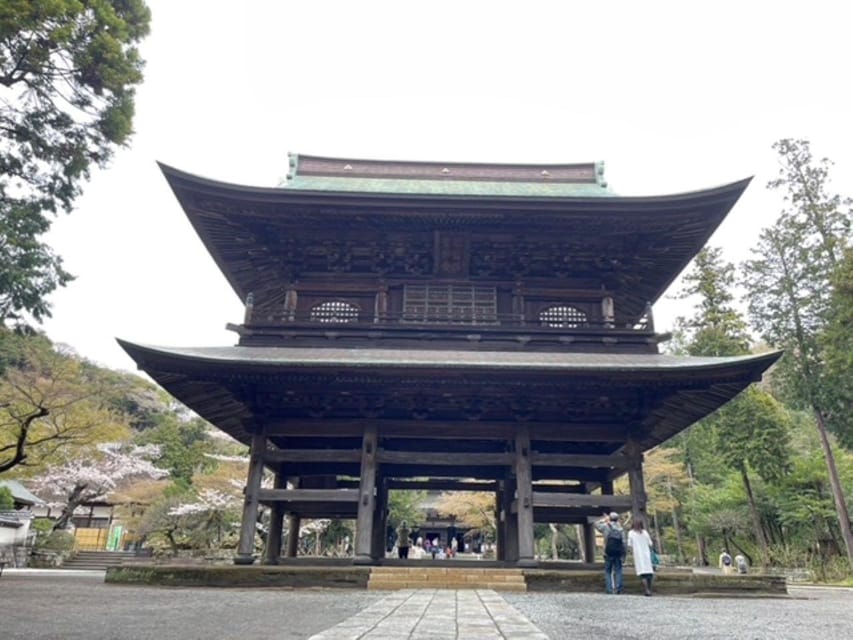
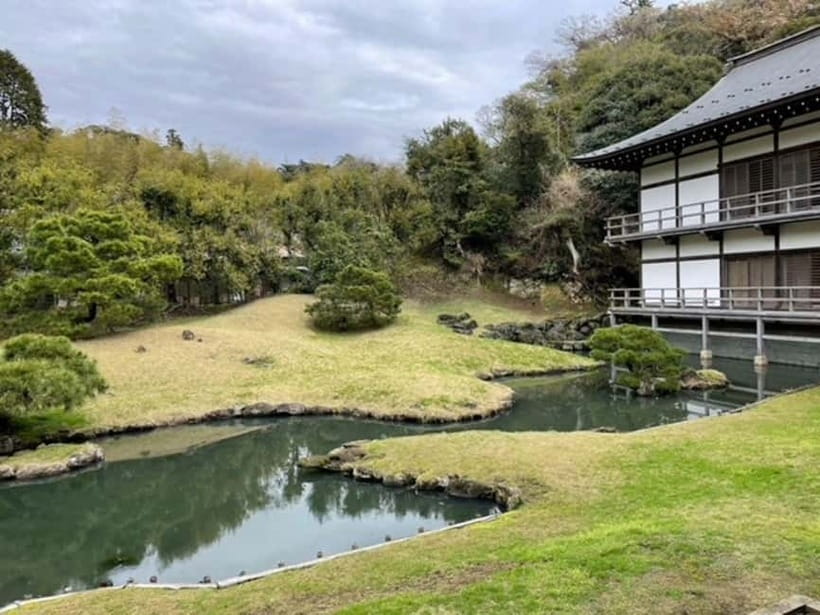
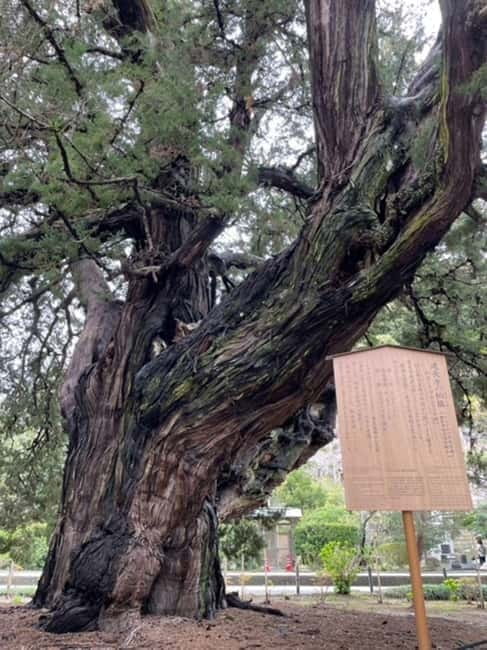
Engaku-ji is about two minutes from the station and gives the tour a calm opening. You enter through the Sanmon Gate, then visit the Buddha Hall to see its Buddha statue and the Dharma Hall, where a dragon is painted on the ceiling. These buildings offer a first look at the scale and visual language of Kamakura’s Zen temples.
The stop lasts about 65 minutes, enough time for Yurie to explain the site as well as guide you through its main features. One detail to note is the Shariden, a National Treasure structure within the temple grounds. It was singled out as a worthwhile sight, so ask your guide about it as you make your way through the complex.
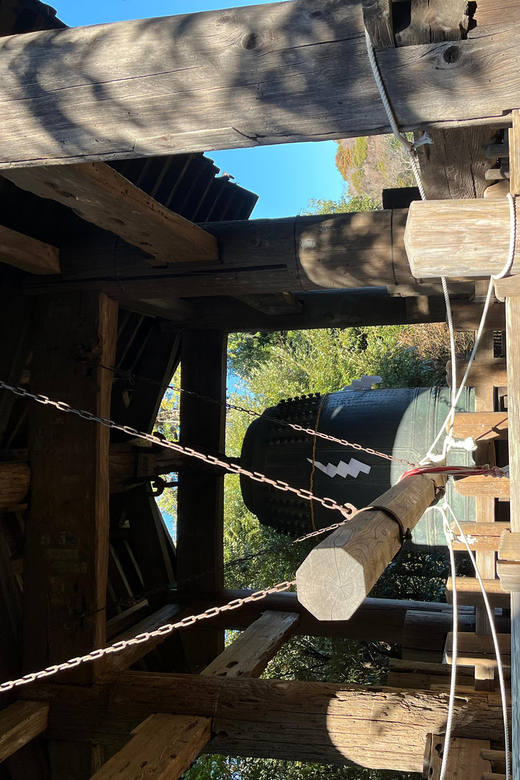
The memorable physical challenge comes at the temple bell. You climb 135 steps to reach the Bonsho, an 800-year-old National Treasure. The climb is not a small detail: wear comfortable shoes and expect a fair bit of walking overall. The effort does bring you to a striking piece of history, but anyone with mobility limits should weigh this carefully.
Kencho-ji: grander scale, with one important closure
A 20-minute walk leads to Kencho-ji, described as Kamakura’s most prestigious Zen temple. Its Sanmon Gate, Buddha Hall, Dharma Hall and National Treasure bell are presented on a grander scale than at Engaku-ji. This second major temple helps you compare the sites instead of treating every temple as the same collection of gates and halls.
The stop is scheduled for about 40 minutes. The Buddha Hall is closed for maintenance until 2027, so do not expect to enter it during that period. The remaining buildings still give you a sense of the temple’s layout and imposing scale, but the closure is worth knowing before booking if seeing the Buddha Hall is a priority.
The walk between the temples and the visit itself add up to a steady pace. You will have a guide to explain what you are seeing, but this is not a slow, unstructured wander. If you like getting historical context while covering ground, that pace should suit you. If you prefer long stretches to sit or explore each building alone, you may want more time at the temples than the tour allows.
Tsurugaoka Hachimangu: a shrine built to project power
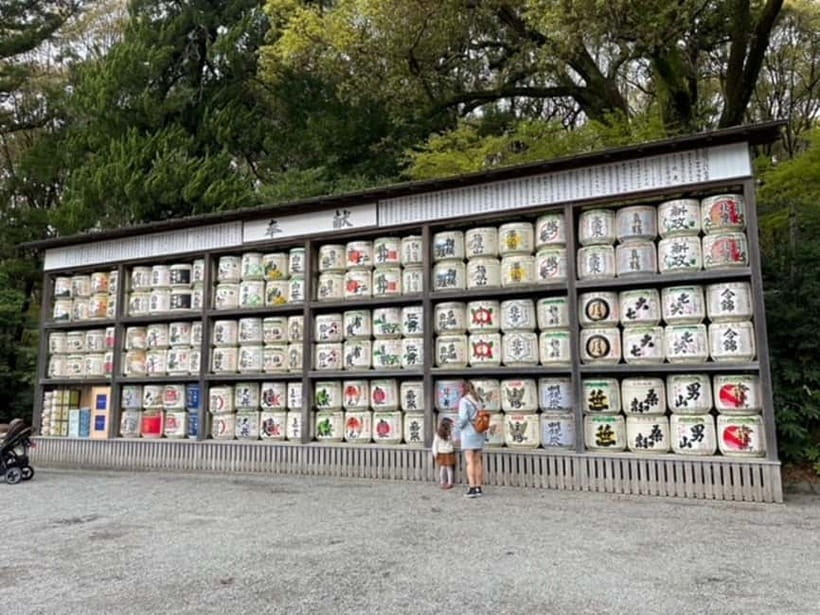
After another 15-minute walk, the group reaches Tsurugaoka Hachimangu, Kamakura’s best-known shrine and a lasting symbol of the old capital. It is dedicated to Hachiman, a deity associated with good fortune in warfare. Its position atop a hill offers a view across Kamakura and makes the shrine’s role as a political display easier to imagine.
The shrine was built to demonstrate the authority of the first shogun. That purpose adds meaning to its scale: this was not simply a place of worship, but also a public statement about who held power. The guided visit lasts about 40 minutes, giving you time to take in the main grounds and hear how the shrine fits into the city’s history.
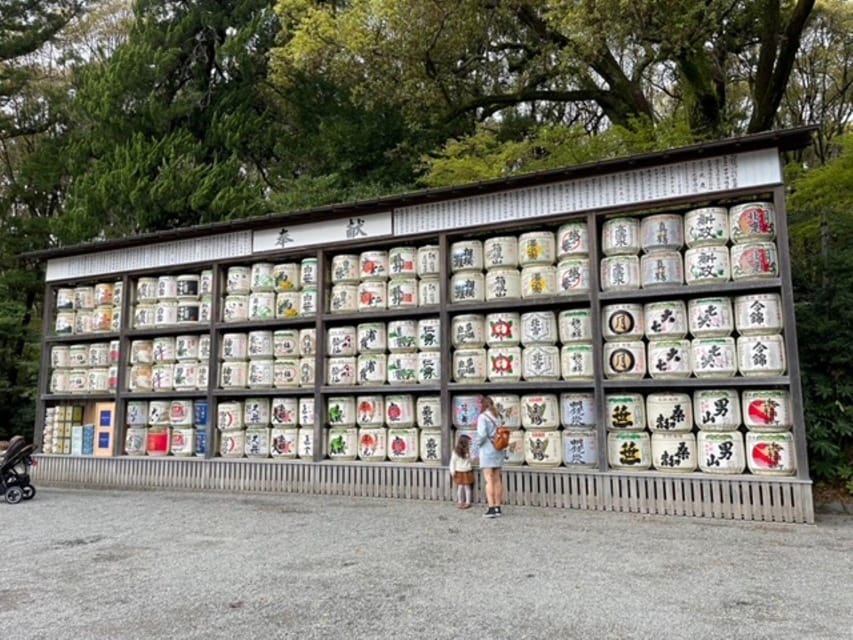
You also walk along Dankazura, the 450-meter approach built by the first shogun as a prayer for the safe delivery of an heir. The path once extended from the seacoast toward the Third Torii gate. On this tour, you walk from the Third Torii toward the Second Torii, now the starting point of the approach. Dankazura is known for its cherry blossoms, so the season can shape the feel of this part of the walk, though the route is worth seeing for its history at any time of year.
More samurai experiences in Kamakura:
- Kamakura Zen: Great Buddha, Nature, Bamboo & Samurai Culture
★ 5.0 · 3 reviews - Tokyo: Samurai Restaurant Show Ticket with 2 Drinks
★ 4.5 · 1,307 reviews - Tokyo: Samurai Ninja Museum Guided tour and Experience
★ 4.6 · 1,010 reviews - Tokyo: Samurai Sword & Archery Class from Samurai Descendant
★ 5.0 · 603 reviews
Kamakura lacquerware: an artful finish to the route
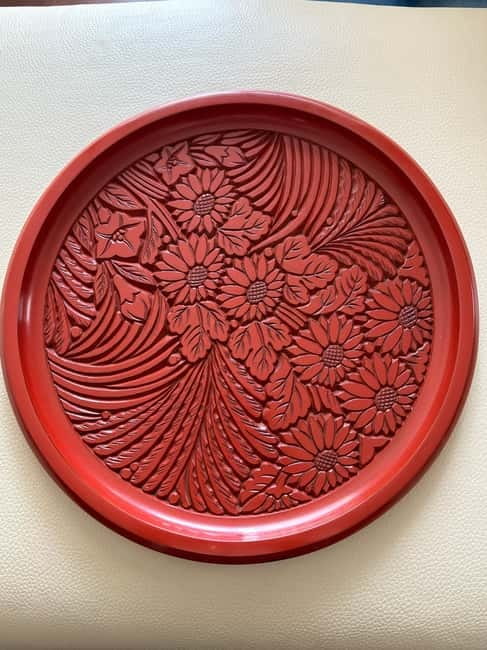
The final 10-minute walk brings you to the Kamakurabori Museum, Local Giftshop & Cafe. The guided museum visit lasts about 20 minutes, and admission is included in the tour price. It makes a welcome change of pace after the temple grounds and gives the route an artistic ending.
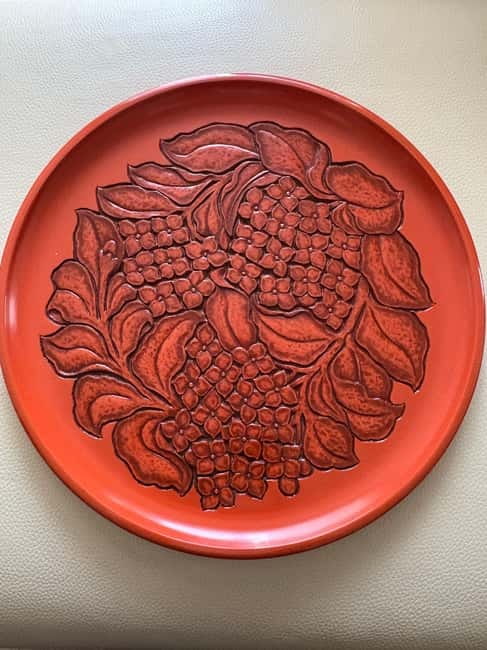
Kamakura lacquerware began around 800 years ago, when Buddhist sculptors made lacquered objects. During the Edo period, production expanded beyond ritual items to everyday goods. The craft is now used in tea ceremonies, and it is certified as a traditional Japanese craft by Japan’s Ministry of Economy, Trade and Industry.
The museum displays pieces from the Muromachi period, 1336 to 1568, through to the present. This stop helps connect temple art with skilled making and daily use, rather than leaving the story at the level of buildings and rulers. If you are interested in craft, it is likely to be one of the tour’s most distinctive moments. If you are mainly looking for a broad museum visit, remember that the guided stop is short.
The tour ends here, giving you the option to stay in the area or continue on your own. The guide can also provide useful orientation for the rest of your day. One visitor received a hand-drawn map and used it to choose a place for lunch and explore Komachi-dori afterward. Food is not included, so plan to eat separately.
What the price includes, and what to bring
At $63 per person, this is a guided walking tour rather than an all-inclusive day trip. Museum admission and the English-speaking guide are included. Temple entry, food, drinks, transport and personal purchases are extra. The temple fees are about ¥500 each, so bring cash for those and, if you want one, a Goshuin stamp, also about ¥500.
The group cap of four is a real advantage if you want to ask questions or need a little more help following the historical thread. Yurie’s explanations, original visual panels and map can make a complex period easier to grasp. The tour’s value rests less on the number of sites than on the links between them: Zen practice, samurai authority, shrine symbolism and a local craft.
This is a rain-or-shine outing. Wear weather-appropriate clothes, comfortable shoes and a hat in hot summer weather, and bring drinking water. The route includes plenty of walking, hills and stairs, so do not treat it as a casual stroll with little physical effort.
The tour is not suitable for wheelchair users, people with a cold or people over 95. Its short duration may suit a morning or afternoon plan, but the 210 minutes do not include transport to the start, meals or extra time you choose to spend afterward.
Who will get the most from this Kamakura walk
I would choose this tour if you want to understand why Kamakura mattered, not simply see its famous shrine and temples. It is especially well suited to visitors who have already seen the Great Buddha and want a different side of the city, or anyone with an interest in Zen, Japanese history and traditional craft.
The small group and English explanations make the itinerary easier to follow than visiting the sites without context. The strongest aspect is the way the stops build on one another: two major Rinzai-Zen temples, a shrine tied to shogunal power, then a craft that grew from Buddhist sculpture. Yurie’s historical explanations and attention to the group are central to that experience.
You may prefer to explore independently if you want a flexible schedule, long visits at each site or a day centered on shopping and food. You will also need to be comfortable walking and climbing stairs. With temple fees added and Kencho-ji’s Buddha Hall closed until 2027, check that the route matches your priorities before booking.
Should you book it?
Book this walk if you want a compact, guided introduction to Kamakura’s samurai-era history, Zen temples and lacquerware, and you are happy to cover the route on foot. Its small group, English-speaking guide and unusual museum finish make it more thoughtful than a quick checklist of famous sights.
Skip it if stairs are difficult, you need wheelchair access, or you want a slow day with few fixed stops. Bring cash and water, wear good shoes, and remember that temple admissions are extra. If the Buddha Hall at Kencho-ji is a must-see, keep its listed closure through 2027 in mind.
FAQ
How long is the Kamakura walking tour?
The tour lasts 210 minutes, or 3.5 hours. This includes guided visits and walks between the stops.
Where does the tour start?
It starts outside the ticket gate at Kita-Kamakura Station. The meeting instructions depend on which direction your train is traveling, so follow the guidance about which carriage and exit to use.
Where does the tour finish?
It finishes at the Kamakurabori Museum, Local Giftshop & Cafe.
Is the tour conducted in English?
Yes. The tour includes an English-speaking licensed guide.
How many people are in the group?
The group is limited to four participants.
Are temple entrance fees included?
No. The two temple admissions cost about ¥500 each. Admission to the Kamakura Lacquerware Museum is included.
How much walking and climbing should I expect?
There is quite a lot of walking, including ups and downs. At Engaku-ji, the route includes 135 steps to the temple bell.
Is the tour suitable for wheelchair users?
No. It is not suitable for wheelchair users. It is also listed as unsuitable for people with a cold or people over 95.
More walking tours in Kamakura
- Kamakura Historical Walking Tour with the Great Buddha
★ 5.0 · 129 reviews - Kamakura Walking Tour – The City of Shogun
★ 5.0 · 100 reviews - Kamakura 8 hr Private Walking Tour with Licensed Guide from Tokyo
★ 5.0 · 80 reviews - Kamakura: Half day Walking tour & Japanese sweets
★ 5.0 · 11 reviews
Freshly reviewed in Kamakura
- Tokyo Yokohama Night View Tour With Kamakura And Enoshima★ 3.5 · 14 reviews
- Tokyo: Kamakura & Enoshima Day Tour with Pickup & Train Ride★ 4.1 · 61 reviews
- Tokyo: Kamakura Private Tour With Guide★ 5.0 · 5 reviews
- Tokyo: Day Trip to Kamakura in Spanish – Spanish★ 4.9 · 22 reviews
- Kanagawa: Kimono Rental in Kamakura Provided by RikaWafuku★ 4.8 · 8 reviews
- Private 2-Day Tour: Mt Fuji Hakone & Kamakura + Onsen Ryokan★ 5.0 · 3 reviews
- Kamakura: Great Buddha, Hase Temple, & Komachi Street Tour★ 5.0 · 11 reviews
- Mt Fuji Hakone/Enoshima Tour:Optional Ropeway/Lake Ashi Boat★ 4.3 · 49 reviews
Tokyo Samurai Experiences, compared.
Samurai Ninja Museum Guided tour and Experience
Read our review →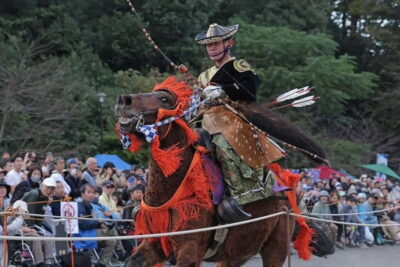
Samurai Sword & Archery Class from Samurai Descendant
Read our review →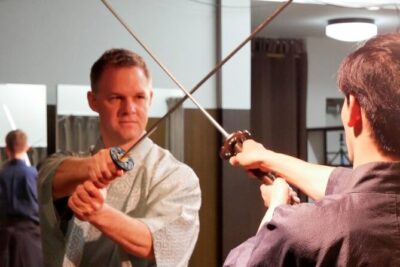
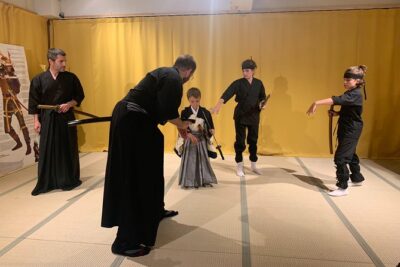
Ninja Experience (Family Friendly) at Samurai Ninja Museum TOKYO
Read our review →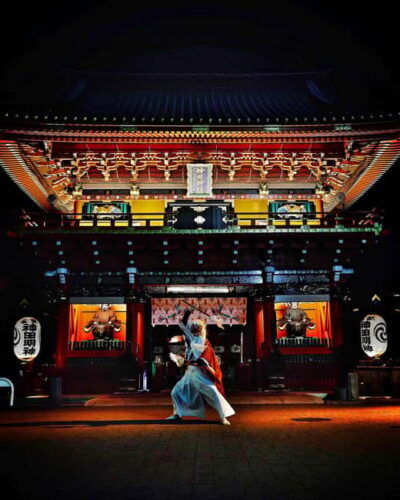
Samurai Entertainment Night Show in Kanda Shrine
Read our review →
Tokyo Sword Experience – includes Museum Ticket/Ninja Experience
Read our review →
Samurai Ninja Museum Asakusa: Samurai Sword Lesson & Tour
Read our review →Browse the lists this tour appears in