
Reviewed · TOKYO TEA CEREMONIES
Ginza Tokyo: Easy Matcha (Green Tea) Experience
In the middle of Tokyo sightseeing, this 30-minute Ginza session gives you a chance to grind matcha yourself, learn a few tea ceremony basics, and sit down with a Japanese sweet. It is a small, practical introduction, not a formal ceremony in a tea house.
I like two things here: you take part in making the tea rather than only watching, and the short format makes it easy to fit between other Ginza stops. Wagashi comes with the matcha, so you get the classic pairing without having to plan another café visit.
The main consideration is scope. At $13 per person, this is an affordable sampler, but half an hour is not enough for an extended lesson or a full traditional ceremony.
At a glance
- Make the matcha yourself: A brief lesson covers the tea ceremony and the art of grinding matcha before you prepare your own cup.
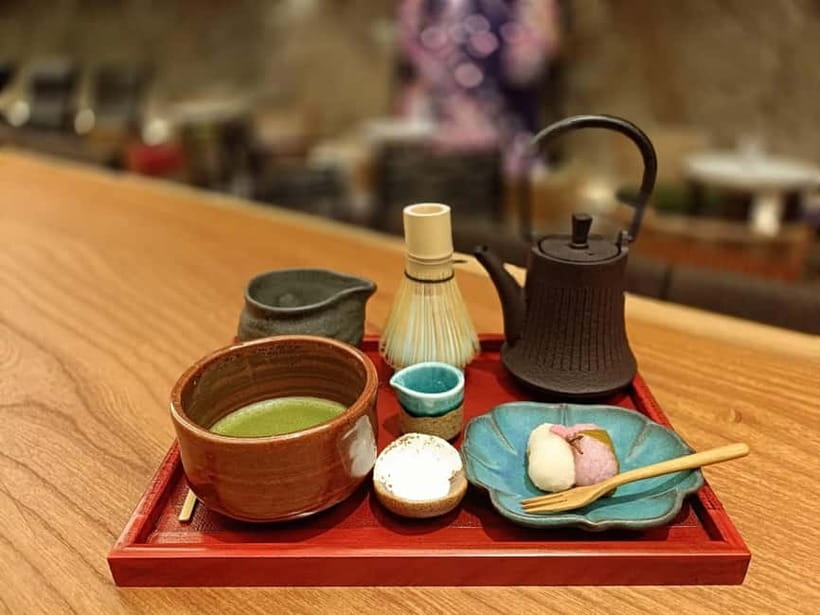
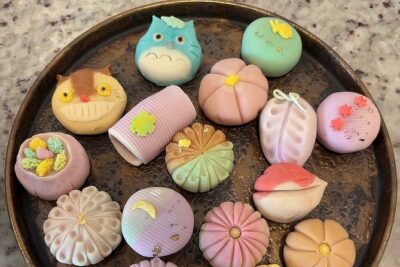
- Tea and wagashi are included: Your session comes with one cup of matcha and a Japanese sweet.
- Keep the plan short: Allow about 30 minutes, then continue sightseeing from the same Ginza meeting point.
- Designed for a small party: The experience is intended for one or two people, making it a good fit for a solo visit or a couple.
- English or Japanese: The session is offered in both languages.
- A casual introduction, not a formal ceremony: Expect a hands-on taste of tea culture rather than a long ritual.
A quiet pause in Ginza
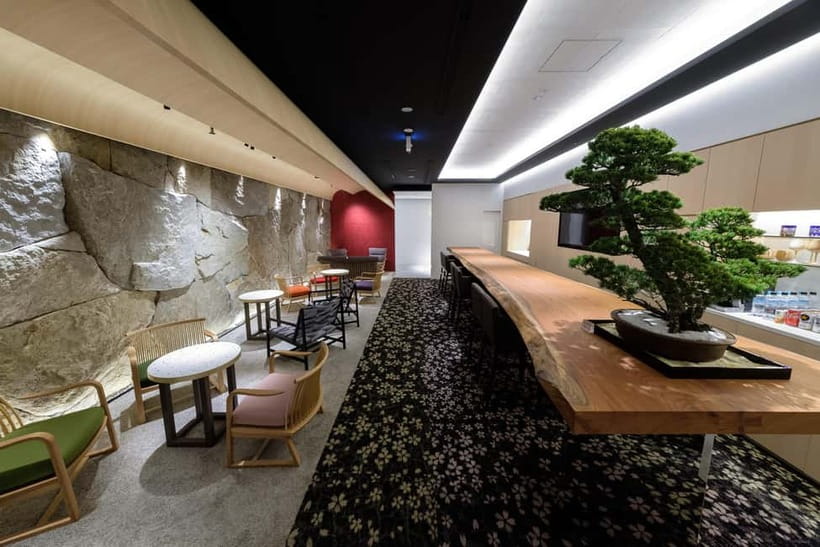
Ginza is an easy place to fill a day with shopping, architecture, and restaurants. This activity offers a different kind of stop: you sit down, learn a little about matcha, and make a cup before heading back out. The short duration matters. You do not have to give up half a day to try something rooted in Japanese food culture.
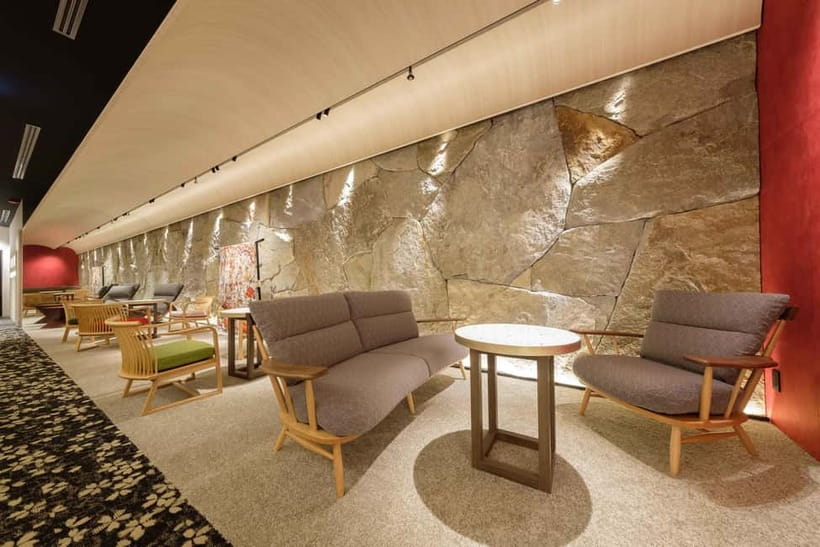
The setting is Japan Premium Lounge Cafe, at 8-3-11 Ginza, Chuo-ku, on the first floor of the Wako Building. The session begins and ends there, so you can treat it as a planned break rather than a tour that carries you across town. The location is in Ginza, but the provided details do not specify nearby station exits or walking times, so check your route before setting off.
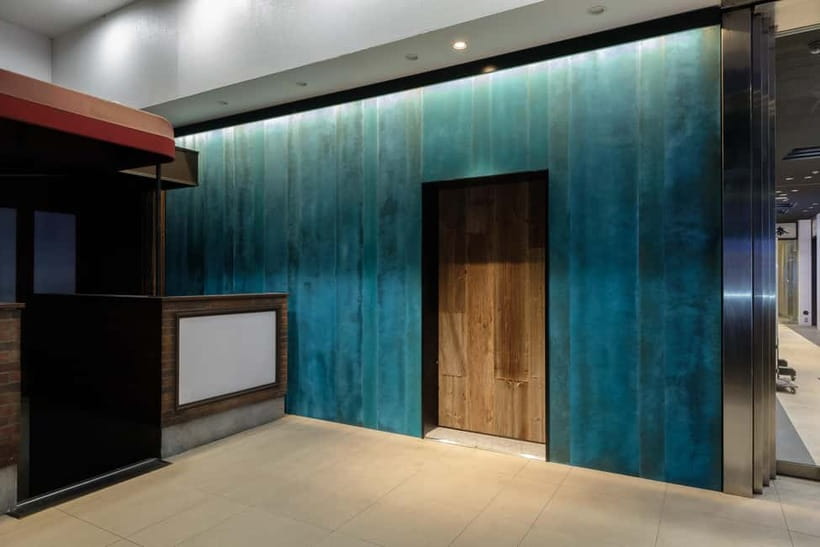
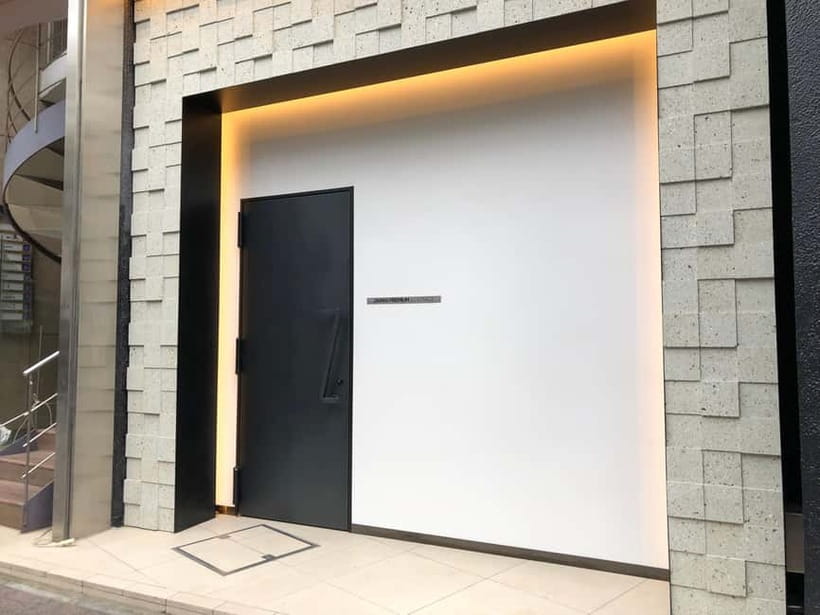
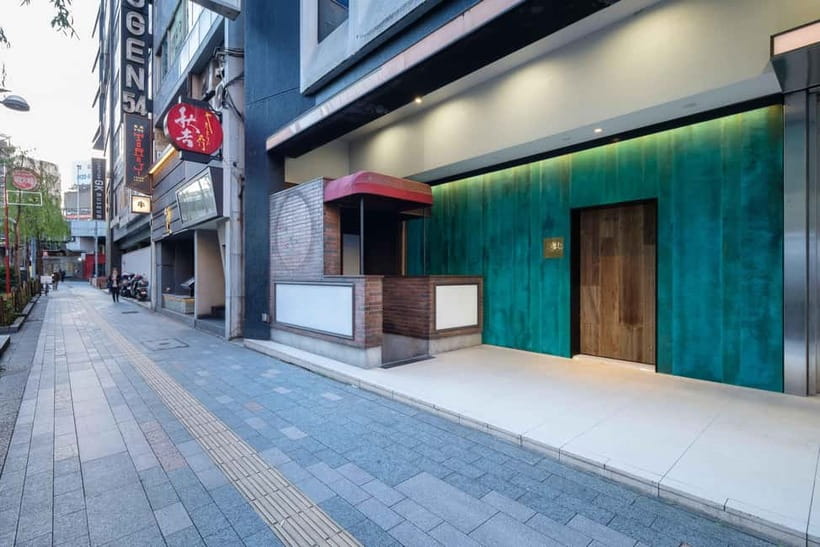
There are entrances on both the west and east sides of the store. The west entrance has a black door; the east has a green wall and wooden door. That small bit of orientation can save you a puzzled lap around the building, especially if you are meeting someone.
More tea ceremonies in Tokyo:
- Matcha Making Class in Tokyo with Authentic Japanese Sweets Set
★ 5.0 · 744 reviews - Tokyo: Traditional Tea Ceremony with a Tea Master
★ 5.0 · 528 reviews - Tokyo: Matcha Making Experience with Mochi Sweets in Asakusa
★ 4.9 · 388 reviews
What happens in the 30 minutes
The session begins with a short introduction to tea ceremony customs and matcha grinding. That context helps you understand what you are doing before you make the tea. It is a concise lesson, so expect an overview rather than a detailed study of the ceremony’s history or every step of its formal practice.
Then you grind powdered matcha and prepare a cup for yourself. The hands-on part is the point: you get to handle the process, not simply watch a host make tea. The available details do not specify the exact tools or technique, so go in ready to follow the instructor’s guidance rather than expecting a particular style of equipment.
After preparing the matcha, you drink it with wagashi, a traditional Japanese sweet. The pairing gives the session a simple rhythm: learn, make, taste, and pause. There is also a photo opportunity, useful if you want a record of the activity without turning the whole visit into a photo stop.
The session is described as casual and different from an experience in a tea ceremony house. That distinction is worth keeping in mind. If you want a full formal ceremony, this is not presented as a substitute. If you want a low-pressure introduction that lets you try making matcha, it is better suited to the job.
Making your own matcha
Matcha is powdered green tea, and here you get to grind it yourself after the short lesson. That simple task gives the activity a more memorable quality than ordering a prepared drink at a café. You leave having taken part in the making, even if the session does not aim to turn you into a tea expert.
The instruction appears to be one of the experience’s strongest features. A host named Aki is associated with the session, and is described as welcoming and happy to answer questions. Another account of the instruction emphasizes careful teaching of both technique and history. If Aki leads your visit, you can use the question time to ask about the details that interest you most.
There is no need to arrive with prior knowledge. The experience is designed to introduce the ceremony and the grinding process briefly, so you can follow along as a beginner. Keep your expectations proportionate: the short lesson can give you a useful first look, but it cannot cover the full range of Japanese tea practice.
Matcha and wagashi, served together
The included cup of matcha and one wagashi make this more than a demonstration. You get to taste the result of your own preparation and enjoy it with a sweet, a pairing that gives the session a small but satisfying finish. You do not need to arrange a separate tea stop or order something extra to complete the activity.
The menu details do not name a specific wagashi, and there is no information about dietary alternatives. If you have a dietary restriction or want to know what sweet will be served, ask before booking rather than assuming the treat can be changed. The same goes for the matcha itself: the experience includes a cup, but no information is provided about substitutions.
I like this part because it connects the lesson to an everyday pleasure. You are not only hearing about tea culture; you get to slow down and drink the tea you helped make. Still, this is a brief tasting, not a long café stay, so plan another stop if you want a full meal or a leisurely afternoon.
More tours and experiences in Tokyo:
- Mt Fuji and Hakone 1-Day Bus Tour Return by Bullet Train
★ 5.0 · 26,383 reviews - 1-Day Tokyo Bus Tour
★ 5.0 · 14,250 reviews - Tokyo: teamLab Planets TOKYO Digital Art Museum Entry Ticket
★ 4.6 · 9,779 reviews - Mt Fuji & Hakone Cruise, Drum Show Bullet Train 1 Day from Tokyo
★ 4.0 · 7,413 reviews
How it fits a Ginza day
Thirty minutes is an unusually easy slot to place between sightseeing plans. You could use it as a rest break during a Ginza outing, or make it a small cultural stop before continuing elsewhere in Tokyo. Because you return to the same meeting point, you can keep your day organized around the neighborhood rather than factoring in a separate end location.
The opening hours are 10:00 to 18:00. The supplied details do not give specific session start times, so check availability for the day you have in mind. The short duration helps with planning, but it is still wise not to schedule another timed activity immediately afterward if you want room for a late start or a few questions.
Comfortable clothes are recommended. There is no special dress code stated, and the activity is described as casual. Children under five are not suitable for this session, so it is not a good choice for families with very young children.
Is $13 good value?
At $13 per person, the price covers the short lesson, your cup of matcha, one wagashi, and the chance to prepare the tea yourself. That is a reasonable price for a guided activity in central Tokyo, particularly if you value the instruction and the hands-on element more than a long, elaborate ceremony.
The value depends on what you want from the visit. If you are curious about matcha but unsure about committing to a formal tea event, this is a low-cost way to try the basics. The small party size, one or two people, also suggests a more direct format than a large group demonstration, though the exact teaching arrangement is not specified.
If your priority is depth, the price does not change the time limit: you still have about 30 minutes. You may leave wanting more detail about tea ceremony etiquette or matcha production. Think of this as a compact introduction with a drink and sweet included, not a complete cultural course.
The booking terms are flexible: you can reserve and pay later, and cancellation up to 24 hours in advance is eligible for a full refund. Those terms can be useful if your Tokyo plans are still shifting, but check the current conditions when you book.
Who will enjoy this most
This is a good fit for a solo visitor or a couple who want an easy cultural activity without building a whole day around it. The one-to-two-person format is especially appealing if you prefer a small session and want a chance to ask questions. English and Japanese are both offered, so you can choose the language that works for you.
It also suits anyone who likes learning by doing. Grinding and preparing the tea gives you a task to focus on, while the short explanation provides enough context to make the process meaningful. If you are already planning a Ginza visit, the convenient length makes it easy to add without crowding out the rest of your day.
You may want a different activity if you are seeking a complete formal tea ceremony, a long lesson, or a substantial meal. This session is intentionally casual and brief. It is also not suitable for children under five, and the details do not promise accommodation for dietary needs.
A few practical details before you go
The meeting point is Japan Premium Lounge Cafe, 8-3-11 Ginza, Chuo-ku, Tokyo, on the first floor of the Wako Building. Look for either the west-side black door or the east-side entrance with a green wall and wooden door. The activity ends back at the same place.
Allow about 30 minutes, and choose a session within the 10:00 to 18:00 opening window. Comfortable clothes are all that is listed as necessary. The language options are English and Japanese, and the experience is intended for one or two people.
Should you book it?
Book this if you want a relaxed, hands-on introduction to matcha that fits neatly into a Ginza day. The combination of a short lesson, making your own tea, and enjoying wagashi for $13 is a sensible value, especially for a solo visitor or couple with limited time.
Skip it if you are looking for a formal tea house ceremony or a detailed course. The appeal here is its simplicity: learn a little, make a cup, take a breather, and get back to Tokyo.
FAQ
How long does the matcha experience take?
The session lasts approximately 30 minutes.
Where does the activity start and end?
It starts and ends at Japan Premium Lounge Cafe, 8-3-11 Ginza, Chuo-ku, Tokyo, on the first floor of the Wako Building.
What is included in the price?
The experience includes one cup of matcha, one wagashi sweet, a brief lecture on the tea ceremony, and a photo opportunity.
Is the session available in English?
Yes. The listed languages are English and Japanese.
Can I join by myself?
Yes. The experience is suitable for one person or a couple.
Are children under five allowed?
No. The activity is not suitable for children under five.
Freshly reviewed in Tokyo
- Tokyo: Toshimaya Sake Brewery Tour with Sake Tasting★ 5.0 · 6 reviews
- :Tokyo,Shibuya /Meiji Shrine tour in KIMONO/English-friendly★ 5.0 · 4 reviews
- Tokyo: Tour Privado por Tokio en español★ 4.3 · 4 reviews
- Tokyo:Tea ceremony experience at Komaba Warakuan★ 4.8 · 9 reviews
- :Tokyo,Shibuya/ Pro Photography in Kimono / English-Friendly★ 5.0 · 26 reviews
- Tokyo:Samurai Training : Swords, Bushido & Mental Discipline★ 5.0 · 6 reviews
- Tokyo:Mt Fuji & Hakone Day Tour with English Speaking Driver★ 5.0 · 26 reviews
- Tokyo:Nikko UNESCO World Heritage Sites Private 1-Day Tour★ 3.8 · 6 reviews
Tokyo Tea Ceremonies, compared.

Matcha Making Class in Tokyo with Authentic Japanese Sweets Set
Read our review →
Matcha Making Experience with Mochi Sweets in Asakusa
Read our review →
Tea Ceremony Workshop in Tokyo by the Experienced Instrucor
Read our review →
Make Traditional Nerikiri Sweets & Matcha experience in Shibuya
Read our review →Browse the lists this tour appears in