
Reviewed · ASAKUSA TOURS
Asakusa: A Big-picture History Walk to Know Japan
Asakusa’s famous temple streets are more than a backdrop for photos. This two-hour walk uses them to explain how Japan moved from a long period of isolation toward contact with the wider world, and how Buddhist and Shinto practice came to share the same ground.
I like two things in particular: the guide connects familiar sights to larger ideas, and the route puts those ideas in view rather than leaving them as abstract history. The river, gates, shopping street, temple, and shrine each offer a different piece of the story.
One consideration: this is a history-focused walk, not a leisurely shopping tour. You’ll cover a moderate amount of ground in about two hours, and the tour may be cancelled if the minimum number of participants is not met.
- Start beside the Sumida River: Hear how Japan’s isolation ended, and how the riverfront connects that story to modern Tokyo.
- Compare Buddhism and Shinto on site: Learn the basics before seeing a temple and shrine sharing the same grounds.
- Trace ukiyo-e’s route west: Nakamise’s traditional street sets the scene for a discussion of Japanese woodblock prints and their influence on Western painters.
- Look closely at the gates: Kaminarimon and Hōzōmon offer visual clues to Japanese religious symbols and comparisons with European culture.
- Get practical guidance as you walk: Certified English-speaking guides, headsets for groups of three or more, and traditional snack tastings are included.
A short Asakusa walk with a wider view
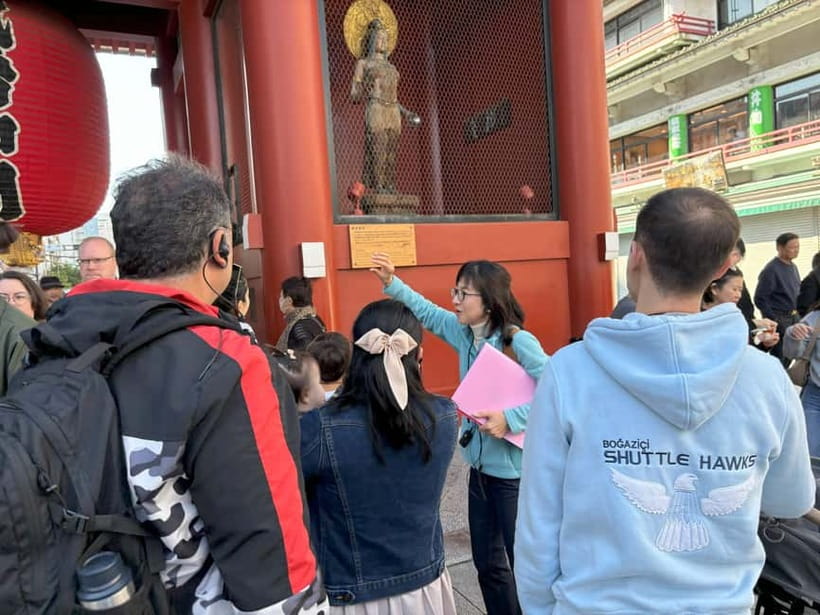
The appeal here is not the number of sights. It is the way a few blocks of Asakusa become a lesson in how Japan’s beliefs, politics, and art developed. Instead of treating each landmark as a separate photo stop, the guide links them into a story you can carry with you around the rest of Tokyo.
That approach is useful if you are new to Japan. Buddhist and Shinto customs can seem hard to distinguish when you first encounter them, and the mix of shrines, temples, offerings, and ritual gestures can be confusing. Here, the guide introduces the two traditions, then explains them in the places where you see them at work.
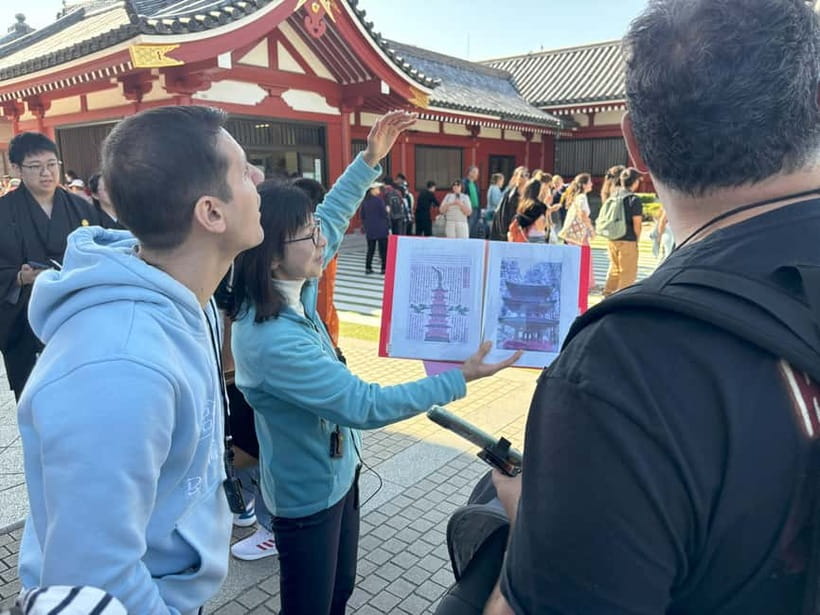
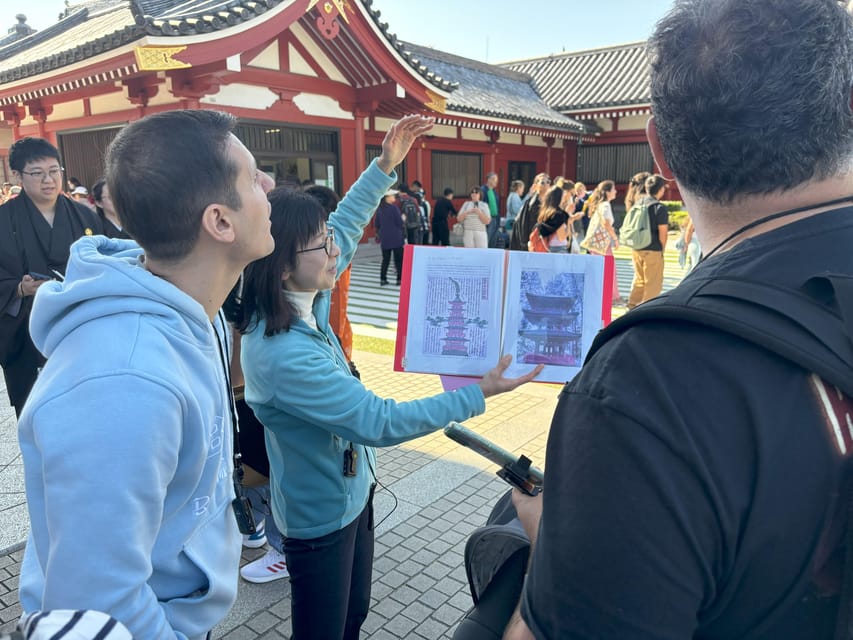
The tour is led in English by a certified guide. Guides named by past participants include Choco, Sachi, Amy, Yasu, Yoko, and Kay. Their approach, as described by visitors, is warm and engaging, with explanations that can work for children as well as adults. Amy used printed materials to make some points easier to follow, and guides have answered questions as the walk went along.
You can expect a brisk, focused visit rather than a deep exploration of every corner. The route is compact, but that is part of its strength: you spend your time making connections instead of crossing town between unrelated sights.
Starting at the river, where Japan faced outward
The walk begins at Tokyo Cruise Asakusa Pier on the Sumida River. It is a fitting place to start a story about Japan’s long period of restricted contact with foreign countries and the eventual reopening of the country.
Your guide explains why the Edo shogunate limited foreign trade for more than 200 years, why the Netherlands was allowed to trade, and how Admiral Perry’s arrival helped force Japan to reopen. The river gives that history a physical setting. You are not just hearing about a policy from a distant era; you are standing beside a waterway that links the city to the wider world.
The discussion also makes a bridge to modern Tokyo. The guide connects Japan’s earlier defenses to Odaiba’s former gun batteries and points out the Statue of Liberty replica facing the Pacific. These details help show how a country that once restricted foreign contact later adopted and reworked ideas from abroad.
This opening is one of the tour’s more distinctive features. Many Asakusa walks focus on the temple district alone. Starting at the water gives the rest of the route a larger frame, though the walk does not include a cruise. You continue on foot.
More Asakusa tours in Tokyo:
- Tokyo: Japanese Dance Cabaret Theater Asakusa-Kaguwa Ticket
★ 4.8 · 2,270 reviews - Tokyo: Meiji Shrine, Asakusa, Skytree Bus Tour and Cruise
★ 4.7 · 1,986 reviews - Tokyo: Roll and Authentic Sushi Making Class in Asakusa
★ 4.9 · 1,957 reviews
Getting your bearings at the Culture Tourist Information Center
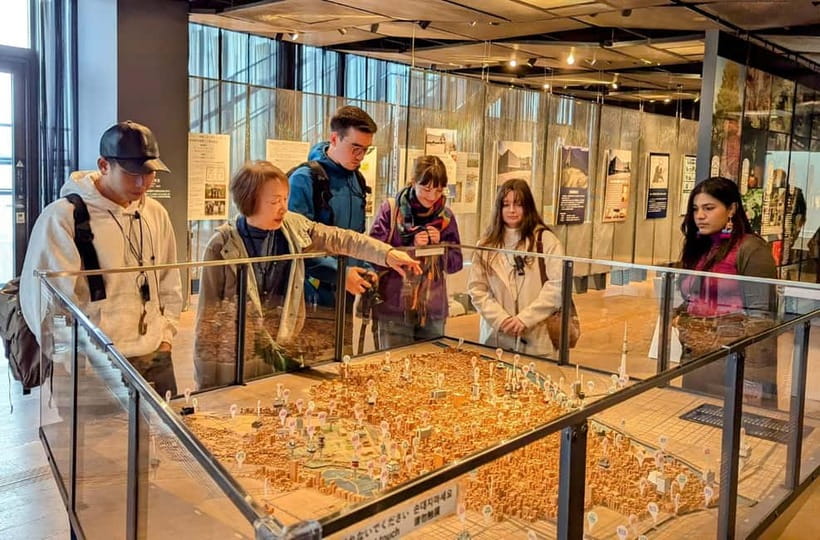
At the Asakusa Culture Tourist Information Center, the guide lays out the basic differences between Buddhism and Shinto. That groundwork matters. Without it, a temple and shrine side by side may look like two versions of the same thing; with a few clear explanations, you begin to see that they have different origins and practices.
The tour keeps the explanation visual and tied to the sites ahead. That is a practical choice for a short walk. You do not need a long lecture on religious history to understand why the next gates and buildings matter, but a clear starting point helps you notice more as you go.
This stop is also a chance to ask questions before the route moves into the busiest part of Asakusa. Guides have been praised for explaining local customs and how to approach shrines respectfully. If you are unsure what to do at a religious site, this is a good subject to raise.
Reading the dragon at Kaminarimon
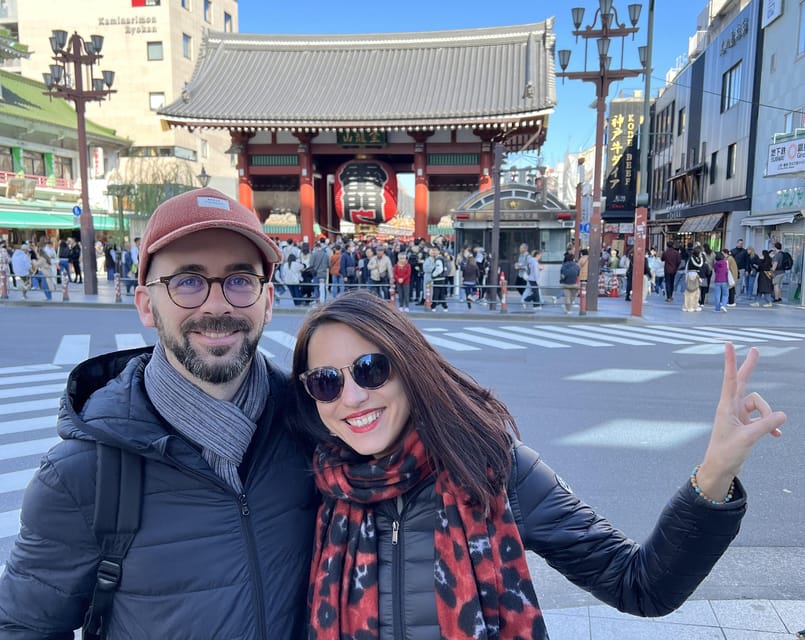
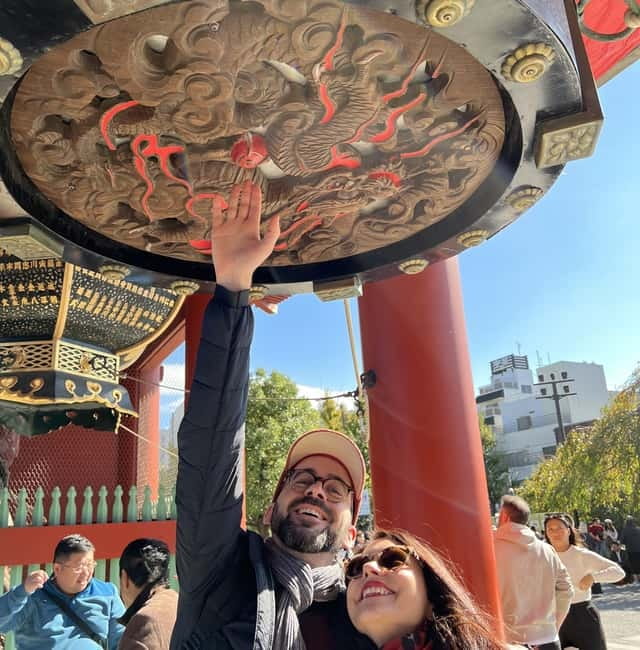
Kaminarimon, or Thunder Gate, is one of Asakusa’s best-known landmarks. The tour uses it to explain a striking contrast between Japanese and Western dragons, whose roles in their respective traditions are described as opposites.
That comparison is a neat example of the tour’s method: take something you can see, connect it to a broader cultural idea, then give you a way to remember the difference. You will get more from the gate than a quick photograph, though the stop is still part of a timed walk. If you want a long pause for pictures, you may need to return on your own.
Asakusa can be crowded, and the gate is a popular meeting point for people exploring the district. Keep close enough to hear the guide, especially if the group is spread out. Headsets are supplied for groups of three or more, which can help, though one participant found the earpiece created an echo. If you are sensitive to audio equipment, mention it to the guide and see what works best.
Nakamise, snacks, and the journey of ukiyo-e
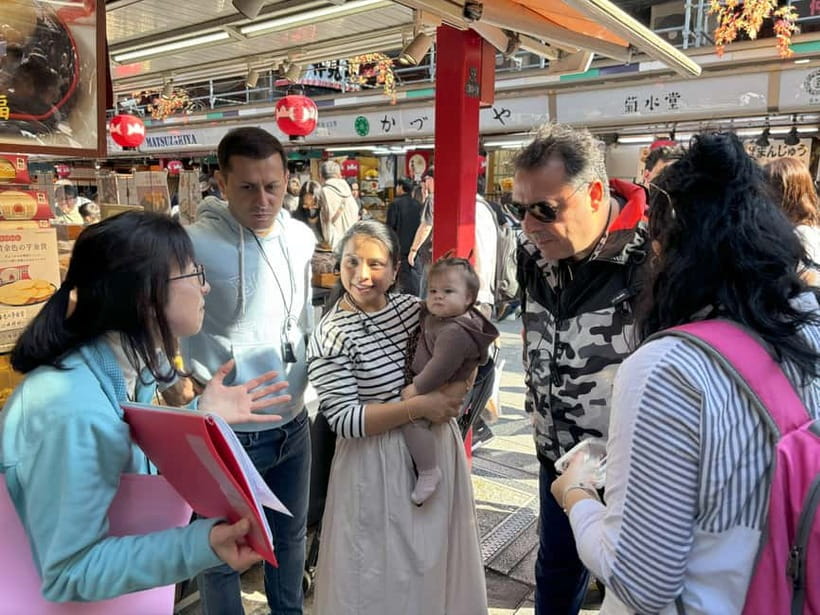
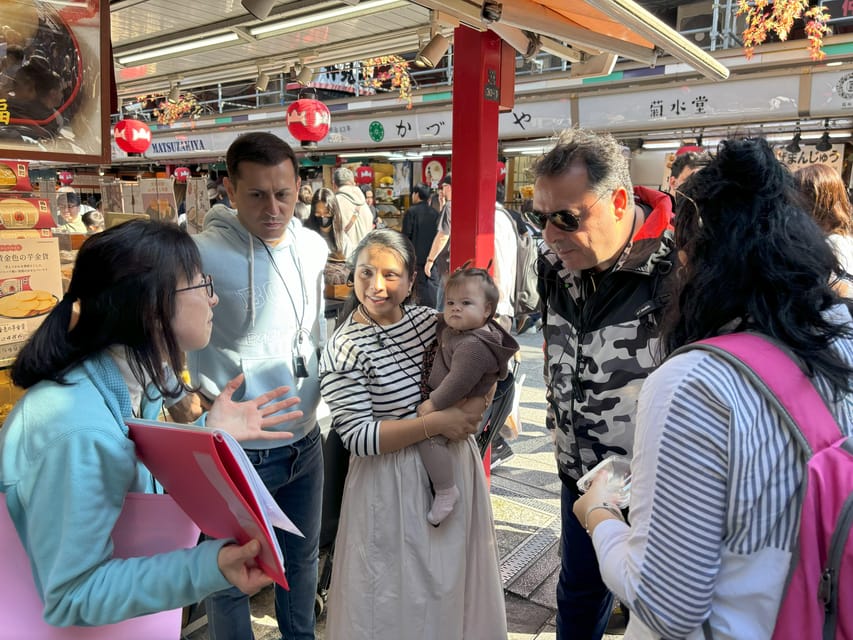
From Kaminarimon, the walk continues along Nakamise Shopping Street, one of Japan’s oldest shopping streets. This is the longest scheduled stop, at about 30 minutes, giving you time to take in the shopfronts while the guide discusses Buddhist symbols and the history of Japanese art.
One subject is the vajra, also called tokko, a Buddhist symbol you might otherwise pass without knowing what it means. The guide also explains ukiyo-e woodblock prints and how they reached Europe, where they influenced Western Impressionist painters. That connection gives the street an unexpected role in a global story: Japanese art did not simply stay at home, but helped shape the way artists abroad saw and painted the world.
Traditional snack tastings are included, adding a small taste of the local food culture to the walk. The information does not specify which snacks you will receive, so come ready to try what is offered rather than expecting a particular dish.
Nakamise is also a shopping street, and it can be tempting to stop at every stall. The tour’s focus is on history and interpretation, not an extended browse. If you want time to shop at your own pace, consider coming back after the walk. That way you can listen without feeling you have to choose between the guide’s explanation and a tempting display.
More walking tours in Tokyo:
- Tokyo Tsukiji Fish Market Food and Culture Walking Tour
★ 5.0 · 3,184 reviews - Tokyo: Imperial Palace and Shogun Historical Walking Tour
★ 5.0 · 2,251 reviews - Tokyo: Shinjuku Local Bar and Izakaya Guided Walking Tour
★ 4.9 · 1,794 reviews - Tokyo: Tsukiji Fish Market Food and Walking tour
★ 5.0 · 1,724 reviews
Hōzōmon and an unexpected comparison with Europe
At Hōzōmon Gate, the guide turns to a less obvious comparison: the idea that people in Japan and the West shared remarkably similar ways of thinking about 1,000 years ago. It is a striking claim, and the stop gives the guide room to set out the comparison in context.
This moment helps the tour avoid presenting Japanese history as a sealed-off story. The route has already shown how Japan eventually reopened to the world and how its art influenced Europe. Here, the comparison works in the other direction, asking you to consider what Japan and Europe may have had in common long before modern contact.
Hōzōmon is also a threshold on the way to Sensō-ji. The physical sequence of gates makes the route easy to follow, while the explanations give each one a separate purpose. You are not just walking toward a temple; you are learning to read the space as you move through it.
Sensō-ji, Japan’s oldest Buddhist temple
Sensō-ji is the central attraction for many people visiting Asakusa, and the tour gives it more than a quick look. The guide compares medieval Japan with Europe and explains the difference between prayer in Buddhism and Shinto. That distinction is especially useful after the earlier introduction, because you can now connect the explanation to real religious sites.
The temple can be busy, and the tour continues on a schedule. If you would like extra time to look around, take photos, or try a fortune-telling activity, plan to stay in the area after the walk. One family’s eight-year-old particularly enjoyed the fortune-telling at the temple entrance, so children may find points of interest even when the subject is historical.
The guide’s ability to keep younger participants engaged is a plus, but the tour’s main appeal is still its history. Families are welcome, and children under six may join free. The operator recommends the experience for adults because of its historical focus, so think about your child’s interest in listening and walking before booking.
Asakusa Shrine and a long religious coexistence
The final stop is Asakusa Shrine, beside Sensō-ji. The guide explains how a Shinto shrine and Buddhist temple came to share the same grounds, worshippers, and history, and how this coexistence continued for more than a millennium.
For many visitors, this is the moment when the tour’s earlier explanations click into place. Buddhism and Shinto are not presented as competing labels that must be kept in separate boxes. You can see how the two traditions have lived alongside one another in this particular place, and why Asakusa is a good setting for understanding that relationship.
The walk ends here, leaving you in the temple and shrine district. That is a convenient finish if you want to stay longer, revisit a stop, or continue exploring the neighborhood on your own. The tour does not include hotel pickup or drop-off, so make your own way to the meeting point and plan your onward route from Asakusa Shrine.
What the $58 price buys you
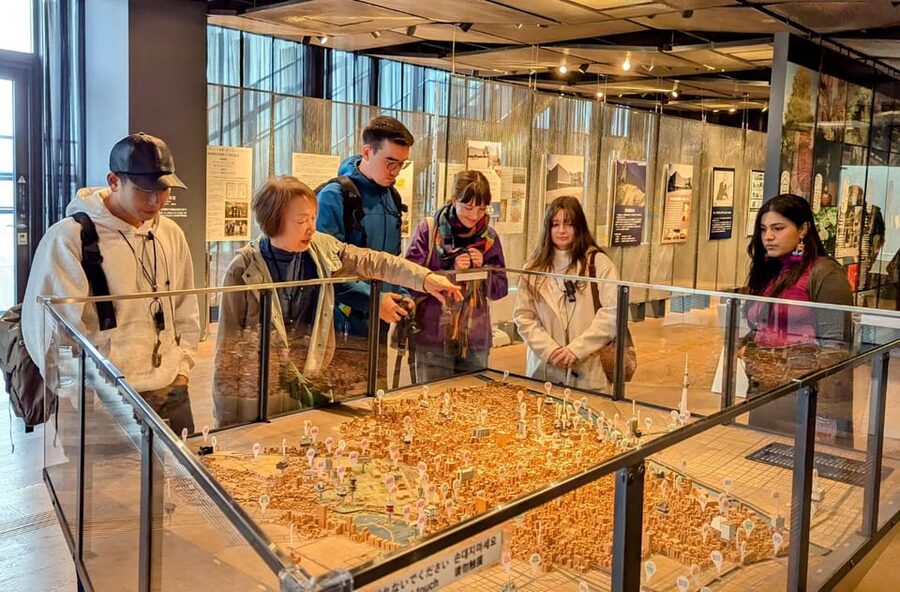
At $58 per person, this is a paid interpretation of a compact area, not a ticket to a major attraction. The value lies in having a certified English-speaking guide connect the sights, explain religious customs, and put Asakusa’s landmarks into a larger story. The fee also includes traditional snack tastings, and headsets are provided for groups of three or more.
If you are comfortable exploring temples and shopping streets without help, you can visit the same area independently. The difference is the context: the riverfront discussion, explanation of the two religions, art history, and comparisons with Europe are the parts that turn a familiar sightseeing route into a structured history lesson.
The strongest reason to book is the guide. Past participants have singled out Choco, Sachi, Sachiko, Amy, Yasu, Yoko, and Kay for clear, friendly explanations. That is not a guarantee of a particular guide, but the repeated praise for engaging delivery is encouraging, especially if you are booking for a family or want to ask questions.
The main trade-off is pace. Two hours is enough to cover the route and its major themes, but not enough for a relaxed shop-by-shop visit or a long stop at every site. Think of this as a smart introduction, then linger on your own wherever the walk sparks your interest.
Practical details before you book
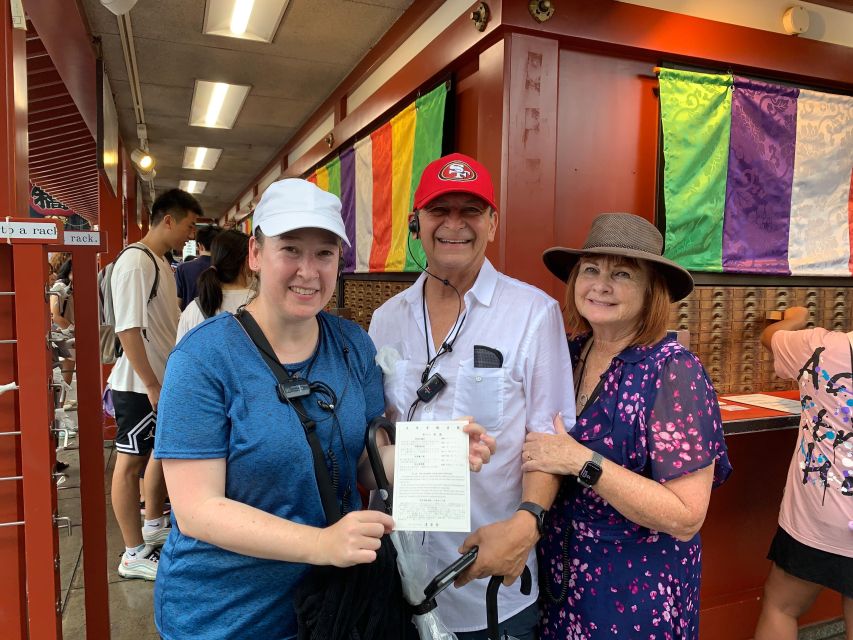
The meeting point is outside the Burger King beside Exit 4 of Asakusa Station on the Ginza Line, station code G19. The stated starting location is 2-chōme-20-6 Kaminarimon, so check the meeting instructions before you go and step outside at Exit 4 rather than waiting inside the station.
The tour lasts two hours and involves a moderate amount of walking. Wear comfortable shoes, bring water, and dress for the weather. It operates rain or shine. The activity is not suitable for people with mobility impairments, though anyone with mobility concerns is encouraged to contact the supplier in advance, which will try to accommodate them.
The tour needs a minimum number of participants to run. If that minimum is not met, you will be notified at least 24 hours before departure and receive a full refund. You can also cancel up to 24 hours in advance for a full refund, and reserve now while paying later.
Is this Asakusa history walk worth booking?
Book it if you want a clear introduction to Japan’s history and religious traditions, and you like learning through the places around you. It is particularly useful early in a Tokyo visit: the explanations can help you make more sense of temples, shrines, symbols, and art elsewhere in Japan.
Skip it if your priority is shopping, independent wandering, or a slow visit to Sensō-ji. The route is short and focused, and the walking pace leaves limited time for lingering. For a curious adult or a family with children who enjoy stories and questions, the combination of river history, religious context, art, and snack tasting makes this a strong two-hour start to Asakusa.
FAQ
How long is the Asakusa history walk?
The tour lasts two hours. It includes guided stops at the Sumida River, the Culture Tourist Information Center, Kaminarimon, Nakamise, Hōzōmon, Sensō-ji, and Asakusa Shrine.
Where is the meeting point?
Meet outside the Burger King beside Exit 4 of Asakusa Station on the Ginza Line, station code G19. The stated starting location is 2-chōme-20-6 Kaminarimon.
What language is the tour in?
The live guide speaks English. An English audio guide is also included.
Are snack tastings included?
Yes. Traditional snack tastings are included, though the specific snacks are not stated.
Are headsets provided?
Headsets are provided for groups of three or more so you can hear the guide clearly.
Is the tour suitable for children?
Families are welcome, and children younger than six may join without charge. The historical focus means the tour is recommended for adults, though guides have also kept children engaged.
How much walking is involved?
The tour involves a moderate amount of walking. Comfortable shoes, water, and weather-appropriate clothing are recommended.
Does the tour run in the rain?
Yes. It operates rain or shine, so dress appropriately for the weather.
What happens if the tour is cancelled because too few people book?
The tour will not run unless the minimum number of participants is met. If it is cancelled for that reason, you will be notified at least 24 hours beforehand and receive a full refund.
More history tours in Tokyo
- Tokyo: Imperial Palace Japanese History Walking Tour
★ 4.9 · 987 reviews - Yanaka Walking Tour: Historic and Traditional District of Tokyo
★ 5.0 · 530 reviews - Tokyo: Shinjuku Historical Walking Tour & Secret Backstreets
★ 5.0 · 530 reviews - Mt. Fuji Heritage Tour: Traditional Villages, Lakes & Shrine
★ 4.5 · 509 reviews
Freshly reviewed in Tokyo
- Tokyo: Toshimaya Sake Brewery Tour with Sake Tasting★ 5.0 · 6 reviews
- :Tokyo,Shibuya /Meiji Shrine tour in KIMONO/English-friendly★ 5.0 · 4 reviews
- Tokyo: Tour Privado por Tokio en español★ 4.3 · 4 reviews
- Tokyo:Tea ceremony experience at Komaba Warakuan★ 4.8 · 9 reviews
- :Tokyo,Shibuya/ Pro Photography in Kimono / English-Friendly★ 5.0 · 26 reviews
- Tokyo:Samurai Training : Swords, Bushido & Mental Discipline★ 5.0 · 6 reviews
- Tokyo:Mt Fuji & Hakone Day Tour with English Speaking Driver★ 5.0 · 26 reviews
- Tokyo:Nikko UNESCO World Heritage Sites Private 1-Day Tour★ 3.8 · 6 reviews
Asakusa Tours, compared.
Japanese Dance Cabaret Theater Asakusa-Kaguwa Ticket
Read our review →
Meiji Shrine, Asakusa, Skytree Bus Tour and Cruise
Read our review →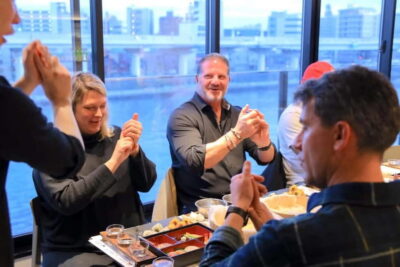
Roll and Authentic Sushi Making Class in Asakusa
Read our review →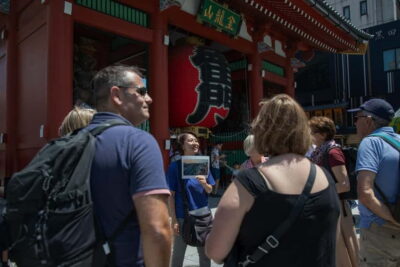
Asakusa Walking Tour with Sensoji Temple Visit
Read our review →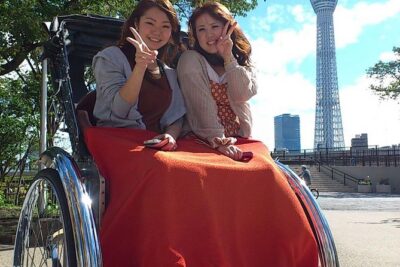
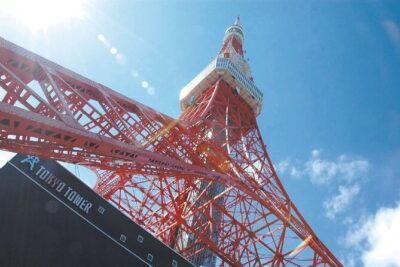
Tokyo Panoramic 1 Day: Meiji Shrine, Asakusa, Odaiba and SKYTREE®
Read our review →
Tokyo Go Kart: Asakusa, Skytree, and Akihabara **IDP MUST**
Read our review →
Asakusa, Skytree & Akhihabara Go-Kart City Experience
Read our review →Browse the lists this tour appears in