
Reviewed · ASAKUSA TOURS
Asakusa: 1400-year history exploration
Asakusa’s story begins at the Sumida River and leads to Sensoji, Tokyo’s oldest temple, where the tale of two fisherman brothers sits alongside the district’s daily life. I like that this walk gives you both historical context and time to notice the shops, gates, shrine, and temple at street level. I also like the included Japanese sweets and the final stretch through Rokku, a former entertainment quarter that adds more than a temple visit to the afternoon.
One consideration: Asakusa can be crowded and noisy, especially around the temple and Nakamise-dori, so it may be hard to hear every explanation. The tour lasts about three and a half hours and moves at a deliberate pace, which suits curious walkers better than anyone hoping to rush through the main sights.
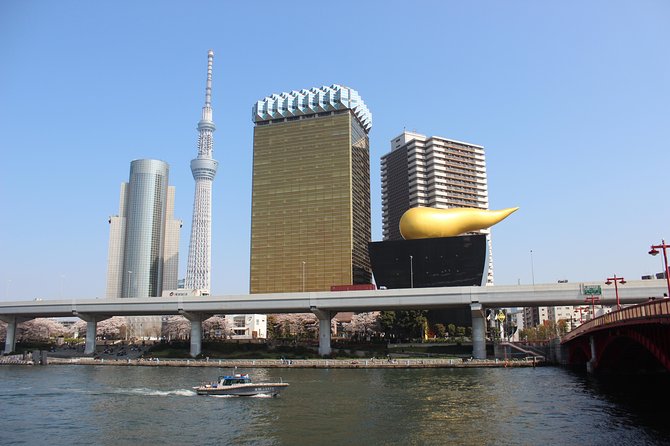
- A riverfront starting point: See the Sumida River, Azumabashi Bridge, Tokyo Skytree, and the Asahi Breweries headquarters.
- A small group: The maximum is eight people, with an earphone system to help you hear the guide.
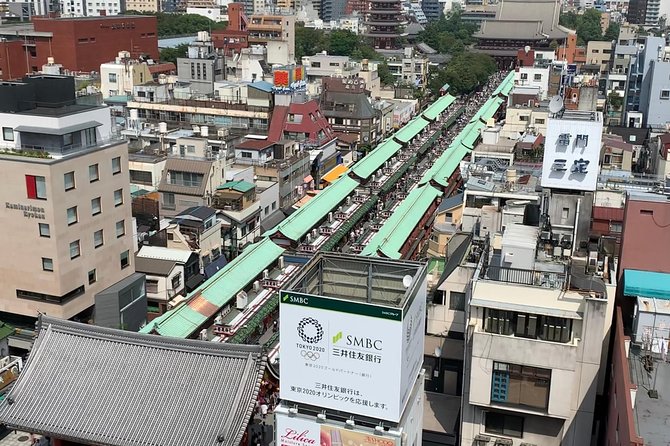
- Sensoji in context: Follow the approach from Kaminarimon Gate through Nakamise-dori to the temple’s main grounds.
- A taste of Asakusa: Japanese sweet snacks are included, such as melon pan, rice dumplings, rice crackers, or sweet puffed rice.
- Rokku beyond the temple: Walk Denboin Street and explore the district’s history as an entertainment area.
- A long, thoughtful walk: Allow about 3.5 hours, wear comfortable shoes, and bring water in warm weather.
From the Sumida River to Asakusa’s old streets
The walk starts near the Sumida River, a fitting place to begin a tour of a district whose history is tied to the waterway. From Azumabashi Bridge, you get views of Tokyo Skytree and the Asahi Breweries headquarters, including its distinctive golden flame object. This opening stretch gives you a sense of how old Asakusa and modern Tokyo share the same view.
The river stop lasts about 15 minutes. It is a short introduction, not a boat ride or a long riverside excursion. Its value is the setting: before entering the temple district, you get a look at the larger city and a starting point for the story of Asakusa.
Next comes the Asakusa Culture Tourist Information Center, with around 30 minutes set aside. The center is useful for practical sightseeing information, but it is also one of the area’s newer attractions. The tour presents it as part of the district rather than a simple place to pick up a map, giving you a contrast between modern architecture and the older streets ahead.
Crossing Kaminarimon and Nakamise-dori
Kaminarimon, or Thunder Gate, is the outer entrance to Sensoji Temple. Its large red lantern and guardian statues make it one of Asakusa’s most recognizable sights, and the guide explains what you are seeing before you continue toward the temple. The stop is about 15 minutes, enough to take in the gate and its place in the approach.
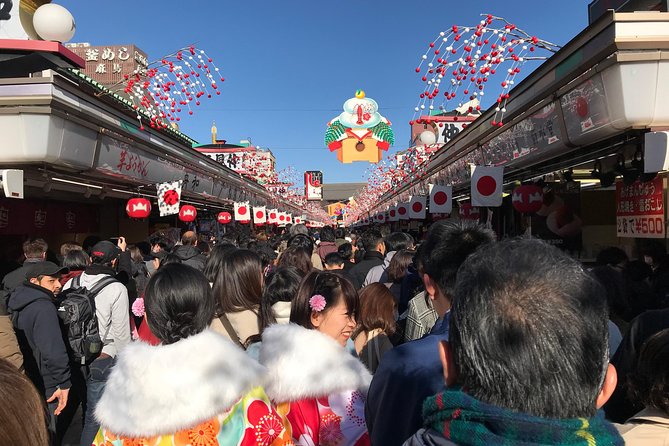
From there, the group follows Nakamise-dori, the roughly 250-meter shopping street between Kaminarimon and the temple’s inner gate. Souvenir shops and food stalls line the route. You have about 30 minutes here, so there is room to look at the goods and sample a sweet, though this is not a long independent shopping break.
The snacks are part of the experience, not a full meal. The included selection may feature melon pan, a rice dumpling, a rice cracker, or sweet puffed rice. That small taste is a useful way to connect the walk’s historical stops with the food culture of the street. Other food and drinks are not included, so bring money if you want to buy more.
Nakamise-dori is also one of the busiest parts of the walk. Its crowds are part of the scene, but they can make conversation harder. The tour provides an earphone guide system so the guide’s voice can reach each participant from a distance. That should help, though it cannot remove the noise of a packed street.
More Asakusa tours in Tokyo:
- Tokyo: Japanese Dance Cabaret Theater Asakusa-Kaguwa Ticket
★ 4.8 · 2,270 reviews - Tokyo: Meiji Shrine, Asakusa, Skytree Bus Tour and Cruise
★ 4.7 · 1,986 reviews - Tokyo: Roll and Authentic Sushi Making Class in Asakusa
★ 4.9 · 1,957 reviews
Sensoji’s gates, pagoda, and main grounds
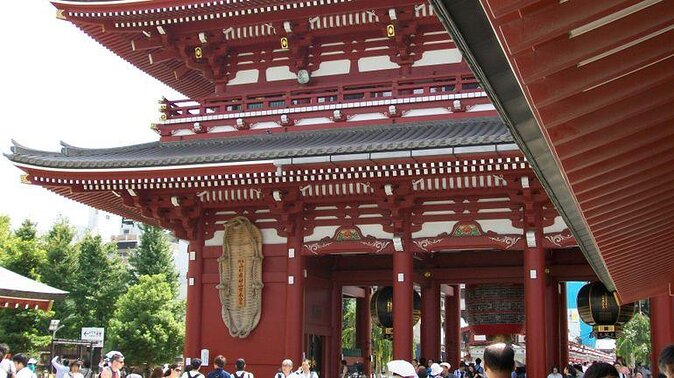
At Hozomon, the inner gate, the tour pauses for about 15 minutes. It is a two-story structure and another major threshold on the way to Sensoji’s main hall. Having time at both gates helps you see that the temple approach is not one quick walk through a single entrance. Each stop has its own role in the sequence.
The longest temple stop lasts about 45 minutes. Between Hozomon and the main hall, there is more to see than the temple building itself. The Five-storied Pagoda is part of the visit, along with the wider grounds and the religious traditions that shape the site.
The guide explains Sensoji’s origin story, which begins with two fisherman brothers, and traces the temple’s importance in Asakusa and Japan’s later modernization. That historical framing is a central reason to take a guided walk. You can see the gates and pagoda on your own, but the stories help explain why this place became such a lasting center of the district.
Expect a substantial amount of interpretation here. The tour is designed for people who want a history-focused visit, not simply a photo stop. Some guides have been praised for answering questions and connecting Buddhism and Shinto to everyday Japanese culture. Others have been criticized for speaking too softly, too quickly, or at too much length. If you have trouble hearing, tell your guide early and stay close to the group.
Asakusa Shrine and the meeting of traditions
Asakusa Shrine sits on the same grounds as Sensoji, offering a chance to consider how a Shinto shrine and Buddhist temple can share a setting and history. The stop lasts about 15 minutes. The guide uses this part of the walk to explain the relationship between the two traditions and how their places of worship coexist.
This is one of the more rewarding stops for visitors who want cultural context rather than a checklist of buildings. It can help make sense of why religious practice in Japan does not always fit the neat divisions a first-time visitor might expect. You can ask questions as the group moves between the temple and shrine, a benefit of the small group size.
The tour’s maximum group size is eight. That limit gives the guide more opportunity to respond to questions than a large bus tour would, although the actual feel depends on who joins and how the guide manages the group. Past guides named in tour experiences include Sachi, Aki, Yasu, Taka, Amy, and Emiko. Names are not assigned in advance, so you should not book expecting a particular guide.
Denboin Street and the Rokku district
After the temple grounds, the walk turns toward Denboin Street and Rokku, Asakusa’s traditional entertainment district. About 45 minutes are reserved for this final part. The shift matters: after the formal temple setting and busy shopping approach, Rokku shows another side of Asakusa, with streets linked to the area’s past as a place for entertainment.
The guide uses this stretch to connect older eras with the present and point out places to eat, drink, and shop. That practical advice can be especially useful if you plan to return to the neighborhood after the tour. The walk is not just about monuments; it gives you a local starting point for choosing where to spend more time.
The itinerary describes Rokku as bustling yet rarely busy. In practice, the district’s feel can vary by street and time of day, and the overall walk may still feel crowded near the temple. The stop is most valuable if you enjoy seeing how a historic district functions beyond its best-known landmark.
The tour returns to the meeting point near Burger King Asakusa Azumabashi. It begins at 1:30 pm, so plan for an afternoon on foot. Since the walk is about three and a half hours, you will finish in the early evening, with the precise end time depending on the group’s pace.
More history tours in Tokyo:
- Tokyo: Imperial Palace and Shogun Historical Walking Tour
★ 5.0 · 2,251 reviews - Tokyo: Imperial Palace Japanese History Walking Tour
★ 4.9 · 987 reviews - Yanaka Walking Tour: Historic and Traditional District of Tokyo
★ 5.0 · 530 reviews - Tokyo: Shinjuku Historical Walking Tour & Secret Backstreets
★ 5.0 · 530 reviews
What the pace and group size mean for you
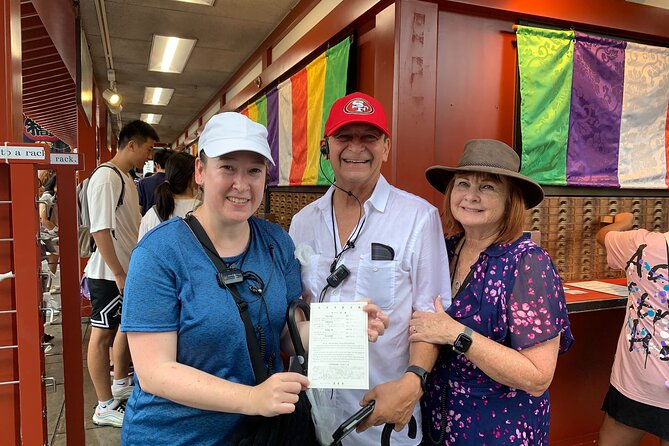
This is a walking tour with a moderate amount of walking and several standing stops. Comfortable shoes are a sensible choice, and bottled water is recommended. Vending machines are available, but it is easier to bring water, particularly in summer. The experience runs in all weather, so dress for the forecast.
A small group can make the historical explanations feel more personal. The earphone system is another practical feature, especially in crowded areas where a guide’s unamplified voice could get lost. Still, the system is not a guarantee that every word will be clear in the noisiest spots, and the tour’s sound quality may depend on where you are standing.
The length is worth weighing carefully. Some people will value the time to ask questions and explore the area beyond the main gate. Others may find that three and a half hours is longer than needed, particularly if they mainly want to see Sensoji. This tour takes a slower, more detailed approach, so it is a poor fit if you are trying to squeeze Asakusa into a short stop.
The experience has a 4.8 rating from 155 reviews, with 95 percent recommending it. That is a strong overall signal, but not a promise of a perfect afternoon. The praise tends to center on friendly, engaging guides, clear historical explanations, and a good mix of temples, streets, and food. A smaller number of low ratings point to uneven delivery, including guides who spoke too softly or gave explanations that felt too detailed. Crowds and pacing also matter.
Is $91.17 good value?
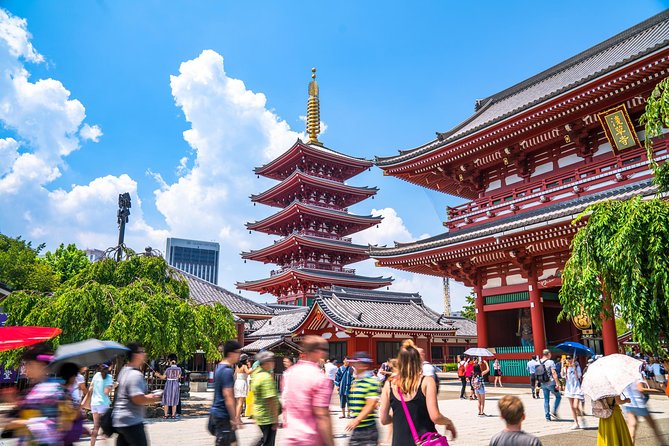
At $91.17 per person, this costs more than walking around Asakusa on your own, and entry to the listed outdoor and temple stops is free. The value is in the guide, the structured route, the cultural background, the earphone system, and the included sweet snacks. You are paying for interpretation and local orientation, not admission tickets.
I would consider the price worthwhile if you want a guided explanation of Sensoji’s origins, the relationship between temple and shrine, and the history of Rokku. It may be less appealing if you are content to see the main sights independently or would rather spend the afternoon shopping and eating at your own pace. Food beyond the included sweets is extra, and hotel pickup and drop-off are not provided.
The tour is commonly booked around 47 days in advance, though last-minute bookings are accepted up to two hours before the start time. If your dates are fixed, booking ahead is sensible. Children under six may join for free, but they are not entitled to the included snacks or other inclusions. The tour is recommended for adults because of its historical focus, though families are welcome.
Who should book this Asakusa walk?
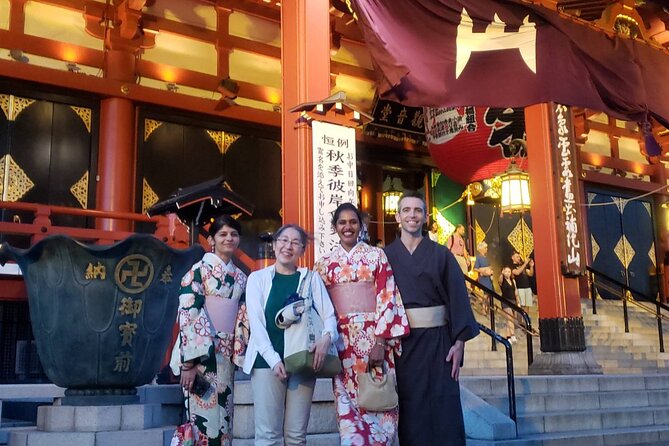
Book it if you enjoy learning the story behind a place while you walk, want help making sense of Sensoji and Asakusa Shrine, and like the idea of finishing in Rokku with practical neighborhood tips. It can work well for families too: one family traveling with teenagers found the history engaging enough to spark further interest.
Consider another option if you want a short, fast visit, dislike crowds, or prefer not to spend much time listening to historical explanations. The route takes in several major sights, but the guide’s style can shape the experience. You can make the most of it by arriving ready to walk, staying near the guide in busy areas, and asking for a repeat if you miss a point.
FAQ
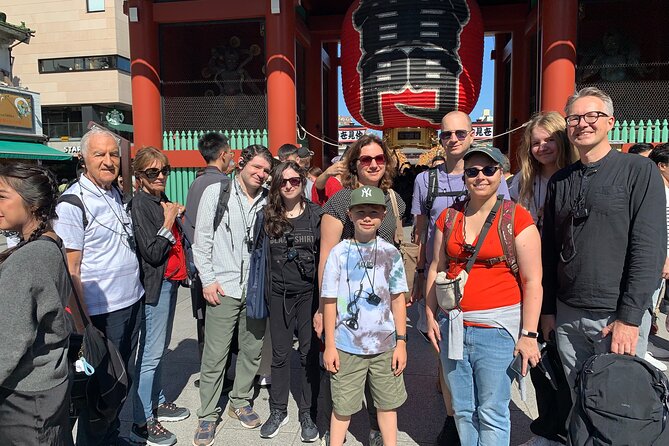
How long is the Asakusa history tour?
It lasts approximately three hours and 30 minutes. The route includes eight stops, from the Sumida River to Denboin Street and Rokku.
What time does the tour start?
The tour starts at 1:30 pm.
Where does the tour meet?
The meeting point is Burger King Asakusa Azumabashi in Kaminarimon, Taito City, Tokyo. The tour ends back at the meeting point.
How large is the group?
The maximum group size is eight people.
What is included in the price?
The price includes an English-speaking guide, an earphone guide system, and a selection of Japanese sweet snacks. Other food and drinks are not included.
Which places does the tour visit?
Stops include the Sumida River, Asakusa Culture Tourist Information Center, Kaminarimon Gate, Nakamise Shopping Street, Hozomon, Sensoji Temple, Asakusa Shrine, and Denboin Street in Rokku.
Is there a lot of walking?
A moderate amount of walking is involved. Comfortable footwear is recommended.
Can children join the tour?
Families are welcome. Children younger than six may join without charge, but they are not entitled to the included items.
Can I cancel for a refund?
You can cancel for a full refund if you do so at least 24 hours before the experience starts. Cancellations made less than 24 hours before the start time are not refunded.
Freshly reviewed in Tokyo
- Tokyo: Toshimaya Sake Brewery Tour with Sake Tasting★ 5.0 · 6 reviews
- :Tokyo,Shibuya /Meiji Shrine tour in KIMONO/English-friendly★ 5.0 · 4 reviews
- Tokyo: Tour Privado por Tokio en español★ 4.3 · 4 reviews
- Tokyo:Tea ceremony experience at Komaba Warakuan★ 4.8 · 9 reviews
- :Tokyo,Shibuya/ Pro Photography in Kimono / English-Friendly★ 5.0 · 26 reviews
- Tokyo:Samurai Training : Swords, Bushido & Mental Discipline★ 5.0 · 6 reviews
- Tokyo:Mt Fuji & Hakone Day Tour with English Speaking Driver★ 5.0 · 26 reviews
- Tokyo:Nikko UNESCO World Heritage Sites Private 1-Day Tour★ 3.8 · 6 reviews
Asakusa Tours, compared.
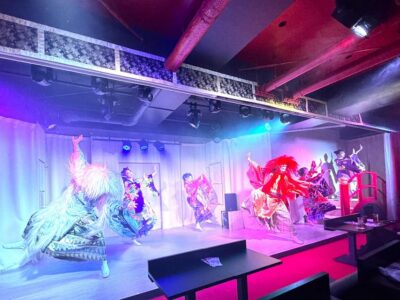
Japanese Dance Cabaret Theater Asakusa-Kaguwa Ticket
Read our review →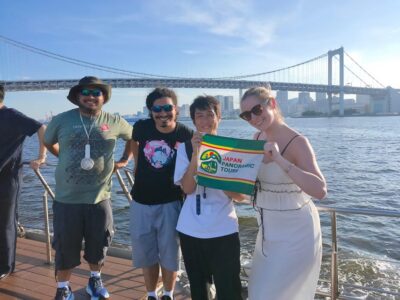
Meiji Shrine, Asakusa, Skytree Bus Tour and Cruise
Read our review →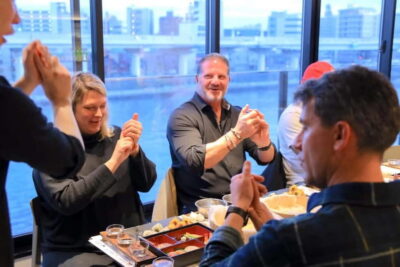
Roll and Authentic Sushi Making Class in Asakusa
Read our review →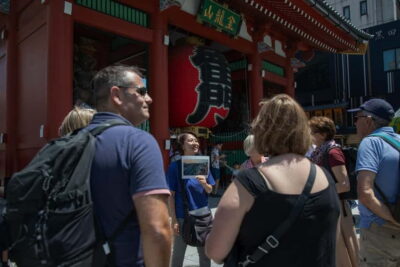
Asakusa Walking Tour with Sensoji Temple Visit
Read our review →
Tokyo Panoramic 1 Day: Meiji Shrine, Asakusa, Odaiba and SKYTREE®
Read our review →
Tokyo Go Kart: Asakusa, Skytree, and Akihabara **IDP MUST**
Read our review →
Asakusa, Skytree & Akhihabara Go-Kart City Experience
Read our review →Browse the lists this tour appears in