
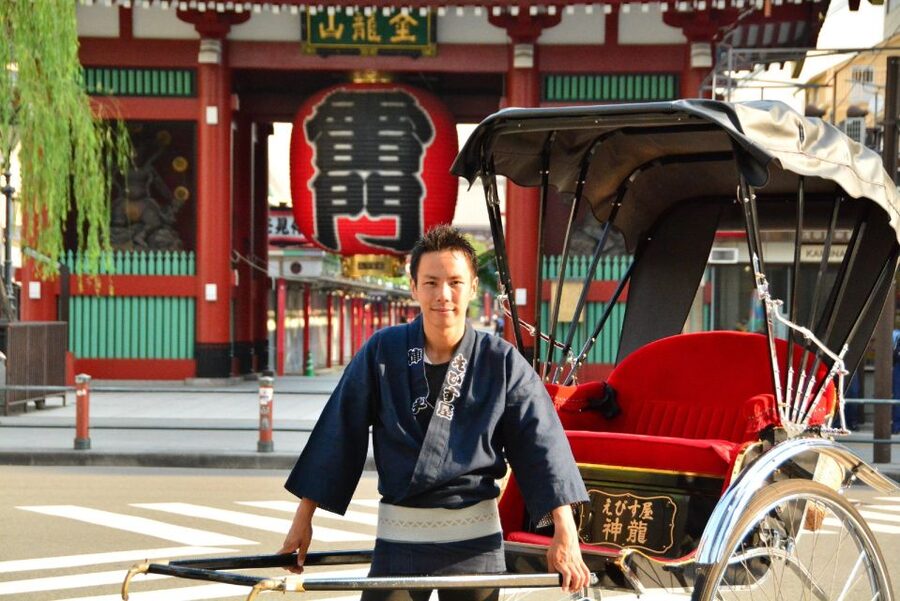
Reviewed · ASAKUSA TOURS
Tokyo: Asakusa Sightseeing Tour by Rickshaw
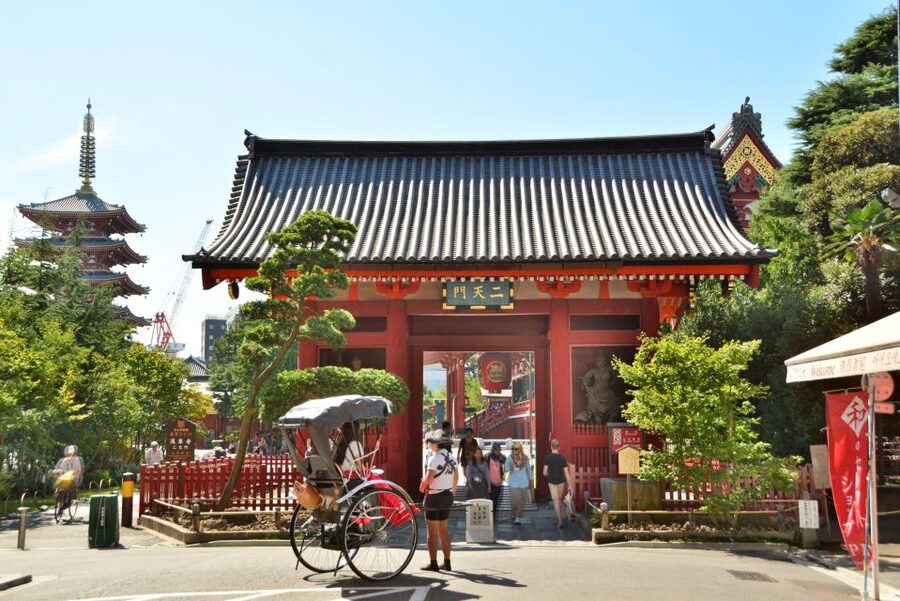
In Asakusa, a rickshaw puts you at street level without asking your feet to do all the work. Your guide pulls you past temples, shops, and neighborhood lanes, adding local context as Tokyo changes around you. I especially like the chance to see familiar sights from a slower, close-up vantage point and the private format, which lets you ask questions and tailor the route.
The trade-off is the price: at $35 per person, it costs more than walking the same streets, and the shortest ride may feel over quickly. The value improves if you want a guided introduction, help with photos, or a comfortable way to cover more ground before exploring on foot.
What to know before you book
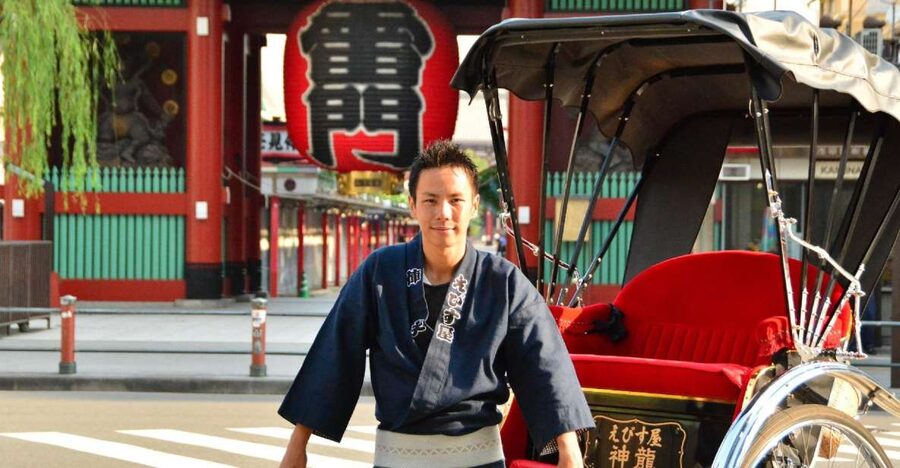
- A 30-minute ride is a quick orientation. Choose a longer option if you want more time for quieter streets, temple details, and photo stops.
- The route mixes famous and everyday Asakusa. Expect temples and gardens alongside shoe shops, old entertainment streets, and local lanes.
- It is a private group tour. You can ask for a route tailored to your interests.
- The guides add much of the value. Past guides include Masa, Kazu, Matcha, Taku, and Shima; the tour is offered in English or Japanese.
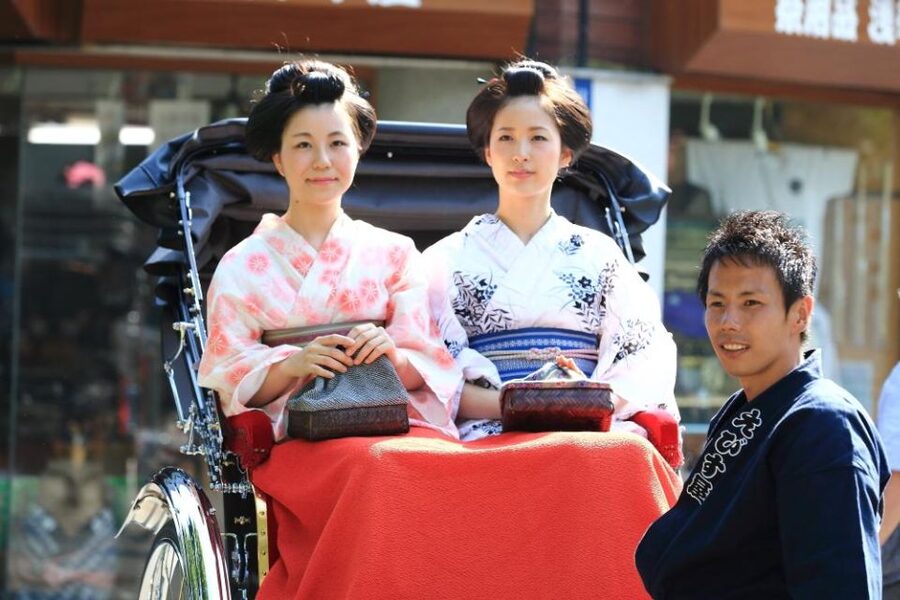
- Plan for the rickshaw’s size and seating rules. Each vehicle is 74 centimeters wide, and a maximum of two adults can ride in one.
- Find the correct meeting point. Go to the rickshaw stand near exit 1 of Asakusa Station on the Tokyo Metro Ginza Line.
Start with Asakusa at street level
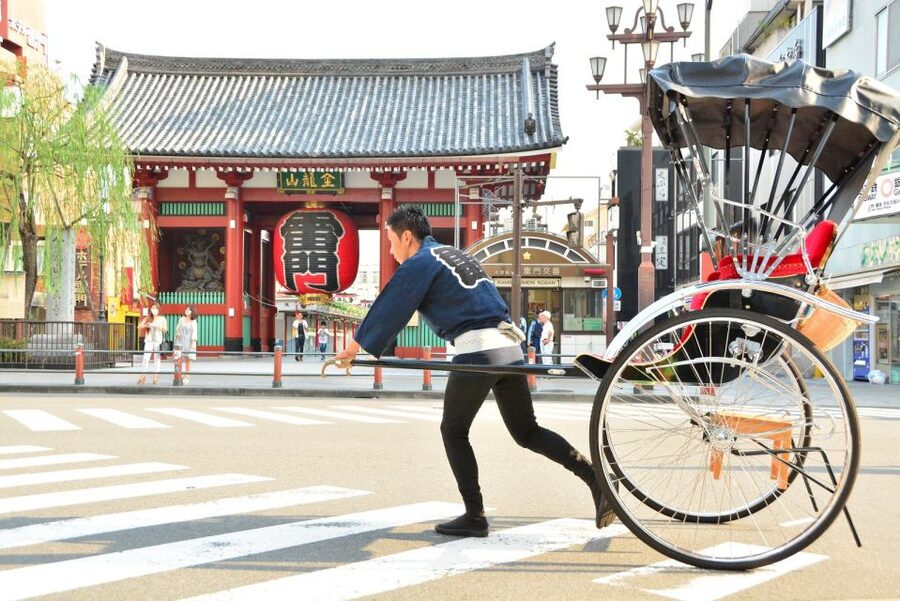
This is a guided ride, not a cart pulled along a fixed parade route. Your rickshaw guide takes you through the Asakusa district, pointing out landmarks and daily street life as you go. Because the group is private, you can ask questions and request a focus that suits you, within the tour’s route and available time.
The ride gives you a useful first look at the area. From the seat, you can take in the changing streets without constantly checking a map, and you can cover sights that might otherwise take longer to reach on foot. A rickshaw also moves at a more personal pace than a bus or car. You are close enough to notice the details around you, while your guide provides the local frame.
A number of guides have been praised for their English, humor, and ability to make the ride personal. Names including Masa, Kazu, Matcha, Taku, and Shima have been associated with warm, informative tours. Your guide will depend on the day, of course, but the format gives you a chance to talk directly rather than listen to a recorded commentary.
More Asakusa tours in Tokyo:
- Tokyo: Japanese Dance Cabaret Theater Asakusa-Kaguwa Ticket
★ 4.8 · 2,270 reviews - Tokyo: Meiji Shrine, Asakusa, Skytree Bus Tour and Cruise
★ 4.7 · 1,986 reviews - Tokyo: Roll and Authentic Sushi Making Class in Asakusa
★ 4.9 · 1,957 reviews
Temples, shrine rituals, and Bentendo Hall
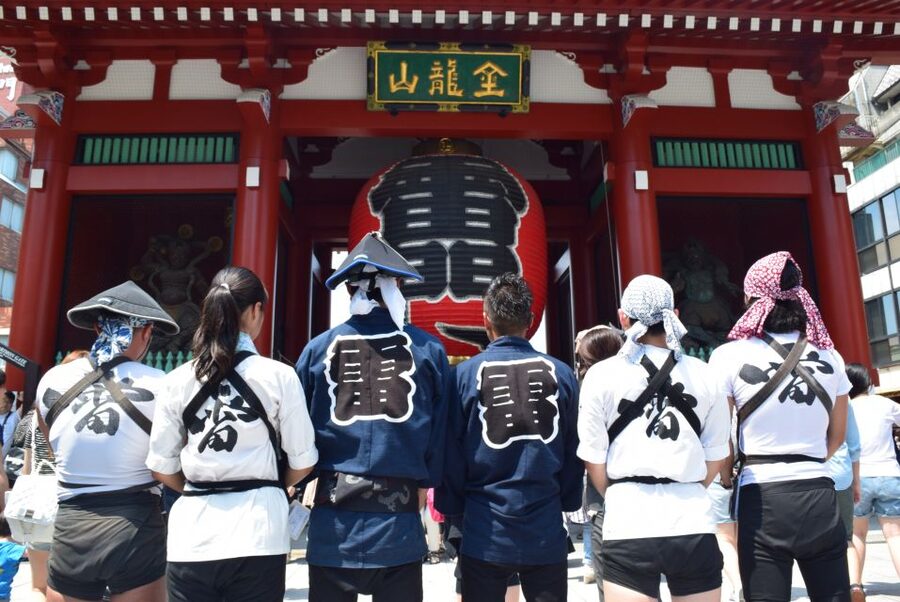
The route takes in Asakusa Shrine, next to the city’s oldest temple, and may include other religious sites such as Bentendo Hall. The appeal is not only the architecture. A guide can explain the customs you see, which helps you understand why visitors wash their hands and mouths at a purification basin or draw incense smoke toward themselves.
Those small explanations turn a quick pass into a more meaningful stop. If a temple or shrine is quiet, you have room to watch how people move through the space and to ask what a ritual means. One guide, for example, has been described explaining the steps of washing and the purpose of incense. That kind of practical detail is useful if you are new to Japanese religious customs.
The ride does not promise a long temple visit or a formal religious lesson. You are seeing the district by rickshaw, and the exact stops can vary with the length and route. If you want to linger, say so when discussing your interests with the guide, and consider booking more than the 30-minute option.
From Hanakawado to the old entertainment streets
Asakusa is not just a cluster of famous temples. The tour also passes Hanakawado, known for shoe shopping, and the quirky streets around Rokku, an old entertainment district with adult theaters. That contrast is part of what makes this area interesting: sacred sites, everyday commerce, and older nightlife history sit within the same neighborhood.
Tanuki-doori adds another local flavor to the route. The name and character of a street like this make more sense when a guide can point out what you might otherwise walk past. In Rokku, the adult theaters are a reminder that Asakusa’s past includes popular entertainment as well as temple visits. They are part of the district’s character, not a promise of a show or a stop inside a venue.
For a quieter contrast, the route can include Nishi Shitamachi and smaller lanes away from the busiest temple approaches. The benefit is a broader sense of Asakusa than you get by following the main shopping flow alone. The drawback is that a short ride can only skim these neighborhoods; take a longer tour if seeing both the major sights and side streets matters to you.
Sumida Park, cherry trees, and the river
Sumida Park brings a greener pause to the ride. It is especially well known in spring, when thousands of cherry trees bloom, but the park and Sumida River give you a change of pace in any season. From the rickshaw, you can take in the trees and river setting without making the whole outing a long walk.
Spring is the most obvious time to seek out this stretch, though bloom timing varies. The tour information describes the park at its most resplendent when the cherry trees are flowering, so it is wise to treat blossoms as a seasonal possibility, not a guaranteed feature of a particular date. Outside that period, the river and gardens still add a welcome open space to a route otherwise shaped by streets and buildings.
A rickshaw is also a practical choice if you want a rest between walking-heavy parts of your Tokyo day. You remain outdoors and exposed to the weather, but guides have provided blankets and heated seats on cold rides. In summer, the breeze during the ride can feel welcome, though the heat and humidity still matter. Spring and autumn are likely to be more comfortable conditions for many people.
More city highlights tours in Tokyo:
- From Tokyo: Mount Fuji Full-Day Sightseeing Trip
★ 4.5 · 4,970 reviews - Tokyo: Hop-On Hop-Off Sightseeing Bus Ticket
★ 3.9 · 4,207 reviews - Tokyo: Private City Highlights Tour with Local Guide
★ 4.8 · 1,433 reviews - Tokyo Private Sightseeing Tour by Car- English speaking chauffeur
★ 5.0 · 1,004 reviews
Hanayashiki and Denpoin Street on the way back
The route may pass Hanayashiki, described as Japan’s oldest amusement park, which makes for a good souvenir-photo stop. You do not need to ride anything to appreciate the place as a landmark. Ask your guide to help with a photo if you want one with the rickshaw or the surrounding sights; taking pictures for riders is a feature guides have often provided.
Denpoin Street offers a different kind of look at Asakusa. The street is described as having changed little since World War II, so the ride gives you a chance to notice its older feel as you make your way back toward the starting point. This is a good example of why a guide helps: the visual details are there, but the story gives them context.
The rickshaw route may also pass views of the Sumida River and neighborhood streets that are easy to miss when you are focused on reaching the next major attraction. For a short tour, these glimpses make the ride more than a point-to-point transfer. For a longer one, they form part of a fuller picture of the district.
Choosing 30 minutes, two hours, or longer
The activity lasts from 30 to 190 minutes, with starting times depending on availability. A 30-minute ride is best if you want a taste of the experience, a few local stories, and some photos without committing much of the day. It can be good fun, but it is a brief introduction rather than a thorough circuit.
A 70- or 90-minute ride gives you more room for stories and a less hurried look around. A two-hour option has allowed riders to see more of the area and visit quieter places, while still leaving time to explore on foot afterward. If you want the guide to adapt the outing around your interests, extra time makes that easier.
A three-hour booking includes a choice of a special Hello Kitty doll or an original T-shirt as a memorial gift. The full activity range runs to 190 minutes, so check the available duration and start time when selecting your date. The gift is a nice extra, but the main reason to choose a longer ride is the additional time in the neighborhood.
Is $35 per person good value?
At $35 per person, the ride is a paid alternative to walking, not a bargain transport option. You are paying for a private rickshaw, a live guide, and an experience that combines sightseeing with conversation. If you use the ride as an orientation before exploring Asakusa on your own, its value extends beyond the minutes spent in the seat.
The price makes the most sense for a first visit, a special outing, or a group that wants a more personal way to see the district. A short ride can still be worthwhile if the rickshaw itself is part of the appeal, but you may feel the cost more sharply if your only goal is to get from one sight to another. Compare the available durations before booking, since the $35 figure is per person and the experience ranges from half an hour to more than three hours.
Snacks and drinks are not included. Plan to buy refreshments separately, especially if you choose a longer ride or are visiting in hot weather. The tour is private, so you are not sharing the guide with unrelated groups.
Practical details that can save you a wrong turn
Meet at the rickshaw stand just outside exit 1 of Asakusa Station on the Tokyo Metro Ginza Line. There are two stations called Asakusa on different subway lines, and the exit is a few meters from the stand, so check the map pin and station line before setting off. Asakusa has many exits, and arriving at the wrong one can mean an unnecessary walk.
The tour is offered in English and Japanese. It is wheelchair and stroller friendly, but each rickshaw is 74 centimeters wide, so check whether the seating and vehicle dimensions suit your needs. Selfie sticks are not allowed.
Adult pricing applies from age six. Each rickshaw can carry up to two adults. Children aged five and under can ride free on an adult’s lap, with one child per adult and a maximum of two adults and two lap-sitting children in a rickshaw. A five-year-old who needs their own seat must book at the adult fare.
The activity is listed as not suitable for pregnant women, and the guidance specifically says it is not recommended during the first 16 weeks of pregnancy. If this applies to you, treat that restriction seriously and check with the operator before booking.
Who will enjoy this ride most?
I would choose this tour if you want local context without spending the whole morning walking, or if you like the idea of seeing Asakusa from a traditional rickshaw. It works especially well as an early stop in Tokyo: you can ask about the temples, lanes, and food options, then return to places that caught your eye.
Families may find the private format helpful. Guides have engaged children with jokes, songs, and anime references, and the lap-seating rules allow young children to ride without a separate fare. Still, the ride is not a substitute for checking the seat arrangement and width in advance.
Solo visitors can book too, and the tour can be tailored to your interests. If you prefer to move at your own pace, spend a long time inside temples, or avoid being outdoors in changing weather, walking may suit you better. The rickshaw is a guided outing with a set time, not a flexible taxi.
Should you book the Asakusa rickshaw tour?
Book it if you want a personal introduction to Asakusa, appreciate stories as much as sights, or would enjoy a photo-friendly ride through temples, old entertainment streets, and the Sumida Park area. I would lean toward at least 70 minutes if your schedule allows. That gives the guide more room to explain what you are seeing and the route more time to reach beyond the immediate temple district.
Choose the 30-minute option if you mainly want the rickshaw experience and a quick overview. Skip it if you are watching every yen and are content to explore on foot, or if the seating and pregnancy guidance do not suit you. For the right person, the best part is not simply getting around: it is having a local guide turn Asakusa’s street-level details into a story you can keep following after the ride ends.
FAQ
How much does the Asakusa rickshaw tour cost?
The listed price is $35 per person. The tour lasts from 30 to 190 minutes, so check the available options and prices for your chosen duration before booking.
How long is the ride?
You can choose an option lasting from 30 to 190 minutes. Available starting times depend on the date and option you select.
What language does the guide speak?
Guides are available in English and Japanese.
Where is the meeting point?
Meet at the rickshaw stand just outside exit 1 of Asakusa Station on the Tokyo Metro Ginza Line. The stand is a few meters along the street from the exit.
Is the tour private?
Yes. It is a private group activity, and the route can be customized according to your interests.
What is included in the price?
The rickshaw ride and a local guide are included. Snacks and drinks are not included.
Can children ride for free?
Children aged five and under can ride free on an adult’s lap, with one child per adult. A child who needs their own seat must book at the adult fare. Adult pricing applies from age six.
How many people fit in one rickshaw?
A maximum of two adults can ride in one rickshaw. Each vehicle is 74 centimeters wide. Up to two children aged five and under can also ride on adults’ laps, subject to the one-child-per-adult rule.
Is the tour suitable for pregnant people?
The activity is listed as not suitable for pregnant women and is specifically not recommended during the first 16 weeks of pregnancy.
Freshly reviewed in Tokyo
- Tokyo: Toshimaya Sake Brewery Tour with Sake Tasting★ 5.0 · 6 reviews
- :Tokyo,Shibuya /Meiji Shrine tour in KIMONO/English-friendly★ 5.0 · 4 reviews
- Tokyo: Tour Privado por Tokio en español★ 4.3 · 4 reviews
- Tokyo:Tea ceremony experience at Komaba Warakuan★ 4.8 · 9 reviews
- :Tokyo,Shibuya/ Pro Photography in Kimono / English-Friendly★ 5.0 · 26 reviews
- Tokyo:Samurai Training : Swords, Bushido & Mental Discipline★ 5.0 · 6 reviews
- Tokyo:Mt Fuji & Hakone Day Tour with English Speaking Driver★ 5.0 · 26 reviews
- Tokyo:Nikko UNESCO World Heritage Sites Private 1-Day Tour★ 3.8 · 6 reviews
Asakusa Tours, compared.
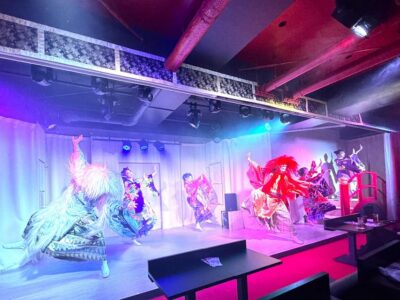
Japanese Dance Cabaret Theater Asakusa-Kaguwa Ticket
Read our review →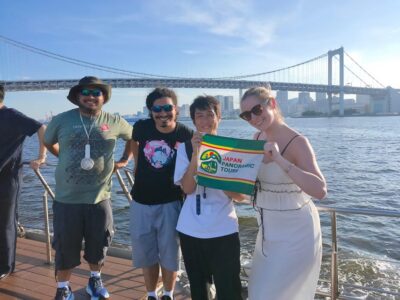
Meiji Shrine, Asakusa, Skytree Bus Tour and Cruise
Read our review →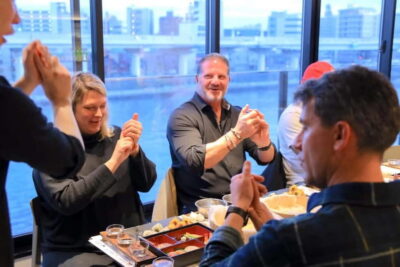
Roll and Authentic Sushi Making Class in Asakusa
Read our review →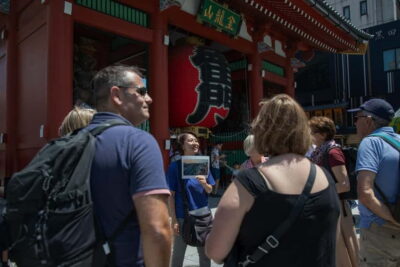
Asakusa Walking Tour with Sensoji Temple Visit
Read our review →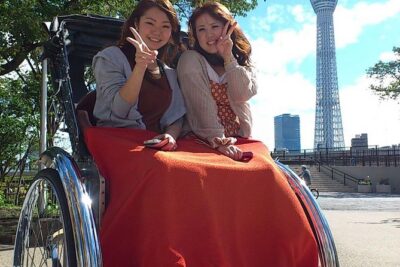
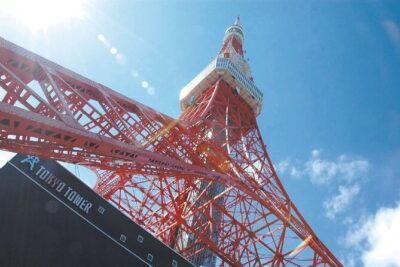
Tokyo Panoramic 1 Day: Meiji Shrine, Asakusa, Odaiba and SKYTREE®
Read our review →
Tokyo Go Kart: Asakusa, Skytree, and Akihabara **IDP MUST**
Read our review →
Asakusa, Skytree & Akhihabara Go-Kart City Experience
Read our review →Browse the lists this tour appears in