
Reviewed · ASAKUSA TOURS
Tokyo: 2-Hour Asakusa Food Hunt & Cultural Tour
Asakusa’s food story is more interesting off its main temple approach, where neighborhood shops still feed local regulars. This small-group walk takes you into those less-visited streets for sushi, soba, gyoza, rice crackers, and snacks, then brings the meal into focus with a visit to Sensoji Temple.
I like two things in particular: the mix of substantial dishes and small snacks makes the $76 price easier to assess than a tour built around samples alone, and the stops offer a useful look at everyday food customs. The group is capped at six, so there is room to ask questions and keep a sensible pace.
One consideration: the advertised title says two hours, but the activity is listed as 150 minutes and scheduled from 11:30 to 14:00. Plan around the longer window, and wear comfortable shoes for the 1 to 2 kilometers of walking.
- A local-first route: Explore Asakusa streets beyond the best-known temple approach and guidebook stops.
- A proper lunch’s worth of food: Tastings include sushi, soba, gyoza, rice crackers, and Japanese snacks.
- Old shops with everyday appeal: Visit more than four food vendors, including a rice-cracker shop with over a century of history.
- Food customs, not just food: Learn how sushi is eaten and hear about its past as a quick meal in Japan.
- A small group: No more than six participants join the English-language tour.
- A temple for context: Finish with Sensoji, one of Tokyo’s largest temples, and learn about Japanese culture and history.
Asakusa beyond the temple approach
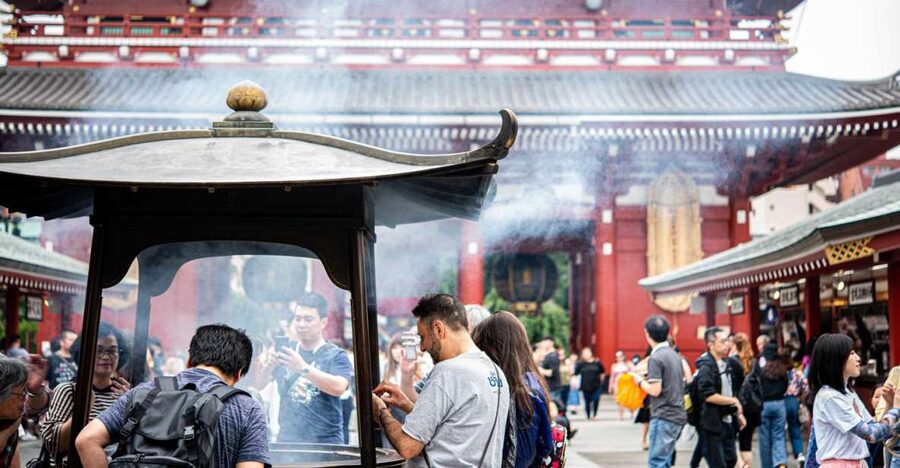
Asakusa is an easy place to get pulled along the most obvious route: toward Sensoji, through the familiar shopping streets, then back toward the station. This tour takes a wider view. It spends much of its time among family-run restaurants and neighborhood food shops, with the temple visit serving as one part of a broader introduction to the area.
That change of focus matters if you have already seen the main sights, or if you want a first look at Asakusa that includes more than its landmark. A guide can point out places you might not choose on your own, especially when you do not read Japanese menus or know what a small local shop serves.
The walk covers roughly 1 to 2 kilometers. That is modest by Tokyo standards, but it is still a walking tour, and you will be stopping to eat along the way. Comfortable shoes are a sensible choice.
Standing sushi, served with a lesson
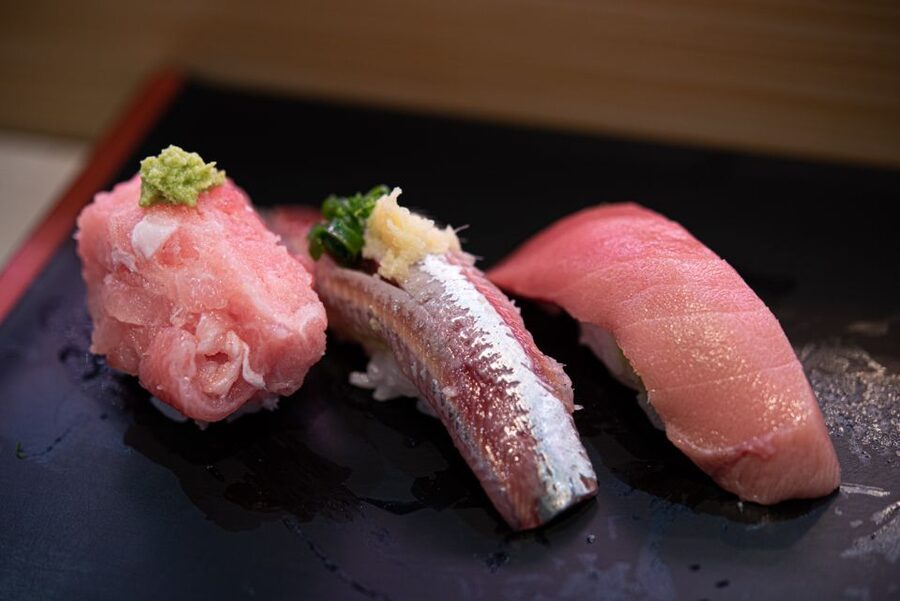
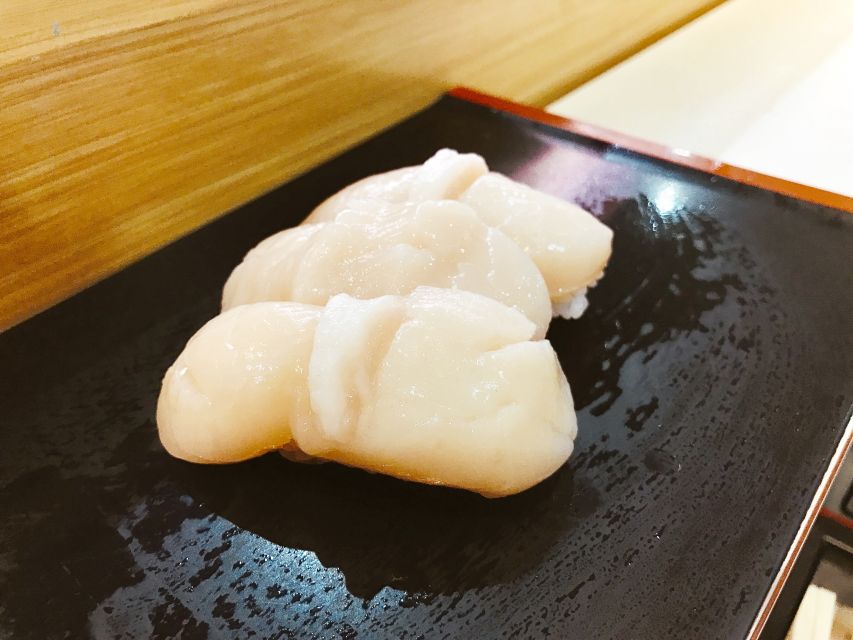
The first food stop is a standing sushi restaurant owned by a fish dealer. The setting gives you a chance to try fresh seafood in a casual format, while your guide explains how to eat sushi properly. That lesson can be useful even if sushi is already familiar: the tour is interested in the habits and history around the meal, not just the ingredients.
Sushi’s earlier role as fast food in Japan is a good example of how a dish can shift in meaning over time. Today it may be an occasion meal for some diners, but a standing shop keeps the emphasis on a quick, straightforward bite. The fish-dealer connection also offers a practical reason to pay attention to freshness and sourcing.
The selection may include seafood you have not tried before. If you enjoy tasting outside your usual order, this stop could be a highlight. If you prefer to stick to familiar fish, you can still learn from the guide’s explanation and make your own choices.
Past tours have been led by guides including Max, Shino, Chi, and Leigh. The specific guide for your date is not guaranteed, but the English-language format is. Guides have been praised for explaining food and local history clearly, answering questions, and keeping the group engaged.
More Asakusa tours in Tokyo:
- Tokyo: Japanese Dance Cabaret Theater Asakusa-Kaguwa Ticket
★ 4.8 · 2,270 reviews - Tokyo: Meiji Shrine, Asakusa, Skytree Bus Tour and Cruise
★ 4.7 · 1,986 reviews - Tokyo: Roll and Authentic Sushi Making Class in Asakusa
★ 4.9 · 1,957 reviews
Soba and gyoza at a family restaurant
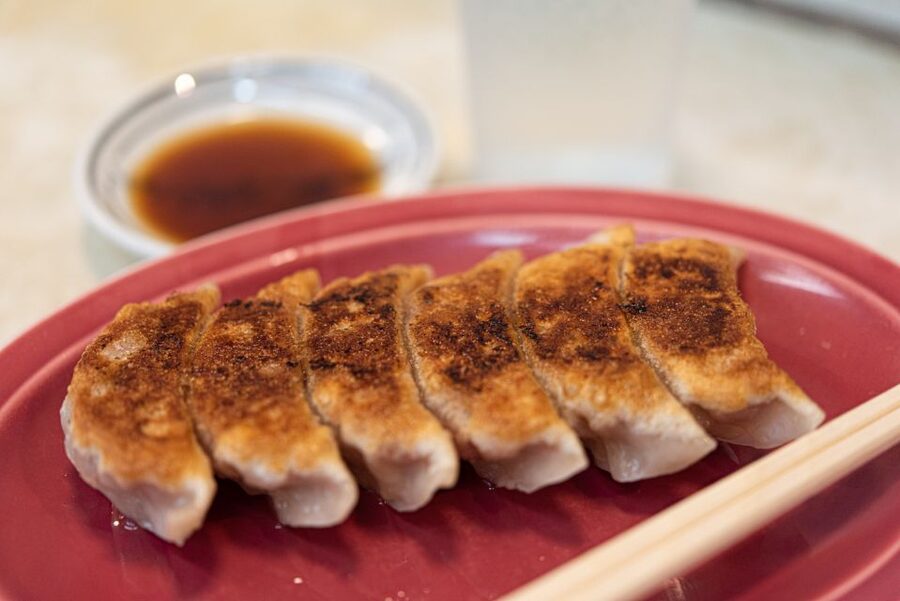
A family-owned soba restaurant is another central stop. Here, fresh soba and gyoza turn the outing into more than a string of nibbles. The tour describes the restaurant as a place locals go, which makes it a useful counterpoint to the more famous food spots clustered around major sights.
Soba is a good dish to encounter with a guide because the meal can be as much about how it is eaten as what is on the plate. You can ask about the ingredients, preparation, or customary ways of enjoying it. The exact conversation will depend on your guide and the group’s questions, but the small size makes it easier to speak up than on a large bus tour.
Gyoza adds another familiar but satisfying part of the meal. Together, the soba and dumplings help explain why the tour includes full lunch-size tastings. You should arrive hungry, but not expecting a formal multi-course lunch with long pauses between dishes. The format is a moving food walk, with stops placed along the route.
Rice crackers and snacks with roots in Tokyo
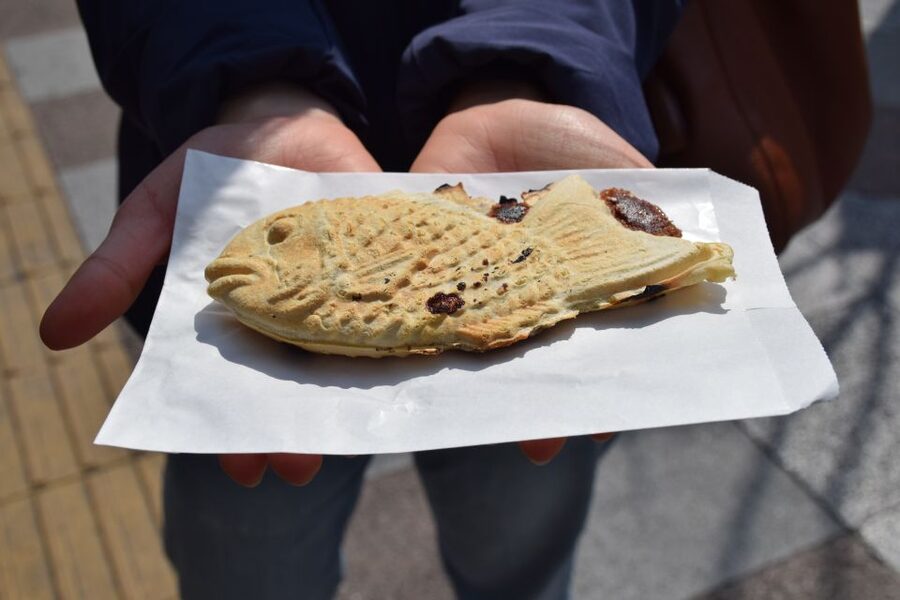
The rice-cracker shop has more than 100 years of history. That longevity gives this stop a different character from a restaurant visit: it is a chance to see how a simple snack can remain part of local food life across generations. You will try handmade rice crackers, a small taste that brings attention to craft and texture.
There is also a stop for Japanese snacks that began as a Tokyo food stand about 50 years ago. The contrast is useful. One shop has a century-long history; another traces its beginning to a more recent street-food tradition. Together, they make the tour less like a checklist of famous dishes and more like a sampler of how local food businesses grow and endure.
These are the stops where your guide can help you connect a taste to its place. A rice cracker might look simple, but a shop’s history and its way of making the product can make the bite more memorable. The tour does not specify exact snack varieties, so keep expectations open rather than arriving with a fixed wish list.
Sensoji as the cultural finish
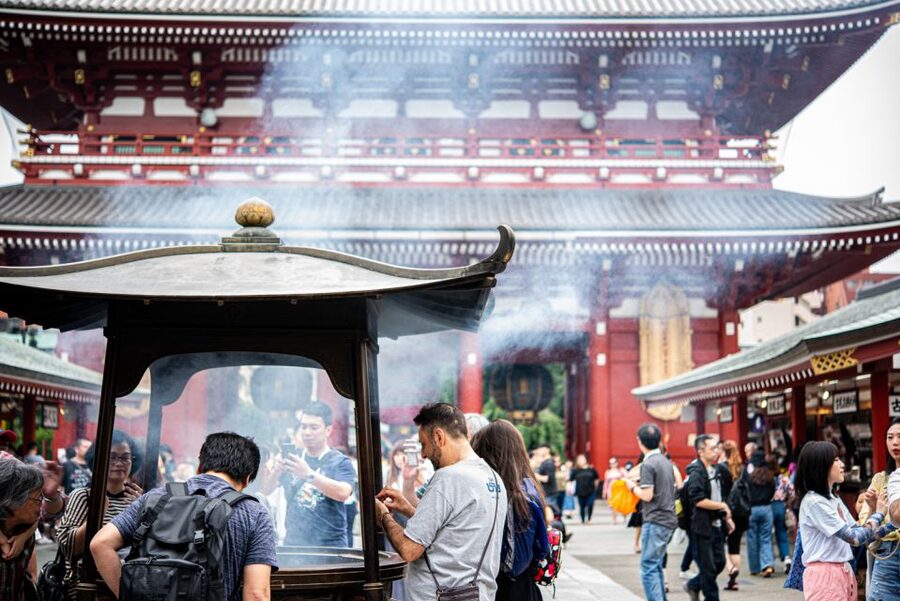
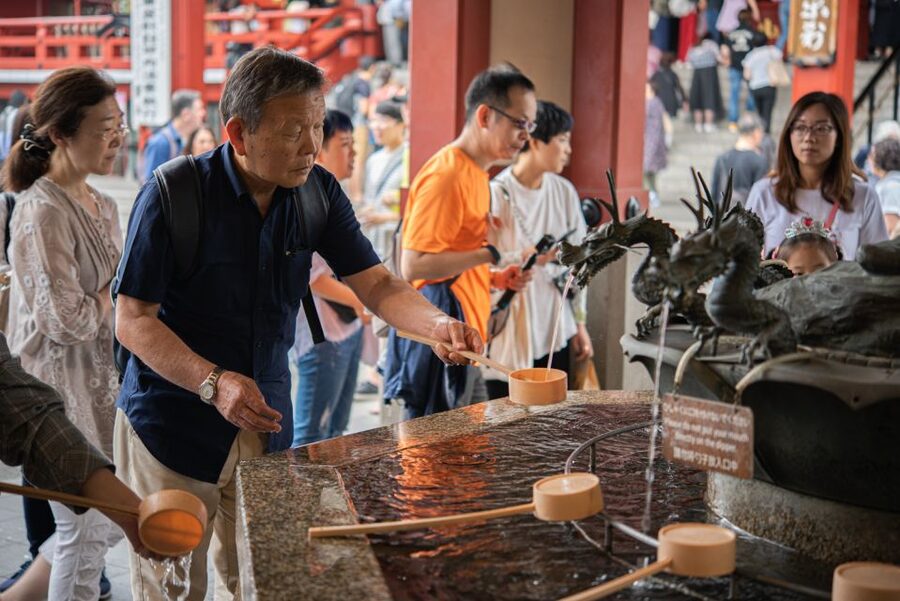
Sensoji is one of Tokyo’s largest temples and the tour’s cultural stop. After several food visits, the temple gives the walk a different pace and a chance to connect Asakusa’s daily life with its history. Your guide explains Japanese culture and the temple’s place in the area.
The temple visit is valuable because it adds context to the neighborhood rather than treating food and culture as separate subjects. You have spent time in local shops and restaurants, then arrive at one of the area’s best-known landmarks with a guide who can help you understand what you are seeing.
Sensoji is also a major attraction, so it is not the tour’s secret discovery. The less familiar parts of the experience are the small food businesses and the streets between stops. If you want an in-depth temple tour, this food walk may not give you the time you want. If you like a brief cultural overview as part of a broader outing, the balance makes sense.
More food and drink experiences in Tokyo:
- Tokyo: Shinjuku Food Tour (13 Dishes at 4 Local Eateries)
★ 5.0 · 6,603 reviews - Tokyo Tsukiji Fish Market Food and Culture Walking Tour
★ 5.0 · 3,184 reviews - Tokyo: Shinjuku Food Tour (15 Dishes and 4 Eateries)
★ 4.9 · 2,033 reviews - Best of Shinjuku: Izakaya Food Tour (4 Stops, 14+ Tastings)
★ 5.0 · 1,863 reviews
What $76 buys you
At $76 per person, the price is easiest to judge as a combined lunch, guided walk, and local introduction. The fee includes full lunch-size food tastings and the guide, not just a few samples. You also get an English-speaking guide and a group limited to six, which can make explanations and questions feel more personal.
The value depends on what you want from a meal. If your priority is simply to eat as much as possible for the lowest price, you can spend less by choosing restaurants yourself. But you would be paying separately for each dish and missing the guide’s help finding small shops, understanding food customs, and making sense of the neighborhood.
For a first visit to Asakusa, or a return visit when you want to go beyond the main sights, that added context is the point. You are paying for a planned route through more than four food vendors, a filling range of dishes, and a guide who can help you order and learn as you go. Transportation is not included, so account for getting to and from the meeting point separately.
Timing, walking, and group size
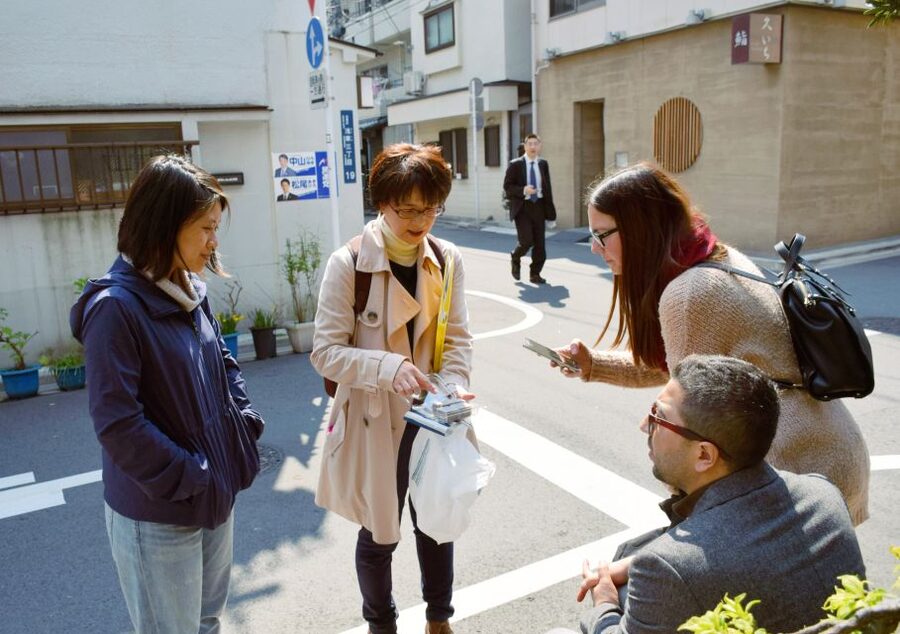
The tour is listed as 150 minutes and the stated time is 11:30 to 14:00. Those details do not match exactly: the time window is two and a half hours. Use 11:30 to 14:00 as your practical planning guide, and allow the full period rather than arranging a tight appointment immediately afterward.
A group of up to six is a real advantage on a food walk. Small restaurants and shops can be easier to manage with fewer people, and you are more likely to have room for a question or a request. Guides on past tours have also made adjustments for special requests and taken breaks in the shade and offered fluids during very hot weather. That is helpful, though you should still prepare for the day’s conditions yourself.
The activity meets at Hinatomaru Kaminarimon, at 1 Chome-20-3 Asakusa, Taito City, Tokyo. Transportation is not part of the tour, so check your route to the meeting address before the day. Comfortable shoes are recommended for the 1 to 2 kilometers of walking.
The tour offers free cancellation up to 24 hours in advance, and you can reserve now and pay later. Those options give you some flexibility if your Tokyo plans are still taking shape.
Who should choose this food walk?
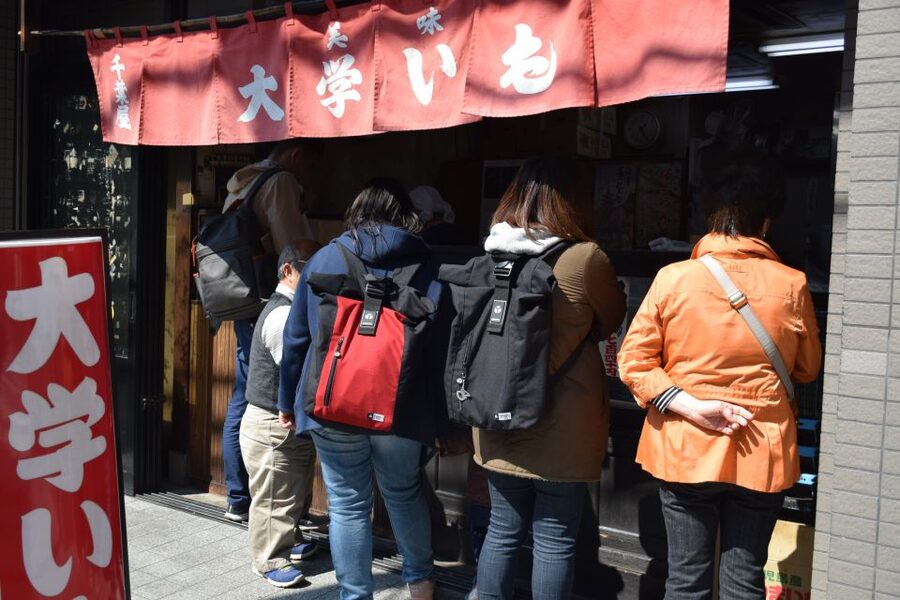
This tour suits you if you like trying several kinds of food in one sitting and want a guide to explain what you are eating. It is also a strong fit for first-time visitors who want to get beyond the best-known Asakusa sights without spending a whole day on a guided outing.
Families may appreciate the manageable walking distance and the chance to ask questions about Japanese food. Past guides have engaged both adults and children, and have been attentive to group comfort. Still, the tour’s appeal depends on your appetite for tasting unfamiliar foods and moving between stops.
You may want another option if you need a strictly restaurant-based lunch, prefer to set your own pace, or are looking for a long, detailed temple visit. This walk combines food and culture rather than concentrating on either one alone. Its best feature is that combination: a satisfying introduction to neighborhood food, with enough history and local context to make the stops mean more.
Should you book it?
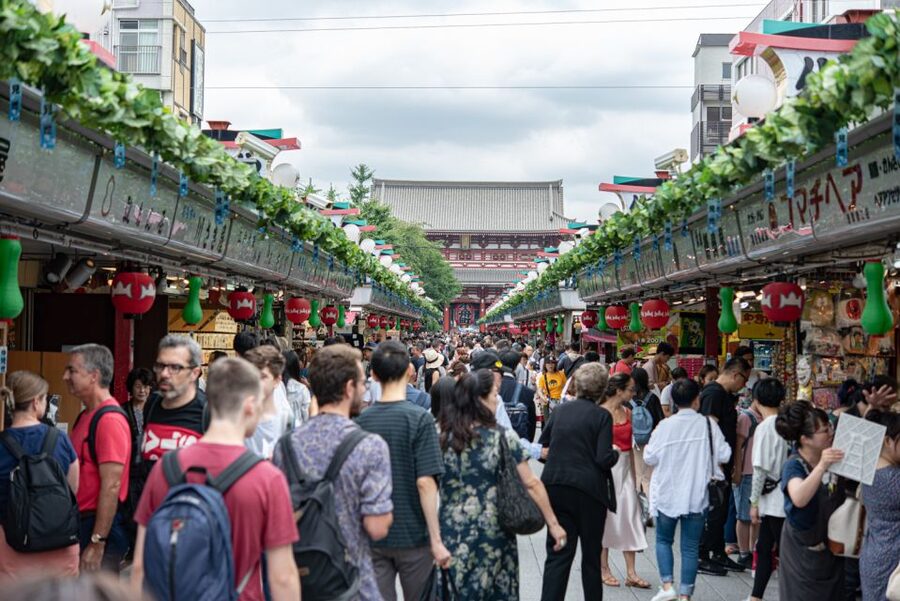
Book this Asakusa food walk if $76 feels fair for a guided lunch, a small group, and access to family-run food spots you might otherwise pass by. The mix of standing sushi, soba, gyoza, handmade crackers, snacks, and Sensoji gives the 150-minute outing a clear purpose.
If you would rather choose every dish yourself or already know the area well, you may prefer to explore independently. For a first taste of Asakusa beyond the main route, especially when you want help with food customs and local history, this is a practical, well-balanced way to spend a midday.
FAQ
How long is the Asakusa food tour?
It is listed as 150 minutes. The stated schedule is 11:30 to 14:00, so plan for that full time window.
What is the tour price?
The price is $76 per person.
Where does the tour meet?
Meet at Hinatomaru Kaminarimon, 1 Chome-20-3 Asakusa, Taito City, Tokyo.
What language does the guide speak?
The live tour guide speaks English.
How many people can join?
The tour is limited to six participants.
How much walking is involved?
Expect to walk about 1 to 2 kilometers. Comfortable shoes are recommended.
Is food included in the price?
Yes. Full lunch-size local food tastings and the guide fee are included.
What foods will I try?
The tour includes sushi, soba, gyoza, handmade rice crackers, and Japanese snacks. The exact food selection is not specified.
Does the tour include transportation?
No. Transportation is not included.
Can I cancel for a refund?
Yes. You can cancel up to 24 hours in advance for a full refund.
More history tours in Tokyo
- Tokyo: Imperial Palace and Shogun Historical Walking Tour
★ 5.0 · 2,251 reviews - Tokyo: Imperial Palace Japanese History Walking Tour
★ 4.9 · 987 reviews - Yanaka Walking Tour: Historic and Traditional District of Tokyo
★ 5.0 · 530 reviews - Tokyo: Shinjuku Historical Walking Tour & Secret Backstreets
★ 5.0 · 530 reviews
More food experiences in Tokyo
- Tokyo: Tsukiji Fish Market Food and Walking tour
★ 5.0 · 1,724 reviews - Tokyo Night Foodie Tour in Shinjuku – Seasonal Sushi, Wagyu Beef
★ 5.0 · 1,161 reviews - Eat and Drink Like a Local: Tokyo Ueno Food Tour-Taverns&Ramen
★ 5.0 · 957 reviews - Tokyo: Shibuya Food Tour (13 dishes and 4 Eateries)
★ 5.0 · 770 reviews
Freshly reviewed in Tokyo
- Tokyo: Toshimaya Sake Brewery Tour with Sake Tasting★ 5.0 · 6 reviews
- :Tokyo,Shibuya /Meiji Shrine tour in KIMONO/English-friendly★ 5.0 · 4 reviews
- Tokyo: Tour Privado por Tokio en español★ 4.3 · 4 reviews
- Tokyo:Tea ceremony experience at Komaba Warakuan★ 4.8 · 9 reviews
- :Tokyo,Shibuya/ Pro Photography in Kimono / English-Friendly★ 5.0 · 26 reviews
- Tokyo:Samurai Training : Swords, Bushido & Mental Discipline★ 5.0 · 6 reviews
- Tokyo:Nikko UNESCO World Heritage Sites Private 1-Day Tour★ 3.8 · 6 reviews
- Tokyo:Mt Fuji & Hakone Day Tour with English Speaking Driver★ 5.0 · 26 reviews
Asakusa Tours, compared.

Japanese Dance Cabaret Theater Asakusa-Kaguwa Ticket
Read our review →
Meiji Shrine, Asakusa, Skytree Bus Tour and Cruise
Read our review →
Roll and Authentic Sushi Making Class in Asakusa
Read our review →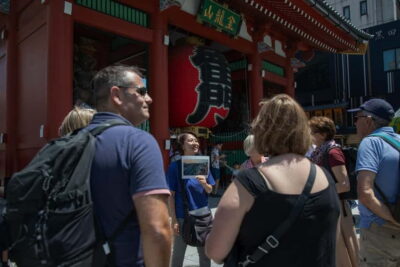
Asakusa Walking Tour with Sensoji Temple Visit
Read our review →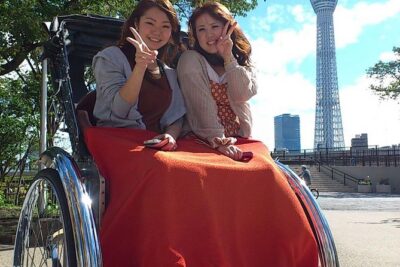
Tokyo Panoramic 1 Day: Meiji Shrine, Asakusa, Odaiba and SKYTREE®
Read our review →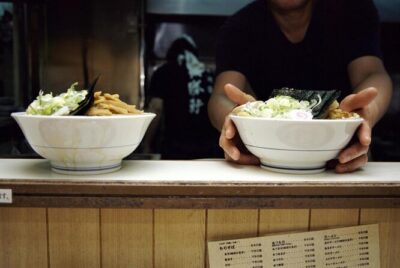
Tokyo Go Kart: Asakusa, Skytree, and Akihabara **IDP MUST**
Read our review →
Asakusa, Skytree & Akhihabara Go-Kart City Experience
Read our review →Browse the lists this tour appears in