Reviewed · TOKYO TOURS
Private Workshop for Making Paper Last 1,000 years in Ueno
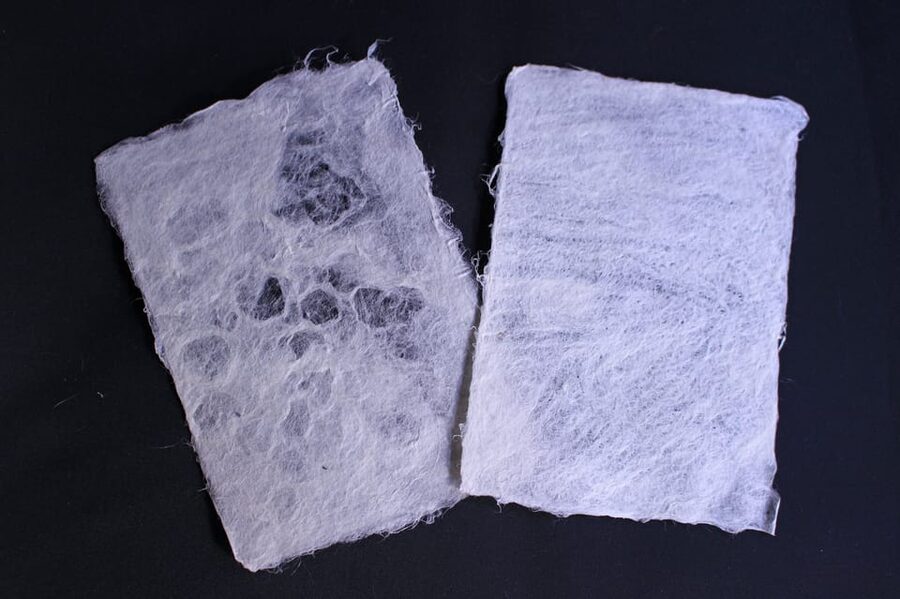
Washi begins not as a blank sheet but as plant fiber you prepare by hand. In this private workshop, you work through traditional steps, from peeling bark to forming paper, then leave with four pieces of your own making. I especially like the hands-on fiber preparation and the chance to make several distinct paper products in one sitting.
The tea made from kozo leaves and the local sweets add a thoughtful pause while your work dries. One practical consideration: finding the workshop can take extra care, especially if metro service is disrupted, and there is a cat on site, so speak up about allergies before booking.
What makes this washi workshop special
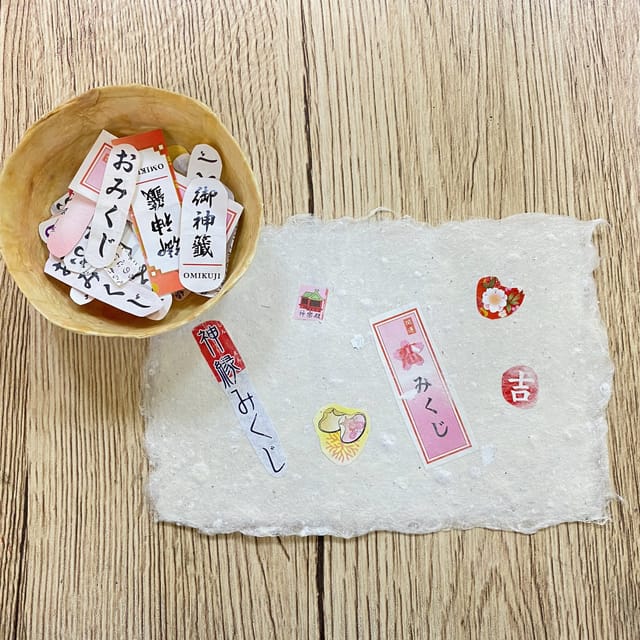
- Four pieces to make: Create two postcard designs, one Rakusui paper, and one A5 sheet.
- Work with the raw material: Try Hyouhitor, peeling the outer bark, and Dakai, beating the tree fibers.
- A private session: The format gives your group time with the instructor, with Japanese and English instruction available.
- A local tea break: Sip tea brewed from kozo leaves, the same plant material used in papermaking, with sweets from a local shop.
- A cat in the studio: Kami-chan is the workshop’s resident feline, so anyone with allergies should tell the host.
From bark to paper in 150 minutes
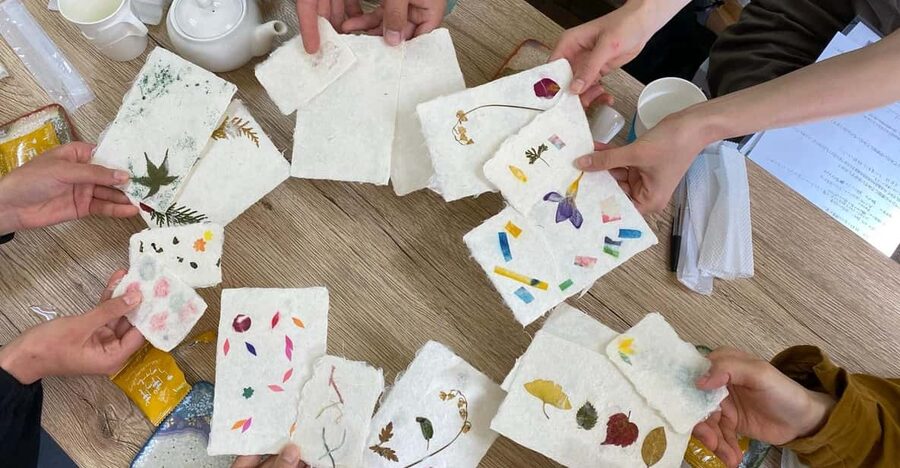
This is a focused craft session, not a quick demonstration. Over two and a half hours, you take part in the paper-making process and produce four items: two postcards, a Rakusui paper, and an A5 sheet. That is a generous amount of making for one workshop, and it means you can try the material in more than one format.
The session starts with an explanation of washi and the steps ahead. That introduction matters because paper can look simple once it is finished. Seeing how much preparation goes into the fibers helps you understand why traditional Japanese paper is valued for its craft and character.
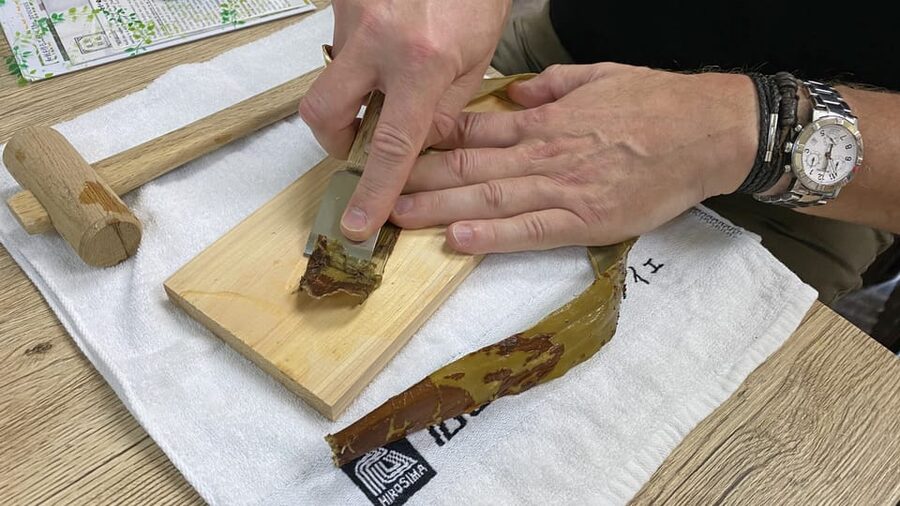
You then begin with Hyouhitor, peeling the outer bark. This is one of the most direct ways to connect the finished sheet to its source. Instead of simply handling a prepared pulp, you take part in work that starts with the plant itself.
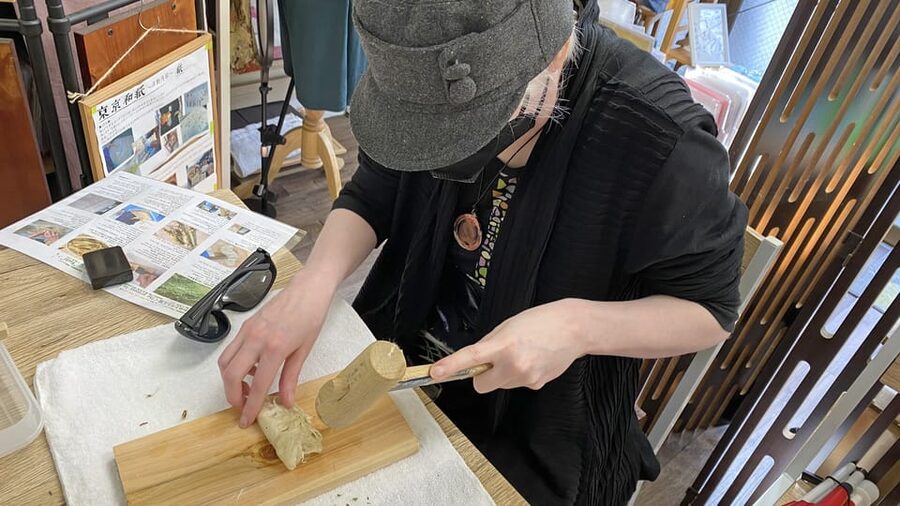
Next comes Dakai, beating the tree fibers. The fibers need to be prepared before they can form a smooth sheet, and this step gives you a feel for the material’s transformation. It is hands-on work, but the instructor explains and demonstrates the process, so you do not need to arrive with papermaking experience.
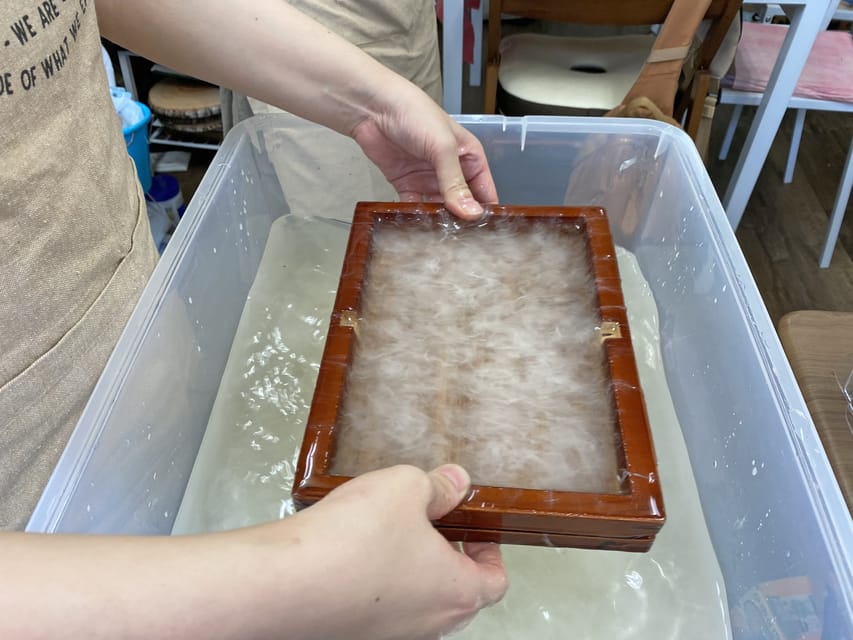
Once the raw material is ready, you pour it into a paper-making mold and deckle. You sift the solution to spread the fibers into an even, flat sheet. The process asks for care and attention: small changes in how the material is distributed affect the look of the finished paper.
The workshop includes four separate pieces, so there is plenty to do. You make two postcard designs, a Rakusui paper, and an A5 paper. The exact appearance of your finished work will depend on your choices and the way the fibers settle, which is part of the appeal of making something by hand rather than buying a uniform souvenir.
More hands-on workshops in Tokyo:
- Sushi Making Tokyo Roll and Authentic Japanese Sushi Class
★ 5.0 · 3,971 reviews - Tokyo: Roll and Authentic Sushi Making Class in Asakusa
★ 4.9 · 1,957 reviews - Tokyo Shinjuku Chopsticks Making Class
★ 5.0 · 1,763 reviews
The fiber work is the heart of the class
Many craft activities let you decorate an object that is already made. Here, you take part in several steps that shape the paper before it becomes a sheet. Peeling bark and beating fibers give you a practical sense of the labor behind washi, and the mold-and-deckle stage shows how loose material becomes paper.
The title refers to paper lasting 1,000 years, but that should not be read as a guarantee that every sheet you make will survive for a millennium. The useful takeaway is that washi is associated with long-lasting traditional paper, while this workshop gives you a chance to handle the making process yourself.
There is also a pleasing balance between instruction and doing. The general explanation gives you context, then demonstration helps you follow each step. One participant who spoke Japanese and English found the demonstrations useful as well, which suggests that seeing the technique is an important part of the teaching, not just a backup for language.
The instructor teaches in Japanese and English. If you are not fluent in either, the available information does not promise instruction in another language, so ask the provider before booking if that matters to you. The process is visual and practical, but it is best to know what language support is available.
Four finished pieces, not just a demonstration
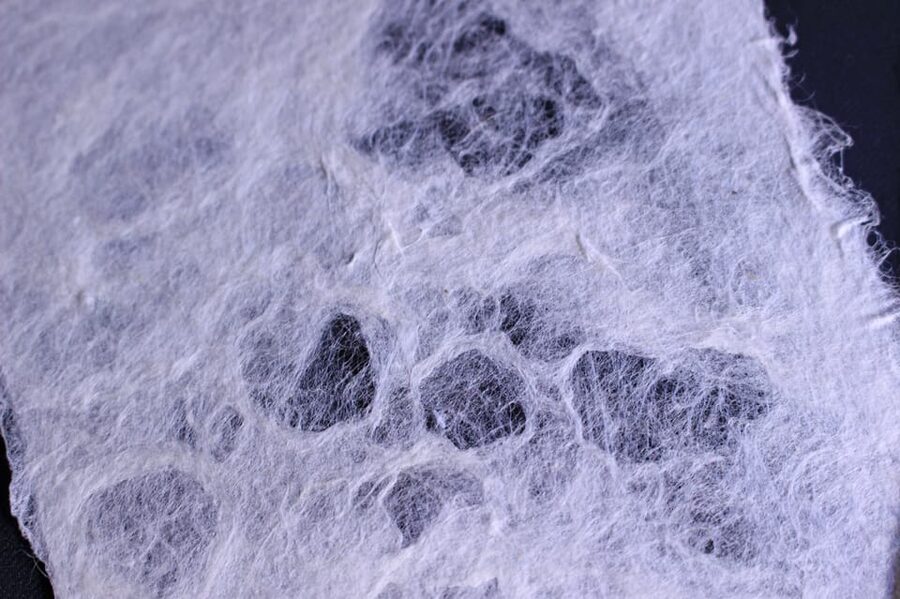
The two postcards, Rakusui paper, and A5 sheet give the workshop a satisfying finish. You are not only watching an artisan work or making one small token. You leave with several results from the same session, each made through the process you have just learned.
The postcard designs offer a compact format for experimenting with the look of the paper. The Rakusui and A5 pieces give you different sizes and forms to work with. The provided details do not specify how much design freedom you have, so treat the four items as the set you will make rather than assuming you can substitute other products.
That variety also makes the workshop a good fit if you enjoy practical souvenirs. Your pieces are personal, tied to a specific craft and a particular afternoon in Ueno. They will not be factory-perfect, and that is a feature, not a flaw: the handmade character is part of what you take home.
Work clothes have been provided during the session, which is useful for a process involving wet fibers and paper. Still, it makes sense to wear something you do not mind getting a little messy. The workshop includes required materials, so you do not need to bring papermaking supplies.
A quiet tea pause while the sheets dry
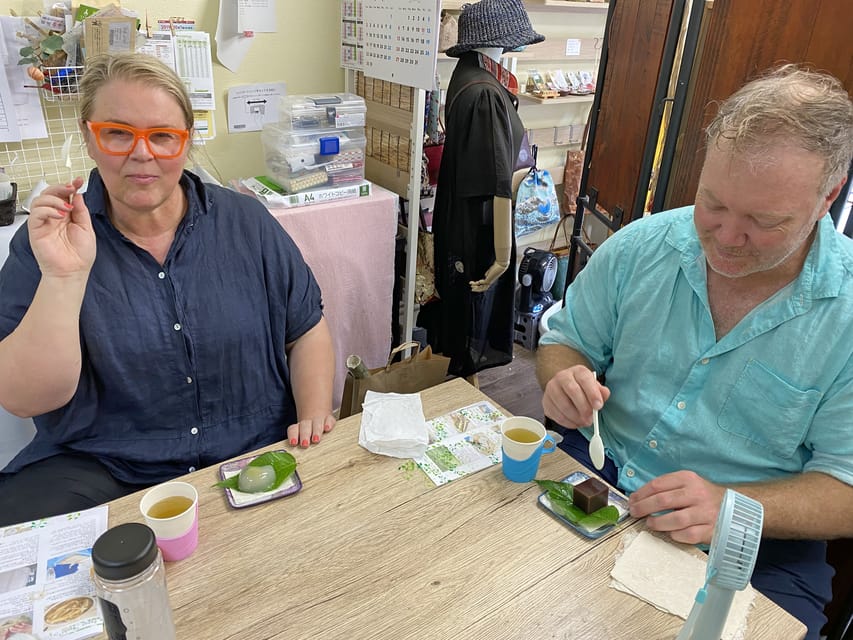
While your paper dries, the workshop offers tea made from kozo leaves. Kozo is the raw material used for making the paper, so the drink connects neatly with the craft rather than feeling like an unrelated refreshment. Local Japanese sweets are served alongside it, sourced from a neighborhood shop.
This pause is a small but memorable detail. The making process takes concentration, and drying creates a natural break. You can sit with the results of your work and enjoy a taste tied to the same plant at the center of the lesson.
Coffee or tea is included, as are the required workshop materials and the instructor. The description specifically notes the kozo-leaf tea and local sweets, but it does not give a menu or promise a choice of sweets. If you have dietary needs, ask the provider in advance rather than assuming the snack will suit you.
More tours and experiences in Tokyo:
- Mt Fuji and Hakone 1-Day Bus Tour Return by Bullet Train
★ 5.0 · 26,383 reviews - 1-Day Tokyo Bus Tour
★ 5.0 · 14,250 reviews - Tokyo: teamLab Planets TOKYO Digital Art Museum Entry Ticket
★ 4.6 · 9,779 reviews - Mt Fuji & Hakone Cruise, Drum Show Bullet Train 1 Day from Tokyo
★ 4.0 · 7,413 reviews
Private format, friendly instruction, and Kami-chan
The workshop is a private-group activity, which means it is not set up as a large public class. That can make it easier to ask questions and follow the demonstration at your own pace. A solo participant has also taken part, but confirm the available booking arrangement for your dates if you plan to go alone.
The instructor is described as attentive and accommodating, and the compact studio is organized around the work. You can expect a close-up lesson rather than a formal lecture in a large room. The host’s name is not provided, so there is no named teacher to request.
There is a cat in the workshop. Kami-chan, the studio’s mascot, has been part of the cozy atmosphere for participants, but the cat detail matters most if you have an allergy or are uncomfortable around cats. Tell the provider about allergies before the visit.
What $130 buys you
At $130 per person, this is not a low-cost craft stop. The value comes from the private format, 150 minutes of instruction, materials, and the chance to make four paper products while learning several stages of the process. The tea and local sweets are welcome extras, though they are not the main reason to book.
I would consider the price worthwhile if you value making things, want a close introduction to washi, or are looking for a meaningful activity beyond sightseeing. The session gives you time to understand the material and take part in the work, rather than simply watching a short demonstration.
If you mainly want an inexpensive souvenir, the cost may feel steep. You are paying for the guided process as much as for the finished pieces. The best comparison is not the retail price of four sheets of paper, but the value you place on learning how they are made and spending a private session with an instructor.
Finding the workshop and planning your visit
The workshop is in Ueno, on Honshu, but the exact address and nearest station details are not included here. One participant had trouble reaching the area because of a problem on the metro line serving the nearest station. Check your route on the day and allow some extra time, especially if you have a tight schedule.
The experience lasts 150 minutes, and starting times depend on availability. Since the location can take some planning to find, save the meeting details before setting out and check for service changes. Do not assume the route will be straightforward just because you are staying in central Tokyo.
The price is $130 per person. You can reserve now and pay later, and cancellation up to 24 hours in advance allows a full refund. These flexible terms are useful if your plans are still moving, but they do not remove the need to confirm the workshop address and start time.
Who will enjoy this workshop most
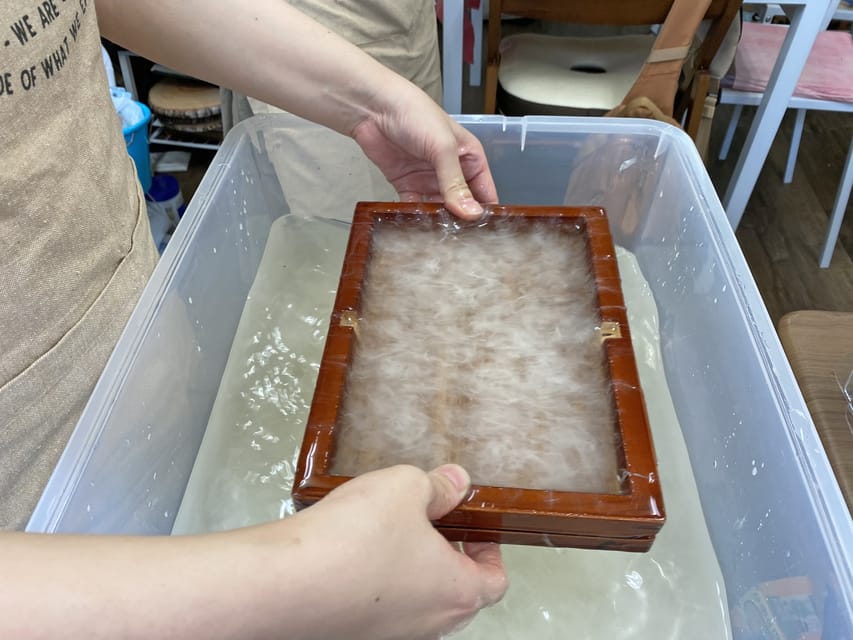
This is a strong choice for anyone curious about Japanese craft and willing to spend a couple of hours making something with their hands. It suits solo visitors, couples, and private groups who prefer an activity with a clear result to show for the time. It may also appeal to paper and stationery fans who want to understand the material beyond its finished form.
It is less suited to someone who wants a quick stop, a low-cost activity, or a guaranteed polished product. Papermaking involves working through several stages, and handmade sheets naturally have individual character. If you are hoping for a perfectly identical set of souvenirs, this is not the point of the class.
Families may want to check directly with the provider about age suitability, since no age guidance is provided. The same applies if you need specific accessibility details or have dietary restrictions. The available information covers the languages, duration, materials, refreshments, private format, and cat, but not every practical need.
Should you book it?
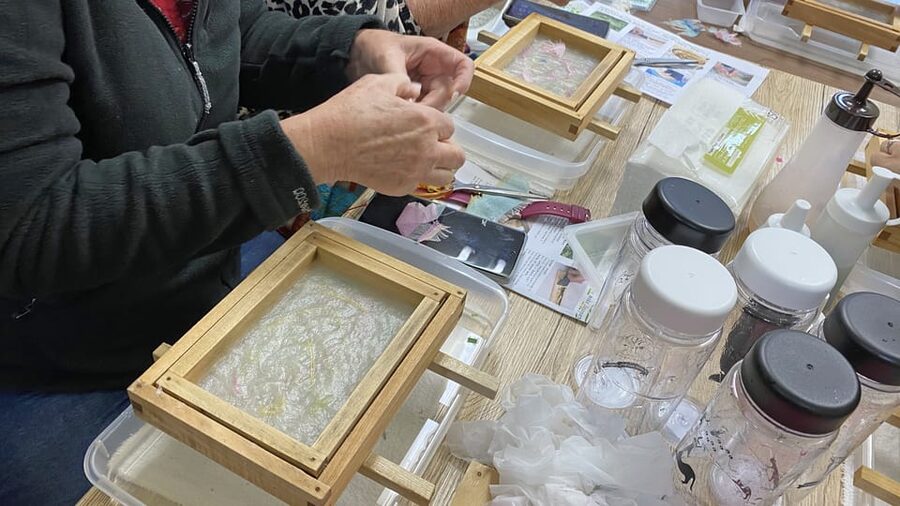
Book this if you want to understand washi by making it, not just by looking at it. The strongest reasons are the hands-on bark and fiber work, four finished paper products, and the personal scale of a private lesson. The kozo tea and local sweets make the drying break feel connected to the craft.
Think twice if the cat could trigger an allergy, if you need a very easy-to-find venue, or if $130 is more than you want to spend on a craft activity. For a curious maker with time for a proper workshop, Washi labo TOKYO offers a tangible and thoughtful way to spend part of a day in Ueno.
FAQ
How long is the workshop?
The workshop lasts 150 minutes.
What will I make?
You will make two postcard designs, one Rakusui paper, and one A5 paper.
Which parts of papermaking will I try?
The process includes Hyouhitor, peeling the outer bark, Dakai, beating the tree fibers, and forming a sheet with a paper-making mold and deckle.
What languages are available?
Instruction is available in Japanese and English.
Are materials and refreshments included?
Required workshop materials and coffee or tea are included. The workshop also offers tea made from kozo leaves and local Japanese sweets while your paper dries.
Is there a cat at the workshop?
Yes. A cat named Kami-chan is in the workshop. Tell the provider if you have allergies.
Freshly reviewed in Tokyo
- Tokyo: Toshimaya Sake Brewery Tour with Sake Tasting★ 5.0 · 6 reviews
- :Tokyo,Shibuya /Meiji Shrine tour in KIMONO/English-friendly★ 5.0 · 4 reviews
- Tokyo: Tour Privado por Tokio en español★ 4.3 · 4 reviews
- Tokyo:Tea ceremony experience at Komaba Warakuan★ 4.8 · 9 reviews
- :Tokyo,Shibuya/ Pro Photography in Kimono / English-Friendly★ 5.0 · 26 reviews
- Tokyo:Samurai Training : Swords, Bushido & Mental Discipline★ 5.0 · 6 reviews
- Tokyo:Mt Fuji & Hakone Day Tour with English Speaking Driver★ 5.0 · 26 reviews
- Tokyo:Nikko UNESCO World Heritage Sites Private 1-Day Tour★ 3.8 · 6 reviews
Tokyo Tours, compared.
Mt Fuji and Hakone 1-Day Bus Tour Return by Bullet Train
Read our review →

teamLab Planets TOKYO Digital Art Museum Entry Ticket
Read our review →
Mt Fuji & Hakone Cruise, Drum Show Bullet Train 1 Day from Tokyo
Read our review →
Shinjuku Food Tour (13 Dishes at 4 Local Eateries)
Read our review →
Tokyo Mt Fuji 5th St & Hakone Cruise Bus Tour w/Bullet Train
Read our review →
Flagship 2-Hours Official Street Go-Kart Tour – Tokyo Bay Shop
Read our review →