
Reviewed · TOKYO TEA CEREMONIES
【NEW】Shibuya Tea Ceremony Tokyo-Chaan
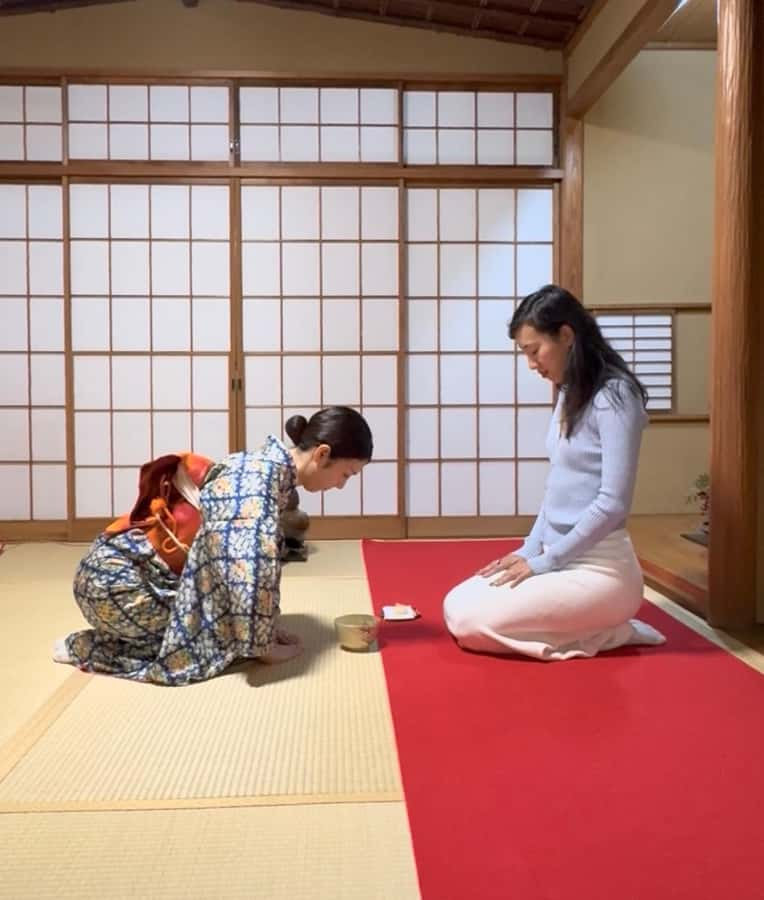
Shibuya moves at city speed, but this tea ceremony asks you to slow down and pay attention to a bowl of matcha. At Tokyo-Chaan, an English-speaking instructor demonstrates the ritual, then helps you make your own tea in a traditional tatami room.
I like that the experience balances explanation with doing: you hear about the ceremony’s history and etiquette, then handle the utensils yourself. I also like that the $18 price includes matcha and a seasonal sweet, with instructors who wear kimono and have more than ten years of experience.
One thing to consider: this is an introduction, not a long or highly specialized tea study. The listed details do not give a duration or group size, so check those before booking if either will affect your plans.
What makes this Shibuya tea ceremony worth considering
- You make the matcha yourself: After watching the demonstration, you use traditional utensils to prepare your own bowl.
- The instructors teach in English: The class is designed for visitors from around the world, with clear explanations of the ceremony and its basic manners.
- Sakura sensei and Kini have hosted the class: Their teaching has included tea history as well as the practical steps of making matcha.
- The setting is a tatami room: The traditional room helps distinguish this from a quick café stop.
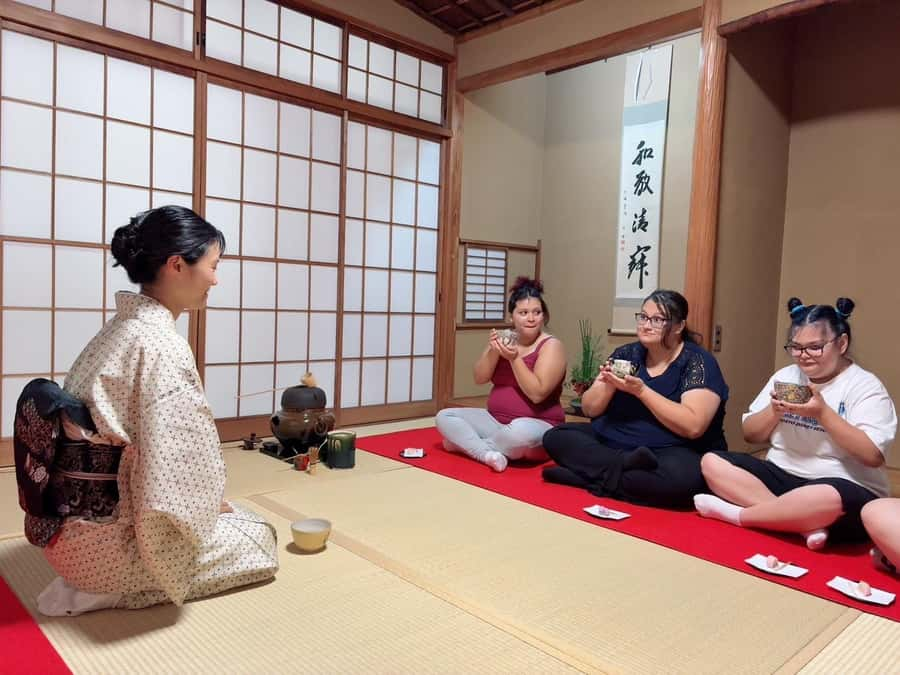
- A seasonal sweet comes with the tea: You taste the matcha alongside a Japanese confection selected for the season.
- It is priced at $18 per person: Entrance, matcha, and confections are included.
A tea lesson in the middle of Shibuya
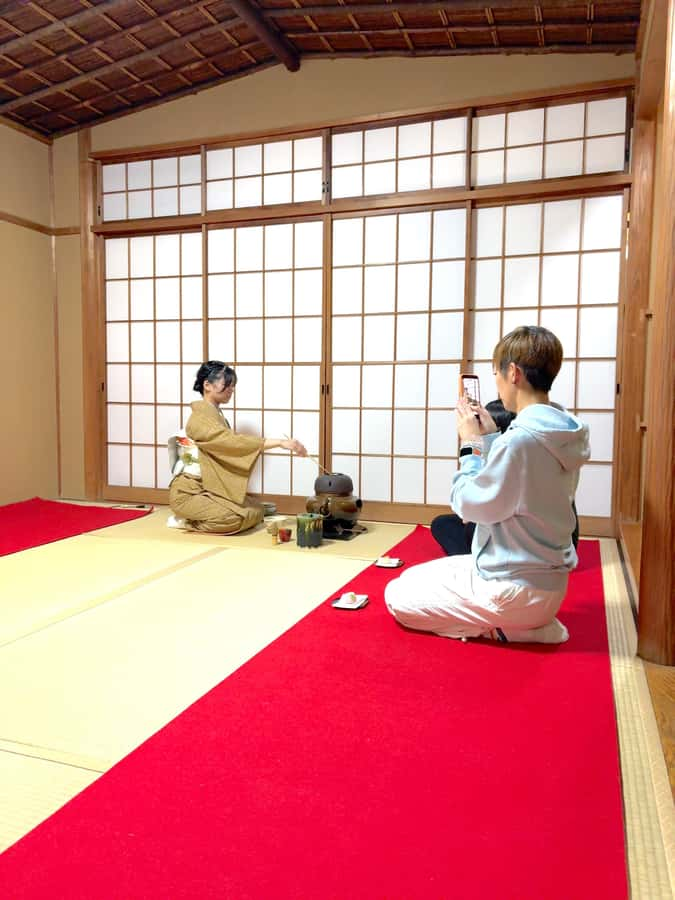
Tokyo-Chaan offers a compact introduction to tea ceremony in Shibuya, one of Tokyo’s best-known city districts. The meeting point is on the second floor of the Manji Building, at 1-15-9 Dogenzaka, Shibuya-ku. The activity ends back at the same place.
The contrast is part of the appeal. You arrive in a major urban district, then step into a traditional Japanese room for an experience centered on quiet attention, careful movements, and tea. The room is described as peaceful, and the tatami setting gives the ceremony a different feel from simply ordering matcha at a counter.
This is a useful choice if you want a cultural activity that does not require a full-day commitment or prior knowledge. You do not need to know the rules in advance. The instructor introduces the history and basic etiquette, then demonstrates how the utensils are used.
The activity is offered in English, an important practical point. Tea ceremony has its own manners and sequence, and a clear explanation makes it easier to understand what you are seeing rather than just watch a series of movements. The instructors wear traditional kimono and each has more than ten years of tea ceremony experience.
More Shibuya tours in Tokyo:
- Official Street Go-Kart in Shibuya
★ 5.0 · 3,435 reviews - Tokyo: Street Kart Experience in Shibuya
★ 4.9 · 1,484 reviews - Shibuya Meltdown Nightlife Tour: All-You-Can-Drink Bar Hopping
★ 5.0 · 1,058 reviews
Welcome, history, and the room’s quiet rhythm
The experience begins with a welcome in the traditional room. Your instructor introduces the meaning and history of tea ceremony before moving on to the demonstration. That context gives the practical lesson a purpose: you are not only learning how to whisk tea, but also getting an introduction to why the serving ritual is carried out with care.
Sakura sensei and Kini have led the class, with Sakura particularly noted for guiding the experience and explaining the history. The teaching is described as friendly and clear, which matters if this is your first encounter with tea ceremony. You can focus on the sequence without worrying that unfamiliar terms or etiquette will leave you behind.
The introduction also gives you a chance to settle into the room. A tatami setting is not just a visual backdrop; it supports the calm pace that the activity aims for. Still, the format is an accessible introduction rather than an in-depth course. If you want detailed study of tea schools, ceremony variations, or advanced technique, that level of instruction is not specified here.
Watching the Otemae demonstration
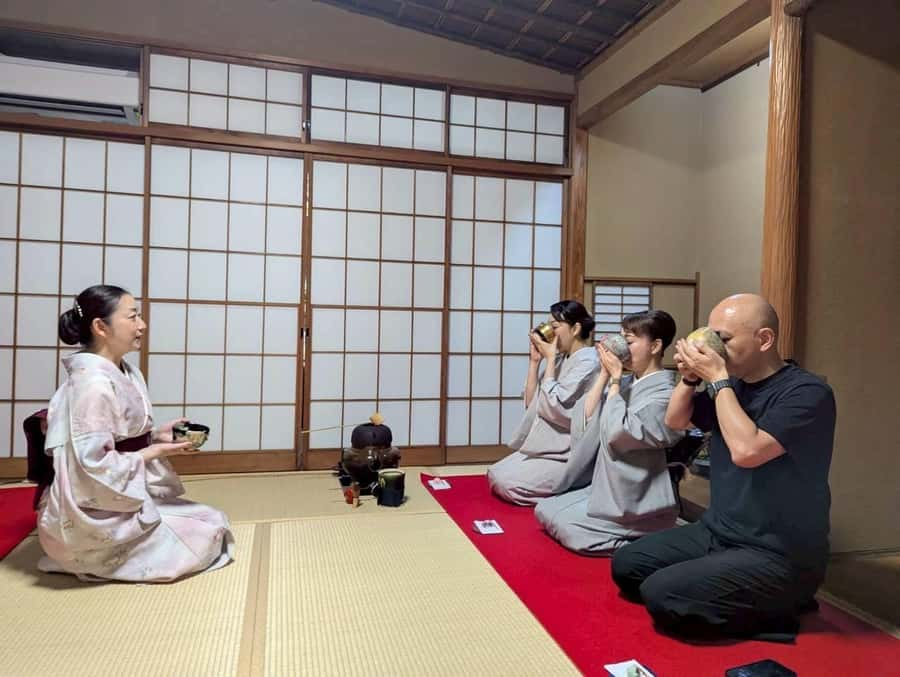
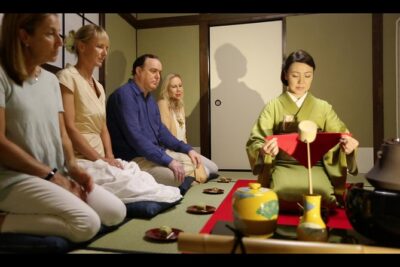
Next, the instructor performs the tea ceremony demonstration, called Otemae in the experience description. You watch how the tea tools are used and hear explanations of basic manners and serving etiquette. This is the moment to notice the order of the steps, the handling of each utensil, and the deliberate pace.
The demonstration is valuable because it comes before your own turn. You see the process once, with the instructor’s explanation, then get to try it with the same kind of traditional tools. That combination makes the activity more than a show: the demonstration gives you a model to follow, and the hands-on part lets you see how the movements feel in practice.
The experience does not list every utensil or provide a detailed schedule, so do not expect a technical inventory in advance. The emphasis is on learning the basics in a guided setting. If you are keen to ask questions, the English-language instruction offers an opportunity to do so, though the exact time available for discussion is not stated.
Making your own matcha with traditional tools
After the demonstration, you get your turn. You use traditional utensils to prepare a bowl of matcha from freshly ground powder, with the instructor guiding you through the process. This hands-on step is the core of the experience for many people: watching tea being made is one thing, but taking part gives you a more direct feel for the care behind it.
You do not need to arrive with experience. The instructor shows you how to use the tools and has already explained the basic sequence. The aim is to make matcha yourself, not to test whether you can perform a formal ceremony without help.
That distinction is worth keeping in mind. This is a beginner-friendly activity, and the appeal lies in learning and trying rather than mastering a complex skill in one sitting. If you are hoping to leave with a formal qualification or a long-term practice plan, that is not part of the stated experience.
There is also a practical pleasure in having something to do with your hands. The lesson is not simply a talk about Japanese culture. You watch, listen, prepare tea, and then taste what you have made. That sequence gives the activity a clear shape and makes the cultural introduction easier to remember.
More tea ceremonies in Tokyo:
- Matcha Making Class in Tokyo with Authentic Japanese Sweets Set
★ 5.0 · 744 reviews - Tokyo: Traditional Tea Ceremony with a Tea Master
★ 5.0 · 528 reviews - Tokyo: Matcha Making Experience with Mochi Sweets in Asakusa
★ 4.9 · 388 reviews - Tokyo: Matcha and Kimono Experience
★ 4.7 · 219 reviews
Matcha and a seasonal Japanese sweet
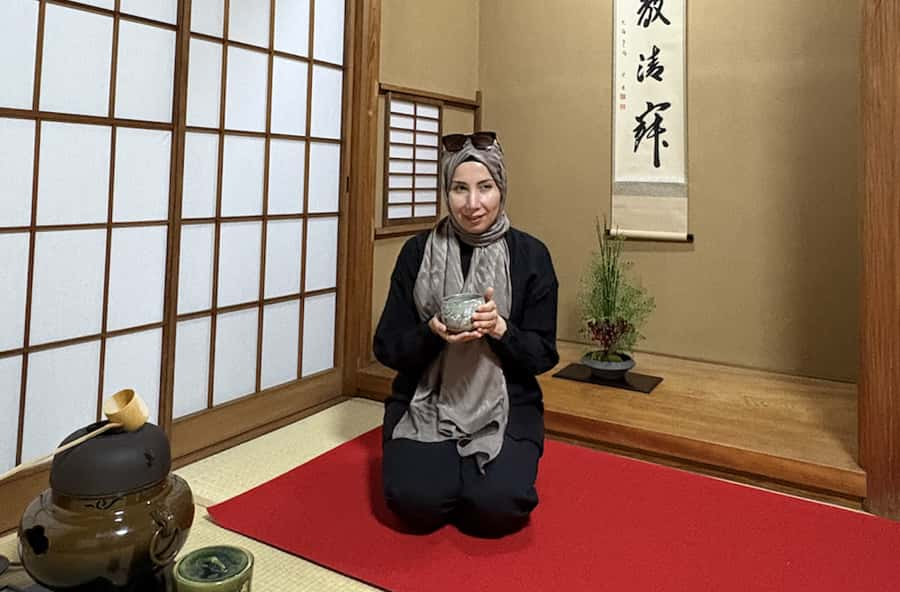
Once your bowl is ready, you drink the matcha with a seasonal Japanese confection. Both are included in the $18 price. The sweet is meant to go with the tea, and the pairing gives you a chance to notice how the flavor of the matcha works alongside a traditional confection.
The seasonal element adds a small touch of variety, though the exact sweet is not specified in advance. If you have a particular confection in mind, do not assume it will be served. What you can count on from the stated details is matcha and a seasonal sweet in the calm setting of the tea room.
The tasting also brings the lesson back to the senses. You have learned about the ceremony, seen the preparation, and made a bowl yourself; now you can drink it. Reviews of the experience have especially praised the tea and sweets, as well as the history and the instructors’ explanations. That mix of taste and context is a stronger reason to book than the novelty of wearing or handling traditional objects alone.
Is $18 good value for the experience?
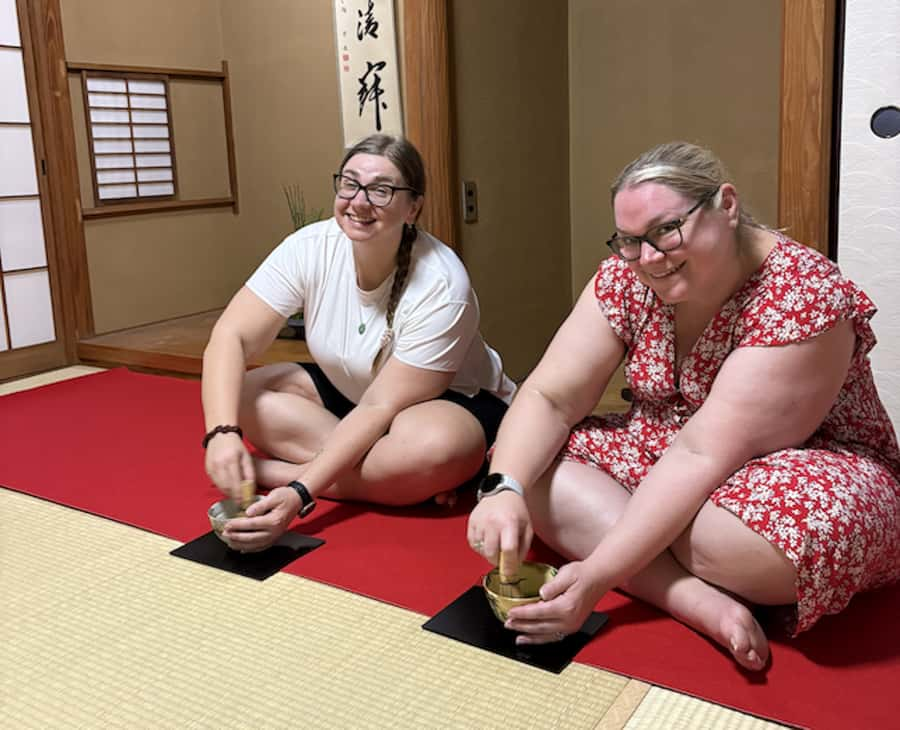
At $18 per person, the price covers entrance, matcha, and confections, with English-language instruction and a guided demonstration. That is a reasonable package if you want more than a drink and a sweet: you are paying for an introduction to the ceremony, an instructor’s explanation, and the chance to prepare the tea yourself.
The value depends on what you want from the activity. If your main goal is a quick taste of matcha, a café may be a simpler choice. If you want to understand the basic steps, learn a little about the tradition, and participate in a tatami room, the class offers a more complete cultural experience for a modest price.
The instructors’ experience also supports the value. Each has more than ten years in tea ceremony, and the class is presented in clear English. You are not left to interpret the demonstration on your own. The teaching is a central part of what you pay for.
There are limits to what can be judged from the available details. No duration or group size is provided, so you cannot compare the class by length or predict how much individual attention you will receive. If those details are important, confirm them before you book.
Practical details before you book
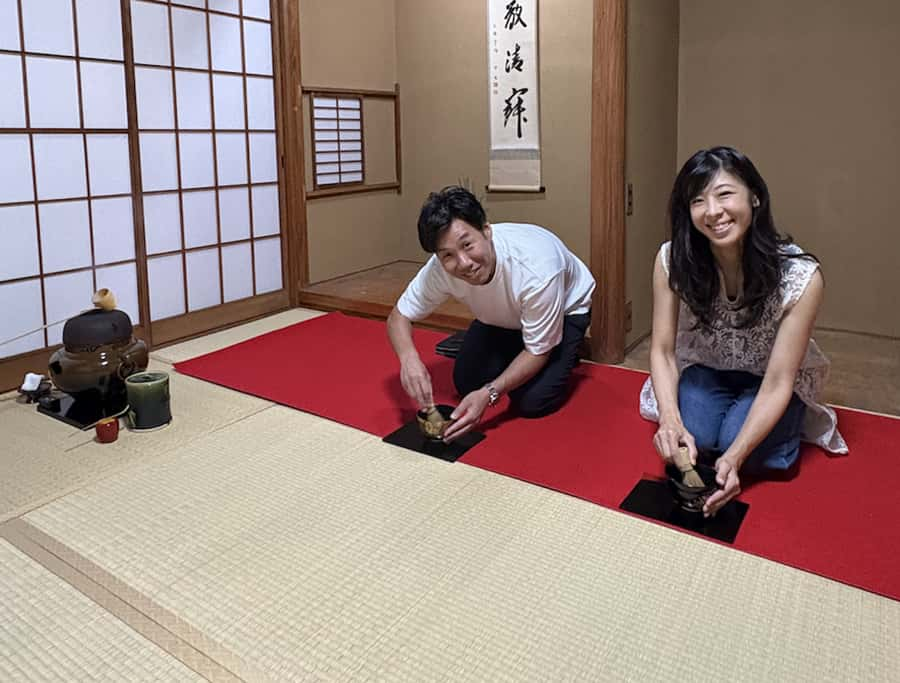
The meeting point is the second floor of the Manji Building, 1-15-9 Dogenzaka, Shibuya-ku, Tokyo 150-0043. The activity returns to that same meeting point. The experience is in English, and the stated included items are entrance, matcha, and confections.
Children under four cannot participate. Children aged four and older need their own ticket, even if an adult has a ticket. If you are travelling with a child under four, contact the provider in advance; entry may be refused if you arrive with a child who is not eligible.
You can reserve now and pay later, with no payment required at the time of booking. Cancellation up to 24 hours in advance qualifies for a full refund. Those terms give you some flexibility if your Tokyo plans are still taking shape.
Who will enjoy this class most?
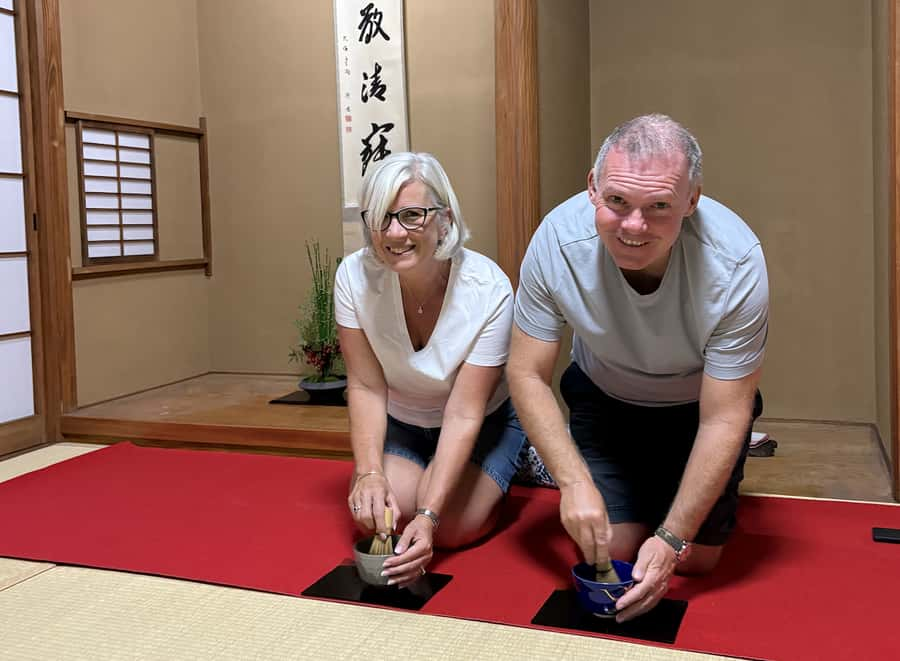
This is a good fit if you want a short, participatory introduction to Japanese culture and prefer learning by doing. First-time visitors can follow the instructor’s explanations in English, watch the ceremony, and then make a bowl of matcha without needing to know the etiquette beforehand.
It also suits people who appreciate small details: the handling of traditional utensils, the rhythm of the demonstration, and the pairing of tea with a seasonal sweet. The instructors’ warmth and clear explanations have been especially praised, so the human side of the lesson is as important as the setting.
Families should pay close attention to the age rule. Children younger than four are not allowed, and everyone aged four or older needs a separate ticket. For anyone seeking a long, advanced course, the introductory format may feel limited. But for a focused hour or so of cultural learning, the class can fit neatly into a day in Shibuya. The exact duration is not listed, so avoid planning around a specific time until you confirm it.
Should you book Tokyo-Chaan?
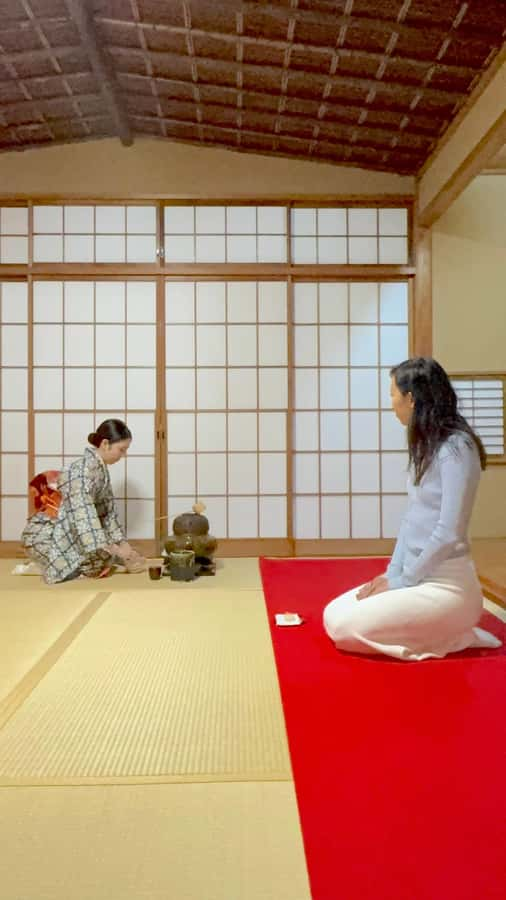
Book this if you want an affordable, hands-on tea ceremony with English explanations, experienced instructors, and a traditional room setting. The strongest reasons are the demonstration followed by your own matcha preparation, the history and etiquette lesson, and the seasonal sweet included in the price.
Skip it if you only want a fast drink, need a guaranteed duration or group size before committing, or are travelling with a child under four. For a first introduction to tea ceremony in Tokyo, though, the mix of clear teaching, active participation, and tasting makes this a practical choice.
FAQ
Where does the tea ceremony take place?
The meeting point is on the second floor of the Manji Building, 1-15-9 Dogenzaka, Shibuya-ku, Tokyo 150-0043, Japan.
Where does the activity end?
It ends back at the meeting point.
What language is the experience offered in?
The experience is offered in English. The instructors are described as speaking English fluently.
What is included in the price?
Entrance, matcha, and confections are included.
Do I get to make matcha myself?
Yes. After watching the demonstration, you use traditional utensils to prepare your own bowl of matcha.
Are children under four allowed?
No. Children under four cannot participate. Contact the provider in advance if you are travelling with a child under four.
Do children aged four and older need their own ticket?
Yes. Every child aged four and older needs a ticket, even if an accompanying adult has one.
Can I book now and pay later?
Yes. You can reserve your place and pay nothing at the time of booking.
What is the cancellation policy?
You can cancel up to 24 hours in advance for a full refund.
Freshly reviewed in Tokyo
- Tokyo: Toshimaya Sake Brewery Tour with Sake Tasting★ 5.0 · 6 reviews
- :Tokyo,Shibuya /Meiji Shrine tour in KIMONO/English-friendly★ 5.0 · 4 reviews
- Tokyo: Tour Privado por Tokio en español★ 4.3 · 4 reviews
- Tokyo:Tea ceremony experience at Komaba Warakuan★ 4.8 · 9 reviews
- :Tokyo,Shibuya/ Pro Photography in Kimono / English-Friendly★ 5.0 · 26 reviews
- Tokyo:Samurai Training : Swords, Bushido & Mental Discipline★ 5.0 · 6 reviews
- Tokyo:Mt Fuji & Hakone Day Tour with English Speaking Driver★ 5.0 · 26 reviews
- Tokyo:Nikko UNESCO World Heritage Sites Private 1-Day Tour★ 3.8 · 6 reviews
Tokyo Tea Ceremonies, compared.
Matcha Making Class in Tokyo with Authentic Japanese Sweets Set
Read our review →
Matcha Making Experience with Mochi Sweets in Asakusa
Read our review →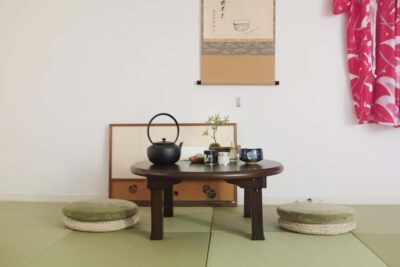
Tea Ceremony Workshop in Tokyo by the Experienced Instrucor
Read our review →
Make Traditional Nerikiri Sweets & Matcha experience in Shibuya
Read our review →Browse the lists this tour appears in