
Reviewed · KAMAKURA TOURS
Kamakura: Half day Walking tour & Japanese sweets
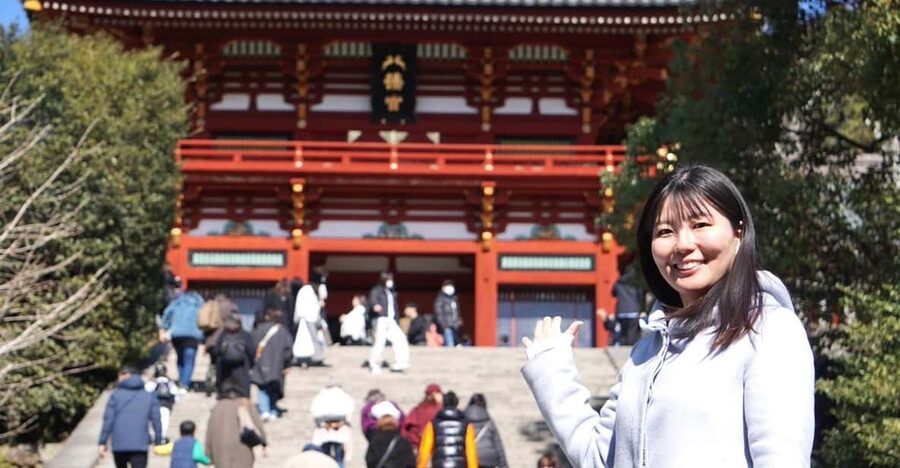
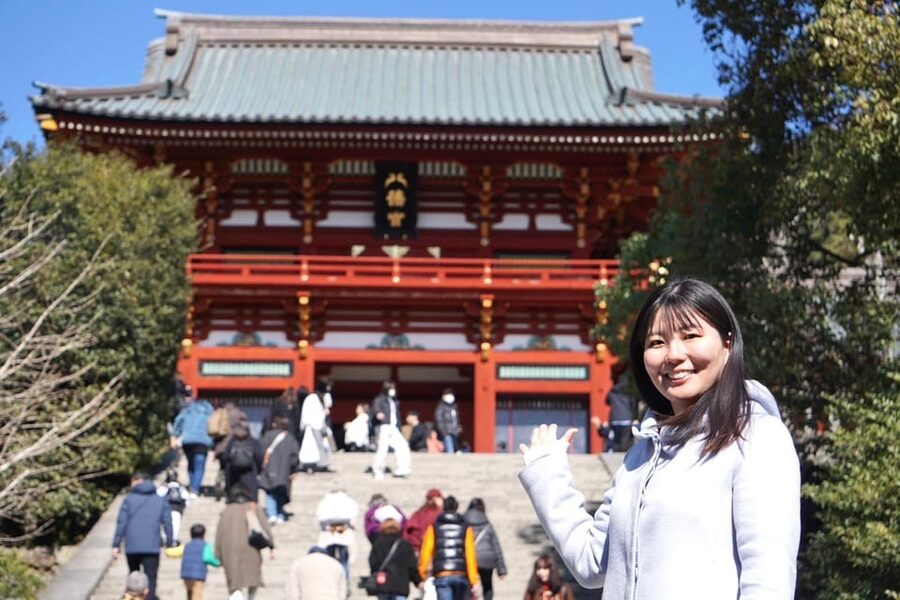
Kamakura’s biggest sights make more sense when someone helps connect the statues, temples and shrine to the samurai past. On this four-hour walk, local guide Kelly leads you from the Great Buddha to Hase-dera and Tsurugaoka Hachiman Shrine, with a matcha-and-sweets break along the way.
I like two things in particular: Kelly adds local context to the main sights, and the small group, limited to six, leaves room for questions and an unhurried pace. The tea stop is a welcome change of gear, with Japanese sweets called nerikiri and matcha included in the price.
One consideration: this is a walking tour with stairs, and it is not suitable for wheelchair users or people with low fitness. You’ll also pay ¥400 for the return train rides between Kamakura and Hase.
- A local guide with deep area ties: Kelly is a nationally licensed guide who was born and raised in the area.
- The Great Buddha and Hase-dera: Visit two major Kamakura sights, with both entrance fees included.
- A view toward the beach: Hase-dera’s observation deck looks out over Kamakura’s town and coast.
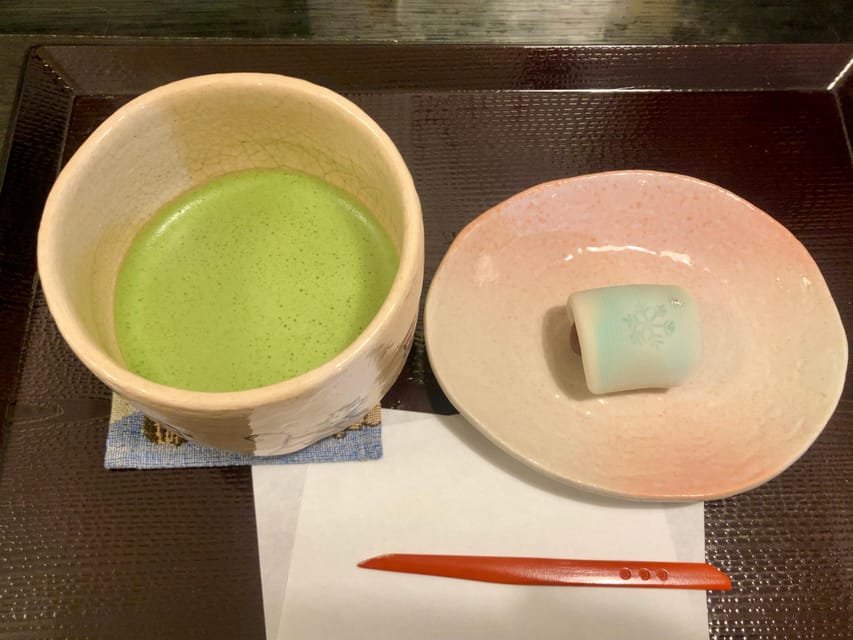
- Matcha and nerikiri included: Take a cafe break and try traditional Japanese green tea and fresh sweets.
- A small group: With no more than six participants, you can ask questions and keep close to the guide.
- Local streets and shops: The route includes narrow back streets and shopping areas used by locals, not just the best-known shopping strip.
Kamakura’s sights, with a local guide to join the dots
Kamakura is easy to reach as a day out, but its famous places are spread across town. This tour gives you a clear four-hour route, moving between central Kamakura and Hase by local train, then returning to the center for the shrine, tea and shopping streets.
Kelly, a local, nationally licensed English-speaking guide, leads the group. That combination matters: you get the main landmarks without having to plan each connection yourself, and you can ask about the history and customs as you go. The group is capped at six, which should suit you if you prefer conversation to following a large flag through town.
The tour begins at 1 pm at Kamakura Station’s East exit. Meet beside the ticket gate, near the tourist information center; Kelly will have a meeting board. It ends on Komachi-dori Street, so you finish near shops and food options rather than returning to the station entrance where you started.
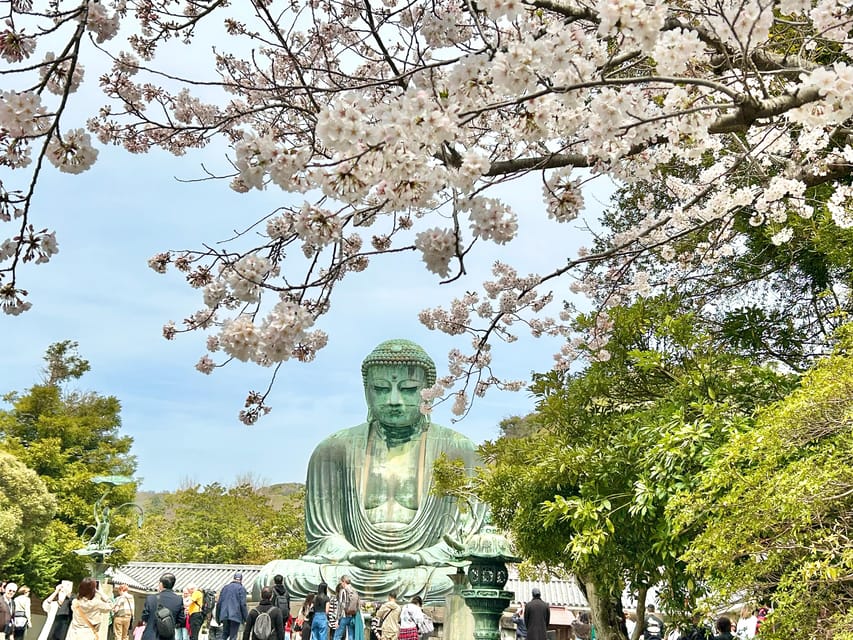
The Great Buddha at Kōtoku-in
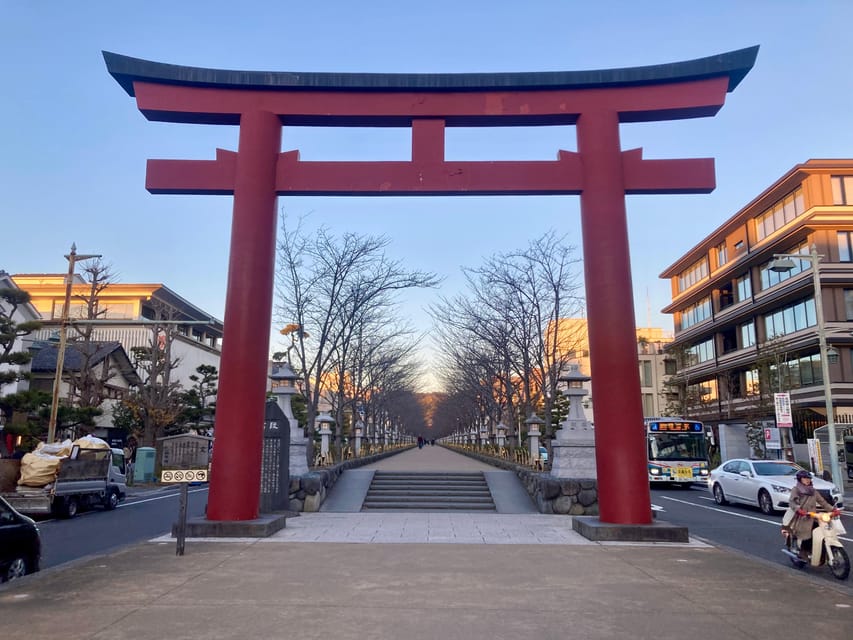
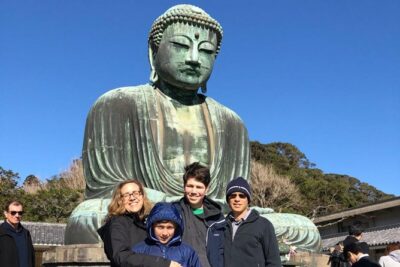
After a roughly 10-minute train ride to Hase, the first major stop is Kōtoku-in, home of Kamakura’s giant Buddha statue. You’ll have about 30 minutes here, including time to see the statue and hear Kelly explain its background, its place in the area’s history, and its connection to Zen philosophy and the samurai period.
The statue is one of Japan’s best-known photo subjects, but this stop is more than a quick picture opportunity. Kelly’s explanations can help put the scale of the figure and its setting into context. The entrance fee is included, so you do not need to handle that separately on the day.
Thirty minutes is a compact visit, not a long stretch for quiet contemplation or an in-depth temple wander. If you want to spend a great deal of time at each site, keep in mind that the tour is designed to cover several places within four hours.
More Kamakura trips in Kamakura:
- Tokyo: Kamakura & Enoshima Day Trip including Temple Tickets
★ 4.5 · 1,375 reviews - Tokyo: Mt. Fuji, Kamakura, Big Buddha, & Lake Ashi Day Trip
★ 4.5 · 867 reviews - From Tokyo: Kamakura & Enoshima 1-Day Bus Tour
★ 4.5 · 189 reviews
Hase-dera’s gardens, cave and coastal view
Next comes Hase-dera, with about an hour to explore. This is the longest temple visit on the route, and the extra time gives you a chance to take in its Japanese gardens, see the mysterious cave within the grounds and reach the observation deck.
From the deck, you can look across Kamakura’s town toward the beach. That coastal view adds a different side to the day: the tour is not only about temples and samurai history, but also about the seaside setting that makes Kamakura feel distinct from central Tokyo.
The temple’s gardens offer seasonal natural beauty, so the scene can change with the time of year. There are staircases in some places, however, and the tour specifically recommends comfortable shoes. If you find stairs difficult or have limited stamina, this part of the route may be demanding. The entrance fee is included.
Tsurugaoka Hachiman Shrine and the samurai story
A second 10-minute train ride takes you back toward central Kamakura for Tsurugaoka Hachiman Shrine. The visit is planned for about 45 minutes. The shrine is described as the center of Kamakura, and its grounds preserve traces of the samurai period, with a history stretching back about 800 years.
This is where the tour brings the historical thread back into view. At the Great Buddha, you hear about the statue and Zen; here, Kelly explains the shrine’s background and its links to samurai culture. Having a guide helps you look beyond the familiar shrine setting and understand why this place matters in the story of Kamakura.
There is no entrance fee for this stop. The visit is still a walking visit, though, so the four-hour schedule involves more than time spent standing at the headline sights. You’ll also walk between places and through shopping streets.
Matcha, nerikiri and a pause in the afternoon
After the shrine, the group heads to a cafe on Komachi-dori for a 45-minute tea break. The included treat is matcha green tea with nerikiri, a traditional Japanese sweet. The food cost is covered in the tour price, so this is not an extra you need to budget for.
I like this pause because it gives the day a quieter, more personal moment between temple visits and shopping. You can ask Kelly questions in a relaxed setting and get a taste of Japanese sweets rather than simply seeing them behind a shop counter. Kelly’s local knowledge also helps make the cafe stop feel connected to the town, not like a generic break.
One tour account described trying to make matcha at the sweets stop. That suggests the experience can offer a hands-on element, but it is not listed as a guaranteed part of every tour, so book expecting tea and sweets rather than a tea-making lesson.
The 45-minute slot is generous enough to enjoy the stop without turning the afternoon into a long cafe visit. If you have dietary needs, note that the tour is described as vegetarian friendly. No further dietary details are provided, so check directly if you need more specific information.
More walking tours in Kamakura:
- Kamakura Historical Walking Tour with the Great Buddha
★ 5.0 · 129 reviews - Kamakura Walking Tour – The City of Shogun
★ 5.0 · 100 reviews - Kamakura 8 hr Private Walking Tour with Licensed Guide from Tokyo
★ 5.0 · 80 reviews - Kamakura; First Samurai Capital walking tour
★ 5.0 · 8 reviews
Back streets and shopping beyond the main strip
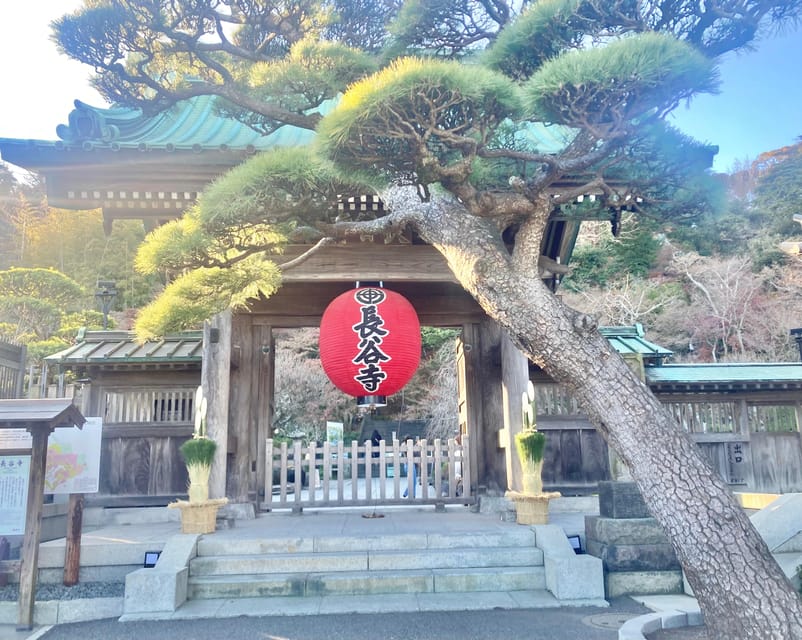
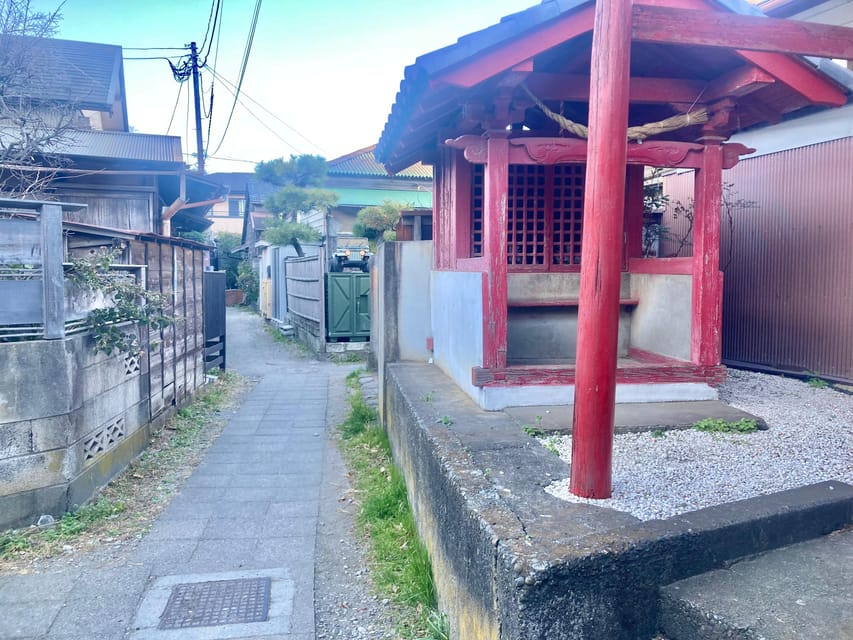
The walk also takes in narrow back streets that are less familiar to visitors. Kamakura’s small lanes have their own character, and Kelly can point out the quieter routes that help you avoid some of the narrow, busy streets. These passages are part of the town’s everyday texture, not just a shortcut between major monuments.
The route includes local shopping areas as well as Komachi-dori, the better-known shopping street. That distinction is useful if you want to see more than the standard souvenir stretch. You’ll have time to browse at the end, and the tour finishes on Komachi-dori, so you can continue looking around after the guided portion is over.
Kelly has also helped participants navigate shops and local train connections. That kind of practical help can be especially useful if you are new to Japan or want to head back toward Tokyo without working out every step alone. The tour does not include onward transport after the finish, so treat any extra help as guidance rather than a transfer service.
What the $64 price covers
At $64 per person, the price includes Kelly’s guiding, entrance fees to Kōtoku-in and Hase-dera, and the cafe cost for Japanese sweets and matcha. You also get a planned route linking Kamakura’s headline sights with less obvious streets, plus the context that makes each stop easier to appreciate.
The main added cost is the train fare between Kamakura and Hase: ¥200 each way, or ¥400 total. That fare is not included. Tsurugaoka Hachiman Shrine has no entrance fee, so there is no ticket cost for that stop.
The value is strongest if you want a guided introduction to Kamakura rather than a self-directed day focused on only one or two sites. The guide, admissions and tea break are bundled together, and the small group gives you a better chance to ask questions than a large tour would. If you already know the town well and prefer to set your own pace, you may get more from exploring independently.
Pace, group size and practical fit
Four hours is enough to cover the Great Buddha, Hase-dera, Tsurugaoka Hachiman Shrine, a cafe stop and some local streets, but it is still a brisk half-day with several changes of scene. You’ll take two short local train rides and spend much of the remaining time walking, so wear comfortable shoes and leave high heels at home.
The tour is not suitable for wheelchair users or people with a low level of fitness. Pets are not allowed, though assistance dogs are permitted. The tour is in English and limited to six participants.
Kamakura can feel hot and humid in warm weather. One participant described completing the route in those conditions, so consider the season and your comfort with walking before booking. Rain is not necessarily a reason to cancel your plans, but you should be ready for the weather and for time outdoors at the temples and on the streets.
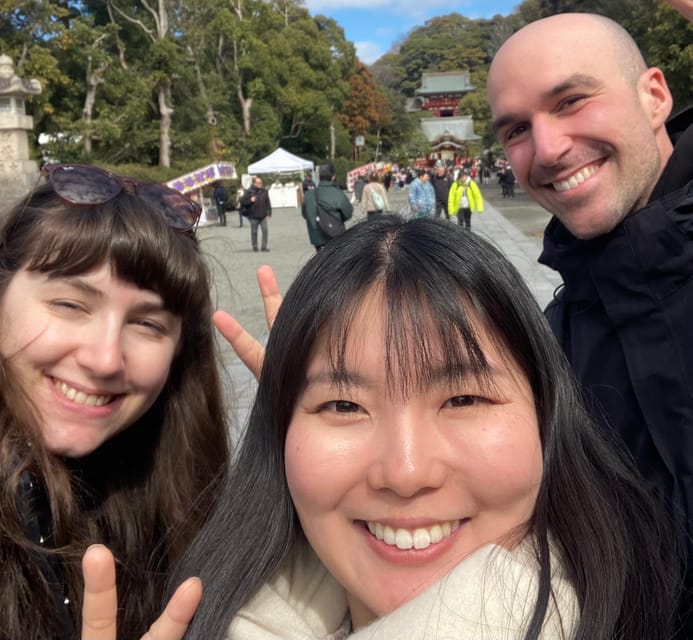
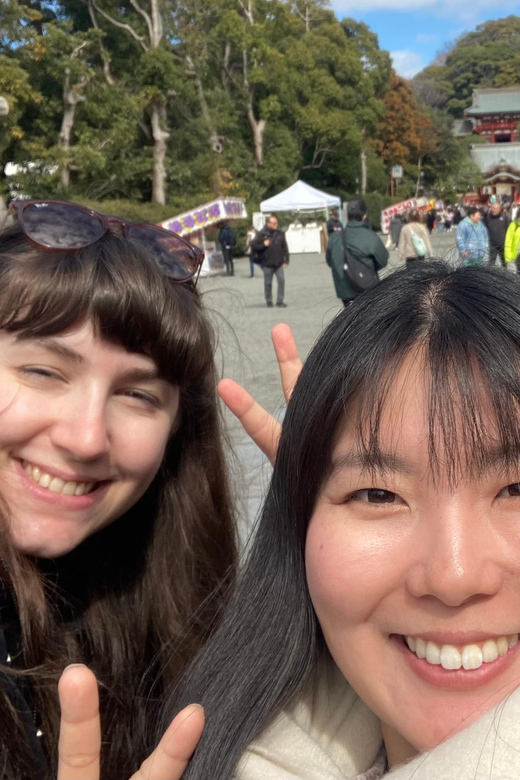
Kelly’s approach is a particular strength. The available accounts describe her as patient and attentive, willing to answer questions and avoid rushing people along. She has also shared personal photos from daily life and special occasions to explain Japanese culture. That sort of firsthand detail can make a history-focused tour feel more human, though what comes up naturally will depend on the group and its questions.
The tour has free cancellation up to 24 hours in advance for a full refund, and you can reserve now and pay later. These terms give you some flexibility if your plans are still taking shape.
Who should book this Kamakura walk?
Book this tour if you want to see Kamakura’s major sights in a half day and prefer a local guide to explain the samurai and Zen connections as you go. It is especially well suited to first-time visitors, small groups, and anyone who values a cafe stop and local streets alongside the big landmarks.
The combination of the Great Buddha, Hase-dera’s gardens and view, the shrine, and matcha with nerikiri gives you a varied introduction to town. Kelly’s local perspective and the small group are the parts most likely to make the route feel personal rather than like a checklist.
Choose a different plan if stairs are a problem, you have limited walking fitness, or you want to spend a long time at each sight. If you are comfortable on your feet and want a guided, well-rounded introduction, this is a practical way to spend an afternoon in Kamakura. Remember to budget the extra ¥400 for the trains.
FAQ
How long is the tour, and when does it start?
The tour lasts four hours and starts at 1 pm.
Where do I meet the guide?
Meet beside the ticket gate at the East exit of Kamakura Station, near the tourist information center. The guide will have a meeting board.
What language is the tour in?
The live tour guide speaks English.
How many people can join?
The small group is limited to six participants.
Are the temple entrance fees included?
Yes. Entrance fees for Kōtoku-in, the Great Buddha, and Hase-dera are included.
Do I need to pay extra for the train?
Yes. The train fare between Kamakura and Hase is not included. It costs ¥200 each way, or ¥400 for the return rides.
Are the matcha and Japanese sweets included?
Yes. The cafe food cost for matcha green tea and nerikiri is included.
Is the tour suitable for wheelchair users?
No. The tour is not suitable for wheelchair users or people with a low level of fitness, and some places have staircases.
More dessert tours in Kamakura
- Matcha Making Class in Tokyo with Authentic Japanese Sweets Set
★ 5.0 · 744 reviews - Tokyo: Matcha Making Experience with Mochi Sweets in Asakusa
★ 4.9 · 388 reviews - Make Traditional Nerikiri Sweets & Matcha experience in Shibuya
★ 5.0 · 130 reviews - Private Mochi Sweets Making class near Shibuya area
★ 5.0 · 93 reviews
Freshly reviewed in Kamakura
- Tokyo Yokohama Night View Tour With Kamakura And Enoshima★ 3.5 · 14 reviews
- Tokyo: Kamakura & Enoshima Day Tour with Pickup & Train Ride★ 4.1 · 61 reviews
- Tokyo: Kamakura Private Tour With Guide★ 5.0 · 5 reviews
- Tokyo: Day Trip to Kamakura in Spanish – Spanish★ 4.9 · 22 reviews
- Kanagawa: Kimono Rental in Kamakura Provided by RikaWafuku★ 4.8 · 8 reviews
- Private 2-Day Tour: Mt Fuji Hakone & Kamakura + Onsen Ryokan★ 5.0 · 3 reviews
- Kamakura: Great Buddha, Hase Temple, & Komachi Street Tour★ 5.0 · 11 reviews
- Mt Fuji Hakone/Enoshima Tour:Optional Ropeway/Lake Ashi Boat★ 4.3 · 49 reviews
Kamakura Tours, compared.
Kamakura & Enoshima Day Trip including Temple Tickets
Read our review →
Mt. Fuji, Kamakura, Big Buddha, & Lake Ashi Day Trip
Read our review →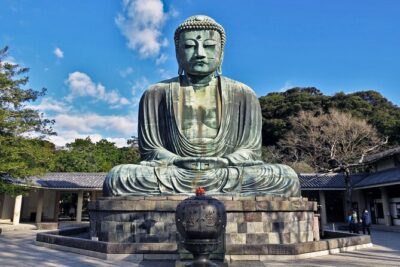
Kamakura Historical Walking Tour with the Great Buddha
Read our review →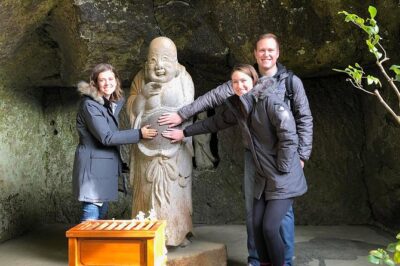
Kamakura Private Tour: Temples, Nature, and the Great Buddha
Read our review →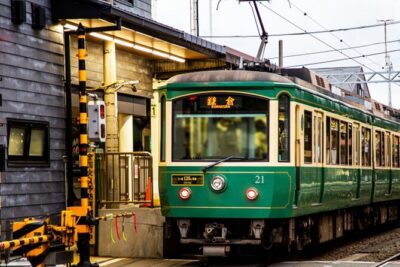
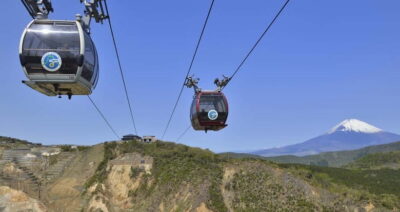
Sea of Mount Fuji, Hakone Ropeway, Ōwakudani, Enoshima
Read our review →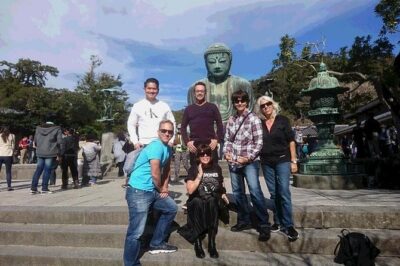
Kamakura 8 hr Private Walking Tour with Licensed Guide from Tokyo
Read our review →Browse the lists this tour appears in