
Reviewed · TOKYO WALKING TOURS
Tokyo Castle & Imperial PalaceーShogun Walking Tour
Edo Castle was Japan’s largest fortress, and its defenses were never breached. On this two-hour walk, you follow the remains of that stronghold through gates, guardhouses, and gardens, while your guide explains how the shogun’s seat of power became the grounds of today’s Imperial Palace.
I like two things in particular: the route makes castle security tangible, with real walls and guard posts rather than history told only in a lecture, and the guide connects that military past to the emperor’s role today. At the end, Ninomaru Garden offers a welcome change of pace, with seasonal plants and koi in its pond.
The main limitation is that the Emperor’s residence is not open to the public. You’ll see the surrounding grounds, not the private residence, and the walk includes steep slopes and stairs. It is conducted in English only.
- A castle you can read in the stonework: See surviving gates, walls, a turret, and guardhouses, then learn how each helped protect the shogun.
- Nine stops in about two hours: The route mixes military history with a scale model, palace shop, castle ruins, and a traditional garden.
- Guides bring visual aids: Guides such as Keiko have used laminated pictures to make former castle layouts and guard towers easier to picture.
- A garden break near the end: Ninomaru Garden’s pond, koi, and seasonal plants provide a quiet counterpoint to the castle’s defensive features.
- Practical details matter: Bring water and sun protection in hot weather, wear comfortable shoes, and leave knives and alcohol behind for the palace security check.
Start at Wadakura Fountain Park
The tour meets at Starbucks Coffee in Kokyo Gaien Wadakura Fountain Park, at 3-1 Kōkyogaien in Chiyoda City. The meeting point is near public transportation, which makes it a practical place to begin a day exploring central Tokyo.
The tour is priced at $23.88 per person and lasts about two hours. Admission to the listed stops is free, so the fee pays for a guided walk rather than entry to a ticketed attraction. That is a fair deal if you want the history explained as you go. The palace grounds are lovely on their own, but the walls and guard posts make more sense when someone points out what they were designed to do.
There is a small-group promise of up to 10 people, though the additional booking information also gives a maximum of 60. Those details do not match neatly. If a small group is important to you, check the group size for your chosen departure before booking.
Read the defenses at Sakurada Tatsumi Yagura and Otemon Gate
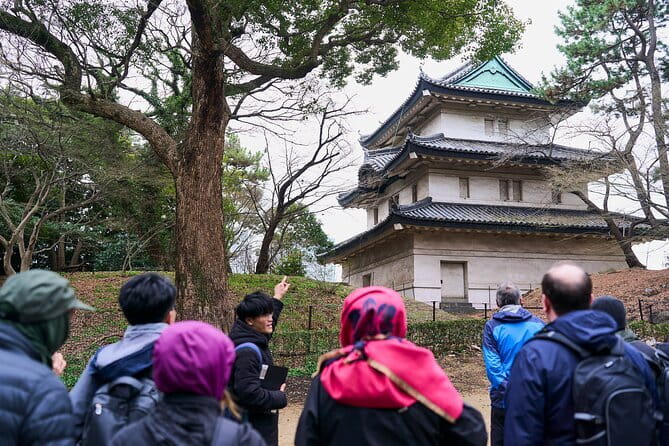
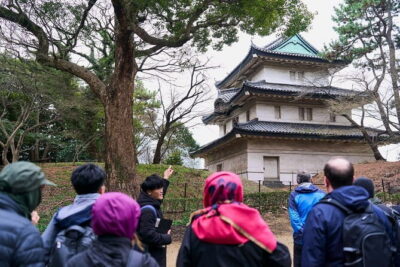
The first stop is Sakurada Tatsumi Yagura, a surviving turret from the Edo period. You’ll hear about the security systems that still protect the Imperial Palace today, a useful link between the castle’s past and the working palace grounds around you.
The turret is a good opening lesson: this was not simply an impressive building, but part of a network meant to watch and control access. Allow about 20 minutes here. The tour is strongest when it connects a visible feature to its purpose, rather than asking you to imagine an entire fortress from scattered remains.
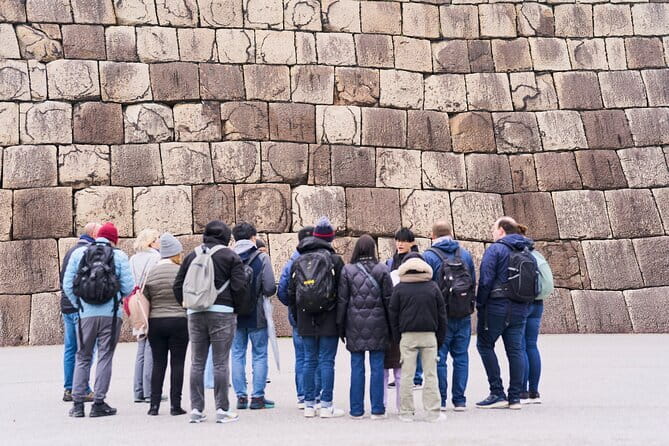
Next comes Kokyo Otemon Gate, where you’ll see two massive gates and original castle walls. The guide explains how their design helped defend the shogun. This is a short stop, about 10 minutes, but it gives you a clear sense of how entry to the stronghold could be managed and restricted.
A practical note: there is a security check to enter the Imperial Palace grounds. Do not bring knives or alcohol. The Emperor’s residence itself is closed to the public, so the focus here is on the grounds and their history.
More walking tours in Tokyo:
- Tokyo Tsukiji Fish Market Food and Culture Walking Tour
★ 5.0 · 3,184 reviews - Tokyo: Imperial Palace and Shogun Historical Walking Tour
★ 5.0 · 2,251 reviews - Tokyo: Shinjuku Local Bar and Izakaya Guided Walking Tour
★ 4.9 · 1,794 reviews
Meet the samurai at three guardhouses
The route visits three guardhouses, each offering a different angle on the people who kept the castle secure. At the Constable Guardhouse, you’ll learn about lower-ranking samurai and why this post mattered. It is a small structure, and the stop lasts about 10 minutes, but the social detail helps put the castle’s defenses in human terms.
At Hyakunin Bansho Guardhouse, the scale changes. This larger post held many samurai, and the guide explains their role in castle security. The name and structure give the stop a strong visual hook, while the explanation helps you understand that protection depended on many stationed guards, not just walls and gates.
Obansho Guardhouse brings the focus to higher-ranking samurai near the inner gate. Here, the discussion turns to their duties and place in the castle’s security system. Taken together, these stops show a hierarchy at work: different ranks and posts had different responsibilities as you moved closer to the shogun’s inner grounds.
Each guardhouse stop is about 10 minutes. That pace keeps the walk moving, but it also means the guide’s explanations are doing much of the work. If samurai history interests you, bring questions. Several guides have been praised for answering them and for using pictures to make old layouts easier to understand.
Look out from Fujimi-yagura, then see the castle in miniature
Fujimi-yagura is an old watchtower overlooking the area. The guide explains its former role and what made it special, giving you another chance to connect the surviving structure with the broader defensive plan. Like the other short stops, it is less about entering a building and more about seeing what remains and learning how it fit into the castle.
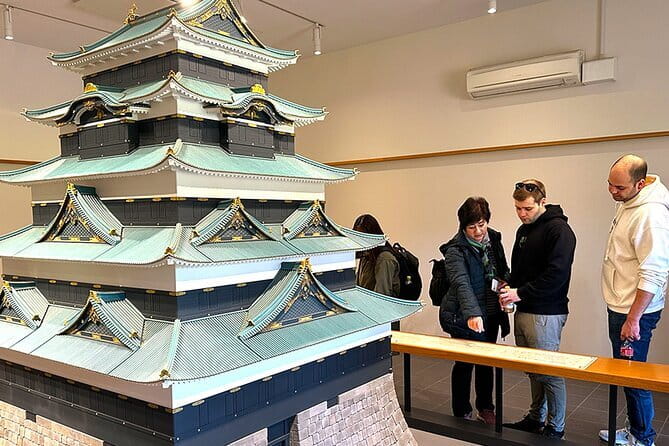
At Kokyo Sannomaru Shozokan, you can see a scale model of the former Edo Castle and visit a souvenir shop with palace-related goods. The model is a useful stop after viewing isolated walls and guard posts: it helps you picture the larger complex those pieces belonged to. The visit lasts about 10 minutes.
This is also a convenient point to take a short pause in the sequence of outdoor stops. The shop offers a chance to look for a small palace-themed souvenir, though shopping is optional and not the main reason to book the tour.
Stand where Edo Castle’s main tower once stood
The East Gardens of the Imperial Palace include the ruins of Edo Castle. The tour visits the former site of the castle’s main tower and explains why it no longer stands, as well as what remains today. You are looking at a remnant and a former location, not a reconstructed tower, so go expecting foundations and traces rather than a complete castle interior.
This stop lasts about 15 minutes. It is one of the most useful places to ask how the surviving pieces relate to the fortress you have been hearing about. The tour describes Edo Castle as Japan’s largest fortress and says it was never breached. Here, that claim feels less abstract: the site gives you a chance to consider the scale of the stronghold and the defenses you have just seen.
The guide also places the castle within the story of Japan’s emperors and shoguns. The tour frames the imperial system as having a 2,600-year legacy, while showing how the grounds also carry the history of the shogun’s seat of power. That combination is the heart of the walk: one place, several layers of political history.
More tours and experiences in Tokyo:
- Mt Fuji and Hakone 1-Day Bus Tour Return by Bullet Train
★ 5.0 · 26,383 reviews - 1-Day Tokyo Bus Tour
★ 5.0 · 14,250 reviews - Tokyo: teamLab Planets TOKYO Digital Art Museum Entry Ticket
★ 4.6 · 9,779 reviews - Mt Fuji & Hakone Cruise, Drum Show Bullet Train 1 Day from Tokyo
★ 4.0 · 7,413 reviews
Slow down in Ninomaru Garden

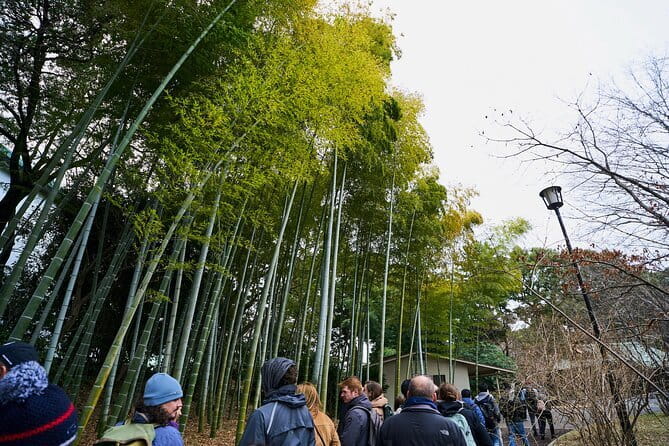
After walls, gates, and guard posts, Ninomaru Garden changes the mood. This traditional Japanese garden has seasonal plants and a pond with koi. You’ll spend about 15 minutes here, enough to take in the setting and enjoy a quieter stretch of the route.
I like this contrast. A palace walk that focused only on defense could feel like a string of stone structures. The garden shows another side of the former castle grounds, and gives you a moment to rest your feet before the tour concludes.
The garden’s appeal varies with the season, since the plants change through the year. The pond and koi offer a more constant point of interest. If you enjoy taking photos, this is one of the places where you’ll want to slow down rather than hurry after the guide.
Finish near Tokyo Station, with a few practical points in mind
The route concludes in front of a ginkgo-lined avenue stretching out before Tokyo Station. The activity details say the tour ends back at the meeting point, so use the exact end instructions provided for your departure. In either case, the route keeps you in central Tokyo rather than sending you far from the palace area.
Plan for a genuine walk, not a seated history talk. The tour includes steep slopes and stairs, and much of the route is exposed to the sun. Wear comfortable footwear. On hot days, bring water and a hat or umbrella; one participant also described a guide handing out sweets and menthol wipes during extreme heat, but you should not count on those being provided every time.
The tour is English-only, with no Japanese-language support. The guide makes a real difference to the visit. Guides named K, Keiko, Shin, Ai, Anju, and Yuuko have been singled out for lively explanations, patience with questions, and clear accounts of Edo-period and imperial history. Keiko has used laminated pictures of old layouts, guard towers, and the royal family. These tools are especially helpful because so much of the original castle is no longer standing.
The overall rating is 4.9 from 725 reviews, with 99% recommending the walk. The praise most often centers on the guides’ storytelling and the way they make the palace grounds easier to understand. Still, one dissatisfied participant found the guide’s English difficult to follow and left early. Since the tour depends on spoken explanation, clear English is essential; the experience may be less worthwhile if you cannot follow the guide comfortably.
Is this two-hour palace walk worth booking?
I’d book it if you want a compact introduction to Edo Castle, samurai, and the imperial grounds, especially early in your Tokyo stay. The route is manageable, the listed stops do not charge admission, and a good guide can turn a pleasant garden stroll into a much clearer lesson in how the castle worked.
I’d skip it if you expect to enter the Emperor’s residence, see a complete castle building, or explore at your own pace without commentary. You’ll be walking outdoors, climbing slopes and stairs, and relying on an English-speaking guide. At $23.88, the value rests less on access to a rare interior and more on getting the context that makes the gates, guardhouses, and ruins meaningful.
Free cancellation is available up to 24 hours before the start time. Changes or cancellations inside that window are not accepted, and the amount paid is not refunded. The booking confirmation is received at the time of booking, and the ticket is mobile.
FAQ
How long is the Tokyo Castle and Imperial Palace tour?
It lasts about two hours.
What is the price?
The listed price is $23.88 per person.
What language is the tour conducted in?
The tour is conducted in English only. Japanese-language support is not available.
Where does the tour start?
It starts at Starbucks Coffee in Kokyo Gaien Wadakura Fountain Park, 3-1 Kōkyogaien, Chiyoda City, Tokyo.
Does the tour enter the Emperor’s residence?
No. The Emperor’s residence is not open to the public. The walk visits the surrounding grounds.
Are admission tickets included or required at the listed stops?
The listed stops show free admission. The tour is a guided walk around the grounds and sites described.
Is there a security check?
Yes. There is a security check to enter the Imperial Palace. Do not bring knives or alcohol.
Does the route involve stairs or steep slopes?
Yes. The tour information notes that you will need to walk up steep slopes and stairs.
How large is the tour group?
The tour is described as a small group of up to 10 people, while the additional information lists a maximum of 60 travelers. Confirm the group size for your chosen departure if this matters to you.
Can I cancel for a refund?
You can cancel at least 24 hours before the experience start time for a full refund. Cancellations or changes made less than 24 hours before the start time are not accepted.
Freshly reviewed in Tokyo
- Tokyo: Toshimaya Sake Brewery Tour with Sake Tasting★ 5.0 · 6 reviews
- :Tokyo,Shibuya /Meiji Shrine tour in KIMONO/English-friendly★ 5.0 · 4 reviews
- Tokyo: Tour Privado por Tokio en español★ 4.3 · 4 reviews
- Tokyo:Tea ceremony experience at Komaba Warakuan★ 4.8 · 9 reviews
- :Tokyo,Shibuya/ Pro Photography in Kimono / English-Friendly★ 5.0 · 26 reviews
- Tokyo:Samurai Training : Swords, Bushido & Mental Discipline★ 5.0 · 6 reviews
- Tokyo:Mt Fuji & Hakone Day Tour with English Speaking Driver★ 5.0 · 26 reviews
- Tokyo:Nikko UNESCO World Heritage Sites Private 1-Day Tour★ 3.8 · 6 reviews
Tokyo Walking Tours, compared.

Tokyo Tsukiji Fish Market Food and Culture Walking Tour
Read our review →
Imperial Palace and Shogun Historical Walking Tour
Read our review →
Shinjuku Local Bar and Izakaya Guided Walking Tour
Read our review →
Asakusa Walking Tour with Sensoji Temple Visit
Read our review →
Tokyo Castle & Imperial PalaceーShogun Walking Tour
Read our review →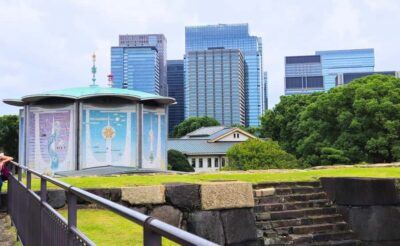

Dark Side of Tokyo Shinjuku Red Light Walking Tour
Read our review →Browse the lists this tour appears in