
Reviewed · TOKYO KIMONO EXPERIENCES
Let’s make kimono !(Kimono is a gift for you
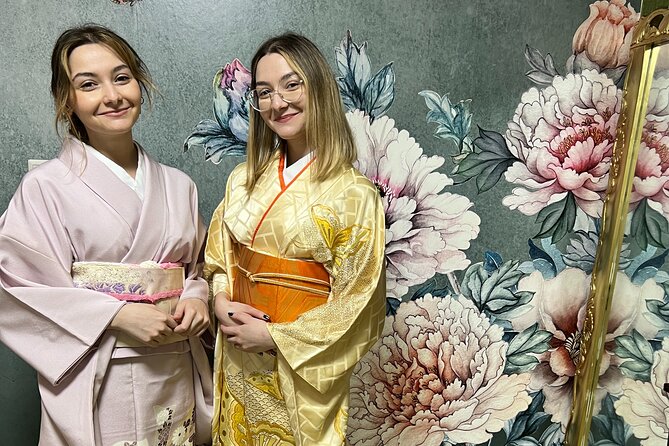
A vintage kimono is the starting point here, but this is not simply a rental and dressing session. In a small workshop in Tokyo’s Kiba district, you choose a garment, adapt it to fit, learn how to wear it, and finish with photos. The result is a personal, wearable souvenir, with a hands-on making process that gives the experience its character.
I like two things in particular: you can choose from a range of vintage fabrics, and the staff help adjust the garment to your size, including for people who have trouble finding a good fit. I also like that children can join, with their own kimono options and a slightly different process.
One point to understand before booking: the activity’s name may suggest sewing a traditional kimono from scratch. Instead, you work with a pre-owned kimono and adapt it into an easier-to-wear garment. Some fabrics and accessories cost extra, and sandals and tabi socks are not included.
Key points to know before you book
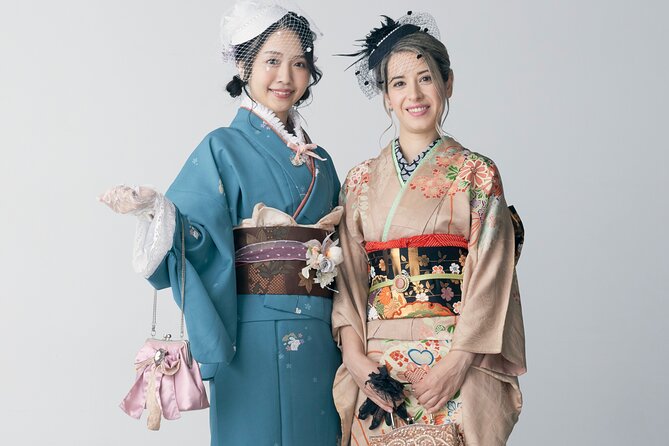
- This is a kimono upcycling workshop: Choose a vintage garment and alter it for fit and easier wear, rather than making a traditional kimono from new fabric.
- The basic price is $43.11 per person: Some kimono choices cost an additional JPY 2,000 to 6,000, and a men’s haori-and-kimono set costs extra.
- You get help with fitting and dressing: Staff guide you through the steps, including adjusting the garment and learning how to wear it.
- The included accessories are useful, but not footwear: An obi, obiage, obijime, and obi pillow are included for rental. Japanese sandals and tabi are not.
- Children can take part: Girls and boys have different kimono options, and boys can have a name printed in Japanese on the collar.
- Expect an intimate setting: The group is limited to five people, and the workshop takes place at a residential address in Kiba.
What you actually make in 90 minutes
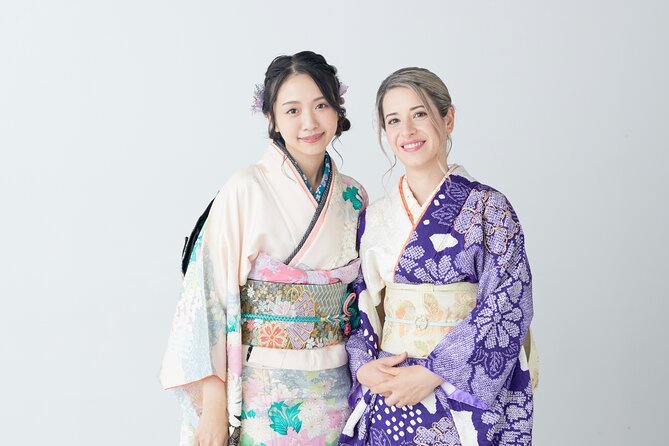
The central idea is practical: a vintage kimono is adapted so you can wear it more easily. The exact steps vary with the garment and the participant. In one common approach, you hem or adjust the waist, using simple techniques such as cutting, folding, and ironing, with staff on hand to help. Some people describe the finished pieces as a jacket and skirt rather than a full traditional kimono.
That distinction matters. If you expect a formal tailoring lesson, a lecture on kimono history, or a complete traditional dressing service, this may not be the right fit. The workshop is focused on making a selected garment work for you and showing you how to wear it. The experience can still offer useful cultural context, especially if you ask questions, but a structured history talk is not promised.
You choose the fabric yourself from a selection of vintage kimonos. There are basic options covered by the base price, as well as more ornate garments that carry a surcharge. The selection is described as varied in color and texture, though vintage condition is part of the deal: some garments may have stains.
The staff help customize the garment to your size. That can be especially helpful if you are taller or larger than the standard size of many ready-to-wear kimonos. The process is not a guarantee that every item will fit every person, but the purpose is to make adjustments rather than ask you to squeeze into an unaltered garment.
More kimono experiences in Tokyo:
- Tokyo: Matcha and Kimono Experience
★ 4.7 · 219 reviews - Tokyo: Asakusa Kimono Dressing and Matcha Experience
★ 4.9 · 173 reviews - Asakusa: Kimono Tea Ceremony with Matcha and Sweet
★ 4.9 · 153 reviews
Choosing fabric and understanding the extra costs
The $43.11 base price includes the workshop and rental of an obi, obiage, obijime, and obi pillow. These are important parts of the look, and having them available means you can focus on the garment and dressing process without arranging the accessories yourself.
The main budget question is the kimono selection. Upgraded women’s kimono options cost an additional JPY 2,000 to 6,000. Men who want a haori jacket with their kimono pay an additional JPY 2,000. The accessory pieces are listed as free rentals and available for purchase, so ask what is included in the particular combination you choose before you commit to extra items.
It is worth deciding what matters to you before you arrive. If you are happy with a basic vintage fabric, the advertised price can keep the workshop relatively affordable. If you have your heart set on a more elaborate textile or want to buy add-ons, the final cost can rise. Some participants have spent considerably more than the base fee for a full set, so treat $43.11 as the starting price, not a firm all-in total.
The value depends on what you want to take away. You are not paying only for a garment: the price also covers personal help, the chance to adapt a vintage piece, the dressing guidance, and photo time. If you want a straightforward, inexpensive costume rental, this may feel like more than you need. If you enjoy creative activities and want a souvenir you have helped personalize, the extra work can make the price easier to justify.
How the workshop unfolds
The experience lasts about 90 minutes, with morning and afternoon sessions available. It begins with choosing a kimono. Take your time here: the fabric selection is a central part of the activity, and the choice affects both the look and the cost. If a garment catches your eye, ask whether it is included in the basic price before selecting it.
Next comes fitting and adapting the garment. You will be shown how to make the changes needed for your size and how to handle the basic construction. The work is described as manageable for people who can cut, fold, and iron, and staff can help if you get stuck. This is hands-on rather than a demonstration you simply watch.
Once the garment is ready, you learn how to wear it. The workshop supplies the obi and several related accessories on a rental basis, and staff guide you through getting dressed. The aim is to make kimono wearing feel more approachable than a formal, highly technical dressing service. It is a useful skill-focused element, though the experience does not promise professional kimono-dressing certification.
The session finishes with photo time. That gives you a chance to record the finished look before you leave. One participant also received photos later after a phone battery died, but that should not be treated as a guaranteed photo-delivery service. Bring a charged phone if you want to take your own pictures.
Different options for women, men, and children
Women choose a kimono, have it adjusted to their size, learn how to wear it, and take photos. The range includes basic and upgraded garments, so it is sensible to check the price of your preferred fabric before beginning the alteration.
Men choose a kimono, with a haori jacket available for an additional JPY 2,000. The men’s option also includes printing your name in kanji and choosing the font color, then ironing the design onto the kimono. It is a personal touch, but the name is printed in Japanese characters, so ask how your name will be represented if accuracy matters to you.
Children can join as well. Girls have a separate itinerary from the women’s session, and some children’s kimonos do not need adjustment, so they can be worn without cutting the fabric. Boys can have their name printed in Japanese on the collar. Families should expect the children’s process to differ from the adult women’s version rather than assume everyone will follow the same steps.
The small group size, with a maximum of five people, suits a hands-on activity. It allows staff to give more individual help than a large dressing studio could, and it can make the room feel personal. On the other hand, the setting is not a large commercial venue. The meeting point is a residential address at 6-chōme-8-6 Kiba, Koto City, and the activity ends there.
More tours and experiences in Tokyo:
- Mt Fuji and Hakone 1-Day Bus Tour Return by Bullet Train
★ 5.0 · 26,383 reviews - 1-Day Tokyo Bus Tour
★ 5.0 · 14,250 reviews - Tokyo: teamLab Planets TOKYO Digital Art Museum Entry Ticket
★ 4.6 · 9,779 reviews - Mt Fuji & Hakone Cruise, Drum Show Bullet Train 1 Day from Tokyo
★ 4.0 · 7,413 reviews
A home-based setting with a personal feel
The workshop takes place in a local residential area rather than a major sightseeing district. The address can feel less obvious than a shopfront, so check the meeting location carefully and leave yourself time to find it. The experience is near public transportation, but no specific station or route is provided.
That setting is part of the appeal for people who want an activity outside the usual tourist circuit. You are visiting a local home or studio environment, choosing from pre-owned garments, and working directly with the staff. It is a quieter, more personal change of pace from Tokyo’s large attractions.
The staff are frequently described as patient and helpful, including when assisting children or participants who need extra support with the garment. Oto Ha is one instructor’s name associated with the experience. English-language help has also been available, though the information does not guarantee a particular instructor or language for every session.
If you are curious about kimono traditions, ask questions as you work. The experience can lead to useful conversations about wearing and styling the garment, but it is not advertised as a formal history class. If historical background is a priority, plan to ask for it rather than assume there will be a dedicated presentation.
What to wear, bring, and keep in mind
The kimono and listed accessories are included as rentals, while Japanese sandals and tabi socks are not. If you want the complete traditional footwear look, you will need to arrange those separately. The workshop details do not specify a dress code, so keep your clothing comfortable and practical for a hands-on session.
Vintage condition deserves a realistic expectation. A garment may have a stain or other signs of previous use. That is part of choosing a pre-owned textile, not necessarily a flaw in the workshop. If you are particular about marks or fabric condition, inspect your choice closely before agreeing to an upgrade or alteration.
The activity is described as suitable for most participants, and service animals are allowed. Still, the workshop involves handling and altering fabric, and the children’s process may differ from the adult one. If you have a specific mobility or participation concern, contact the provider before booking, since detailed accessibility information is not provided.
Booking terms are strict: the experience is non-refundable and cannot be changed for any reason. If poor weather causes the operator to cancel, you are offered a different date or a full refund. The activity has a 4.9 rating and is recommended by 98 percent of participants, a strong signal of satisfaction, but the practical fit depends on understanding what the workshop does and what it does not.
Is this kimono workshop worth booking?
I would book this if you want a creative, personal activity and like the idea of taking home a vintage garment you helped adapt. It is especially well suited to families, people who have struggled to find a kimono that fits, and anyone who would rather make something than simply rent an outfit for a few photographs.
I would pause if your main goal is a traditional kimono lesson with detailed history, professional dressing, or a complete outfit at the advertised base price. This workshop is best approached as an accessible upcycling and wearing experience, with optional upgrades and a personal setting. Go in with that expectation, ask about fabric costs early, and the 90 minutes can offer a memorable Tokyo keepsake as well as a new way to wear it.
FAQ
How long does the kimono workshop last?
The activity lasts approximately 1 hour and 30 minutes.
What is the price?
The listed price is $43.11 per person. Some kimono choices and additions cost extra.
Are upgraded kimonos included in the price?
No. Women’s upgraded kimono choices cost an additional JPY 2,000 to 6,000. The basic price includes selected options.
What accessories are included?
The experience includes a kimono, plus rental of an obi, obiage, obijime, and obi pillow. These accessories are also available for purchase.
Are sandals and tabi socks included?
No. Japanese sandals and tabi are not included.
Can men take part?
Yes. Men can choose a kimono, and a haori jacket with the kimono costs an additional JPY 2,000. The men’s option also includes printing a name in kanji and choosing the font color.
Can children take part?
Yes. Children’s kimono experiences are available. Girls follow a different itinerary from women, and boys can have their names printed in Japanese on the collar.
Will I make a traditional kimono from scratch?
No. The workshop involves choosing and adapting a vintage kimono, then learning how to wear it. The process may include altering the garment for fit.
Where does the activity start and end?
It starts at 6-chōme-8-6 Kiba, Koto City, Tokyo, and ends back at the same meeting point.
Can I cancel or change my booking?
The experience is non-refundable and cannot be changed. If the operator cancels because of poor weather, you are offered another date or a full refund.
Freshly reviewed in Tokyo
- Tokyo: Toshimaya Sake Brewery Tour with Sake Tasting★ 5.0 · 6 reviews
- :Tokyo,Shibuya /Meiji Shrine tour in KIMONO/English-friendly★ 5.0 · 4 reviews
- Tokyo: Tour Privado por Tokio en español★ 4.3 · 4 reviews
- Tokyo:Tea ceremony experience at Komaba Warakuan★ 4.8 · 9 reviews
- :Tokyo,Shibuya/ Pro Photography in Kimono / English-Friendly★ 5.0 · 26 reviews
- Tokyo:Samurai Training : Swords, Bushido & Mental Discipline★ 5.0 · 6 reviews
- Tokyo:Mt Fuji & Hakone Day Tour with English Speaking Driver★ 5.0 · 26 reviews
- Tokyo:Nikko UNESCO World Heritage Sites Private 1-Day Tour★ 3.8 · 6 reviews
Tokyo Kimono Experiences, compared.

Tokyo Asakusa: Traditional Kimono Rental Experience at Wargo
Read our review →
Tokyo Asakusa: Miu Kimono Rental and Optional Photoshoot
Read our review →
Kimono Rental inside Shinjuku Gyoen National Garden
Read our review →
Browse the lists this tour appears in