Reviewed · TOKYO TOURS
Authentic Pure Gold Kintsugi Workshop with Master Taku in Tokyo
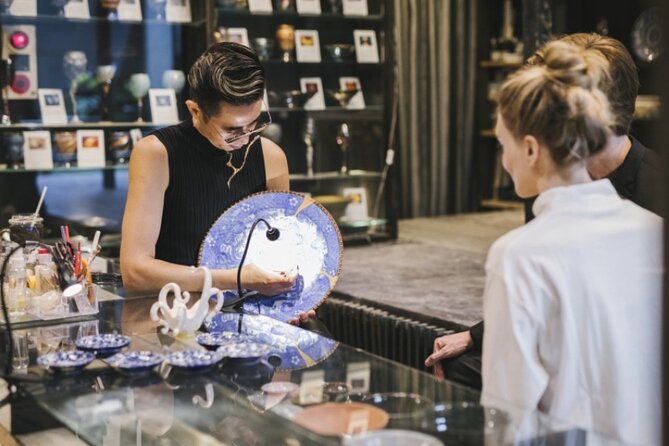
Kintsugi turns a break into part of a plate’s story. In this small-group class at ceramic artist Taku Nakano’s Tokyo studio, you’ll work with real urushi lacquer and pure gold powder, then leave with the plate you repaired. It’s a welcome change of pace from looking at Tokyo through a camera or train window.
I like two things in particular: you get patient, step-by-step guidance, and the finished piece is a personal souvenir rather than a shelf-ready purchase. One consideration is the $142.60 price for a two-hour activity, especially since the class cannot be changed or refunded if your plans shift. The studio can also be tricky to find, so allow time to locate it.
At a glance: the details that matter
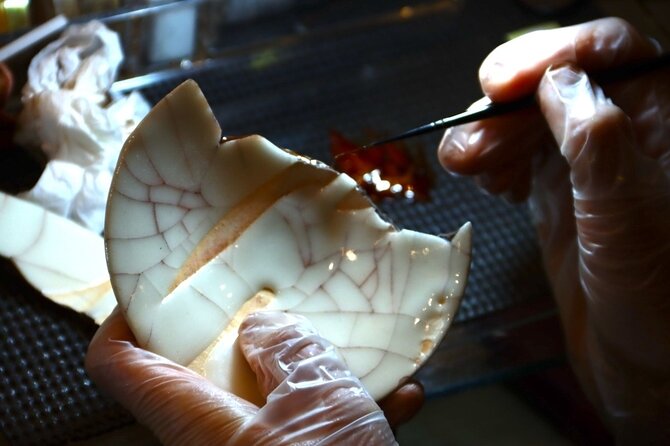
- Three ways to make your plate: Choose traditional gold kintsugi, a black plate with gold repair, or yobitsugi, which fills a missing area with different materials.
- A very small class: The maximum group size is five, giving you room to ask questions and get help as you work.
- Real materials and a take-home piece: The lesson uses urushi lacquer and pure gold powder, and the plate you work on is yours to bring home.
- A working artist leads the experience: Taku Nakano is a Tokyo ceramist whose work explores how a broken piece can become more beautiful and robust.
- Plan for the full session: The options run 90 or 110 minutes, while the experience is listed as about two hours.
- Go in with a firm schedule: The booking is non-refundable and cannot be amended, so choose a time you can keep.
A quieter kind of Tokyo activity
Tokyo can make a day feel like a sequence of stations, sights, and decisions. This workshop gives you a reason to sit down and concentrate on one small task. You are not simply watching a craft demonstration: you repair a plate yourself, with an instructor guiding the process.
That slower pace is part of the appeal. Kintsugi asks you to treat a crack or missing section as something to work with, not something to hide. The class links that practice to wabi-sabi, an appreciation of imperfect beauty, and the plate gives you a tangible way to carry the idea home.
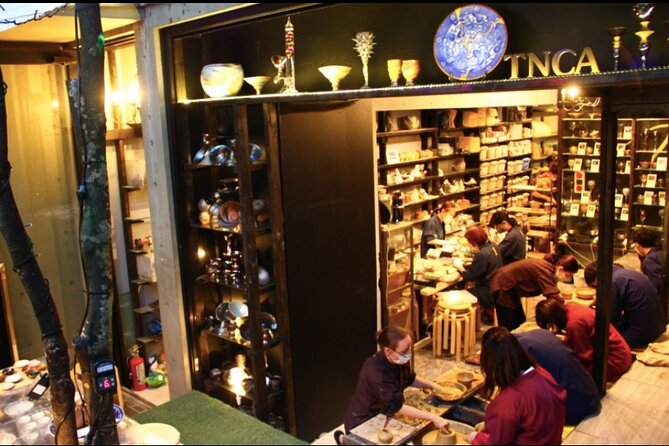
The setting is Taku Nakano’s pottery studio in Minami-Aoyama, an area of Tokyo known for fashion. The class is capped at five people, which is a useful limit for a technique that calls for careful work. Instead of trying to follow a demonstration from the back of a large room, you can ask for clarification and get individual help.
More hands-on workshops in Tokyo:
- Sushi Making Tokyo Roll and Authentic Japanese Sushi Class
★ 5.0 · 3,971 reviews - Tokyo: Roll and Authentic Sushi Making Class in Asakusa
★ 4.9 · 1,957 reviews - Tokyo Shinjuku Chopsticks Making Class
★ 5.0 · 1,763 reviews
Meeting Master Taku and choosing a technique
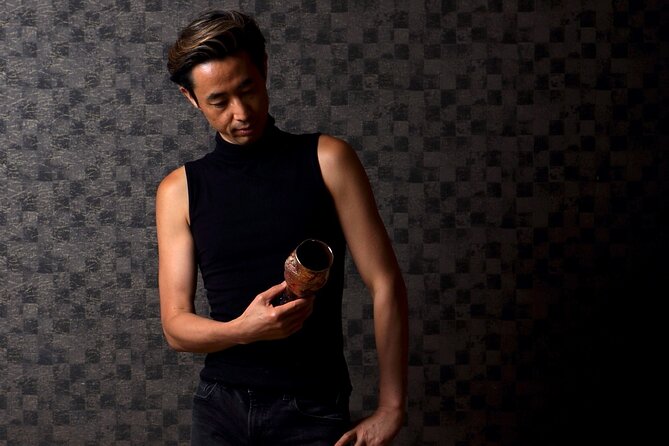
Taku Nakano is a ceramist who runs a studio in Omotesando, Tokyo. His stated approach is to make ceramics even more beautiful and robust than before they broke. That idea gives the class a clear purpose: this is not only a decorative exercise, but a lesson in repairing and rethinking a damaged object.
You may be guided by Taku or another instructor. Junko, for example, has helped participants through the plate repair, and instructors are described as patient and clear in their explanations. Taku’s own account of the craft and his teaching are central to the experience, but the practical value is that you are not expected to work out each step alone.
There are three options, each with a different look or approach:
- Shuurushi kannyuzome kintsugi: The traditional option uses natural urushi lacquer and pure gold powder. It is listed at 110 minutes and is the longest of the choices.
- Black and gold Shikkokurai: This uses the same method as the traditional option, but on a black plate for a darker, more restrained finish. The listed working time is 90 minutes.
- Yobitsugi: This approach attaches different decorations and materials to a missing section. It is presented as the most advanced kintsugi technique, though the workshop makes it available as a 90-minute experience.
The choice is not just about color. If you want to learn the basic gold-repair process with the materials most people associate with kintsugi, choose the traditional option. If you prefer a bold contrast, the black plate changes the character of the finished piece without changing the method. Yobitsugi is the one to consider if the idea of filling a gap with a different material appeals to you.
What happens during the class
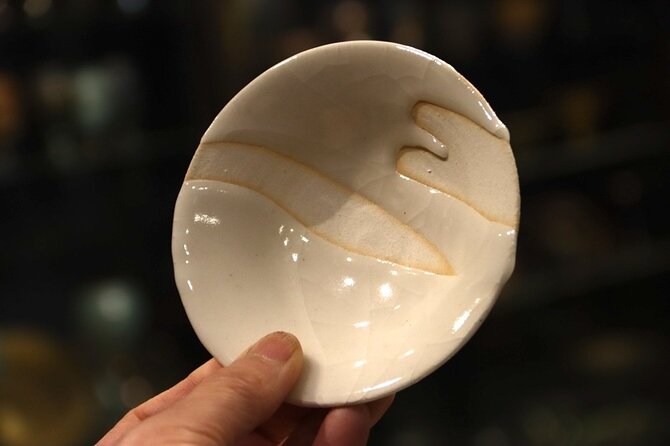
The activity begins with a prepared ceramic plate or vessel supplied for the lesson. The pottery is handcrafted by Taku and selected for the workshop; you do not need to bring a broken item from home. The piece is described as having been treated with rustic lacquer to give it a sabi feel, which means the materials and object are chosen to suit the look and spirit of the practice.
From there, you learn the steps of the chosen technique and work on the plate yourself. The point is not to race through a craft project. You follow the instructor’s explanation, apply the materials, and get help as needed. A clear pace matters here: the task is hands-on, and several participants have been able to complete their pieces within the allotted time.
The class pairs real urushi lacquer with pure gold powder for the traditional method. That makes this different from a quick imitation designed only to look like kintsugi. You are handling the materials used in the authentic technique, under guidance, and learning how the repair becomes part of the ceramic’s appearance.
The exact lesson length depends on your option. Traditional kintsugi is listed at 110 minutes; the black-and-gold and yobitsugi choices are listed at 90 minutes. The overall experience is described as about two hours, so leave more than the bare lesson time in your schedule. At the end, you take your plate home the same day.
The pleasure, and limits, of a hands-on souvenir
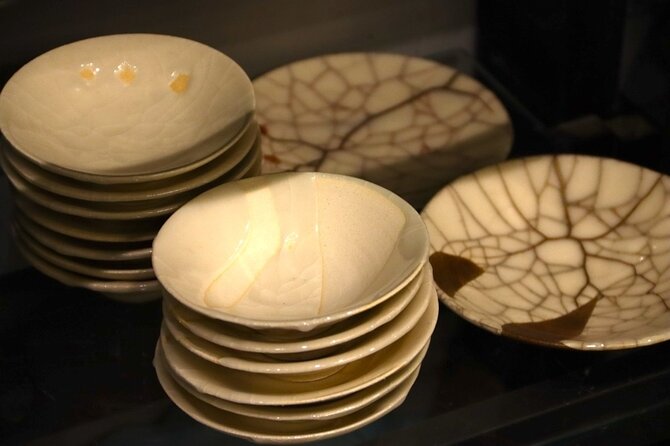
The strongest reason to book is the combination of learning and making. A ready-made ceramic object can be beautiful, but it will not carry the same memory as a plate you repaired yourself. This class gives you both the object and a basic understanding of why the technique matters.
It also suits people who enjoy the process as much as the result. The work is described as calm and cathartic, and the small class size supports a more personal lesson. One participant came away eager to try the craft at home, while others valued the chance to complete a project during the session. If you like careful, focused activities, this is a satisfying counterpoint to a busy sightseeing day.
There are limits to what a short class can teach. A 90- or 110-minute session is an introduction, not a full apprenticeship in ceramic restoration. You will learn one project and one technique, with the supplies and plate provided. If you are hoping to repair a treasured family bowl or learn every stage of traditional kintsugi, this is not described as that kind of course.
Nor should you assume the class is a bargain craft activity. At $142.60 per person, the cost reflects the artist-led instruction, specialist materials, supplied pottery, and a group of no more than five. You are paying for a guided experience and a unique object, not just a plate. That value will make sense if the craft itself interests you; it may feel steep if you mainly want an inexpensive souvenir.
More tours and experiences in Tokyo:
- Mt Fuji and Hakone 1-Day Bus Tour Return by Bullet Train
★ 5.0 · 26,383 reviews - 1-Day Tokyo Bus Tour
★ 5.0 · 14,250 reviews - Tokyo: teamLab Planets TOKYO Digital Art Museum Entry Ticket
★ 4.6 · 9,779 reviews - Mt Fuji & Hakone Cruise, Drum Show Bullet Train 1 Day from Tokyo
★ 4.0 · 7,413 reviews
Getting to the Minami-Aoyama studio
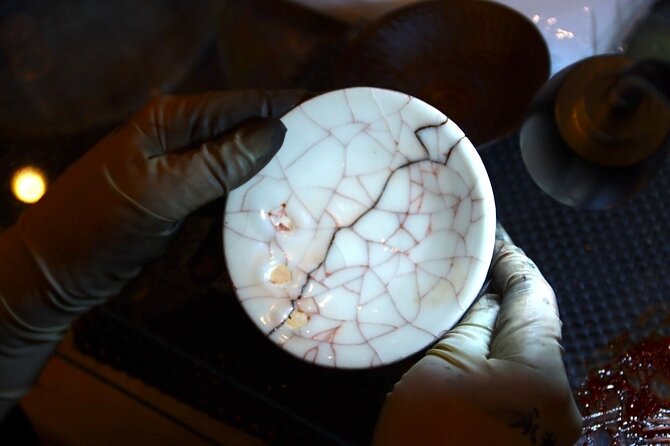
The meeting point is TNCA Minami-Aoyama Studio, at 3-chōme-8-2 Minamiaoyama, Minato City, Tokyo 107-0062. The activity ends at the same place. The location is near public transportation, but the studio can be hard to find, so do not leave arrival until the last minute. One participant who arrived late after getting lost was still welcomed, but relying on that kindness is not a sound plan.
The activity includes the lesson, all necessary equipment, the plate you work on, and applicable taxes and handling fees. Hotel pickup and drop-off are not included, and neither are food or drinks. Plan your own route and make sure you have eaten or brought what you need before class.
Confirmation is provided within 48 hours of booking, subject to availability. The experience requires a minimum number of participants; if that minimum is not met and the activity is canceled, you are offered another date or experience, or a full refund. Otherwise, the booking is non-refundable and cannot be changed, so check your Tokyo schedule before paying.
Who will get the most from this workshop?
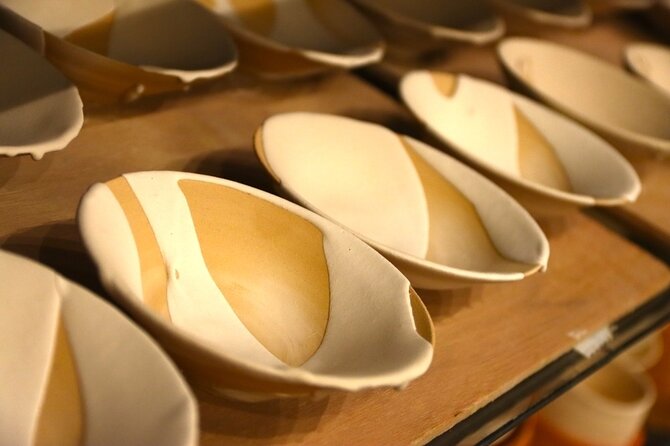
This is a good fit for anyone curious about Japanese ceramics, repair, or the philosophy behind kintsugi. You do not need to be an artist: the class is designed for travelers, and most people can participate. Clear instruction and a small group make it approachable for a first attempt.
It can also work well for a parent and older child, a couple, or a small group of friends looking for a shared activity that is more hands-on than a museum visit. The experience has been enjoyed by family members and couples, and the gentle pace makes it a thoughtful choice when you want a quieter interlude in the city.
I would skip it if you have little interest in making things, a very tight schedule, or a firm need for a refundable booking. The studio location calls for some extra navigation time, and the class has a fixed format. For someone who wants a meaningful object and a practical introduction to a traditional craft, those trade-offs are easier to accept.
Should you book the kintsugi class?
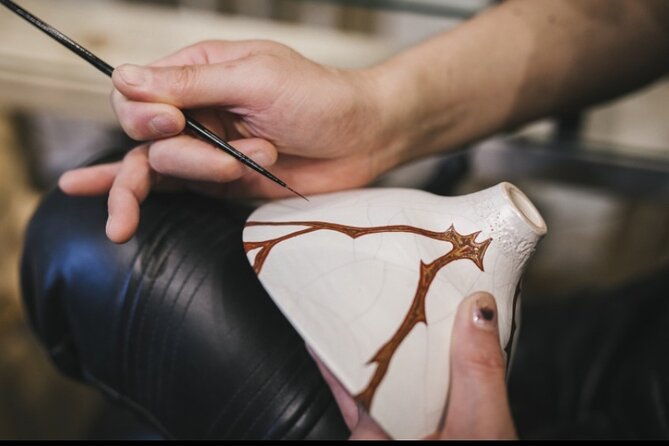
Book it if you want to do more than shop for ceramics and are happy to spend close to two hours concentrating on one plate. The class’s best features are its tiny group, real materials, patient instruction, and same-day take-home piece. Choose the technique that suits your taste, leave time to find the studio, and treat the fee as the cost of an artist-led lesson plus a one-of-a-kind souvenir.
If you are mainly chasing the lowest-cost activity, or your plans may change, look elsewhere. But if kintsugi interests you and you value making something with your own hands, this is a distinctive way to spend part of a Tokyo day.
FAQ
How long does the workshop take?
The experience is listed as about two hours. The traditional kintsugi option takes 110 minutes, while the black-and-gold and yobitsugi options are listed at 90 minutes.
What materials does the workshop use?
The traditional technique uses natural urushi lacquer and pure gold powder. All necessary equipment is included.
Do I take my plate home?
Yes. The plate used for the lesson is included, and you can take it home on the day.
What are the three workshop options?
You can choose traditional gold kintsugi, a black plate repaired with gold using the same method, or yobitsugi, which attaches different materials or decorations to a missing area.
Where does the activity start and end?
It starts at TNCA Minami-Aoyama Studio, at 3-chōme-8-2 Minamiaoyama, Minato City, Tokyo 107-0062, and ends back at the same meeting point.
Can I cancel or change my booking?
The experience is non-refundable and cannot be changed. If the activity is canceled because its minimum number of participants is not met, you are offered a different date or experience, or a full refund.
Freshly reviewed in Tokyo
- Tokyo: Toshimaya Sake Brewery Tour with Sake Tasting★ 5.0 · 6 reviews
- :Tokyo,Shibuya /Meiji Shrine tour in KIMONO/English-friendly★ 5.0 · 4 reviews
- Tokyo: Tour Privado por Tokio en español★ 4.3 · 4 reviews
- Tokyo:Tea ceremony experience at Komaba Warakuan★ 4.8 · 9 reviews
- :Tokyo,Shibuya/ Pro Photography in Kimono / English-Friendly★ 5.0 · 26 reviews
- Tokyo:Samurai Training : Swords, Bushido & Mental Discipline★ 5.0 · 6 reviews
- Tokyo:Mt Fuji & Hakone Day Tour with English Speaking Driver★ 5.0 · 26 reviews
- Tokyo:Nikko UNESCO World Heritage Sites Private 1-Day Tour★ 3.8 · 6 reviews
Tokyo Tours, compared.

Mt Fuji and Hakone 1-Day Bus Tour Return by Bullet Train
Read our review →

teamLab Planets TOKYO Digital Art Museum Entry Ticket
Read our review →
Mt Fuji & Hakone Cruise, Drum Show Bullet Train 1 Day from Tokyo
Read our review →
Shinjuku Food Tour (13 Dishes at 4 Local Eateries)
Read our review →
Tokyo Mt Fuji 5th St & Hakone Cruise Bus Tour w/Bullet Train
Read our review →
Flagship 2-Hours Official Street Go-Kart Tour – Tokyo Bay Shop
Read our review →