
Reviewed · TOKYO WALKING TOURS
Gyoda Tabi Shoes Cultural Walking Tour
Gyoda’s footwear story makes most sense when you put it on your feet. On this three-hour walk, you choose tabi socks and zori sandals, then follow a guide through a city known as Japan’s largest producer of tabi shoes. The most compelling stop is the factory, where you can see the work behind a craft that still has a place in local life.
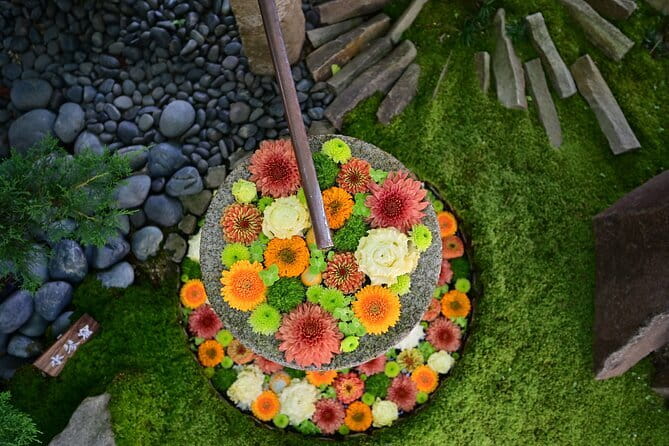
I like the mix of hands-on footwear culture and working factory: this is not just a stroll past old buildings. I also like the local snacks and the chance to see Gyoda Hachiman Shrine’s flower-filled hanachozu, where flowers decorate the water basin used for purification.
One consideration: the factory visit includes both a short exterior stop and a longer factory tour, but the older saw-toothed-roof building is viewed from outside. This is a compact introduction to Gyoda, not an in-depth visit to every historic site.
- Choose tabi socks and zori sandals before setting off, then try walking around town in traditional split-toe footwear.
- See Gyoda’s footwear craft up close during a guided factory visit that covers the production process.
- Taste two local treats: jelly fries, a Gyoda specialty, and manju, Japanese buns.
- Visit a Japan Heritage warehouse and a storehouse dating to 1836.
- Stop at Hachiman Shrine to see its seasonal flower display in the purification basin.
- Keep the scale in mind: the tour lasts about three hours, starts at 1 pm, and allows up to 15 people.
Put on tabi and start exploring Gyoda
Gyoda sits in Saitama Prefecture, about an hour from central Tokyo, and is known as Japan’s largest tabi-shoe producer. Its designation as a Japan Heritage site recognizes a town shaped by tabi warehouses and the footwear trade. The tour gives you a practical way to connect those labels to real places: you walk the streets, visit historic buildings, sample local food, and see manufacturing.
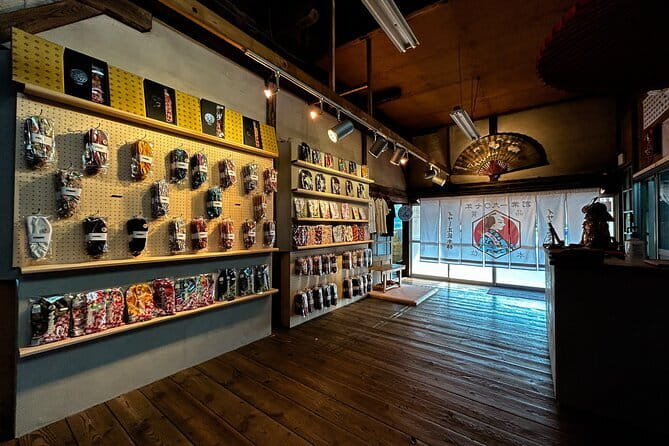
At the first stop, the tourist information and souvenir center, you choose the tabi socks you’ll wear during the walk. The tour also provides zori sandals. That small detail changes the outing from a standard town tour into a tactile one. You can feel how split-toe footwear fits and move through the streets wearing the kind of traditional shoes at the heart of Gyoda’s story.
The center is also a useful place to pick up free Gyoda sightseeing maps or browse souvenirs. You have about 30 minutes here, so take time to get settled and make your footwear choice before the guided walk begins in earnest.
A guide leads the group, with a maximum size of 15. A guide named Mitch-san has led the tour, though the guide may vary. The guide is not licensed or certified, a point worth knowing if you’re comparing it with a formal licensed-guide service. The tour’s strength is its local focus: a guide connects food, buildings, and production into one compact walk.
Jelly fries in a Japan Heritage warehouse
The next stop is Chujirou Warehouse, a historic building designated as both a Japan Heritage component cultural property and a nationally registered tangible cultural property. The visit is short, around 10 minutes, and includes jelly fries, a local Gyoda snack.
The unusual name may make you picture a sweet, wobbly dessert. Instead, think of a savory local food, and use the stop as a chance to try something tied to the city rather than a familiar convenience-store bite. The tasting is included, so you don’t need to decide whether to spend extra on a sample.
The brief visit is best understood as an introduction, not a long architectural tour. You get a taste of the warehouse setting and local food, then move on. If you enjoy historic buildings, notice how the warehouse is part of a larger story: Gyoda’s heritage is not confined to a museum display. Old commercial buildings and footwear production sit within the same town itinerary.
More walking tours in Tokyo:
- Tokyo Tsukiji Fish Market Food and Culture Walking Tour
★ 5.0 · 3,184 reviews - Tokyo: Imperial Palace and Shogun Historical Walking Tour
★ 5.0 · 2,251 reviews - Tokyo: Shinjuku Local Bar and Izakaya Guided Walking Tour
★ 4.9 · 1,794 reviews
A 1836 storehouse and a manju tasting
At Jumangokufukusaya Gyoda Honten, you visit a historic storehouse built in 1836 and sample manju, Japanese buns. The building is designated as a national tangible cultural property. The stop lasts about 15 minutes, enough for a look at the historic setting and a taste, rather than a lengthy guided examination.
The contrast between the two food stops is part of the tour’s appeal. Jelly fries offer a savory local specialty, while manju brings in a familiar Japanese sweet. Together, they make the food culture more than a passing mention and give you a couple of included tastes along the way.
This is also a good place to pay attention to the town’s built history. Gyoda’s story is often told through tabi, but its storehouses help show the commercial world around that craft. The tour links buildings and production without asking you to spend the day reading signs or navigating between sites on your own.
Flowers and quiet at Gyoda Hachiman Shrine
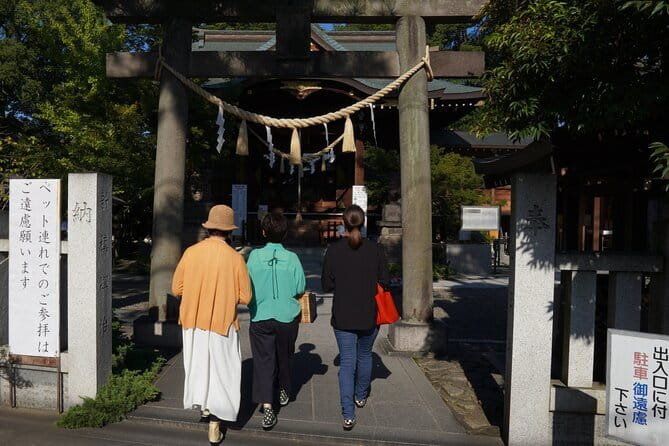
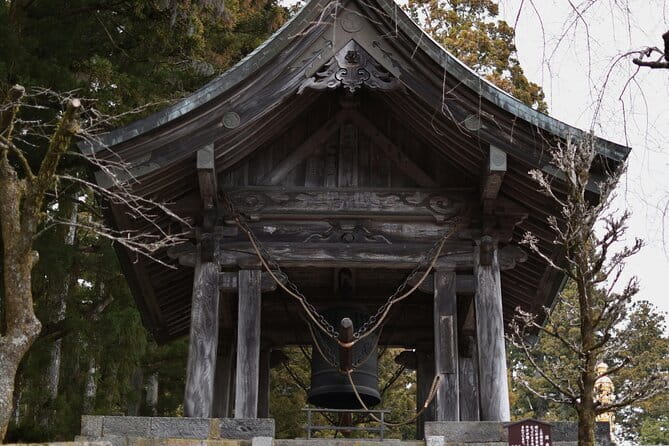
The walk continues to Gyoda Hachiman Shrine, where you have about 25 minutes. The shrine is known for blessings related to cancer and draws people from the local community and from elsewhere in Japan. You may visit the shrine on your own during the stop, so this portion has a more independent feel than the guided factory segment.
A particular feature to look for is hanachozu, flowers arranged in the water basin used for ritual purification. It’s a simple, beautiful detail that gives the shrine visit a visual focus. The flowers may vary, so think of this as a chance to see the display rather than a promise of one particular arrangement.
The shrine adds a different rhythm to the tour. After snacks, warehouses, and footwear, you get a quieter pause in a place that matters to local worshippers. Keep the visit respectful, and remember that the shrine is a place of devotion as well as a stop on a sightseeing walk.
The saw-toothed factory and the craft inside

The tour makes two visits connected with Isami Corporation. First comes a five-minute stop at the exterior of Gyoda’s largest saw-toothed-roof tabi factory. Built in 1917, the factory is registered as a component cultural property. The visit is brief and focused on the building itself, so don’t expect to enter the historic structure at this point.
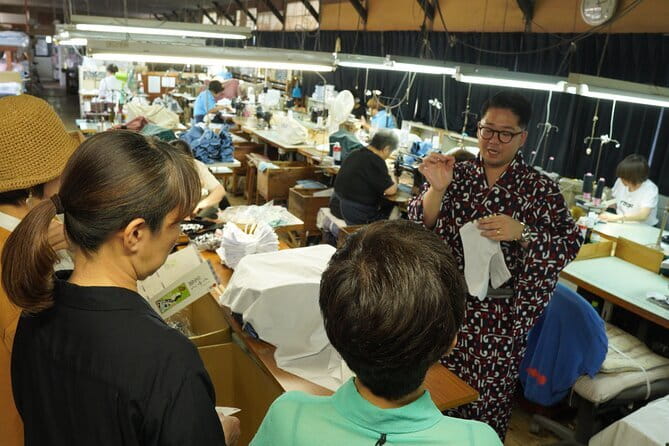
The longer visit is at Isami Corporation’s headquarters, where the guide takes you through the tabi-making process. This portion lasts about 45 minutes and is the tour’s clearest look at the craft in action. You can see how the production process works and encounter the techniques and equipment that keep tabi manufacturing going.
The value here is not just that you see a factory. It’s that the earlier stops have prepared you to understand why the work belongs in Gyoda. You have already chosen and worn tabi, heard about the city’s footwear culture, and seen the warehouses associated with it. Now the production process gives those pieces a practical connection.
The factory is also the stop to prioritize if you have a particular interest in traditional manufacturing. The tour focuses on production and the factory environment, rather than promising a hands-on workshop where you make a pair yourself. If you want to buy tabi or related items, you may find products available for purchase, but shopping is not the main activity.
For a different side of the same trip:
- Mt Fuji and Hakone 1-Day Bus Tour Return by Bullet Train
★ 5.0 · 26,383 reviews - 1-Day Tokyo Bus Tour
★ 5.0 · 14,250 reviews - Tokyo: teamLab Planets TOKYO Digital Art Museum Entry Ticket
★ 4.6 · 9,779 reviews - Mt Fuji & Hakone Cruise, Drum Show Bullet Train 1 Day from Tokyo
★ 4.0 · 7,413 reviews
What $45.61 buys you

At $45.61 per person, this is a fair-value outing if you want a guided introduction to Gyoda rather than only a factory visit. The price includes tabi socks, zori sandals, jelly fries, and manju, along with the guide and the arranged stops. You also get a walk that ties together footwear, local food, historic buildings, and a shrine.
The value is strongest for someone who would otherwise struggle to connect these sights independently. A warehouse can be just an old building without context; a factory can be hard to approach without an introduction. Here, the guide gives the stops a common thread, and you don’t have to plan separate visits or decide where to sample local food.
There are limits. Several stops are short, and the 1917 factory building is viewed from outside. The tour is also not a full-day exploration of Saitama. At around three hours, it offers a focused slice of Gyoda, with the factory visit taking the most time.
The guide’s tip is not included. Also, the guide is not licensed or certified, so this may not suit you if formal guide credentials are essential. For a small-group local walk, though, the main value comes from access to the footwear story and the chance to see the manufacturing process.
Timing, group size, and who will enjoy it
The tour starts at 1 pm at the tourist information and souvenir center in Gyoda and ends back at the same meeting point. It lasts about three hours, and the maximum group size is 15. The small cap should help keep the walk manageable, though the exact feel depends on how many people book that day.
Gyoda is about an hour from central Tokyo, making this a possible half-day addition to a Saitama visit. The tour information notes that the meeting point is near public transportation, but it does not give a specific route or train schedule. Check your own connection before setting out, especially if you are planning to return to Tokyo on a tight timetable.
This experience suits you if you enjoy craft traditions, local food, and walking tours that explain how a town’s identity took shape. It’s especially useful if tabi are new to you: you get to wear them, hear about their place in Gyoda, and see how they are made.
You may want a different outing if you’re looking for a long factory demonstration, extensive shrine time, or a broad survey of Saitama. The pace is brisk, with six stops and several short visits. Wear comfortable clothes and be ready to walk in tabi and zori; the point is to try them, not simply carry them home.
Should you book the Gyoda Tabi Shoes Cultural Walking Tour?
Book this tour if you want a grounded, approachable look at a distinctive Japanese craft and enjoy having local snacks and historic sites woven into the same outing. The factory process, the chance to walk in tabi, and the contrast between old storehouses and active production make the three hours feel purposeful.
Skip it if your priority is a hands-on shoe-making class or a long visit inside the 1917 factory building. For most curious visitors, though, the combination of footwear, food, architecture, and shrine makes the price worthwhile. It’s a particularly good choice if you’re already exploring Saitama and want a small-group experience that goes beyond Tokyo’s usual sights.
FAQ
How long is the Gyoda Tabi Shoes Cultural Walking Tour?
The tour lasts about three hours. It starts at 1 pm and ends back at the original meeting point.
What is included in the price?
The price includes tabi socks, zori sandals, jelly fries, and Jumangoku manju. A guide also leads the walk. Tips are not included.
Do I get to walk in tabi shoes?
You choose the Gyoda tabi socks you’ll wear on the tour, and zori sandals are included. The walk gives you a chance to try traditional split-toe footwear around town.
Can I go inside the historic 1917 factory?
The five-minute stop at the saw-toothed-roof factory is an exterior visit. A separate 45-minute visit at Isami Corporation’s headquarters covers the tabi production process.
Where does the tour start and finish?
It starts at the tourist information center at 2-chōme-1-8 Oshi, Gyoda, Saitama, and finishes back at the same meeting point.
What is the cancellation policy?
You can cancel for a full refund up to 24 hours before the experience’s start time. Cancellations or changes made less than 24 hours before the start time are not accepted for a refund.
Freshly reviewed in Tokyo
- Tokyo: Toshimaya Sake Brewery Tour with Sake Tasting★ 5.0 · 6 reviews
- :Tokyo,Shibuya /Meiji Shrine tour in KIMONO/English-friendly★ 5.0 · 4 reviews
- Tokyo: Tour Privado por Tokio en español★ 4.3 · 4 reviews
- Tokyo:Tea ceremony experience at Komaba Warakuan★ 4.8 · 9 reviews
- :Tokyo,Shibuya/ Pro Photography in Kimono / English-Friendly★ 5.0 · 26 reviews
- Tokyo:Samurai Training : Swords, Bushido & Mental Discipline★ 5.0 · 6 reviews
- Tokyo:Mt Fuji & Hakone Day Tour with English Speaking Driver★ 5.0 · 26 reviews
- Tokyo:Nikko UNESCO World Heritage Sites Private 1-Day Tour★ 3.8 · 6 reviews
Tokyo Walking Tours, compared.
Tokyo Tsukiji Fish Market Food and Culture Walking Tour
Read our review →
Imperial Palace and Shogun Historical Walking Tour
Read our review →
Shinjuku Local Bar and Izakaya Guided Walking Tour
Read our review →
Asakusa Walking Tour with Sensoji Temple Visit
Read our review →
Tokyo Castle & Imperial PalaceーShogun Walking Tour
Read our review →

Dark Side of Tokyo Shinjuku Red Light Walking Tour
Read our review →Browse the lists this tour appears in