
Reviewed · ASAKUSA TOURS
Tokyo : Visite des temples d’Asakusa avec guide français
Asakusa’s spiritual life makes more sense when you see its Buddhist temple and nearby Shinto shrines together. This French-guided walking tour connects the rituals, architecture and everyday customs that can be easy to miss when you explore Sensoji on your own.
I like two things especially: the group is capped at eight, leaving room to ask questions, and the walk includes a high viewpoint for a look across the city. I also like that it covers practical customs, from washing your hands at a temizu basin to reading an omikuji fortune.
The main consideration is that this is a walking tour in all weather, and it is not suitable for wheelchair users. At $40 per person, it offers useful context and a manageable group, but it is best for you if you want more than a quick look at Sensoji’s main hall.
Key points
- A small group of eight or fewer makes it easier to hear the guide and ask about the details that catch your eye.
- A city panorama comes early: the route includes Azumabashi Bridge and the top floor of Asakusa’s tourist information center.
- Kaminarimon and Nakamise get context, including the giant red lantern and the meaning behind local sweets and souvenirs.
- Shinto and Buddhism share the itinerary, with explanations of how their customs appear side by side in Japan today.
- Try everyday spiritual practices such as omikuji fortune slips and burning incense at Sensoji’s healing incense burner.
Begin with a view across Asakusa
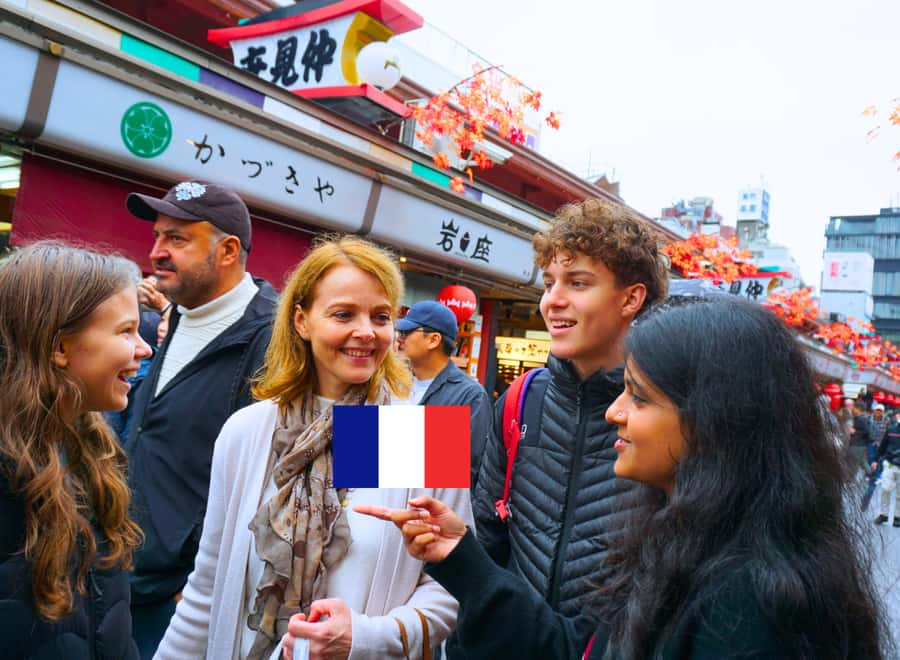
The meeting point is the entrance to Burger King Asakusa, where the guide waits with a Sunrise Adventure sign. Arrive ten minutes early, as requested, and plan how you will get there: transport to and from the meeting point is not included.
The walk starts near Azumabashi Bridge, with a view of Tokyo Skytree. It is a useful first pause before the tour moves into Asakusa’s temple precincts. From there, you head to the top floor of the Asakusa tourist information center for a broad city view. The panorama gives you a sense of how the old temple district sits within modern Tokyo, and it helps orient you before the walk turns toward smaller streets and sacred sites.
There is no need to rush this opening. The view is one of the tour’s included features, and the small group gives you a chance to ask the guide what you are looking at. The route then returns to street level and the best-known entrance to Sensoji.
Enter through Kaminarimon’s giant lantern
Kaminarimon means Thunder Gate, and its famous red lantern weighs about 700 kilograms. Your guide explains the name and the lantern’s story as you pass through the gate. That context turns a familiar photo stop into an introduction to the symbols and history that shape the rest of the visit.
The gate is a busy, popular entrance, so expect other people around. This is not a private, quiet temple visit. The advantage of having a guide is that you can focus on more than the crowd and the camera angle: you get an explanation of what the gate represents and how to approach the sacred areas respectfully.
For a first visit to Sensoji, this is practical ground to cover. The temple is described as Japan’s oldest, with a history stretching back about 1,400 years. Learning how to behave at the entrance and what the site means gives the later ritual explanations a clear setting.
More Asakusa tours in Tokyo:
- Tokyo: Japanese Dance Cabaret Theater Asakusa-Kaguwa Ticket
★ 4.8 · 2,270 reviews - Tokyo: Meiji Shrine, Asakusa, Skytree Bus Tour and Cruise
★ 4.7 · 1,986 reviews - Tokyo: Roll and Authentic Sushi Making Class in Asakusa
★ 4.9 · 1,957 reviews
Walk Nakamise with more than souvenirs in mind
After Kaminarimon, the route follows Nakamise, the shopping street leading toward Sensoji. The guide discusses the cultural meaning of local sweets and souvenirs and points out places to find good options. That is useful if you want to browse without treating the street as just a corridor to the temple.
Nakamise is a commercial street as well as part of the approach to a major religious site. You can take in the shops, ask about what is being sold, and decide whether you want to spend money along the way. No extra tour costs are required, but personal purchases such as snacks and souvenirs are your responsibility. Bring some cash if you expect to shop.
Keep your expectations balanced: the walk is not a food tour, and the itinerary does not promise tastings. The value here is the guide’s explanation of the customs and meanings behind what you see, plus practical pointers about where to browse.
Find the quieter shrines around Sensoji
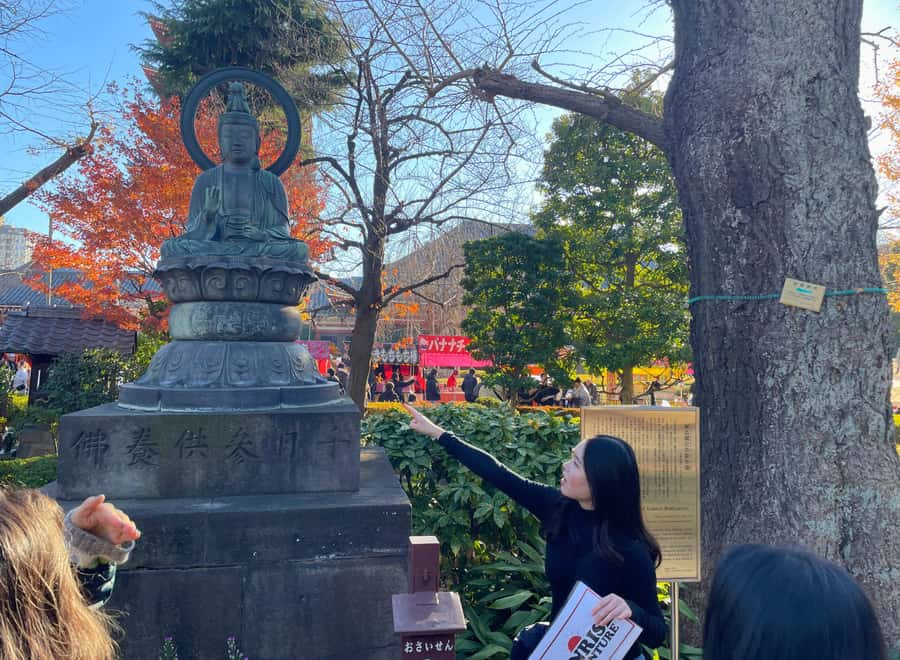
The tour’s most distinctive element is its attention to shrines and temples that many people pass without noticing. The precise sites are not named in the tour details, so you should not expect a fixed list of hidden stops. What is clear is that the walk looks beyond the main temple approach to show you parts of Asakusa’s spiritual life that are less obvious at first glance.
That matters because visitors can easily think of Sensoji as one grand Buddhist site and miss the nearby Shinto presence. The guide explains how Shinto and Buddhism coexist in modern Japan, and how their practices can appear close together without being identical. Rather than flattening the two traditions into one, the walk helps you notice the differences in setting and ritual.
This is a particularly good fit if you are curious about Japanese shrine etiquette but unsure what to do. You learn when to wash your hands at a temizu basin, how to pass respectfully through a torii gate, and how to approach a shrine. These are small acts, but knowing their purpose makes it easier to visit other sacred sites with care.
Try omikuji and the incense ritual
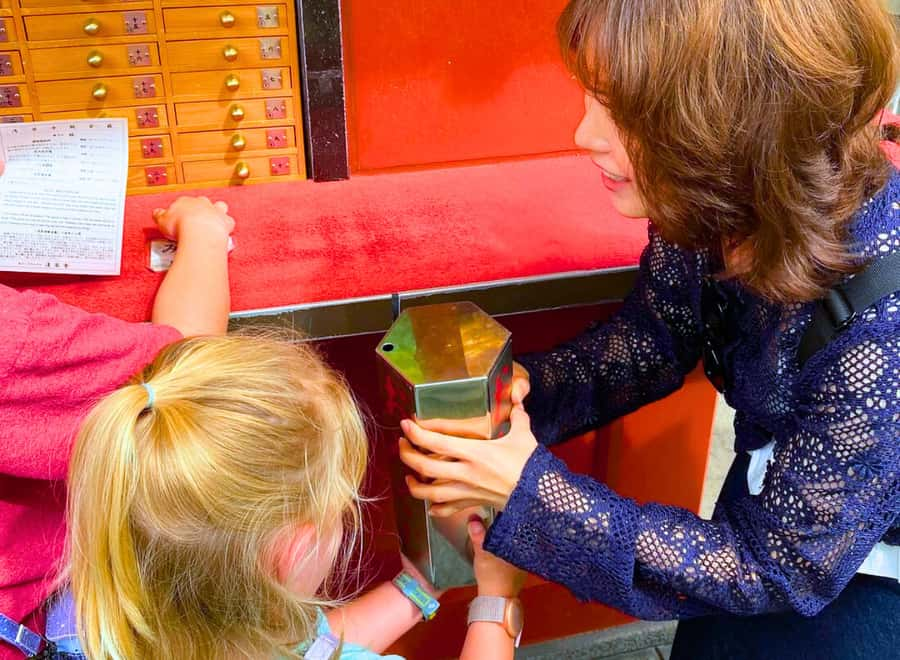
The tour includes a chance to try omikuji, the fortune slips found at Sensoji. The guide explains the practice and how to engage with it, rather than leaving you to guess what the paper means or what to do next. If you draw a fortune, you can treat it as a glimpse into a familiar custom, not as a required part of the visit.
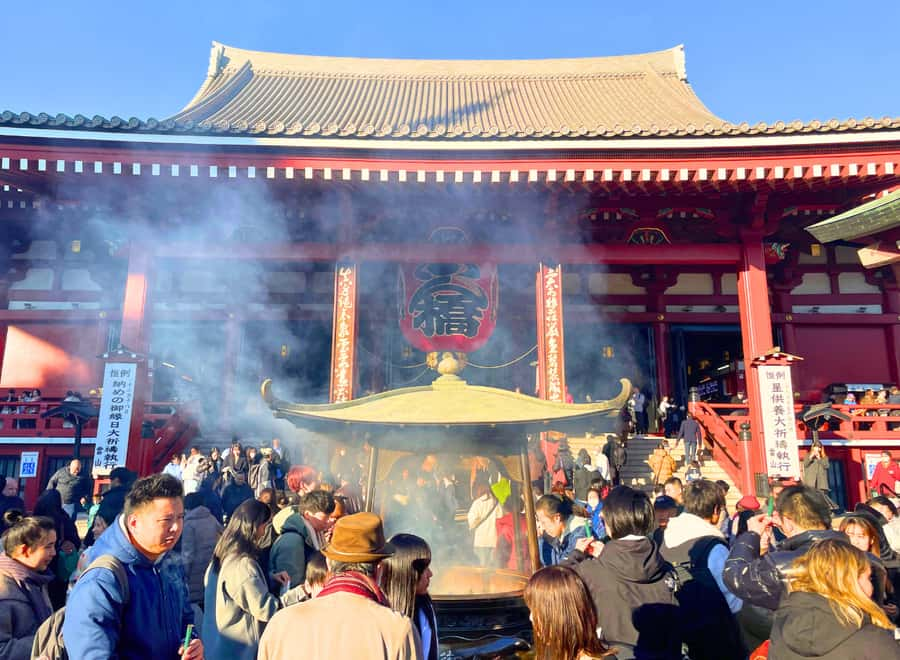
You will also learn about burning incense at the jokoro, the incense burner associated with healing. The guide explains why people bring the smoke toward themselves and what the act signifies. This is a good example of the tour’s practical approach: it links a visible ritual to the belief behind it, so you can watch the practice with more understanding.
The exact mechanics and wording of each ritual are best learned on site from the guide. The tour promises explanation and participation, but it does not specify that every custom is compulsory. You can take part where appropriate or simply observe.
More guided tours in Tokyo:
- Tokyo 6hr Private Tour with Government-Licensed Guide
★ 5.0 · 3,902 reviews - Tokyo: Shinjuku Local Bar and Izakaya Guided Walking Tour
★ 4.9 · 1,794 reviews - Tokyo: Private City Highlights Tour with Local Guide
★ 4.8 · 1,433 reviews - Tokyo: Tsukiji Fish Market Guided Walking Tour
★ 4.9 · 1,397 reviews
Learn how to pray at Sensoji
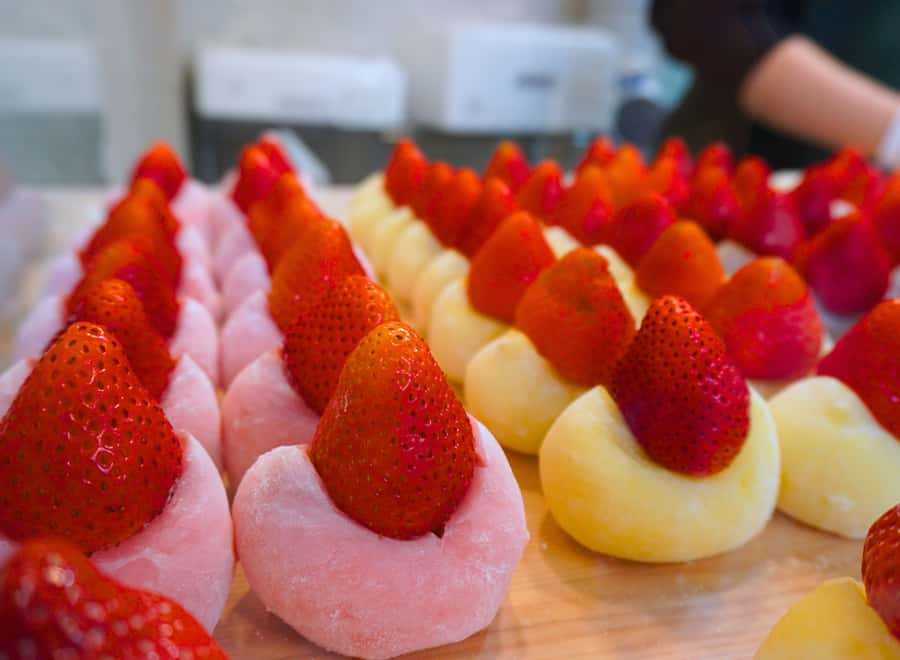
At Sensoji, the guide explains how to pray in the Buddhist tradition and contrasts it with the practice at the neighboring Shinto shrine. That distinction is one of the most useful lessons on this Tokyo cultural walking tour. The two traditions can be part of daily life in the same area, but their prayer customs are not interchangeable.
You will learn how to bow and how to approach the temple respectfully. The guide’s role is not only to point out buildings, but to show you what to do in a setting where visitors may feel uncertain. If you have wondered whether a gesture is appropriate, this is the time to ask.
A French-speaking guide also makes the explanations accessible without requiring you to translate signs or rely on a guidebook. The tour is offered in French and English, and this version is intended for French speakers. Nicolas is one guide named in connection with the experience; the specific guide for your date is not guaranteed.
The strongest qualities associated with the guiding are patience, kindness and the ability to share useful anecdotes. That tone matters on a cultural walk: you want explanations that help you understand, not a lecture that makes you feel tested.
Judge the $40 price by the depth of the visit
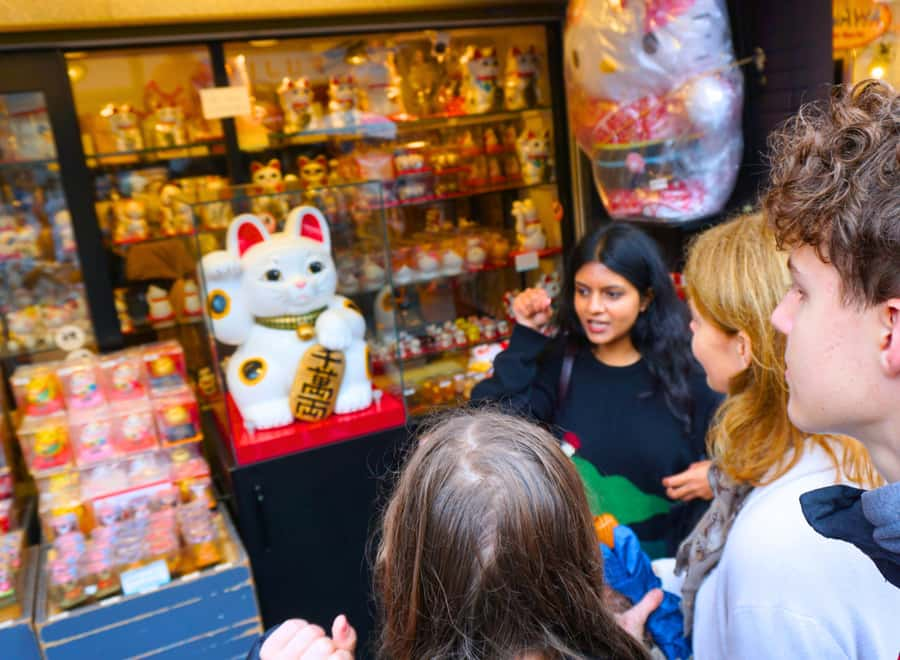
At $40 per person, this costs more than simply walking through Asakusa with a map. What you are paying for is a French-speaking guide, a group limited to eight, a city viewpoint, and explanations of Sensoji, nearby shrines and religious customs. If you would otherwise pass through the temple precinct without understanding its rituals, that added context can make the price worthwhile.
The group cap is a meaningful part of the value. In a large tour, it can be hard to hear a guide or ask a question at a busy site. With eight people or fewer, the format is better suited to conversation and close attention, though it still takes place in public areas where crowds may be present.
There are no required extra costs during the tour. You may want money for snacks or souvenirs, but shopping is optional. Transport to and from the meeting point is not included, so account for that separately when comparing the total cost with other activities.
Three available ratings are five stars, and the accompanying comments praise the guide’s patience, knowledge of the subject, kindness and detailed anecdotes. That is encouraging, though a small number of ratings is not a large sample. The sensible reason to book is the tour’s clear focus and small-group format, not a guarantee that every guide or visit will feel exactly the same.
Plan for a walk in any weather
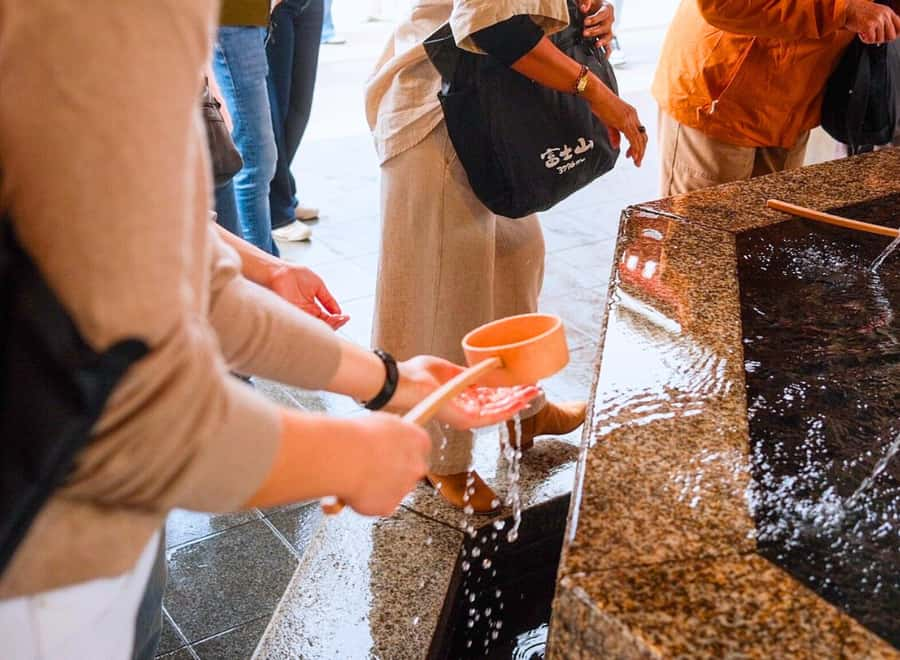
Wear comfortable shoes. This is a walking tour through streets and temple grounds, and the experience runs in good or bad weather. Dress for the forecast and bring what you need to stay comfortable outdoors.
The activity is not suitable for wheelchair users. If mobility is a concern, contact the provider before booking to check whether the route can meet your needs; the stated information does not promise an adapted route.
The tour begins and ends at Burger King Asakusa. Be there ten minutes before the start, and look for the guide at the entrance holding the Sunrise Adventure sign. The tour does not include transportation, food or personal purchases.
FAQ
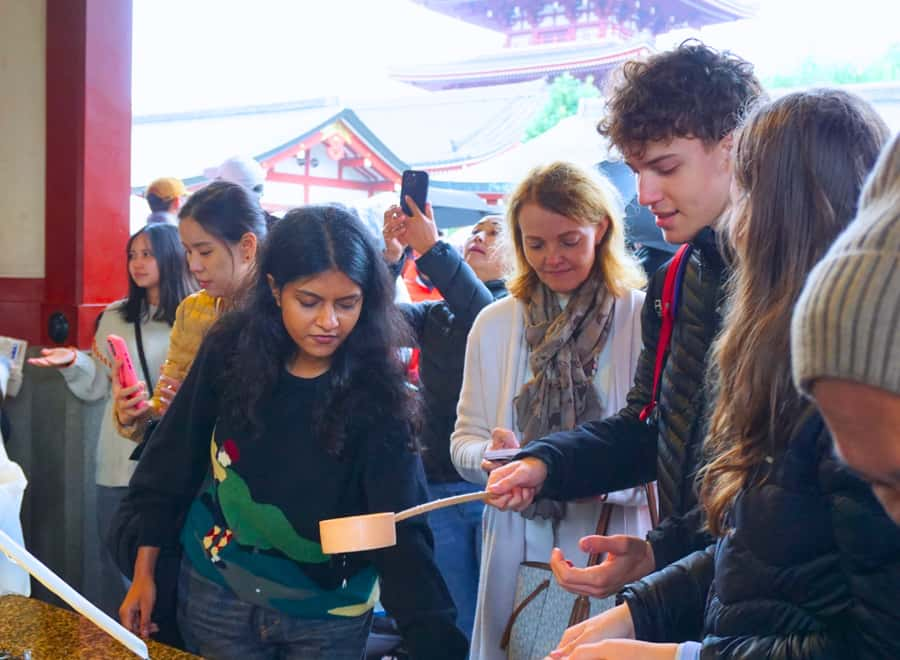
Is the tour conducted in French?
Yes. The tour is offered in French and English, and this experience is the French-language version.
How much does the tour cost?
The listed price is $40 per person.
How large is the group?
The group is capped at eight people.
Where does the tour begin?
Meet at the entrance to Burger King Asakusa. The guide will hold a Sunrise Adventure sign.
Where does the tour end?
It ends back at the meeting point.
How early should I arrive?
Arrive ten minutes before the tour begins.
Is transportation included?
No. Transport to and from the meeting point is not included.
Are there extra costs during the walk?
No additional tour costs are required. Bring some cash if you want to buy snacks or souvenirs.
Does the tour visit Sensoji and explain its rituals?
Yes. It includes a visit to Sensoji and explanations of Buddhist prayer, omikuji, incense, and how Shinto and Buddhism coexist.
Is the tour suitable for wheelchair users?
No. It is listed as not suitable for wheelchair users.
Should you book this Asakusa walking tour?
Book it if you want a French-language introduction to Sensoji that goes beyond the main hall and photo stops. The mix of a city view, Nakamise, lesser-seen shrines and practical explanations of Shinto and Buddhist customs gives the walk a clear purpose, while the eight-person cap leaves room for questions.
Skip it if you prefer to explore at your own pace, need a wheelchair-accessible route, or are mainly looking for food tastings or a shopping tour. For a first visit to Asakusa, especially if Japanese shrine etiquette feels unfamiliar, this is a useful way to understand what you are seeing and how to approach it respectfully.
Freshly reviewed in Tokyo
- Tokyo: Toshimaya Sake Brewery Tour with Sake Tasting★ 5.0 · 6 reviews
- :Tokyo,Shibuya /Meiji Shrine tour in KIMONO/English-friendly★ 5.0 · 4 reviews
- Tokyo: Tour Privado por Tokio en español★ 4.3 · 4 reviews
- Tokyo:Tea ceremony experience at Komaba Warakuan★ 4.8 · 9 reviews
- :Tokyo,Shibuya/ Pro Photography in Kimono / English-Friendly★ 5.0 · 26 reviews
- Tokyo:Samurai Training : Swords, Bushido & Mental Discipline★ 5.0 · 6 reviews
- Tokyo:Mt Fuji & Hakone Day Tour with English Speaking Driver★ 5.0 · 26 reviews
- Tokyo:Nikko UNESCO World Heritage Sites Private 1-Day Tour★ 3.8 · 6 reviews
Asakusa Tours, compared.
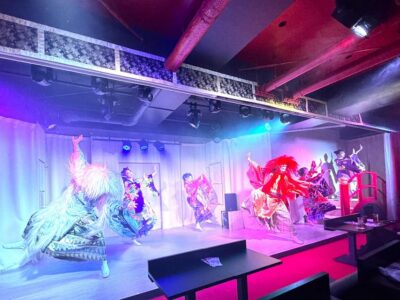
Japanese Dance Cabaret Theater Asakusa-Kaguwa Ticket
Read our review →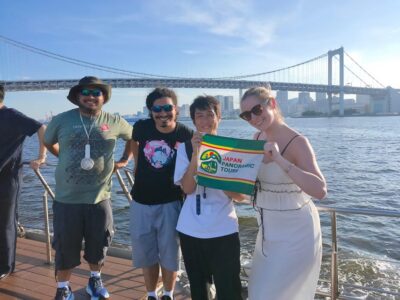
Meiji Shrine, Asakusa, Skytree Bus Tour and Cruise
Read our review →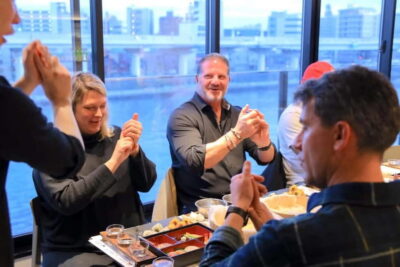
Roll and Authentic Sushi Making Class in Asakusa
Read our review →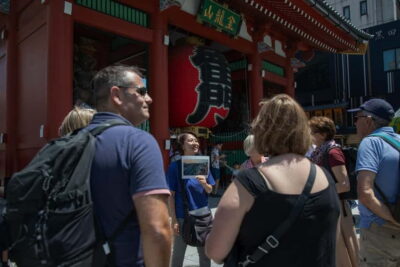
Asakusa Walking Tour with Sensoji Temple Visit
Read our review →
Tokyo Panoramic 1 Day: Meiji Shrine, Asakusa, Odaiba and SKYTREE®
Read our review →
Tokyo Go Kart: Asakusa, Skytree, and Akihabara **IDP MUST**
Read our review →
Asakusa, Skytree & Akhihabara Go-Kart City Experience
Read our review →Browse the lists this tour appears in