
Reviewed · TOKYO TEA CEREMONIES
Tokyo: Traditional Tea Ceremony with a Tea Master
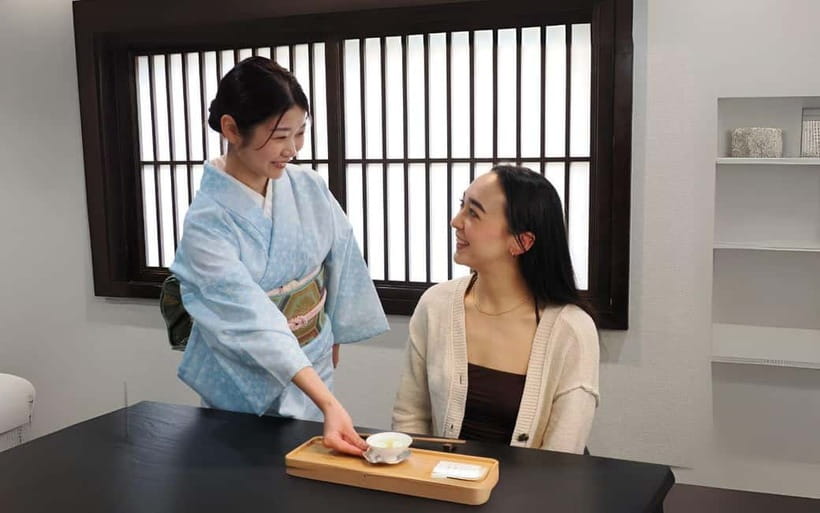
Japanese tea is more than matcha, and this one-hour session gives you a good taste of that range. At Ocharu, opposite Tokyo University, you sample Japanese black tea, Gyokuro sencha, matcha you whisk yourself, and genmaicha, with seasonal sweets along the way.
I like two things in particular: you get to make your own matcha rather than just watch, and the tasting links each tea to its flavor, preparation, and place in Japanese tea culture. The instructors, including Shinichi-san and Ekiko, are described as warm, engaging, and clear in English.
One consideration: this is a compact introduction, not a long, highly formal ceremony. The session is scheduled for an hour, and one attendee found it lasted closer to 50 minutes. It is also not suitable for wheelchair users.
The best parts of the Ocharu tea ceremony
- Four styles of tea in one sitting: Try wakocha, Gyokuro sencha, matcha, and genmaicha, each prepared or served in a different way.
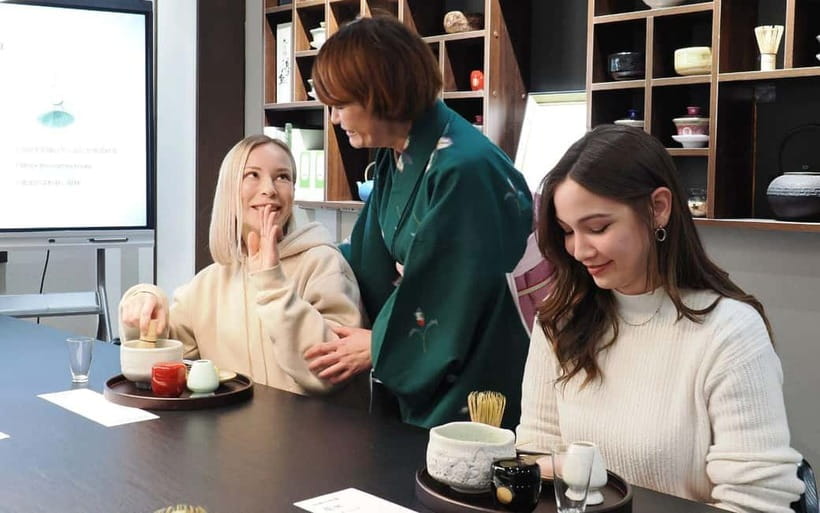
- Your turn with the whisk: A tea master shows you how to prepare matcha using traditional tools, then you make and drink your own bowl.
- Seasonal sweets from Ougiya: Wagashi, Japanese confections from a long-established maker, accompany the Gyokuro tasting.
- A relaxed teaching style: Expect explanations and conversation, not a stiff performance. The instructors are often praised for making tea customs approachable.
- A handy Tokyo setting: The room is opposite Tokyo University, and a certificate and group photo give you a small memento of the session.
A Tokyo tea lesson, not a silent ceremony
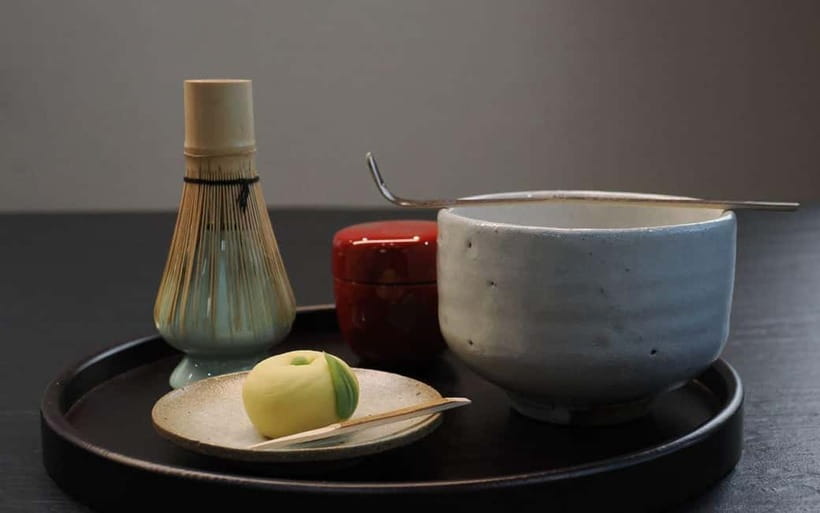
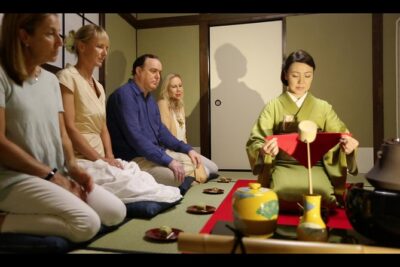
Ocharu’s format is a useful fit if you are curious about Japanese tea but do not know the rules, names, or techniques. The tea master explains what is in your cup, shows you how it is prepared, and gives you a chance to try the process yourself. You learn by tasting and doing, rather than by sitting through a long lecture.
That relaxed approach matters. A traditional tea ceremony can involve careful gestures and etiquette that may feel intimidating if you are new to it. Here, the teaching is described as friendly and unhurried, with room for questions and conversation. Instructors such as Shinichi-san and Ekiko have been singled out for their clear explanations, patience, and sense of humor.
The session takes place in a specially designed tea ceremony room at Ocharu, across from Tokyo University. It is a convenient cultural stop if you are already exploring the area, and the university itself may be of interest after your visit. Just do not expect a grand historic teahouse: the appeal is the guided tasting and hands-on lesson.
More tea ceremonies in Tokyo:
- Matcha Making Class in Tokyo with Authentic Japanese Sweets Set
★ 5.0 · 744 reviews - Tokyo: Matcha Making Experience with Mochi Sweets in Asakusa
★ 4.9 · 388 reviews - Tokyo: Matcha and Kimono Experience
★ 4.7 · 219 reviews
Starting with wakocha and a tea cake
The tasting opens with wakocha, a Japanese black tea from Shizuoka, served with a tea cake. Its fruity and floral notes offer a gentle introduction before the more distinctive green teas arrive. If you mostly associate Japanese tea with matcha, this first cup helps show how broad the category can be.
The tea master provides context as you taste. The session touches on the origins and differences between teas, along with practical details such as how water temperature affects flavor. That makes the tasting useful beyond the hour itself: you leave with more clues for choosing tea and noticing what is in the cup.
The opening tea is also a comfortable way to settle in. You do not need to know tea etiquette beforehand, and there is no need to arrive with expert questions. Come curious, taste slowly, and ask about anything that catches your attention.
Gyokuro sencha, served with seasonal wagashi
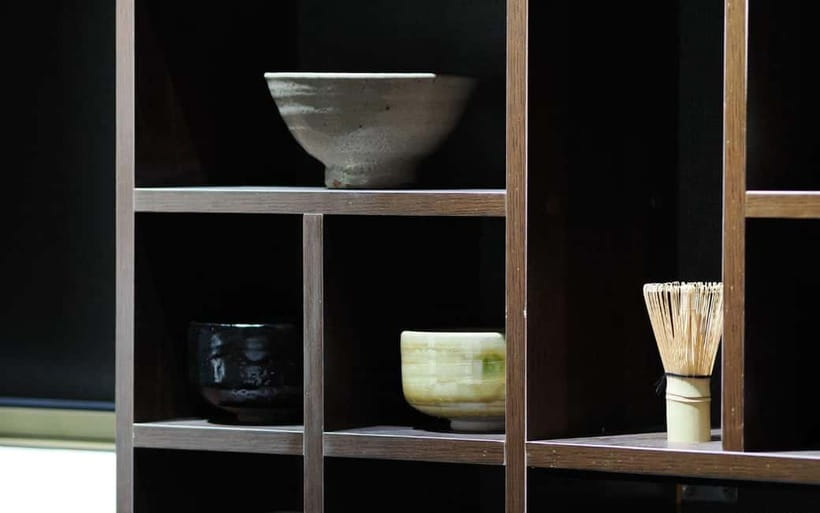
Next comes Gyokuro sencha, presented as a high-grade green tea. The tea master brews it for you, then you taste the tea alongside seasonal wagashi from Ougiya, a renowned confectioner whose sweets have been made for generations.
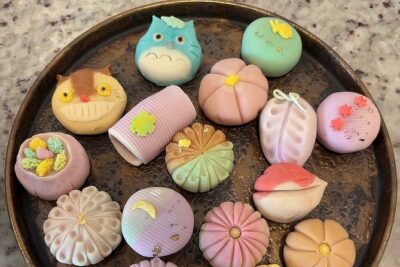
This pairing is one of the session’s strongest details. Wagashi are not just a snack on the side: their flavor and appearance are part of how tea is enjoyed. The sweets are seasonal, so what accompanies your tea can vary. Attendees have found the treats delicious, and one especially enjoyable detail is that you may be invited to taste the tea leaves themselves.
Pay attention to the tea master’s brewing method. Water temperature and preparation can change the taste, even when the tea leaves stay the same. You do not need to memorize technical details, but seeing and tasting the difference gives the lesson practical value.
Making matcha with traditional tools
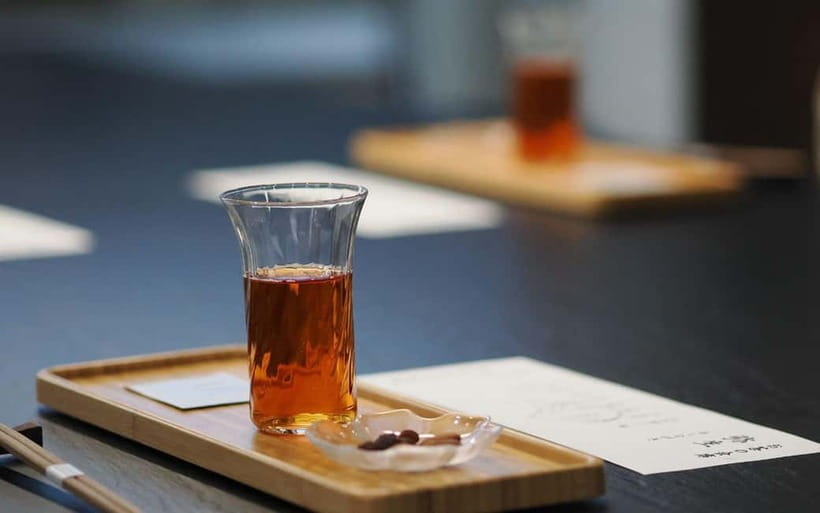
The hands-on matcha session is the centerpiece for many first-timers. After watching the tea master demonstrate, you use traditional tools to whisk your own matcha. The instructor guides you through the steps, so you are not left guessing how to handle the equipment or prepare the tea.
There is a satisfying difference between seeing matcha made and doing it yourself. You get a better sense of the work involved, and the bowl you prepare becomes a small personal part of the ceremony. The activity is suitable for curious beginners as well as people who already drink tea; you do not need prior experience.
The tone remains approachable. The aim is not to test you on exact movements, but to explain the method and the customs around it. If you have questions about the process, the tea master can add context as you go. Some instructors also make a point of including children, which may help families decide if the session suits their group.
More tours and experiences in Tokyo:
- Mt Fuji and Hakone 1-Day Bus Tour Return by Bullet Train
★ 5.0 · 26,383 reviews - 1-Day Tokyo Bus Tour
★ 5.0 · 14,250 reviews - Tokyo: teamLab Planets TOKYO Digital Art Museum Entry Ticket
★ 4.6 · 9,779 reviews - Mt Fuji & Hakone Cruise, Drum Show Bullet Train 1 Day from Tokyo
★ 4.0 · 7,413 reviews
Finishing with genmaicha
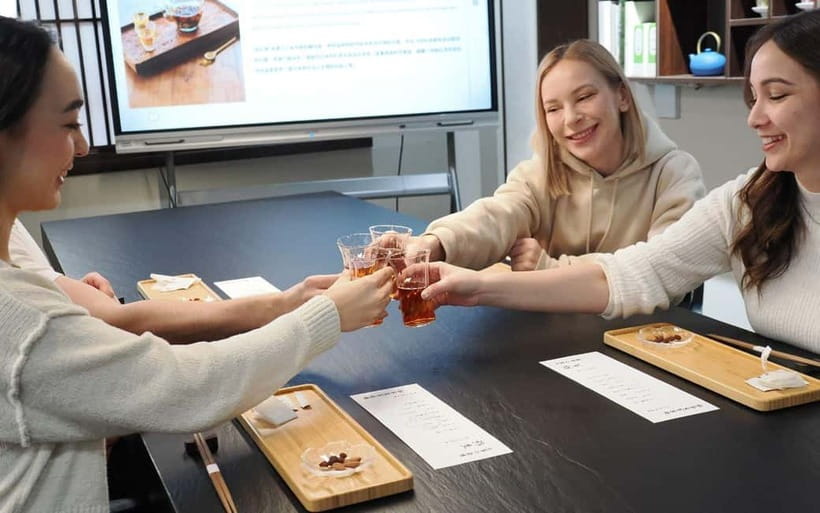
The final cup is genmaicha, a blend of sencha and roasted rice from Niigata Prefecture. Its roasted character makes for a comforting contrast after the green tea and matcha. It closes the tasting with another style to remember, rather than ending as soon as you have made your own bowl.
By this point, you have tried several teas in different ways: a welcome cup, a tea prepared by the master, your own whisked matcha, and a final blend. That sequence is a good use of a short session. It gives you variety without asking you to spend half a day on a single cultural activity.
What the hour feels like
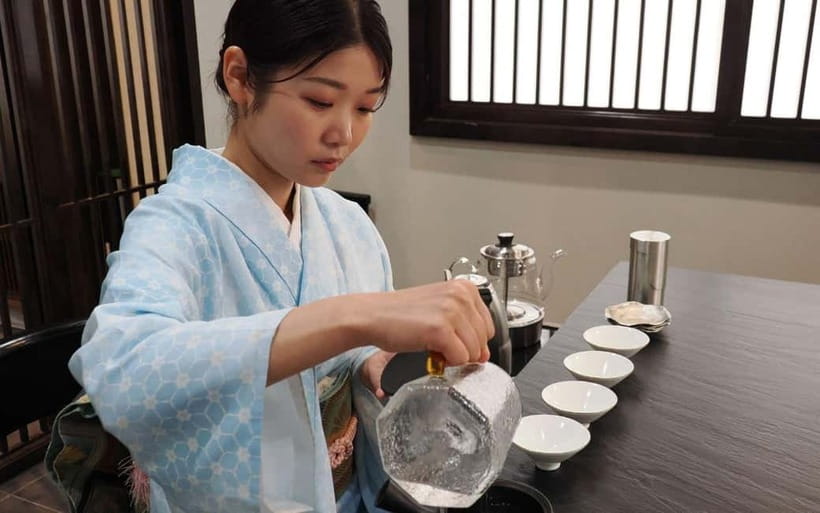
The listed duration is one hour, though a participant reported a session of about 50 minutes. Plan for a compact activity rather than a lengthy ceremony, and arrive five minutes early to check in. The pace leaves time for tasting, explanation, and matcha preparation, but it is not designed as an all-afternoon workshop.
The atmosphere is described as calm and friendly, with the tea master often making conversation as well as explaining the teas. That can make the session feel personal, though the amount of time for questions may depend on the group and the pace of the day. English is the stated instruction language. One attendee found an instructor’s accent challenging at times, so if you miss a point, ask for it to be repeated.
You receive a completion certificate and a group photo before leaving. These are modest keepsakes, but the certificate can be personalized with your name in Japanese, according to one attendee. The experience also includes access to the tea room, all the teas and sweets described, and the equipment needed for the matcha session.
Finding Ocharu and planning the visit

The meeting point is identified by a green OCHARU logo on the building wall. The sign may be higher up than you expect, so look above eye level. One practical tip is to check for the tea shop if you pass the entrance without spotting the logo. Arrive five minutes early rather than trying to find the door at the session’s start time.
The location opposite Tokyo University makes it easy to combine the ceremony with a visit to the campus or nearby attractions. One attendee also noted the zoo as a possible nearby addition. If you are coming by metro, check your route in advance: one visitor described traveling from Shibuya via Meiji-Jingumae to Nezu, then walking about 15 minutes. Confirm the route from your own starting point, since Tokyo journeys can involve several transfers.
There is a small café downstairs where you can have matcha and buy tea to take home. That is optional, not part of the ceremony itself, but it can be a pleasant way to extend the tea theme after the lesson. If you find a tea you particularly enjoy, you can also bring home a reminder of what you tasted.
Is $38 good value?
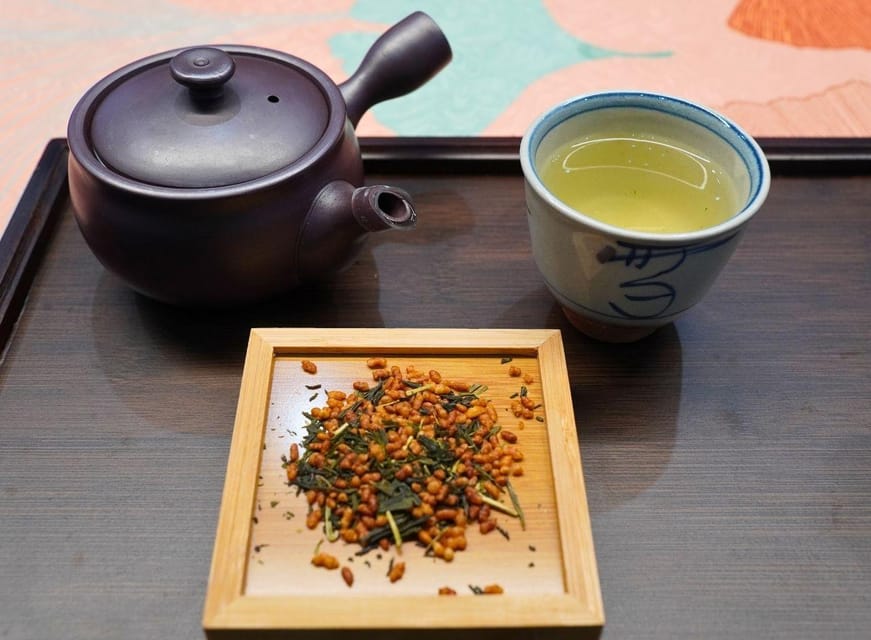
At $38 per person, the price covers more than a single cup of matcha. You taste several kinds of tea, try sweets from Ougiya, receive guided instruction, and get hands-on time with traditional utensils. The certificate, photo, and use of the tea room are included too.
I consider the value strongest if you want both a cultural explanation and a tasting. Buying tea in a shop is cheaper, but it does not show you how to prepare matcha or explain why the different teas are served as they are. If you already know the basics and want an advanced or highly formal tea-school lesson, this may feel introductory. For a first encounter, the mix of tasting and participation makes the fee easier to justify.
Booking terms are flexible: you can reserve now and pay later, and cancel up to 24 hours ahead for a full refund. Check the available start times before you plan the rest of your day.
Who should book this tea ceremony?
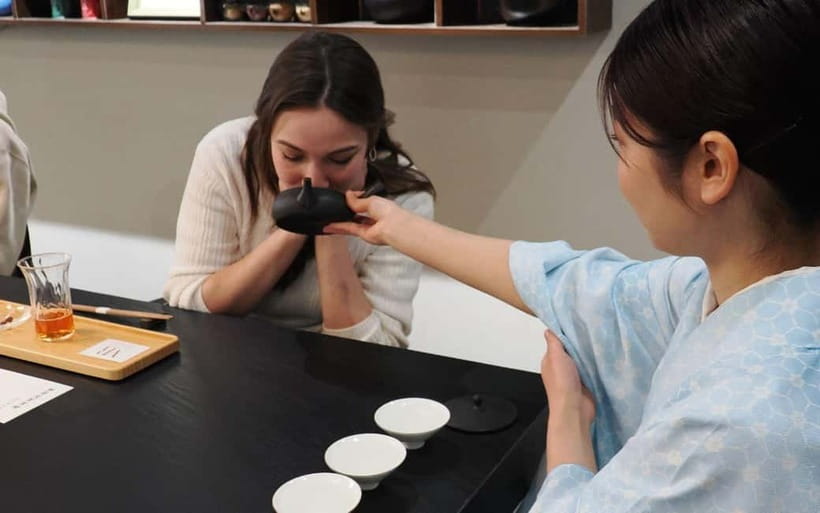
This suits first-time visitors who want a clear, manageable introduction to Japanese tea culture. It also works for tea drinkers who want to compare different styles, and for companions who may not be tea enthusiasts but are open to a relaxed cultural activity. One attendee’s partner was not fond of tea but still enjoyed the session, which suggests the teaching and atmosphere can carry the hour even if tea is not your main interest.
Families may find it approachable, particularly if children enjoy hands-on activities and sweets. The instructor can make an effort to involve younger participants, though the experience is still centered on tasting and learning. If mobility access is essential, note that the activity is not suitable for wheelchair users.
Book it if you want an hour of genuine participation, clear explanations, and several cups to compare. Skip it if you are looking for a long, formal ceremony or an extensive workshop. For most curious visitors, Ocharu offers a sensible balance: enough detail to make the tea meaningful, without making the ritual feel forbidding.
FAQ
How long is the tea ceremony?
The scheduled duration is one hour. One attendee described a session lasting about 50 minutes, so allow roughly an hour in your plans.
What teas will I taste?
The experience includes wakocha, Gyokuro sencha, matcha, and genmaicha. The Gyokuro is brewed by the tea master, while you prepare your own matcha with guidance.
Do I get to make matcha myself?
Yes. The tea master guides you through preparing matcha with traditional tools and utensils, and you then enjoy the tea you have made.
Are sweets included?
Yes. A tea cake is served with the welcome wakocha, and seasonal wagashi from Ougiya accompany the Gyokuro sencha tasting.
What language is the instruction in?
English is the stated language of instruction.
Where is the meeting point?
Ocharu is in a building opposite Tokyo University. Look for the green OCHARU logo on the wall, which may be high up, and arrive five minutes early to check in.
Is the activity wheelchair accessible?
No. The activity is listed as not suitable for wheelchair users.
What is included in the $38 price?
The price includes the tea tastings, tea cake and seasonal wagashi, guided matcha preparation, genmaicha, access to the tea room, a completion certificate, and a group photo.
Freshly reviewed in Tokyo
- Tokyo: Toshimaya Sake Brewery Tour with Sake Tasting★ 5.0 · 6 reviews
- Tokyo: Tour Privado por Tokio en español★ 4.3 · 4 reviews
- :Tokyo,Shibuya /Meiji Shrine tour in KIMONO/English-friendly★ 5.0 · 4 reviews
- Tokyo:Tea ceremony experience at Komaba Warakuan★ 4.8 · 9 reviews
- :Tokyo,Shibuya/ Pro Photography in Kimono / English-Friendly★ 5.0 · 26 reviews
- Tokyo:Samurai Training : Swords, Bushido & Mental Discipline★ 5.0 · 6 reviews
- Tokyo:Mt Fuji & Hakone Day Tour with English Speaking Driver★ 5.0 · 26 reviews
- Tokyo:Nikko UNESCO World Heritage Sites Private 1-Day Tour★ 3.8 · 6 reviews
Tokyo Tea Ceremonies, compared.
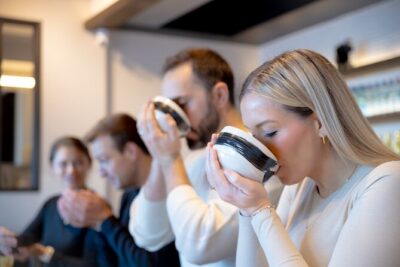
Matcha Making Class in Tokyo with Authentic Japanese Sweets Set
Read our review →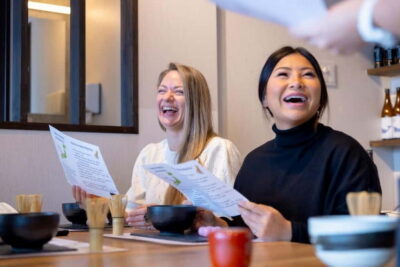
Matcha Making Experience with Mochi Sweets in Asakusa
Read our review →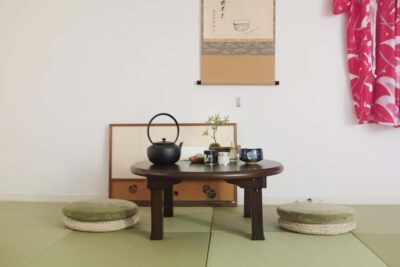
Tea Ceremony Workshop in Tokyo by the Experienced Instrucor
Read our review →
Make Traditional Nerikiri Sweets & Matcha experience in Shibuya
Read our review →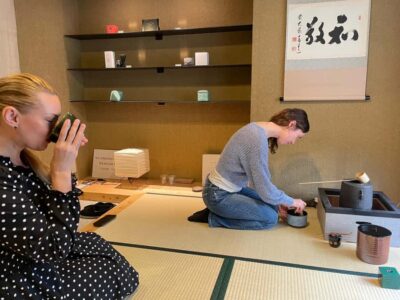
Tea Ceremony Experience in a Private Tea Room in Shibuya
Read our review →Browse the lists this tour appears in