
Reviewed · TOKYO WALKING TOURS
Tokyo:Stroll in Old traditional culture towns~Yanaka & Nezu
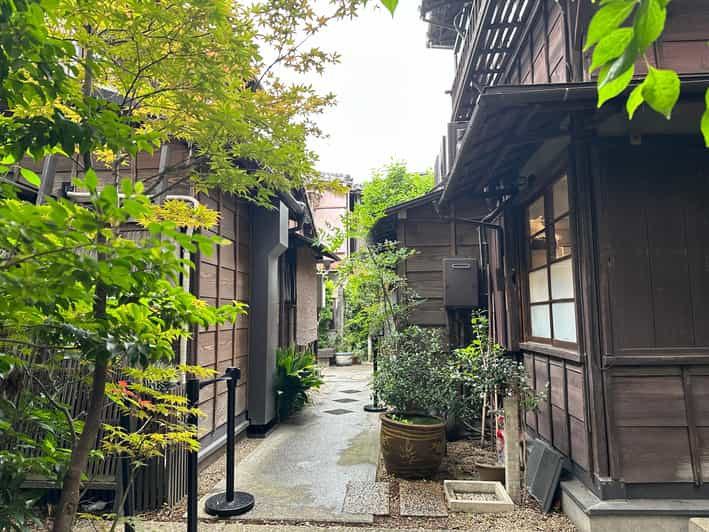
Yanaka and Nezu offer a quieter, more lived-in view of Tokyo: narrow lanes, small family-run shops, old homes, temples and a cemetery shaded by trees. On this 3.5-hour walk, guide Sui connects these everyday scenes to the city’s past and to Japanese religious customs.
I like two things in particular: the chance to see Nezu Shrine’s torii-lined path and Yanaka’s old streets with someone who can explain what you’re looking at, and the unhurried pace that leaves room for questions, local snacks and small discoveries. At $29, it is a modestly priced way to add context to a neighborhood you could otherwise wander through without knowing its stories.
One consideration: this is a long walk, with stairs, and it can feel demanding in Tokyo’s summer heat. Shops may be closed on Mondays, and the summer version skips Yanaka Ginza, so check the seasonal format and choose your date with care.
At a glance
- Begin at Nippori Station’s West Exit: Meet at the waiting area for the Yanaka exit. The guide starts on time, so arrive promptly.
- Walk through lived-in Yanaka and Nezu: Expect residential lanes, old and new homes, small shops and glimpses of local daily life.
- See places of worship and a historic cemetery: Stops include Nezu Shrine, Tennoji Temple and Yanaka Cemetery.
- Leave time for local tastes and shopping: Sui can point out street foods, traditional sweets, souvenirs and small shops along the way.
- Plan around weather and the calendar: Summer includes a cafe drink but omits Yanaka Ginza; seasonal sakura sweets are offered in spring, subject to availability.
- Budget for a half-day on foot: The walk lasts about 210 minutes, uses staircases and is not suitable for wheelchair users.
A slower side of Tokyo, one lane at a time
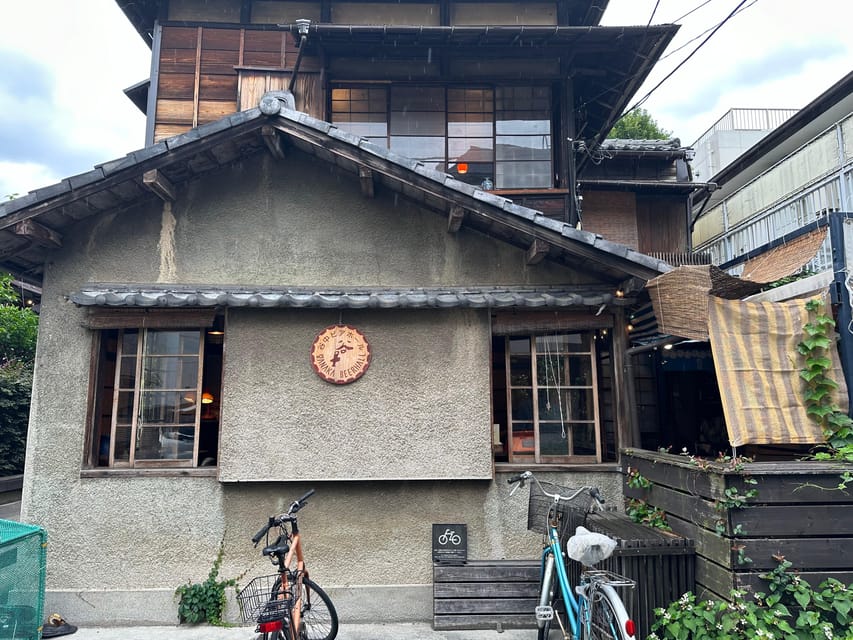
Tokyo is often introduced through crowded crossings, towering buildings and bright shopping districts. Yanaka and Nezu show a different scale: low houses, narrow streets, neighborhood temples and shops that feel tied to local routines. The appeal is not that the area has escaped change, but that old and new Tokyo sit close together here.
This tour is a guided walk through that everyday setting, rather than a string of grand attractions. Sui leads the route and explains the area’s history, religious customs and present-day life in English. The small-group format makes it easier to ask questions as you go, and the tour can also be booked privately.
The distinction matters. A shrine gate or temple statue is easy to photograph on your own; understanding how to behave at a place of worship, or why a particular lane matters to the neighborhood, takes a little more explanation. If you like to connect what you see with how people live, a guide adds useful depth.
More walking tours in Tokyo:
- Tokyo Tsukiji Fish Market Food and Culture Walking Tour
★ 5.0 · 3,184 reviews - Tokyo: Imperial Palace and Shogun Historical Walking Tour
★ 5.0 · 2,251 reviews - Tokyo: Shinjuku Local Bar and Izakaya Guided Walking Tour
★ 4.9 · 1,794 reviews
Starting at Nippori Station
The meeting point is Nippori Station’s West Exit, marked for Yanaka. The guide waits in the area just outside the exit, with directions provided to help you find the right spot. Be punctual: the walk starts on time, and a late arrival could mean catching up with the group.
The tour lasts 210 minutes, or about three and a half hours, though it can end a little earlier or later. There are three possible drop-off points: Nippori Station, Yanaka Ginza or Nezu Station. That choice can help you plan what comes next, but confirm where your particular tour will finish, especially in summer, when the route ends at Nezu Station.
Wear comfortable shoes. This is a neighborhood walk, not a seated sightseeing tour, and staircases are part of the route. Bring cash if you expect to buy snacks or browse small shops; purchases are not included in the $29 price.
Yanaka’s residential lanes and everyday routines
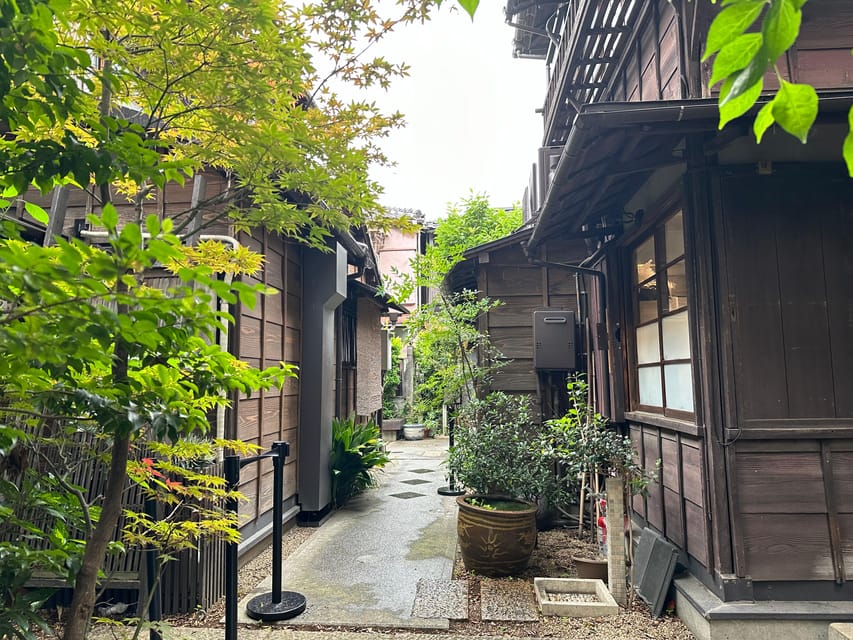
The early part of the walk takes you through quiet residential streets, where old and newer houses stand side by side. The point is not to treat the neighborhood as a museum. You may see nursery-age children, older residents going about their day, and the small details of a district that is still home to people.
That ordinary life is one of the tour’s strongest features. In a fast-changing capital, a slow walk through residential lanes can show how local routines fit around temples, shops and narrow roads. Sui’s explanations help make those details meaningful without turning the stroll into a lecture.
Expect some variety in what you encounter. The exact houses and shops open along the way can depend on the day, and some businesses close on Mondays. Even then, the streets themselves remain part of the experience, but you should not plan around a particular shop being open.
Visitors with children may find the relaxed, conversational style helpful. Sui has been especially attentive to families, with past tour groups noting that she brought small toys and treats for children. That is a thoughtful extra, not something to count on as a standard inclusion.
Nezu Shrine and the meaning of a torii path
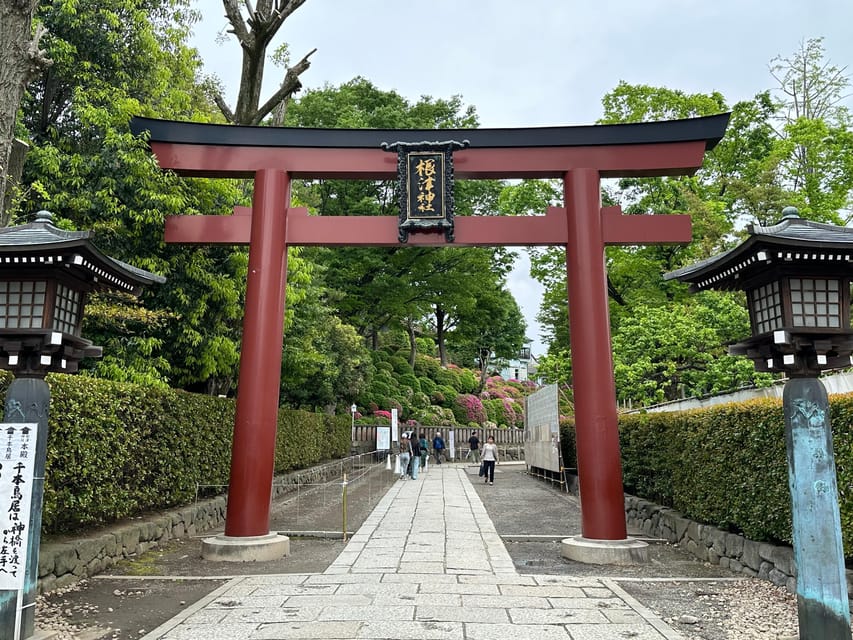
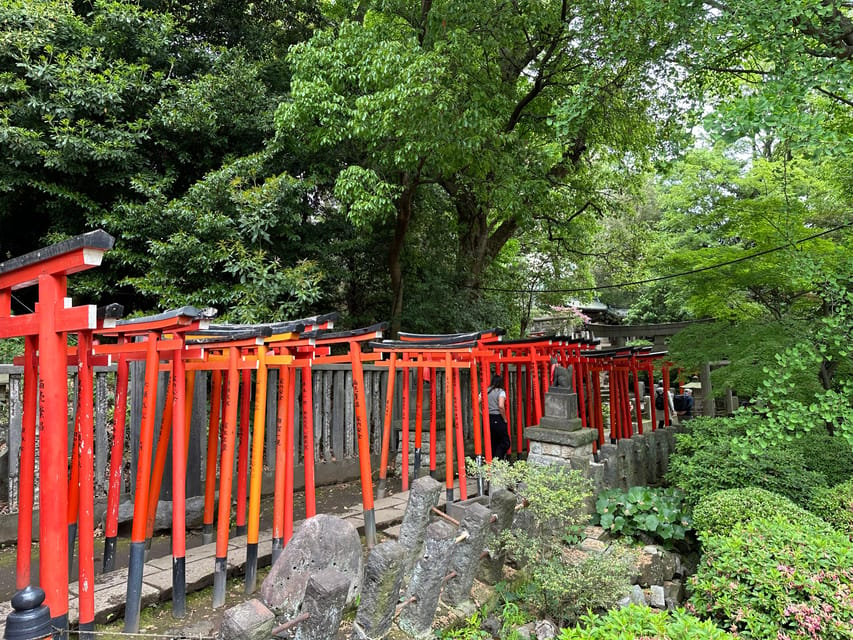
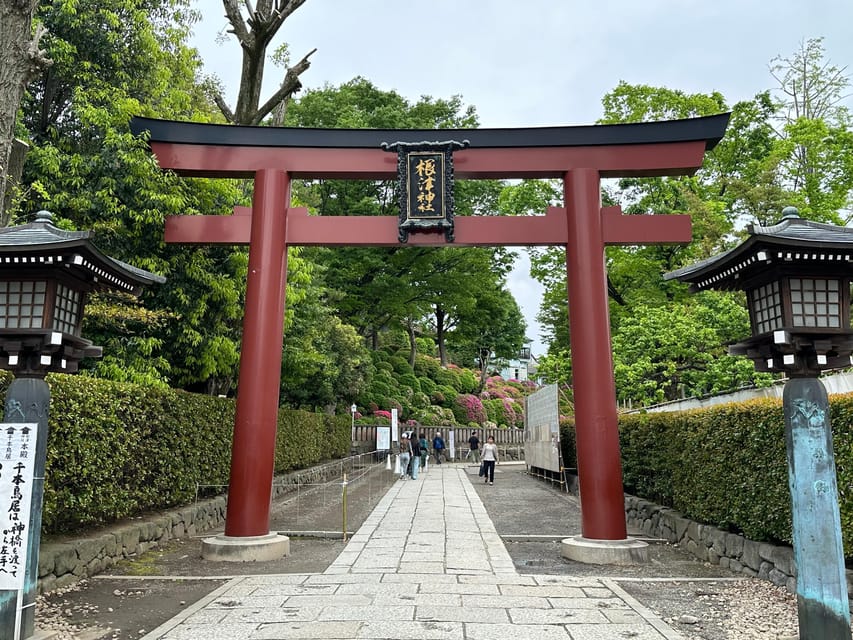
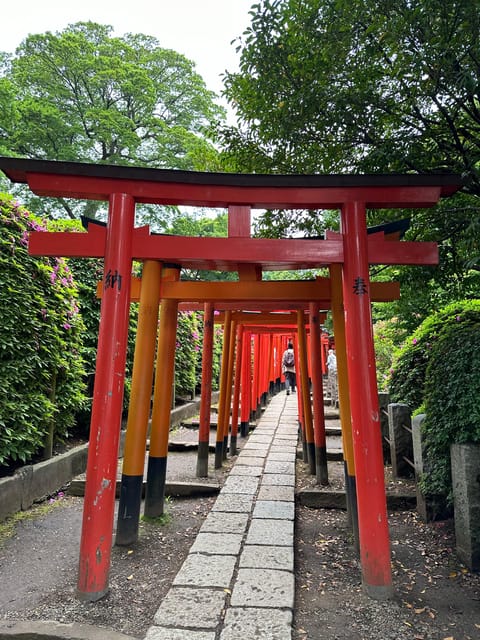
Nezu Shrine is one of the route’s major stops and is described as one of Tokyo’s oldest places of worship. Its torii-lined pathway gives you a striking change of pace from the surrounding streets. Rather than simply taking a photo and moving on, you can ask about shrine customs and how to approach worship respectfully.
The tour focuses on Japan’s main religions and visits both shrines and temples. That distinction can be useful if you are new to Japan, where the two kinds of sacred place have different traditions and visual cues. Sui can explain how to pray at the sites along the route, and the walk gives you a chance to put those pointers into practice.
A shrine is an active place of worship, not only a scenic stop. Keep your voice low, follow the guide’s instructions and be considerate of anyone there to pray. The visit is likely to be more rewarding if you approach it with curiosity rather than treating the torii gates as a backdrop alone.
More tours and experiences in Tokyo:
- Mt Fuji and Hakone 1-Day Bus Tour Return by Bullet Train
★ 5.0 · 26,383 reviews - 1-Day Tokyo Bus Tour
★ 5.0 · 14,250 reviews - Tokyo: teamLab Planets TOKYO Digital Art Museum Entry Ticket
★ 4.6 · 9,779 reviews - Mt Fuji & Hakone Cruise, Drum Show Bullet Train 1 Day from Tokyo
★ 4.0 · 7,413 reviews
Tennoji Temple and its seated Buddha
At Tennoji Temple, the large bronze seated Buddha is a clear focal point. The temple also has a Japanese garden, offering a quieter pause in a walk that moves between streets, religious sites and local landmarks.
The value here is the contrast between the temple’s stillness and the city outside its grounds. You do not need specialist knowledge to appreciate the statue or garden, but a guide can explain what you are seeing and answer questions about the site. If you are particularly interested in Buddhist art or architecture, this is a good moment to ask; the tour’s broader theme is neighborhood history and daily culture, not an exhaustive study of one temple.
Small temples can feel calmer than Tokyo’s best-known sights, though that should not be mistaken for guaranteed solitude. The appeal is their place within the local streetscape and the chance to pause without the pressure of a packed schedule.
Yanaka Cemetery and Tokyo’s layers of history
Yanaka Cemetery is among Tokyo’s largest and most scenic cemeteries, with a notable row of trees. A cemetery may not be the first stop you would choose on a city walk, but here it helps explain the area’s relationship to memory, religion and the past.
The route also points out buildings and structures from the Meiji period, 1868 to 1912, through the Showa period, 1926 to 1989. Seeing different eras together gives you a more grounded sense of how the neighborhood has changed. The experience is less about a single preserved streetscape than about noticing what survived and what still serves daily life.
Treat the cemetery as a place of respect. It is not merely a scenic shortcut, and the tour’s calm pace suits a quiet visit. If you are hoping for a detailed account of every historical building, keep in mind that this is a broad neighborhood stroll rather than a specialist architecture tour.
Old shops, sake and Yanaka Ginza
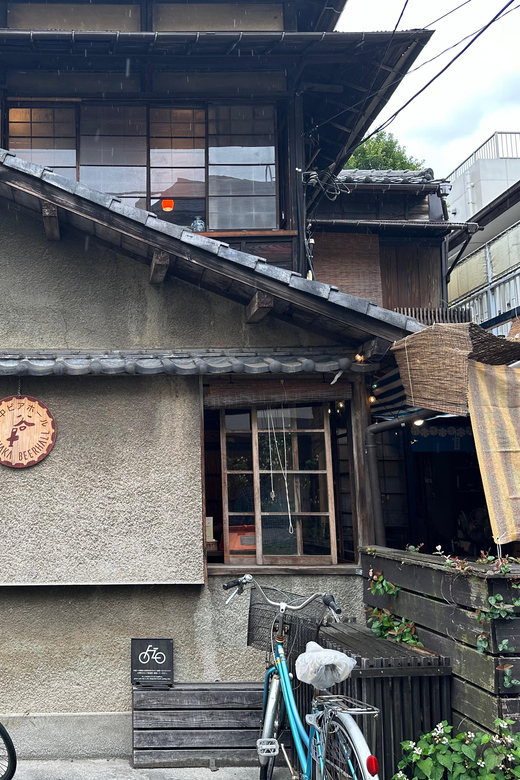
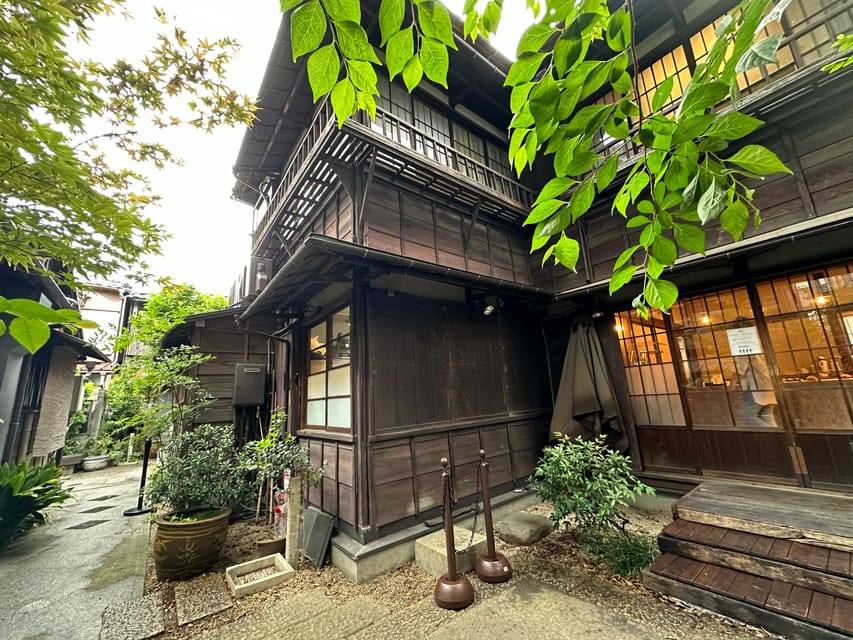
The route includes Yoshida Liquor Store, a traditional Japanese sake shop, and time around Yanaka Ginza, a local shopping street with food, souvenir and other small shops. Sui can help you understand what is on offer, point out local snacks and suggest what may be worth trying or bringing home.
This is where carrying cash is useful. The tour price does not cover shopping or food, and the appeal lies partly in being able to stop for a small treat or browse at your own pace. You may also have the chance to speak with shopkeepers, though conversations naturally depend on who is available and how busy the shop is.
Yanaka Ginza is a practical place to pick up a snack or souvenir, but it is still a shopping street, not an untouched time capsule. The more memorable stops may be the tiny, long-running businesses and the stories attached to them. Ask Sui for recommendations if you want a specific local food or gift; she has a reputation for giving useful shop and restaurant suggestions.
The walk may include the Sunset Staircase, a photo spot popular with local people. It is a pleasant visual pause, but do not expect the whole tour to be a series of photo stops. The emphasis is on walking, learning and noticing the neighborhood.
What the guide adds
Sui is the main guide for this Yanaka walk. The tour’s appeal depends heavily on her ability to connect history, religion and local life, and her English-led explanations make the experience accessible to visitors who do not speak Japanese. The small-group setup also creates room for questions and personal interests.
Her style seems especially suited to people who enjoy conversation rather than a tightly scripted march from landmark to landmark. She may offer extra context, help with photos or point you toward a lunch spot after the walk, but those thoughtful additions should be seen as personal touches rather than guaranteed services.
That local guidance is a key part of the value. Without it, you can still stroll through the lanes, visit the shrine and see the Buddha. With it, you are more likely to understand how those places connect to one another and what to look for in the everyday details.
Seasonal changes, heat and walking comfort
Spring dates include a free sakura mochi, or another traditional Japanese sweet if mochi is unavailable. The information provided gives different end dates for this spring offer, so check the current dates when booking rather than assuming it applies throughout the season. Cherry blossoms also depend on the weather, so the sweet is not a promise of peak bloom.
From June 1 to September 11, 2026, the summer tour includes one drink at a cafe in an old traditional building. To reduce the risk of heat illness in Tokyo’s hot, humid summer, the route omits Yanaka Ginza and ends at Nezu Station. The other listed places remain part of the visit.
Even with a cafe stop, three and a half hours outdoors can be strenuous in high heat. Bring water, wear light clothing and take the heat warning seriously. One visitor found a long walk on a 36-degree day tough and wished for a longer break, so this is not the best choice if you are uncomfortable walking in summer weather.
You should also plan to eat beforehand or bring something small. The walk can run across lunchtime, and the tour does not include a meal. You may find snacks along the route, but relying on a shop being open is risky, especially on a Monday.
Is $29 good value?
At $29 per person, the price is fair for a 3.5-hour guided walk, particularly if you want cultural context rather than only directions between sights. You are paying for the guide’s time, English explanations and the local knowledge that helps you spot details you might otherwise pass by. Seasonal treats and the summer cafe drink add a little extra, but they apply only during their stated periods.
The tour does not include transport, a meal or general shopping, so do not treat the price as an all-in outing. Its strongest value is interpretive: you come away with a better sense of how the temples, homes, cemetery and shops fit into local life. If you prefer to explore independently and are content with what you can read on signs, you may not need a guided tour.
Free cancellation up to 24 hours ahead and the option to reserve now and pay later make planning flexible. The walk is not wheelchair accessible, and stairs are used, so it will not suit everyone.
Who should book this walk?
I would choose this tour if you have already seen some of central Tokyo and want a quieter half-day with a local focus. It is especially appealing if you are curious about shrines and temples, enjoy small shops, or want to hear how everyday life differs from the city’s more commercial districts.
Families can make it work if children are comfortable walking and listening for much of the outing. The pace is relaxed, but the length is real. Solo visitors and couples may also appreciate the chance to ask questions and get tailored recommendations in a small group.
Skip it if you need step-free access, dislike walking, or are visiting during intense heat and do not tolerate it well. Also reconsider if Yanaka Ginza is the main reason you want to go in summer, since that seasonal route leaves it out. If the quieter side of Tokyo sounds more appealing than another major landmark, this is a sensible, well-priced way to see it.
FAQ
Where does the tour start?
Meet at Nippori Station’s West Exit for Yanaka. The guide waits in the area just outside the exit.
How long is the walk?
It is scheduled for 210 minutes, or about three and a half hours. The finish may be a little earlier or later.
Which places are included?
The route includes Yanaka and Nezu neighborhood streets, Nezu Shrine, Tennoji Temple, Yanaka Cemetery, traditional buildings, Yoshida Liquor Store and Yanaka Ginza, except on the summer route.
What changes during the summer tour?
From June 1 to September 11, 2026, the tour includes one drink at an old traditional cafe, skips Yanaka Ginza and ends at Nezu Station.
What should I bring?
Wear comfortable shoes and bring cash. Eating before the tour or carrying a snack is sensible because the walk may run across lunchtime.
Is the tour suitable for wheelchair users?
No. The tour is not suitable for wheelchair users, and it includes staircases.
Freshly reviewed in Tokyo
- Tokyo: Toshimaya Sake Brewery Tour with Sake Tasting★ 5.0 · 6 reviews
- :Tokyo,Shibuya /Meiji Shrine tour in KIMONO/English-friendly★ 5.0 · 4 reviews
- Tokyo: Tour Privado por Tokio en español★ 4.3 · 4 reviews
- Tokyo:Tea ceremony experience at Komaba Warakuan★ 4.8 · 9 reviews
- :Tokyo,Shibuya/ Pro Photography in Kimono / English-Friendly★ 5.0 · 26 reviews
- Tokyo:Samurai Training : Swords, Bushido & Mental Discipline★ 5.0 · 6 reviews
- Tokyo:Mt Fuji & Hakone Day Tour with English Speaking Driver★ 5.0 · 26 reviews
- Tokyo:Nikko UNESCO World Heritage Sites Private 1-Day Tour★ 3.8 · 6 reviews
Tokyo Walking Tours, compared.
Tokyo Tsukiji Fish Market Food and Culture Walking Tour
Read our review →
Imperial Palace and Shogun Historical Walking Tour
Read our review →
Shinjuku Local Bar and Izakaya Guided Walking Tour
Read our review →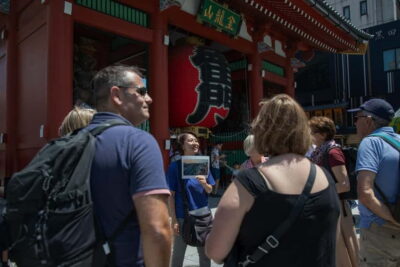
Asakusa Walking Tour with Sensoji Temple Visit
Read our review →
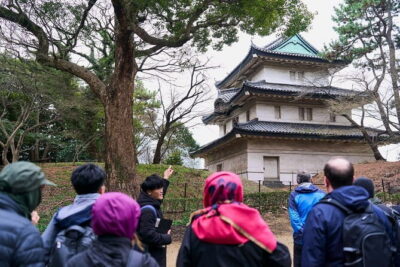
Tokyo Castle & Imperial PalaceーShogun Walking Tour
Read our review →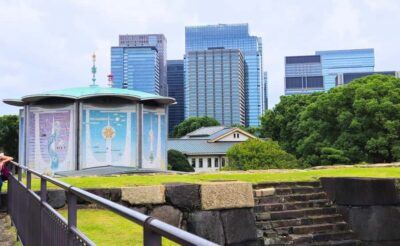
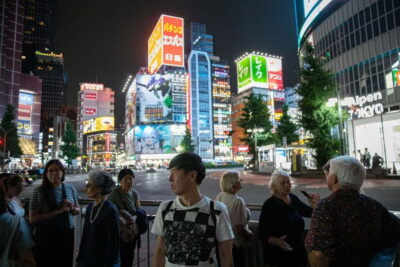
Dark Side of Tokyo Shinjuku Red Light Walking Tour
Read our review →Browse the lists this tour appears in