
Reviewed · TOKYO TOURS
Tokyo: Edo Kiriko Traditional Glass Carving Class
Edo Kiriko turns a drinking glass into a pattern of cut lines that catch the light. In this 90-minute Asakusa class, you choose a glass and design, practise first, then carve your own piece with an instructor nearby. The craft has more than 180 years of history, but you don’t need prior experience to try it.
I like the hands-on practice time before you work on your chosen glass, and the chance to pick from more than 20 glass styles and dozens of patterns. I also like that this is a useful souvenir you make yourself, rather than one more item bought off a shelf.
The main consideration is that neat, even cuts take care: you can leave with a lovely keepsake, but a first attempt may not look as precise as a professional piece. The instructor can help correct small slips, so think of this as a rewarding introduction, not a test of expert craftsmanship.
What to know before you book
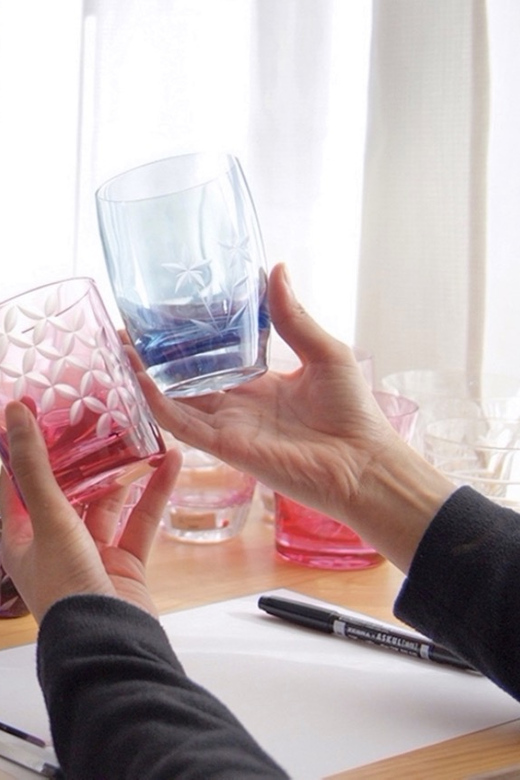
- Pick from more than 20 glass styles and dozens of pattern samples before choosing your design.
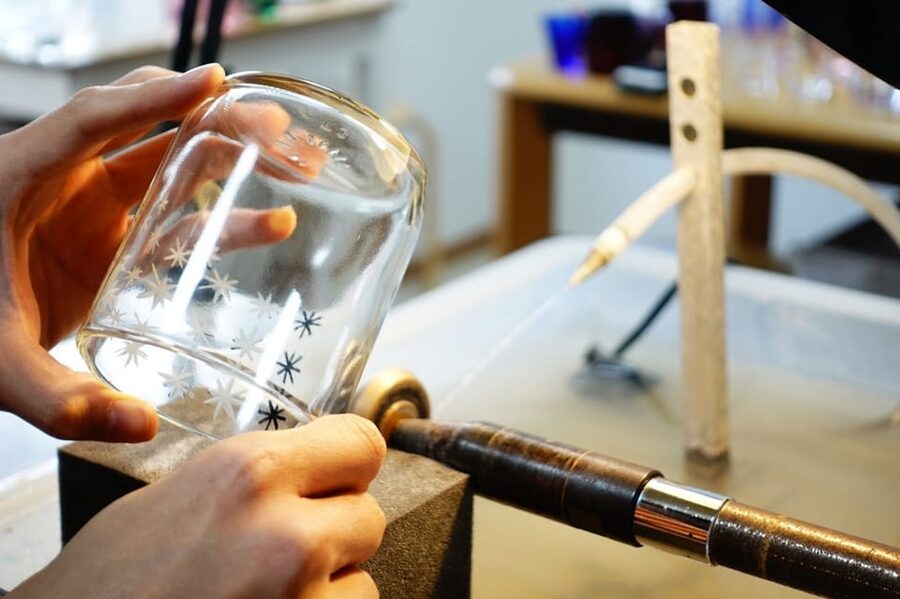
- Try traditional Edo Kiriko cutting on practice stars before working on your own glass.
- Expect patient, close support: instructors speak English and Japanese, and instructor Ze is praised for clear, encouraging help.
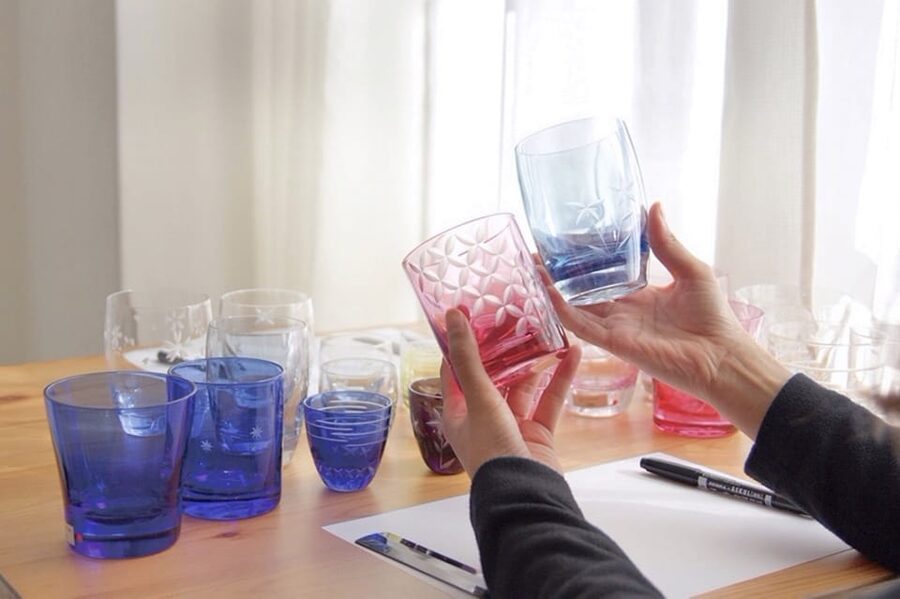
- Choose from six glass options, including clear glass and colored choices such as blue, pink, and yellow.
- Make time for the full 90 minutes: the workshop is near Asakusa Station, with Senso-ji and Tokyo Skytree also close by according to the stated walking estimates.
- Bring a hair tie if you have long hair. Transportation is not included.
A craft you can understand through your hands

Edo Kiriko is a traditional Japanese glass-carving craft with more than 180 years of history. In this workshop, you do more than look at finished glassware behind a shop counter. You get to see how a pattern takes shape by making one yourself, with a lecturer beside you to explain the cutting technique and offer help as you go.
That difference matters. A short class cannot teach you every detail of a craft with generations of practice behind it, but it can give you a clearer sense of the skill involved. Once you try to make a straight, deliberate cut, you’ll see why a maker’s control matters. The goal is not to match a master’s work in one sitting. It is to learn a little, enjoy the process, and leave with something personal.
The class is beginner-friendly, with options that range from beginner to expert. That gives you room to choose a design that feels manageable, rather than being pushed into a pattern beyond your comfort level. If you have made things by hand before, you can choose a more ambitious design, but there is no need to arrive with artistic training.
More hands-on workshops in Tokyo:
- Sushi Making Tokyo Roll and Authentic Japanese Sushi Class
★ 5.0 · 3,971 reviews - Tokyo: Roll and Authentic Sushi Making Class in Asakusa
★ 4.9 · 1,957 reviews - Tokyo Shinjuku Chopsticks Making Class
★ 5.0 · 1,763 reviews
Choosing a glass and pattern
The first decision is part of the fun: select from more than 20 kinds of glasses, then browse dozens of pattern samples. The course includes six clear and colored glass options. Blue, pink, and yellow are among the colored choices, giving you a chance to consider how your design might look against different glass.
This is a useful moment to ask the instructor how a pattern might suit the glass you’ve chosen. One instructor, Helena, explained how different designs would look on different glasses, a practical bit of guidance that can help you avoid choosing a pattern just because it looks good on a sample. If you are torn between options, ask before you begin cutting.
There is a real balance between ambition and ease here. A pattern with more detail may feel exciting, but accuracy is the hard part, especially on a first try. You can keep things simple and still make a glass that feels distinctly yours. The range of choices lets you steer the experience toward a modest first project or a more challenging one.
Practising before the real glass

You don’t go straight to carving your finished piece. The class starts with practice, including simple star shapes, so you can get a feel for the process before moving on to your chosen design. That small rehearsal is valuable: cutting itself may feel straightforward, but doing it neatly takes steadiness and care.
Use this time to ask questions and get comfortable with the technique. Tori found that the group could practise as much as needed before making the final designs. That is a reassuring feature if you are nervous about damaging your glass or unsure whether your hands will cooperate. You are not expected to arrive knowing what to do.
The skill gap between a first attempt and a polished professional carving is part of the lesson. Some cuts may come out crooked. An instructor may help refine a line or point out how to improve it, but the piece remains your own work. Think of that help as coaching, not a promise of a flawless finish.
Working with an instructor nearby
The class includes a lecturer, with instruction available in English and Japanese. The most useful part of that arrangement is the chance to get direct feedback while you work. The instructor can explain the method, answer questions, and help you correct a mistake before it spoils the look of a larger section.
Instructor Ze is especially noted for being kind, patient, and thorough. Other instructors have also been praised for calm, clear explanations and strong English. That matters in a craft class, where a quick demonstration and a well-timed correction can be easier to follow than a long explanation.
The class is described as a small-group experience in at least one session, with four participants giving everyone room to get support. Group size may vary, so don’t assume every class will be that small. Still, the hands-on nature of the activity makes individual attention more valuable than it would be on a standard sightseeing tour.
More tours and experiences in Tokyo:
- Mt Fuji and Hakone 1-Day Bus Tour Return by Bullet Train
★ 5.0 · 26,383 reviews - 1-Day Tokyo Bus Tour
★ 5.0 · 14,250 reviews - Tokyo: teamLab Planets TOKYO Digital Art Museum Entry Ticket
★ 4.6 · 9,779 reviews - Mt Fuji & Hakone Cruise, Drum Show Bullet Train 1 Day from Tokyo
★ 4.0 · 7,413 reviews
Leaving with a handmade keepsake
The piece you make is the main souvenir, and its value is personal as well as practical. It is a glass you can take home, made through your own effort, with a pattern you chose. It may not be perfect, and that is part of its appeal: the small quirks show where you learned the technique.
One participant left with two glasses, but the stated class description promises an original glass to take home, so plan on making one rather than counting on a second. If you are travelling with a companion, you can each make your own. Either way, you’ll have a tangible reminder of time spent doing something rather than simply moving between sights.
The finished piece also gives you a reason to remember the craft itself. You will have tried the cuts, seen how much precision they take, and gained a better sense of what makes Edo Kiriko distinctive. That makes the class more meaningful than a quick stop to browse glassware, even if your first pattern is a little uneven.
Finding the workshop in Asakusa
The meeting point is Sokichi, about a 30-second walk from Asakusa Station. The class takes place in a room reached through the shop, so speak to a staff member when you arrive and they will escort you to the workshop. The entrance is on a side street, but the location is described as easy to find, with someone waiting outside in one session.
The setting offers a quieter pause from the surrounding city. The shop’s connection to glassware makes sense for the activity, and the workshop room gives you a focused place to work. The short walk from the station is especially handy if you are fitting the class into an Asakusa day.
Senso-ji is about a five-minute walk away, and Tokyo Skytree is about 15 minutes away, according to one reported route. Those estimates make it easy to pair the class with nearby sightseeing, but leave enough breathing room to enjoy the workshop without rushing. Transportation to the meeting point is not included.
Is $30 a fair price?
At $30 per person for 90 minutes, the class offers more than a demonstration. The fee includes the glass-carving class, the lecturer, and colored glass. You get practice time, access to a range of glass and pattern choices, hands-on instruction, and a piece to take home.
That is good value if you want an activity that is both cultural and participatory. You are paying for materials and guidance, but also for the chance to try a traditional skill in a place where you can ask questions as you work. The keepsake adds value, though its worth will depend on how much you enjoy making things and how much you prize a souvenir with a story behind it.
It is less compelling if you only want a quick look at the craft or prefer a polished item made by an expert. This is a class, not a shop visit, and the satisfaction comes from taking part. You should also budget separately for getting there, since transportation is excluded.
Who will enjoy this class most
I’d recommend it to curious beginners, couples, families with an interest in making things, and anyone who wants a more hands-on break from Tokyo sightseeing. It is particularly well suited to people who enjoy leaving a place with something they made themselves, even if it has a few imperfect lines.
You do not need to be artistic, and the class offers beginner-friendly choices. Still, patience helps. Cutting a design neatly is harder than it first looks, so you’ll get more from the session if you can laugh at a crooked line and keep going.
If you want a fully polished result without taking part in the making, buy a finished piece instead. If you want to understand the craft by trying it, this is a compact and well-located way to do so. The 90-minute length also makes it easier to fit between other Asakusa plans than a long workshop.
Should you book the Edo Kiriko class?
Book it if you want a practical introduction to a traditional Japanese craft, patient guidance, and a handmade keepsake for about $30. The practice time and choice of glass and patterns make it approachable, while the challenge of cutting accurately keeps the activity from feeling like a simple souvenir stop.
Skip it if you are short on time, uninterested in hands-on activities, or would be disappointed by a result that shows the marks of a beginner. For everyone else, it is a memorable way to spend 90 minutes near Asakusa Station. Reserve with the understanding that the pleasure is in learning and making, not in producing a flawless professional carving.
FAQ
How long is the Edo Kiriko class?
The class lasts 90 minutes.
How much does the class cost?
The price is $30 per person.
Where does the class meet?
Meet at Sokichi, about a 30-second walk from Asakusa Station. Speak to a staff member at the shop, who will escort you to the class room.
What languages are available?
Instruction is available in English and Japanese.
Do I need experience with glass carving?
No. The class offers beginner-friendly options, as well as choices for more experienced participants.
What glass and pattern choices are available?
You can choose from more than 20 kinds of glasses and dozens of pattern samples. The course includes six clear and colored glass options, including blue, pink, and yellow.
What is included in the price?
The glass-carving class, a lecturer, and colored glass are included. Transportation is not included.
What should I bring?
Bring a hair tie.
Can I cancel or pay later?
You can cancel up to 24 hours in advance for a full refund. A reserve-now, pay-later option is also available, so you can book without paying today.
Freshly reviewed in Tokyo
- Tokyo: Toshimaya Sake Brewery Tour with Sake Tasting★ 5.0 · 6 reviews
- :Tokyo,Shibuya /Meiji Shrine tour in KIMONO/English-friendly★ 5.0 · 4 reviews
- Tokyo: Tour Privado por Tokio en español★ 4.3 · 4 reviews
- Tokyo:Tea ceremony experience at Komaba Warakuan★ 4.8 · 9 reviews
- :Tokyo,Shibuya/ Pro Photography in Kimono / English-Friendly★ 5.0 · 26 reviews
- Tokyo:Samurai Training : Swords, Bushido & Mental Discipline★ 5.0 · 6 reviews
- Tokyo:Mt Fuji & Hakone Day Tour with English Speaking Driver★ 5.0 · 26 reviews
- Tokyo:Nikko UNESCO World Heritage Sites Private 1-Day Tour★ 3.8 · 6 reviews
Tokyo Tours, compared.

Mt Fuji and Hakone 1-Day Bus Tour Return by Bullet Train
Read our review →

teamLab Planets TOKYO Digital Art Museum Entry Ticket
Read our review →
Mt Fuji & Hakone Cruise, Drum Show Bullet Train 1 Day from Tokyo
Read our review →
Shinjuku Food Tour (13 Dishes at 4 Local Eateries)
Read our review →
Tokyo Mt Fuji 5th St & Hakone Cruise Bus Tour w/Bullet Train
Read our review →
Flagship 2-Hours Official Street Go-Kart Tour – Tokyo Bay Shop
Read our review →