
Reviewed · TOKYO TOURS
Tokyo War History Tour: Yasukuni Shrine & War Museum
Yasukuni Shrine is both a place of mourning and one of Japan’s most debated memorials. I like that this private tour puts the shrine’s religious role alongside the Yushukan Museum’s account of modern conflict, and I especially like the extended option’s comparison with the secular memorial at Chidorigafuchi.
The main consideration is that the subject can be sensitive, and the museum presents a distinct narrative of Japan’s wars. A guide can provide context, but you should arrive ready to think critically rather than expecting an uncomplicated account.
Key points to know before you go
- Yasukuni Shrine dates to 1869: It commemorates people who died in conflicts from the Meiji Restoration through the Asia-Pacific War.
- The Yushukan takes about 110 minutes: Its exhibits trace Japan’s military history from the late Tokugawa period through World War II.
- The guide is central to the experience: The private format gives you room to ask questions and discuss how history is presented.
- The extended tour adds Chidorigafuchi: This secular memorial honors unidentified war dead repatriated from overseas battlefields.
- Expect moderate walking: Comfortable shoes, water, sun protection, and a hat are sensible choices.
- The price is $87 per person: The private guide and Yushukan admission are included; food, drinks, and transport to the meeting point are not.
Why Yasukuni needs more than a quick visit
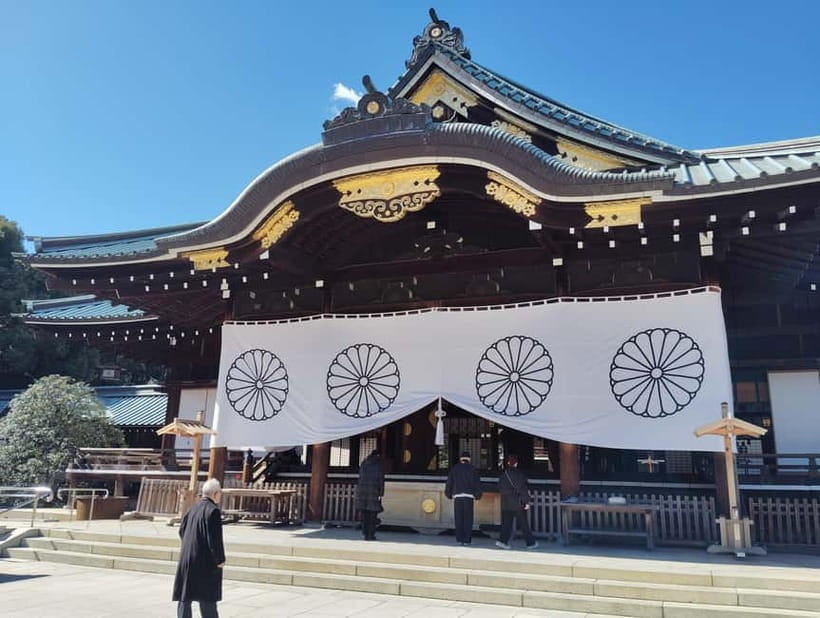
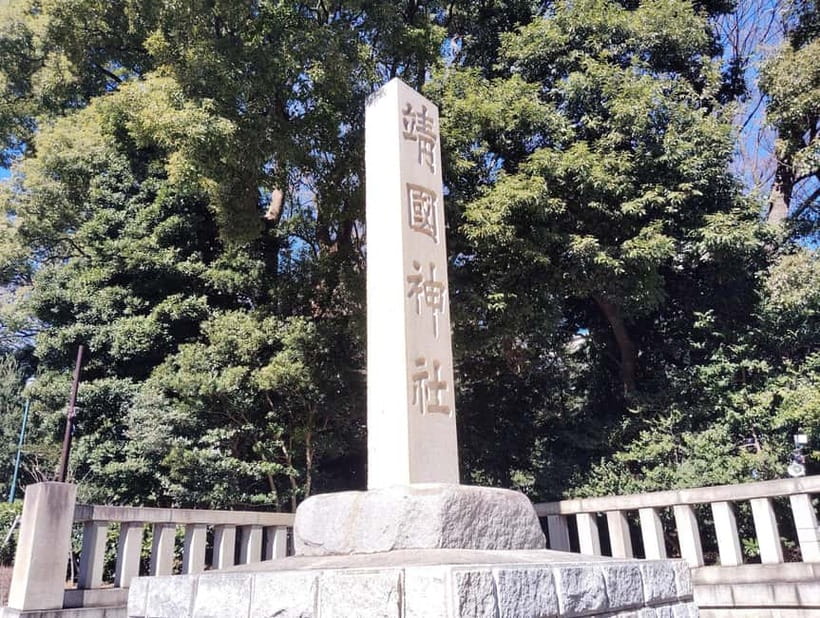
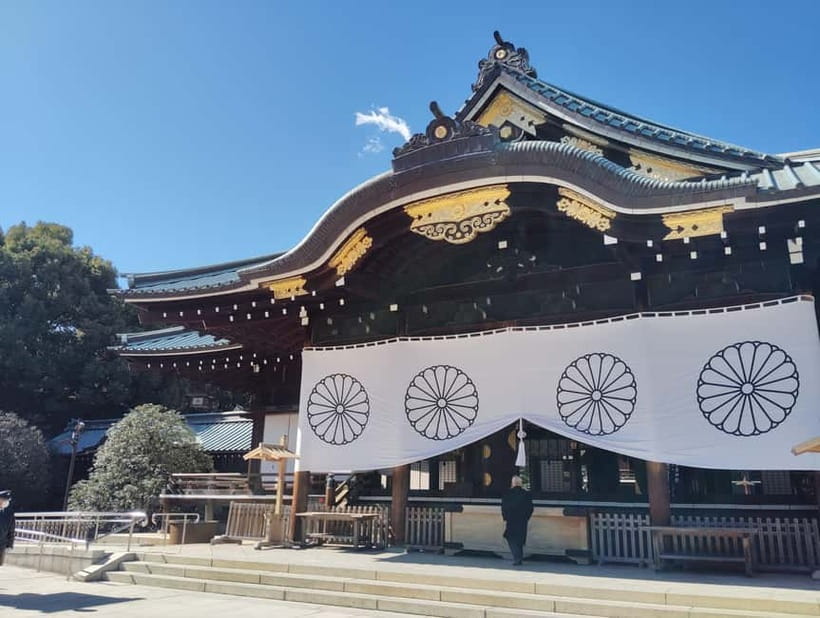
Yasukuni is unlike a typical neighborhood shrine. Founded in 1869, it enshrines the spirits of people who died in conflicts spanning Japan’s transformation from a feudal society into a modern nation-state. That role puts religion, national identity, private grief, and public debate in the same place.
The shrine remains meaningful to many Japanese families as a site of mourning. It is also a focus of international debate and historical reflection. Those realities can be hard to hold together if you arrive with only a few minutes and a guidebook paragraph. Here, your guide can explain the shrine’s place in Japan’s history and help you distinguish personal remembrance from questions about national memory.
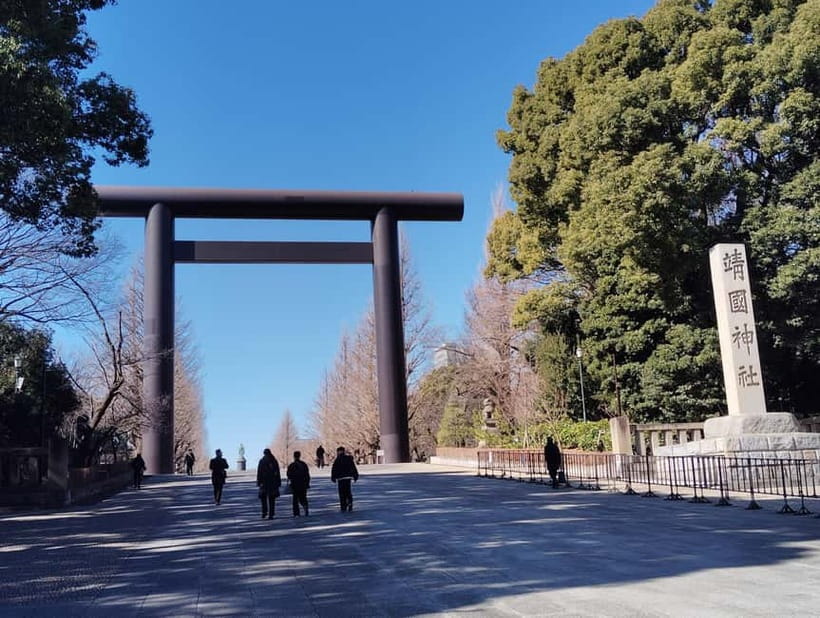
The walk begins at the imposing First Torii, then continues through the shrine grounds. As you go, the guide connects the site to changes in Japanese society, including the move from feudal rule toward a modern state. Samurai ethics, imperial ideology, and modernization all help explain the military development that shaped the shrine’s history.
You’ll also learn the basics of shrine etiquette and take part in its customary practices. This is useful even if you have visited other Shinto shrines: the point here is not just how to behave, but how ritual connects the present with the past at a memorial with a distinctive role.
The Yasukuni visit is about 40 minutes. That is enough for a guided walk and orientation, but it is not a long, contemplative stop. If you want to linger quietly, ask your guide how the schedule can accommodate that before you book.
More museum visits in Tokyo:
- Tokyo: teamLab Planets TOKYO Digital Art Museum Entry Ticket
★ 4.6 · 9,779 reviews - Tokyo: Samurai Ninja Museum Guided tour and Experience
★ 4.6 · 1,010 reviews - Ninja Experience (Family Friendly) at Samurai Ninja Museum TOKYO
★ 5.0 · 441 reviews
Reading the Yushukan Museum with context
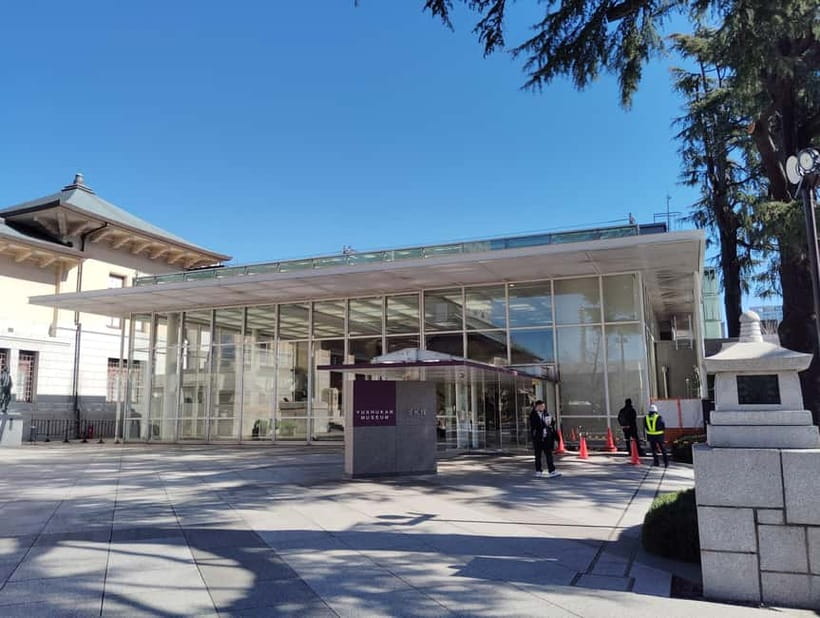
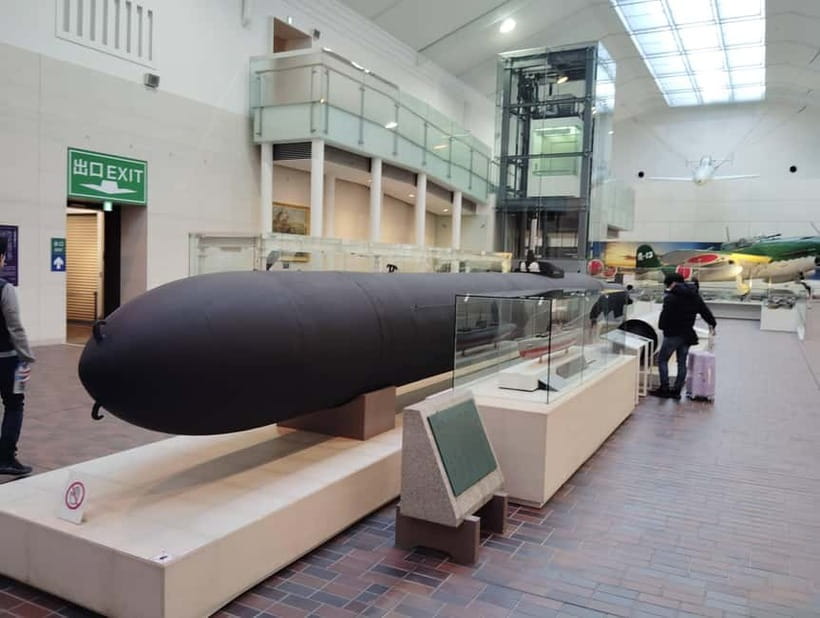
The Yushukan Museum is the longest stop, at about 110 minutes. Its exhibitions trace Japan’s military history from the late Tokugawa period through World War II, including the Pacific War and the period often called the Greater East Asia War in Japan. The museum presents a particular account of these events, so the guide’s historical framing matters.
That does not mean you need to accept or reject the museum’s presentation wholesale. It means you should notice how the exhibits tell their story, what context they provide, and how the framing compares with what you already know. A guide who can discuss multiple perspectives helps turn the visit into a study of both wartime history and the ways that history is remembered.
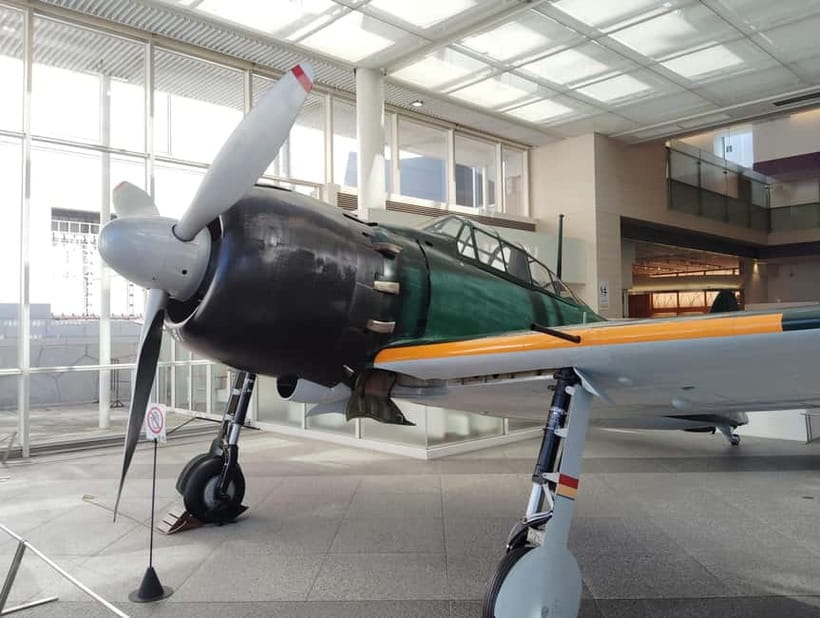
The museum includes artifacts, photographs, and documents. These can make broad historical events feel more tangible, while also prompting questions about selection and interpretation. The displays cover a long period, so you may find it helpful to keep a few questions in mind: how did Japan’s military role change, how is sacrifice presented, and how does the museum describe the causes and consequences of war?
There is enough material here that the guided format offers real value. Rather than trying to absorb every display, you can use your time to follow the guide’s explanations and pause over exhibits that interest you. A guide named Tatsuo has led this tour, and one particularly unexpected topic raised on the walk is the history behind left-side habits on pavements and escalators. You can ask about it, though the tour details do not set out a specific explanation.
Photography may be restricted in some museum areas, and flash photography is not allowed. Follow posted instructions and your guide’s advice rather than assuming you can photograph every object.
What the extended walk at Chidorigafuchi adds
The extended option continues to Chidorigafuchi National Cemetery, adding about an hour to the visit. Established in 1959, this state-administered, secular memorial honors unidentified war dead repatriated from overseas battlefields. Its purpose and form differ from Yasukuni’s religious enshrinement.
That contrast is the most useful reason to choose the longer version. You see two approaches to remembrance in postwar Japan: a shrine that enshrines the spirits of the dead, and a government memorial for unidentified people whose remains were brought home. The comparison adds perspective without requiring you to treat either site as a simple symbol.
The extension brings the full experience to roughly 210 minutes, compared with about 150 minutes for the shrine and museum visit. If you have the time and want to understand how different institutions honor the dead, the extra hour is worthwhile. If you mainly want an introduction to Yasukuni and the museum, the shorter option still covers the two central sites.
The tour can end at Chidorigafuchi or at the Yushukan, depending on the option booked. Check the meeting and drop-off details for your selection, since the meeting point may vary.
How the private format affects the visit
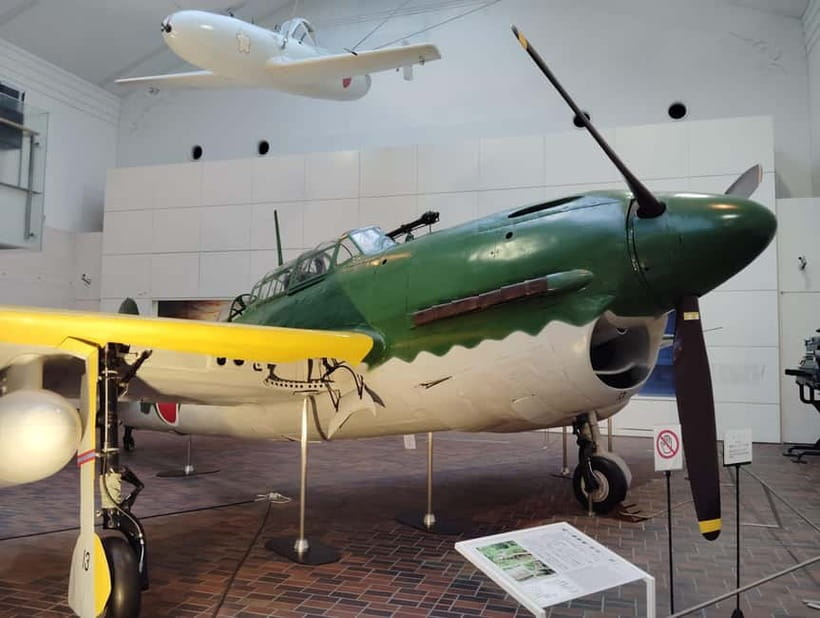
This is a private tour, so your group participates on its own rather than joining a larger group. That suits a subject where you may want to ask direct questions, clarify unfamiliar terms, or spend more time on a particular display. The guide speaks English and provides historical commentary intended to give context from more than one perspective.
The value of a private guide is not simply a more personal pace. At Yasukuni and the Yushukan, interpretation is part of the subject itself. You are not only learning what happened, but also considering how a shrine, a museum, and a secular memorial represent the past differently. A guide can help you make those distinctions without telling you what conclusion to reach.
There is still a fixed schedule. The museum receives the biggest share of the time, while the shrine visit is shorter and the cemetery is reserved for the extended option. If one part matters most to you, say so early and ask what can reasonably be adjusted.
More history tours in Tokyo:
- Tokyo: Imperial Palace and Shogun Historical Walking Tour
★ 5.0 · 2,251 reviews - Tokyo: Imperial Palace Japanese History Walking Tour
★ 4.9 · 987 reviews - Yanaka Walking Tour: Historic and Traditional District of Tokyo
★ 5.0 · 530 reviews - Tokyo: Shinjuku Historical Walking Tour & Secret Backstreets
★ 5.0 · 530 reviews
Is $87 a fair price?
At $87 per person, the tour includes a private English-speaking guide, guided visits to Yasukuni Shrine and the Yushukan, and the museum admission fee. The extended option adds the guided visit to Chidorigafuchi. Food, drinks, and transport to the meeting point are extra.
The price makes the most sense if you want informed discussion rather than a simple route through the grounds. The museum itself takes about 110 minutes, and the guide’s context is especially useful there because the exhibits present a distinct narrative. A private format also means your questions are not competing with those of a larger group.
The short option is around two and a half hours; the extended version is about three and a half hours. That gives you a clear choice: pay for a focused visit to the shrine and museum, or spend more time comparing the two memorial approaches. Check the price shown for your chosen option before booking, since the tour offers different durations.
Practical details for a thoughtful visit
Plan for moderate walking, including time on your feet inside the museum. Wear comfortable shoes and bring water. A hat and sunscreen are useful if you are visiting in sunny weather, and a camera is fine where photography is permitted. Smoking is not allowed, and museum photography may be restricted in certain areas.
War and modern Japanese history can be difficult subjects. The tour is designed to give context, not to promote a political viewpoint, but you may still find the material challenging. If you are traveling with someone who prefers lighter sightseeing, discuss the focus of the tour with them beforehand.
The tour is offered in English for private groups. The meeting point depends on the option booked, and transport to and from it is not included. You can cancel up to 24 hours in advance for a full refund, and the reserve-now, pay-later option allows you to book without paying immediately.
Who should book this tour?
I’d choose this tour if you have a serious interest in modern Japanese history, military history, international relations, or the ways societies remember conflict. It is also a good fit if you have already seen Tokyo’s more familiar sights and want a guided visit that asks you to think, not just look.
The extended version is best for anyone who wants to compare religious and state memorials. The shorter version suits you if your priority is Yasukuni and the museum, or if you need to keep the day moving.
If you want a light, uncontroversial outing, this is not the right choice. But if you are prepared for a complicated subject and value a guide who can add perspective, the tour offers a useful way to understand why these sites matter and why their meaning is still contested.
FAQ
How long does the tour take?
The shorter option takes about 150 minutes. The extended option, which includes Chidorigafuchi National Cemetery, takes about 210 minutes.
What sites are included?
Both options include Yasukuni Shrine and the Yushukan War Museum. The extended option also includes Chidorigafuchi National Cemetery.
Is the Yushukan Museum admission fee included?
Yes. Admission to the Yushukan War Museum is included, along with a guided visit inside.
Is this a private tour?
Yes. Only your group participates, and the tour is led by a live English-speaking guide.
What is not included in the price?
Food, drinks, and transportation to and from the meeting point are not included.
What should I bring?
Wear comfortable shoes and consider bringing a hat, camera, sunscreen, and water. Photography is restricted in some museum areas, and flash photography is not allowed.
Can I cancel for a refund?
Yes. You can cancel up to 24 hours in advance for a full refund. The reserve-now, pay-later option is also available.
Freshly reviewed in Tokyo
- Tokyo: Toshimaya Sake Brewery Tour with Sake Tasting★ 5.0 · 6 reviews
- :Tokyo,Shibuya /Meiji Shrine tour in KIMONO/English-friendly★ 5.0 · 4 reviews
- Tokyo: Tour Privado por Tokio en español★ 4.3 · 4 reviews
- Tokyo:Tea ceremony experience at Komaba Warakuan★ 4.8 · 9 reviews
- :Tokyo,Shibuya/ Pro Photography in Kimono / English-Friendly★ 5.0 · 26 reviews
- Tokyo:Samurai Training : Swords, Bushido & Mental Discipline★ 5.0 · 6 reviews
- Tokyo:Mt Fuji & Hakone Day Tour with English Speaking Driver★ 5.0 · 26 reviews
- Tokyo:Nikko UNESCO World Heritage Sites Private 1-Day Tour★ 3.8 · 6 reviews
Tokyo Tours, compared.
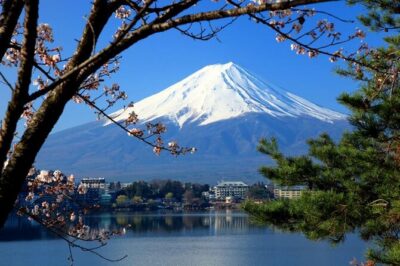
Mt Fuji and Hakone 1-Day Bus Tour Return by Bullet Train
Read our review →
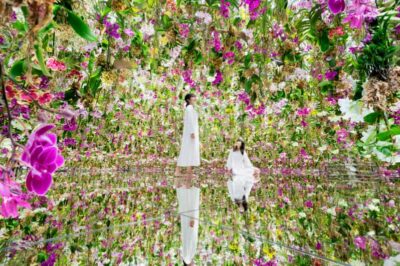
teamLab Planets TOKYO Digital Art Museum Entry Ticket
Read our review →
Mt Fuji & Hakone Cruise, Drum Show Bullet Train 1 Day from Tokyo
Read our review →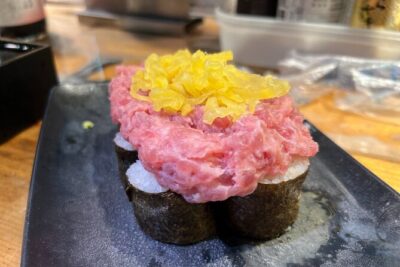
Shinjuku Food Tour (13 Dishes at 4 Local Eateries)
Read our review →
Tokyo Mt Fuji 5th St & Hakone Cruise Bus Tour w/Bullet Train
Read our review →
Flagship 2-Hours Official Street Go-Kart Tour – Tokyo Bay Shop
Read our review →
Browse the lists this tour appears in